Wild Nephin National Park: Walking Guide to Mayo's Wilderness
From our guides in Mayo — what the old maps still call Ballycroy, and what Ireland renamed Wild Nephin in 2022.
When people ask me where to walk in Ireland if they've already done Kerry and want something wilder, I send them north-west. Up past Westport, past Mulranny, out to the edge of the Nephin Beg range. Wild Nephin National Park is the biggest unbroken wilderness left on this island — 15,000 hectares of blanket bog, heather, and mountain, and on a clear night it's one of only three Gold Tier Dark Sky Parks in the world.
It used to be called Ballycroy National Park. In 2022 it was officially renamed Wild Nephin National Park to reflect the merged area with the old Wild Nephin Wilderness and the reality of what's actually out there — wind-bent pine, long views, and a silence you don't really hear anywhere else in Ireland.
This guide is what I tell walkers who ask me about the park. Trails, practicalities, weather, the Dark Sky side of it, and a few notes I've picked up taking small groups into that country over the years.
Why Wild Nephin National Park is different
Ireland has six national parks, and most of them get busy. Killarney sees over a million visitors a year. Glendalough car parks fill by 10 a.m. on a weekend. Wild Nephin National Park gets a fraction of that traffic, and a lot of people who drive the road along its edge never actually walk into it.
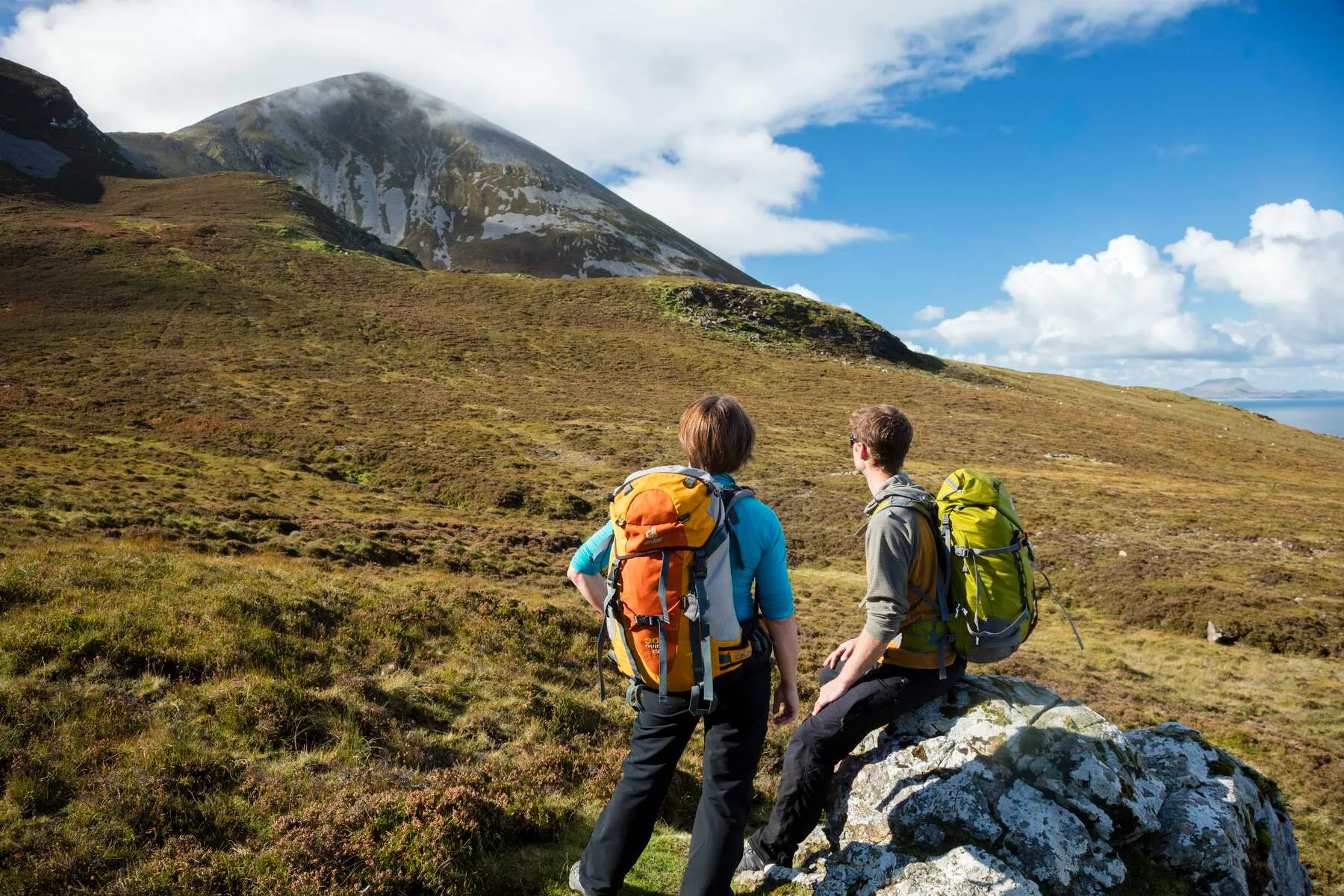
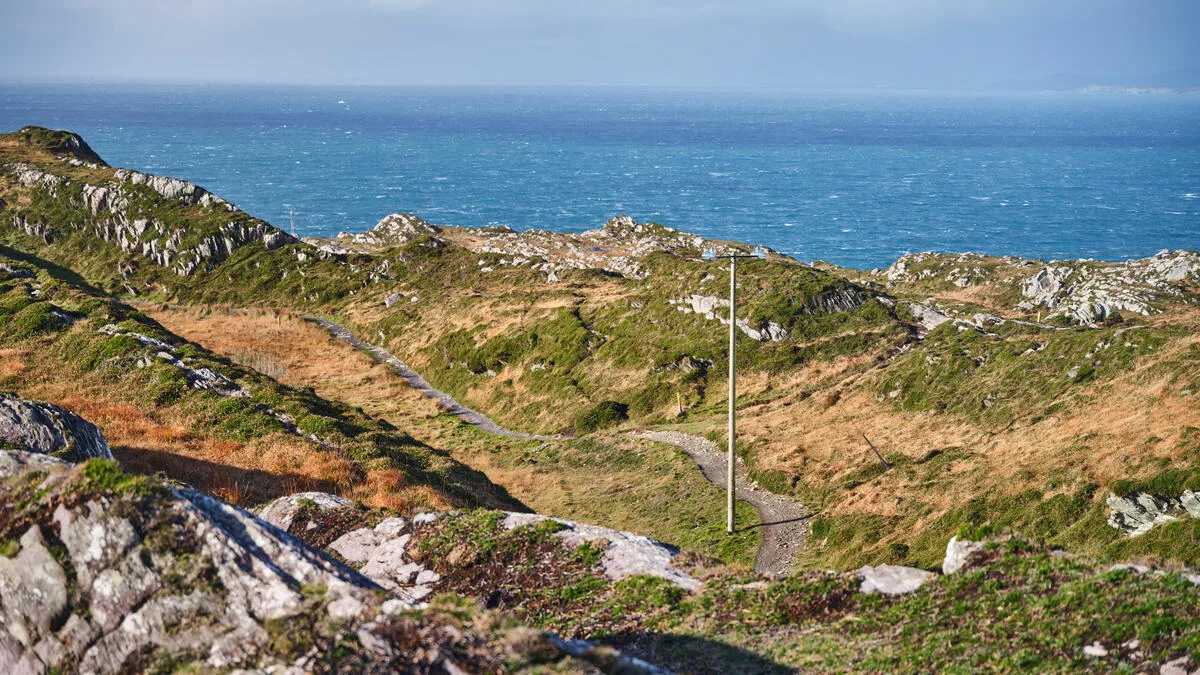
That's partly because the terrain here is honest. This isn't a manicured forest park with interpretation boards every 200 metres. The park is mostly Atlantic blanket bog — peatland built up over nine thousand years — and the boardwalks end where the wild part begins. Beyond that, you're reading the ground, the weather, and a map.
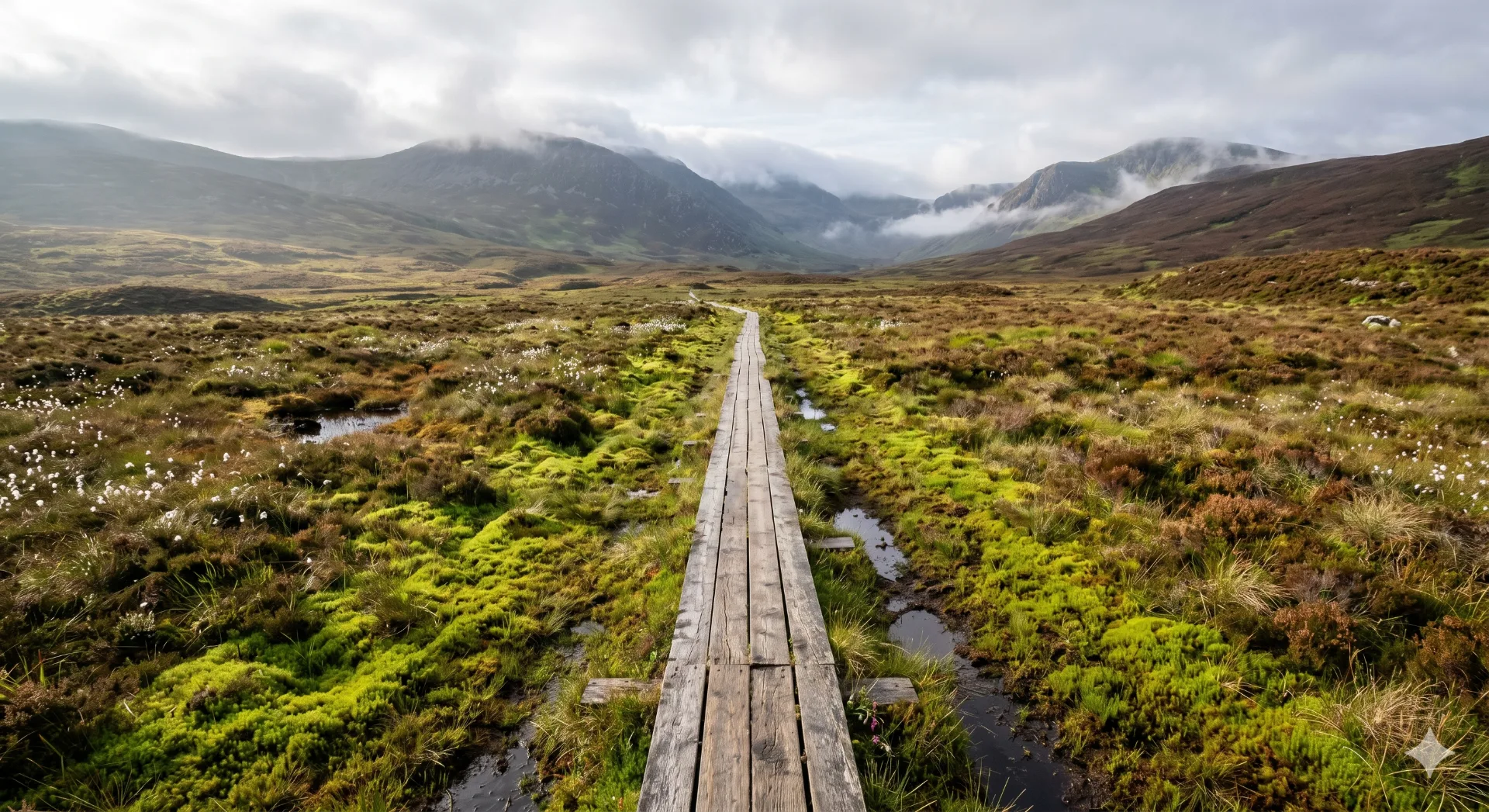
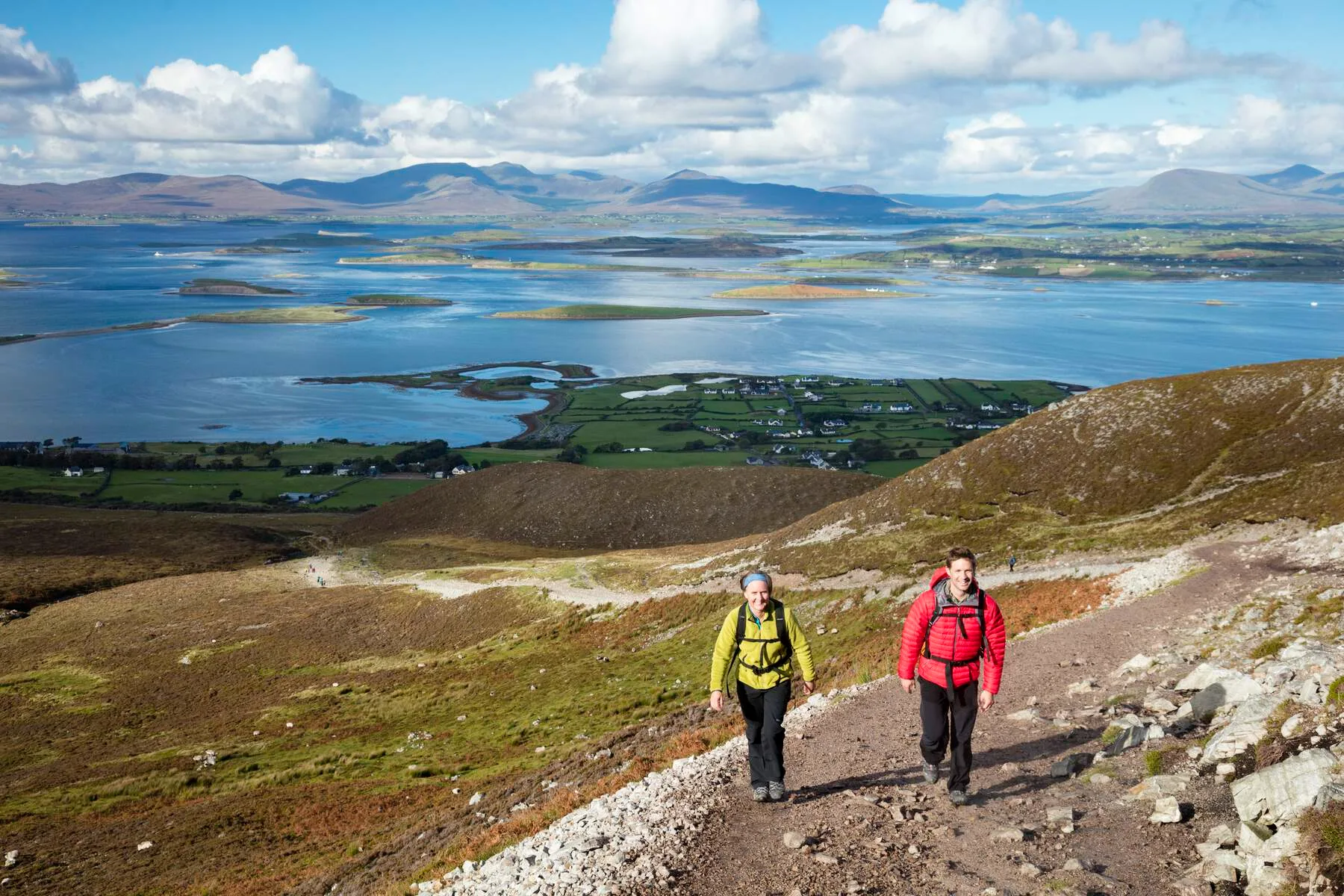
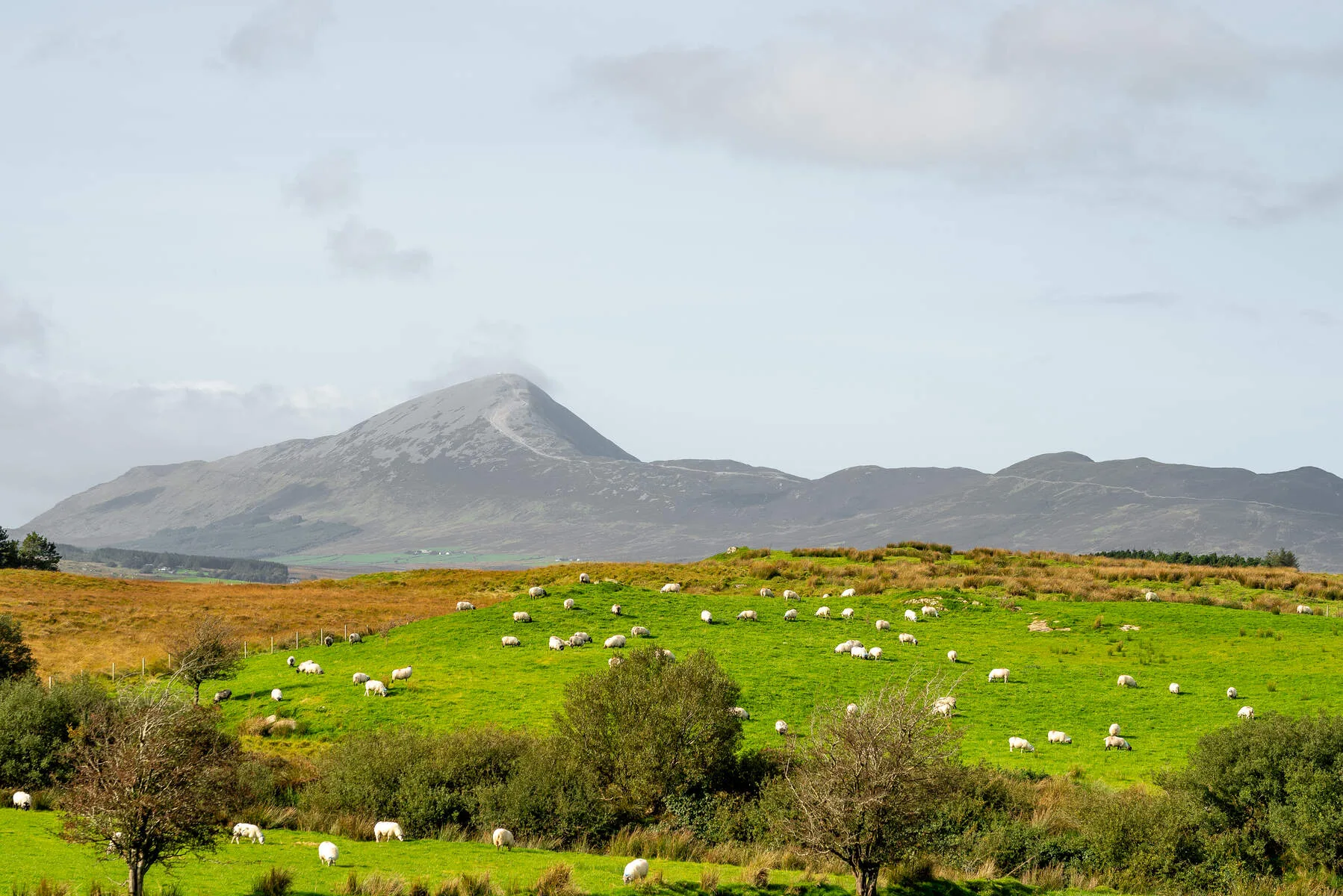
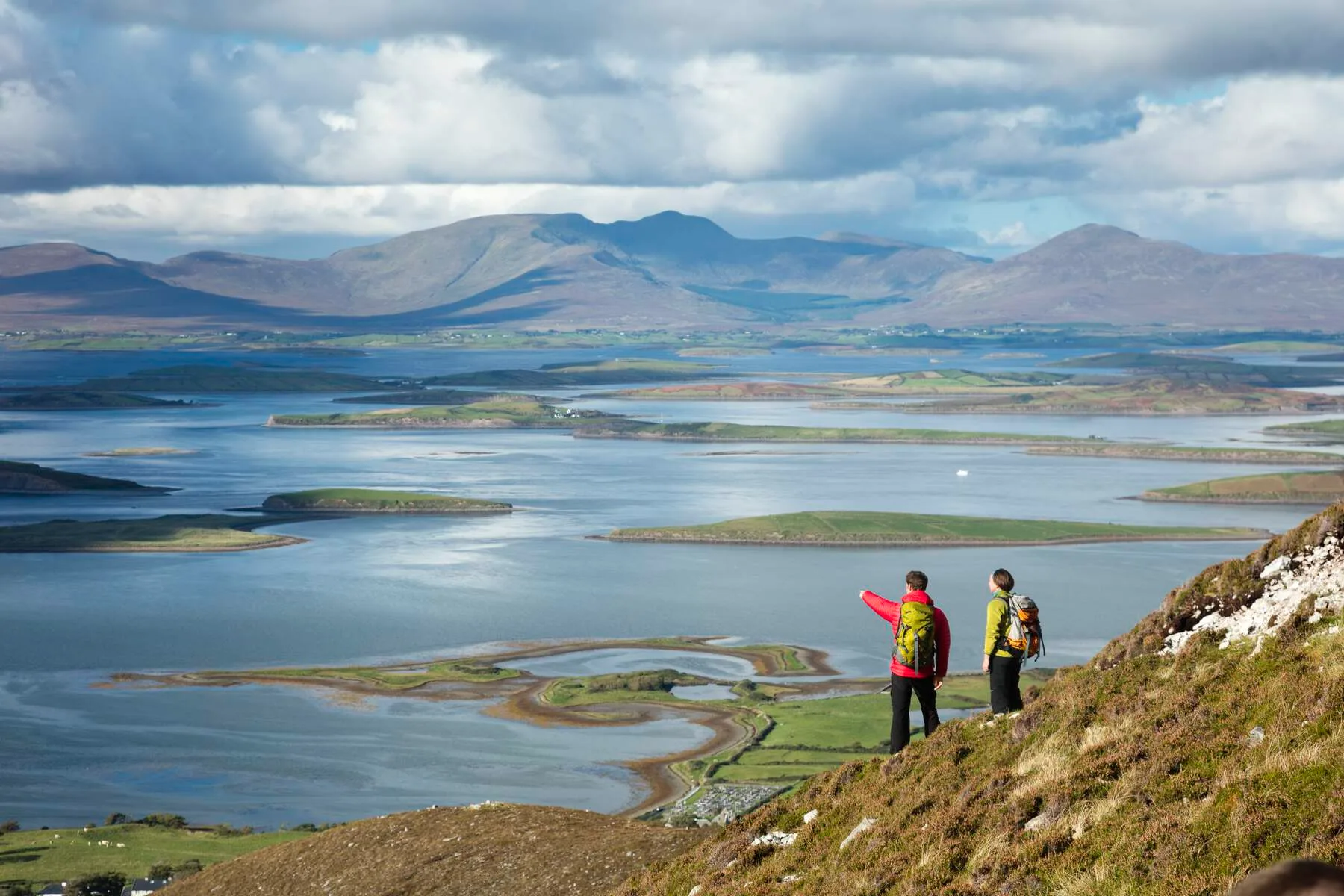
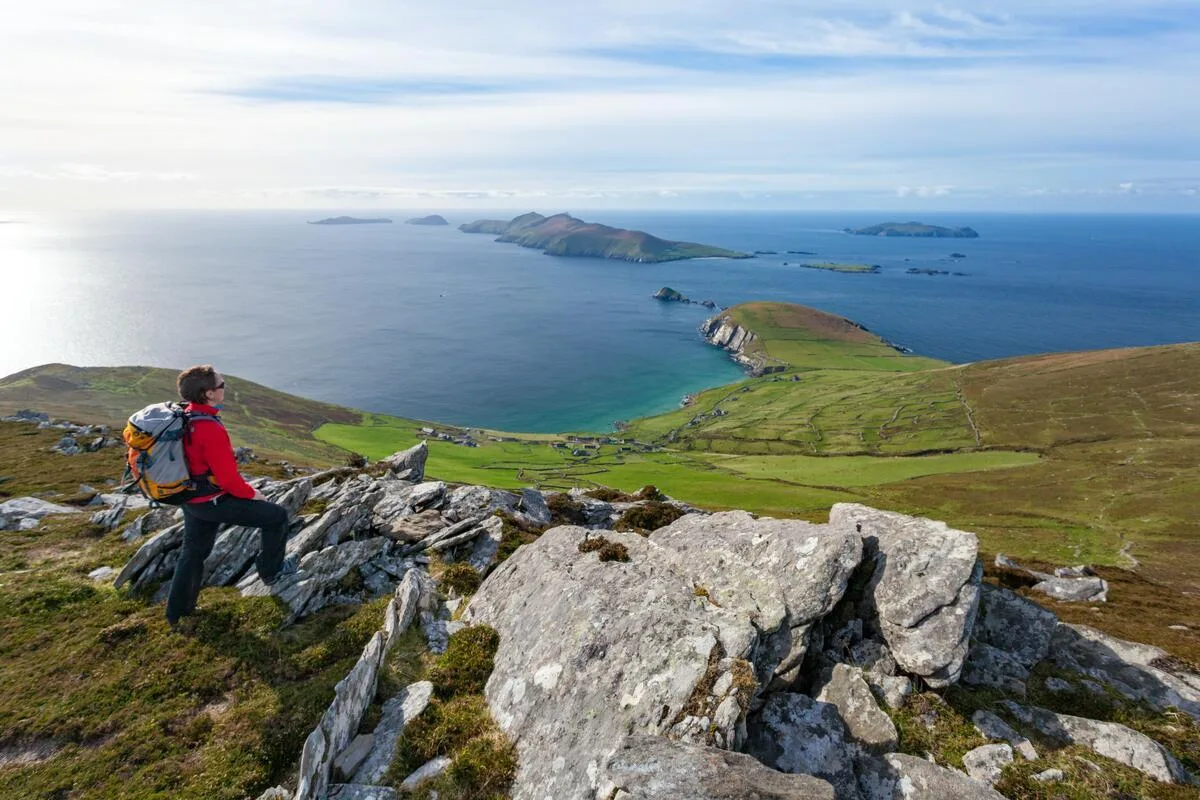
For walkers who've done the popular trails and want something quieter, more remote, and more rewarding, the park is hard to beat. You'll see more red deer than people on most days. The views stretch west to Achill, south to Croagh Patrick, and on a clear morning you can see the curve of the Atlantic coast from a high ridge.
Why Ballycroy became Wild Nephin
The park was set up in 1998 as Ballycroy National Park, named for the village on its western edge. In 2022 the name changed to Wild Nephin National Park, bringing together the original Ballycroy area and the Wild Nephin Wilderness — a block of forest and upland that Coillte (Ireland's forestry board) had been rewilding since 2013 by removing non-native conifer plantations.
The merged area covers over 15,000 hectares, making Wild Nephin the second-largest national park in Ireland after Killarney. The rename matters for anyone planning a trip: older maps, guidebooks and blog posts still say "Ballycroy," but signs, park leaflets, and the National Parks and Wildlife Service website now all use Wild Nephin. If you're searching for accommodation or trailheads, expect to see both names in use for a few more years.
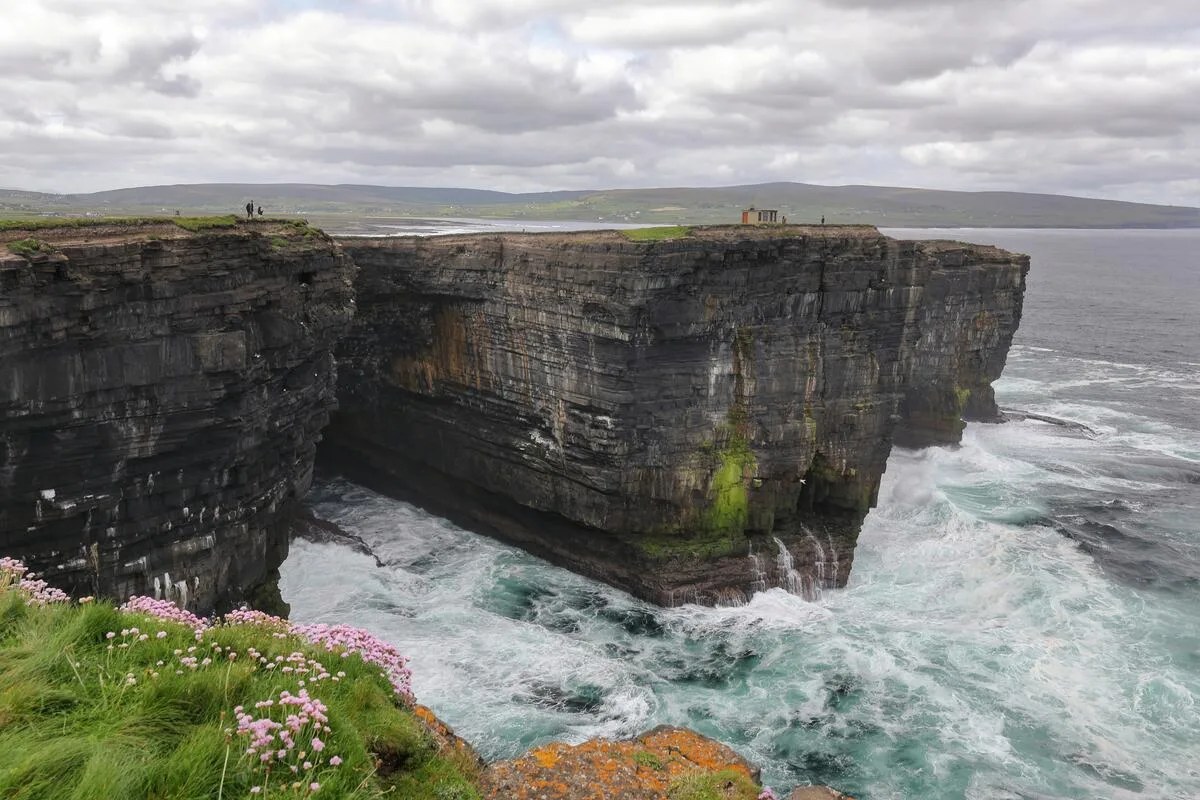
The main walking trails in Wild Nephin National Park
Let me run through what's actually there, from gentle to serious.
Ballycroy Visitor Centre loops (easy)
Start at the visitor centre at Ballycroy village. There's a 2 km family loop, a short bog trail, and a nature walk that gives you a feel for blanket bog without committing to a full day out. If you have an hour and want to see what the park looks like up close, start here. Free entry, parking on site.
Letterkeen Loop (moderate, 12 km, 4–5 hours)
This is the walk I send most visitors on. It's the best one-day introduction to the park — waymarked the whole way, boardwalk sections across the wettest bog, and a section through one of the rewilding plantations where you can see Coillte's work first-hand. Starts at Letterkeen, east of the visitor centre. Expect wet feet if the weather's been bad, and bring a map: there are subsidiary loops that can catch out people who aren't paying attention.
Bangor Trail (challenging, 24 km point-to-point)
An old drovers' route running from Bangor Erris in the north to Newport in the south, bisecting the park. Two full days if you take it slow — there's a bothy at Letterdyfe for overnight. This is serious wilderness walking: no phone signal for long stretches, limited shelter, and the ground is often sodden. Don't attempt it without proper map, compass, and experience on rough upland terrain.
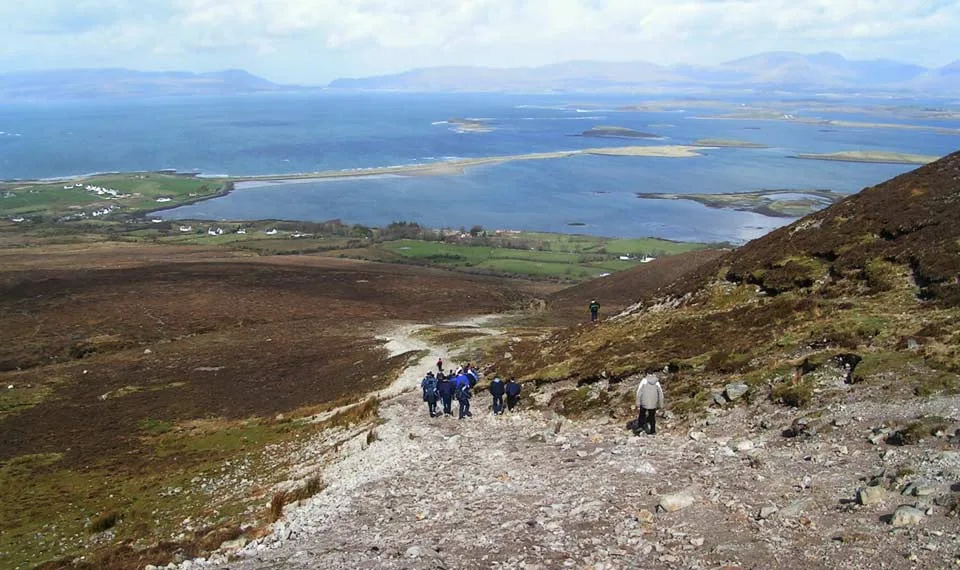
Nephin Beg summit (challenging, ~8 km, 4 hours)
The highest peak in the range, 627 metres. Ascent from the Srahmore valley. The summit views — weather permitting — are some of the best in the west of Ireland: Clew Bay, Croagh Patrick, the Nephin range rolling east. Be honest with yourself about navigation skills before you go. Cloud comes in fast up there and the featureless plateau can be hard to work your way off in poor visibility.
Ireland's first Dark Sky Park
In 2016, the park (then still called Ballycroy) was awarded Gold Tier Dark Sky Park status by the International Dark-Sky Association — the first in Ireland, and one of only a handful in the world. The designation recognises some of the darkest night skies measured anywhere in Europe.
On a clear moonless night from the park, the Milky Way is visible to the naked eye from horizon to horizon. The visitor centre runs astronomy events through the autumn and winter months — those are your best chance to see it with a guide and a telescope. If you're planning a stay nearby, a self-catering cottage with a good field to step out into at 1 a.m. will give you a night you'll remember. Bring a red-light torch (white light ruins your night vision for about 20 minutes).
Wildlife and what to watch for
Wild Nephin is one of the last strongholds of a few species that have lost ground elsewhere in Ireland. Among them:
- Red deer — a reintroduced herd roams the western uplands. You're most likely to see them at dawn and dusk during the rut (September–October), when the stags roar across the bog.
- Red grouse — ground-nesting, heather-dependent, and in serious decline nationally. You'll hear them before you see them ("go back, go back, go back").
- Golden eagle — reintroduced in County Donegal and occasionally seen patrolling the ridges. A sighting is rare but possible.
- Merlin, hen harrier, peregrine — the park holds breeding populations of all three.
- Otter — along the Owenduff and Tarsaghaun rivers, which run unpolluted through the park.
The flora is equally distinctive. Active blanket bog is a rare habitat globally, and Wild Nephin holds one of the largest intact tracts in Europe. In summer the bog is studded with bog cotton, sundew (an insect-eating plant), bog asphodel, and purple moor-grass. Leave everything you find.
When to visit Wild Nephin National Park
Honest answer: every month has its argument.
April–June is my favourite. Longer daylight, drier ground (relatively), less midge pressure, and the bog in bloom. Temperatures are 10–16°C by day.
July–August brings the warmest weather but also the midges — bring a head net if you'll be still on the bog in the evening. School holidays push some visitors this way, though the park is never crowded.
September–October is the rut. Red deer are active, colours turn on the bog (russet, copper, dark gold), and the first clear nights for stargazing return. Pack for rain and check your boots are waterproof.
November–February is for the committed. Short days, cold, often very wet — but it's also when you'll have the place entirely to yourself and catch the darkest skies of the year.
What to bring
For a day walk in the park:
- Waterproof hiking boots, mid-cut, properly broken in
- Waterproof jacket and overtrousers (not optional — weather turns fast here)
- Warm mid-layer, even in summer
- OS Discovery Series map, sheet 23 (essential on anything off the visitor centre loops)
- Compass and the knowledge to use it
- Packed lunch and two litres of water per person
- Head net or midge repellent May–September
- Phone fully charged, but do not rely on signal
Getting to the park
The visitor centre is at Lagduff More, Ballycroy village, County Mayo. By car: from Westport, take the N59 north through Mulranny for about 45 minutes. From Galway, around 2.5 hours. From Dublin, a long 4-hour drive — most walkers base themselves in Westport or Newport for a few nights and take day trips into the park from there.
Public transport to the park is limited. Bus Éireann serves Westport and Mulranny, and local Rural Link services run infrequently to Ballycroy. For most walkers, hiring a car or booking a guided holiday is the practical option.
Walking the west of Ireland with us
We don't currently run a Wild Nephin itinerary, but if you love this kind of landscape — wild, quiet, elemental — our Burren Walking Holiday a few hours south gives you the same off-the-beaten-track feel with the luxury of baggage transfers, handpicked B&Bs and a local guide on call if you need one. Our tailor-made service can also build a Mayo-based walking trip around Wild Nephin, Croagh Patrick and the Great Western Greenway.
See the Burren 6-day tour → Or request a tailor-made Mayo trip
FAQs about Wild Nephin National Park
Is Ballycroy National Park the same as Wild Nephin National Park?
Yes — the park was renamed Wild Nephin National Park in 2022, combining the original Ballycroy area with the neighbouring Wild Nephin Wilderness. The visitor centre in Ballycroy village is still the main entrance point, and you'll see both names on older signs and maps.
How long does it take to walk the Bangor Trail?
The 24 km Bangor Trail typically takes two days, with an overnight stop at the Letterdyfe bothy. Strong walkers can do it in one very long day, but most people take it slowly to enjoy the remoteness. Always check the weather before committing — in poor visibility the trail is hard to follow.
Do I need a guide to walk in Wild Nephin National Park?
Not for the visitor centre loops or the Letterkeen Loop — both are waymarked and suitable for confident independent walkers. For the Bangor Trail, the Nephin Beg summit, or any off-path exploration, a guide or very solid navigation experience is essential. The terrain is unforgiving if you get lost.
When is the best time to see the dark skies?
October to March, when nights are longest. Aim for a clear, moonless night, and check the moon phase calendar before travelling. The visitor centre runs occasional stargazing events in autumn and winter — worth timing a trip around one.
Where should I stay when visiting the park?
Most walkers base themselves in Westport (lively town, plenty of restaurants, 45 minutes south of the park), Newport (quieter, closer), or Mulranny (right on the road to Achill, beautiful position). Ballycroy village itself has a handful of self-catering options. For dark-sky viewing, pick accommodation with a garden or field away from road lights.
Is Wild Nephin suitable for families with children?
The visitor centre loops absolutely — flat, short, and with interpretation boards aimed at younger walkers. The Letterkeen Loop is fine for teenagers who enjoy a proper walk. The Bangor Trail and the summits are not suitable for children.
Photo Gallery