Accessible Walking Trails in Ireland: Inclusive Paths for All Abilities
Accessible Walking Trails in Ireland: Inclusive Paths for All Abilities
Walking shouldn't require perfect fitness or absence of mobility challenges. Ireland offers excellent trails specifically designed for accessible walking—paths with smooth surfaces, minimal elevation, good parking, and facilities. These aren't consolation options; they're genuinely rewarding walks that happen to be inclusive.
This guide covers Ireland's best accessible walking trails, explains what makes trails accessible, and helps walkers of all abilities plan rewarding walking experiences.
What Makes a Trail Accessible?
Accessibility means different things for different people. A trail accessible for wheelchair users might be challenging for someone with heart conditions (due to elevation); a flat path works for mobility challenges but might bore experienced hikers seeking challenge. True accessible walking means offering variety:
- Smooth surfaces (gravel, tarmac, well-maintained paths)
- Minimal elevation gain (flat or very gentle slopes)
- Good parking at trailheads
- Facilities (toilets, benches, shelters)
- Shade and shelter options
- Shorter route options (allowing flexible distance)
- Clear, obvious routes (minimal navigation skill needed)
Ireland's Best Accessible Walks
Doon Level Trail, Glenveagh National Park (3 km, 1.5 hours, Easy)
Glenveagh's Doon Level Trail is Ireland's gold standard for accessible walking. A perfectly maintained gravel path follows a river through native woodland. The trail is flat, wide, and genuinely rewarding.
The trailhead has excellent facilities (visitor centre with toilets, café, disabled parking). The path can be walked for any distance—even 500 metres is worthwhile. This removes pressure to complete a full loop; you walk whatever distance suits your energy level.
Why it works: Perfect surface, flat terrain, excellent facilities, beautiful scenery, flexible distances.
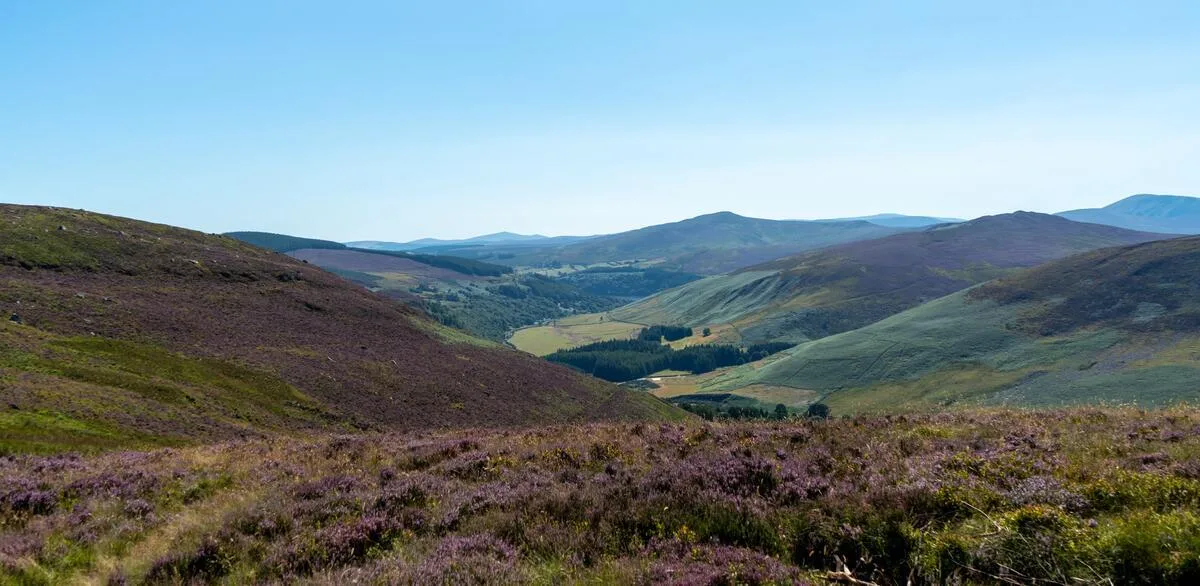
Brittas Bay Linear Park, County Wicklow (3 km, 1.5 hours, Easy)
A coastal path on a converted railway line—flat, wide, and genuinely pleasant. The path offers coastal views, benches for rest stops, and shelters if weather deteriorates. The converted railway line means gentle gradient throughout.
Why it works: Flat terrain, excellent surface, coastal scenery, rest facilities throughout.
Blessington Lakes Circuit, County Wicklow (Variable 3–5 km options, Easy)
Multiple loop options around a scenic reservoir. Well-maintained paths, buggy-friendly, with multiple exit points allowing flexible distances. Visitor centre with facilities.
Why it works: Flexible distances, good surfaces, rewarding scenery, accessible facilities.
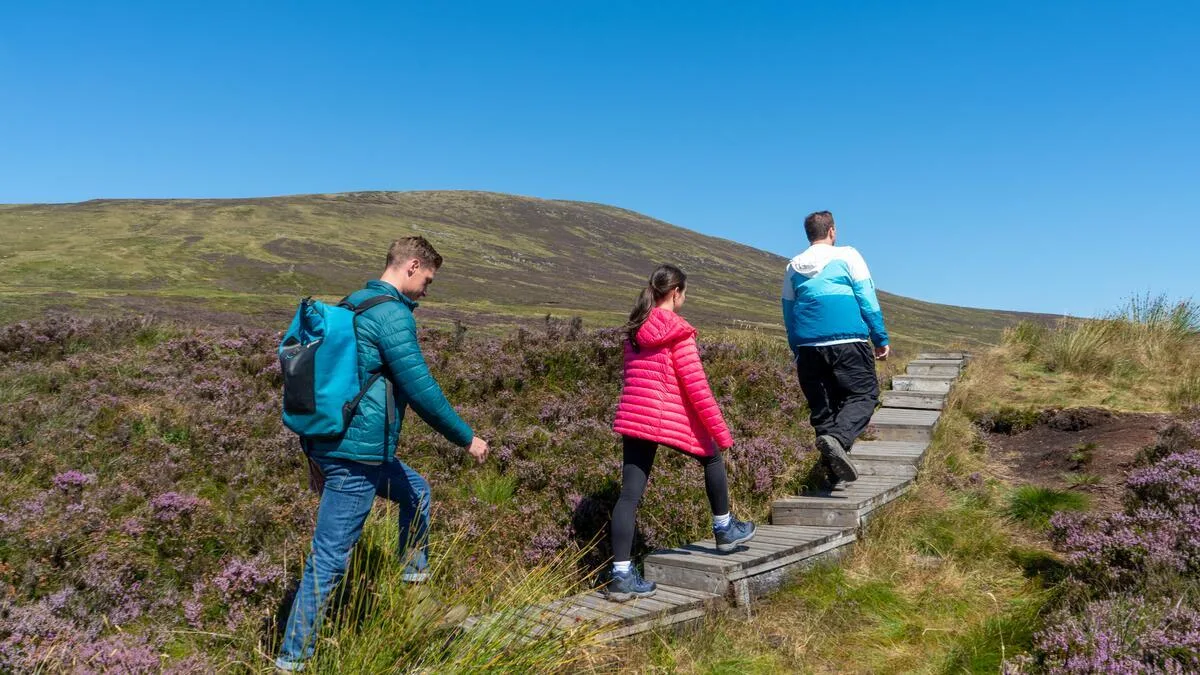
Killarney National Park: Lower Lake Shore Walk (5 km, 2 hours, Easy)
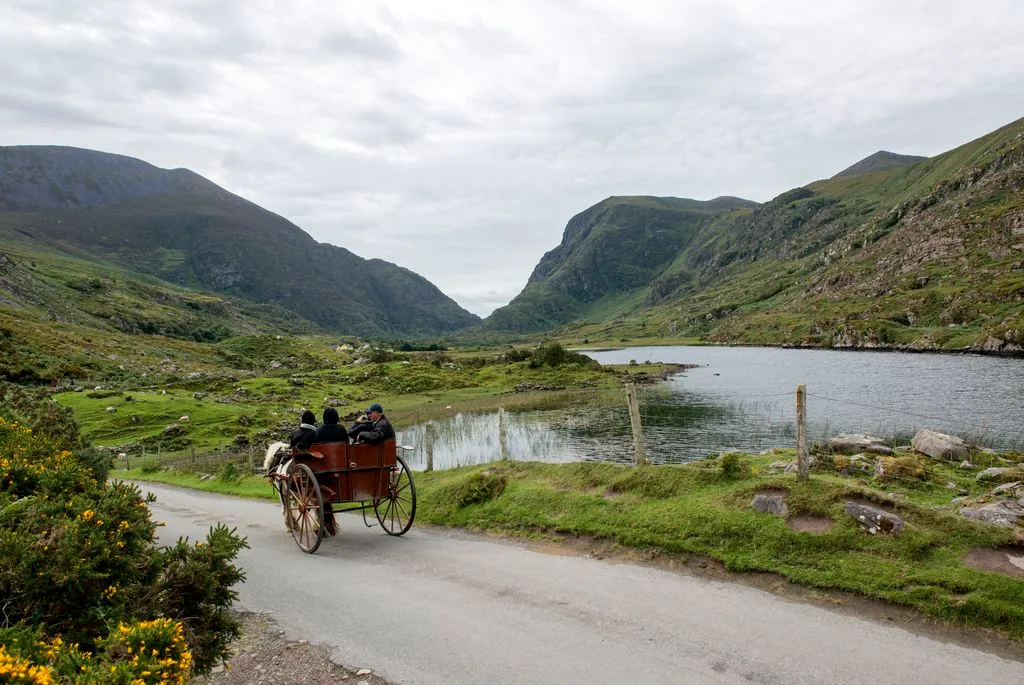
A lakeside path through Ireland's oldest national park. The route is mostly flat with good surfaces. Visitor infrastructure is excellent (parking, facilities, restaurants). The scenery—mountains, lake views, woodland—is genuinely rewarding.
Why it works: Flat terrain, rewarding scenery, excellent facilities, established infrastructure.
Phoenix Park, Dublin (8+ km of various loops, Easy–Moderate)
Europe's largest enclosed park offers multiple walking routes of varying distances and difficulty. The park is flat to gently rolling. Paths are well-maintained. Facilities are available throughout.
Why it works: Accessible from city centre, multiple route options, flat terrain, extensive facilities.
Considerations Beyond Trail Accessibility
Mental Accessibility
Some walkers avoid trails due to anxiety about abilities or social discomfort. Walking with groups, starting with very short distances, and gradually building confidence helps. Guided walks specifically for nervous walkers exist in some regions. Check with local tourism boards or family-friendly hiking trails organizations for group options.
Financial Accessibility
Some accessible trails require visitor centre fees. However, many of Ireland's best walks are completely free (Doon Level Trail charges per vehicle, not per person, which is reasonable). Public transport connections matter for walkers without cars. Consider beginner-friendly hiking routes that are also budget-conscious.
Physical Accessibility Without Trail Infrastructure
Some accessible walking happens on urban paths, canal towpaths, or riverside trails not specifically marketed as "accessible walks" but perfectly suitable for various abilities. Dublin's Grand Canal Walk is an example.
Planning Accessible Walking Holidays
Choosing Your Trails
Be honest about your capabilities and energy levels. Start with shorter walks, build up gradually. Successful walking is about enjoying the experience, not pushing through discomfort.
When to Walk
Weather matters more for people with certain conditions. Choose seasons with mild weather and longer daylight. Autumn (September–October) is often ideal. Learn more in our hiking safety tips guide.
Pace
Accessible walking is unhurried. Build rest stops into your plans. A 3 km walk taking 2–3 hours (with rest stops) is perfectly reasonable.
Accommodation
Choose places near trailheads to minimize travel. Accommodation with good accessibility features matters if mobility is limited. Many of our Wicklow Way walking tours include accessible accommodation options.
Support
Walking with companions, guides, or groups provides both practical support and social benefits. Many walkers find group walks more enjoyable than solo walking.
Resources for Accessible Walking
Several organizations provide detailed information:
- Coillte Outdoor Recreation: Information on accessible forest walks
- All-Ireland Walking Network: Trail details and accessibility information
- Wicklow Mountains National Park: Specifically identifies accessible routes
- Local tourism boards: Often have accessibility information for local trails
The Philosophy: Walking Is for Everyone
Walking shouldn't be elite activity reserved for young, fit people. Accessible trails represent recognition that movement in nature benefits everyone. These walks are genuinely valuable—the scenery is rewarding, the experience is enriching, and the health benefits are real.
If you've avoided walking because of physical limitations, anxiety about abilities, or other concerns, accessible walking offers genuine alternatives. Start where you are, walk what feels manageable, and notice how the experience affects your wellbeing.
Ready to explore Ireland's accessible trails? Start with Doon Level Trail or Brittas Bay. Notice how you feel walking in nature. Build from there. Your walking adventure awaits—at whatever pace works for you.
Photo Gallery