Health Benefits of Hiking: Why Walking in Nature Works
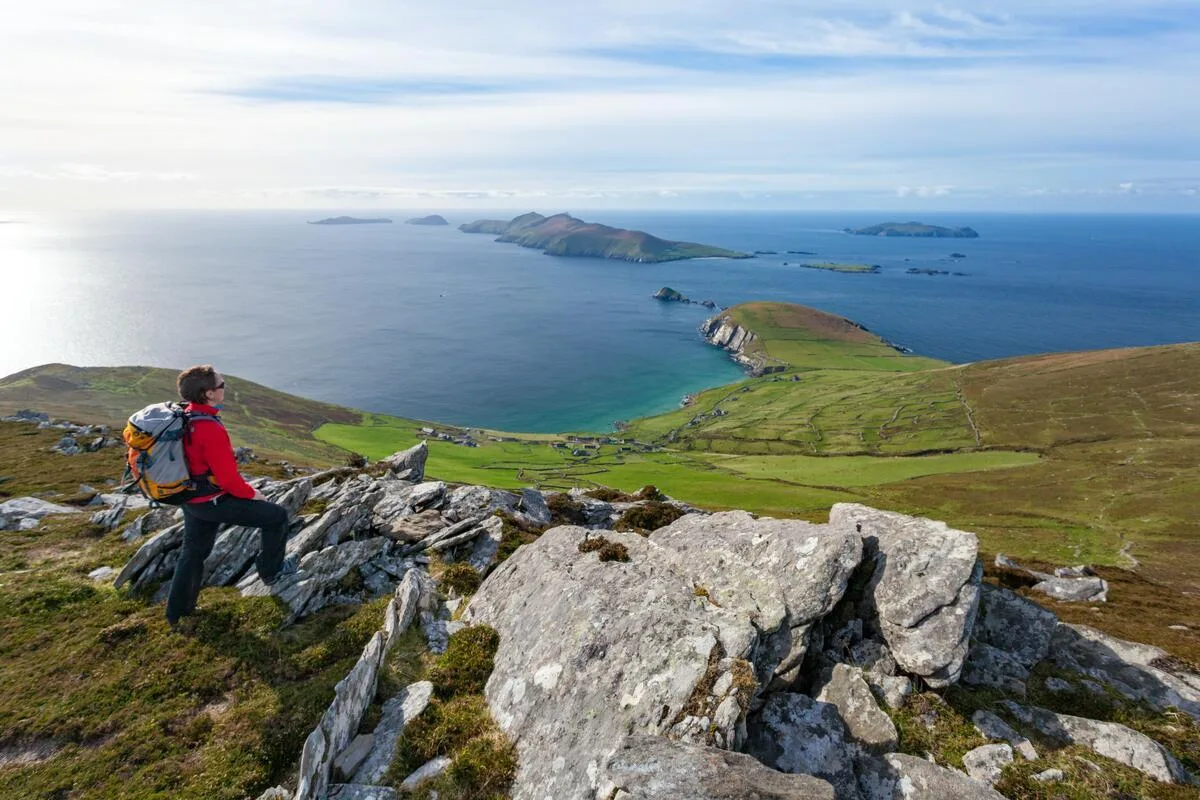
Can you remember the last time you felt genuinely restored—not just rested, but fundamentally reset? For thousands of walkers I've guided across Irish trails, that restoration happens on foot, in landscape, over hours and days of walking.
The health benefits of hiking extend far beyond what most people expect. This isn't about fitness metrics or step counts. Regular walking in natural environments creates measurable changes in cardiovascular function, bone density, mental health, and even how you perceive your own capability.
After two decades organising walking tours and witnessing transformations firsthand, I've become convinced that hiking offers health benefits mainstream fitness culture fundamentally overlooks. Research supports what walkers instinctively know: time on trails changes both body and mind in ways gym-based exercise simply doesn't match.
This guide examines what science shows about the physical benefits of hiking, explores the mental health benefits walking provides, and explains why so many people describe regular hiking as genuinely life-changing.
Physical Benefits of Hiking: What Walking Does to Your Body
Cardiovascular Benefits Walking Delivers
Regular hiking strengthens your heart. Walking on varied terrain—climbing slopes, descending valleys, navigating uneven ground—elevates heart rate into aerobic zones (typically 60–80% of maximum heart rate).
Unlike treadmills or static cycling, trail walking creates dynamic cardiovascular challenges. Your heart rate fluctuates naturally with terrain changes, mimicking interval training without artificial structure.
Research on the cardiovascular benefits walking provides consistently demonstrates that regular hiking:
Lowers resting blood pressure by 4–9 mmHg (systolic)
Reduces resting heart rate (indicating more efficient heart function)
Improves HDL cholesterol (the protective kind)
Reduces cardiovascular disease risk by up to 31% in regular walkers
For people with sedentary jobs—office workers, drivers, anyone sitting most of the day—hiking provides genuinely protective health benefits. Three hours walking on Saturday creates cardiovascular adaptations that persist through the week.
Bone Health Hiking Benefits
Weight-bearing exercise stimulates bone density. Walking, especially on uneven terrain, signals your bones to strengthen.
This matters particularly for women over 40, who face increased osteoporosis risk. Unlike high-impact activities (running, jumping), hiking provides bone-strengthening stimulus without excessive joint stress.
The bone health hiking benefits include:
Increased bone mineral density in hips and spine
Reduced osteoporosis progression
Improved joint stability through strengthened muscles around ankles, knees, and hips
Enhanced proprioception (your body's spatial awareness)
Trail walking—negotiating rocks, roots, elevation changes—engages stabiliser muscles that smooth paths never activate. This improved stability reduces injury risk in everyday life. You're less likely to twist an ankle stepping off a kerb if you've spent months navigating rocky trails.
Metabolic and Weight Management
Hiking burns significant energy. A 70 kg person walking moderate pace on flat terrain burns approximately 250–300 calories per hour. Add elevation gain and that increases to 400–600 calories per hour.
More importantly, hiking's varied intensity—easy sections interspersed with challenging climbs—creates metabolic adaptations that improve overall fitness efficiency. Your body becomes better at accessing fat stores for energy, improving what researchers call metabolic flexibility.
Regular walkers often report that weight management becomes easier. They're not following diet plans or counting calories—the walking simply recalibrates appetite and energy balance naturally.
Functional Muscle Development
Hiking engages your entire body. Unlike gym exercises that isolate specific muscles, trail walking demands integrated muscle recruitment:
Quadriceps and glutes power uphill climbing
Hamstrings control descent and prevent knee strain
Core muscles stabilise your trunk across uneven ground
Calf muscles engage constantly on varied terrain
Stabiliser muscles around ankles and knees protect joints
The fitness benefits trail walking provides translate to real-world capability—carrying shopping, climbing stairs, maintaining balance on wet surfaces—rather than gym-measured power that doesn't transfer to daily life.
Mental Health Benefits Walking Provides
Hiking for Stress Relief: The Cortisol Connection
Nature exposure measurably reduces stress hormones. Research shows that even 20 minutes in natural environments lowers cortisol (your body's primary stress hormone). Multi-hour hiking sessions create more profound effects.
The mechanism isn't mysterious. Natural settings naturally slow your nervous system. There's no deadline in a forest. No email notifications on a mountain trail. No performance metrics in a valley.
Your brain, freed from artificial urgency, shifts toward parasympathetic dominance—rest-and-digest state rather than fight-or-flight. Heart rate variability improves (a marker of nervous system health). Blood pressure drops. Muscle tension releases.
For people experiencing chronic stress, anxiety, or burnout, regular hiking for stress relief provides measurable neurological reset. Walkers often report that problems which seemed intractable before the walk become solvable during or after.
Mood Regulation and Depression
Physical activity generally improves mood through endorphin release. But nature adds distinct benefits beyond gym-based exercise.
Research comparing indoor exercise with outdoor walking shows that outdoor activity produces:
Greater mood improvements
Larger reductions in depression symptoms
More sustained positive effects hours after activity ends
Higher likelihood of continuing the activity long-term
The combination seems critical. Physical movement triggers neurochemical mood improvement. Natural environment reduces mental fatigue. Achievement—reaching a summit, completing a trail—provides genuine accomplishment.
Many walkers report that regular hiking fundamentally changes their emotional baseline. They feel more stable, more resilient, more genuinely content. This isn't temporary mood boost—it's recalibrated emotional regulation.
Nature Therapy Hiking: Cognitive Restoration
Extended time in nature improves cognitive function. Research on "attention restoration theory" shows that natural environments restore directed attention, improving focus and creative thinking.
Your brain has two attention systems. Directed attention (focused, effortful) depletes with use—this is why you feel mentally exhausted after concentrated work. Fascination (effortless, restored by nature) replenishes that capacity.
Nature therapy hiking provides cognitive benefits that artificial breaks don't match:
Improved problem-solving ability
Enhanced creative thinking
Increased decision-making clarity
Reduced mental fatigue
Better concentration after returning to work
Knowledge workers—anyone whose job involves sustained mental effort—often find that regular hiking improves their professional capability more than any productivity technique.
Sleep Quality Improvements
Hiking improves sleep through multiple mechanisms. Physical exertion creates healthy tiredness. Natural light exposure (especially morning sunlight) improves circadian rhythm regulation. Mental reset reduces evening stress that interferes with sleep onset.
Walkers frequently report:
Falling asleep more quickly
Sleeping more deeply
Waking more refreshed
Reduced middle-of-night waking
The sleep improvements often surprise people. They expected fitness benefits, maybe stress relief—but the profound sleep quality change catches them off guard.
Why Hiking Is Good for You: Psychological Transformation
Beyond measurable health metrics, hiking offers psychological benefits that reshape how people experience life.
Capability and Confidence
Reaching a summit you previously thought impossible changes self-perception. Completing a trail that challenged you—discovering you're stronger than you believed—that confidence radiates into other life areas.
I've watched office workers who doubted their physical capability complete challenging routes across the Wicklow Mountains and return home walking differently. More upright. More assured. They've proven something to themselves.
Community and Belonging
Hiking communities are unusually welcoming. Whether joining walking tours or meeting other walkers on trails, hiking creates genuine human connection.
Shared experience of physical challenge and landscape beauty bonds people. Conversations happen naturally while walking—the side-by-side format removes social pressure that face-to-face interaction creates.
Perspective and Meaning
Standing on a mountain looking across vast landscape, you naturally encounter perspective. Your immediate worries become small. Larger questions of meaning and purpose become more present.
Many walkers describe hiking as spiritually significant—not necessarily religious, but existentially meaningful. The scale of landscape, the rhythm of footsteps, the silence between human settlements—these create space for reflection that daily life rarely provides.
Long-Term Changes from Regular Walking Practice
Walkers who embrace regular hiking often experience broader life transformations beyond the health benefits of hiking alone.
Improved Relationship with Your Body
Regular hiking teaches you what your body is genuinely capable of. That knowledge—"I can walk 20 km, climb 800 metres, navigate challenging terrain"—changes how you inhabit your body.
You develop trust in physical capability. Your body becomes ally rather than limitation.
Reorganised Priorities
People who hike regularly often report reorganising their lives around walking. Weekend plans centre on trails. Holidays become Walking Holiday Ireland tours rather than resort stays. Retirement planning includes hiking destinations.
This reorientation toward outdoor activity seems to genuinely improve life satisfaction. People feel they're spending time on what actually matters rather than what they think they should do.
Environmental Connection
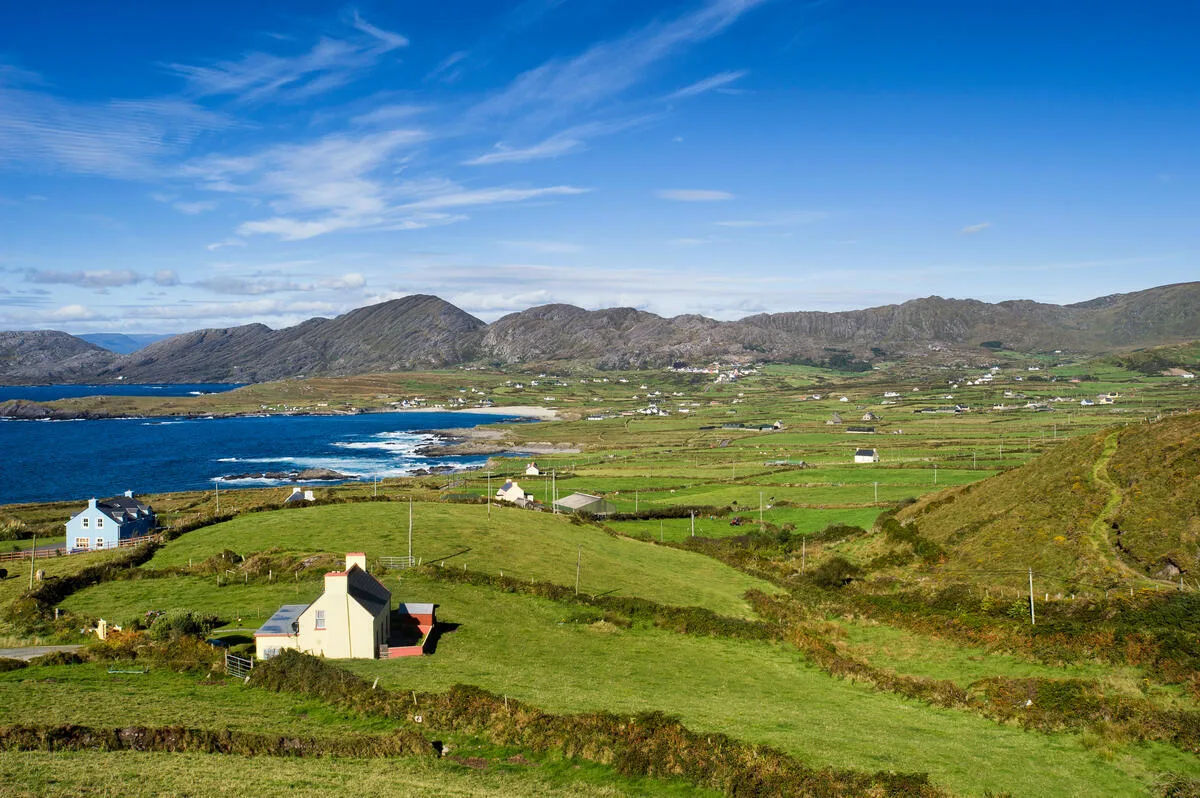
Time in nature increases environmental concern. Walkers develop relationship with specific landscapes—the Burren, the Kerry Way, the Dingle Peninsula. They notice ecological changes, develop genuine investment in environmental protection.
This connection feels meaningful for many. They're not just concerned about abstract "environment"—they're invested in specific places they know intimately.
Health Considerations: Starting Safely
While hiking offers genuine health benefits, certain precautions matter.
Graduated Progression
If you're currently sedentary, start gradually. Short walks on flat terrain, progressively increasing distance and elevation, allow your cardiovascular system and joints to adapt.
Jumping immediately into challenging terrain risks injury. Your enthusiasm outpaces your current conditioning. Give your body time to build capacity.
Injury Prevention Basics
Proper footwear, adequate conditioning, and graduated progression prevent most injuries. Our grading system helps match trails to current fitness level.
Listen to your body. Mild muscle fatigue is normal and productive. Joint pain or sharp discomfort signals you've exceeded current capacity—rest, recover, build more gradually.
Medical Conditions
For people with specific health conditions—cardiovascular disease, joint problems, diabetes—consult healthcare providers before beginning serious hiking.
Hiking is genuinely beneficial for most people, including those managing chronic conditions. But individual circumstances matter. Your doctor can help you start safely and progress appropriately.
Making Hiking Sustainable Practice
The health benefits of hiking matter most when walking becomes regular practice rather than occasional activity.
Consistency Over Intensity
Weekly walks (even modest ones) provide more health benefit than occasional ambitious hikes. Sustainable practice beats aspirational goals.
A 10 km walk every Saturday creates cardiovascular adaptations, builds bone density, provides stress relief, and improves sleep. A single 25 km epic every three months doesn't.
Find Your Walking Style
Some prefer long, challenging days in mountains. Others prefer short, regular walks in accessible countryside. Both provide genuine benefits.
Find what you'll actually do rather than what you think you should do. The best walking practice is the one you maintain.
Build Community
Hiking with others—friends, walking clubs, guided group walks—increases motivation and enjoyment. Community makes consistency easier.
Social connection is itself a health benefit. The combination of physical activity, natural environment, and genuine human connection creates health outcomes that isolated gym exercise never achieves.
The Deeper Transformation
Walkers who stick with hiking aren't always motivated by fitness metrics or health optimisation. They continue because hiking transforms how they experience being alive.
The landscape becomes familiar friend. The rhythm of footsteps becomes meditative. The mountains become part of identity.
This deeper engagement—beyond health benefits, though including them—seems to be what makes hiking genuinely sustainable as life practice rather than temporary fitness pursuit.
If you're considering starting hiking, or returning to it after time away, understand that you're not just improving fitness or managing stress. You're potentially reshaping how you inhabit your body, organise your time, and experience meaning.
That transformation is why hiking is good for you in ways that extend far beyond cardiovascular function or bone density—though those matter too.
Summary: Health Benefits of Hiking
Physical benefits: Improved cardiovascular function, increased bone density, better metabolic health, functional muscle development.
Mental benefits: Reduced stress and cortisol, improved mood and depression symptoms, cognitive restoration, better sleep quality.
Psychological benefits: Increased confidence and capability, genuine community connection, existential perspective and meaning.
Long-term transformation: Changed relationship with your body, reorganised life priorities, environmental connection and stewardship.
Best practice: Start gradually, build consistency over intensity, find your sustainable walking style, consider joining supportive community.
Start Your Walking Journey
Ready to experience the health benefits of hiking yourself? We've designed our walking tours to make starting accessible—graduated difficulty levels, luggage transfer, comfortable accommodation, expert route guidance.
Whether you're drawn to the limestone landscape of the Burren, the coastal drama of the Dingle Peninsula, or the mountain trails of Wicklow, we'll match you with trails that challenge without overwhelming.
Start with accessible routes. Build toward more ambitious goals. Notice how the practice reshapes your life. The trails are waiting.
Contact us to discuss which walking route suits your current fitness level and what you hope to gain from regular walking. We've guided thousands of walkers—we'll help you start safely and sustainably.
Photo Gallery