Best Walks in Northern Ireland: Antrim Coast to Mournes
Northern Ireland is an underrated walking destination. The Antrim Coast's basalt cliffs rival anything in Scotland. The Mourne Mountains pack serious hillwalking into a small area. And trails across the province are quieter than the southern favourites, so you often have the views to yourself.
Walkers often skip north in favour of Kerry or Connemara. That's a mistake. The best walks Northern Ireland offers stand up to any trail on the island, and some — like the Giant's Causeway path or Slieve Donard — are genuinely special.
This guide covers the best walks Northern Ireland has for visitors: which trails matter, where to base yourself, and what to expect from weather and terrain.
Why walk in Northern Ireland
A few reasons the region works so well for walkers:
- Fewer crowds. Southern Irish trails fill up in summer. Northern Ireland stays quieter.
- Distinctive geology. Basalt coastlines, granite mountains and dramatic valleys give the landscape real variety.
- Good infrastructure. Trail maintenance and signage are strong despite the lower visitor numbers.
- Welcoming walking culture. Local walkers are knowledgeable and friendly — ask for a recommendation and you'll get a good one.
The best walks Northern Ireland has for first-time visitors
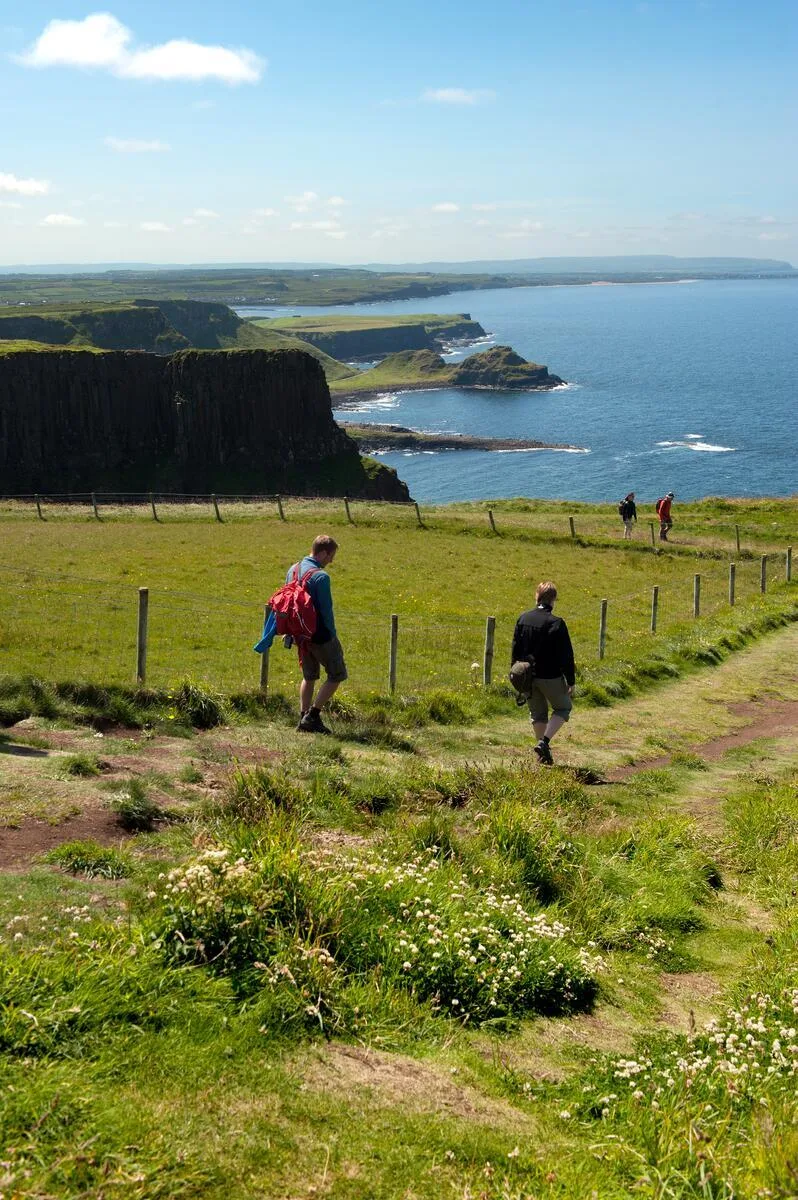
Giant's Causeway, Antrim Coast (6 km, 2–3 hours, easy)
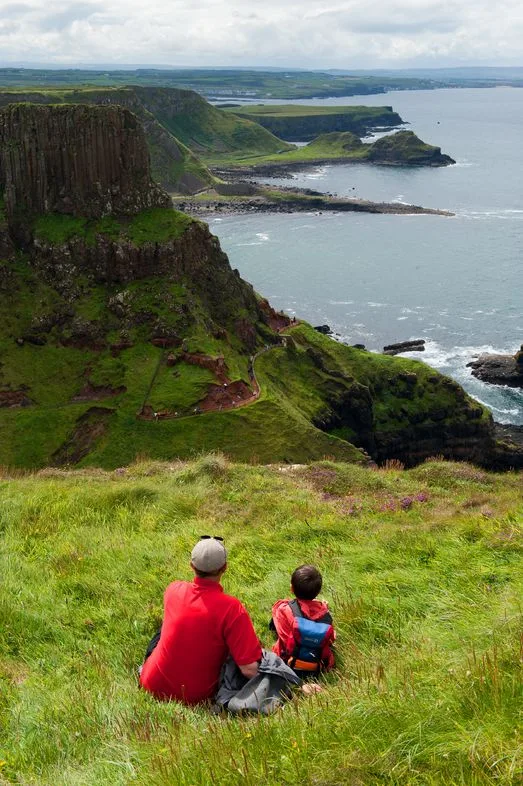
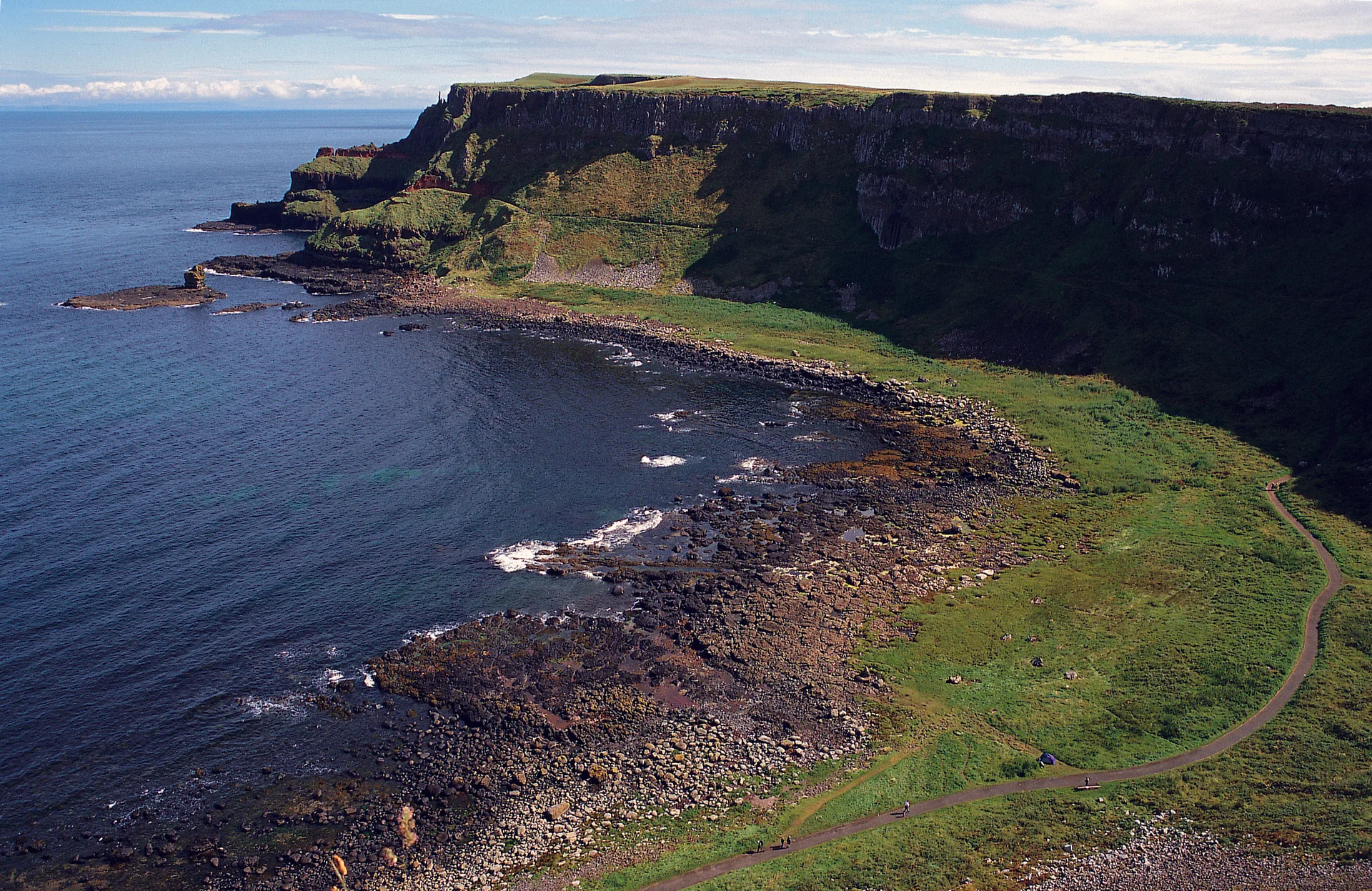
Northern Ireland's most famous site: around 40,000 hexagonal basalt columns stepping down to the sea. The visitor centre explains the geology. The walk itself explores the columns and continues along the coast for cliff-top views.
Why walkers love it: the geology is unique, the path is accessible and the infrastructure is excellent.
Carrick-a-Rede Rope Bridge (8 km, 3–4 hours, easy to moderate)
A rope bridge crossing to a small island, originally used by salmon fishermen. The crossing is thrilling without being dangerous, and the coastal path continues past it with long sea views. Best combined with the Causeway for a full day on the Antrim Coast.
Slieve Donard, Mourne Mountains (8 km, 4–5 hours, moderate to strenuous)
Northern Ireland's highest peak at 850 metres. The ascent from Newcastle is steep and rocky — a proper mountain walk. The summit rewards you with views over the Mournes, down to Carlingford Lough and across to the Isle of Man on a clear day. The descent is quick over scree.
Mourne Wall Walk (12 km, 5–6 hours, moderate)
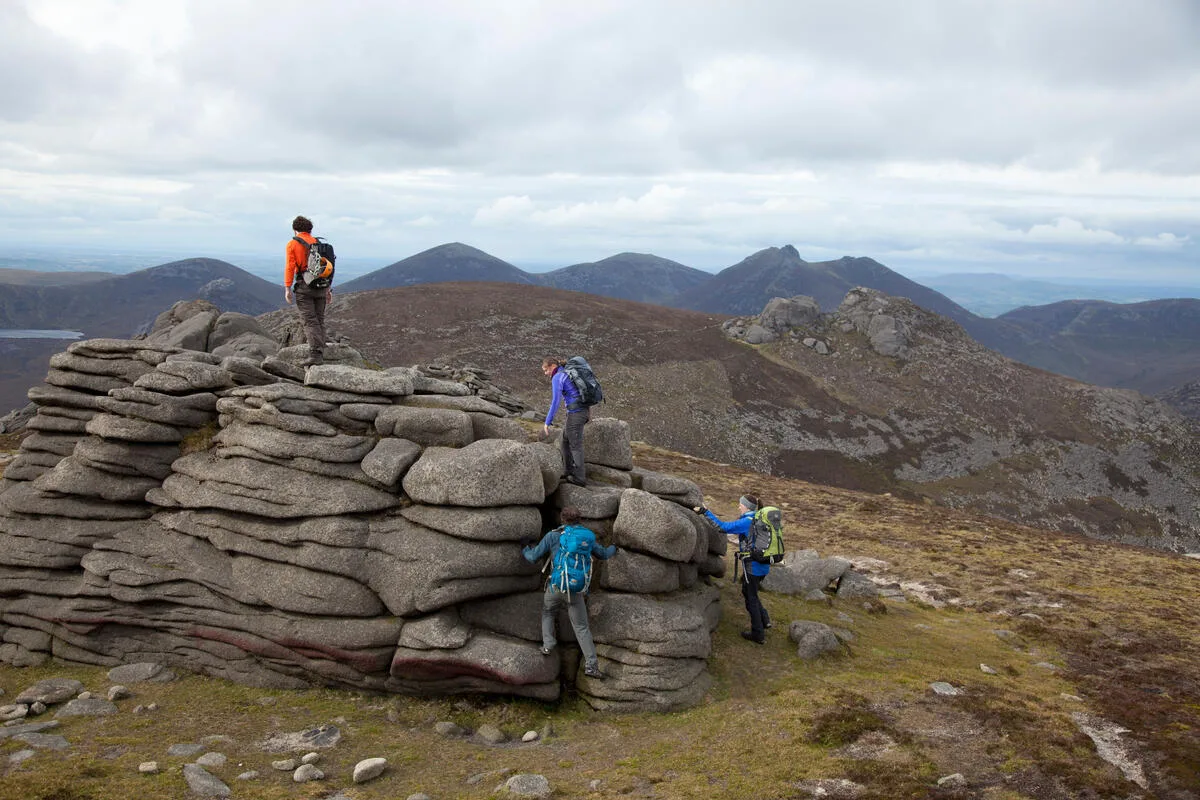
The Mourne Wall is a stone wall built across the mountains in the 1920s to enclose a water catchment area. Walking sections of it combines history, ridge walking and spectacular mountain scenery. You'll pass several summits and get a real sense of the range. Popular with local walkers, so you won't feel alone on it.
Slemish Mountain (5 km, 2–3 hours, easy to moderate)
A distinctive volcanic plug rising out of the farmland. The ascent is steep but short, and the summit gives you a panorama across the Antrim Plateau. St Patrick is said to have herded sheep here as a slave — so the hill has a bit of folklore attached. Good parking and facilities at the base.
Planning a Northern Ireland walking trip
Where to stay
Belfast is the obvious hub. Plenty of accommodation, good restaurants, easy public transport and decent access to the surrounding regions.
Ballycastle is a small town on the northern Antrim Coast. Perfect base for the Giant's Causeway and Carrick-a-Rede.
Newcastle sits at the foot of the Mournes in County Down — the best base for mountain walking.
Bangor is a quieter coastal town south of Belfast, handy if you want a base close to both the city and the Mournes.
When to go
Spring (April–May) brings longer days, wildflowers and improving weather. Summer (June–August) has the warmest weather but more visitors. Autumn (September–October) is my own favourite — golden light, fewer walkers, often settled weather. Winter is shorter days and less reliable conditions, but you'll have the trails almost entirely to yourself.
Getting there
From Dublin, it's about a 2-hour drive to Belfast. From Belfast, most trailheads are 30 minutes to an hour by car. Public transport connects the major towns, but a hire car gives you the most flexibility — especially if you want to combine the Antrim Coast with the Mournes in one trip.
Weather and safety
Northern Ireland's Atlantic position means changeable weather. Always check the forecast. Pack a waterproof jacket and trousers, insulating layers and sturdy boots. Mountain tops can be exposed and windy even when the coast is calm. On Slieve Donard and the Mourne Wall, cloud can come in fast — a map and compass (and the skills to use them) are worth having.
Combining Northern Ireland with the rest of Ireland
Many walkers pair a few days in the north with a longer trip elsewhere on the island. A few combinations that work well:
- Coastal focus: Antrim Coast plus the Causeway Coast and Glens. Our Causeway Coast walking holiday covers the best of this stretch on foot with luggage transfers handled.
- Mountain tour: Mournes plus the Cooley Peninsula just across the border. The Cooley and Mournes walking holiday links both ranges into a single trip.
- Full island loop: Antrim, the Mournes, Donegal and the western regions. A longer trip — usually 10 to 14 days — but it gives you the full variety of Irish walking.
Ready to walk Northern Ireland?
The best walks Northern Ireland offers are worth planning a trip around. The combination of unique geology, quieter trails and welcoming walking culture makes the region special in its own right. Whether you head for the Giant's Causeway, climb Slieve Donard or follow the Mourne Wall across the ridges, you'll come away understanding why local walkers speak so warmly about this part of Ireland. Pack your boots, check the forecast, and go.
Photo Gallery