Dog-Friendly Walks in Ireland: Hiking with Your Canine Companion
Dog-Friendly Walks in Ireland: Hiking with Your Canine Companion
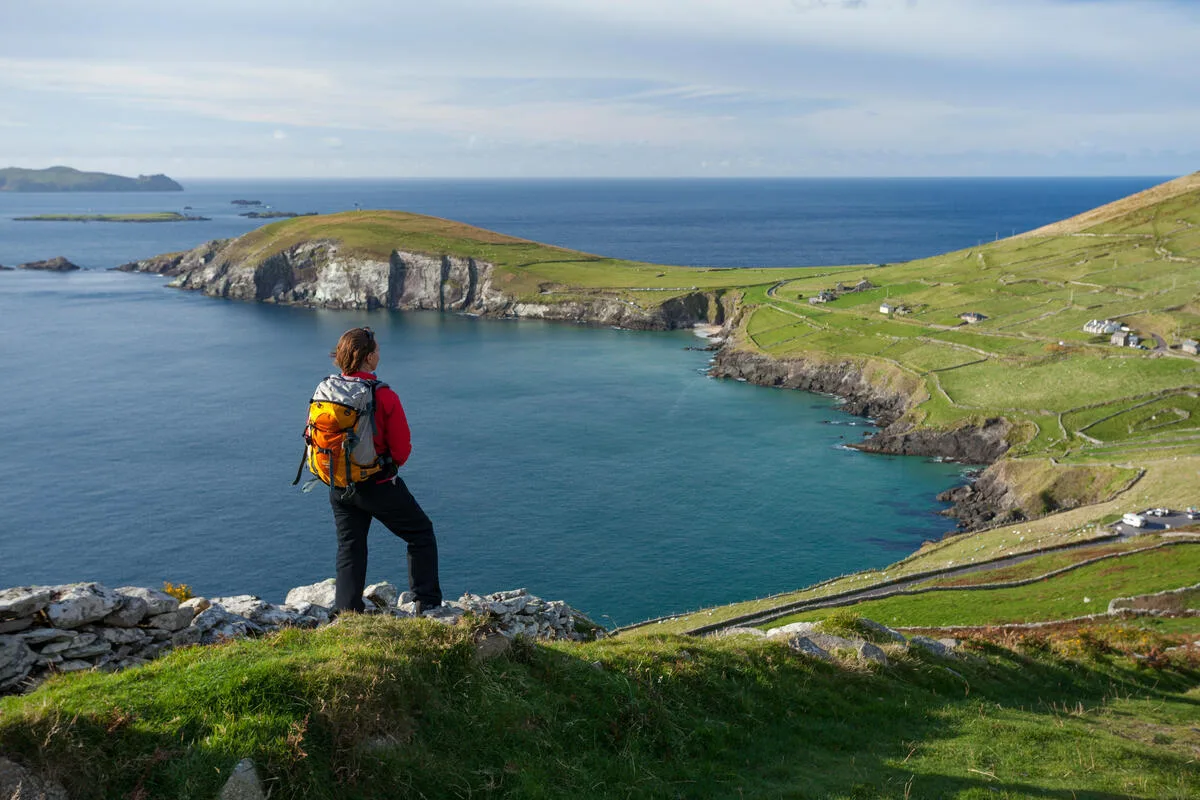
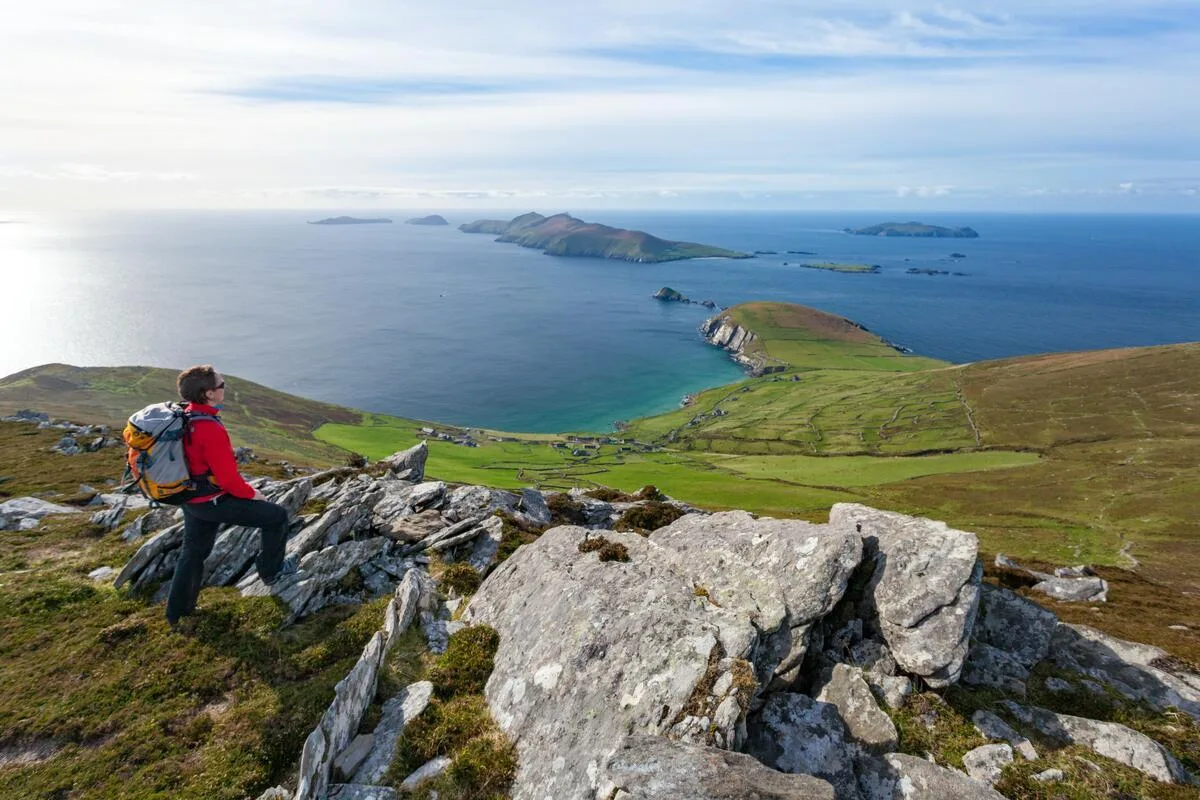
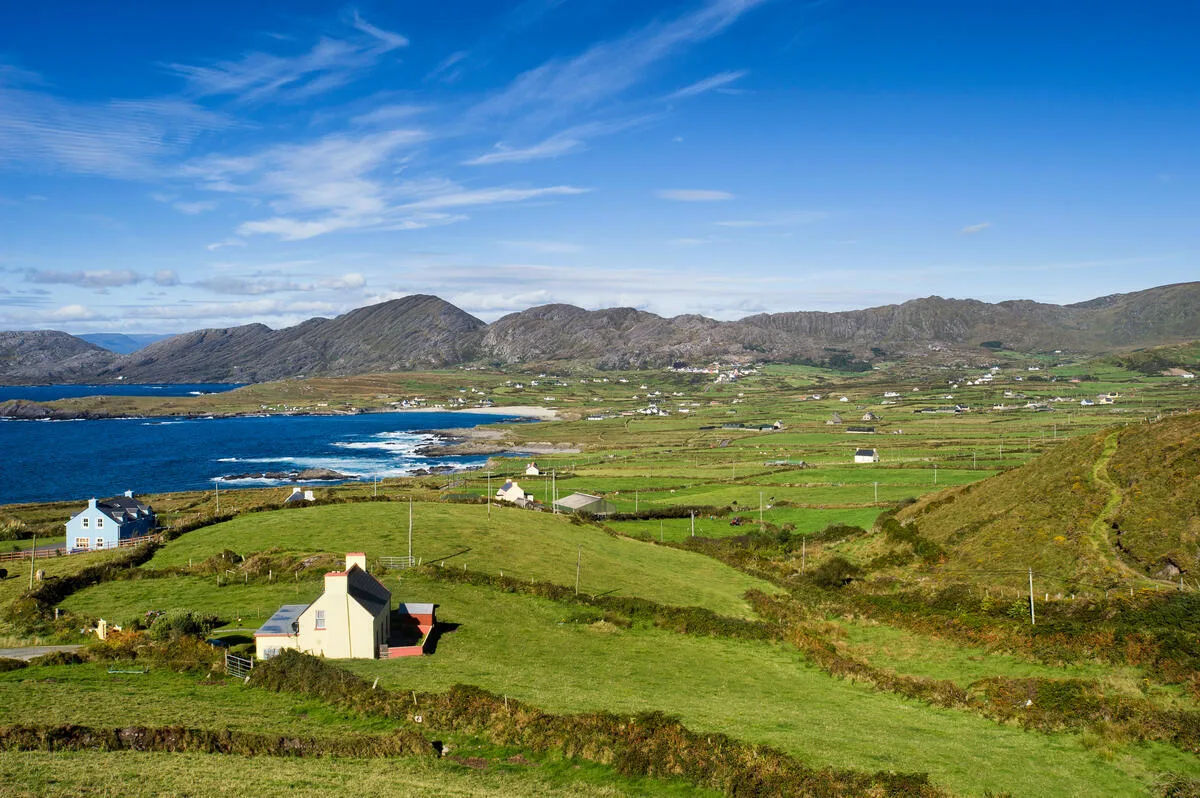
Ireland is genuinely excellent for walking with dogs. The country's open countryside, coastal paths, and mountain trails accommodate canine companions. Irish culture is dog-friendly—pubs welcome dogs, accommodation often allows them, and walkers generally accept dog presence on trails.
This guide covers Ireland's best dog-friendly walks, explains what makes trails suitable for dogs, and helps you plan walking holidays where your dog is a genuine participant rather than an afterthought.
Why Ireland Is Great for Dog Walking
Several factors make Ireland ideal for hiking with canine companions:
- Off-leash culture: Many Irish trails allow dogs off-leash (with responsible owner supervision). Your dog experiences freedom while hiking.
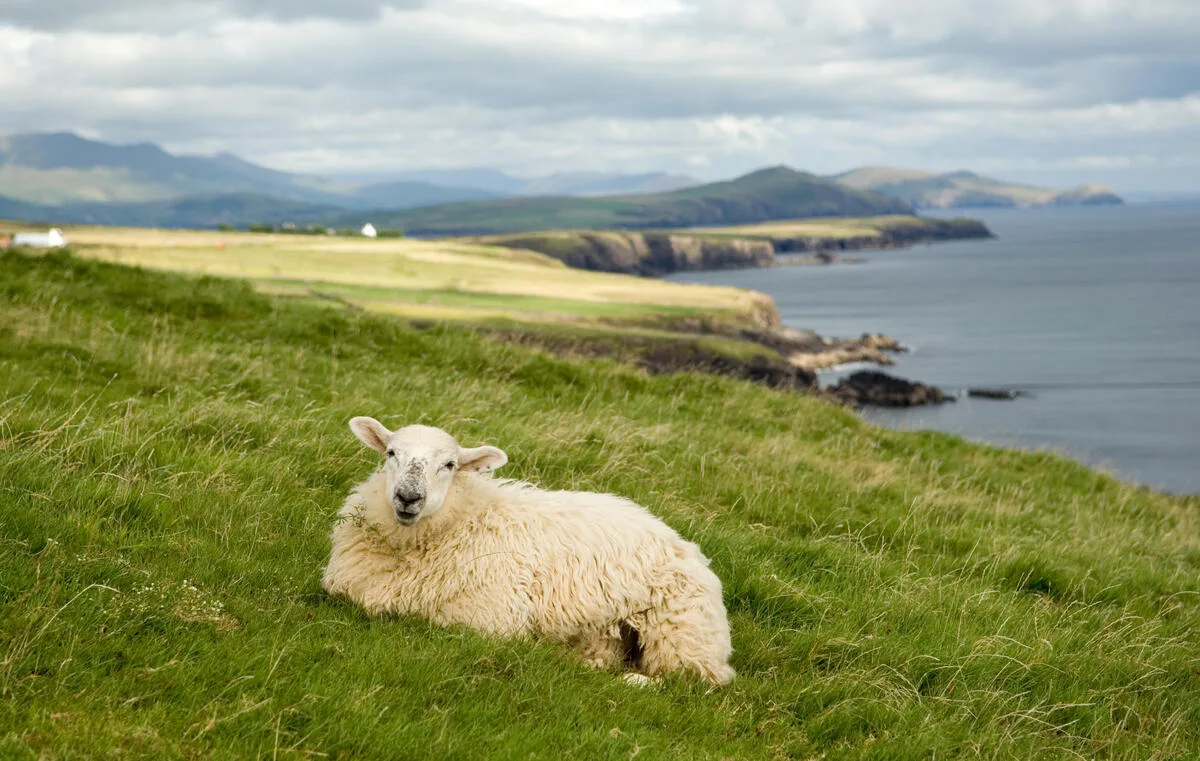
- Sheep-friendly approach: Despite sheep presence, most areas allow dogs (with awareness of livestock).
- Accommodation: Many B&Bs and rural hotels welcome dogs.
- Trail diversity: Coastal paths, forest walks, mountain trails accommodate different dog abilities.
- Social acceptance: Irish people generally love dogs; walking with dogs creates conversations and connections.
Dog-Friendly Trail Selection
Good Dog Walks Have These Features
- Clear trails: Your dog can see where they're going; terrain isn't treacherous.
- Water access: Stream crossings, lakes, or coastal access where dogs can drink and swim.
- Manageable distance: Match your dog's fitness; a 5-year-old terrier and 10-year-old senior dog have different capacities.
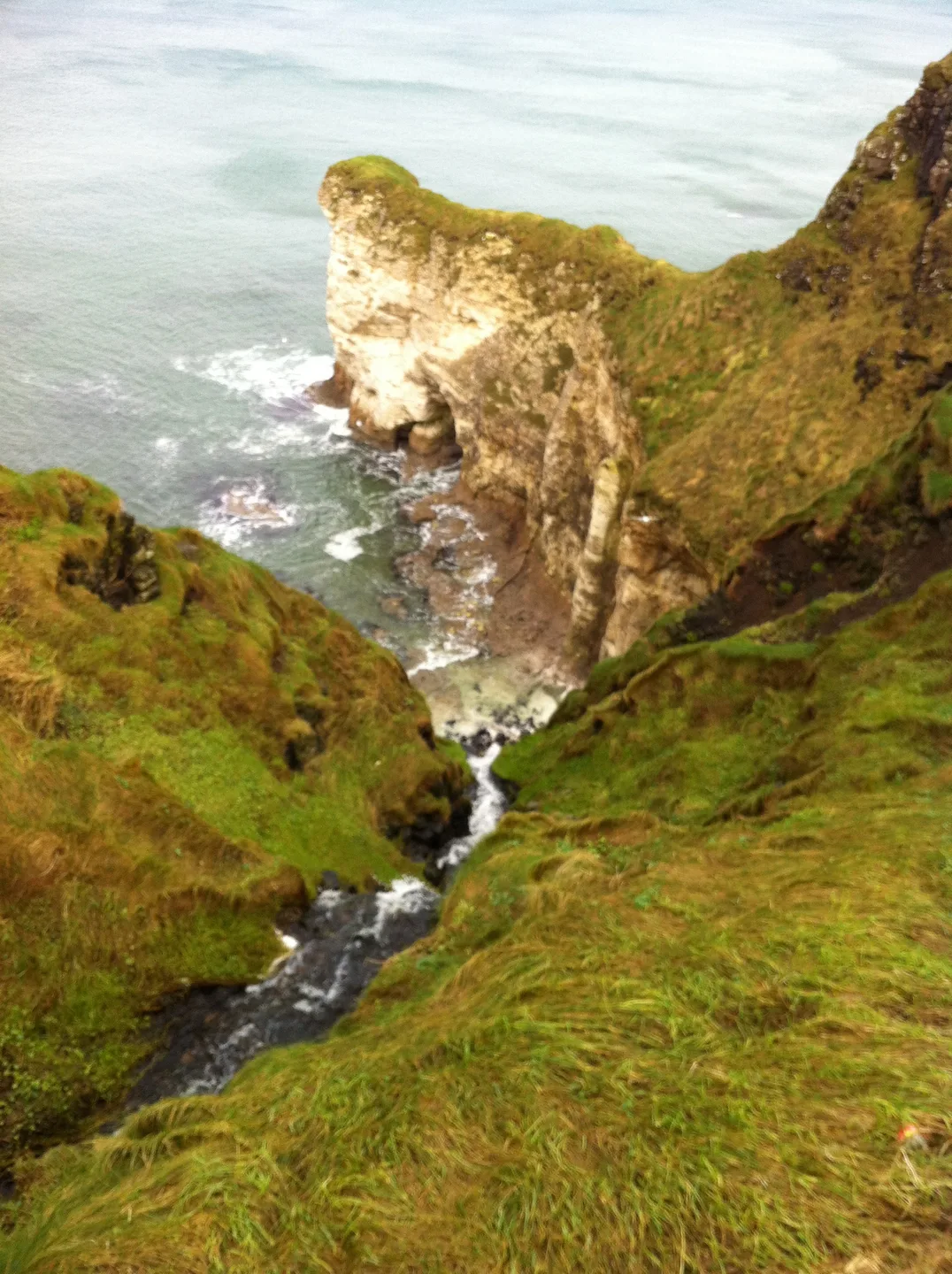
- Limited exposure: Cliffs or steep dropoffs create safety hazards.
- Wildlife considerations: Some trails require controlled dog presence (nesting bird areas, sensitive habitats).
Walks to Avoid with Dogs
- Steep scree slopes: Loose rock is hard on dog joints and paws.
- Extensive bog walking: Deep bog is exhausting for dogs.
- High-exposure ridges: Clifftop trails with danger of falling off.
- Areas with sensitive breeding birds: Some reserves restrict dogs during breeding season.
Ireland's Best Dog-Friendly Walks
Discover dog-friendly walks ireland across diverse terrain and regions:
Coastal Paths (Generally Dog-Friendly)
Howth Cliff Walk, Dublin: Coastal path accessible by DART. Dogs love cliff paths; the sea views they don't care about, but the smells and space appeal to them.
Bray to Greystones: Gentle coastal path with good surfaces. Dogs find this manageable and enjoyable.
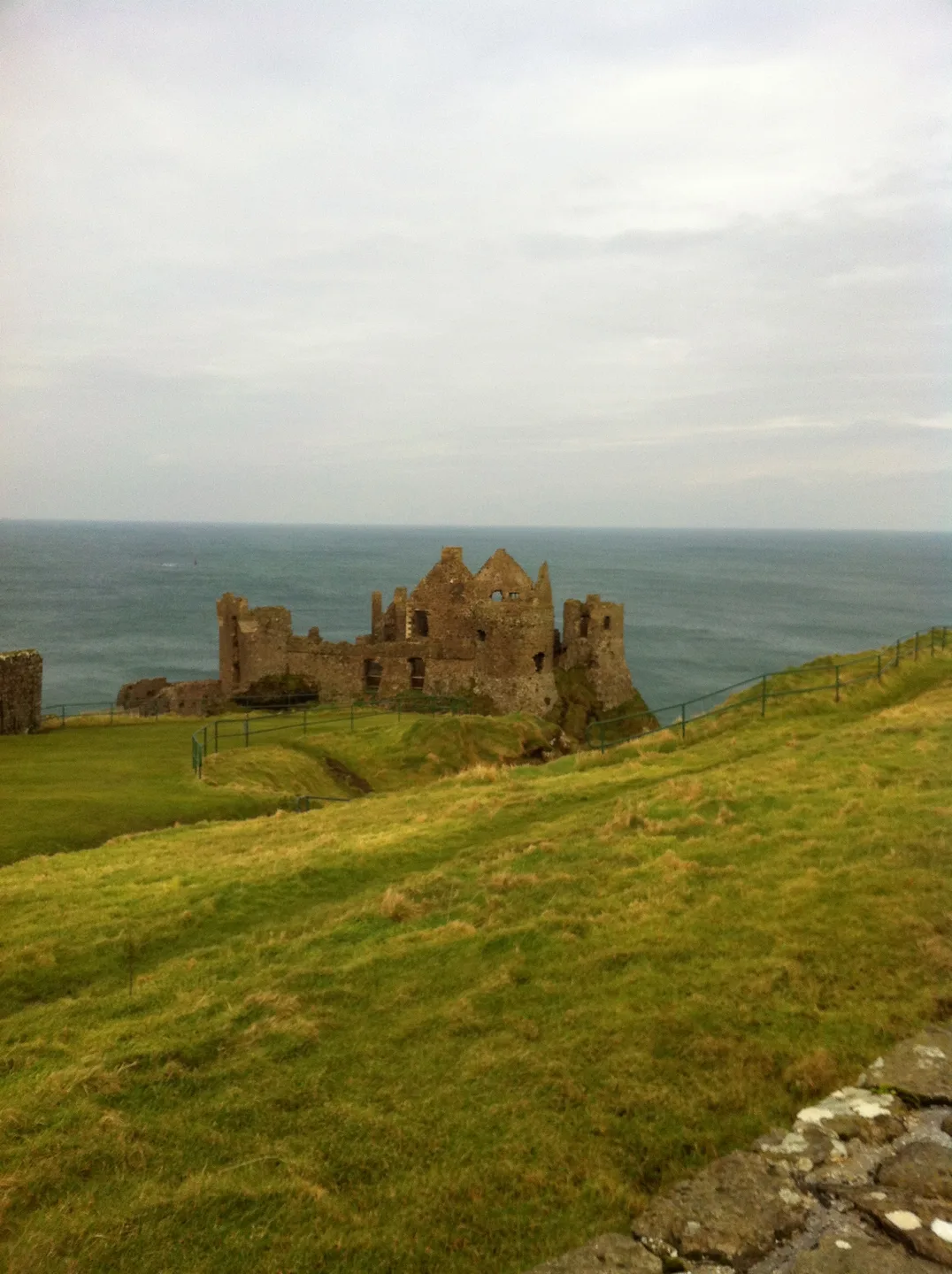
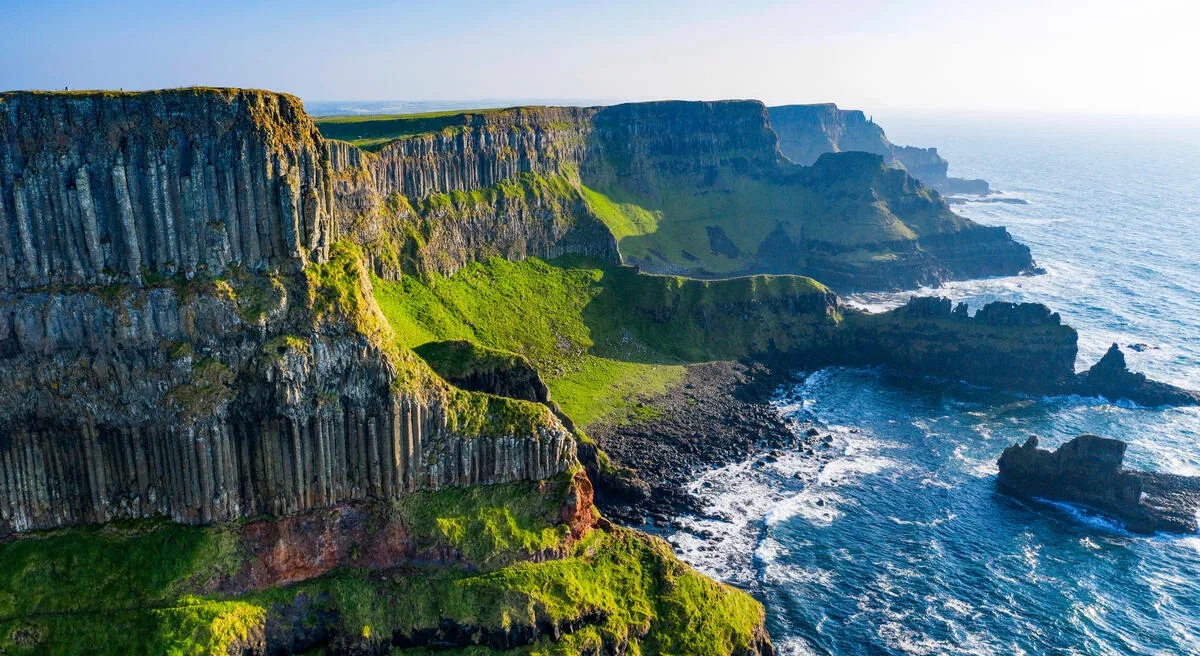
Antrim Coast: Excellent dog-friendly coastal scenery. The beaches and rocky shorelines dogs love exploring.
Forest Walks (Often Dog-Friendly)
Glenveagh National Park: Multiple forest trails suitable for dogs. Water access frequent. Dogs love exploring forest terrain.
Tollymore Forest Park, Northern Ireland: Beautiful forest valley with river and streams. Excellent for dogs—water access, shade, interesting terrain.
Wicklow National Park Forest Walks: Various forest routes accommodating dogs. Dappled shade and water make these comfortable for canine hiking.
Easy Mountain Walks (Dog-Capable)
Diamond Hill, Connemara: A genuine mountain walk manageable for fit dogs. The summit feels achieving for both human and dog.
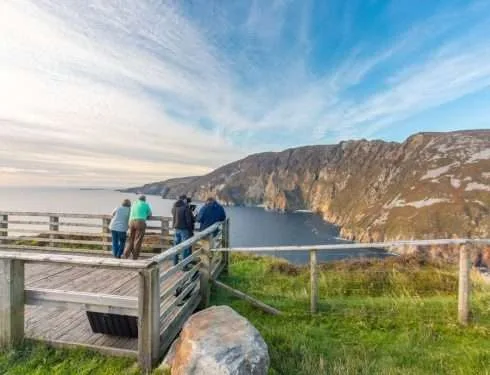
Slieve League: For strong, experienced hiking dogs only. The exposure and scrambling demand sure-footed dogs and experienced owners.
Waterside Walks (Dogs Love These)
River valleys and canal towpaths: Dogs find water endlessly compelling. Riverside walks where dogs can drink, wade, or swim appeal to canine instincts.
Preparing Your Dog for Walking Holidays
Fitness Building
Dogs need conditioning just as humans do. Gradually increase walking distance over 4–6 weeks:
- Week 1–2: 3–4 km daily walks
- Week 3–4: 5–6 km walks
- Week 5–6: 8–10 km walks with elevation
Unprepared dogs can develop joint pain or exhaustion. Gradual conditioning prevents injury.
Paw Care
Dog paws suffer on rough terrain. Preparation includes:
- Toughen paws: Varied terrain gradually hardens paw pads.
- Paw balm: Protective balm prevents cracking.
- Booties: Optional but helpful for sensitive-pawed dogs.
- Nail trimming: Short nails prevent slipping on rocky terrain.
Health Checks
Before ambitious walking holidays, check with your vet:
- Joint health: Older dogs might have arthritis; your vet can advise safe distances.
- Heart health: Ensure your dog is cardiovascularly sound.
- Fitness assessment: Your vet can evaluate if your dog is ready for serious walking.
Vaccinations and Prevention
Ireland has specific health considerations:
- Tick and flea: Not as prevalent as mainland Europe, but still present. Preventative medications recommended.
- Lungworm: Transmitted by slugs; preventative treatment advisable.
- Leptospirosis: Water-borne disease; ensure vaccination up to date.
What to Carry for Your Dog
- Water and collapsible bowl: Dogs dehydrate quickly during walking.
- Dog snacks: High-energy treats for stamina.
- Lead: Even if hiking off-leash, carry lead for safety.
- Poo bags: Responsible dog ownership.
- First aid: Bandages for cuts, tweezers for splinters/thorns.
- Towel: For drying muddy dogs before entering accommodation.
- Dog bed: For accommodation comfort.
- Medications: Any prescription medications.
Accommodation with Dogs
Many Irish B&Bs welcome dogs:
- Advance notice: Always inform accommodation of dog presence.
- Ground floor rooms: Better for dogs needing to go outside.
- Dog-friendly ratings: Check reviews mentioning dog-friendliness.
- Extra fees: Some charge small dog fees; ask in advance.
Chains of Dog-Friendly Accommodation
Several Irish hospitality groups specifically welcome dogs. These typically have:
- Designated dog-friendly rooms
- Dog bowls in rooms
- Information about nearby dog walks
- Positive experience with canine guests
Behavioral Considerations
Recall Training
Before walking dogs off-leash in Ireland, ensure solid recall. Your dog must return when called, especially near livestock or roads.
Sheep Management
Ireland has extensive sheep farming. Dogs chasing sheep can be:
- Illegal: Farmers can legally shoot dogs chasing livestock.
- Dangerous: Frantic sheep can injure themselves or your dog.
Teach your dog to ignore sheep. Off-leash hiking near sheep demands absolute obedience.
Water Safety
While many dogs love water, cold ocean, fast rivers, or bog water present hazards:
- Hypothermia: Cold water and shivering dogs need drying.
- Current strength: Rivers can be stronger than they appear.
- Salt water ingestion: Too much salt water can cause illness.
- Bog water: Stagnant bog water carries parasites.
Allow water swimming but supervise carefully.
The Special Experience: Walking with Your Dog
Walking with your dog adds dimension to hiking. Your dog perceives landscape completely differently—through smell, sound, and intuition rather than visual scenery. Watching your dog experience terrain freshly reminds you to notice details you might otherwise miss.
Many walkers find that hiking with dogs deepens their relationship with their canine companion. The shared challenge and environment create bonds that casual city walks don't provide.
For more information about dog-friendly hiking in Ireland, explore our family-friendly hiking trails guide, which covers many dog-suitable routes.
Ready to Walk Ireland with Your Dog?
Ireland is excellent for hiking with canine companions. Prepare appropriately—condition your dog gradually, choose suitable trails, carry necessary supplies, behave responsibly—and you'll discover that your dog is an excellent hiking companion.
Many Irish walking destinations welcome dogs. Whether coastal paths, forest walks, or mountain trails, your dog can accompany you through genuinely remarkable landscape.
Contact us for recommendations on dog-friendly walking routes and accommodation options where your canine companion is welcome.
Photo Gallery