Hiking vs Walking: The Difference Explained Simply
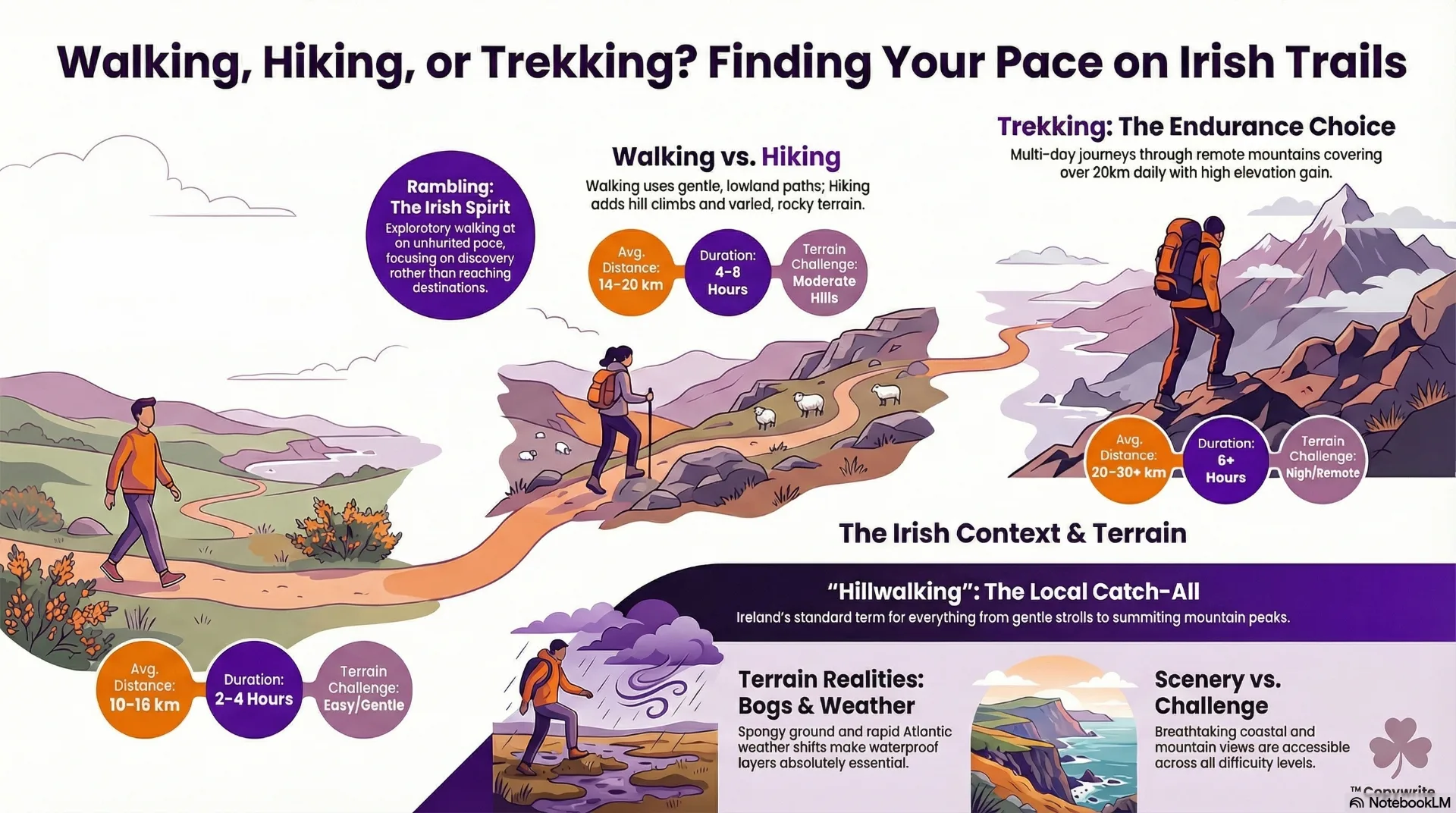
Hiking vs Walking vs Trekking vs Rambling: What's the Difference?
You're looking at walking holidays in Ireland, and the descriptions keep switching terms. One says "hiking tour", another says "walking holiday", and a third mentions "trekking". Are these the same thing? Does it matter?
The short answer: the terms overlap, they mean slightly different things depending on where you are in the world, and yes, understanding the difference between hiking and walking (and trekking and rambling) will help you pick the right holiday. Here's how we think about it after years of sending walkers out across Irish hills and coastlines.
The short version:
- Walking — 10–16 km/day, easy terrain, comfortable shoes fine
- Hiking — 14–20 km/day, real climbs and descents, boots required — the level of most WHI tours
- Trekking — 20+ km/day, multi-day expeditions through remote terrain
- Rambling — relaxed countryside wandering, no fixed route, any fitness level
- Hillwalking — Ireland's catch-all term, from an afternoon stroll to a serious mountain day
What Is Walking?
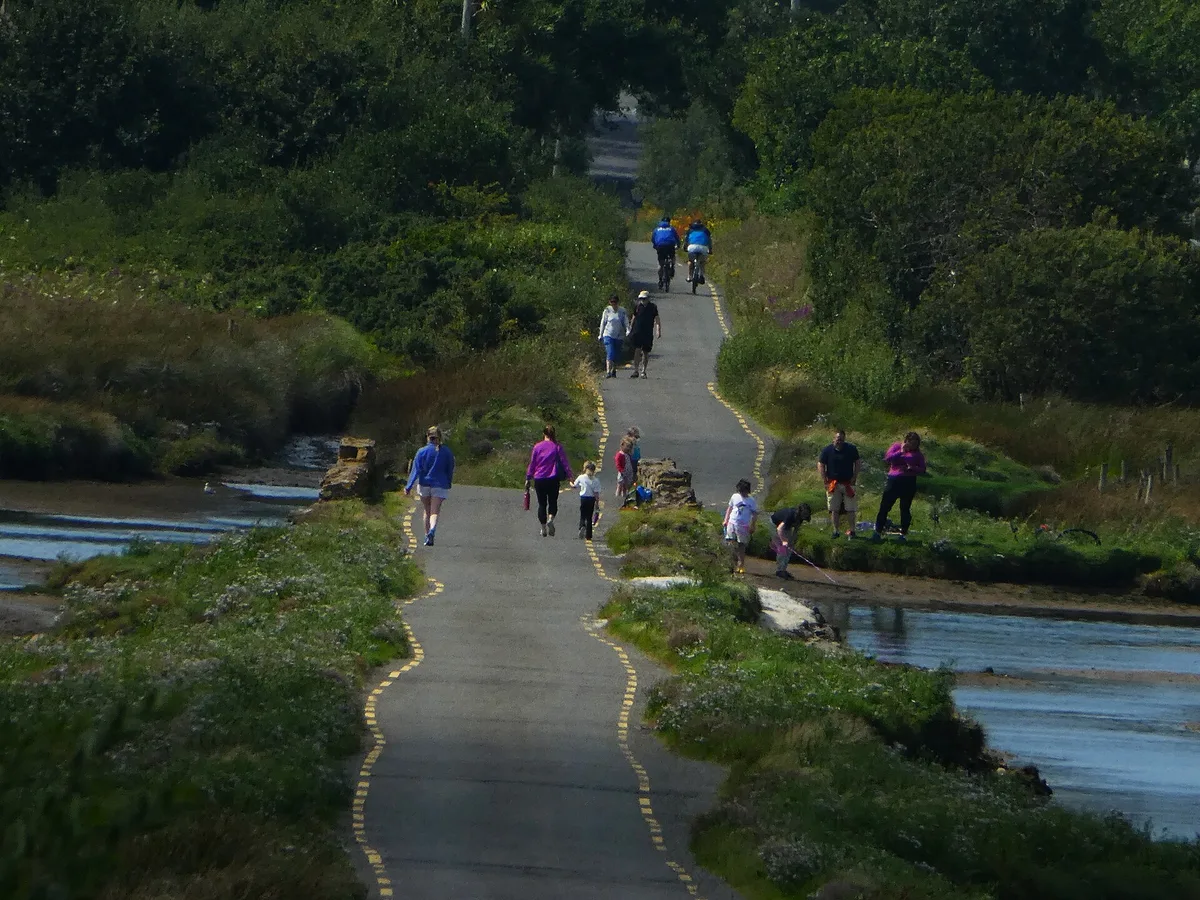
Walking is the most accessible end of the spectrum. A walking tour follows well-maintained paths, quiet country lanes, and gentle coastal routes. The terrain is forgiving — no scrambling, no serious elevation, no need for specialist gear beyond comfortable shoes and a waterproof jacket.
A typical walking day covers 10–16 kilometres over two to four hours. The pace is relaxed. You pause whenever something piques your interest. You have time for a long lunch. This suits families, mixed-fitness groups, and anyone who wants to be outdoors without pushing hard. The pleasure comes from the cumulative experience — the changing light, the villages, and the conversation — rather than from conquering difficult terrain.
In Ireland, walking tours tend to follow riverside paths, lowland loops, and the gentler stretches of waymarked trails. Think pastoral countryside and coastal scenery rather than mountain summits.
Walking is real exercise too. A gentle walk of a few kilometres burns calories, strengthens joints, and improves mood. Don't let the simplicity fool you — walking is the foundation. It's where everyone starts, and for many people it's more than enough.
What Is Hiking?
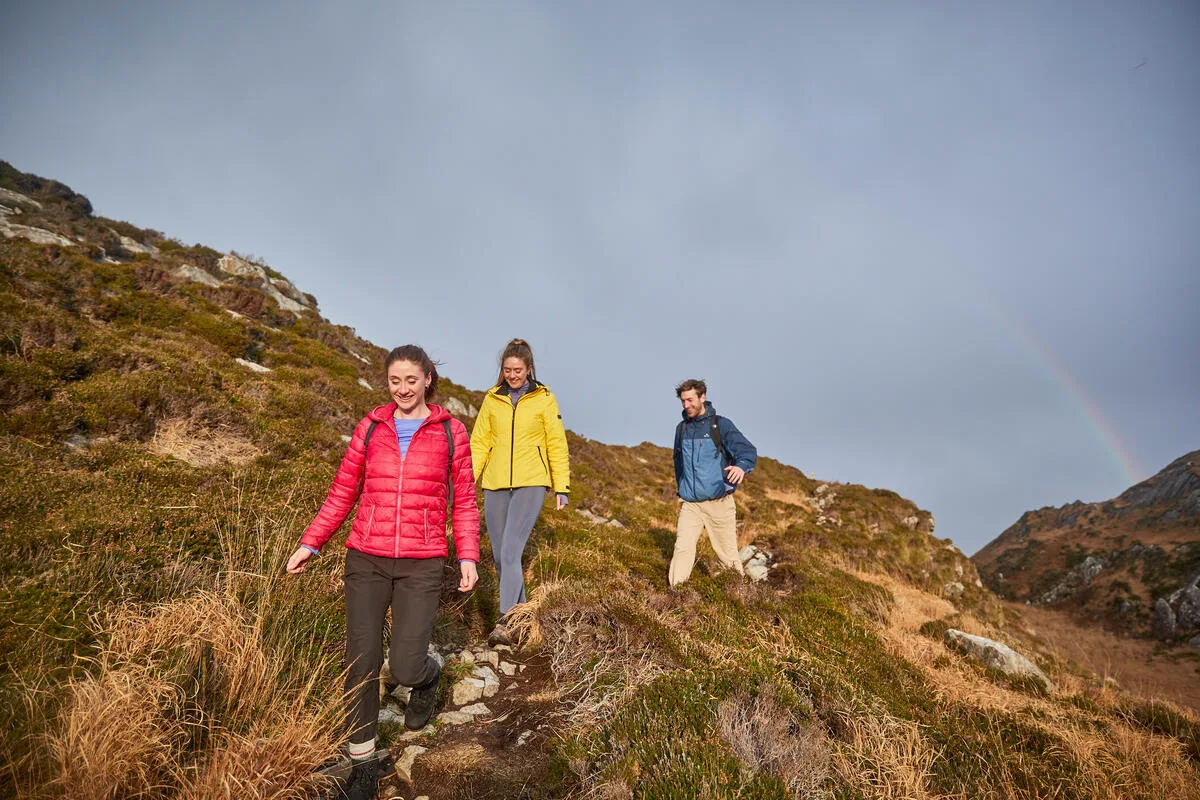
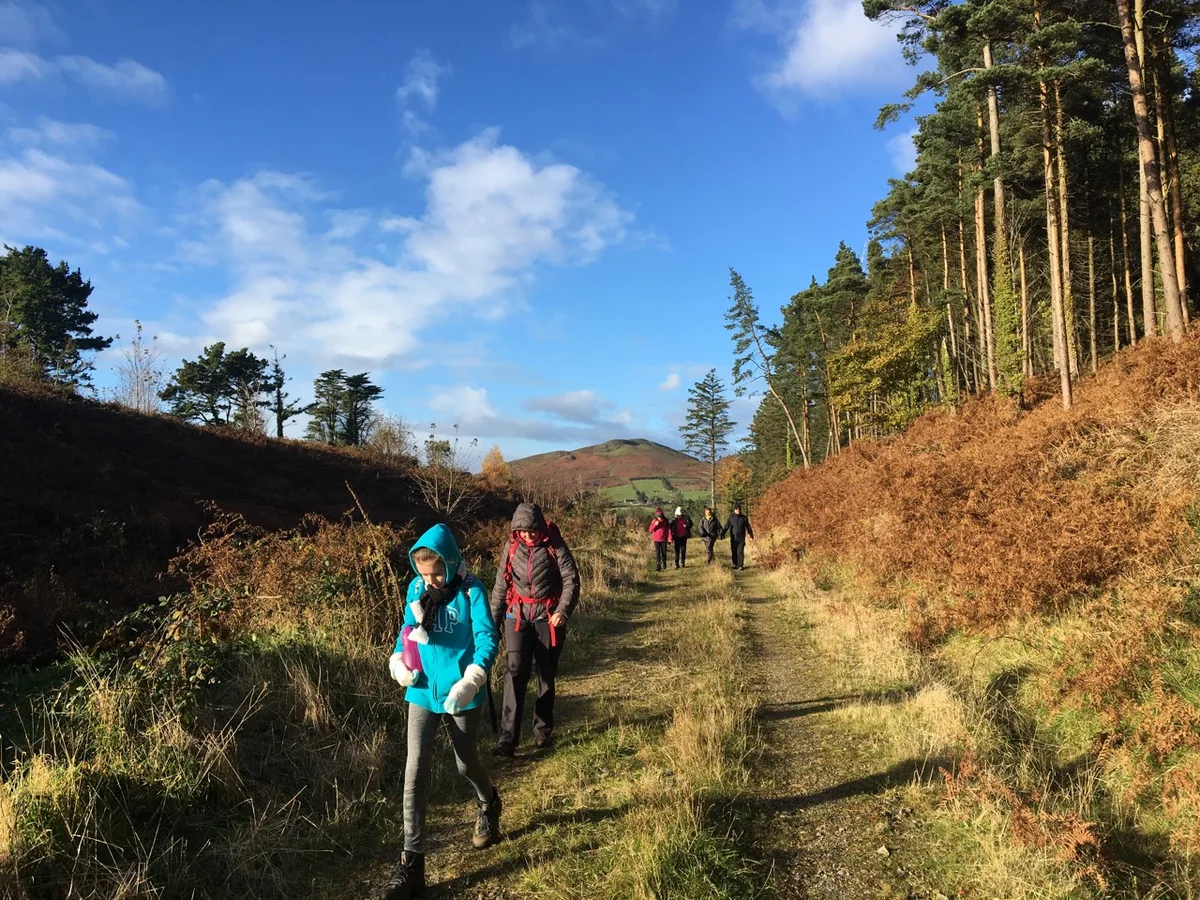
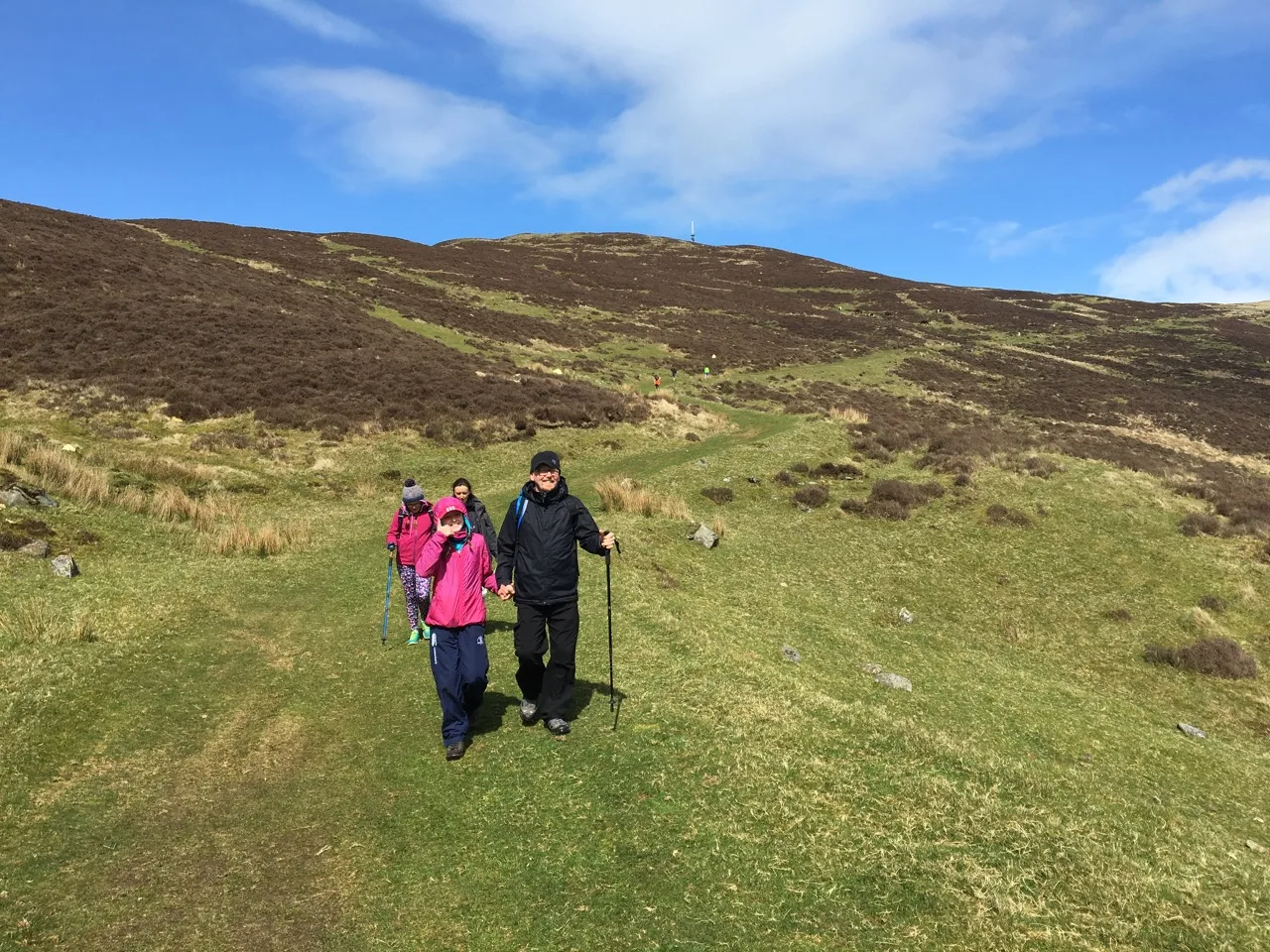
Hiking sits in the middle ground. You're covering longer distances — typically 14–20 kilometres a day — over more varied terrain. There are proper climbs, descents, rocky sections, and the occasional boggy stretch (very Irish, that). A hiking day runs four to six hours on the trail, and you'll feel it in your legs by evening.
This terrain is where most people find their sweet spot. It's enough of a challenge to feel genuinely accomplished at the end of the day but achievable for anyone with reasonable fitness who walks regularly. You don't need technical skills or specialist equipment — just decent boots with ankle support and the layers to handle changeable weather.
The distinction between hiking and walking primarily lies in the terrain and the level of effort required. Hiking takes you to the hills. You're on ridge lines, crossing mountain passes, navigating surfaces that vary between rock, grass, and peat. Walking keeps you on gentler ground. Both are rewarding — just in different ways.
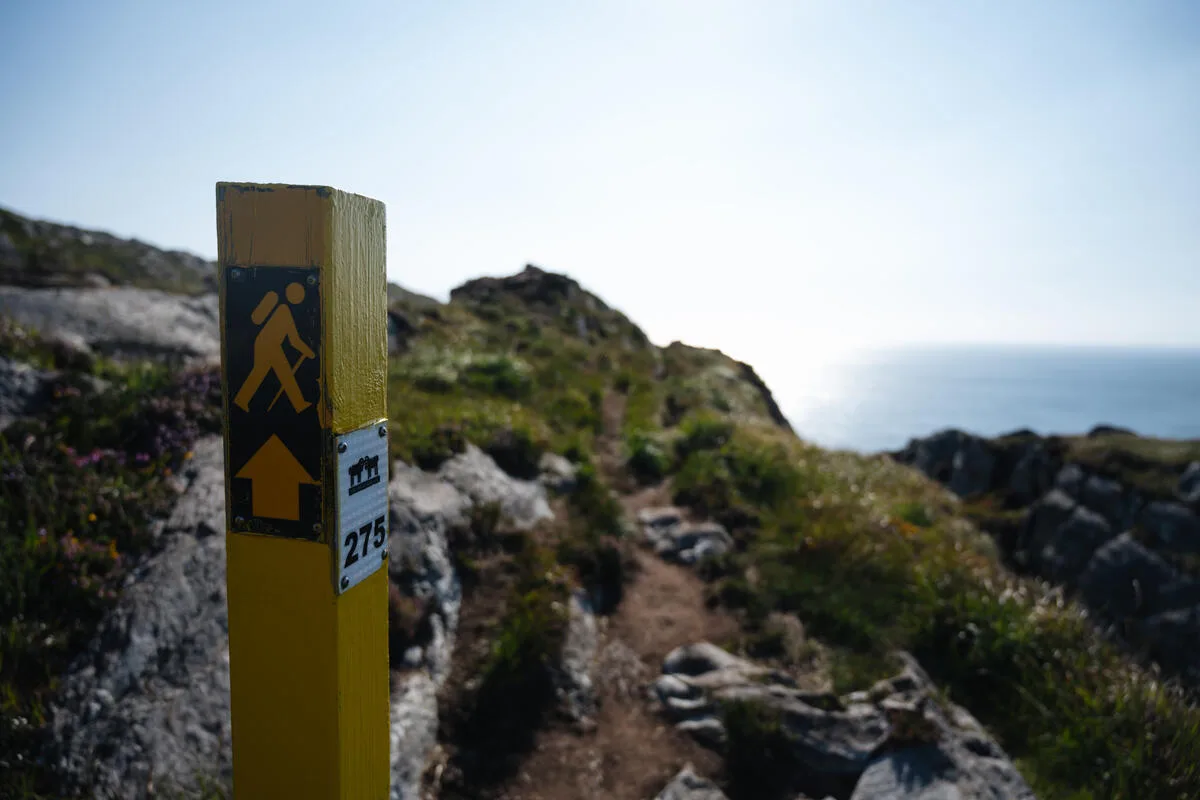
Most of our Irish walking holidays fall into the hiking category. Routes like the Kerry Way, the Wicklow Way, and the Burren Way involve proper hill days with real elevation change and varied terrain, but nothing that requires ropes or mountaineering experience.
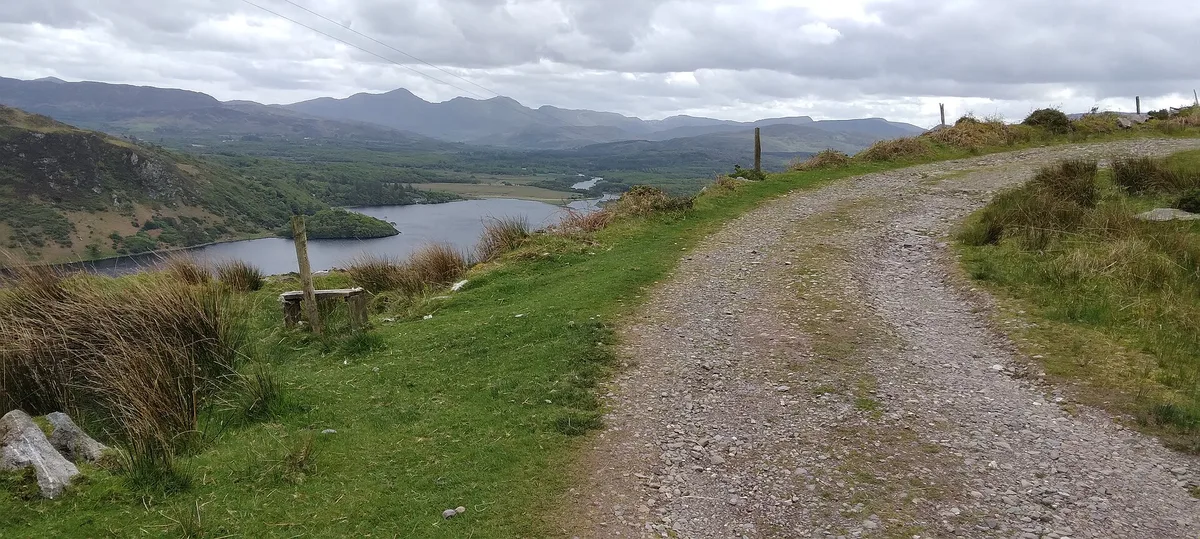
If you're asking because you're planning a trip: almost all of our self-guided walking holidays in Ireland sit in this hiking category — real terrain, real elevation, but with luggage transferred each day so you're never carrying more than a daypack.
What Is Trekking?
Trekking is a significant step up. A trekking trip means multiple days of sustained, challenging walking through remote or mountainous terrain — often 20 to 30 kilometres a day, six or more hours on the trail, with serious elevation gain.
The difference between hiking and trekking lies in the intensity and commitment required. A hike might be a single day or part of a varied holiday. A trek is the holiday — a multi-day journey where walking itself is the point, and each day builds on the last. Trekking requires genuine fitness preparation: strong cardiovascular endurance, good leg strength, and the mental stamina for long days in variable conditions.
The reward is proportional. You reach landscapes most visitors never see. You develop a rhythm with the trail. The sense of achievement at the end of a week-long trek is difficult to match.
In an Irish context, trekking applies to the longer, more demanding routes — walking the full Beara Way over eight or nine days, or tackling the most challenging sections of the Wild Atlantic Way on foot. Ireland's mountains may not have Alpine altitude, but they pack serious terrain into compact distances, and the weather adds an extra dimension that keeps things intriguing.
What Is Rambling?
Rambling is walking in the countryside for pleasure, at whatever pace feels comfortable, without a fixed route or ambitious destination. Think of strolling along country lanes, following a canal towpath, crossing meadows on old field paths, or wandering through parkland. The emphasis is on enjoyment and fresh air rather than covering distance or gaining elevation.
In Britain and Ireland, rambling has a long tradition. Rambling clubs have been active since the early 20th century, bringing people together for sociable walks through the countryside. The Ramblers' Association in the UK has championed access to footpaths and open land for decades. In Ireland, many local walking groups organise weekly rambles — gentle walks of 5 to 10 km on flat or easy ground, usually followed by tea and conversation.
What defines rambling is the pace and the attitude. You're not trying to reach a summit or complete a set distance. You stop to look at a view, chat with the person beside you, or sit on a stile and watch the river. The walking itself is the point, not the destination. A rambling day covers anywhere from 10 to 20 kilometres over three to five hours, but the distance matters less than the spirit of the thing.
Rambling has real health benefits too. Walking at a moderate pace for an hour or two in fresh air reduces stress, improves cardiovascular health, and gives you the mental reset that comes from being outdoors. The social side matters as well — walking with friends or in a group adds conversation and companionship to the physical benefits.
Hillwalking: The Irish Term
In Ireland, the term you'll hear most often is "hillwalking." Mountaineering Ireland, the national body for the sport, uses it as an umbrella term covering everything from an afternoon stroll in the Wicklow Hills to a serious day in the Macgillycuddy's Reeks.
It's a useful word because it's honest. Ireland's mountains are modest by Alpine or Himalayan standards — the highest, Carrauntoohil, tops out at 1,039 metres. But "hillwalking" doesn't mean easy. The Irish hills are steep, exposed, often unmarked, and the weather can turn from sunshine to horizontal rain in twenty minutes. The combination of boggy ground, Atlantic wind, and fast-changing visibility means Irish hillwalking demands respect and preparation, regardless of what the altitude might suggest.
When we describe our tours, we use "walking holiday" because that's what they are — holidays built around walking. But the walking itself ranges from gentle rambling to proper hillwalking, depending on the route.
Quick Comparison
Walking | Hiking | Trekking | Rambling | Hillwalking |
|---|---|---|---|---|
10–16 km/day, 2–4 hours | 14–20 km/day, 4–6 hours | 20–30+ km/day, 6+ hours | 10–20 km/day, 3–5 hours | Any distance |
Easy terrain, low fitness requirement | Hills and mixed terrain, moderate fitness | Remote and mountainous, high fitness | Varied terrain, easy to moderate | All terrain types |
Gentle coastal and countryside routes | Most walking holidays find their ideal balance here | Multi-day expeditions where the walk is the holiday | Exploratory and unhurried — the spirit of Irish walking | The Irish catch-all covering gentle to serious terrain |
Gear: What You Need for Each
The gear question is where understanding the difference between these activities becomes very practical.
For walking and rambling, you need very little. Comfortable walking shoes, a light waterproof jacket, a small bag with water and a snack. That's it. No specialist equipment, no heavy investment.
For a day hike, you need a daypack of 20 to 30 litres, a water bottle, a packed lunch, a waterproof jacket, and a warm layer. Add a map, a phone with the route downloaded, and sun protection. You travel light because you're back at base by evening.
For a trek, the gear list grows significantly. If you're carrying everything yourself, you need a pack of 50 to 65 litres, a sleeping bag (if camping), multiple changes of clothing, food and cooking supplies, and first aid equipment. The total weight can reach 12 to 15 kg — a completely different experience from walking with a light daypack.
This is where Ireland walking holidays have a real advantage. Because we transfer your luggage between overnight stops, you walk each day with just a daypack. You get the trekking experience — the multi-day journey, the changing landscape, the sense of distance covered — without the physical burden of a heavy pack. It's the best of both worlds.
Getting Started: From Walker to Hiker
The shift from walking to hiking is easier than you think. Here's what I tell people:
Start by adding hills to your regular walks. Walk faster. Go longer. Build up to five or six miles on mixed ground. Once that feels good, try a short, easy hike — somewhere with a marked trail and gentle climbs.
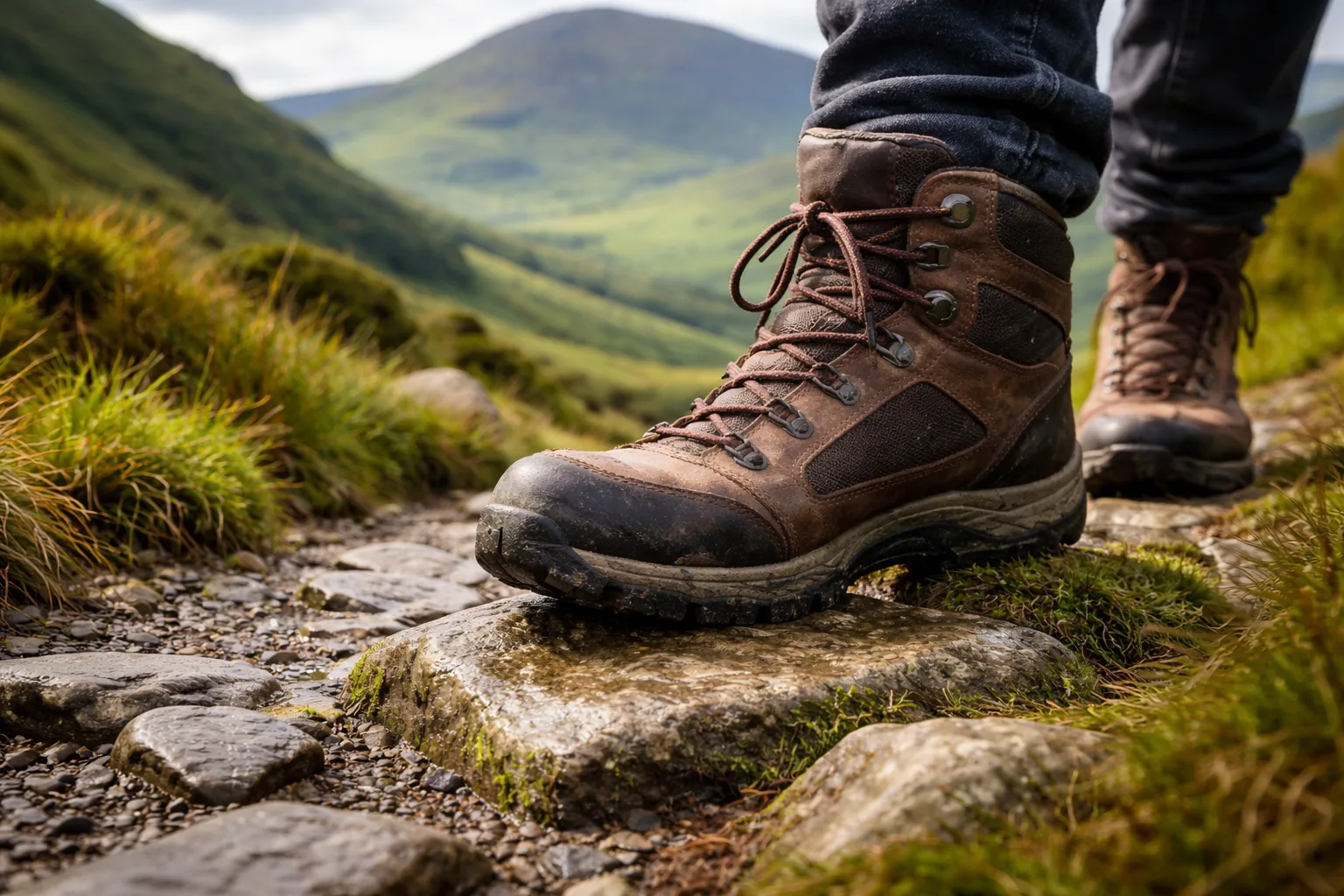
Get proper boots. This matters more than anything else. Cheap shoes on wet Irish rock is a recipe for a twisted ankle.
Try a guided walking holiday for your first big trip. A guide handles the route, the pace, and the tricky bits — so you can focus on the walk and the views. Once you've got a trip or two under your belt, self-guided trips open up the whole country.
Can You Turn Rambling into Hiking?
One of the best things about understanding the difference between rambling and hiking is that rambling serves as the natural starting point for people who eventually want to hike. If you've been rambling regularly — walking 5 to 10 km a few times a week — you already have a fitness base. The step up to hiking is about gradually increasing distance, adding elevation, and upgrading your gear.
Start by choosing trails with a bit more terrain. Instead of a flat towpath, try a forest trail with some hills. Then move to a waymarked trail with more elevation gain. Build up over a few months and you'll be ready for a mountain day hike. Many of our guests started as ramblers, joined a local walking group, and within a year were hiking the Kerry Way or the Wicklow Way.
The reverse works too. Experienced hikers who want a rest day or a change of pace find that a gentle ramble through Irish countryside is one of the most enjoyable walks you can do. There's no need to choose between rambling and hiking permanently.
What Makes Irish Terrain Different
Whatever you call it, walking in Ireland has its own character. Boggy ground is standard — those soft, spongy stretches are part of the landscape, not a flaw in the path. Waterproof boots are essential, not optional.
Weather changes fast. A clear morning can turn to mist and rain within an hour, then clear again by lunch. Layers matter more than any single piece of gear. Stone walls and hedgerows divide the landscape into a patchwork that creates sheltered valleys and exposed ridgelines that are sometimes only metres apart.
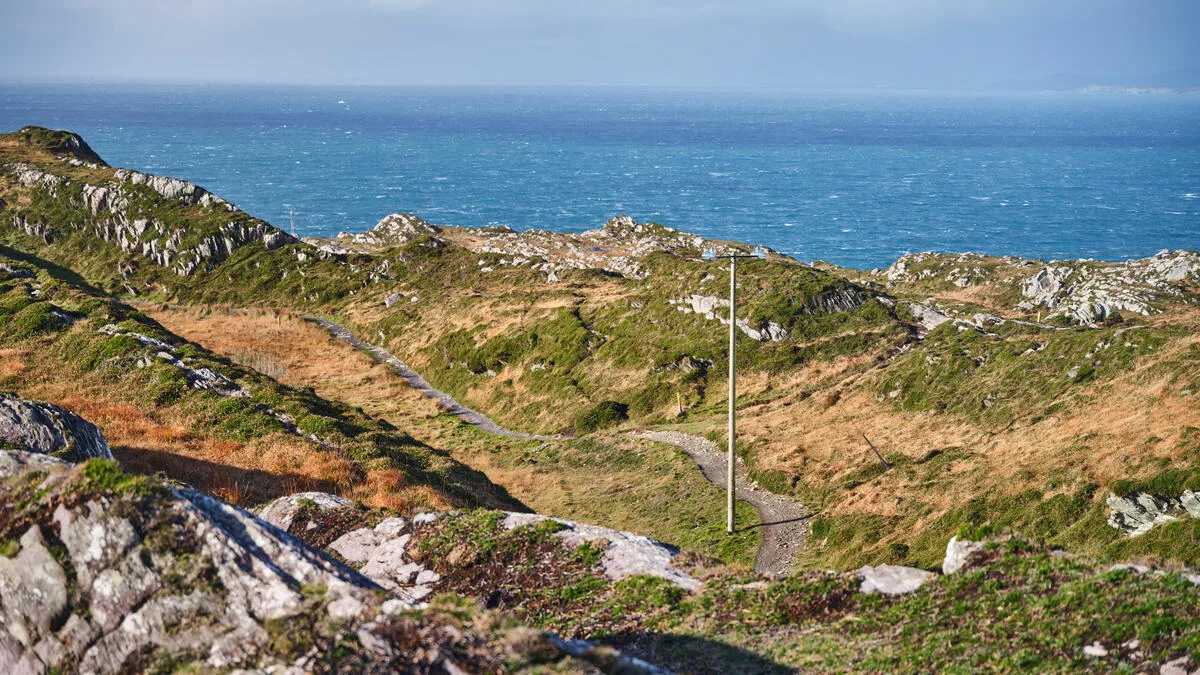
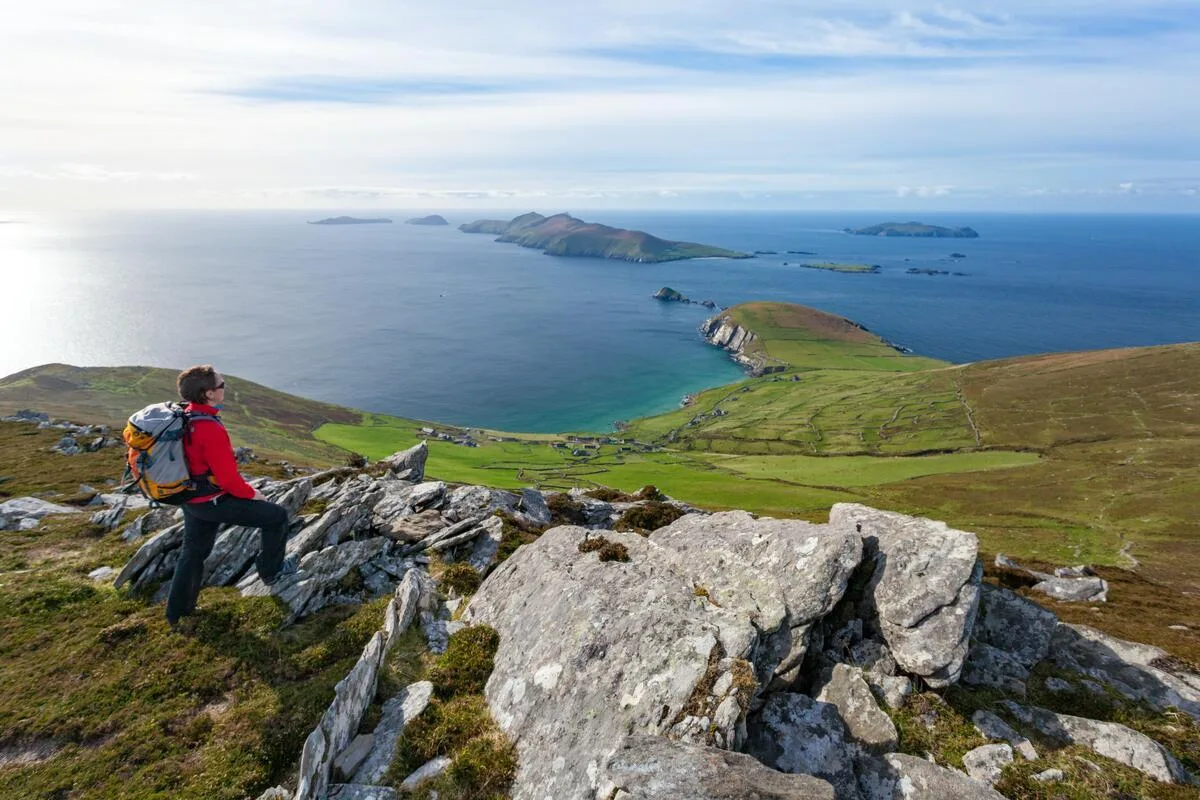
And then there's the coast. Much of Ireland's best walking follows cliff paths and shoreline trails where the Atlantic is a constant, dramatic presence. Coastal walking in Ireland isn't a gentle boardwalk — it's real terrain with real drops and real wind.
The Best of Both Worlds in Ireland
Ireland is one of the best places on earth to experience walking, hiking, rambling, and trekking in a single trip. You can walk through a charming village in the morning and hike a mountain trail in the afternoon.
The Wicklow Way mixes forest walks with mountain hiking. The Beara Way takes you along quiet roads and over rugged passes. Hiking in Donegal ranges from gentle beach strolls to serious mountain days. For rambling, the Barrow Way offers 114 km of flat towpath walking through Counties Kildare, Laois, Carlow, and Kilkenny. The canal paths of the Shannon region are equally gentle.
Ireland's six national parks all have trails for walkers and hikers alike. And the Wild Atlantic Way — 2,500 km of coastal scenery — is the backdrop for some of the finest trail walking and hiking you'll find anywhere.
The best time to visit Ireland for walking and hiking is April through October, but we run trips year-round for those who don't mind a bit of rain.
Choosing What's Right for You
Three honest questions will get you to the right answer.
What is your daily activity level? If you walk regularly and enjoy being on your feet, hiking-level tours will suit you well. If you prefer a gentler pace, a walking-focused route keeps things comfortable. Look at the trekking-distance itineraries if you train for endurance and want a real challenge.
How do you want to feel at the end of the day? Pleasantly exhausted with energy for an evening in the pub? That's hiking territory. Relaxed and unhurried? Walking or rambling. Deeply, satisfyingly exhausted? Trekking.
How important are the scenery and the challenge? Ireland delivers spectacular scenery on every level — you don't need to trek 30 kilometres to see something breathtaking. Some of the most beautiful walking we offer is on moderate routes where the pace leaves room to actually take it in.
Whatever level you choose, we handle the logistics — luggage transfers between your accommodations each day, handpicked B&Bs and guesthouses, detailed route maps, and local support if you need it. You walk at your own pace, carrying only a daypack. No groups, no schedules, no rushing.
The Irish hills are there whenever you're ready. The only question is which pace suits you best.
Frequently Asked Questions
What kind of boots should I wear for hiking in Ireland?
Well-fitted, waterproof hiking boots are essential. Start breaking them in 8–10 weeks before your trip, and test them in wet and uneven conditions. Many experienced hikers also carry blister treatment just in case. For walking on flat paths, comfortable walking shoes are fine.
How fit do I need to be for a walking holiday in Ireland?
Most walkers can cover 15–20 km a day over moderate terrain. Routes like the Kerry Way and Dingle Way need good stamina and hill-walking experience. Gentler options include the Barrow Way and Burren Way. Be honest about your fitness and check the elevation profiles before you book.
What is the main difference between hiking and trekking?
Hiking is typically a day walk on established trails where you return to your starting point by evening. Trekking is a multi-day journey through more remote terrain, covering 15 to 25 km per day over several days or weeks. Trekking requires more fitness, gear, and planning.
Can beginners go trekking in Ireland?
Yes. Ireland's long-distance trails like the Wicklow Way and Dingle Way are well-marked and pass through villages with accommodation and services. Self-guided walking holidays with luggage transfer mean you walk with just a daypack, making multi-day treks accessible to anyone with reasonable fitness.
What is the difference between a self-guided and a guided walking tour?
On a self-guided tour, you walk on your own using our maps, route notes, and GPS app, with luggage moved each day and 24/7 support on call. A guided tour gives you a local expert who walks with you, shares stories and local knowledge, and keeps you safe and on track.
Are trekking poles recommended for hiking in Ireland?
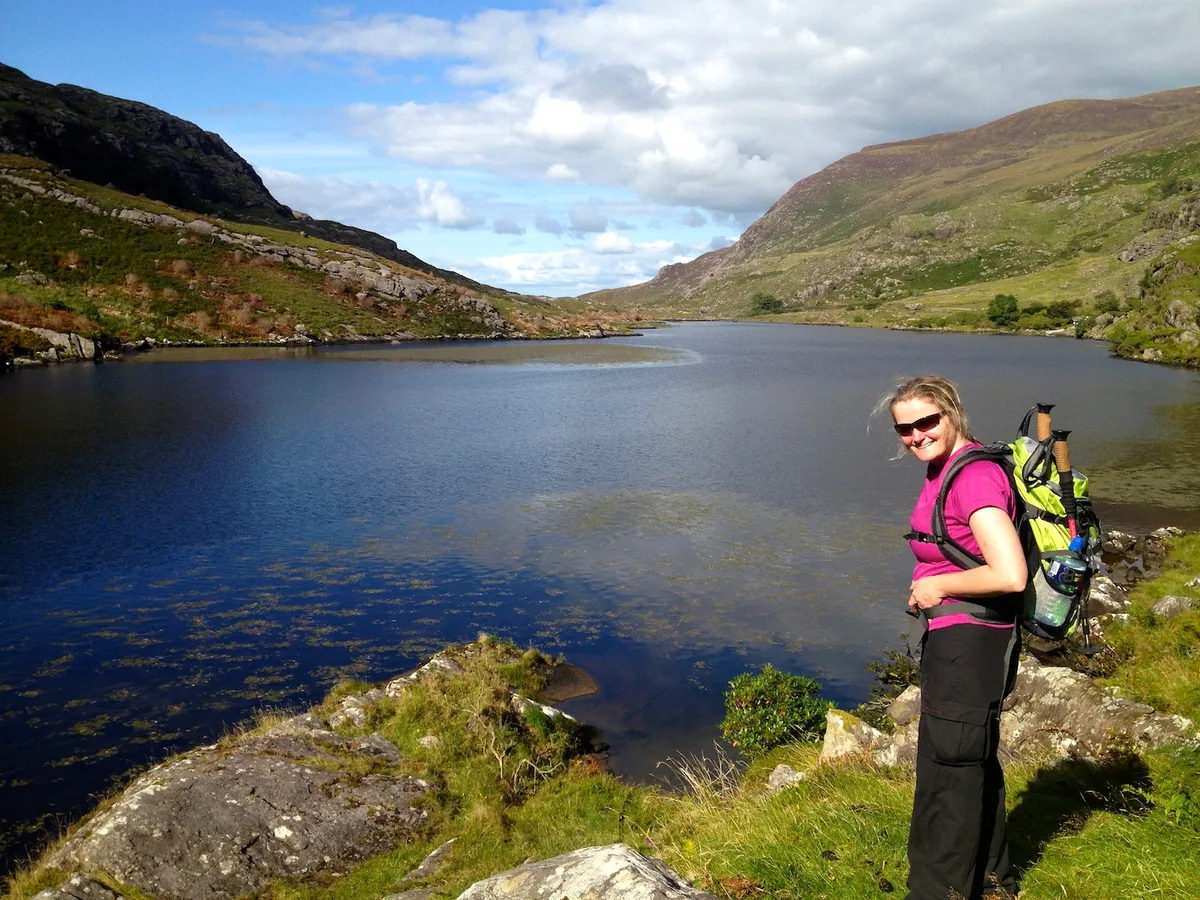
Trekking poles are optional but helpful, especially on long descents where they take pressure off your knees. They also give extra balance on uneven or boggy ground. Try them on training walks first before bringing them on your trip.
What is rambling and how is it different from hiking?
Rambling is gentle countryside walking at a relaxed pace, without a fixed destination. It emphasises enjoyment and fresh air rather than covering distance or gaining elevation. Hiking involves purposeful walking on trails with greater distance, elevation, and challenge. Rambling requires only comfortable shoes and a jacket; hiking requires proper boots, waterproofs, and a daypack.
What are the most essential items to pack for a walking holiday?
The must-haves are: a quality waterproof jacket and trousers, well-fitted hiking boots, merino wool or synthetic base layers (not cotton), a daypack, maps and compass or GPS, sun protection, and a fully charged power bank.
Is trekking harder than hiking?
Yes — trekking is the most demanding of the three. It means multi-day travel carrying your own gear, often in remote country with basic facilities. Hiking is usually day-based with a bed each night. Nothing we run is trekking in that sense; our tours are hiking with your luggage moved for you.
Can families with children do hiking tours, or just walking tours?
Families with younger children usually do better on walking routes, where the pace is flexible and the ground is forgiving. Active families with older children often enjoy easier hiking routes, especially half-day options. Tell us your children's ages and we'll point you at the right trail.
Continue exploring
Planning your Irish walking adventure? These guides will help you choose the right trail and prepare properly:
- How hard is hiking in Ireland
- Walking holidays Ireland seasonal guide
- Walking the Wicklow Way complete guide
Whichever word you use for it, the ground is the same. If you want to put it into practice on an Irish trail, start with our guide to hiking in Ireland - the regions, the waymarked ways, and what each one asks of you.
Frequently Asked Questions
What is the difference between hiking and walking?
What is trekking and how does it differ from hiking?
What does rambling mean in walking terms?
What is hillwalking in Ireland?
What fitness level do I need for a walking holiday in Ireland?
Photo Gallery