How to Plan the Perfect Hiking Holiday in Ireland
Learning how to plan hiking holiday Ireland trips is different from planning a regular vacation. It's not just about booking a hotel and a flight — it requires thoughtful decisions about terrain, fitness, timing and logistics that determine whether you end up exhausted and injured, or exhilarated and already planning your return.
I've guided thousands of walkers through their Irish hiking holidays, and I've learned that the ones who enjoy them most aren't the fittest — they're the ones who planned thoughtfully. They chose appropriate routes, built the necessary fitness, understood their own capabilities, and made practical decisions about accommodation and gear.
This guide walks you through the full process, step by step. Follow it, and you'll arrive in Ireland ready to have the adventure of your life.
Step 1: Choose Your Trail and Region
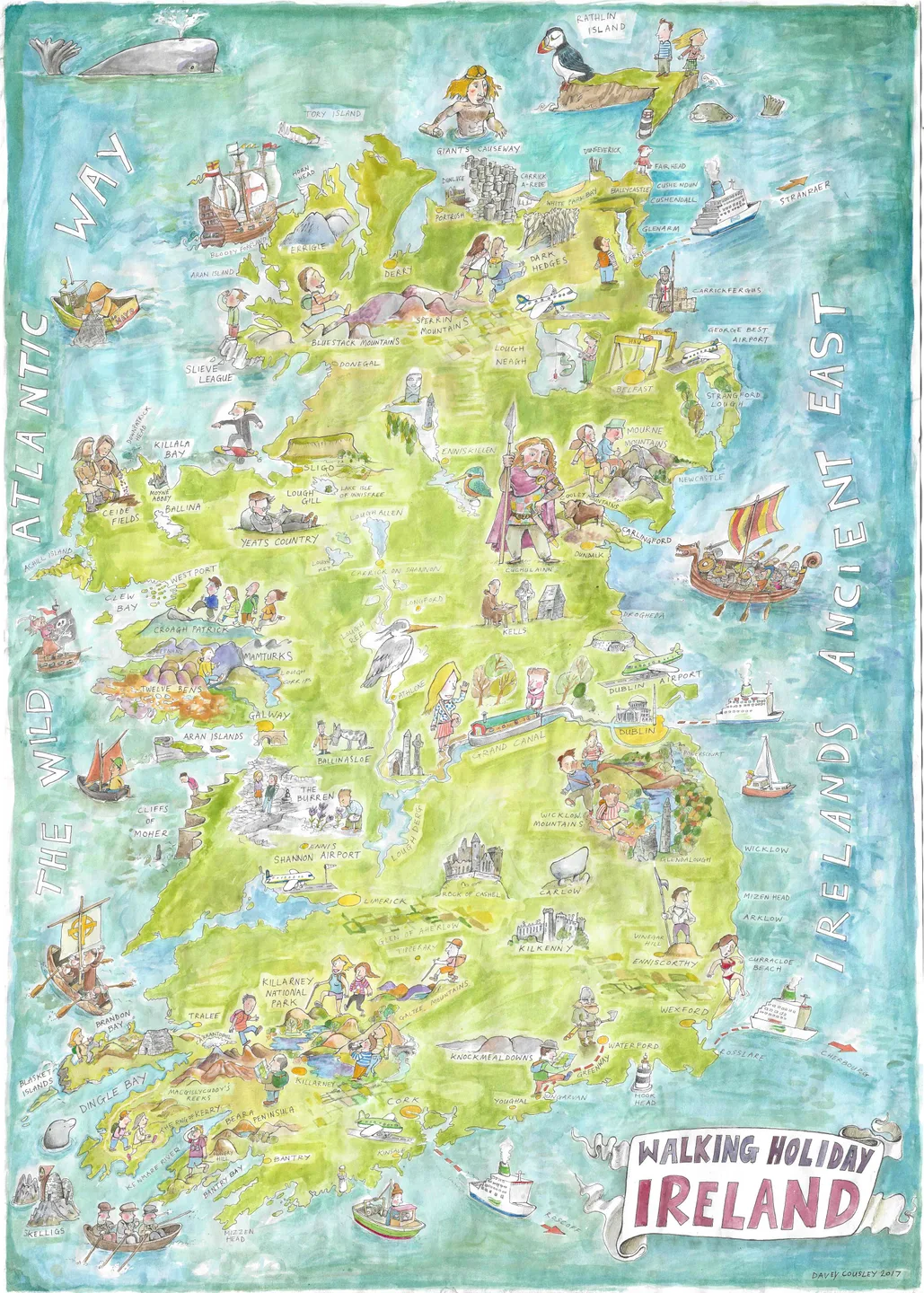
Understanding Ireland's Walking Regions
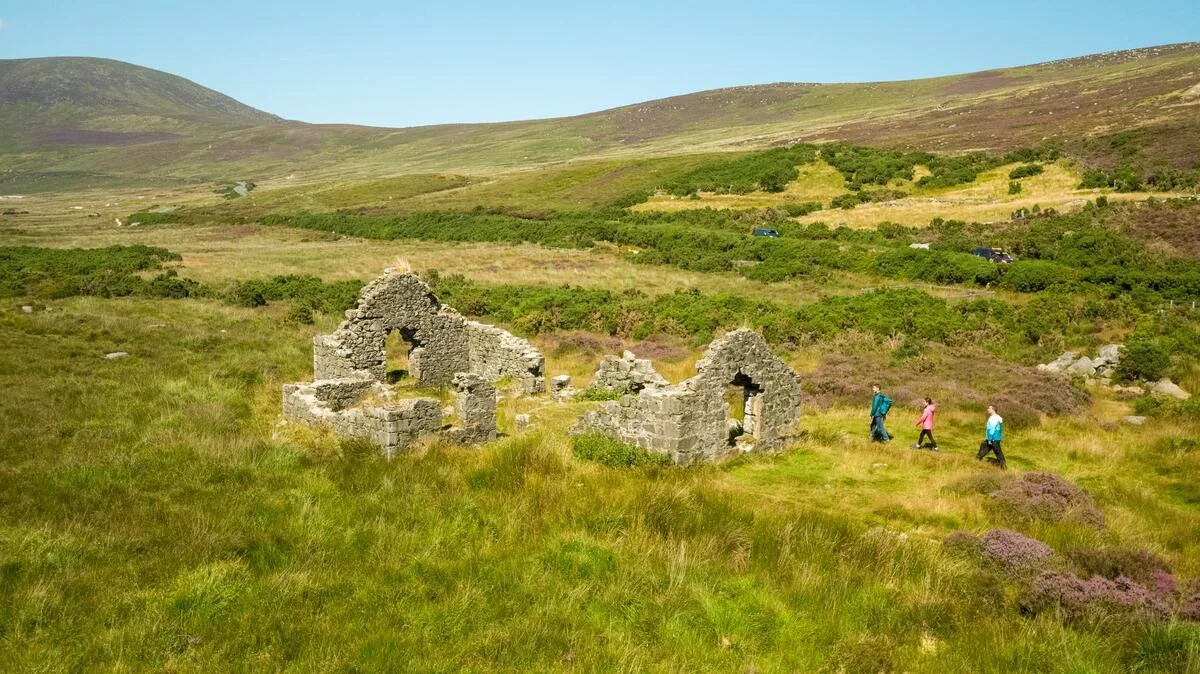
Ireland's landscapes vary dramatically by region. Your first planning decision is geographic: where do you want to walk?
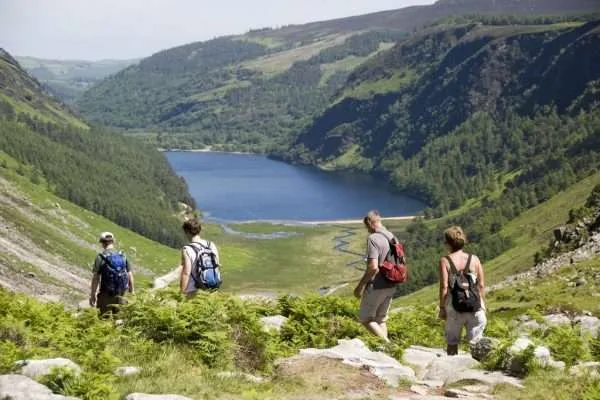
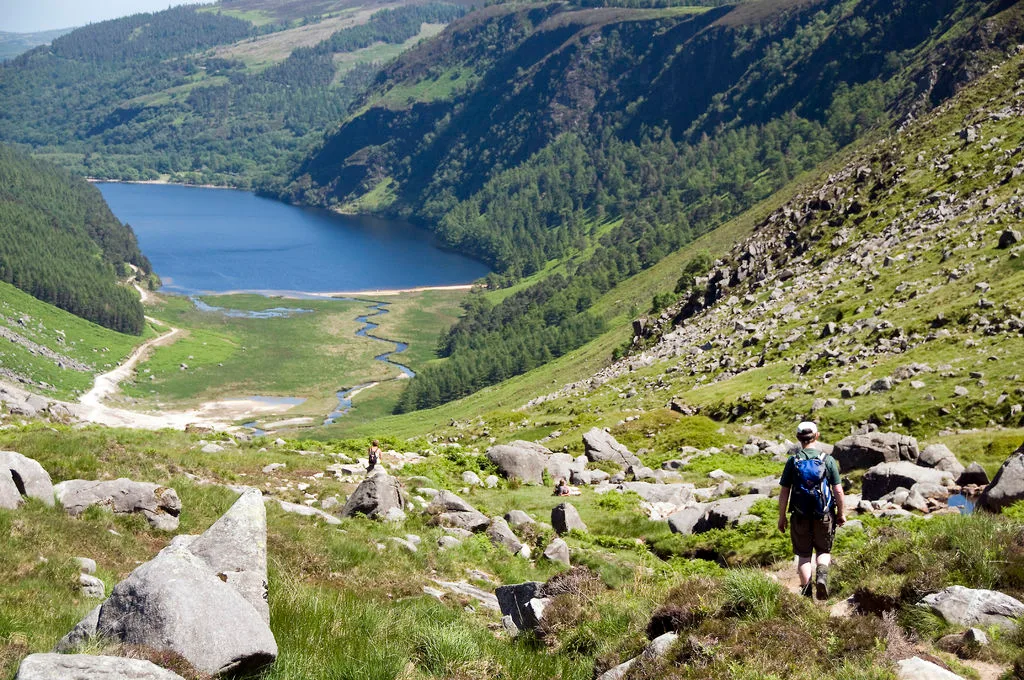
Wicklow Mountains (South of Dublin): Green mountains, established trail infrastructure (the famous Wicklow Way), excellent access from Dublin, suitable for all fitness levels. Good for first-time Irish walkers.
Connemara (Northwest): Dramatically wild mountains, less crowded than Wicklow, challenging terrain, Atlantic landscape. The Twelve Bens reward experienced walkers. Best for intermediate-to-advanced.
The Burren (West): Unique limestone landscape, moderate walking, spectacular geology, accessible from Galway. Good for walkers seeking something different from typical mountain scenery.
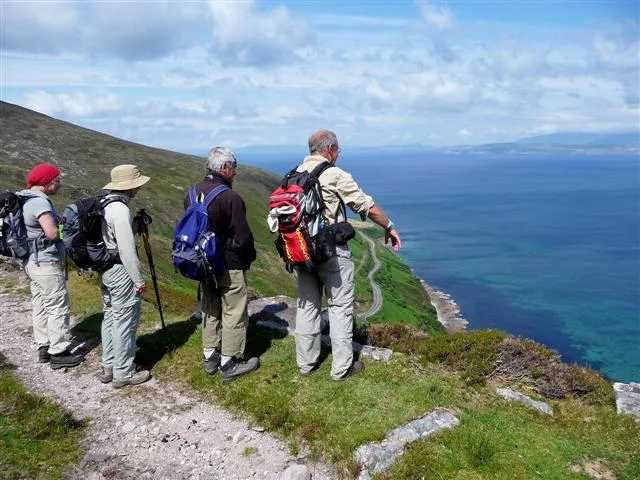
Kerry and Dingle Peninsula (Southwest): Ireland's highest mountains, challenging terrain, dramatic coastal scenery, excellent trail infrastructure. Best for experienced walkers seeking challenge.
Wicklow Way (South-Central): Ireland's premier long-distance trail, 127 kilometres from Dublin to Carlow, can be split into manageable sections, good autumn/spring walking.
Matching Region to Your Fitness
Be honest about your fitness level when you plan hiking holiday Ireland adventures.
Beginner walkers (you can walk 10 kilometres per day, minimal scrambling, moderate elevation): Wicklow, the Burren, easier sections of the Wicklow Way.
Intermediate walkers (you can walk 12–15 kilometres per day, comfortable with some scrambling, elevation gain to 600 metres): Connemara lower routes, Wicklow Way in full, Kerry lower routes.
Advanced walkers (you can walk 15+ kilometres per day, comfortable with steep ascents, scrambling, technical terrain): Connemara high peaks, Kerry high routes, winter mountains.
Don't inflate your self-assessment. Walking a 10-kilometre route at sea level isn't equivalent to the same distance in mountains with elevation. Mountain walking is harder because of the vertical component, the technical terrain, and the time spent at reduced oxygen levels.
Distance and Duration
Most walking holidays split into two categories.
Daily walks with accommodation moves: You walk 10–15 kilometres each day, stay in a different location each night, and pack just a daypack. You're more comfortable but logistically more complex — accommodation must be arranged in advance.
Base walking: You stay in one location for 3–5 days, taking day walks of varying distances from your base. You know your accommodation and return to it each evening. Better for recovery and really getting to know one area.
Multi-day backpacking: You carry camping equipment and food, staying in mountain shelters or wild camping. Most demanding, requires significant experience, offers a complete wilderness experience.
For most people, daily walks with accommodation moves or base walking represent the sweet spot. The experience feels adventurous without becoming logistics-heavy.
Step 2: Decide Your Dates
Choosing Season
Spring (April–May): Weather improving, daylight extending, wildflowers blooming. Great conditions for walking. Can still be cool at altitude.
Summer (June–August): Warmest, longest daylight, driest (relatively). Popular season, trails crowded. Midges in July–August can be annoying.
Autumn (September–October): Often considered the finest season. Stable weather, good daylight, fewer crowds, landscape turning gold and red. Potentially excellent.
Winter (November–February): Shortest daylight (dark by 4 pm in December), cold, snow possible, many trails harder to navigate. Only for experienced walkers.
For first-time visitors, April–May and September–October offer the best balance of walkable weather and manageable crowds.
How Long Should You Stay?
The answer depends on your goals.
5 days: Enough for 3–4 proper walking days. Minimal — you're still getting accustomed when it's time to return. Good for a taster experience.
7–10 days: The classic length. Enough for 5–6 solid walking days with rest days. Enough to truly experience the landscape. Long enough that you adjust to Irish pace and rhythm.
10–14 days: Ideal for ambitious walkers. Enough to complete a long-distance trail or explore multiple regions. Enough time to feel genuine integration into the experience.
2+ weeks: True deep diving. Multi-region exploration, multiple trails, genuine adventure. Reserve for serious walkers with significant time.
Most walkers find 7–10 days represents the perfect balance — long enough to be meaningful, short enough not to overwhelm life logistics.
Booking Travel
International flights from North America typically arrive in the evening of the travel day. Plan your first full walking day as day two of your trip (arriving day one, resting/acclimating day one, walking day two). Similarly, plan your last walk a day before international departure.
Domestic flights and ferries offer flexibility. A typical week-long trip might arrive day one, walk days 2–6, rest or explore day 7, and depart day 8. This gives you 4–5 solid walking days plus social time.
Step 3: Choose Your Accommodation
Accommodation Styles in Ireland
Hotels: Comfort and amenities guaranteed. More expensive. Usually in town centres. Good for rest days.
Guesthouses and B&Bs: Personal touch, home cooking, local knowledge. Mid-range price. Often in towns but some in countryside. Excellent value.
Farm stays: Authentic rural experience, smaller properties, often excellent food from farm produce. Mid-range to lower price. Perfect for walking holidays. We carefully select farm stays and guesthouses that understand walker needs.
Hostels: Budget-friendly, social, good for solo travellers. Dorm rooms mean less privacy but often include good shared kitchens.
Camping: Lowest cost, requires carrying equipment, good for dedicated backpackers. Most common for multi-day hikes.
What to Prioritise
For a walking holiday, prioritise:
- Convenient location relative to your walking routes (can you step out and walk, or is there significant travel to the trailhead?)
- Quality food (tired walkers need good nourishment)
- Drying facilities (wet gear must dry overnight; dryers are essential)
- Local knowledge (proprietors who understand walkers can advise on conditions and arrange packed lunches)
- Comfort level that matches your walking intensity (after challenging days, you'll appreciate clean rooms and hot water)
Booking Strategy
For daily walks with accommodation moves, book accommodation in advance. The Irish walking season (April–October) fills up quickly. Three to four months of advance booking is wise.
For base walking, you might book just the base accommodation in advance and arrange day walks from there.
Luggage Transfer
If you're doing daily walks with nightly accommodation changes, consider luggage transfer services. Instead of carrying a heavy pack each day, your bag is transported to your next accommodation while you walk with just a daypack containing essentials.
Several services operate in Ireland. We can arrange luggage transfers as part of your tour.
Step 4: Build Your Walking Fitness
Start Training 12 Weeks Before Your Trip
You can't cram fitness. Start training 12 weeks before your walking holiday, especially if you're not regularly active.
Training Frequency
Aim for three walking sessions per week.
One long walk: Each week, do the longest walk you'll do on your holiday. If you plan 15-kilometre days, include weekly 15-kilometre walks at least twice before departure.
One hill walk: Climb elevation gain equivalent to your holiday. Stairs, hills, or stair machines all work. Build gradually — don't increase by more than 10% per week.
One easy walk: Gentle walking, 8–10 kilometres, recovers from harder sessions while maintaining consistency.
The Specific Fitness You Need
Mountain walking demands different fitness than flat walking.
Quad strength: Walking downhill stresses the quadriceps (front thigh muscles). Build strength with squats, lunges and step-ups. Descent training is crucial.
Aerobic capacity: Walking uphill at altitude requires cardiovascular fitness. Stair work is excellent.
Ankle stability: Uneven ground stresses ankles. Balance training, ankle mobility work, and walking on variable terrain build stability.
Glute and core strength: Hip stability prevents knee stress. Glute bridges, side-lying leg lifts and core work prevent injury.
Test Your Fitness
Four weeks before your trip, take a practice hike matching your planned walking in distance and elevation. This reveals any issues you need to address (weak ankles, poor recovery, excessive fatigue). It's better to discover these problems at home than in Ireland.
Don't Injure Yourself Training
The most common mistake: training too hard, too fast, and getting injured just before departure. Gradual progression is crucial. If your knees or ankles hurt during training, reduce activity and address the issue. Start training early enough that you can modify if needed.
Step 5: Pack Smart
What to Bring: The Essential List
Clothing:
- 3–4 pairs of hiking socks (wool or synthetic, not cotton)
- Hiking boots broken in (seriously — new boots cause blisters)
- One pair of casual shoes for evenings
- 2–3 base layers (merino wool or synthetic, not cotton)
- One fleece mid-layer
- One waterproof jacket and waterproof trousers
- One warm layer for evenings
- Underwear (7 days' worth; guesthouses often have laundry)
- Casual clothes for evenings
Hiking gear:
- Daypack (20–30 litres)
- Sun hat and rain hat
- Gloves and scarf (even in summer)
- Water bottle or hydration pack (1–2 litres)
- Snacks and energy food
- Map and compass
- Head torch (for early starts)
- Sunscreen and lip balm with SPF
- First aid kit (blister treatment crucial)
Toiletries:
- Toiletries for 2–3 days (guesthouses provide basics)
- Any essential medications
- Toilet paper and pack-out bag
- Moisturiser (Irish wind is drying)
Tech:
- Phone and charger
- Portable battery pack (for longer days)
- Headphones (for rest days)
- Camera (optional)
What NOT to Bring
- Heavy camera equipment (you'll want photos, but heavy gear ruins shoulders)
- More than one pair of hiking boots (broken-in boots are essential; new backups add weight)
- Heavy reference books (download digital versions)
- Cotton clothing (cotton absorbs moisture and becomes dangerous)
- Expectations of comfort (hiking holidays are adventures, not luxury stays)
Packing Strategy
- Roll clothes instead of folding (saves space)
- Wear your heaviest items during travel
- Use compression bags for off-season clothing
- Keep a change of clothes in your daypack (you'll be sweaty arriving at accommodation)
- Consider weather forecasts and pack accordingly (Ireland in spring is cooler than summer)
Step 6: Prepare Practically
Book Activities Beyond Walking
Walking will consume 4–6 hours each day. You have evenings and rest days. Plan something:
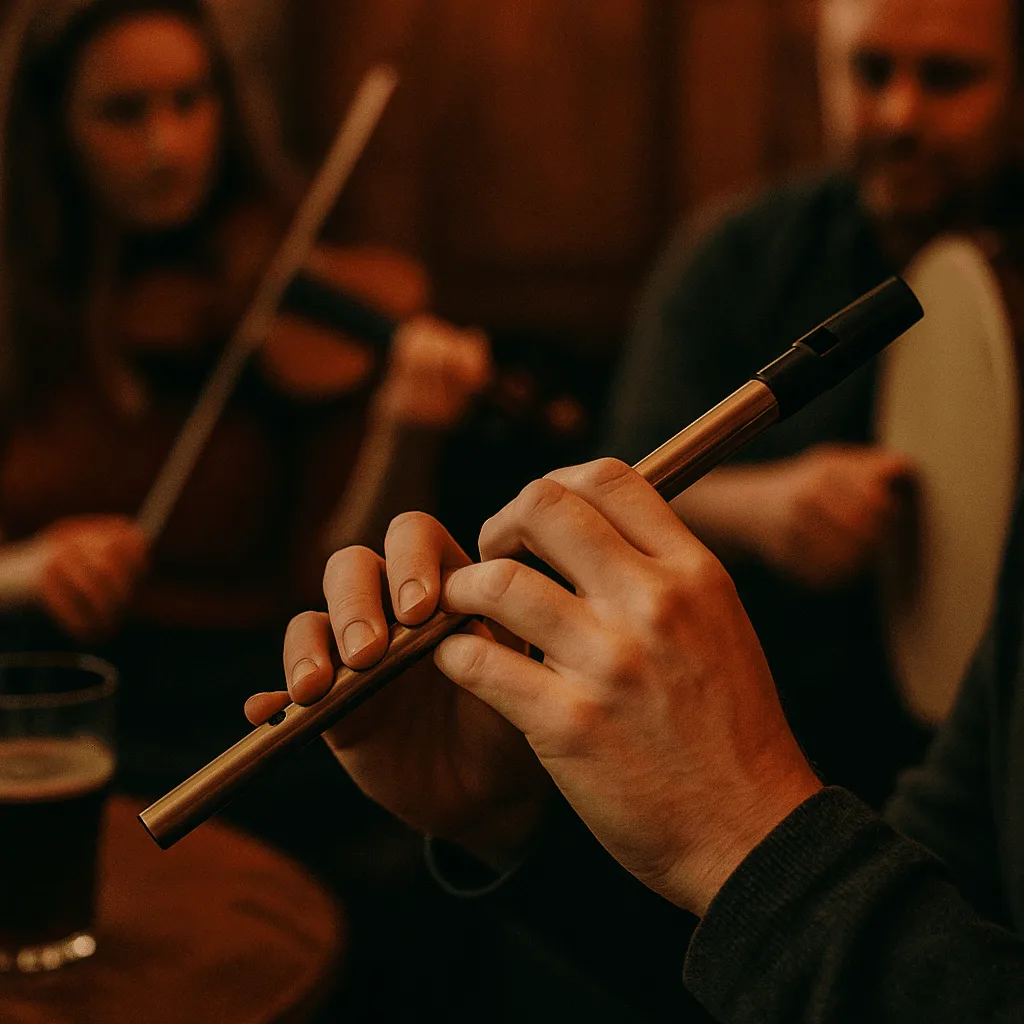
- Traditional music sessions in pubs
- Local history visits
- Pub dinners with local conversation
- Day trips to archaeological sites
- Coastal exploration between walks
- Cultural experiences (museums, craft workshops)
These aren't distractions from walking — they're part of the walking holiday experience.
Arrange Logistics
- Book accommodations (3–4 months in advance for summer)
- Book flights and ground transport
- Book luggage transfer if needed
- Book any guided walks or specific tours
- Arrange car rental if needed
- Reserve restaurant tables if doing special dinners
- Download offline maps if using digital navigation
Mental Preparation
Walking holidays are partly physical, but partly mental. Prepare yourself for:
- Tiredness (you'll be genuinely tired, and that's fine)
- Rain and mist (accept them as part of the experience)
- Solitude (even on crowded trails, you experience silence and reflection)
- Achievement (reaching summits creates genuine accomplishment)
- Connection (walking builds relationships with other walkers)
Step 7: How a Supported Walking Holiday Works
If you're not planning independently, companies like ours handle logistics completely. When you plan hiking holiday Ireland adventures with us, we:
- Arrange accommodations at carefully selected guesthouses and hotels
- Plan day routes appropriate for your fitness level
- Arrange luggage transfers between accommodations
- Provide maps and detailed route descriptions
- Often include guided walks or support
- Can arrange packed lunches
- Typically include breakfast with accommodation
For many walkers, especially those without extensive hiking experience, a supported walking holiday removes stress and lets you focus on the experience rather than logistics. See our Kerry Way hiking tour for an example of how that works in practice.
Planning Checklist
3–4 months before:
- Choose region and routes
- Book flights and accommodation (or book with a walking holiday company)
- Begin fitness training
2 months before:
- Finalise accommodation
- Book any specific guided experiences
- Continue fitness training
- Check passport validity
1 month before:
- Confirm all bookings
- Test practice walk matching holiday difficulty
- Buy any missing gear
- Review walking route details
2 weeks before:
- Final fitness sessions (nothing too strenuous)
- Check weather gear completeness
- Pack and repack
- Brief anyone at home on your itinerary
1 week before:
- Final confirmation of accommodations and flights
- Download offline maps
- Check weather forecast (though this will change)
- Rest and prepare mentally
Final Thoughts
The perfect Irish hiking holiday emerges from thoughtful planning. You're not just booking vacation time — you're preparing yourself physically and mentally for adventure. You're choosing landscapes that match your capabilities. You're arranging logistics that allow you to focus on walking.
When you plan hiking holiday Ireland trips properly — with appropriate fitness, good gear and realistic expectations — the experience becomes transformative. The walking itself (the climbing, the views, the rain, the wind, the exhaustion, the achievement) becomes part of your story.
Start planning now. Choose your region, book your dates, and begin training. Ireland's mountains are waiting, and they'll reward the effort you put into preparing for them.
Ready to plan your perfect hiking holiday in Ireland? Begin today.
Frequently Asked Questions
How far in advance should I book?
How do I get to the start of my walking tour?
How does the luggage transfer service work?
Can I do a tailor-made or custom itinerary?
Can I modify my booking after it is confirmed?
Photo Gallery