Power Adapters for Ireland: Complete Traveler's Guide
Power Adapter Ireland Guide: Stay Charged on Your Walking Holiday
A proper power adapter Ireland requires is essential for any visitor. Ireland uses a different electrical system than North America and most other regions. Understanding these differences ensures that your devices charge properly throughout your walking holiday. This guide covers everything you need to know about power adapters, voltage compatibility, and charging strategies for hikers.
Quick Answer: You need a Type G adapter (three rectangular pins in triangular arrangement). Most modern chargers work at Irish voltage automatically—check your devices' specifications.
Irish Power Outlet Basics
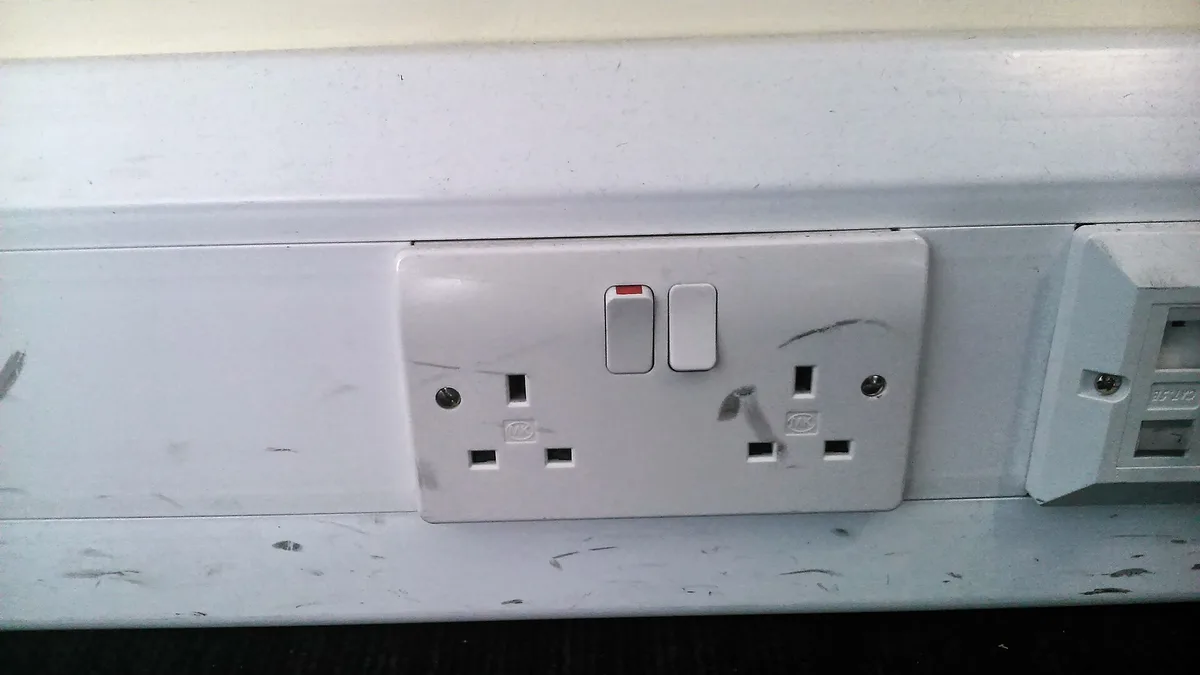
Type G Outlets: What You're Working With
Outlet type: Type G (Irish/UK standard)
Pin configuration: Three rectangular pins arranged in triangular pattern
Voltage: 230V AC
Frequency: 50Hz (vs. 60Hz in North America)
Safety features: Built-in protective mechanisms
How Type G differs from other countries:
vs. North America (Type A/B): Flat parallel pins (US standard)
vs. Europe (Type C): Two round pins (common in continental Europe)
vs. Australia (Type I): Angled flat pins
Voltage Compatibility
Ireland runs on 230V, significantly higher than North America (110-120V) or Australia (230V)
Frequency difference (50Hz vs. 60Hz): Matters for some devices (vacuum cleaners, fans) but not for most modern electronics
Choosing the Right Power Adapter Ireland
What Makes a Quality Travel Adapter
Essential features:
CE Certification: Ensures European safety standards compliance
Universal voltage: Handles both 110V and 230V (check specifications)
USB ports: Allow simultaneous charging of multiple devices
Surge protection: Protects against voltage fluctuations
Compact design: Important for hikers with limited packing space
Durability: Quality construction withstands travel wear
Key Specifications to Check
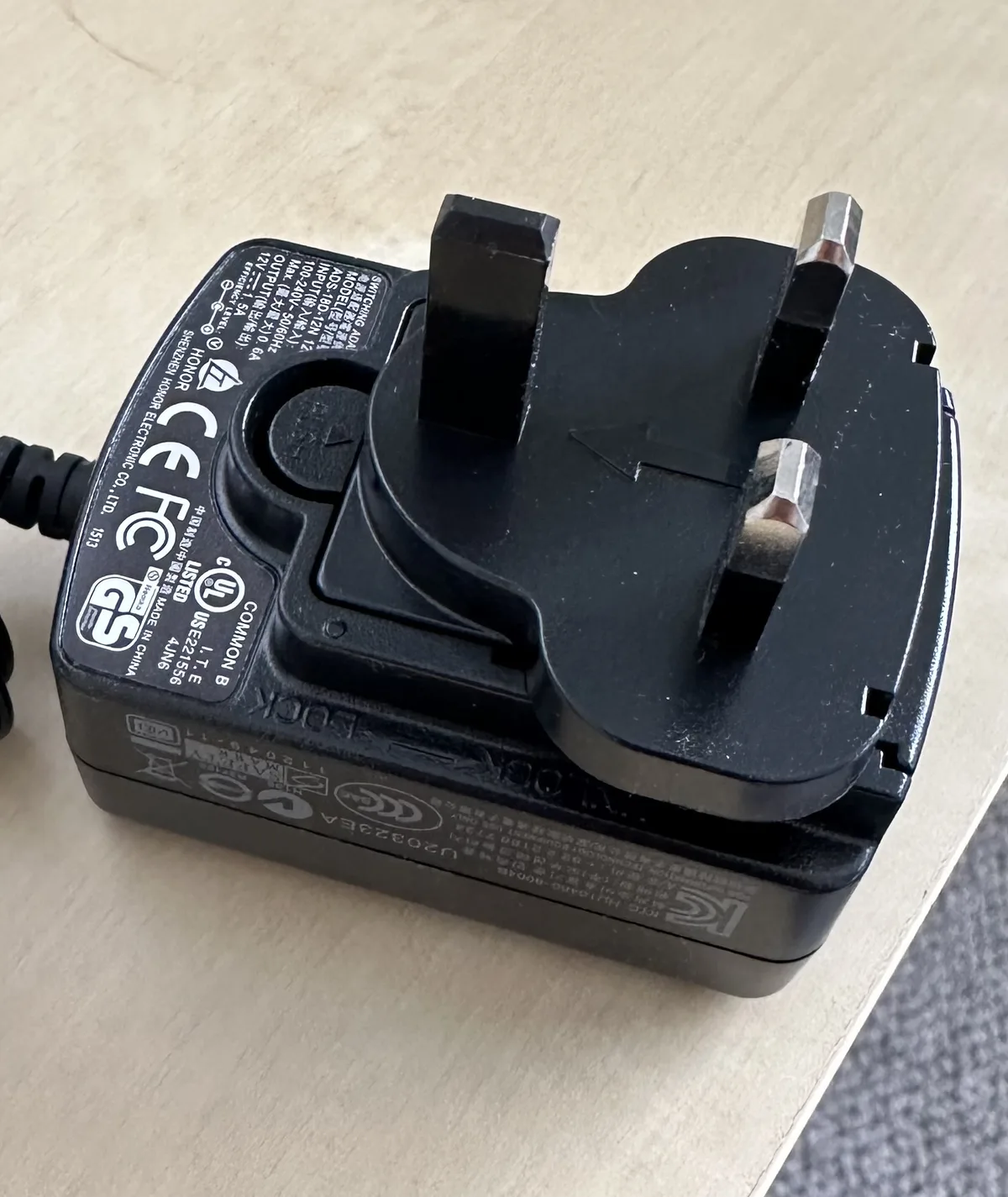
Look for "Input: 100-240V" on your device chargers and adapter:
This means automatic voltage conversion—no voltage converter needed
Most modern phone chargers, laptop adapters, and digital camera chargers feature this
Check the small text on your power supplies before traveling
Devices requiring voltage converters (110V only):
Some older hair dryers
Certain electric shavers (older models)
Specific heating devices
Some amplifiers and musical equipment
Device-by-Device Charging Guide
Adapters Only (No Voltage Converter Needed)
Modern devices auto-converting voltage:
Smartphone chargers: (iPhone, Android, etc.) - all modern models auto-convert
Laptop chargers: Most modern laptops handle 100-240V automatically
Tablet chargers: iPad, Android tablets all auto-convert
Digital camera chargers: Most modern models auto-convert
Power banks: All modern versions auto-convert
Bluetooth speakers: Most modern models auto-convert
Smartwatches: All modern models auto-convert
How to verify: Look at the small text on the power supply. You'll see "Input: 100-240V AC" if it auto-converts.
Devices Requiring Voltage Converters
Only if "Input: 110V only" is specified:
Older hair dryers
Vintage electric shavers
Some heating devices
Old travel irons
Solution: If you use older devices, bring a voltage converter rated for Ireland's 230V (downconverting to 110V).
Pro Tips for Hikers
Essential Power Strategies
Pack multiple adapters: One for accommodation and one for day pack
Bring power banks: Essential for remote hiking days without electrical access
Charge strategically: Charge all devices overnight at accommodation
Waterproof protection: Keep adapters in waterproof bag (Irish weather is unpredictable)
USB charging: Prioritize adapters with USB ports for simultaneous device charging
Backup charger: Bring extra USB-C cable or Lightning cable (depending on devices)
Charging Locations During Your Holiday
Accommodation: Hotels, guesthouses, and B&Bs have outlets (usually near desk)
On the trail:
Cafés along walking routes (order coffee while charging)
National park visitor facilities
Pubs (friendly staff usually accommodate)
Small convenience stores
Emergency tip: If you lose your adapter, electronics shops (Currys, PC World) in larger towns carry replacements.
Safety & Best Practices
Using Your Adapter Safely
Inspect before use: Check for damage, loose pins, or wear
Monitor heat: Adapters shouldn't become hot during use (excessive heat indicates a problem).
Proper insertion: Insert plug firmly but don't force it.
Avoid overloading: Don't plug too many devices into single adapter
Unplug when not in use: Standard safety practice
Keep dry: Avoid using near water (bathrooms, outdoor rain)
What If Something Goes Wrong?
Device won't charge:
Verify adapter is fully inserted
Try different outlet
Check device cable for damage
Visit electronics store for replacement adapter
The adapter is hot or smoking:
Immediately unplug
Don't attempt to repair
Replace immediately
Check device compatibility (shouldn't use 110V-only device)
Frequently Asked Questions
Can I use the same adapter in Northern Ireland?
Yes! Northern Ireland (UK) uses the same Type G outlets and 230V electricity. Your Irish adapter works perfectly in Northern Ireland. Learn about travelling to Northern Ireland.
Do I need a voltage converter?
Probably not. Check your device chargers—if they say "Input: 100-240V", they auto-convert and need only the adapter. If any device says "110V only", bring a voltage converter for that specific device.
What's the best power adapter to buy?
Look for:
Type G socket (Ireland/UK compatible)
CE certification
Multiple USB ports
Surge protection
Quality brand (reputable electronics manufacturers)
Recommended brands: Belkin, Anker, Samsonite, or similar quality manufacturers
Can I charge my device in my Irish accommodation?
Yes, all guesthouses, hotels, and B&Bs provide electrical outlets. Outlets are typically near desks, nightstands, or bathroom mirrors. Ask staff if you can't locate an outlet.
Will my power bank work?
All modern power banks auto-convert voltage. Just bring a Type G adapter to charge the power bank in your accommodation. Once charged, the power bank works anywhere globally.
Pack Smart for Your Walking Holiday
Power management is crucial for walking holidays where GPS navigation, trail apps, and emergency communication depend on charged devices. Proper adapters ensure you stay connected and safe throughout your adventure.
Plan your walking holiday with Walking Holiday Ireland. We can provide additional power management tips tailored to your specific route.
Contact us at +353 42 9323396 or info@walkingholidayireland.com.
Walking Holiday Ireland helps international travellers prepare for their Irish adventure, including practical details like power management, to ensure safe, enjoyable hiking experiences.
Frequently Asked Questions
Do I need a voltage converter?
Probably not. Check your device chargers—if they say "Input: 100-240V", they auto-convert and need only the adapter. If any device says "110V only", bring a voltage converter for that specific device.
Can I charge my device in my Irish accommodation?
Yes, all guesthouses, hotels, and B&Bs provide electrical outlets. Outlets are typically near desks, nightstands, or bathroom mirrors. Please ask the staff for assistance if you are unable to locate an outlet.
What's the best power adapter to buy?
Look for:
Type G socket (Ireland/UK compatible)
CE certification
Multiple USB ports
Surge protection
Quality brand (reputable electronics manufacturers)
Recommended brands: Belkin, Anker, Samsonite, or similar quality manufacturers
Can I use the same adapter in Northern Ireland?
Yes! Northern Ireland (UK) uses the same Type G outlets and 230V electricity. Your Irish adapter works perfectly in Northern Ireland.
Will my power bank work?
All modern power banks auto-convert voltage. Just bring a Type G adapter to charge the power bank in your accommodation. Once charged, the power bank works anywhere globally.
Photo Gallery