Ireland Hiking Safety Tips And Challenges: Navigating Ireland's Hiking Terrain
Hiking Safety Tips for Ireland's Trails — What Every Walker Should Know
Ireland's walking trails are among the most rewarding in Europe — but they come with conditions you won't find in a guidebook. The weather changes without warning. The terrain underfoot is softer and wetter than it looks. Some of the most beautiful stretches of trail are also the most remote. These hiking safety tips for Ireland won't take the adventure out of your walk — they'll make sure you come home with excellent stories rather than cautionary ones.
Understanding Ireland's Biggest Hiking Challenges
Ireland's hiking challenges are not dramatic in the way that the Alps are dramatic. There are no crevasses, no altitude sickness, no extreme cold. What Ireland offers instead is a subtler set of risks — ones that catch walkers off guard precisely because the landscape looks approachable and green and gentle.
The most common issues we see are underestimating the weather, misjudging bog terrain, and poor navigation in poor visibility. All three are entirely manageable with the right preparation. None of them should put you off, but all of them deserve respect.
Irish Weather: Plan for Everything, Every Day
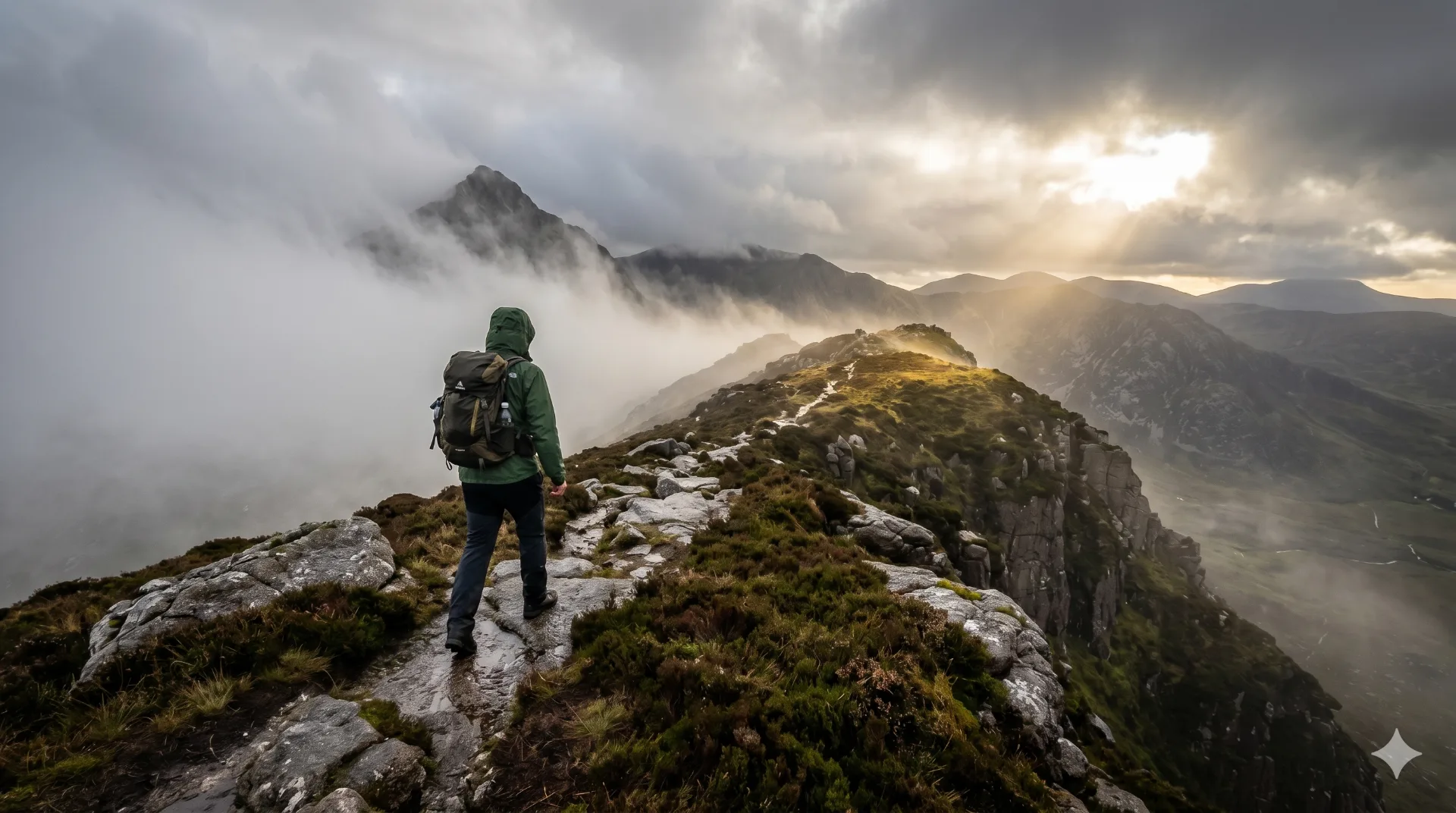
The first rule of hiking in Irish weather is simple: it will change. A clear morning in Kerry or Wicklow can become low cloud and driving rain by midday and be sunny again by 3pm. This scenario is not unusual — it is just Ireland. The problem lies not in the rain itself, but in the lack of waterproofs when it arrives.
What to carry, every single day:
A waterproof jacket and trousers — in your pack, even on blue-sky mornings
Warm mid-layer — temperature drops fast on exposed ridgelines and summits
Gloves and a hat — even in summer, above 400m these earn their weight
Extra socks — wet feet are miserable; a dry pair in a zip-lock bag costs nothing
Check the Met Éireann mountain forecast the evening before each walking day, not just the general weather forecast. Summit conditions in the Wicklow Mountains or the MacGillycuddy's Reeks can be substantially worse than what's happening in the valley below.
Navigating Irish Terrain — Bogs, Paths and What Lies Between
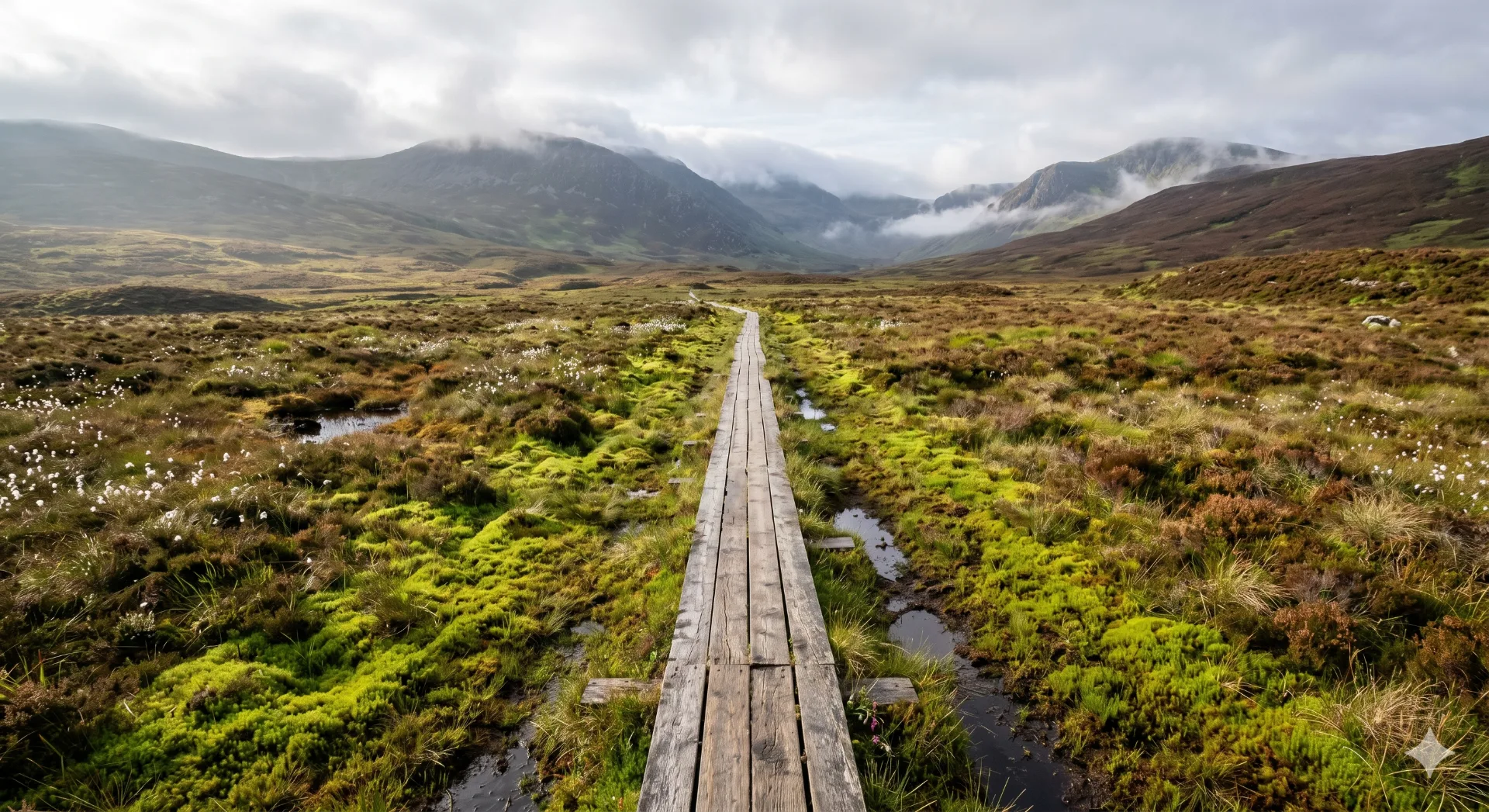
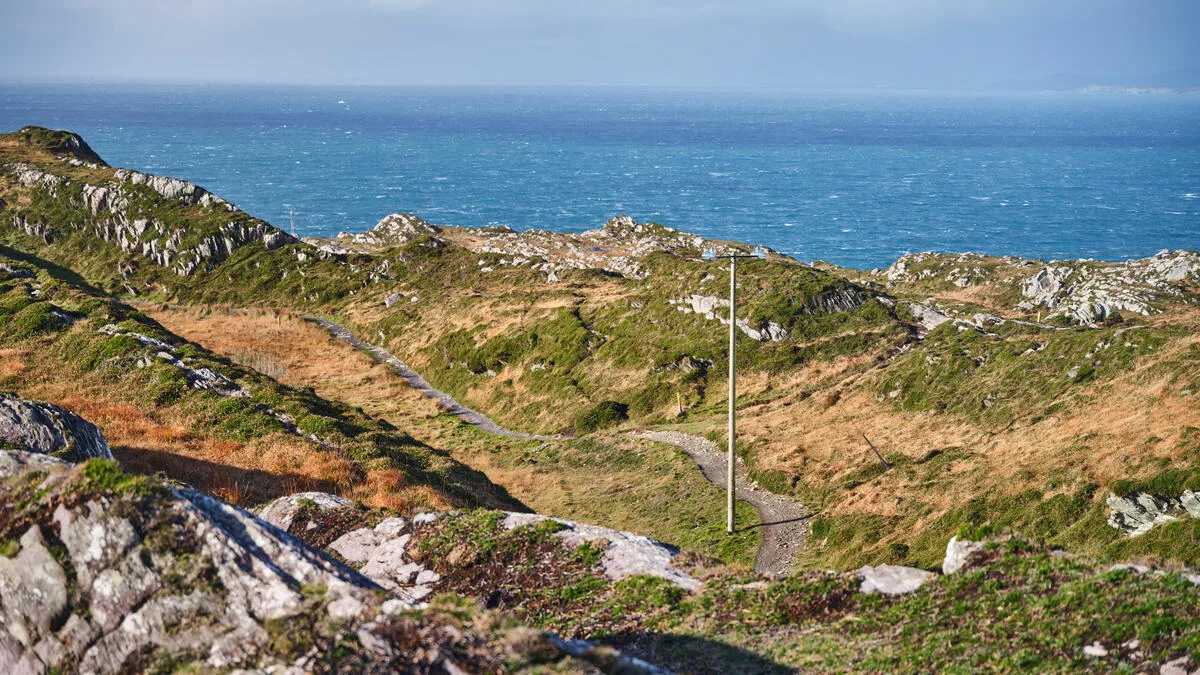
Navigating Irish terrain requires a different kind of attention than walking in central Europe or on established alpine routes. Many of Ireland's best trails cross open moorland, where the path is not always obvious—and where the ground between you and the next waymarker can be softer than it appears.
Bogland: Ireland's upland bogs are one of its outstanding ecological treasures—and one of its greatest hiking risks. Saturated ground can look deceptively solid. The rule is that if it looks wet, you should assume it is very wet and go around it rather than through it. On well-managed trails like the Kerry Way or the Wicklow Way, boardwalks and waymarkers guide you across the worst of it—but stray off the route, and you will quickly find out why locals respect the bog.
Trail navigation tips for Ireland:
Download your route as a GPS track before you leave — mobile signal is unreliable in upland areas
Carry a printed map and compass as backup — phones run out of battery and screens wash out in rain
Follow waymarker posts carefully; on Irish long-distance routes, these are your primary navigation tool
If visibility drops and you're unsure, stop and check your position before pressing on
Know your escape routes — identify the nearest road or village to your route for each day
Most walkers on WHI tours receive a full pre-departure information pack with detailed stage maps, GPS files and route notes for every walk day—one less thing to worry about before you set off.
Essential Hiking Gear for Irish Conditions
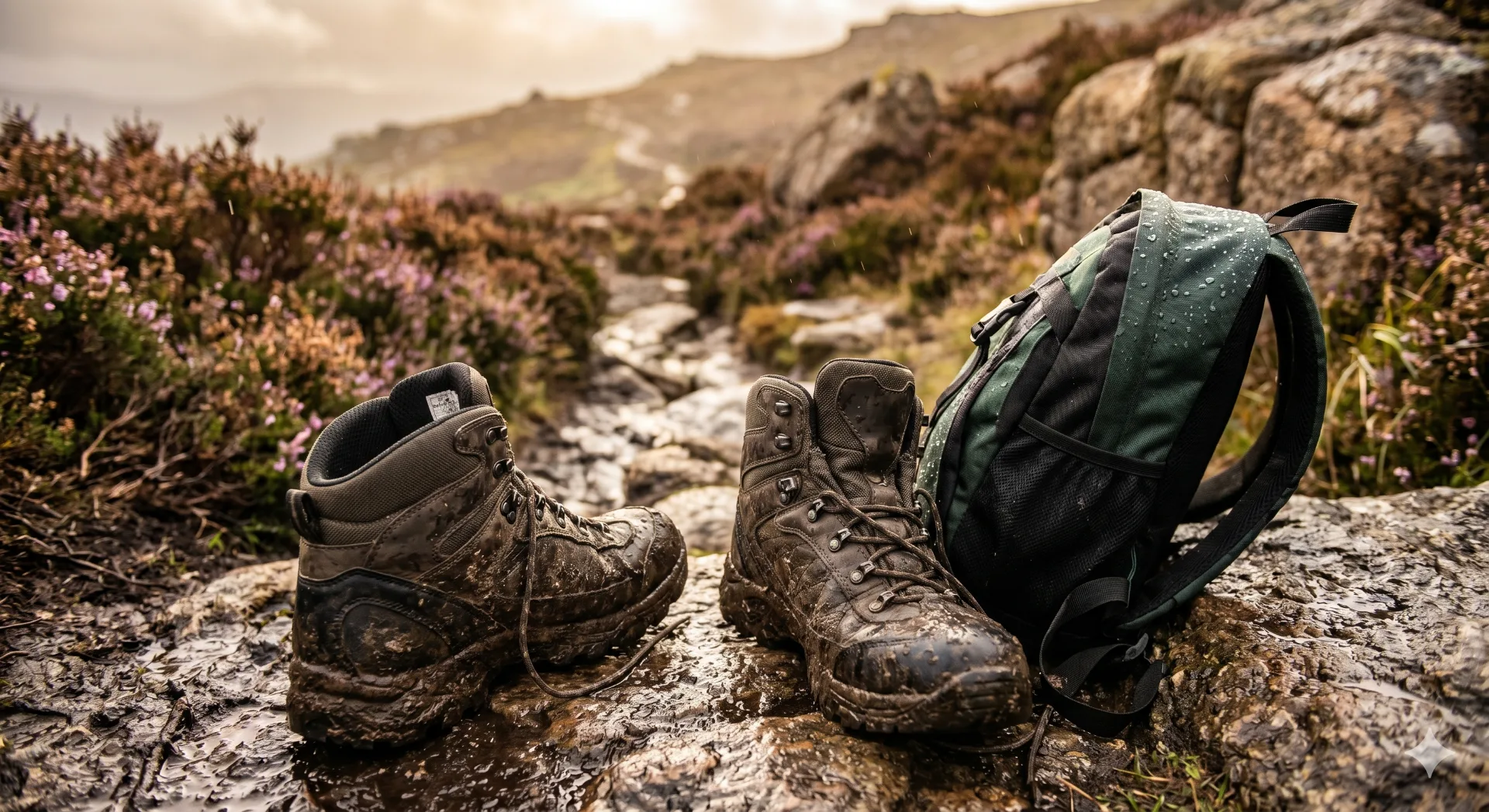
You don't need special mountaineering equipment for Ireland's long-distance trails. What you do need is gear suited to wet, changeable conditions—and boots that can handle both trail paths and open moorland on the same day.
Footwear: This aspect matters more than anything else. Waterproof walking boots with ankle support are essential for multi-day trails. Trail runners work on dry, well-surfaced paths—but Ireland's paths are rarely dry and well-surfaced for their entire length. It's crucial to break in your boots before your trip; wearing new boots on Day 1 of an 8-day route can lead to blisters.
Daypack essentials:
Water — at least 1.5 litres; natural water sources in upland areas may not be safe to drink without treatment
High-energy snacks and lunch — villages and shops can be far apart on remote stages
Small first aid kit — blister plasters, pain relief, a bandage
Fully charged phone with route downloaded offline
Emergency whistle and foil survival blanket — small, light, and occasionally the most important thing in your pack
Mountain Safety in Ireland
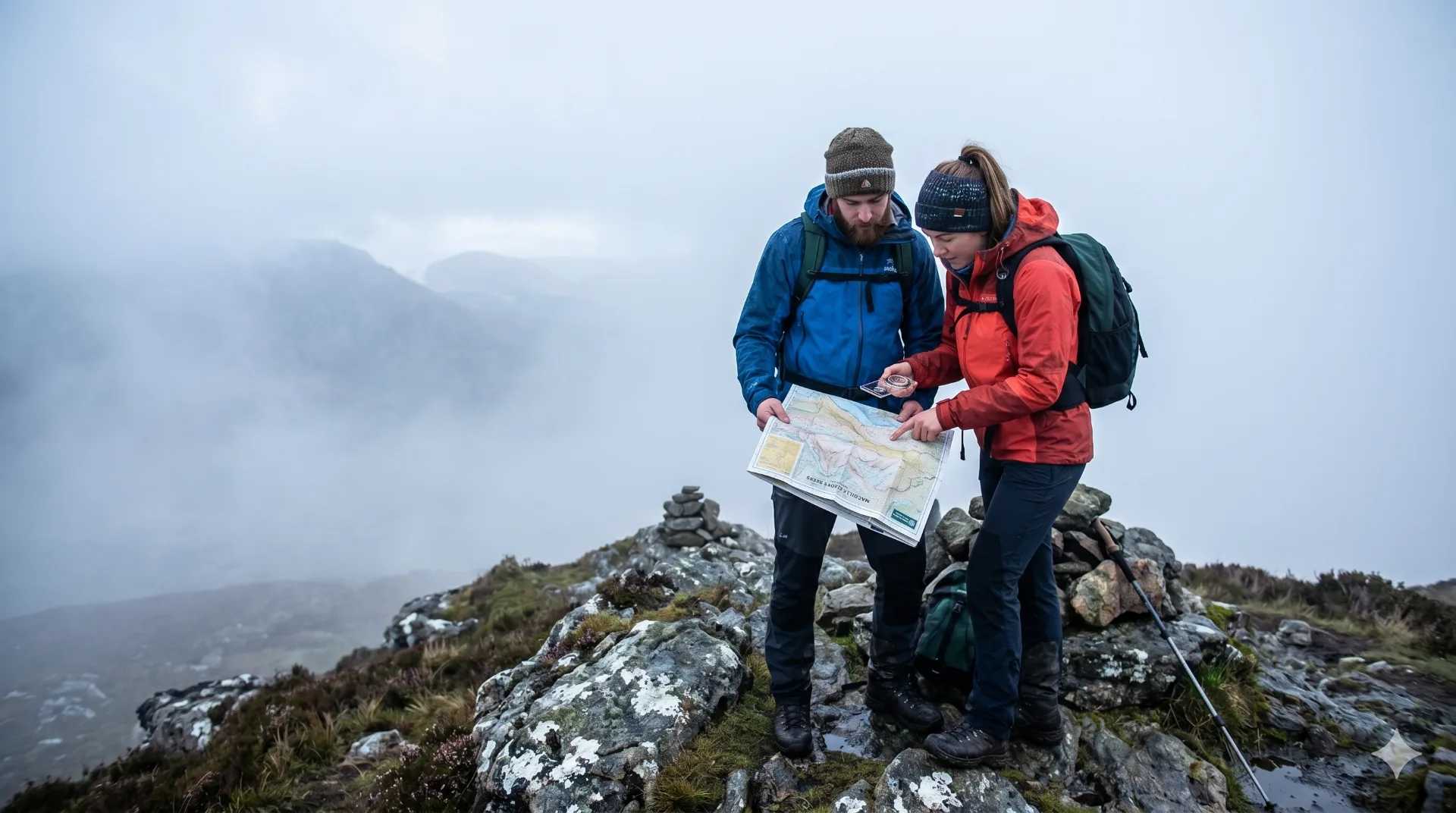
Irish mountain safety follows the same principles as mountain safety anywhere — but Ireland's mountains catch people out because they don't look intimidating. Carrauntoohil at 1,038m is Ireland's highest peak. The Wicklow Way's highest point is around 630m. These are not Himalayan altitudes, but in poor visibility with wet ground and dropping temperature, they demand the same respect you'd give to far bigger hills.
Before any mountain day:
Tell someone where you're going and when you expect to be back — or use the WHI support line if you're on one of our tours
Check the specific mountain weather forecast, not just the regional one
Turn around if conditions deteriorate significantly — there is no shame in it, and the mountain will still be there tomorrow
Know the Irish Mountain Rescue emergency number: 999 or 112, asking for Mountain Rescue
The vast majority of mountain rescues in Ireland involve walkers who were unprepared for conditions that changed after they set out. A few minutes of preparation makes the difference.
Trail Conduct and Respect for the Land
Ireland's long-distance trails pass through working farmland, upland commonage, and protected natural areas. Trail conduct in Ireland is as much about courtesy as it is about safety—and good behaviour keeps routes open for everyone.
Leave No Trace principles apply on every Irish trail:
Take all litter home — this includes fruit peels and food packaging
Close all gates behind you, whether or not there are animals visible
Keep to the marked path through farmland — the alternative route is usually someone's livelihood
Do not light fires on open moorland or in forests
Give livestock a wide berth; approach from the side rather than head-on
A warm word to a farmer whose land you're crossing goes a long way. Ireland's walking culture is built on goodwill between walkers and landowners—it's worth protecting.
First-Time Hiking in Ireland? A Few Things to Know
If this is your first time hiking in Ireland, the single most useful piece of advice is don't underestimate how much the weather affects a walk. A route that looks straightforward on a map can feel entirely different in low clouds and rain – and an "easy" designation refers to terrain and distance, not conditions.
Start with a well-waymarked trail on a manageable stage. The Wicklow Way, the Kerry Way and the Dingle Way all have good infrastructure, regular accommodations, and a network of support if something goes wrong. These are also the routes where most walkers fall in love with Irish hiking— and start planning their next trip before the current one is finished.
A self-guided walking holiday with luggage transfers takes most of the logistical pressure off a first trip. You walk with a daypack, your bags move between accommodations, and there's a support line if anything unexpected comes up. It's the easiest way to experience Ireland's trails without worrying about anything except the walk itself.
Walk Ireland's Trails with Confidence
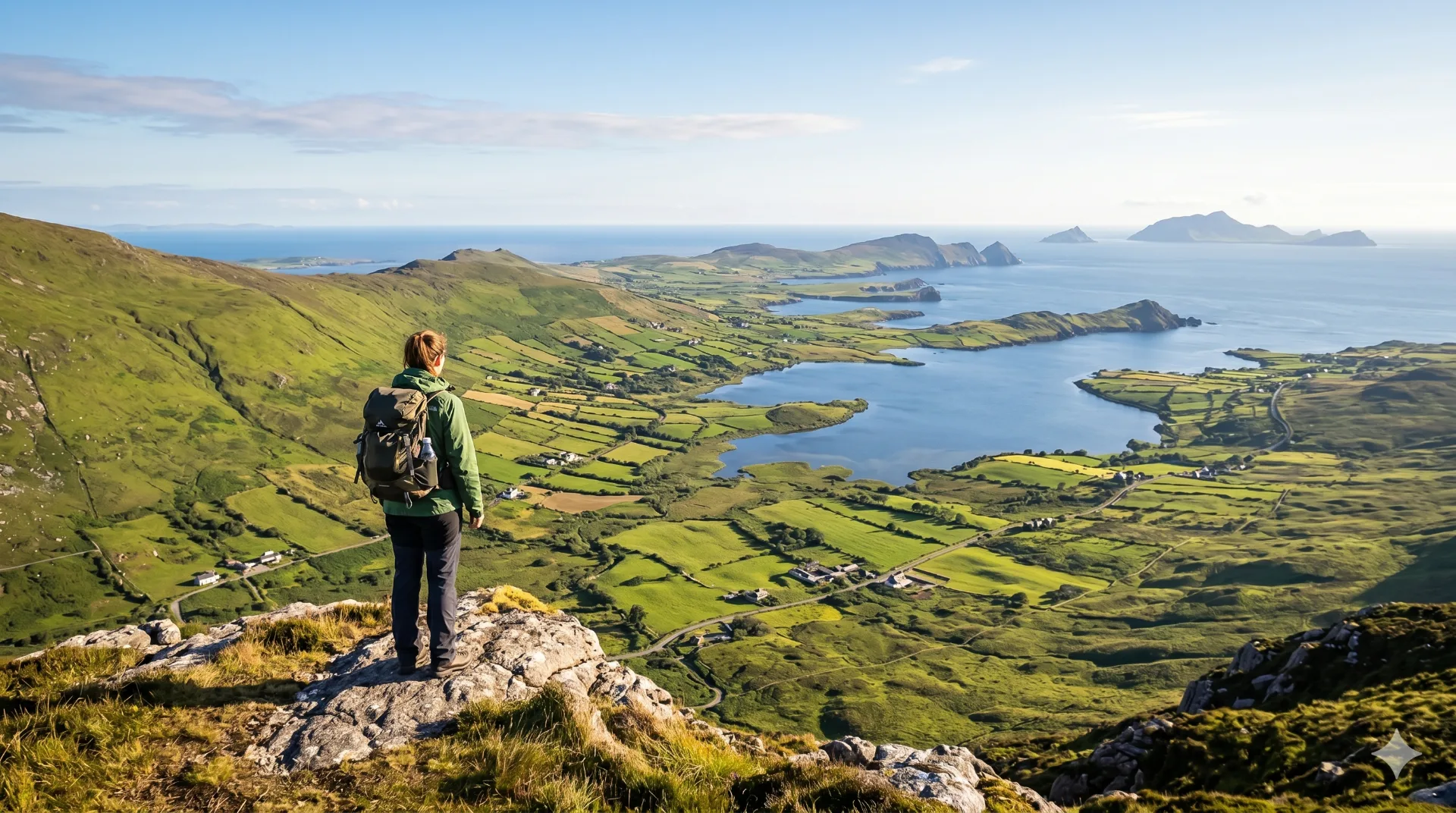
Ireland's trails are safe, well-managed, and deeply rewarding— and with the right preparation, the challenges are part of what makes them memorable. The weather rolling in off the Atlantic, the boggy mountain passes, and the remote valley stages are not problems to be solved. They're the texture of Irish walking, and they make arriving at the next B&B all the sweeter.
If you're planning your first Irish walking holiday or searching for advice on a specific trail, get in touch with the WHI team. We've walked these routes in every condition imaginable, and we're always pleased to help you prepare.
Browse our self-guided walking tours and see which Irish trail is calling you.
Related reading: Worried about ticks and Lyme disease? Our guide explains ticks in Ireland and how to stay safe.