Yes, Ireland Has Puffins: Best Sites & Walking Routes
My name is Cliff, and I run Walking Holiday Ireland. One of the things I love about walking in Ireland is the birds. From Atlantic puffins on sea cliffs to white-tailed eagles soaring over Kerry, birding ireland rewards you at every turn. The island sits on major migration routes, its coastline stretches for thousands of kilometres, and its wild places shelter species that have vanished from much of Europe.
Ireland has recorded over 450 bird species. Some are year-round residents, some are summer breeders that arrive from Africa, and some are winter visitors from the Arctic. The variety is remarkable for an island this size, and for walkers, the best birding spots are also some of the best walking country. This guide covers the places, species, and seasons that make bird watching ireland a highlight of any visit.
Birds are only half the story — here's our full guide to the animals in Ireland you might meet on the trail, from red deer to grey seals.
Why Ireland Is Special for Birding
Ireland’s position at the western edge of Europe makes it a natural stopover for migrating birds crossing the Atlantic. American vagrants blown off course by autumn storms turn up on headlands like Cape Clear and the Mullet Peninsula. Arctic waders arrive in winter, filling the estuaries with curlew, dunlin, and bar-tailed godwit. In summer, seabird colonies on the cliffs are among the largest and most accessible in Europe.
The island’s habitats cover an extraordinary range for its size. Rocky sea cliffs, sandy estuaries, blanket bog, native woodland, limestone pavement, and mountain moorland — each supports different species. Walking through these landscapes, you move between habitats and the bird life changes with them.
Ireland is also one of the last strongholds in Europe for several species under pressure elsewhere. The corncrake, once common across Britain and Ireland, survives mainly on islands off the west coast. The chough — that elegant crow with the red beak — thrives on the sea cliffs of Kerry, Clare, and Donegal where farmland meets the Atlantic.
Puffins — Ireland’s Favourite Seabird
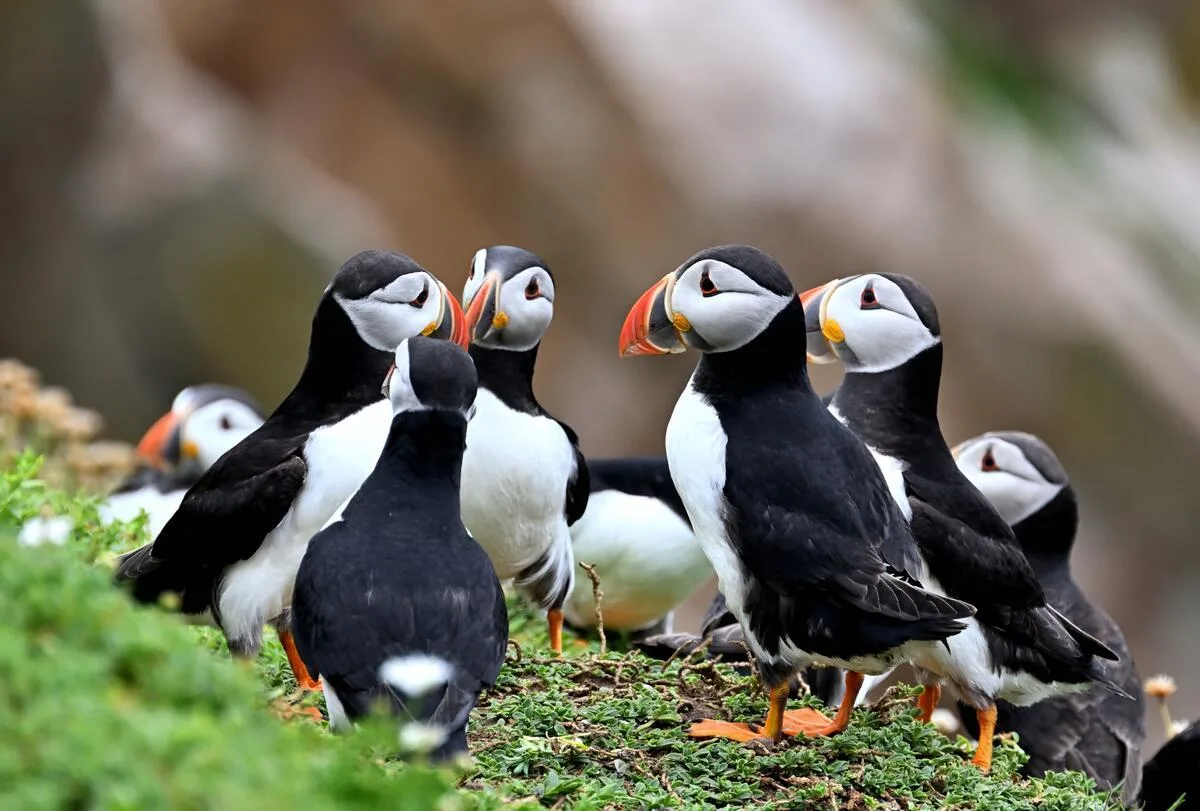
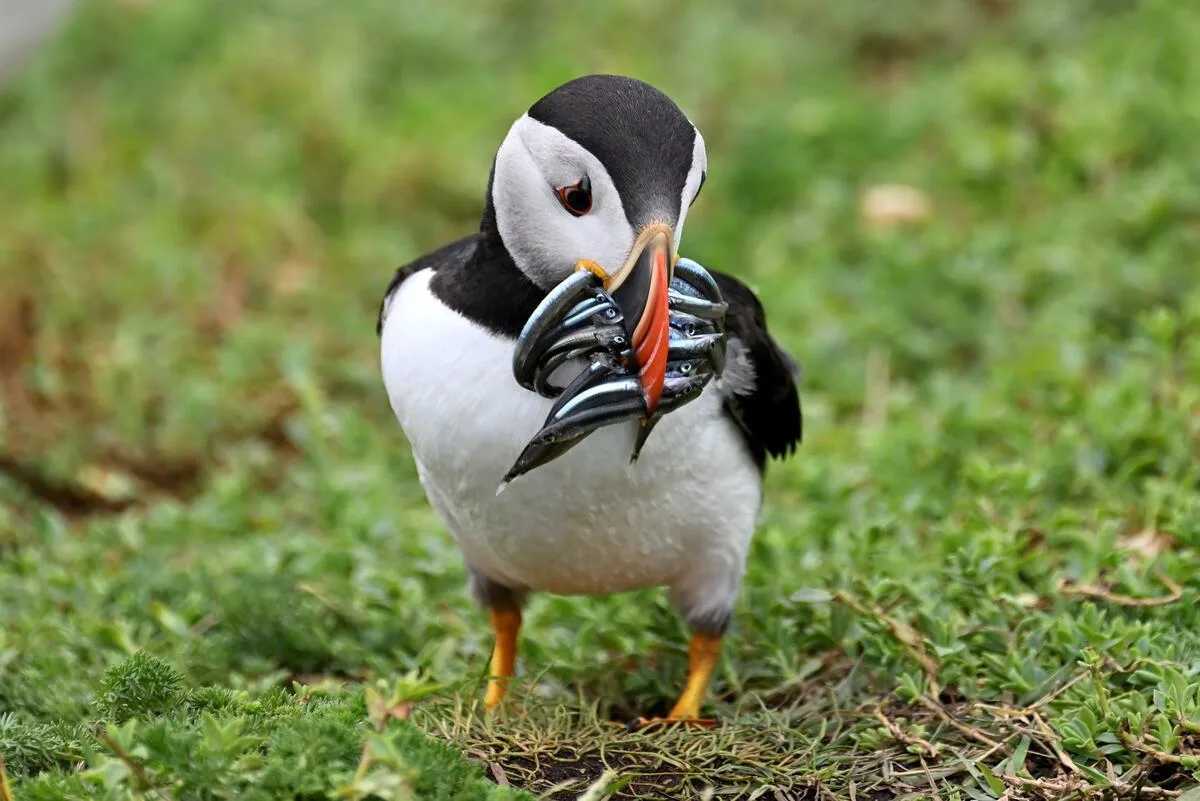
Atlantic puffins are the species most visitors want to see, and Ireland has several major colonies. These stocky seabirds with their colourful beaks arrive at their breeding sites in April and stay until August, spending the rest of the year out on the open ocean.
The Saltee Islands off the Wexford coast are one of the best places to see puffins in Ireland. Great Saltee hosts thousands of breeding pairs, and you can sit within a few metres of them as they come and go from their burrows. Boat trips run from Kilmore Quay during the breeding season.
The Skellig Islands off the Kerry coast are home to one of the largest puffin colonies in Ireland. skellig michael puffins share the rock with thousands of gannets, guillemots, and razorbills. The boat trip to the Skelligs is an experience in itself — the islands rise from the Atlantic like pyramids, and the seabird activity is constant. Combine this with walking the Kerry Way for a trip that takes in mountains and seabirds.
Rathlin Island, off the north Antrim coast, has a RSPB seabird centre where you can watch puffins, guillemots, and razorbills on the cliffs through telescopes. The island is reached by ferry from Ballycastle and makes a fine day trip from the Antrim coast.
Puffin island ireland — that search brings up several locations, because Ireland has multiple islands with puffin colonies. The Blasket Islands off the Dingle Peninsula, Inishmore in the Aran Islands, and Clare Island off Mayo all host breeding puffins in summer.
Seabird Cliffs and Colonies
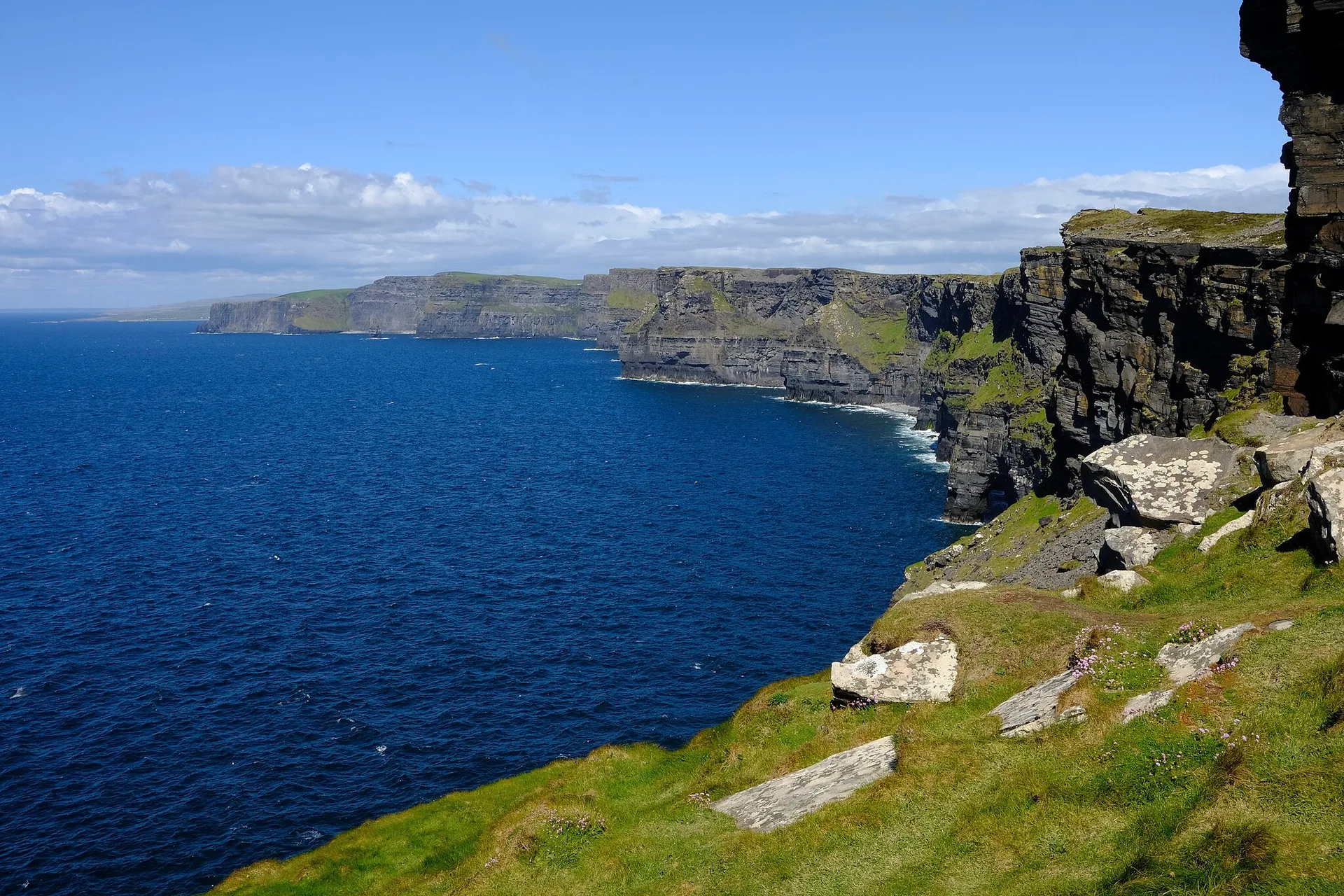
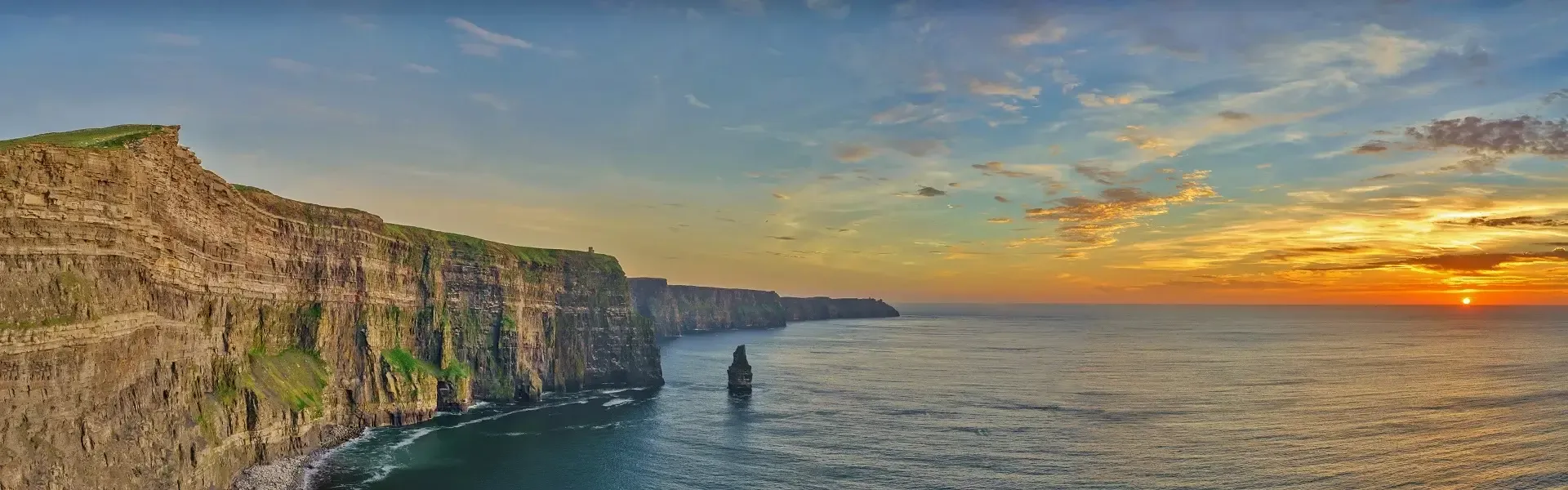
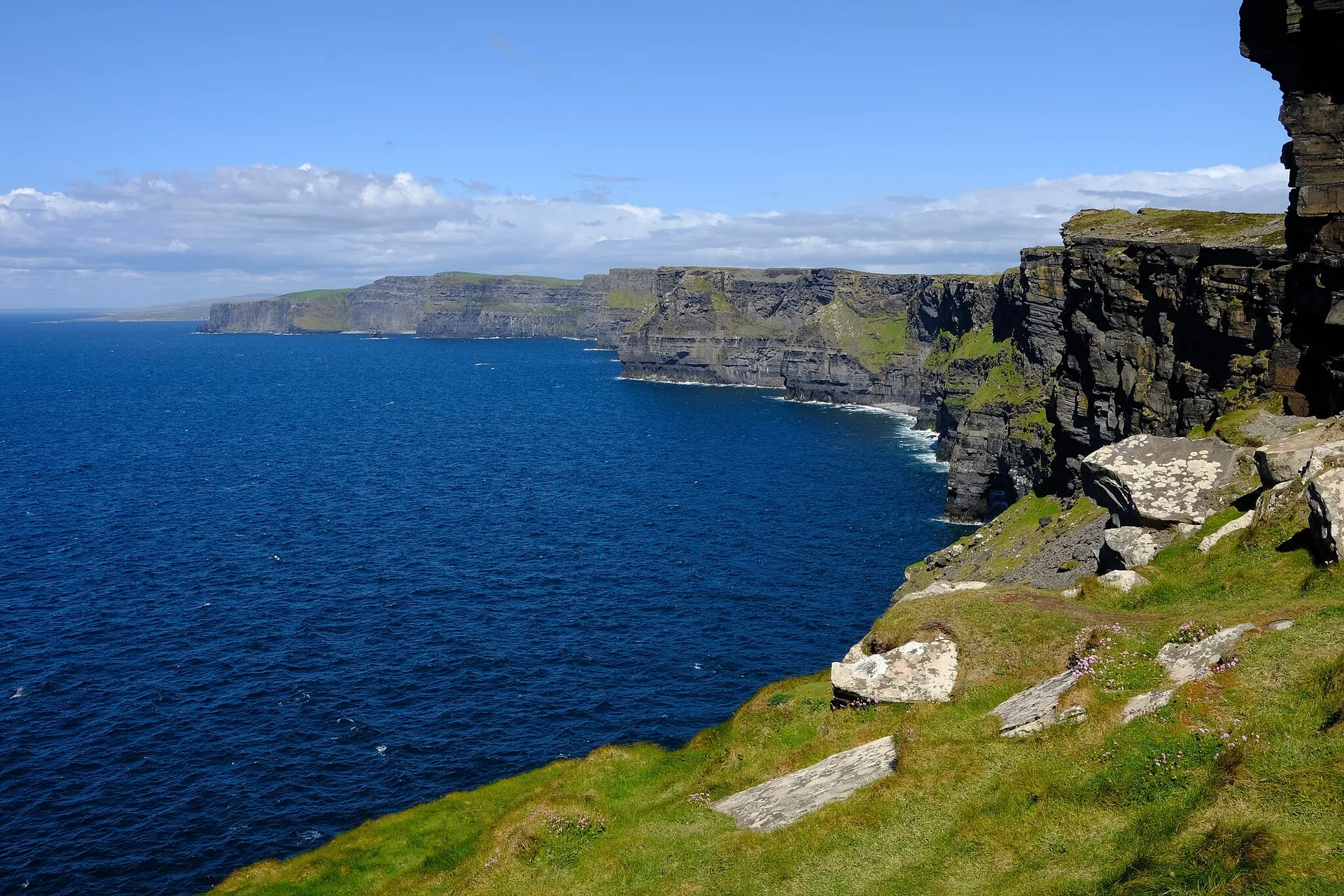
Ireland’s sea cliffs host some of the most spectacular seabird colonies in Europe. The Cliffs of Moher in County Clare are the most famous — 200 metres of vertical rock face home to over 30,000 breeding seabirds including guillemots, razorbills, kittiwakes, and fulmars. Walking the cliff path, you hear the birds before you see them, and the sight of thousands of seabirds on the rock face is unforgettable.
Horn Head in Donegal has sheer cliffs dropping 200 metres to the sea, with one of the largest razorbill colonies in Ireland. The walk around the headland takes about 3 hours and gives you both the seabird spectacle and dramatic coastal scenery.
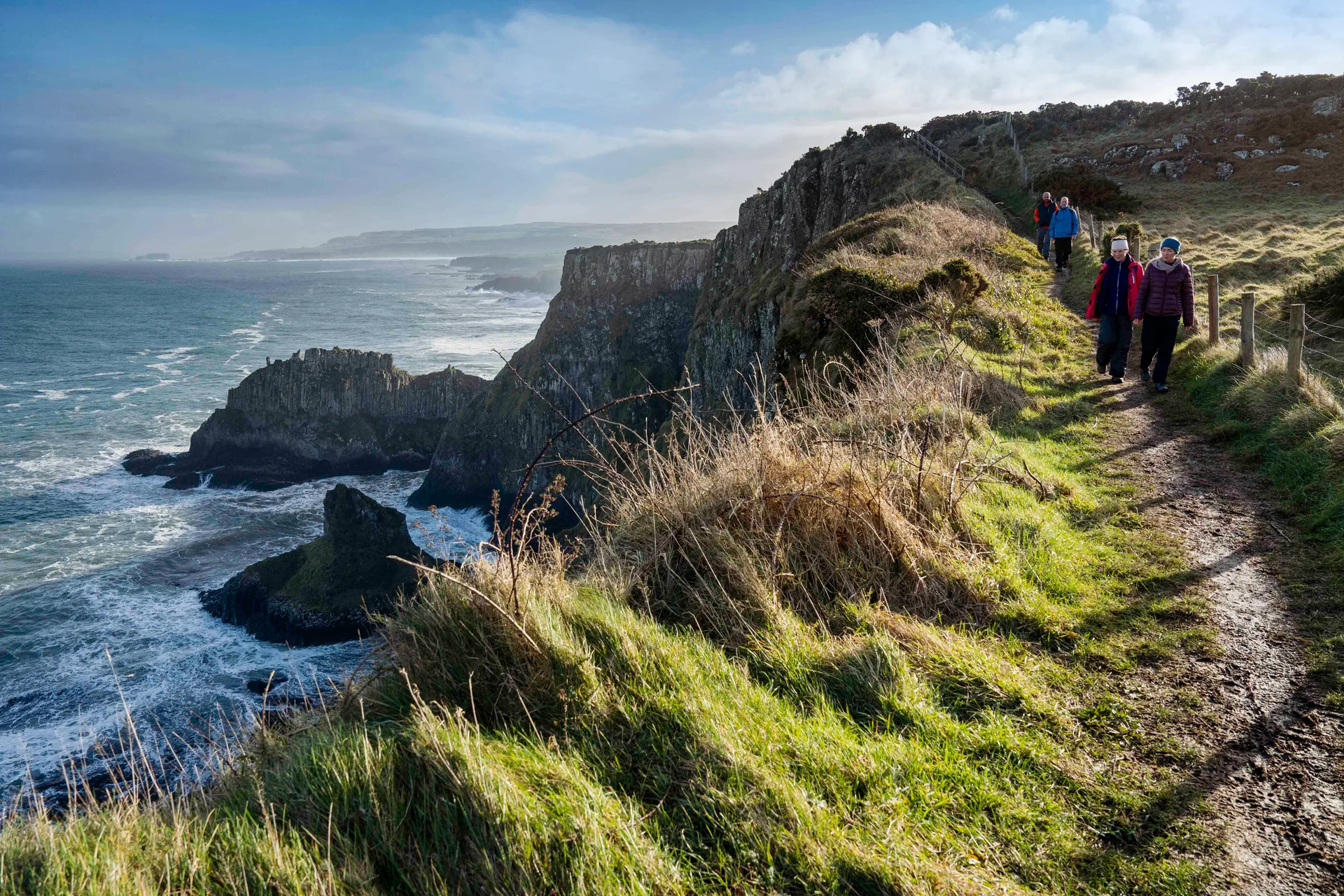
The Old Head of Kinsale in Cork, the cliffs of Loop Head in Clare, and the Goat Island cliffs in Kerry all support important colonies. Walking the coastal paths puts you right alongside the birds — the combination of fresh air, big views, and constant seabird activity is one of the great pleasures of birding ireland.
White-Tailed Eagles and Birds of Prey
Ireland’s birds of prey are a growing highlight. The white-tailed eagle — Ireland’s largest bird with a wingspan of up to 2.4 metres — was reintroduced to Killarney National Park in 2007 after being hunted to extinction in the 19th century. The population is slowly growing, and sightings are increasingly common around the lakes of Kerry and the Shannon estuary.
Peregrine falcons nest on sea cliffs and quarry faces across Ireland. They’re the fastest animal on earth, reaching speeds over 300 km/h in their hunting dive. Walking the coast, you may see them rocketing along the cliff face or perched on a ledge surveying their territory.
Hen harriers hunt over the bog and moorland of upland Ireland — the Slieve Bloom Mountains and the Mullaghareirk Mountains in Limerick and Cork are key sites. These elegant grey raptors are a sign of healthy bog habitat, and watching one quartering low over the heather is a special moment.
Buzzards, sparrowhawks, kestrels, and merlins are all resident in Ireland. In winter, short-eared owls arrive from Scandinavia to hunt the rough grasslands and coastal marshes.
Winter Waders and Wildfowl
Ireland’s estuaries and wetlands come alive in winter with hundreds of thousands of wading birds and wildfowl from the Arctic and northern Europe. The mild Irish climate and productive mudflats make the island a critical wintering site for several species.
Wexford Slobs — the reclaimed marshlands around Wexford Harbour — host over half the world population of Greenland white-fronted geese. The Wexford Wildfowl Reserve is one of the best birdwatching sites in Europe, with hides overlooking the feeding grounds.
Bull Island in Dublin Bay is a UNESCO Biosphere Reserve and one of the top urban birding sites in Europe. Brent geese arrive in thousands from Arctic Canada, and the mudflats support huge numbers of oystercatcher, knot, and bar-tailed godwit. It’s a remarkable place — world-class birdwatching within the city limits of Dublin.
The Shannon Estuary, Tralee Bay, Strangford Lough, and Lough Foyle are all major winter birding sites. Walking the shorelines and marshes in winter, wrapped up against the cold, watching skeins of geese coming in to roost at dusk — it’s a completely different experience from summer birding, and equally rewarding.
Where to Go Birding on Foot
The best birding ireland experiences combine walking and watching. Here are the top sites where the trails meet the birds.
Cape Clear Island, off the Cork coast, is Ireland’s most famous bird observatory. Migrating birds funnel through this small island in spring and autumn, and rare American vagrants turn up regularly. The island has marked walks, a bird observatory with accommodation, and a community of birders who make visitors welcome.
The Burren in County Clare offers a unique combination — limestone pavement, wildflowers, and birds. Peregrine falcons hunt the cliffs, choughs feed on the grassland, and in spring the cuckoo’s call echoes across the stone. Walking the Burren Way you pass through some of the richest wildlife habitat in Ireland.
Connemara and the west coast combine mountain walking with coastal birding. The bogs support golden plover and red grouse, the coast has divers and scoters in winter, and the islands off the shore host tern and storm petrel colonies in summer.
Glenveagh National Park in Donegal has golden eagles — reintroduced in 2000 — along with red-throated divers on the mountain loughs and ring ouzels on the crags. The park’s walking trails take you through some of the most dramatic landscape in the northwest.
Best Times for Birding in Ireland
Spring (April to May) brings summer migrants — wheatears, swallows, cuckoos, and warblers arrive from Africa. Seabird colonies are building, and the days are long. This is the best time for hearing birdsong on woodland walks.
Summer (June to July) is peak time for seabird colonies. Puffins, gannets, and guillemots are at their breeding cliffs, and the activity is constant. The best time to visit Ireland for puffins is June and early July.
Autumn (August to October) is migration season. Cape Clear, the Bridges of Ross in Clare, and headlands along the west coast are the places to be. Seabird passage is at its peak in September, and rare vagrants from North America turn up with westerly gales.
Winter (November to February) transforms the estuaries. Tens of thousands of waders and wildfowl arrive from the Arctic. Short-eared owls, merlins, and hen harriers are active over the rough ground. Winter birding in Ireland rewards patience and warm clothing.
Planning Your Birding Trip
Pack good hiking boots — the best birding sites in Ireland involve walking, and the ground is often rough. Binoculars are essential, and a telescope is worth bringing for waders and seabirds. Our packing list covers the outdoor essentials.
The Irish weather is changeable year-round, so waterproofs are a must. The upside is that overcast days are often better for birding than bright sunshine — the soft light makes colours easier to see and birds less flighty.
We offer self-guided walking holidays that pass through Ireland’s best birding country. The Dingle Way, Kerry Way, and Wild Atlantic Way routes all take you through prime habitat. For walkers who want expert knowledge, our guided walking holidays can include guides who know the local bird life. Check our tour grading to find the right level for you.
Walk, Watch, and Listen
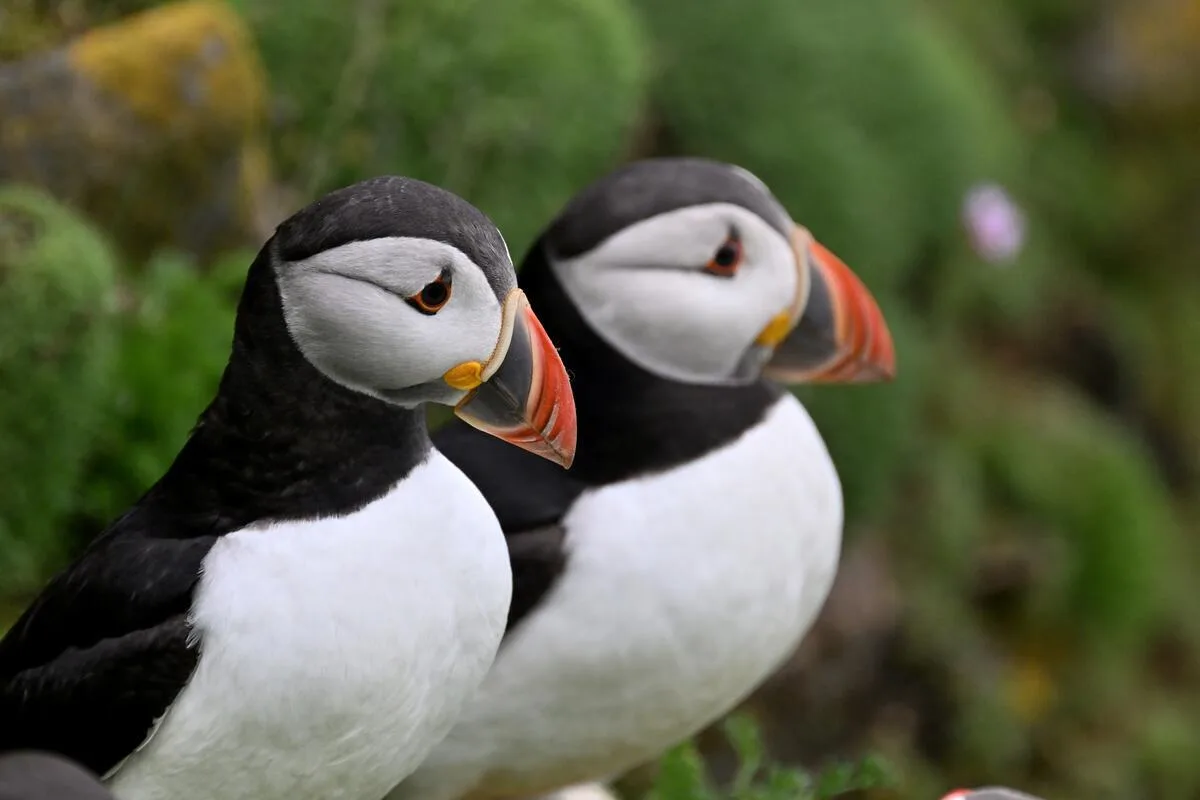
The irish birds you encounter on a walking holiday are part of what makes Ireland special. The puffin colony on a sea cliff, the eagle over a mountain lake, the curlew calling across a winter estuary — these moments stay with you. Ireland’s birds are wild, accessible, and woven into the landscape in a way that rewards anyone willing to walk, watch, and listen. Get in touch with Walking Holiday Ireland and we’ll help you plan a trip that combines the best walking with the finest birding the island has to offer.
Frequently Asked Questions
Where is the best place to see puffins in Ireland?
The Saltee Islands off County Wexford, the Skellig Islands off Kerry, and Rathlin Island off the Antrim coast all have major puffin colonies. Puffins are present from April to August, with June and early July being the best time to visit.
What is the best time of year for birdwatching in Ireland?
Ireland offers excellent birding year-round. Spring brings migrant songbirds, summer is best for seabird colonies, autumn brings rare vagrants and migration spectacles, and winter fills the estuaries with thousands of waders and wildfowl from the Arctic.
Can I see white-tailed eagles in Ireland?
Yes. White-tailed eagles were reintroduced to Killarney National Park in 2007 and the population is growing. Sightings are increasingly common around the lakes of Kerry and the Shannon estuary. They are Ireland’s largest bird of prey with a wingspan of up to 2.4 metres.
Do I need binoculars for birdwatching in Ireland?
Binoculars are essential for birding in Ireland. A pair of 8x42 or 10x42 binoculars suits most conditions. A telescope is useful for watching seabird cliffs and wader flocks on estuaries but not essential for general birding on walks.
Where is the best urban birdwatching in Dublin?
Bull Island in Dublin Bay is a UNESCO Biosphere Reserve and one of Europe’s top urban birding sites. Thousands of brent geese arrive from Arctic Canada in winter, and the mudflats support huge numbers of wading birds. It is easily reached from central Dublin.
Frequently Asked Questions
Are the trails well-marked?
Will I have mobile phone coverage on the trails?
What kind of boots should I wear?
What are the most essential items to pack for a walking holiday in Ireland?
Photo Gallery