Beara Way Hiking Guide: Epic Peninsula Trek Across Mountains and Coasts
Beara Way Hiking Guide: Epic Peninsula Trek Across Mountains and Coasts
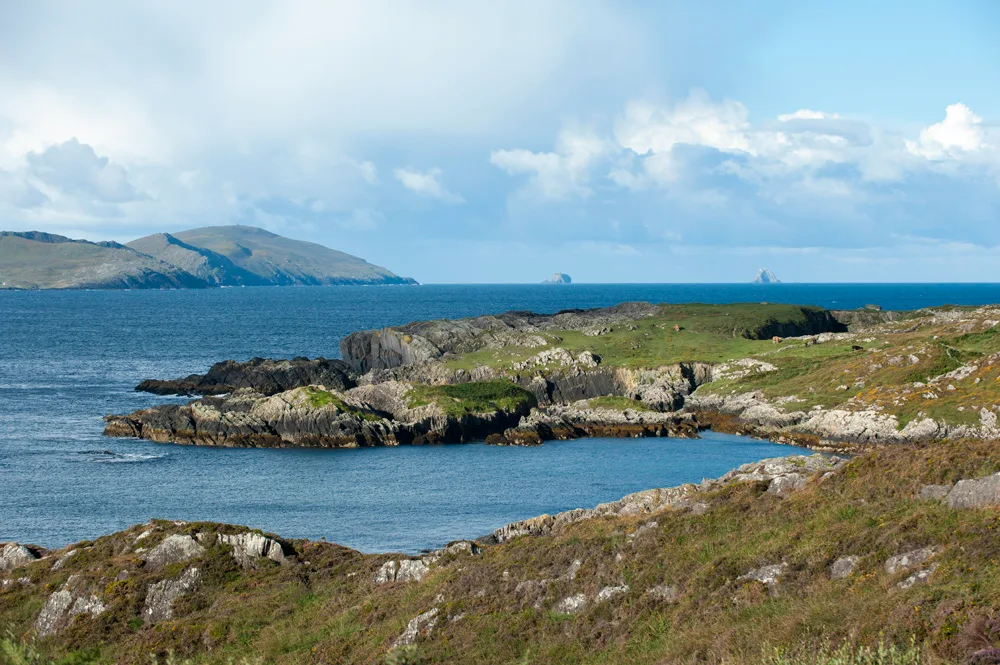
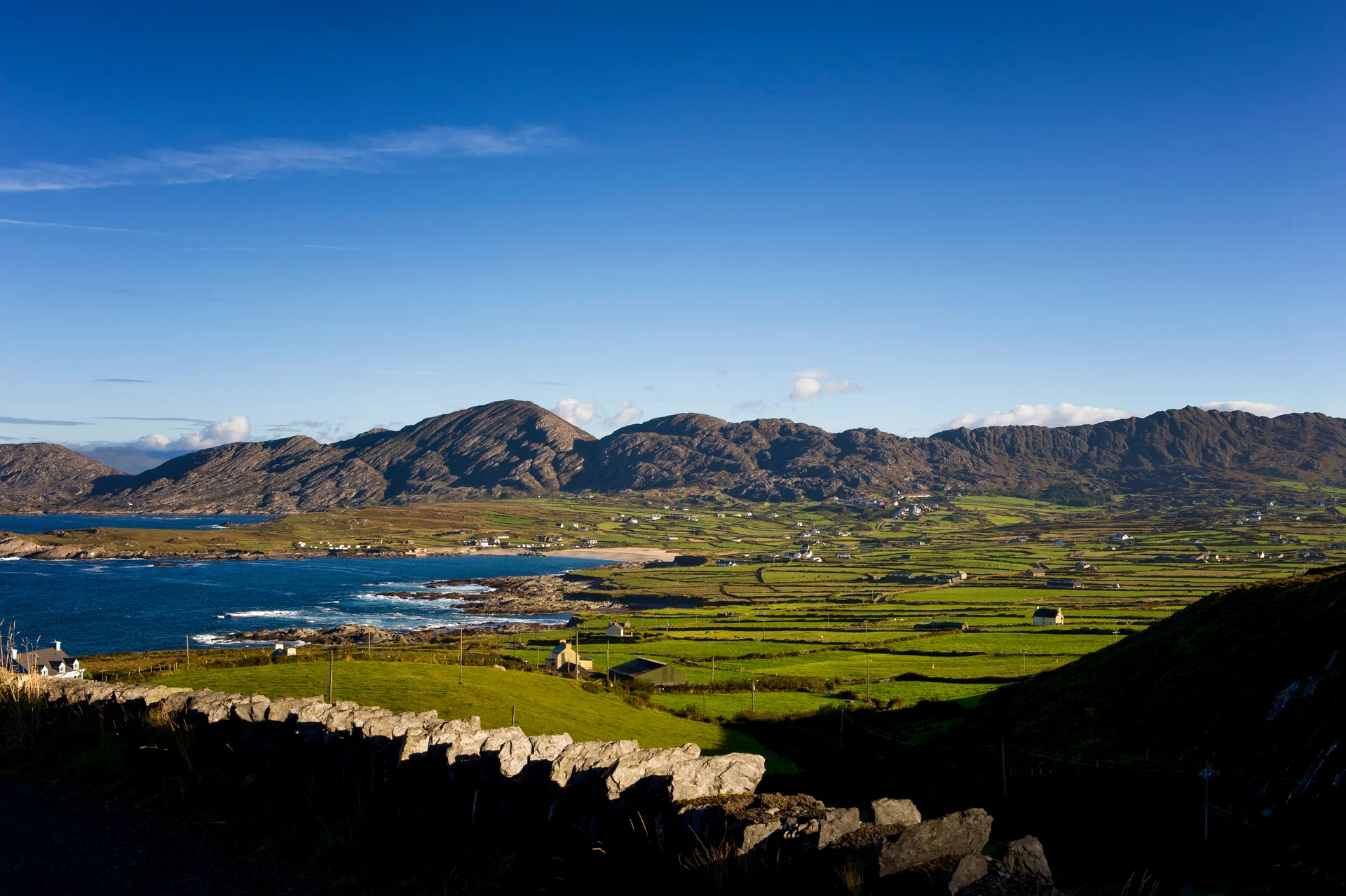
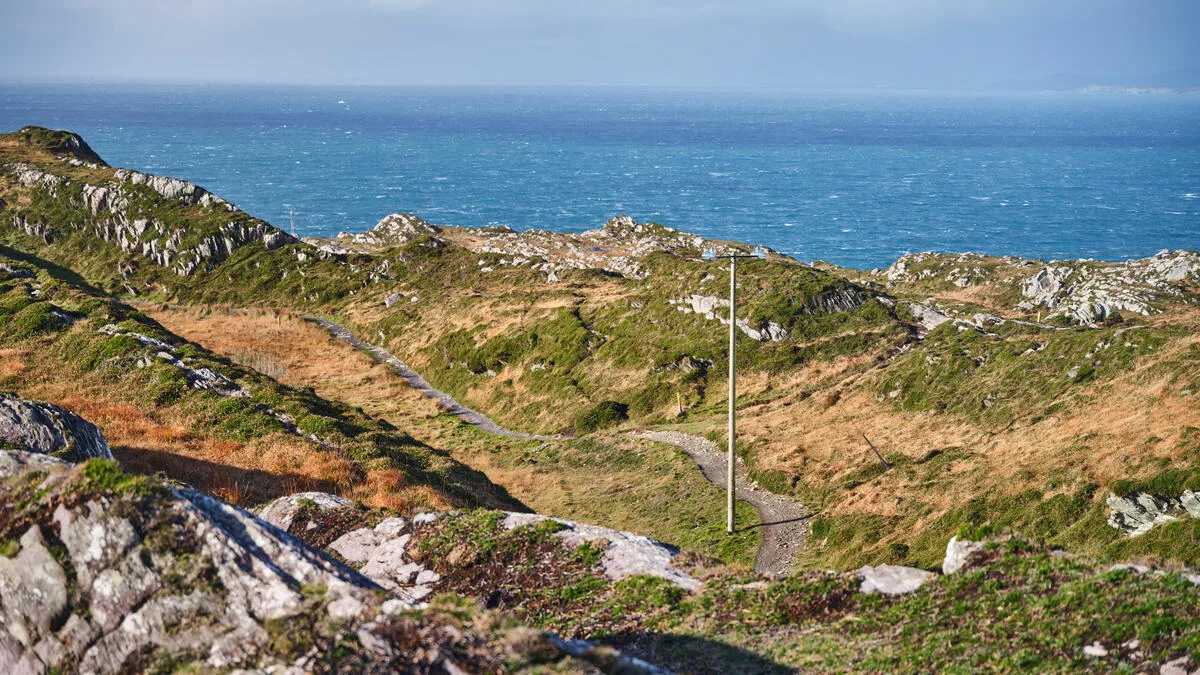
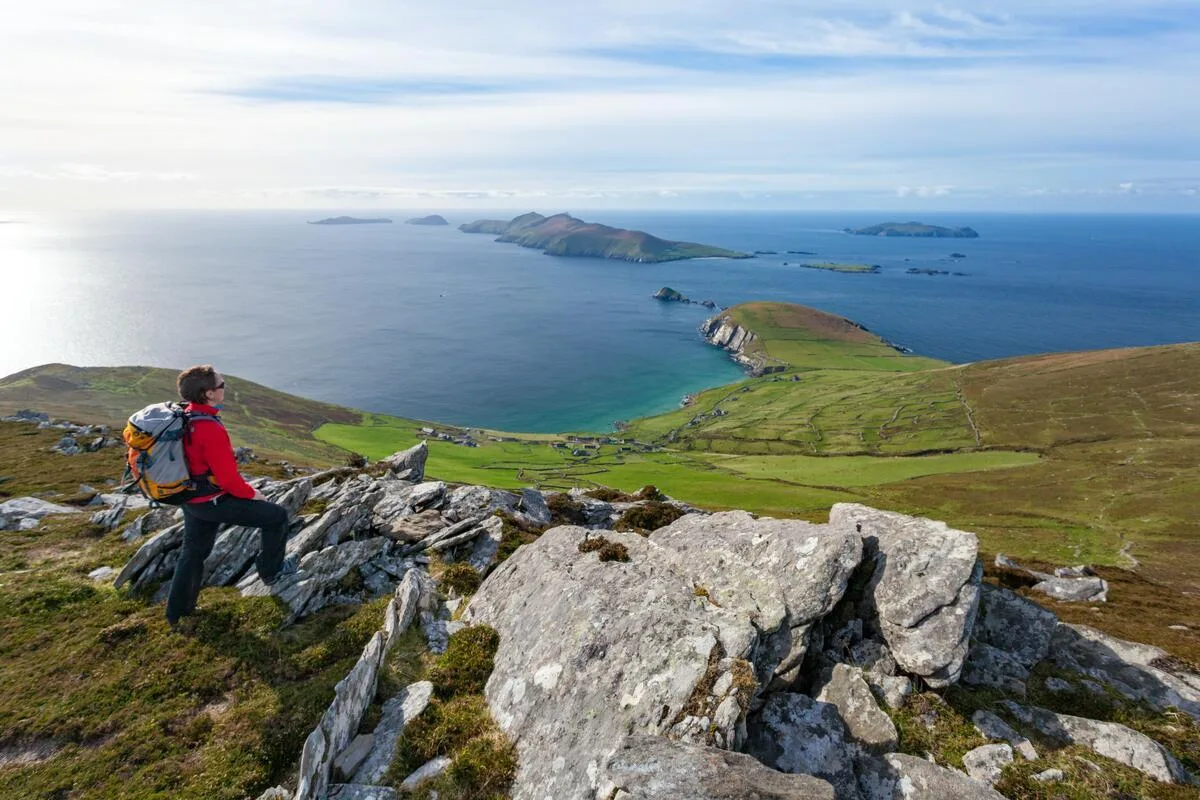
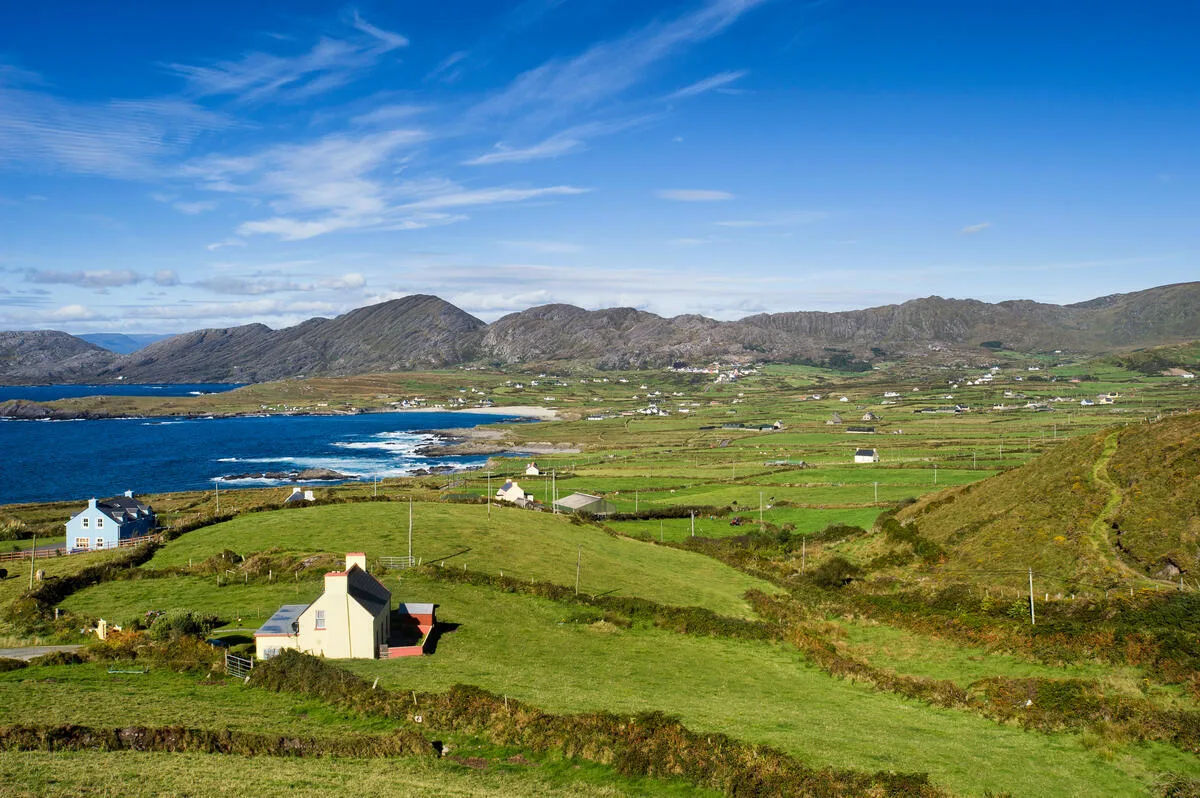
The Beara Peninsula extends like a finger into the Atlantic off Ireland's southwest coast, creating one of Europe's most rewarding long-distance hiking routes. The Beara Way is a 196-kilometre trail connecting picturesque villages while traversing dramatic mountains, wild coastlines, and remote valleys. Unlike some Irish long-distance trails that follow roads periodically, the Beara Way commits to genuine walking—forest trails, mountain ridges, and coastal paths that feel genuinely remote.
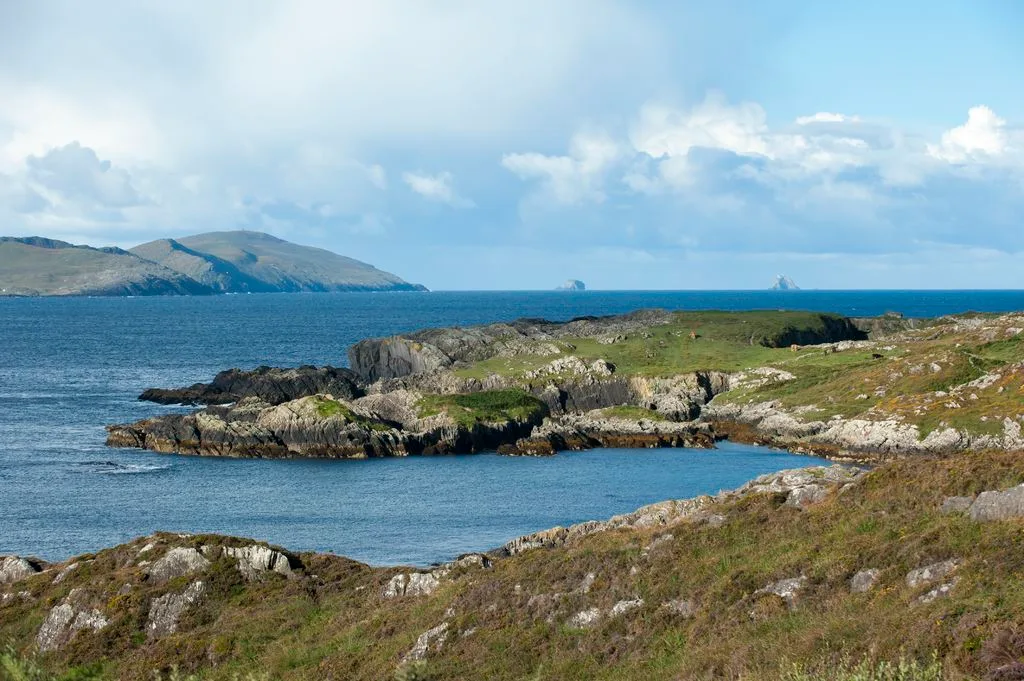
For serious walkers seeking extended adventure, the Beara Way represents something special: a week-long journey through landscape where human presence feels optional, where the mountains remain genuinely wild, and where solitude is entirely possible despite the trail's growing popularity.
Why the Beara Way Matters
The Beara Peninsula sits between two larger, more famous Irish walking regions: the Dingle Peninsula to the west and the Macgillycuddy's Reeks/Killarney area to the east. This positioning means it's less crowded than either neighbour despite equal (or superior) landscape quality.
The Beara Way's character comes from its remoteness. Villages are small, accommodation is limited but carefully chosen, and the walking traverses landscape where sheep outnumber people. The mountains here (including Carrauntoohil's neighbours) rise from sea level to over 900 metres in mere kilometres, creating dramatic vertical relief.
The Beara Way Route Overview
The complete trail is typically walked as a 7–8 day journey, covering approximately 28 km daily (with possible variation based on accommodation availability and chosen routes). Most walkers walk east to west, starting in Kenmare and finishing in Castletownbere.
Stage Breakdown
Stage 1: Kenmare to Sneem (28 km, 8–9 hours)
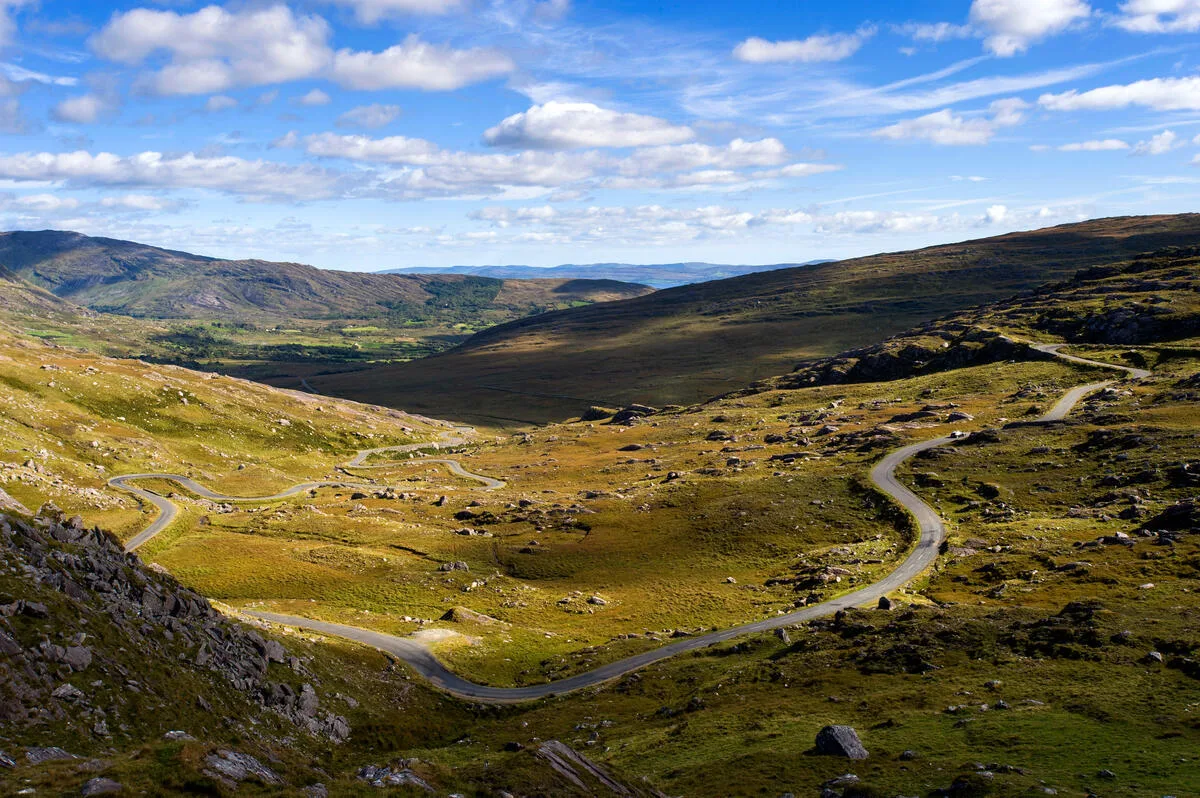
A lengthy opening stage that gains elevation significantly. The route climbs through forest, across open moorland, and descends to coastal village Sneem. This stage is a genuine mountain crossing—exhausting but rewarding with views across Dingle Bay.
Stage 2: Sneem to Waterville (26 km, 8–9 hours)
Another demanding stage crossing mountain terrain. The route passes through remote valleys and gains substantial elevation. Waterville offers excellent facilities for recovery.
Stage 3: Waterville to Caherdaniel (24 km, 7–8 hours)
Mountain walking continuing across the Beara's spine. Views expand toward the Atlantic. The trail descends toward Caherdaniel, a charming village.
Stage 4: Caherdaniel to Castletownbere (28 km, 8–9 hours)
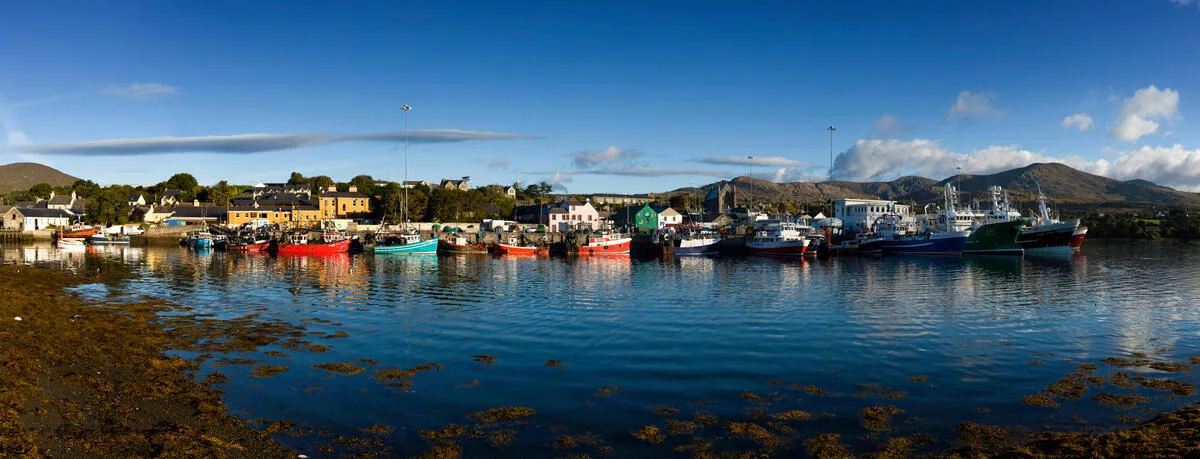
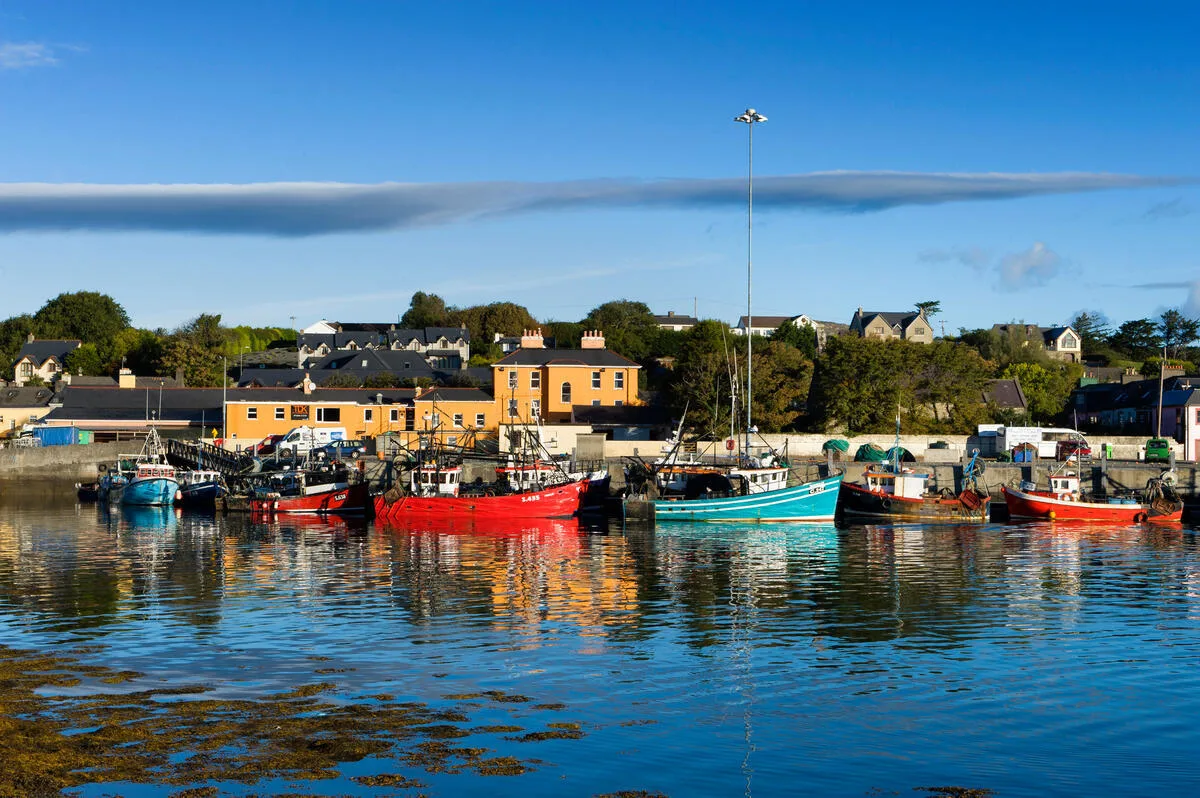
The final extended stage descends toward the coast, finishing in Castletownbere, a working fishing village. The descent brings relief after days of mountain walking.
Alternatively, the route can be split into shorter daily sections (15–20 km) over 10–12 days, reducing daily intensity.
Practical Information: Planning Your Beara Way Walk
Best Season
June–September: Best weather reliability, longest days. July–August busiest. June and September often ideal—good weather, fewer crowds.
April–May and October: Possible but weather less reliable. Days shorter. Spring brings wildflowers; autumn brings golden light.
November–March: Generally inadvisable except for experienced mountain walkers. Weather is severe, days are very short, accommodation is limited.
Accommodation and Logistics
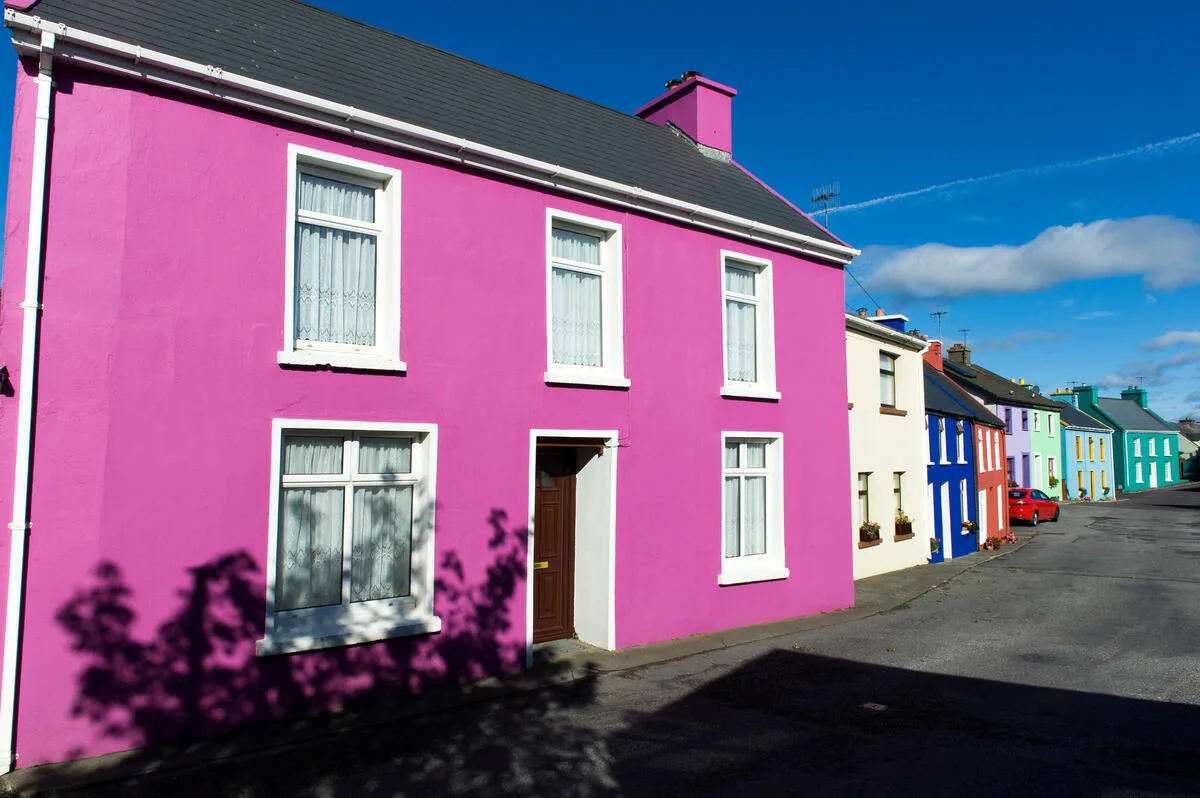
Accommodation along the Beara Way is deliberately simple—family-run B&Bs, small hotels, and occasionally hostels. This is intentional; the trail's character depends on staying in genuine villages rather than purpose-built tourist resorts.
Book accommodation well in advance (6–9 months for peak season). Luggage transfer services are available—your bags move between accommodation while you walk with only a daypack. This transforms the experience, allowing genuine enjoyment rather than managing heavy packs on mountain terrain.
Getting There
The trail starts/ends in Kenmare (easily reached from Kerry's larger towns) and finishes in Castletownbere (accessible by bus or car). From Dublin, drive southwest toward Kerry (approximately 4 hours to Kenmare).
Cost
Trail costs vary based on accommodation quality and whether you use luggage transfer services. Budget approximately €100–150 daily for quality B&B accommodation plus meals in village restaurants and pubs.
Navigation
The Beara Way is generally well-marked with trail signs. However, in mist or poor visibility, careful navigation is essential. Carry detailed maps (1:50,000 scale) and navigation tools.
What to Pack
Multi-day hiking demands thoughtful packing:
- Waterproof jacket and trousers (essential—Atlantic weather is changeable)
- Warm mid-layer fleece or merino
- Hat and gloves (even summer mornings are cool at altitude)
- Good hiking boots with ankle support
- Moisture-wicking layers (merino wool or synthetic, not cotton)
- Quick-dry towel
- Sun protection (hat, sunglasses, sunscreen)
- Blister prevention (good socks, preventative tape)
- Rain cover for pack
- Snacks and water bottle
- Basic first aid kit
If using luggage transfer, your daypack needs only: water, lunch, map, phone, emergency supplies. This weight reduction transforms daily comfort.
The Beara Way Experience: What to Expect
The Beara Way is genuinely challenging—extended daily mileage over demanding terrain tests both legs and determination. However, the reward is profound: walking through landscape where human presence feels genuinely optional, where the mountains dominate your awareness, where time slows to walking pace.
Days follow similar patterns: early morning breakfast, several hours of walking to lunch spot, afternoon walking, arrival at evening accommodation, meal in village restaurant, early sleep (you'll be tired). Weather changes dramatically—brilliant sunshine becomes mist within hours; rain passes quickly, revealing unexpected scenery.
The human dimension matters too: meeting other walkers on the trail, conversations with B&B hosts who've welcomed countless walkers, discovering village pubs where locals and walkers mix. The Beara Way creates genuine sense of community among those walking it.
Fitness Requirements
The Beara Way demands serious fitness. Daily walking of 25–28 km over mountainous terrain tests legs, lungs, and determination. This is not a beginner's trail.
If you are not currently walking 15+ km regularly over varied terrain, spend 2–3 months training. Start with shorter walks, gradually increasing distance and elevation gain. Your body's adaptation to repeated daily walking is genuine—what feels impossible early training becomes manageable by trail start.
Alternatives and Variations
Beara Way Section Walks
You do not need to walk the complete trail. Many walkers do 2–3 day sections, combining them with other activities. Possible multi-day combinations:
- Kenmare to Sneem (2–3 days)
- Sneem to Waterville (2–3 days)
- Waterville to Castletownbere (3–4 days)
Guided Walks
Several operators offer guided Beara Way walks with support—accommodation arranged, luggage transferred, guides providing route knowledge and company.
The Payoff: Why Walkers Return
Walkers completing the Beara Way often return. The combination of physical challenge, landscape beauty, and sense of genuine accomplishment creates something compelling. Standing on mountain ridges with Atlantic views, sleeping in village B&Bs where hosts serve enormous breakfasts, sharing evening meals with fellow walkers—these experiences accumulate into something genuinely transformative.
The Beara Way is not easy. It demands fitness, commitment, and willingness to embrace variable weather. But for serious walkers seeking extended adventure through genuinely wild landscape, it is a journey worth taking.
Ready to tackle the Beara Way? Start your training now. Book accommodation 6–9 months in advance. Arrange luggage transfer services. Then head to Kenmare and begin one of Ireland's epic walking journeys.
For more information on Irish hiking, explore our guide to the Kerry Way Walking Guide, or discover beginner-friendly hiking trails in Ireland. Contact us to plan your Beara Way adventure.
Photo Gallery