Best Walks in Ireland: 10 Trails You Shouldn't Miss
Our guides' shortlist — ten of the best walks in Ireland, from full-blown long-distance trails to half-day hikes you can do in a morning.
Every list of the best walks in Ireland is going to miss someone's favourite. After fifteen years putting walkers onto Irish trails, I've picked ten that earn their place for different reasons — scenery that stops you in the lane, history you can touch, and waymarking reliable enough for independent walkers.
Some are week-long waymarked ways. Some are a lovely half-day from a car park. None are on this list by accident.
1. The Kerry Way — the classic long-distance walk
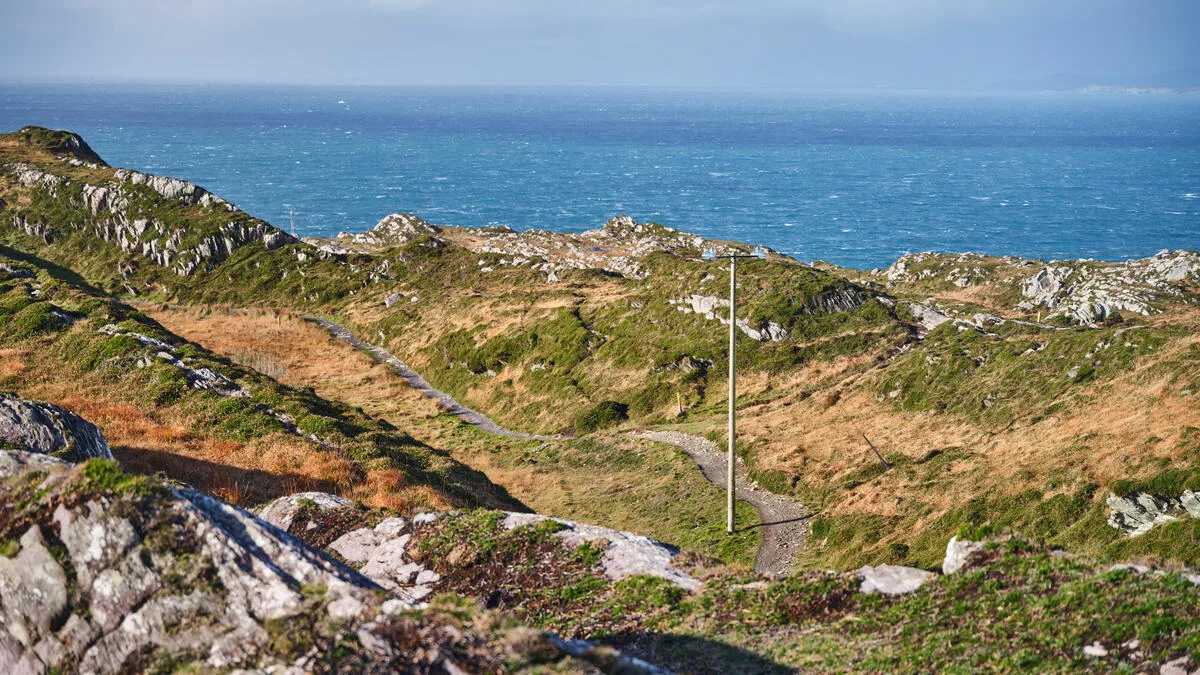
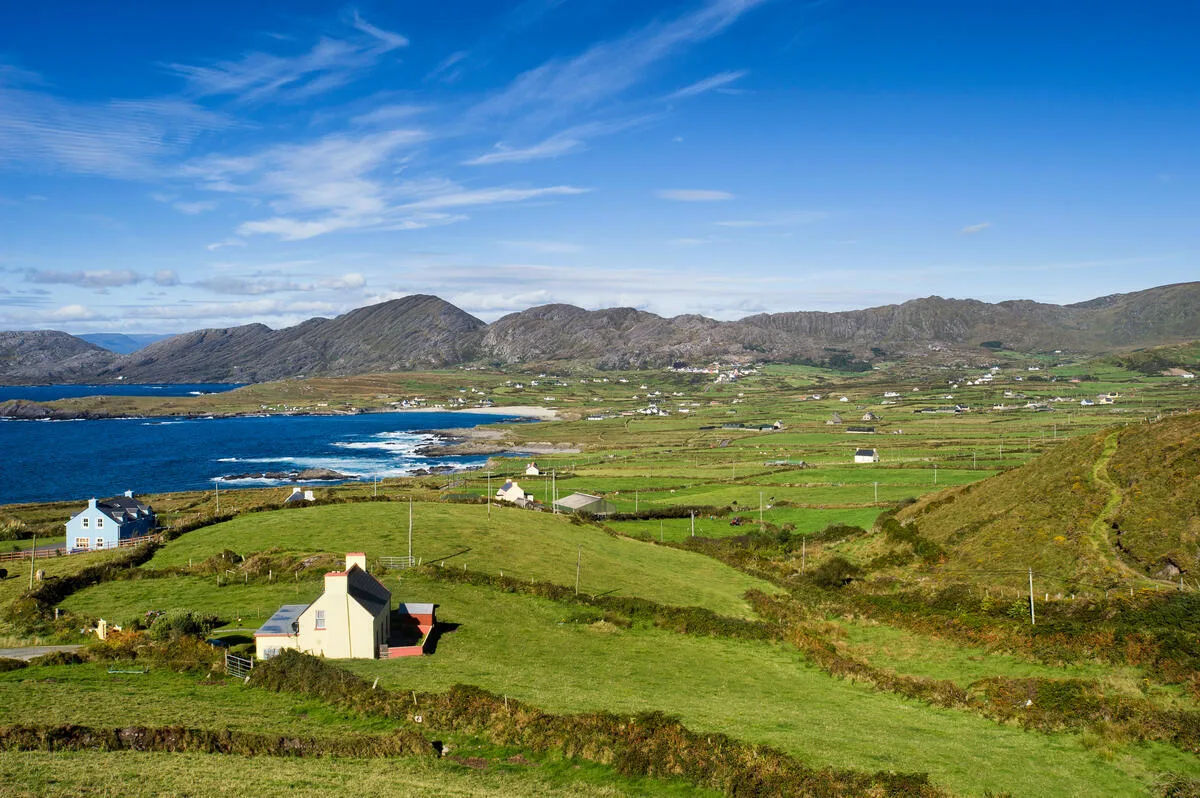
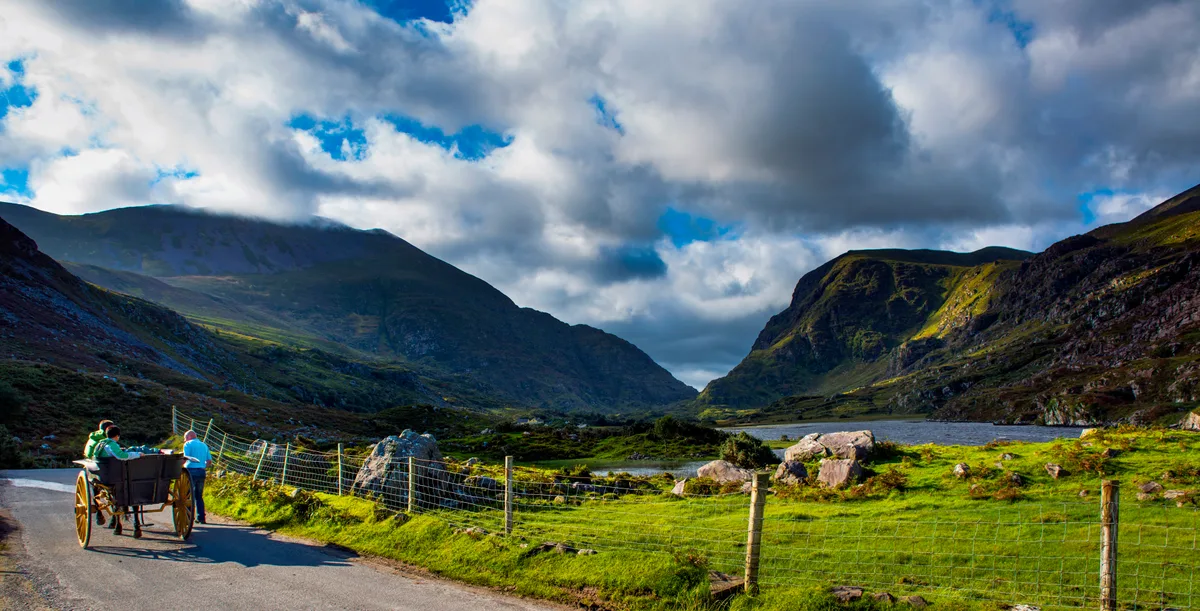
If you were to walk just one of the best walks in Ireland, I'd point you at the Kerry Way. 214 kilometres looping the Iveragh Peninsula — the same ground the Ring of Kerry drives through, but you'll see twenty times more of it on foot. Nine days from Killarney to Killarney, or shorter sections if you have less time.
You walk through oak woodland, over heathery mountain passes like Windy Gap, along old drovers' tracks above the sea, and every night into a different small town or village. It's the trail that made me fall in love with this country.
2. The Dingle Way — the most cinematic coast
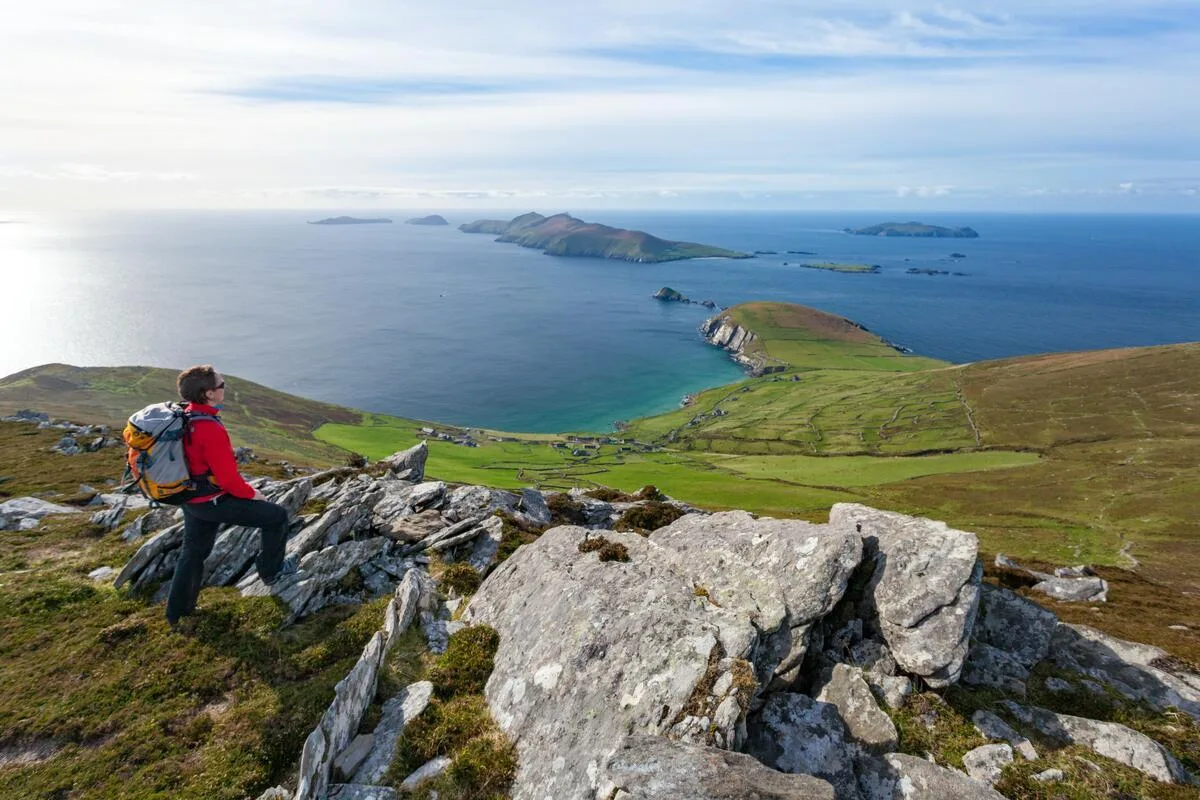
The Dingle Way (179 km, 8 days) runs around Corca Dhuibhne, Ireland's most westerly peninsula. Think beehive huts from the sixth century, surf beaches, Mount Brandon towering above it all, and the Blasket Islands sitting green on the horizon. The walking is mixed — long beach days, sheep roads, one serious mountain crossing. It's a softer introduction to long-distance walking than the Kerry Way and ideal for first-timers.
3. The Wicklow Way — Ireland's oldest waymarked trail
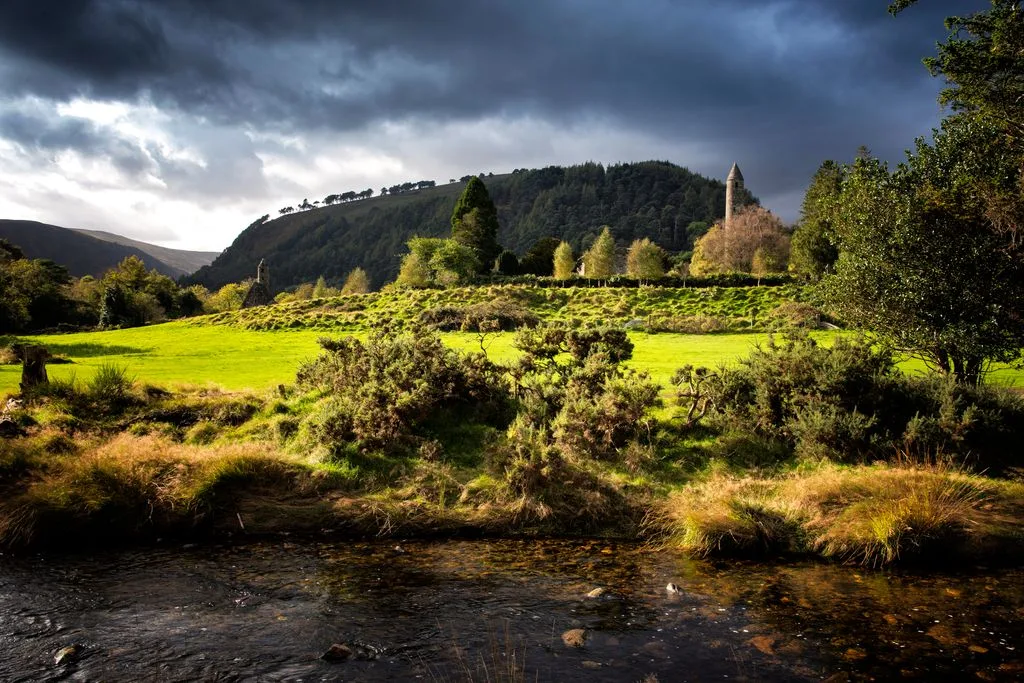
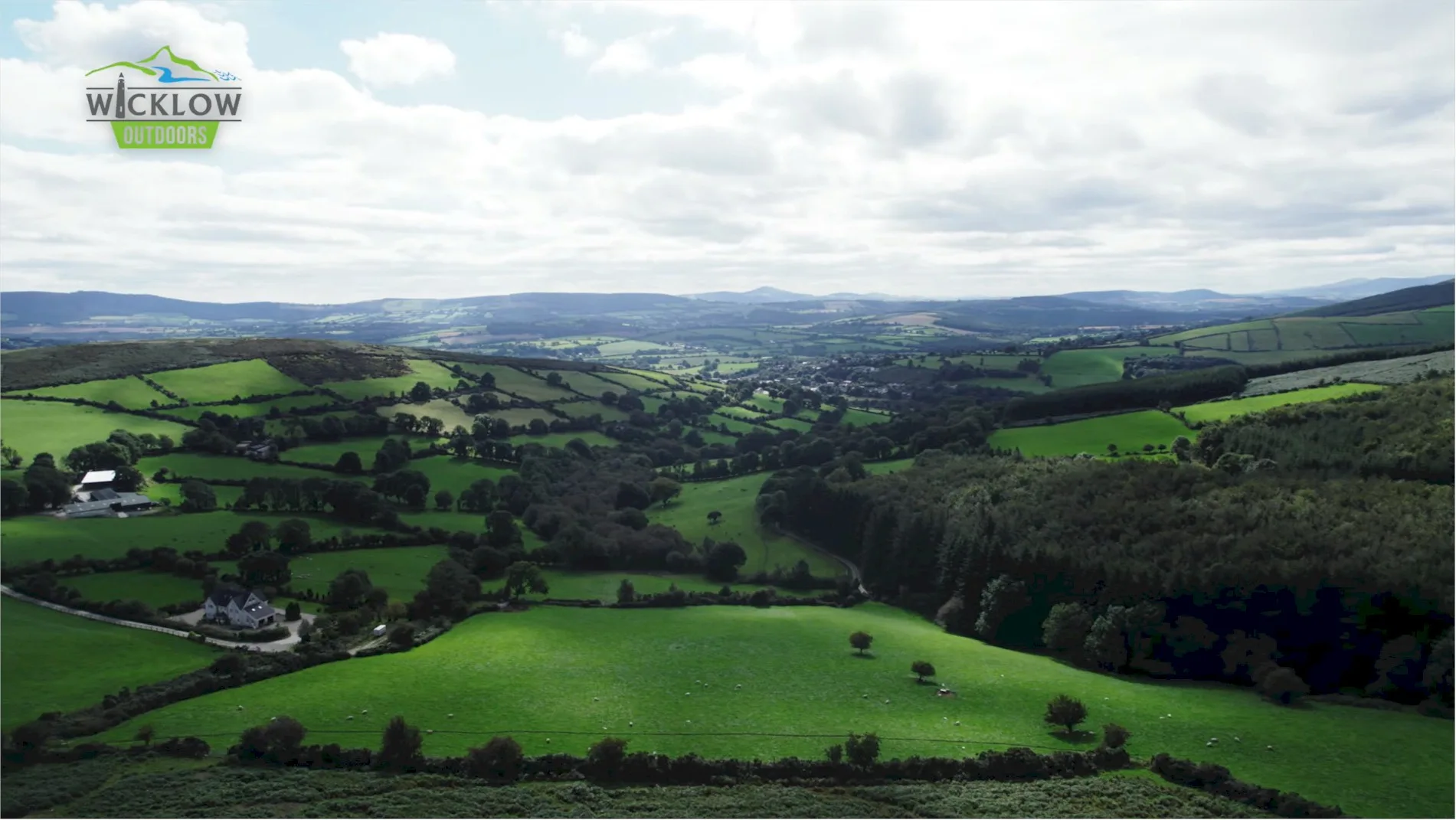
The Wicklow Way was Ireland's first official long-distance walk, opened in 1980, and at 129 kilometres it's the most accessible for anyone flying into Dublin. From Marlay Park on the south edge of the city, the trail climbs straight into the Wicklow Mountains, past Glendalough's monastic site, and keeps going to Clonegal on the Carlow border. Seven days at a steady pace, or split into long weekends if you're local.
4. The Causeway Coast Way — cliffs, giants and basalt
Northern Ireland's Causeway Coast Way is 53 km of coastal walking from Ballycastle to Portstewart, taking in the Giant's Causeway (UNESCO World Heritage), Carrick-a-Rede rope bridge, and the white strand of White Park Bay. Four to six days to walk it properly. The section between Ballintoy and the Giant's Causeway is, to my mind, the single most dramatic few miles of coastal walking in Ireland — north or south.
5. The Burren Way — a limestone wonderland
The Burren in County Clare is a karst landscape — 250 square kilometres of cracked grey limestone, Mediterranean flowers, and some of Europe's best-preserved Neolithic monuments. The Burren Way winds 123 km from Lahinch up to Corofin, crossing the flaggy coast, climbing over Slieve Elva, and threading past Poulnabrone Dolmen. Five to six days, and quieter than the Kerry or Wicklow trails. Go in May for the gentians.
6. The Cliffs of Moher Coastal Walk — day-hike glory
20 kilometres from Liscannor to Doolin along the top of the Cliffs of Moher — 214-metre sandstone walls, guillemots and puffins on the ledges in summer, and the Aran Islands offshore. This is a day-hike version of one of the best walks in Ireland: no luggage transfer, no hotels, just a bus back at the end. Do it in the morning and you'll avoid the coach-tour crowds at the visitor centre.
7. The Spinc at Glendalough — short, spectacular, popular
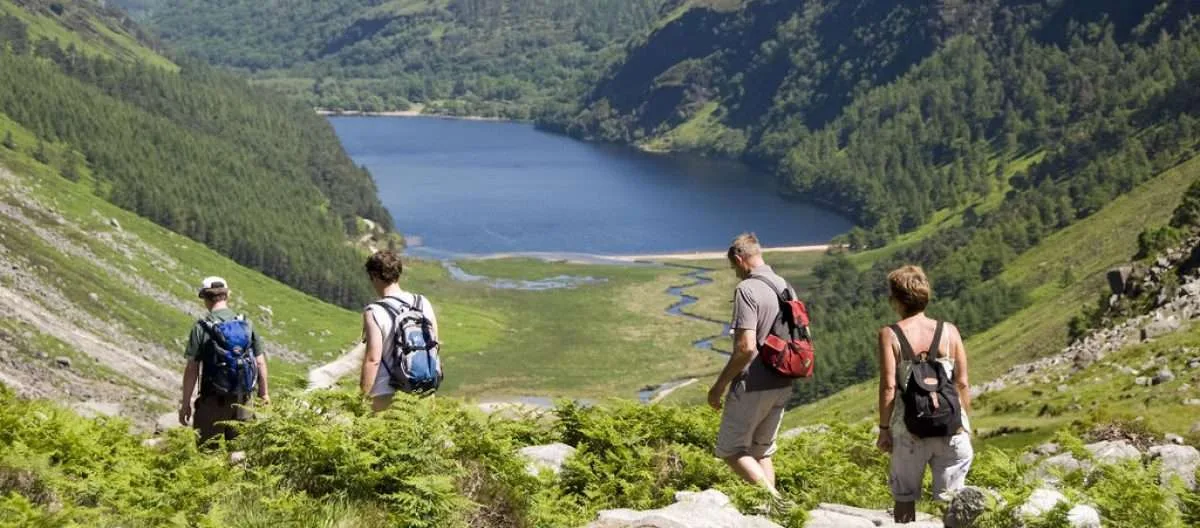
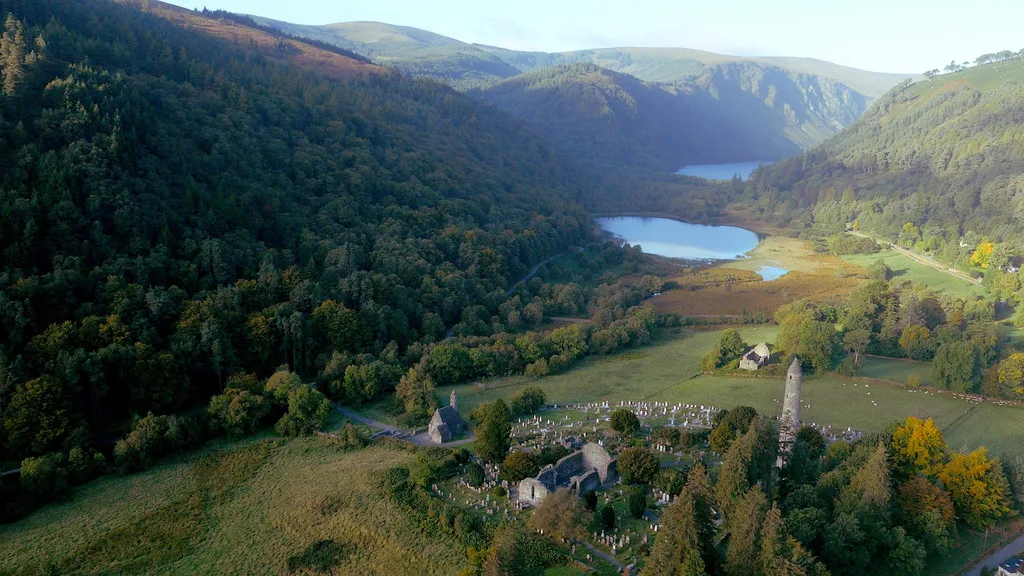
In Wicklow Mountains National Park, an hour from Dublin. The Spinc is a 9-km loop from the Upper Lake car park, climbing steeply up boardwalk steps to a ridge that looks straight down on the glacial valley and the Upper Lake. It's on every day-hiker's list for a reason. Go early — by 11 a.m. the car park is full and the Wicklow Mountains Park bus timetable becomes your friend.
8. Howth Cliff Walk — the Dublin day escape
A 6 km loop on the peninsula north of Dublin city, 30 minutes by DART train from the centre. The walk hugs the cliffs with Ireland's Eye and Lambay Island offshore, and on a clear day you can see Wales. Not a challenge, but a beautiful one-morning hike — and you can be back for dinner in a Dublin pub.
9. Slieve League — the highest sea cliffs
In south-west Donegal, Slieve League's cliffs are nearly three times the height of the Cliffs of Moher — 601 metres at Bunglass. An 8 km linear walk goes up from the car park to the summit of the mountain. It's a serious day out: weather-exposed, the One Man's Pass section is narrow, and you need to be a confident walker. But on a clear day the view of the Atlantic and the Sligo coast is unbeatable.
10. Croagh Patrick — Ireland's holy mountain
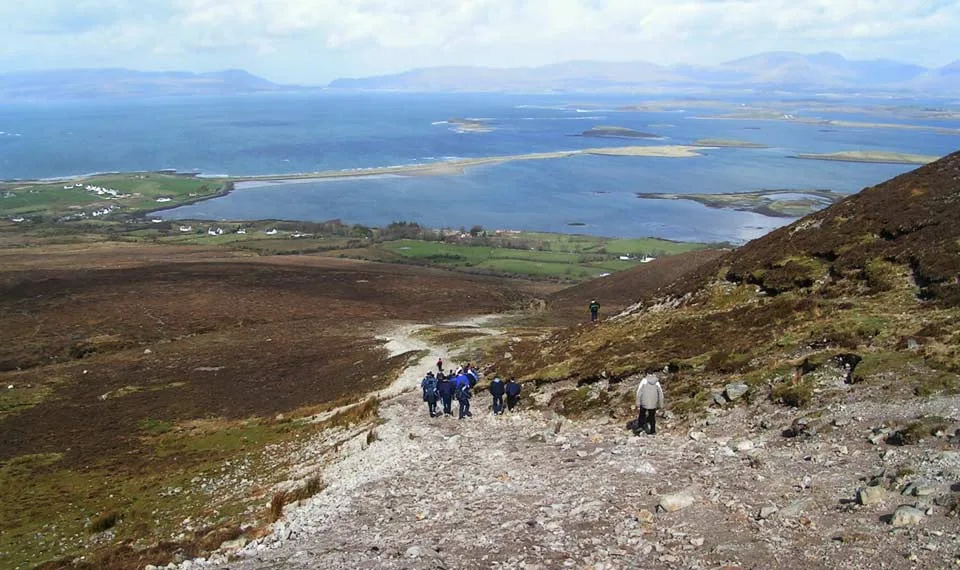
A 7 km up-and-down from Murrisk on the Mayo coast takes you to the top of Croagh Patrick — 764 metres, and the mountain Saint Patrick is said to have fasted on for forty days. On the last Sunday of July (Reek Sunday), around 25,000 pilgrims climb it, many barefoot. The rest of the year it's a steep but manageable day hike with the views of Clew Bay's 365 islands waiting at the top. Strong boots essential — the top third is steep loose scree.
Want to walk one of these with baggage transfers and pre-booked B&Bs?
We run self-guided walking holidays on the Kerry Way, Dingle Way, Wicklow Way, Causeway Coast, Burren Way and more. You walk the trail, we move your bags between hand-picked guesthouses, sort route notes, and stay on call if anything goes sideways. It's how most independent walkers do these routes comfortably.
FAQs about the best walks in Ireland
Which is the best long-distance walk in Ireland for a first-timer?
The Dingle Way is the kindest first long-distance walk in Ireland. Shorter daily distances than the Kerry Way, mostly moderate terrain, and one genuinely special mountain crossing at the Conor Pass. The Wicklow Way is also good if you're flying into Dublin and want to keep logistics simple.
When is the best time of year to walk in Ireland?
May and September are the sweet spots — long daylight, fewer crowds, and the best chance of settled weather. July–August gets busier on the popular trails (Cliffs of Moher, Howth, Glendalough); if you're walking a long-distance way you'll still find peace most of the day. April and October are fine with proper waterproofs.
Do I need a guide to walk in Ireland?
For the waymarked trails listed above, no — they're all suitable for independent walkers with a route guide and reasonable fitness. For mountain days like Croagh Patrick, Slieve League or off-trail walking in Wild Nephin or the Mournes, either go with a guide or be competent with map and compass. Irish weather turns fast.
How far can I expect to walk per day on a long-distance trail?
On a self-guided walking holiday, 15–22 km per day is a comfortable pace that leaves time to enjoy the scenery and the towns. Strong walkers push that to 25–30 km. Most of our guests find 18 km the sweet spot for a week-long trip.
Are the best walks in Ireland accessible by public transport?
Some are — Howth is on the Dublin DART, Glendalough has a St Kevin's Bus service, and the Causeway Coast has Translink buses. The long-distance trails are harder without a car; most walkers either hire one, or book a self-guided holiday that includes transfers from an arrival city like Dublin or Shannon.
Continue planning your walking holiday
Pick a trail, a region, or the right difficulty for your group:
- Complete Wicklow Way Trail Guide
- Kerry Way Walking Guide
- The Dingle Way Walking Guide
- Causeway Coast Way Walking Guide
- Wild Atlantic Way Walking Guide
- Ireland's Seven National Parks
- Coastal Hiking Trails Ireland
- Short Scenic Hikes Ireland
- Challenging Hiking Routes Ireland
Trusted resources
Official sources we recommend checking before you travel:
- Irish Trails (Sport Ireland) — Ireland's official trail database — maps, distances, waymarking status.
- National Parks & Wildlife Service — Official guide to Ireland's six national parks, including trails and opening times.
- Ordnance Survey Ireland — The national mapping agency — buy the 1:50,000 Discovery series for any serious walk.
Photo Gallery