St Finbarr's Way: Cork's Sacred Forest Pilgrimage Walk
St Finbarr Pilgrim Path Cork Walking: Sacred Forest Pilgrimage
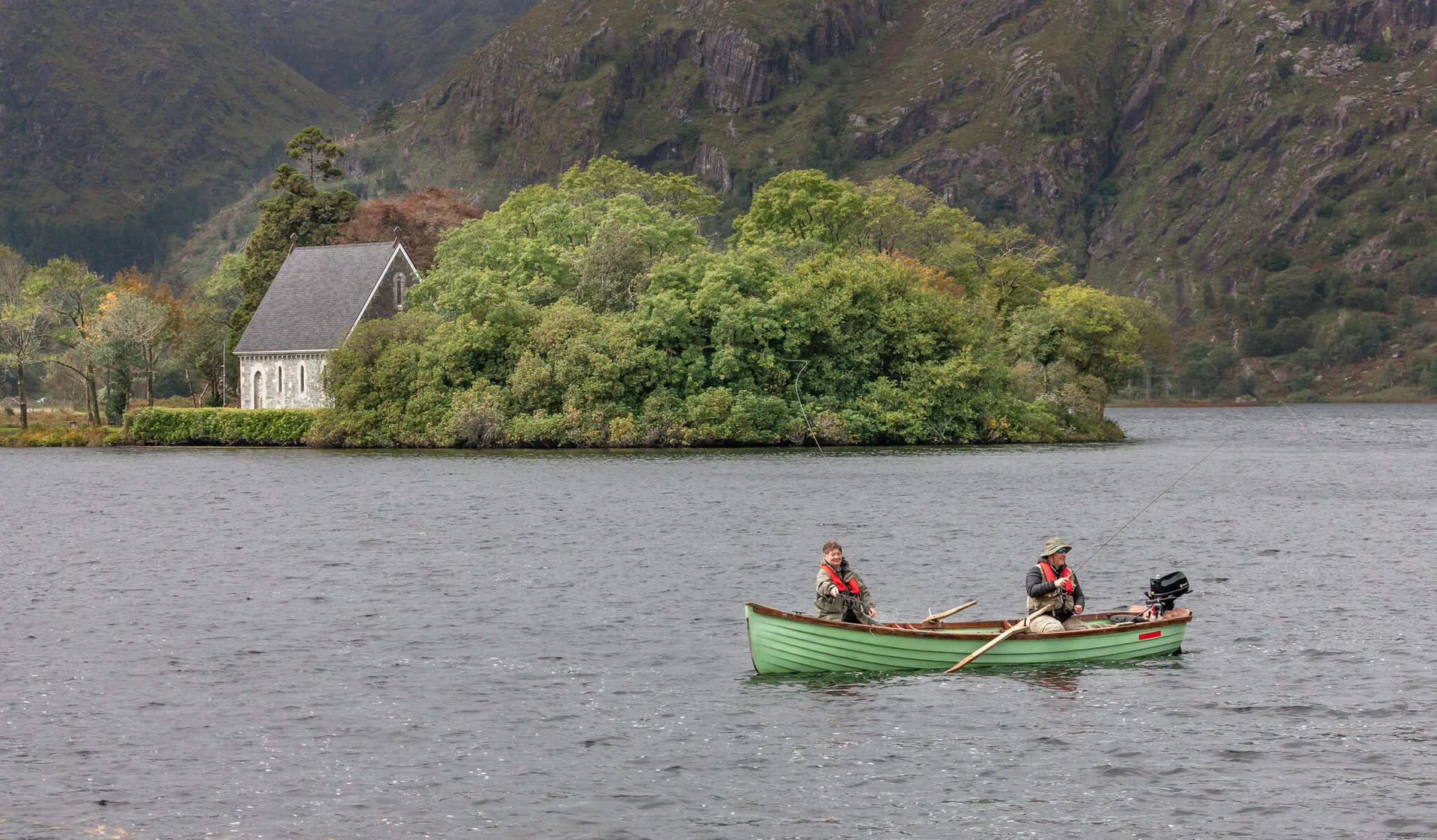
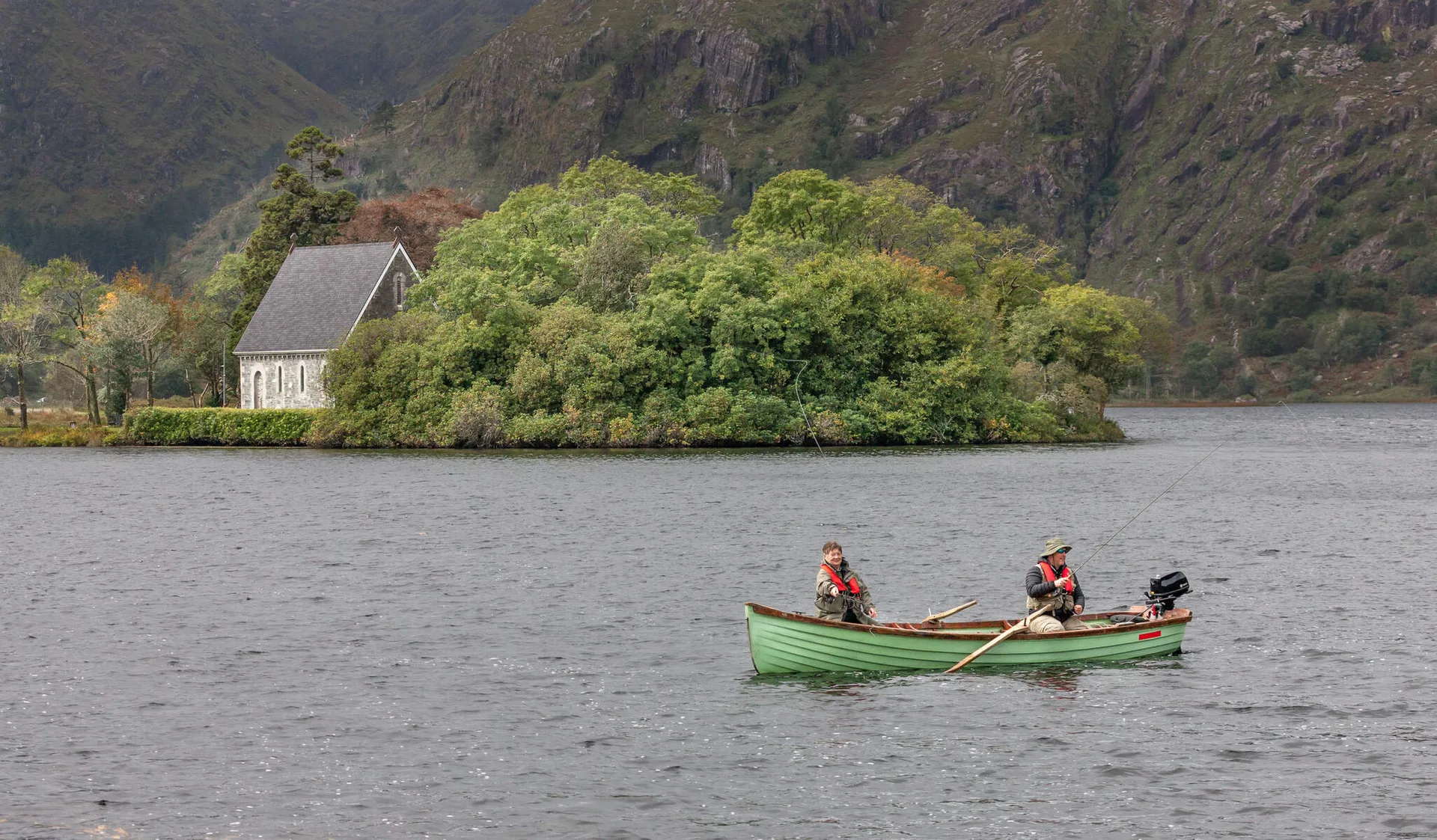
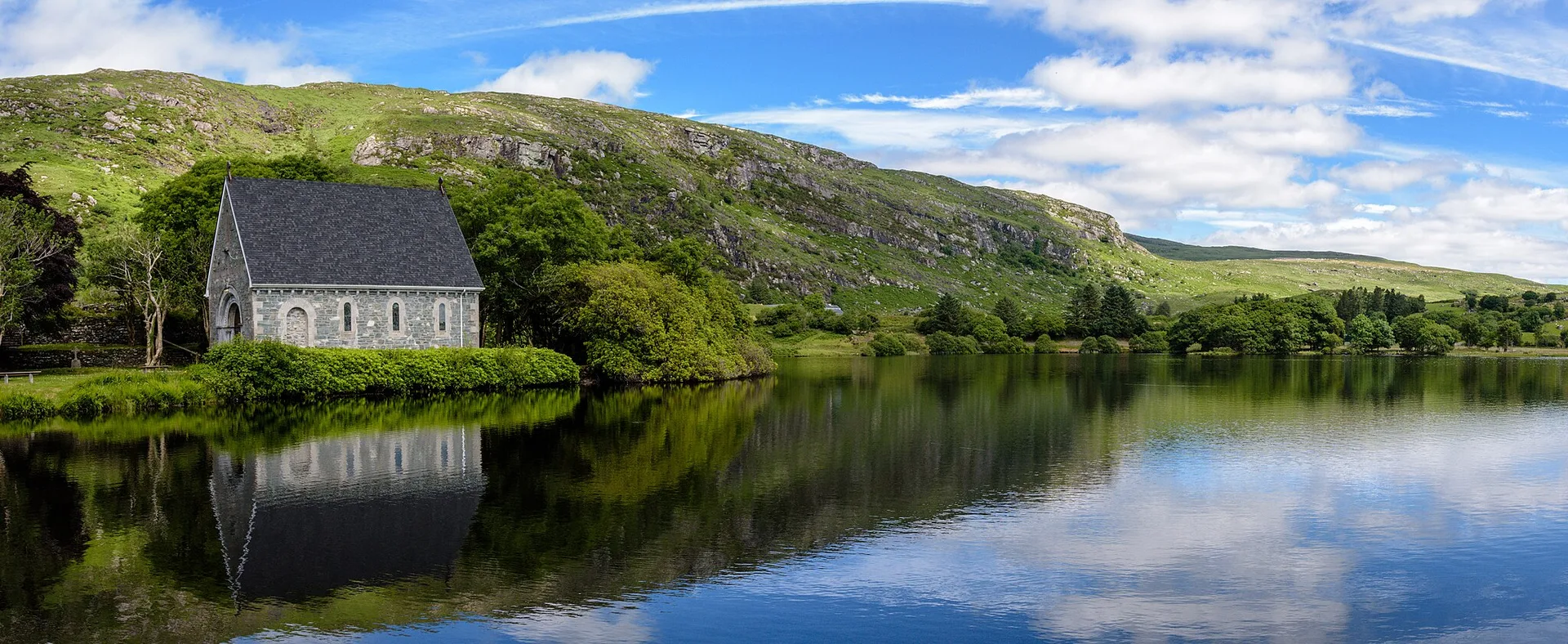
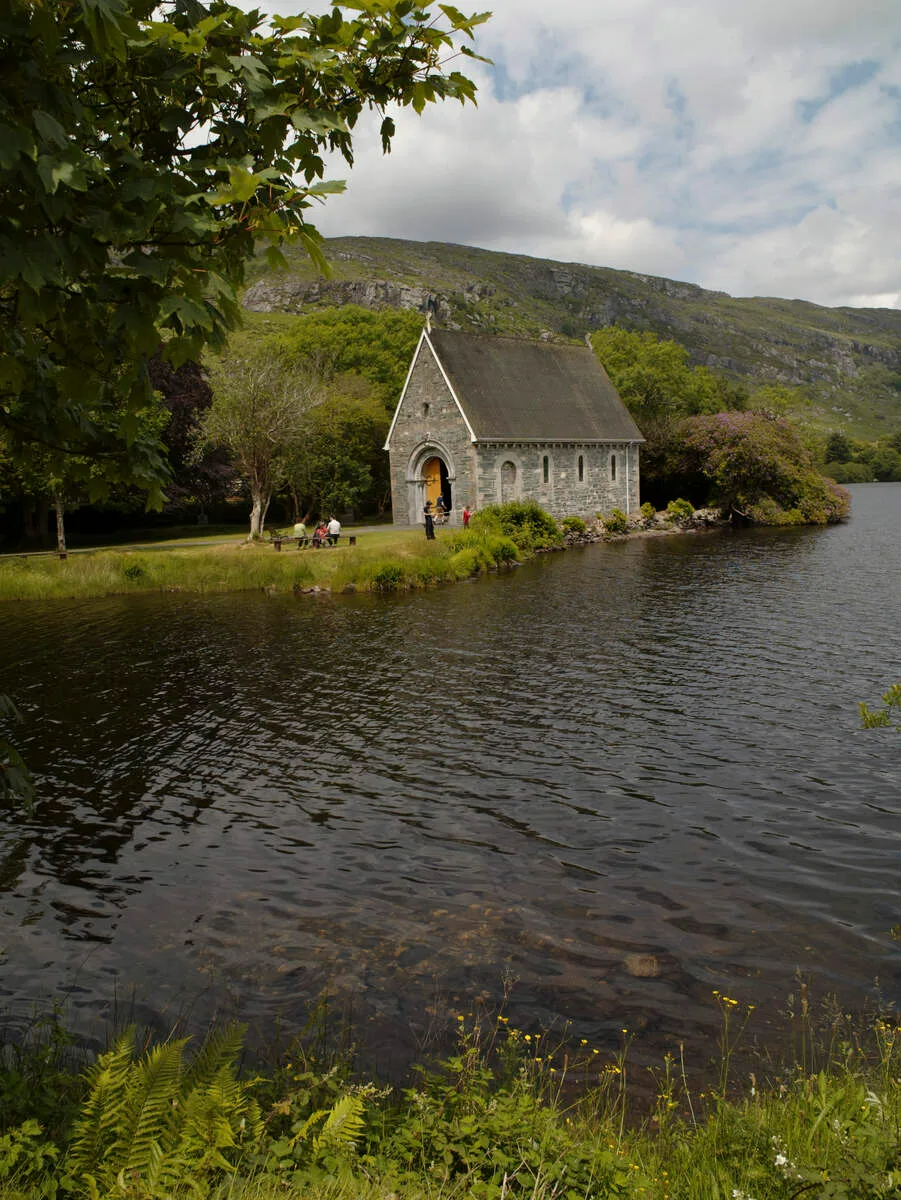
There is a moment on the second day of St Finbarr's Way when the road ends and the path drops into the valley above Gougane Barra. The Shehy Mountains close in on three sides. The forest thickens. The noise of the world behind you — Cork city, the traffic, the ordinary routine — becomes impossible to imagine. And then the lake appears below, perfectly still, the small oratory on its island reflected in the water as it has been for fifteen centuries.
That moment is why people walk this route.
This St Finbarr Pilgrim Path Cork walking route is a 45 km pilgrimage in County Cork, walking from Cork city through the Lee Valley and the Shehy Mountains to Gougane Barra — the remote mountain lake where Saint Finbarr established his first monastery around 600 AD. It is one of Ireland's most beautiful walking routes, and one of the most underrated. The Kerry Way gets the attention, the Wicklow Way gets the walkers. St Finbarr's Way gets something rarer: genuine quiet, extraordinary scenery, and the sense of following a path that has meant something to people for a very long time.
I recommend it to walkers who want more than a walk. If you're drawn to the pilgrim path tradition, or simply to the idea of a route that arrives somewhere genuinely significant — this is it.
Who Was Saint Finbarr?
Saint Finbarr — Fionnbarra in Irish, meaning "fair-headed" — was one of the defining figures of early Irish Christianity. Born around 560 AD, probably in County Cork, he studied under various monastic teachers before establishing his own community at Gougane Barra, a place so remote and beautiful that the choice seems both obvious and inspired.
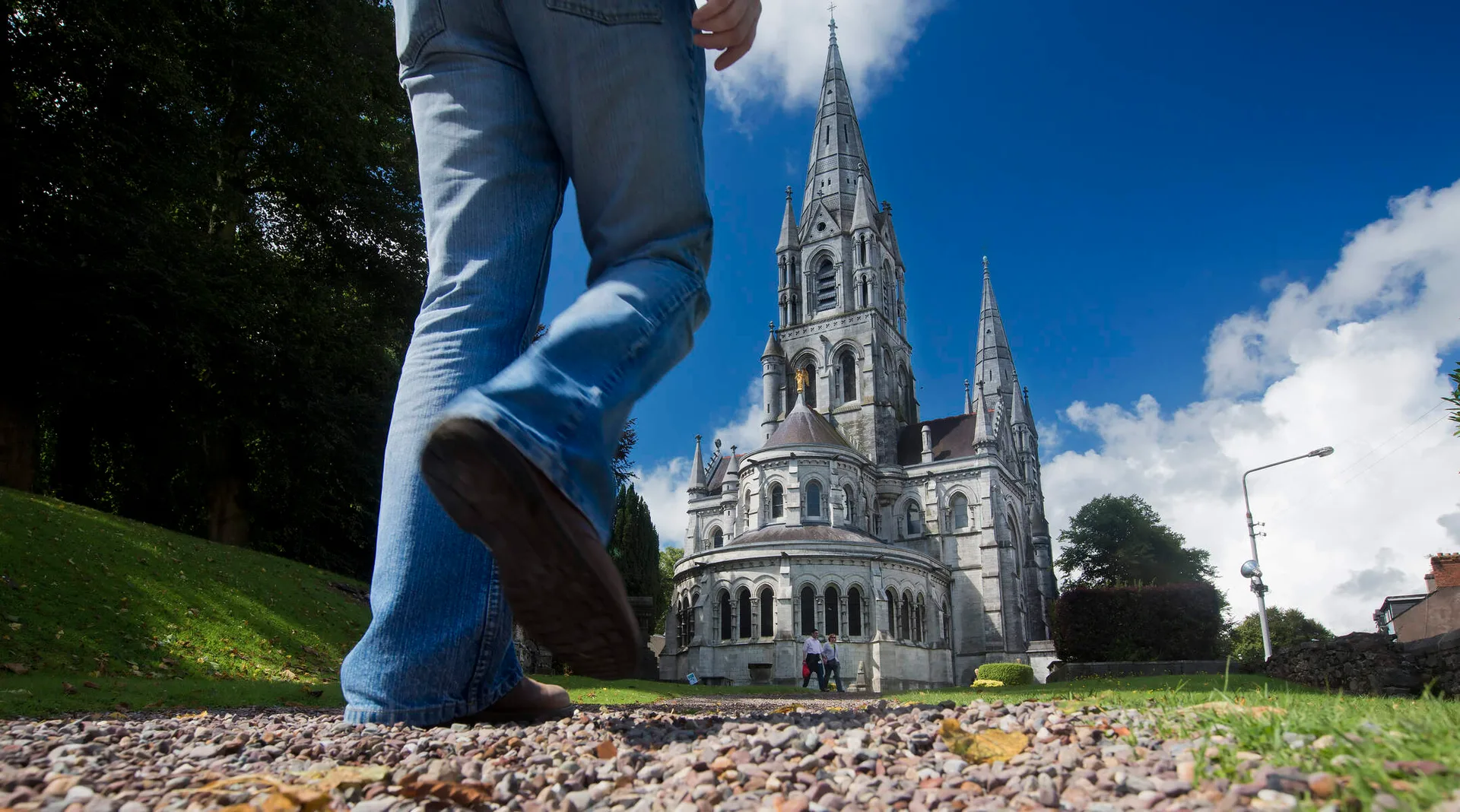
From Gougane Barra, Finbarr later moved east to found a larger monastery at the mouth of the River Lee — the site that would grow into Cork city. He is Cork's patron saint, and his name is still everywhere in the city: streets, churches, the cathedral. But the place that bears his spiritual fingerprint most deeply is the one he chose first: the mountain lake in the Shehy Hills, 40 km to the west.
The pilgrimage route connecting Cork city to Gougane Barra is named in his honour. Walking it in his direction — from the city he founded back toward the hermitage where he began — is a journey against the current of history. Which gives it a particular quality.
For more on the early Irish monastic tradition and the broader context of Ireland's pilgrim paths, our full pilgrim paths guide covers the subject in depth.
The Route: Cork City to Gougane Barra
St Finbarr's Way covers 45 km over 2 to 3 days. The daily stages are:
Day | Section | Distance | Terrain |
|---|---|---|---|
Day 1 | Cork city to Macroom | 25 km | Roads, river paths, gentle farmland |
Day 2 | Macroom to Gougane Barra | 20 km | Mountain roads, forest, upland paths |
Most walkers spread the route across three days, shortening Day 1 with an overnight in Ballincollig or Crookstown and allowing a full rest day at Gougane Barra itself. I'd recommend that approach. The valley deserves more than an arrival and a departure.
Day 1: Cork to Macroom
The route leaves Cork city on the south bank of the River Lee, following the river west through the Lee Valley. This first section transitions gradually — city walking gives way to suburban roads, then to quiet farmland and river valley, the Lee widening and narrowing as the valley opens and closes around you.
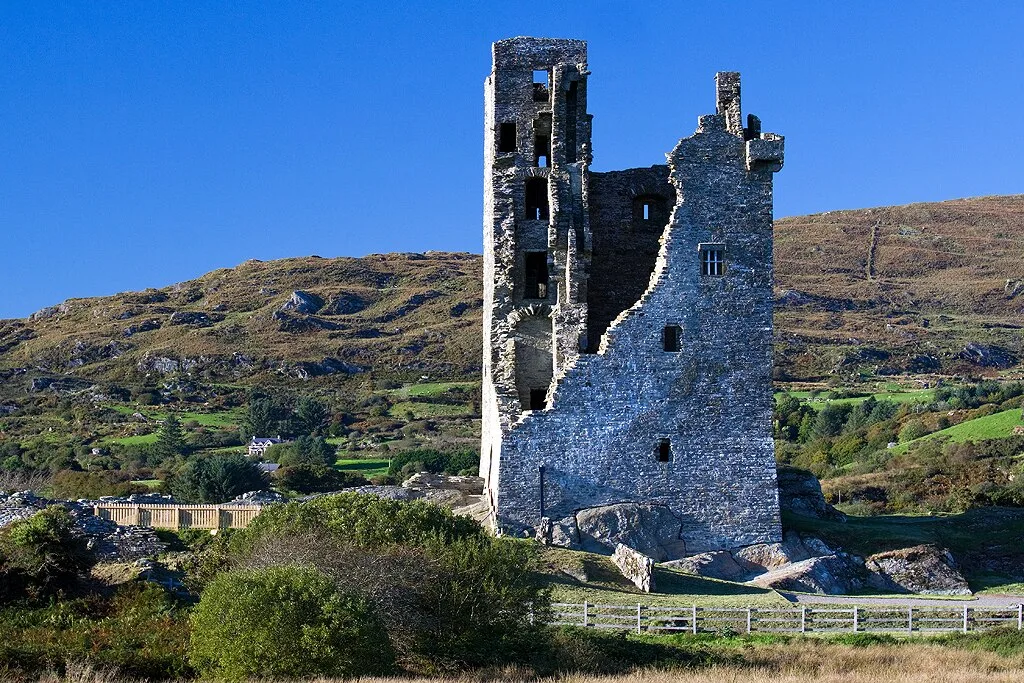
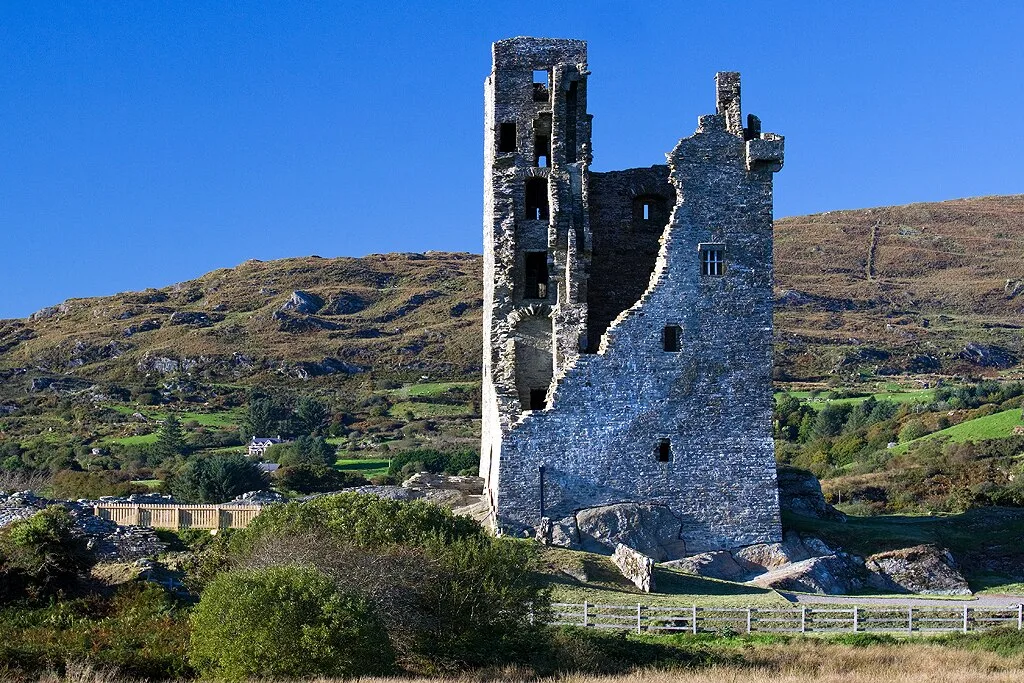
Macroom is a market town in mid-Cork with a ruined castle at its centre, good accommodation, and solid pub food. It makes an excellent overnight stop: well-served with facilities and large enough to feel like a proper evening out after the day's walking, but small enough to feel genuinely Irish rather than touristic.
The 25 km from Cork to Macroom is the longest day of the walk and the most varied in character. Start early if you can.
Day 2: Macroom to Gougane Barra
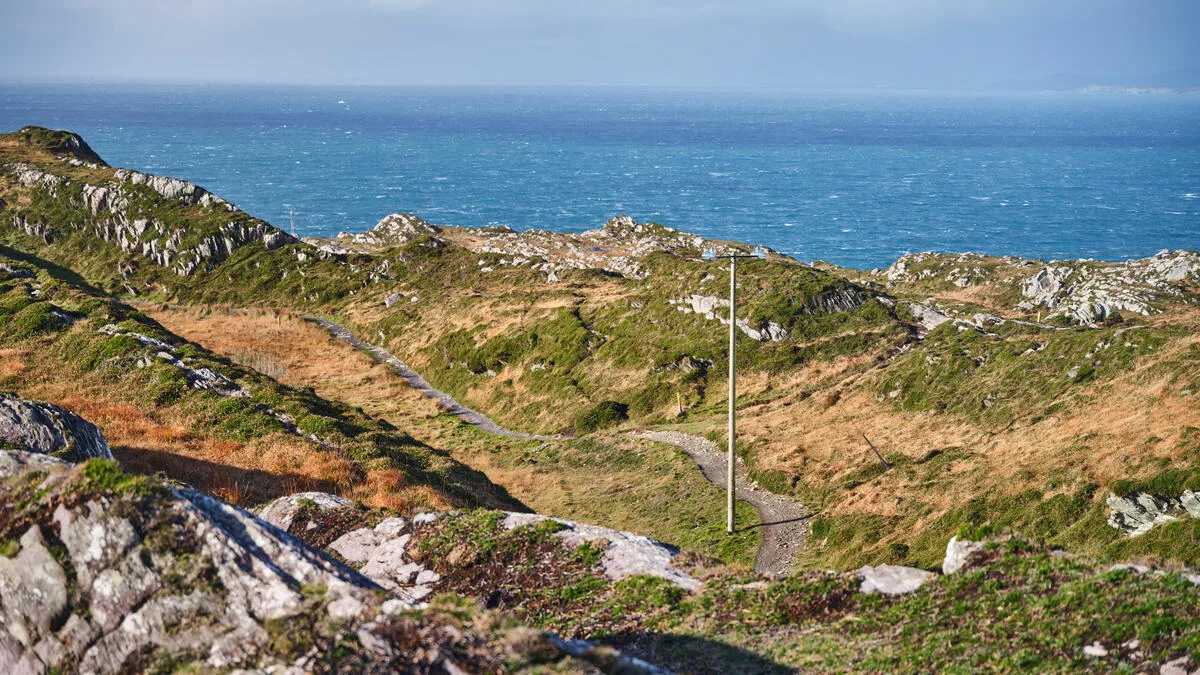
The second day is shorter in distance but richer in drama. The route climbs steadily west from Macroom, leaving the farmland behind as the Shehy Mountains assert themselves and the landscape becomes wilder and more enclosed.
The approach to Gougane Barra Forest Park through the forest is one of the finest sections of walking in County Cork — mature woodland closing overhead, the sound of the Owengarriff River below, the path narrowing as the valley narrows. The descent to the lake arrives without warning. One moment you're in the trees. The next, the valley opens and the lake is there.
Gougane Barra: The Destination
Gougane Barra is not a place you pass through. It is a place you arrive at.
The valley is small — enclosed on three sides by mountains, the lake filling its floor, the forest rising steeply above the water. On the island in the lake sits St Finbarr's Oratory, a small stone chapel in the Romanesque revival style, connected to the shore by a short causeway. Around it stand the remains of the original 8th-century monastic cells.
People have been coming here to pray, to reflect, and simply to sit in silence for fifteen hundred years. That continuity is palpable. This is one of the few places in Ireland that feels genuinely sacred regardless of whether you approach it with religious faith or not.
What to do at Gougane Barra:
Walk the small circuit around the lake shore (45 minutes, gentle)
Visit the oratory and the monastic ruins on the island
Walk into Gougane Barra Forest Park — the mature woodland paths above the lake are outstanding
Sit by the water in the evening when the day-trippers have gone
The Gougane Barra Hotel sits at the valley entrance and serves food to non-residents. After two days walking from Cork, the dinner there tastes like something deserved.
Practical Information
Distance, duration, and difficulty
The St Finbarr Pilgrim Path Cork walking route is graded as moderate. The terrain is varied — road sections, riverside paths, forest tracks, and some open upland walking on the approach to Gougane Barra. There are no technically demanding sections. The elevation gain is gradual rather than severe.
Our tour grading guide explains exactly what moderate means in terms of daily effort and fitness requirements. St Finbarr's Way is accessible to regular walkers who are comfortable with consecutive days of 15 to 25 km.
When to walk
April to May — the forest is at its most vivid, wildflowers line the Lee Valley, and the route is uncrowded. Spring light in Gougane Barra is exceptional.
September to October — autumn is the season I'd recommend most. The colours in Gougane Barra Forest Park are outstanding from mid-October, the weather is typically stable, and the valley is at its quietest after the summer visitor season.
June to August — reliable weather and long daylight hours, but Gougane Barra can be busy with day-trippers at weekends. Walk to arrive on a weekday if possible.
See our seasonal guide for Irish pilgrim path walking for detailed month-by-month guidance.
What to bring
The route passes through exposed upland terrain on the Macroom to Gougane Barra section. Good waterproofs are essential regardless of the forecast — west Cork weather is its own thing. Our layering guide for hiking and how to prepare for a hike cover the kit essentials.
Accommodation along the route
Cork city — wide range of options for the pre-walk overnight
Ballincollig or Crookstown — mid-route options if you want to shorten Day 1
Macroom — the recommended Day 1 overnight; good selection of B&Bs and guesthouses
Gougane Barra — the Gougane Barra Hotel is the only accommodation in the valley itself; book well in advance, particularly for weekends in spring and autumn
We handle all accommodation booking and luggage transfers on our self-guided walking holidays in Ireland. Your bags move between stops each day while you walk with just a daypack.
St Finbarr's Way in the Context of Ireland's Pilgrim Paths
St Finbarr's Way is one of several significant pilgrim routes in Ireland that have been revived or formalised in recent decades. The tradition of walking to sacred sites — Gougane Barra, Croagh Patrick, Lough Derg — stretches back to the early Christian era and continues today with walkers of all backgrounds and motivations.
Our full guide to Ireland's pilgrim paths covers all the major routes: the Tochar Phádraig to Croagh Patrick, the Slí Cholmcille in Donegal, Cnoc na dTobar in Cavan, and the Lough Corrib Circuit. If St Finbarr's Way appeals to you, there's a good chance you'd find those routes equally compelling.
Before walking any pilgrim path, our checklist for pilgrims hiking religious routes in Ireland is worth reading — it covers appropriate behaviour at active sacred sites, physical preparation, and practical logistics.
Why St Finbarr's Way Is Worth Your Time
The excerpt for this article describes St Finbarr's Way as "perfect for hikers seeking spiritual experience without extreme difficulty" — and that's accurate as far as it goes. But it undersells what the route actually delivers.
This is not a gentle alternative to a harder walk. It is a walk with its own particular character — the gradual move from city to countryside to mountain valley, the accumulation of landscape over two days, and then the arrival at Gougane Barra, which earns its reputation. Most walkers who complete it describe it not as their easiest Irish walk but as one of their most memorable.
The route also matters in a way that purely scenic walks don't. Finbarr walked this ground fourteen centuries ago. The path has carried pilgrims, monks, ordinary people seeking something — through famine years, through history's various upheavals — and it is still carrying walkers today. That continuity is part of what you feel when you arrive at the lake.
Ready to Walk St Finbarr's Way?
If you'd like to discuss the route — timing, accommodation, how to combine it with other walks in Cork or Kerry — drop me a message through the contact page or WhatsApp me on +353 87 957 3856.
You might also want to explore our full range of self-guided walking holidays in Ireland — St Finbarr's Way pairs well with the Kerry Way or the Dingle Way for walkers with a week or more in the southwest.
— Cliff, Walking Holiday Ireland
You Might Also Enjoy
Seasonal Guide to Irish Pilgrim Path Walking
Ancient Traditions and Irish Heritage Pilgrimage
Checklist for Pilgrims Hiking Religious Routes in Ireland
Frequently Asked Questions
Are the trails well-marked?
What kind of boots should I wear?
What is the most popular route?
What are the most essential items to pack for a walking holiday in Ireland?
Photo Gallery