Walking Festivals in Ireland 2026: Your Complete Calendar
Walking festivals in Ireland 2026 offer something genuinely magical. Unlike solo hiking, these events wrap your love of the outdoors in community, music and celebration. You'll meet fellow walkers from around the world, share stories over local food, and discover routes you'd never have found alone. Whether you're a seasoned hiker or just discovering your walking legs, walking festivals in Ireland 2026 offer something for everyone.
I've spent years guiding people through Irish mountains and valleys, and I've noticed that walking festivals capture the true spirit of what makes Ireland special: genuine hospitality, dramatic landscapes, and the kind of camaraderie that happens when you're all breathless at the same hilltop.
Spring Walking Festivals Ireland 2026: May's Premier Events
Spring transforms Ireland into a garden of possibility. The days stretch longer, wildflowers explode across the hillsides, and the weather is more cooperative than you might expect.
The Ballyhoura International Walking Festival in May draws thousands to County Limerick. What makes Ballyhoura special isn't just the terrain — though the trails through the Ballyhoura Mountains are genuinely striking. It's the scale of choice. You'll find walks ranging from gentle 6-kilometre morning strolls to demanding 25-kilometre adventures through forest and moorland. The genius of festival walking is that you can adjust your day based on how you're feeling. Too tired after yesterday's big walk? There's a café walk on the social schedule. Feeling strong? Join the advanced group tackling the ridge routes. And here's an insider tip: the evening ceilidh dancing isn't just for show — it's how you meet the locals running tomorrow's guided walks.
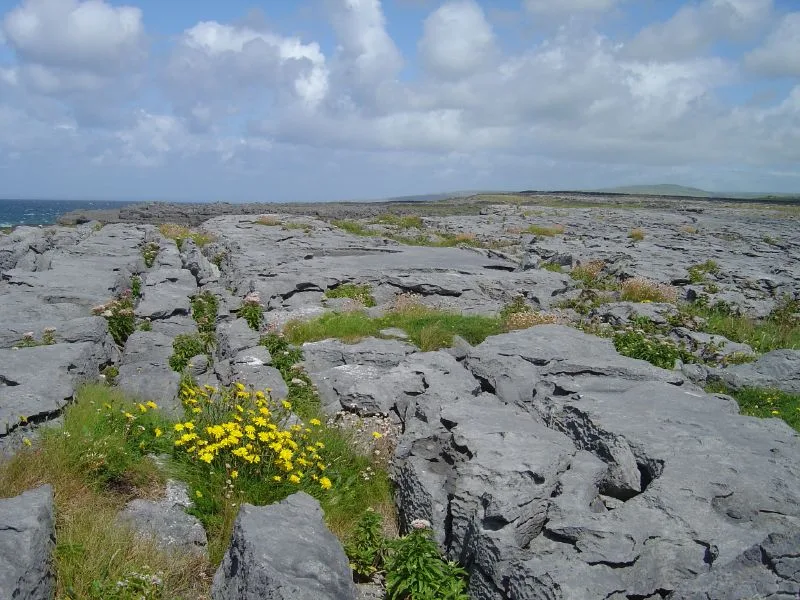
Over in County Clare, the Burren in Bloom Walking Festival also kicks off in May, and it's a completely different experience. The Burren is one of Europe's most unique landscapes — a stark, lunar terrain of limestone pavement where wildflowers somehow thrive in impossible places. The festival guides are typically botanists or geologists, so you're not just walking — you're learning. Festival walks often include visits to local villages where you'll taste farmhouse cheese and hear stories about the land.
Summer Adventures: June Through August
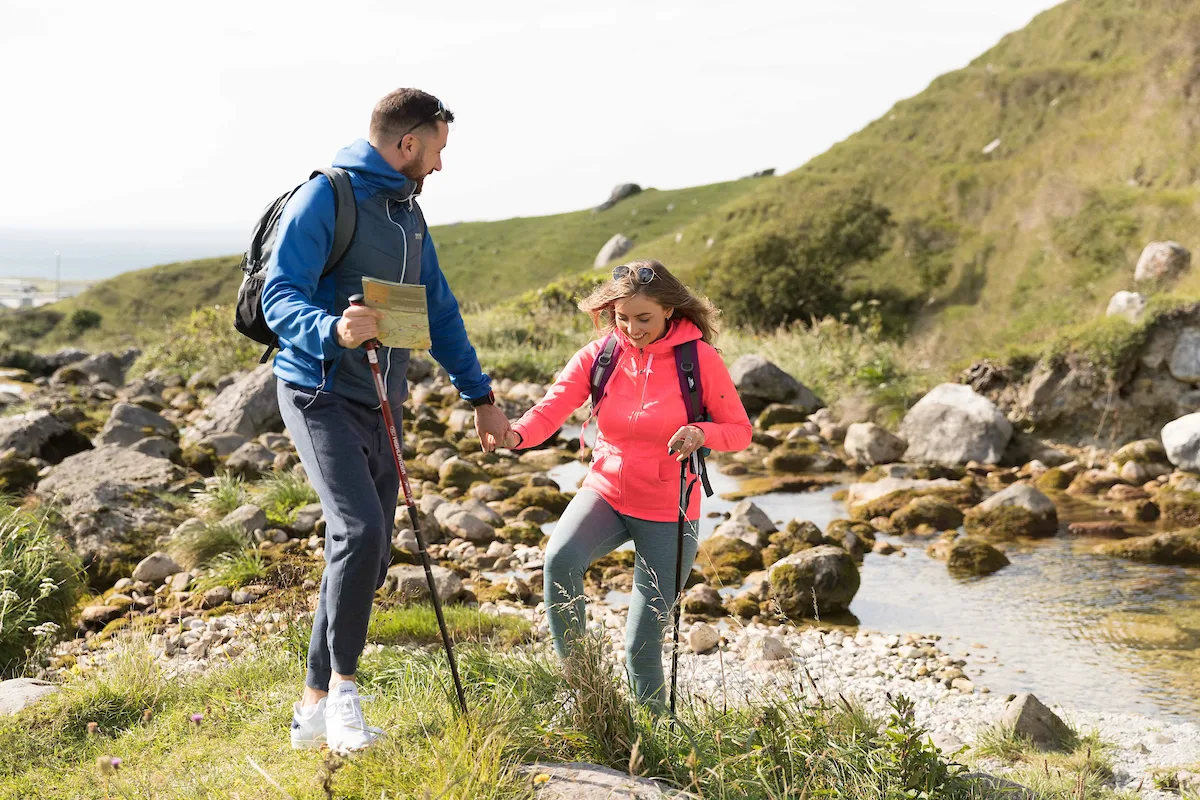
Summer is when Ireland truly comes alive, and the walking festival calendar reflects that energy. The nights barely darken, the weather cooperates more often than not, and the islands become accessible for their own celebrations.
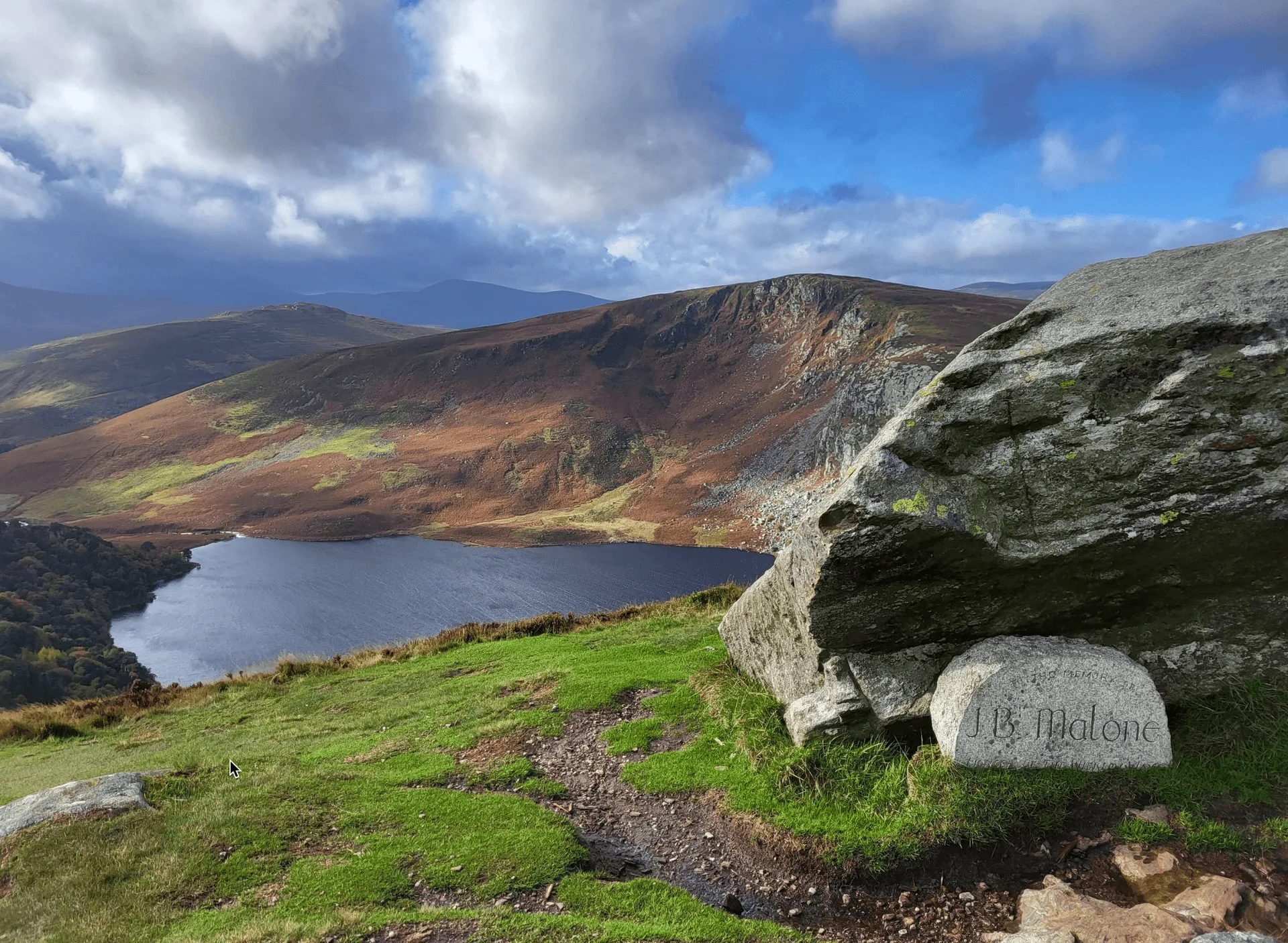
June brings the Four Peaks Challenge, a gathering for walkers who want to test themselves in a supportive environment. This festival focuses on Ireland's most iconic mountains — Carrauntoohil, Magheramore, Lugnaquillia and Slieve League. The festival provides experienced guides, accommodation options and social events built around celebrating completion. I've seen walkers achieve things they thought impossible, simply because they had a community cheering them on.
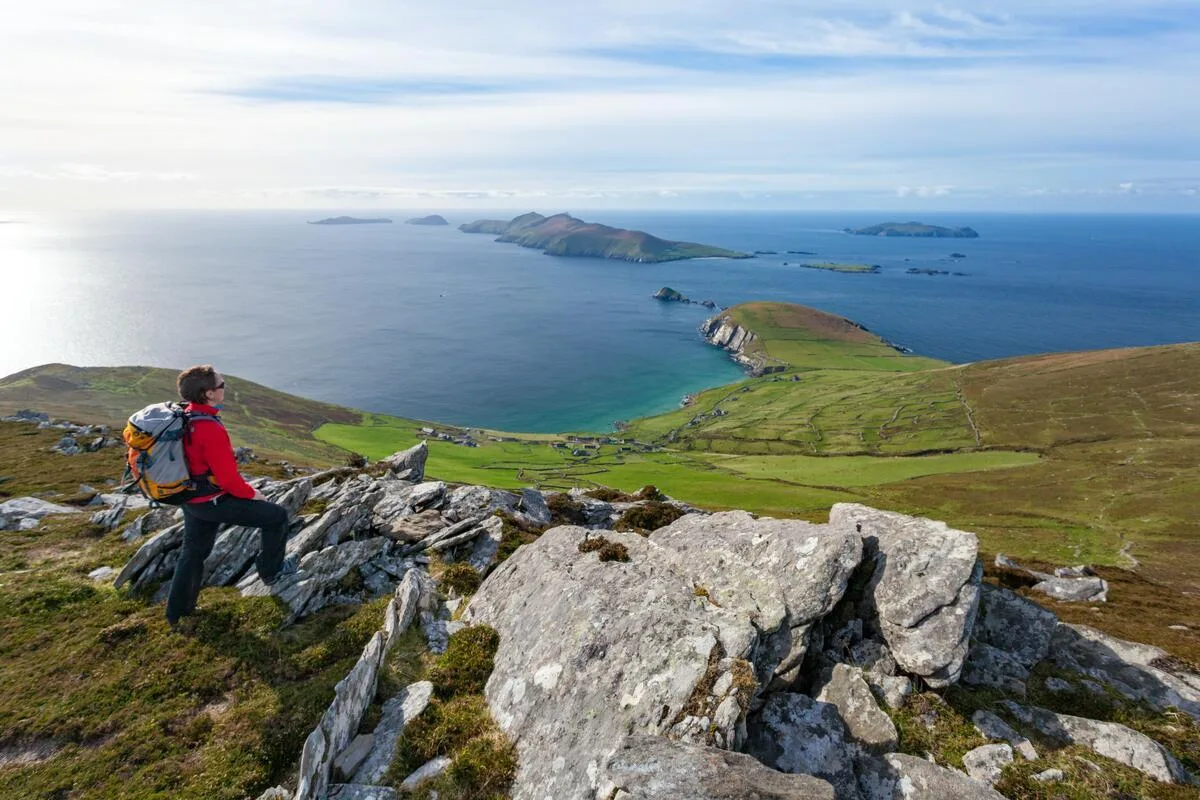
July is prime time, and the Achill Island Walking Festival draws devoted hikers to one of Ireland's most dramatic coastal landscapes. Achill Island is raw and real — towering sea cliffs, Atlantic breezes, and mountains that drop straight into the ocean. The festival typically runs for two weeks, so you can dip in for a few days or fully immerse yourself. There's something about walking where the land meets the Atlantic that recalibrates your entire sense of perspective.
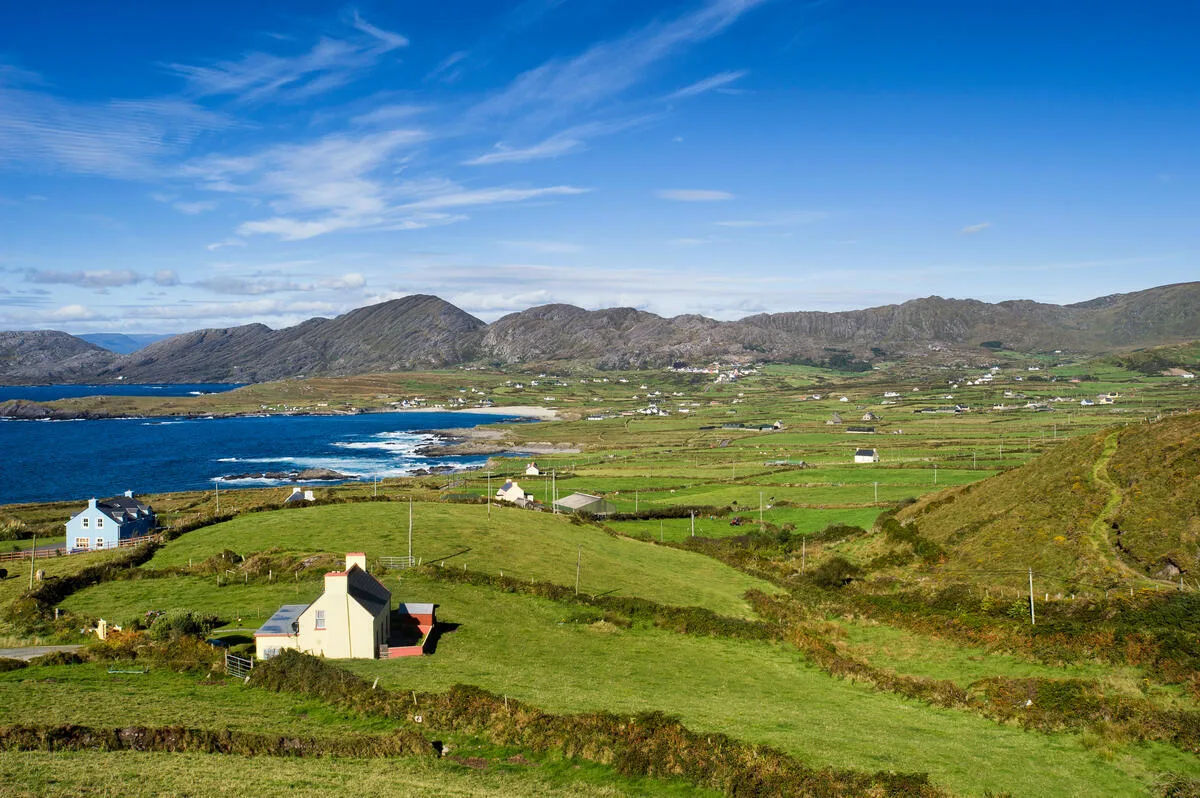
Also in July, the West Cork Walking Festival offers a completely different flavour. West Cork is Ireland's southwest corner, known for gentle green valleys, friendly small towns and a slower pace. The festival walks here tend to be more accessible, winding through farmland, along riverside paths and through working villages. This is where you taste the best of rural Irish life — the kind of place where your guide knows everyone and coffee tastes better because the café owner remembers you from yesterday.
Autumn's Golden Opportunity: September and October
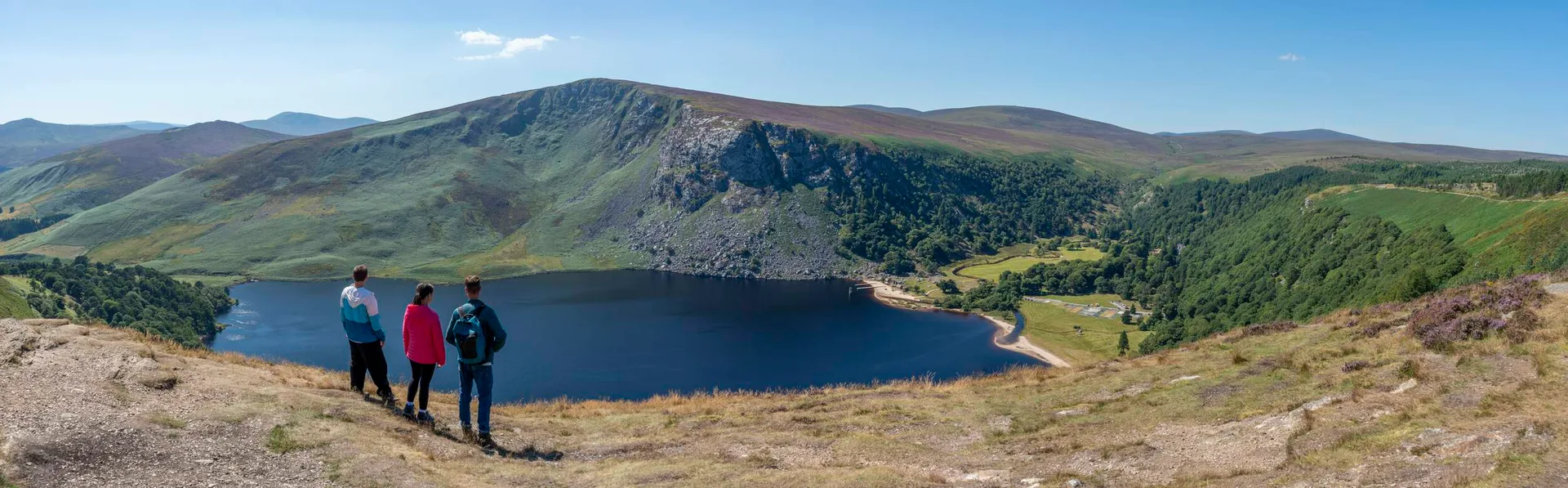
As summer fades, autumn brings clearer skies and a particular kind of beauty. The tourist crowds thin out, the light turns golden, and the mountains show their true colours.
The Blackstairs Walking Festival in September covers the Blackstairs Mountains straddling the Waterford and Carlow border. This is one of Ireland's lesser-known festival destinations, which means smaller crowds and a more intimate experience. The walks are excellent — challenging ridge routes, forest trails and valley paths — but what distinguishes this festival is the emphasis on local food and craft.
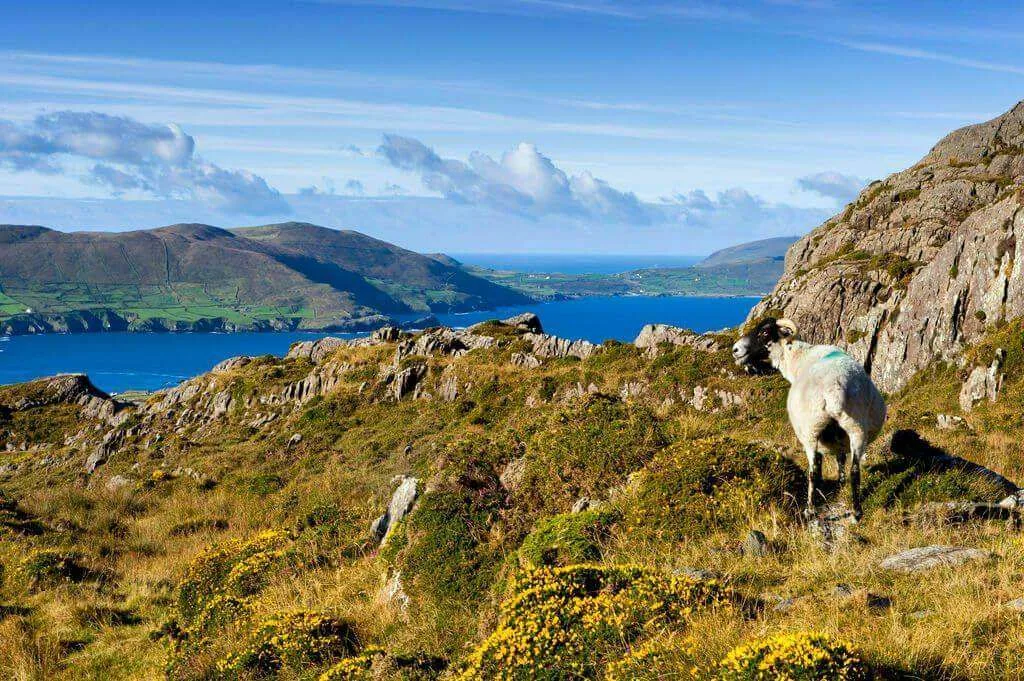
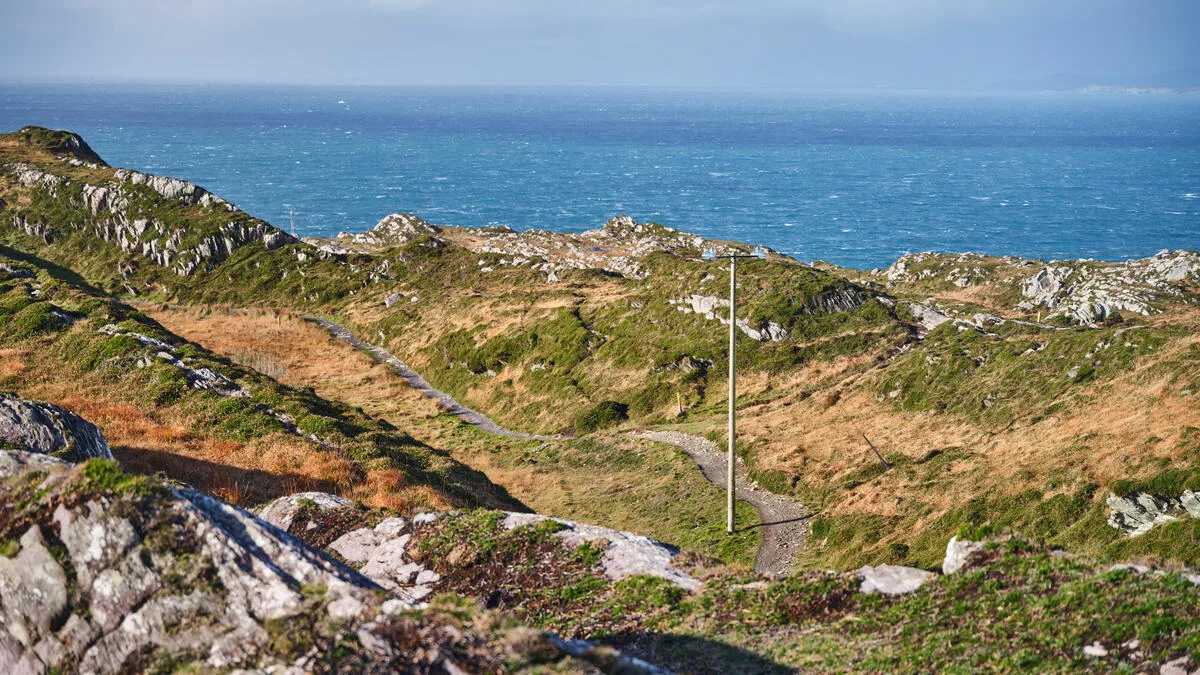
October brings the Sheep's Head Walking Festival, set on a peninsula in West Cork that juts dramatically into the Atlantic. The Sheep's Head is a walker's secret — a long, narrow finger of land with mountains on either side and sea views everywhere. Walks range from short coastal paths to serious mountain routes, and the social programme is legendary. These are the events where lifelong friendships form.
Winter's Quiet Celebrations
Winter walking in Ireland is underrated. The clarity is unmatched, winter light is golden and sharp, and the mountains wear their bones more visibly.
Many Irish towns organise New Year walks — community events that combine gentle morning routes with post-walk celebrations. These aren't massive commercial festivals. They're local gatherings where townspeople and visitors walk together, then gather for hot drinks and storytelling. If you want authentic Irish community, this is it.
Christmas charity walks run throughout December, supporting local causes. The walking is gentle, the atmosphere festive, and the knowledge that you're supporting the community adds warmth beyond the hot chocolate afterward.
What to Expect at Walking Festivals Ireland 2026
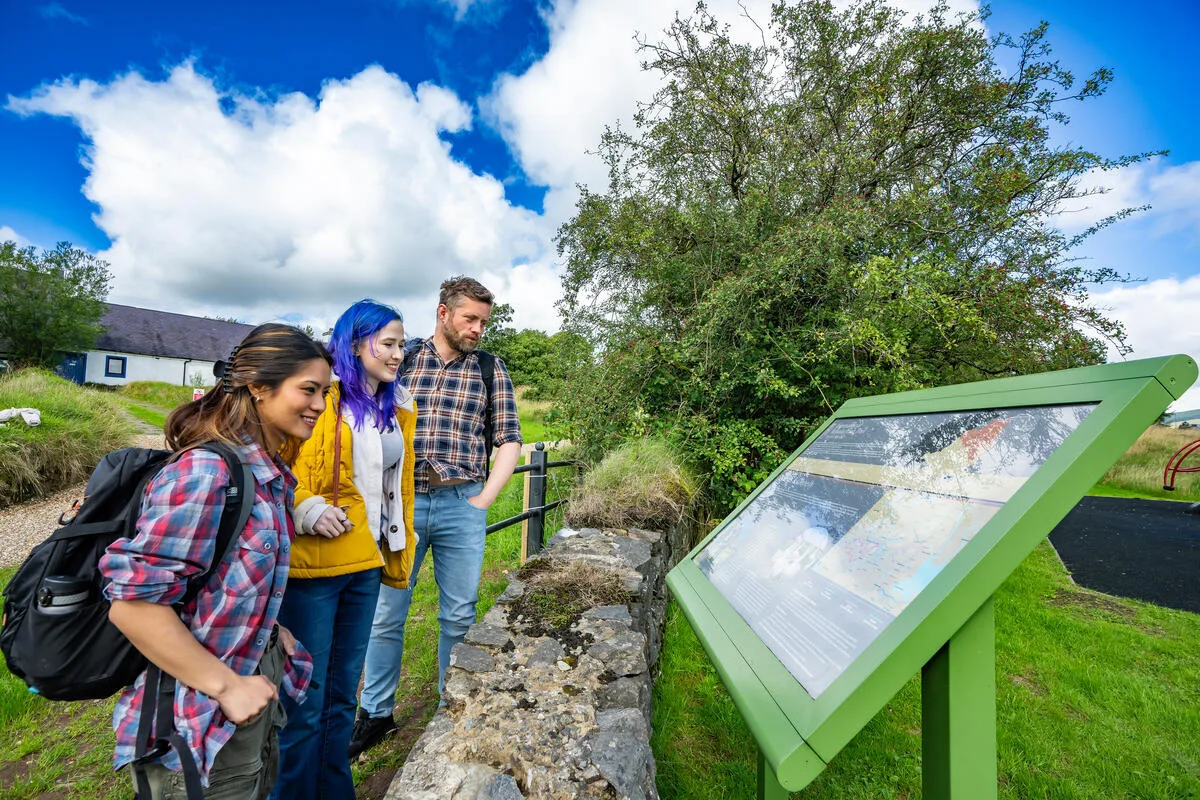
You'll arrive and register, then receive a programme with all available walks graded by difficulty. Most festivals use a simple system: gentle, moderate and challenging. Pick walks that honestly reflect your fitness and experience.
Each walk has a guide, and here's what makes Irish guides special: they're not just navigation tools. They're storytellers, amateur naturalists and people who genuinely care about your experience. A guide will adjust pace to the group, wait for stragglers, and stop at a viewpoint not just to catch breath but to share why the view matters.
After walking comes the social part, which is honestly why many people return year after year. Evening events vary but typically include local food, live music and casual conversation with other walkers. You'll meet people from Germany, Australia, Japan and Dublin, all united by the simple joy of moving through landscape together.
Tips for Festival Season
Book accommodation well ahead, especially for May and July festivals. Festival weeks attract visitors far beyond the walkers themselves, and good places fill quickly. Consider staying in smaller villages within the festival region rather than major towns — you'll get better local experience and often better value.
Pack layers, genuinely more than you think you'll need. Irish weather is famously changeable, and what starts as a fresh spring morning can become a blustery afternoon. Bring a good waterproof, sun cream and decent walking boots that are already broken in.
Attend the social events even if you're tempted to retreat to your accommodation. This is where the festival magic happens. You'll hear stories about routes, meet guides outside the official context, and discover recommendations for further exploration.
Walking Festivals Versus Self-Guided Holidays
A walking festival is a taster — a guided experience that introduces you to a region, removes all logistics stress, and connects you immediately to community. It's perfect for testing your fitness, discovering whether you like hiking with others, or exploring a region before planning deeper visits.
A self-guided walking holiday — the kind we specialise in — is immersion. You walk at your own pace, stay longer in places that captivate you, create your own rhythm, and develop a genuine relationship with the landscape. Many of our walkers start with a festival, then return for a self-guided week the following year. The festival shows them what's possible; the self-guided experience lets them own it. Explore our Wicklow Way tour to experience Ireland's most iconic walking route.
Plan Your 2026 Calendar
Walking festivals in Ireland 2026 are packed with possibility. Start with geography — are you drawn to mountains, coastal paths or countryside walks? Check festival dates and book accommodation immediately. And come with an open mind and good boots.
These festivals aren't about achieving athletic goals or collecting mountain summits. They're about belonging, discovering, and experiencing Ireland the way it's meant to be experienced: one step at a time, with friends — some old, some you haven't met yet. Consider exploring the family-friendly hiking trails if you're planning to bring the whole family.
Note: all dates mentioned are approximate for 2026. Check individual festival websites for confirmed dates as they're announced.
Frequently Asked Questions
Can I hike all year round in Ireland?
Yes. Ireland's mild climate means trails are open and walkable in every month.
Summer (June–August) brings the longest days and best visibility, but also the most crowds.
Spring and autumn are ideal — quieter trails, softer light, and temperatures that suit long days on your feet.
Winter hiking is absolutely possible on lower-level routes, but shorter daylight hours and wetter conditions require more planning.
Whatever the season, layers and waterproofs are essential. Irish weather can change quickly, and that's as true in July as it is in January.
Photo Gallery