Giant's Causeway Walk: Trails, Times & Cliff Paths
Giants Causeway Walk: Complete Guide to Northern Ireland's Most Famous Path
When you set out on a giants causeway walk along the cliff path above this UNESCO World Heritage Site, the Atlantic opens up beneath you, the hexagonal columns come into view far below, and the sheer strangeness of the place hits you properly for the first time. No photo quite prepares you for it. Around 40,000 interlocking basalt columns—some tall and narrow, like organ pipes, others worn smooth by the sea into stepping stones that seem to lead straight into the waves. It's one of Ireland's most extraordinary landscapes, and the best way to experience it is on foot.
Whether you're planning a short giants causeway walk along the cliff tops or tackling the full causeway coast walk over several days, this guide covers the routes, the practical details, and the things you won't find in the standard leaflets.
What You'll See at the Giants Causeway Ireland
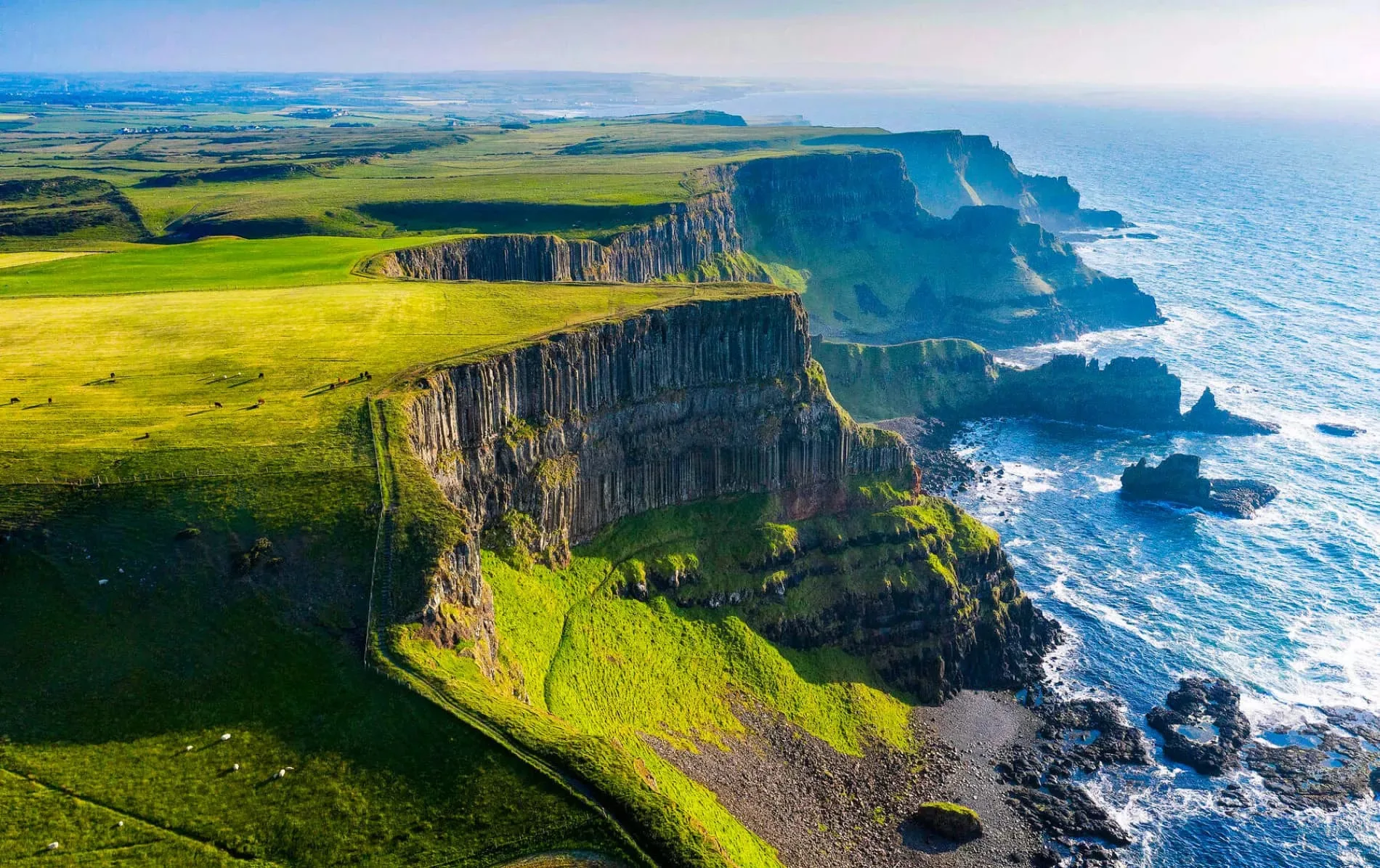
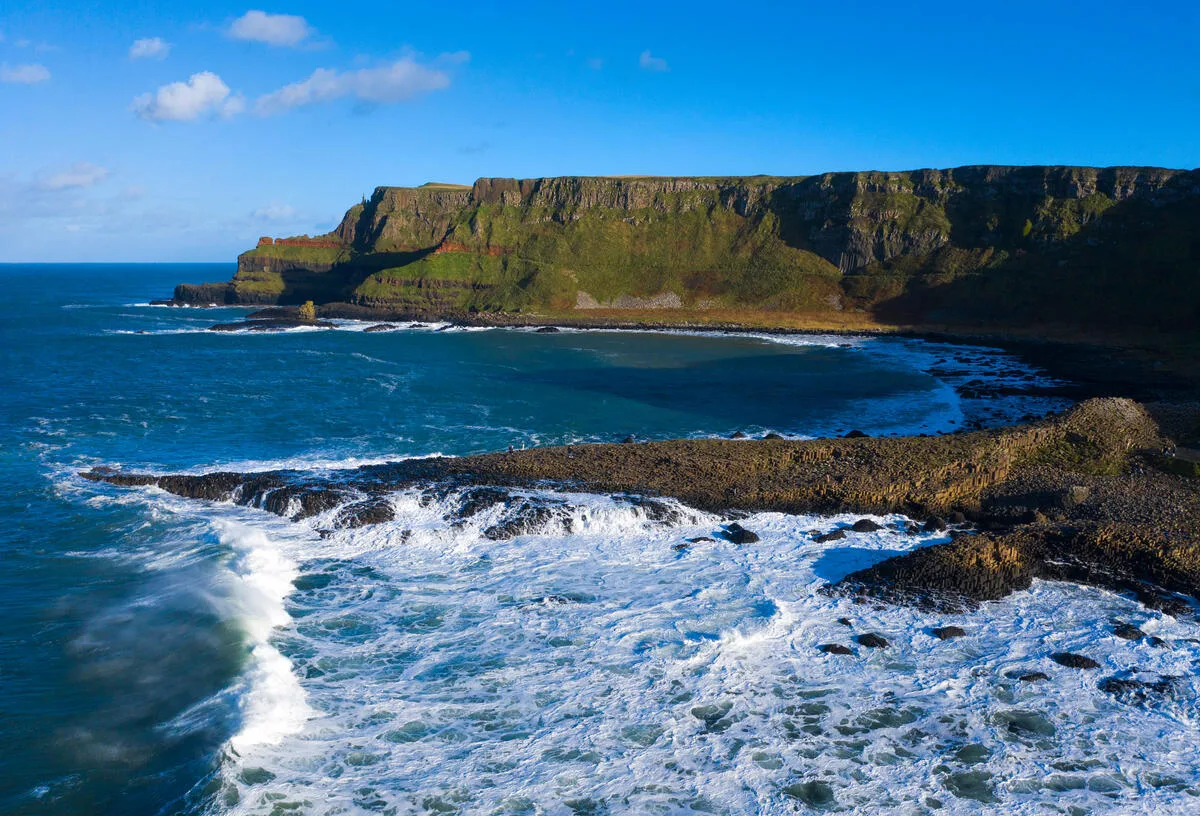
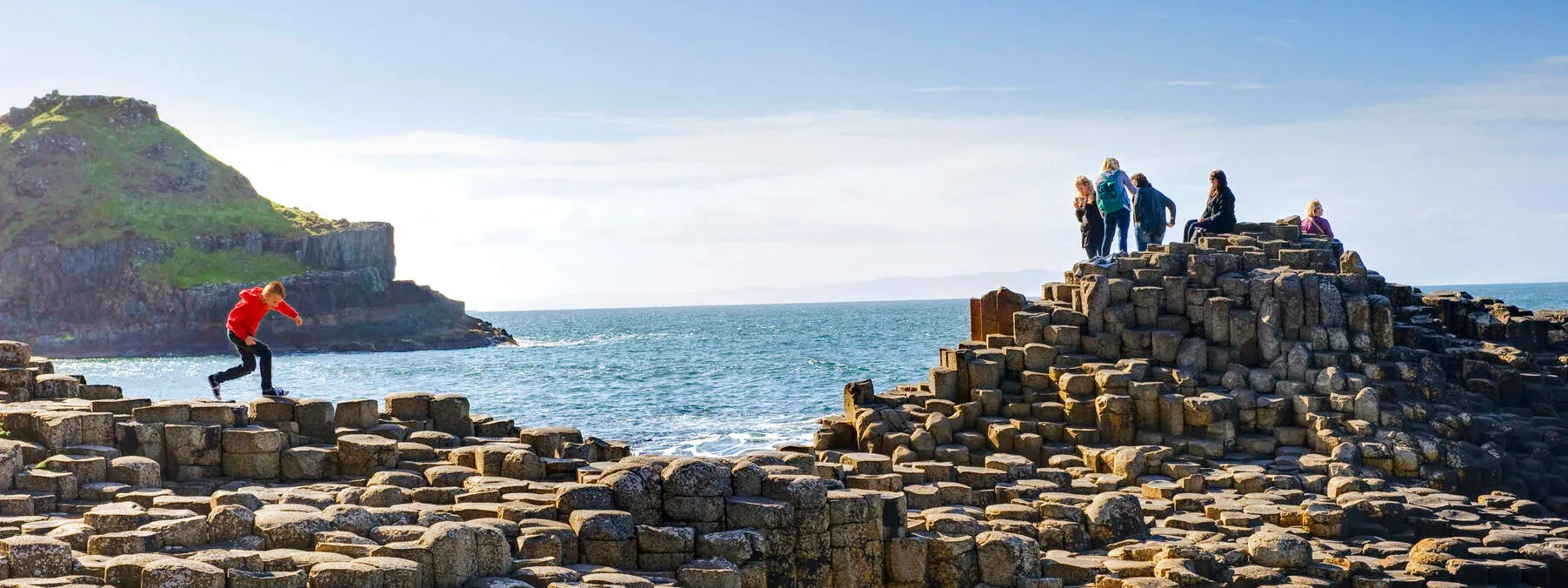
The columns themselves are the star attraction—they were formed around 60 million years ago when molten basalt cooled and cracked into those distinctive geometric shapes. Most are hexagonal, though if you look closely you'll spot some with five, seven, or even eight sides. The tallest stands about 12 metres high, and the formation extends out beneath the sea for several hundred metres.
Geologists have a perfectly good explanation for all of these formations. But the locals have a better one.
The legend goes that the Irish giant Finn McCool built the causeway as a bridge to Scotland, where his rival Benandonner was talking tough from the other side of the sea. When Finn crossed over and discovered Benandonner was considerably larger than expected, his wife Oonagh disguised him as a baby. Benandonner took one look at the size of Finn's "infant" and fled back across the causeway, tearing it up behind him — which is why only the two ends remain, here and at Fingal's Cave on the Scottish island of Staffa.
You'll notice the formations have names that lean into the legend: the Giant's Boot, the Wishing Chair, and the Giant's Organ. They're fun to spot as you explore the rocks, and the audio guide from the visitor centre fills in the stories nicely.
Giant's Causeway Walk Routes
The Cliff-Top Experience (5 km Circuit)
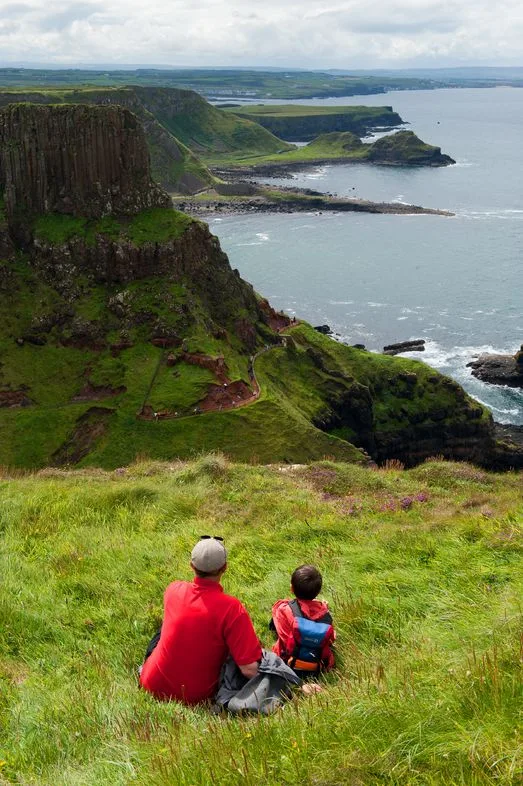
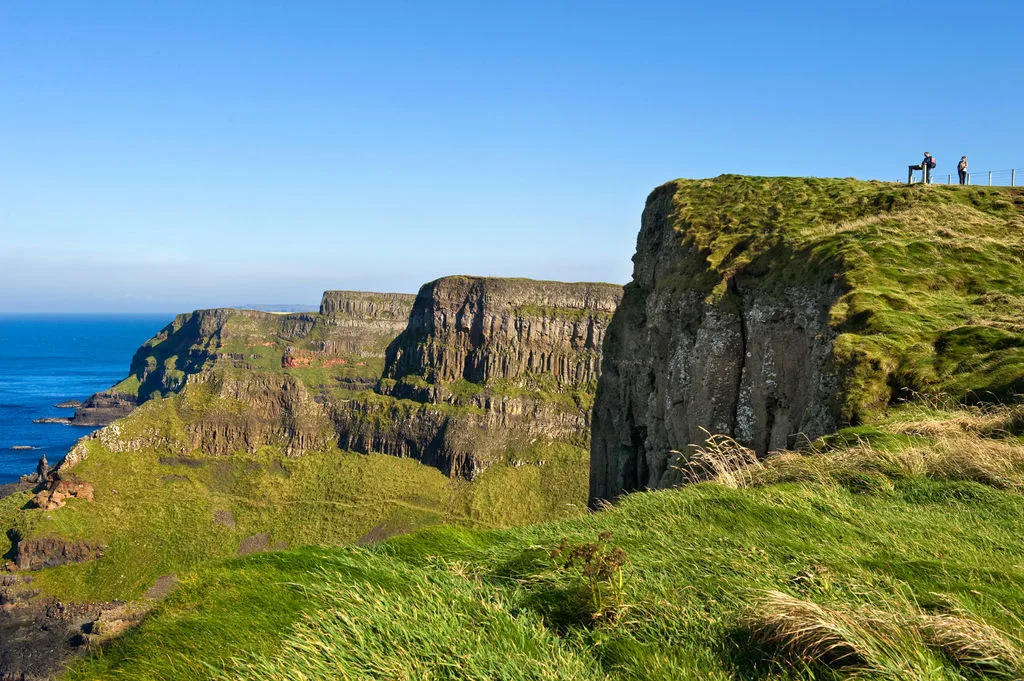
This giants causeway walk is the route most visitors do, and with good reason — it packs in the best views without requiring a full day. From the visitor centre, follow the cliff path eastward. The trail rises above the columns, giving you that bird's-eye perspective before looping back down to the stones themselves.
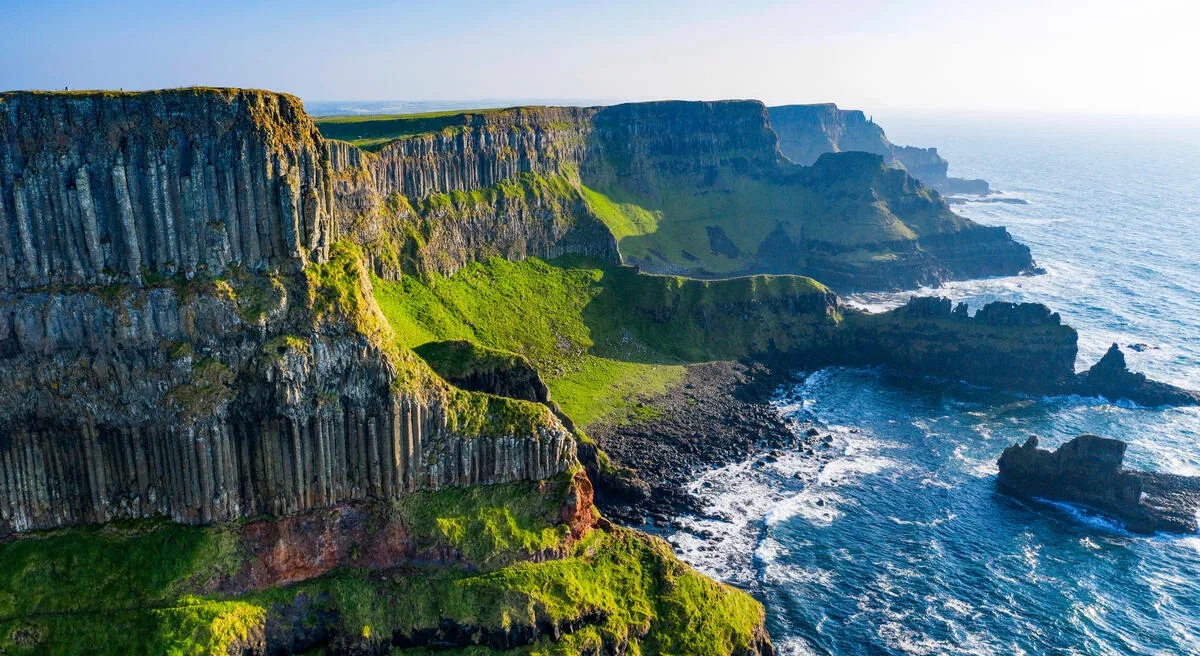
The steeper sections of the path feature well-maintained steps. Allow about two hours at a comfortable pace, or longer if you want to spend time scrambling over the columns (which you will want to do). The stretch between the Chimney Tops and the Amphitheatre is particularly spectacular — the columns fan out in tiers like seating in a Roman arena.
Distance: 5 km / Time: 1.5–2.5 hours / Difficulty: Easy to moderate
The Causeway Coast Way (53 km, Multi-Day)
For walkers who want more than a day trip, the causeway coast walk runs 53 kilometres from Ballycastle to Portstewart along the entire north Antrim coast. This is one of Ireland's finest long-distance paths, and Giant's Causeway is its centrepiece.
Over three to four days, you'll walk past dramatic cliffs, hidden beaches, ruined castles, and fishing harbours. The path passes through Ballintoy (recognisable to Game of Thrones fans as the Iron Islands), skirts the famous Carrick-a-Rede rope bridge, and follows stretches of coastline that feel genuinely remote — all the more surprising given how accessible the route is.
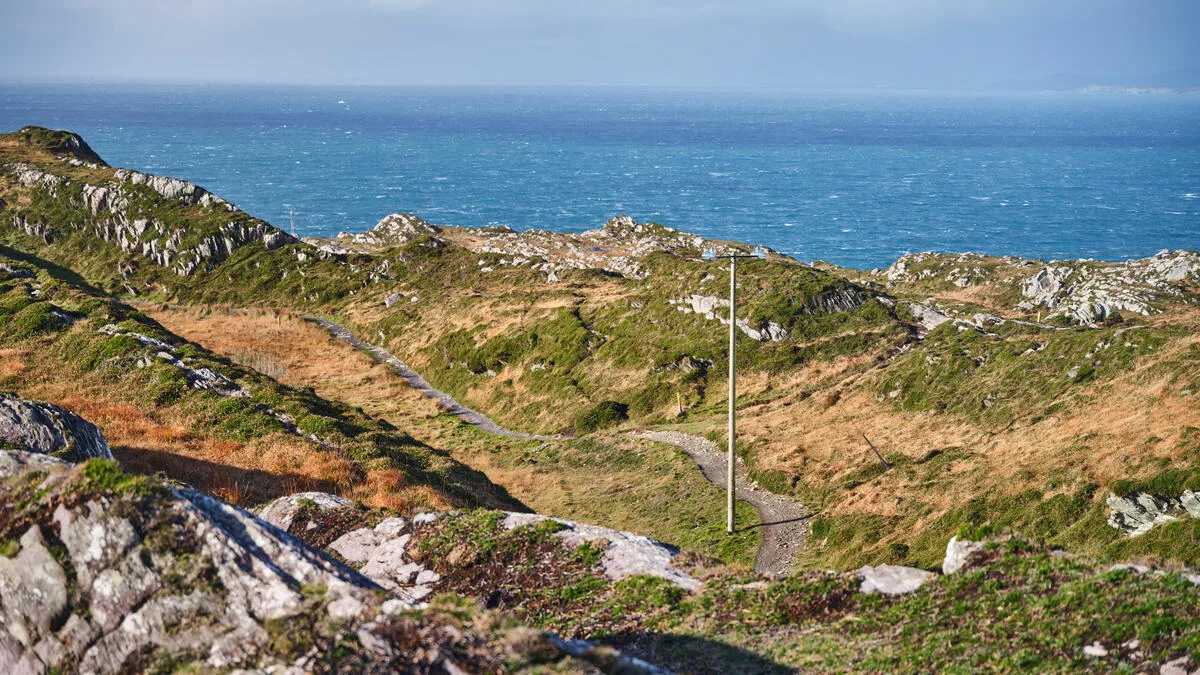
The terrain varies from clifftop grassland to sandy beach, with a few short road sections connecting the coastal stretches. There's nothing technically difficult, but some of the cliff paths are exposed, so decent footwear and a head for modest heights are useful.
Distance: 53 km / Time: 3–4 days / Difficulty: Moderate
Short Walks from the Visitor Centre
If you're short on time, there are several things to do at giants causeway beyond the main cliff walk. A shuttle bus runs between the center and the columns (about 1 kilometre each way), but walking down is far more rewarding. The path descends gently through open grassland with the sea ahead of you, building anticipation beautifully.
From the giants causeway columns, you can extend your walk westward along the base of the cliffs toward Port Noffer and the Giant's Organ — a particularly impressive wall of columnar basalt that rises like a cathedral pipe organ from the shore. This out-and-back extension adds about 2 km and takes you away from the busiest area.
Practical Tips for Your Visit
National Trust & Tickets: The giants causeway is a UNESCO World Heritage Site managed by the National Trust. Access to the stones is free — you can walk right down to them without paying. However, the visitor center charges an admission fee (currently around £15 for adults), which includes parking, the exhibition, and an audio guide. National Trust members enter free. Arrive early in the morning or after 3 p.m. in the summer to avoid the biggest crowds.
What to Wear: Even in the summer, the Causeway Coast gets its share of Atlantic weather. A waterproof jacket is essential, and layers are wise—it can be warm and sheltered one moment, then windy and cool the next. For the cliff walk or the Causeway Coast Way, wear proper walking shoes or boots with grip. The columns themselves can be slippery when wet (which is often).
When to Go: May to September gives you the longest days and the best chance of mild weather, though the giants causeway walk is impressive in any season. Winter visits are quieter, and there's something powerful about seeing the columns with storm waves crashing over them. The cliff path is open year-round, though some sections may close temporarily in severe weather.
Facilities: The visitor centre has a café, toilets, and a gift shop. If you're walking the longer Causeway Coast Way, you'll find pubs and cafés in the villages along the route — Ballintoy, Portballintrae, and Bushmills all have excellent options for lunch.
Other Things to Do at Giants Causeway and Nearby
Beyond the main giants causeway walk, this stretch of coast is packed with things to see. If you have an extra day or two, these are all within easy reach.
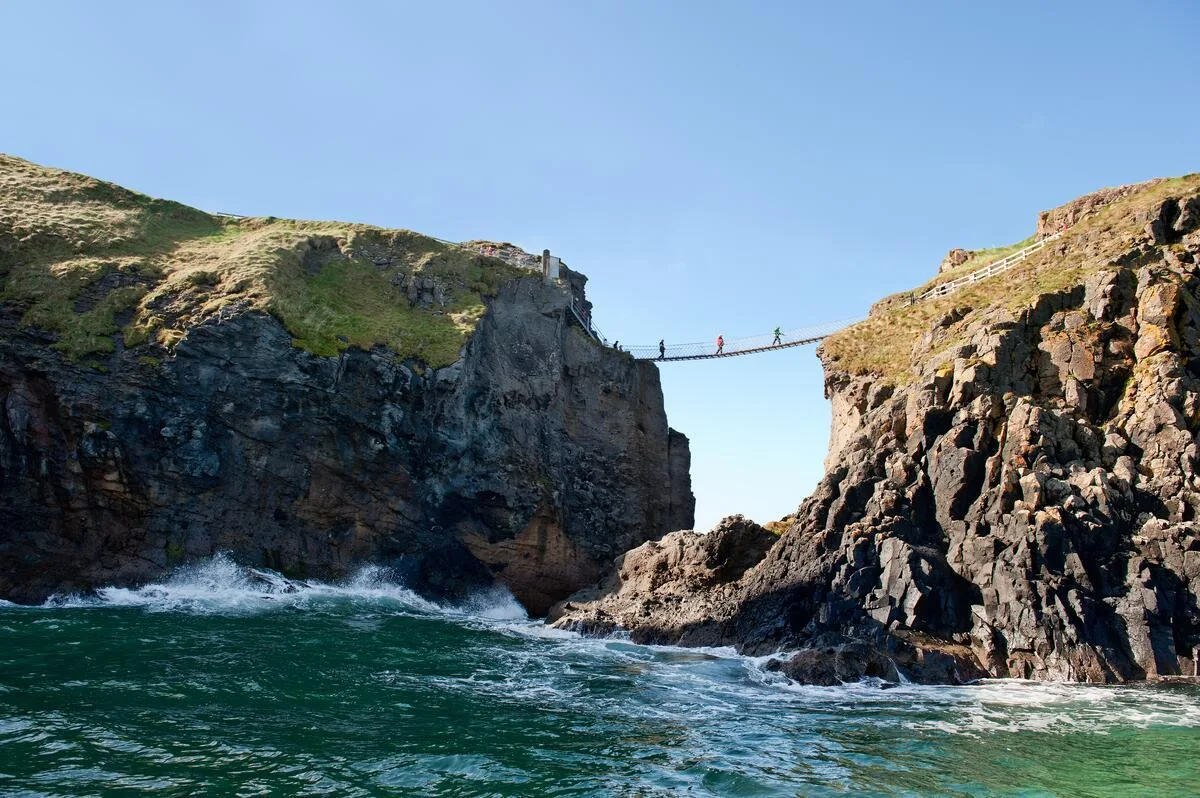
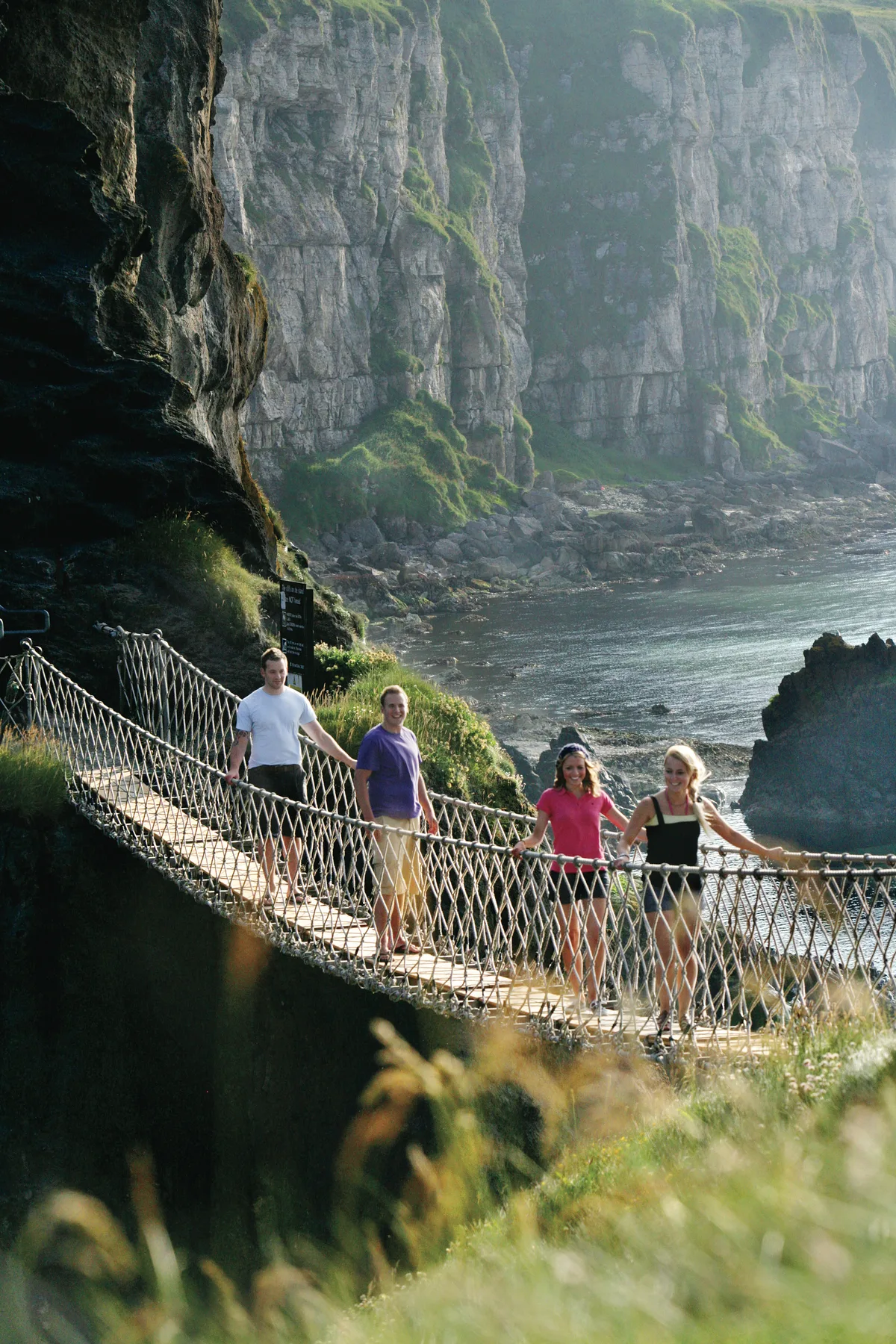
The rope bridge is about 8 km east along the coast path—a swaying bridge suspended 30 metres above the sea that connects the mainland to a tiny island once used by salmon fishermen. It's a popular stop, so booking in advance is recommended in the summer.
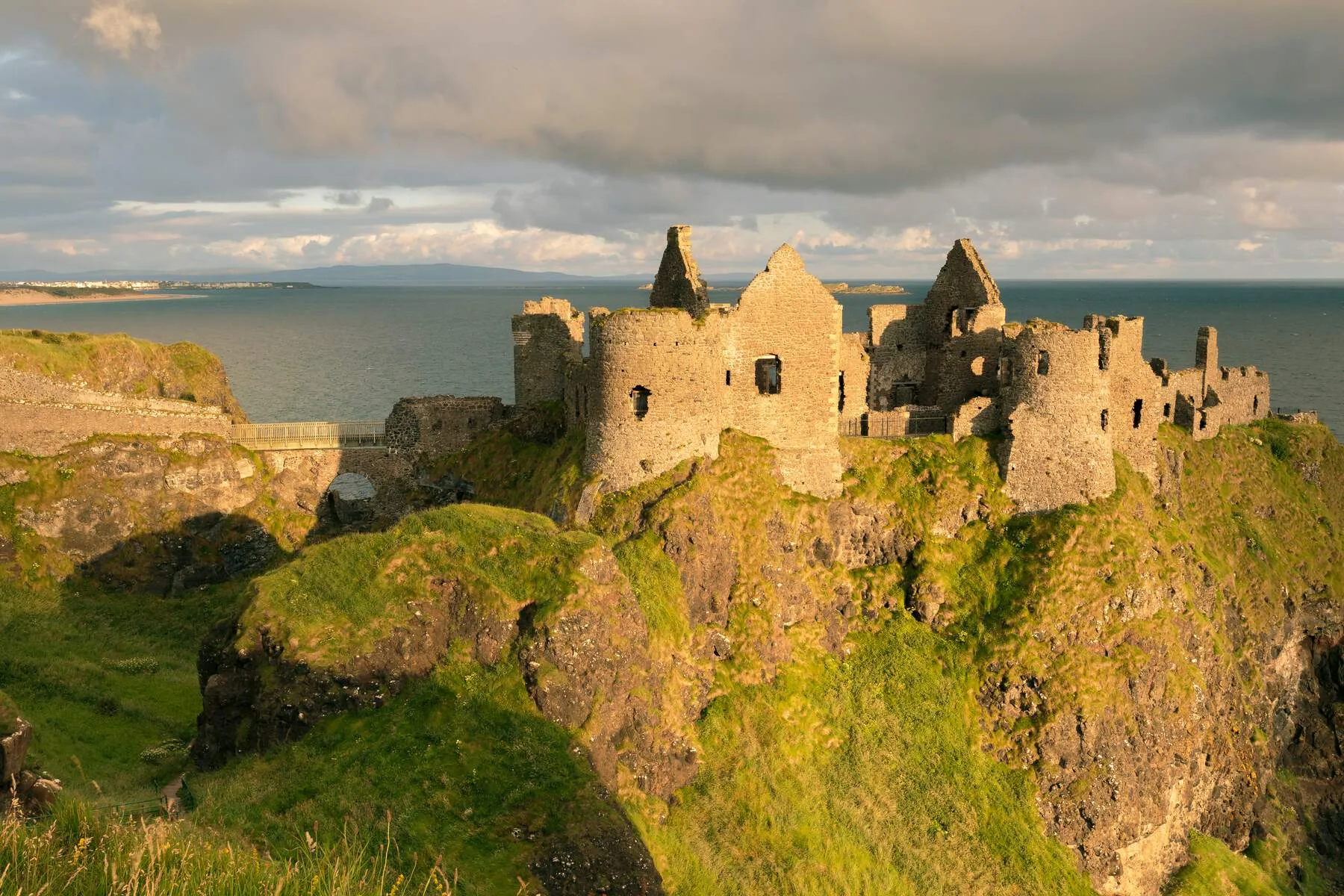
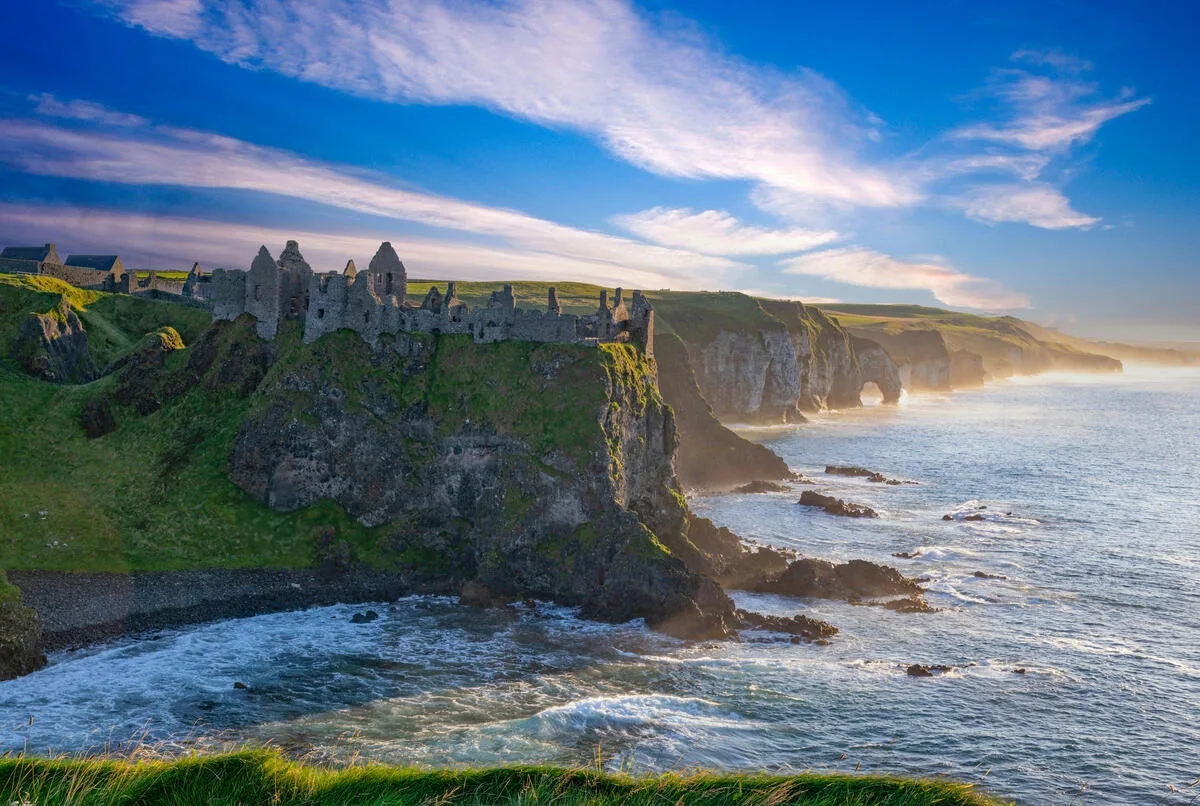
Dunluce Castle perches dramatically on a cliff edge west of the Causeway. It's a ruin now, but what a ruin — walls rising straight from the rock face, with the sea visible through empty window frames. It's said the kitchen fell into the sea one stormy night in 1639, taking the dinner with it.
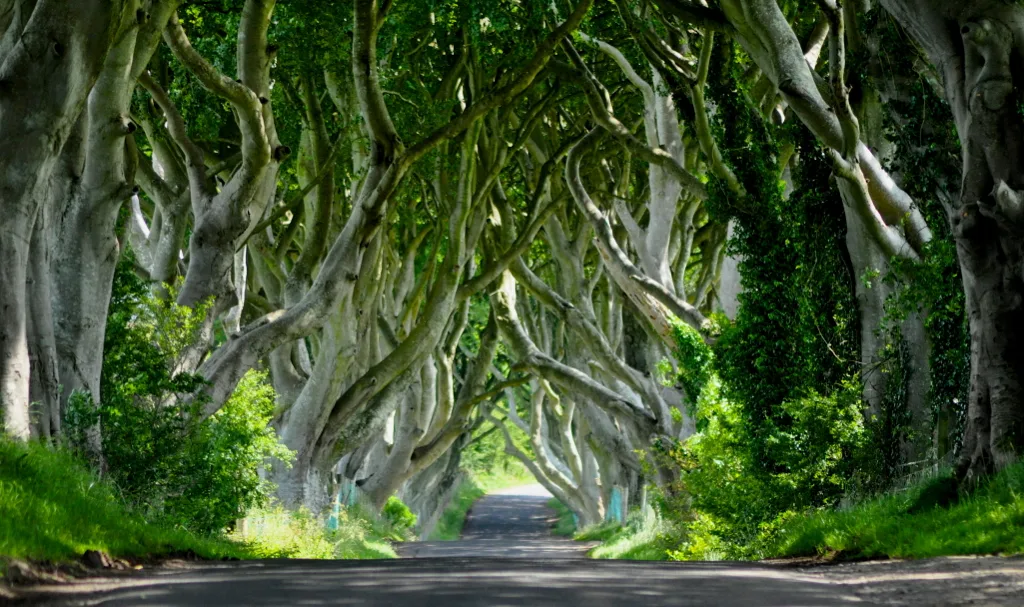
The Dark Hedges, an avenue of twisted beech trees made famous by Game of Thrones, is about 20 minutes' drive inland. It's atmospheric and photogenic, especially in the early morning light before the tour buses arrive.
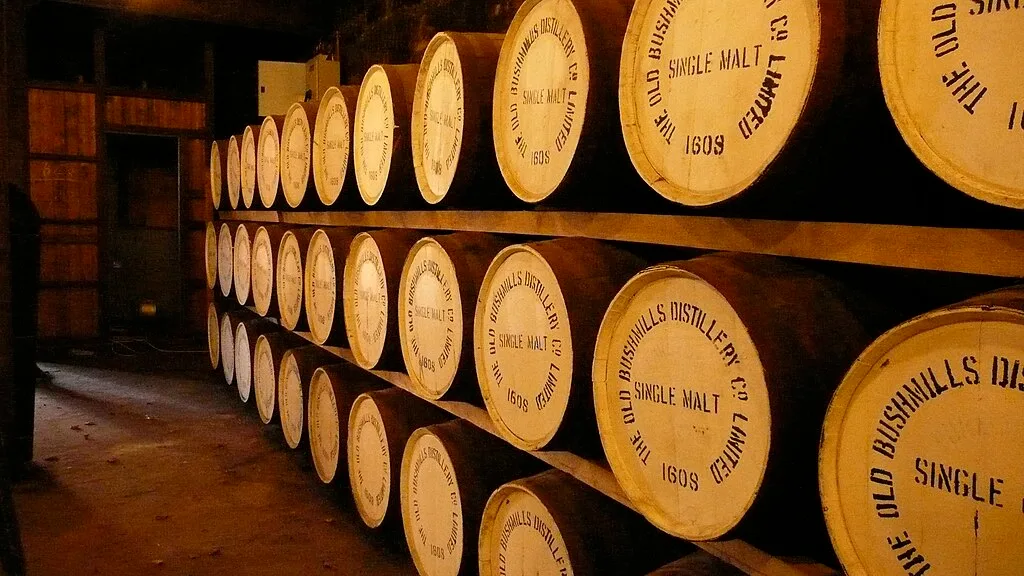
Bushmills Distillery, the world's oldest licensed whiskey distillery, is a short drive from the Causeway. Tours run daily and finish with a tasting — a fine way to end a day's walking.
Getting There
The giants causeway ireland is on the north coast of County Antrim, about 90 minutes' drive from Belfast and 3.5 hours from Dublin.
By car: Well signposted from the A2 coast road. Parking is included with your visitor centre ticket, or there's a separate car park nearby.
By bus: The Ulsterbus 172 runs between Ballycastle and Coleraine via the Causeway. In summer, the open-top Causeway Rambler bus connects the main coastal attractions — a lovely way to travel if you're not walking the entire coast path.
By train: Coleraine and Portrush both have train stations with connections to Belfast. From Portrush, it's about 15 km to the Causeway by bus or taxi.
Walking Holidays on the Causeway Coast
A day at the Giant's Causeway is memorable. But walking the entire Causeway Coast over several days—staying in local guesthouses, taking your time, and letting the coastline unfold at your pace—that's something entirely different.
We run self-guided walking holidays along the Causeway Coast Way, with handpicked accommodation, luggage transfers between your stops, detailed route notes, and local support if you need it. You walk at your own pace; we take care of the logistics. It's the best way to experience this stretch of coast properly, without the rush of a day trip.
If you're considering walking the Causeway Coast, get in touch — we'd love to help you plan it.
Frequently Asked Questions
Are the trails well-marked?
What kind of boots should I wear?
Do your tours cover Northern Ireland as well as the Republic?
What are the most essential items to pack for a walking holiday in Ireland?
Photo Gallery