Walking Holidays in Ireland for Over 50s: At Your Own Pace
Walking Holidays for Over 50s in Ireland: A Practical Guide
There's a particular joy in walking when you're over 50. You're no longer trying to prove anything. You walk because the countryside is beautiful, because moving your body feels good, and because a day spent on a quiet trail beats almost anything else you can think of.
<Index walking holidays ireland over 50
This block will be automatically rendered as a table of contents on the B2C site, built from H2 and H3 headings in this article.
Walking holidays for over-50s should reflect that mindset — genuinely comfortable, at a pace that suits you, with accommodation where you can actually rest, and routes chosen for enjoyment rather than endurance. Yet many walking holiday operators either treat the over-50s bracket as a limitation, offering short, tame walks that feel patronising, or they assume you want the same gruelling experience as a 30-year-old. Neither is right.
I've designed this guide because I've seen both mistakes made too many times. The key to success lies in pairing genuinely enjoyable walks with manageable daily distances, adequate logistical support, and the flexibility to set your own pace. Ireland, it turns out, is almost perfectly designed for this kind of holiday.
Here's everything you need to know.
Why Ireland Works So Well for Over-50s Walkers
Ireland's trail network has a rare quality: it delivers spectacular scenery without demanding serious mountaineering. Most of our routes follow river valleys, coastal paths, and well-maintained long-distance trails, where the walking is the point— not the suffering.
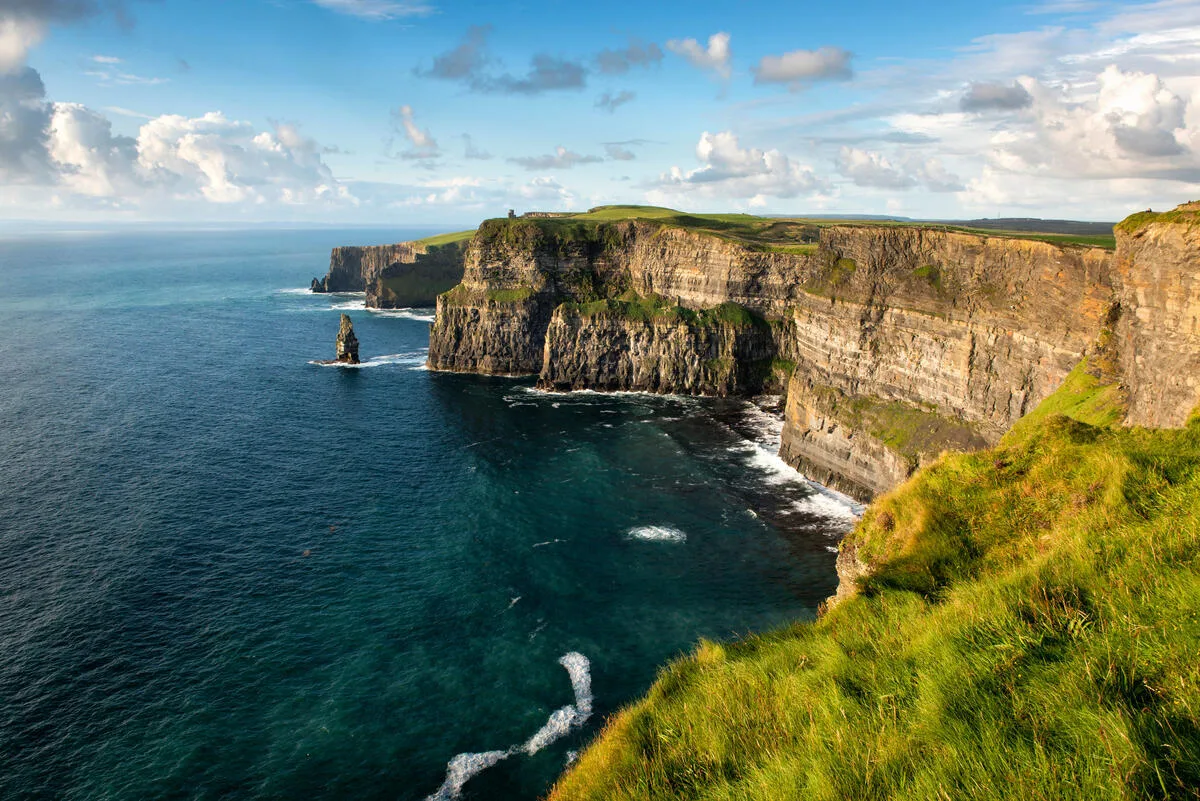
The country is compact enough that you can move between very different landscapes in a short trip. You can walk a flat riverside towpath in the morning, have a long lunch in a village pub, and be watching the Atlantic from a cliff path the following day. And because these are self-guided tours rather than group expeditions, nobody is setting a pace for you. You decide when you start, when you stop, and how long you take over lunch.
That kind of freedom is very beneficial for walkers over 50 who have more time, a broader perspective, and a genuine love of the outdoors.
What Actually Changes After 50 (And What Doesn't)
Let's be honest about a few realities—because effective planning starts with honest self-assessment.
What does change:
Recovery time. A challenging 18-kilometer day might leave your legs feeling it for two or three days, rather than one. Build easier days after harder ones.
Weather tolerance. The cold gets colder, the wind tires you faster, and damp conditions affect joints more than they used to. Good kit matters more now.
Pace. A route that takes a 30-year-old two hours often takes a fit over-50 two and a half to three. Build this into your planning, not as a disappointment but as a fact.
Energy reserves. After 14 km you want a comfortable chair and a hot meal, not a two-hour drive or a cramped hostel bunk.
What doesn't change:
Your capacity to enjoy hiking. There's no upper age limit on loving trails.
What constitutes a real walk. An 11 km route through beautiful Irish countryside is genuine walking — not a compromise version of it.
Your desire for quality. Good food, authentic places, interesting people — that appetite only grows.
The difference isn't capability. It's priority. You prioritise enjoyment over endurance, and that's actually a smarter way to do it.
The Single Biggest Game-Changer: Luggage Transfers
If you haven't walked with luggage transfer before, it changes everything.
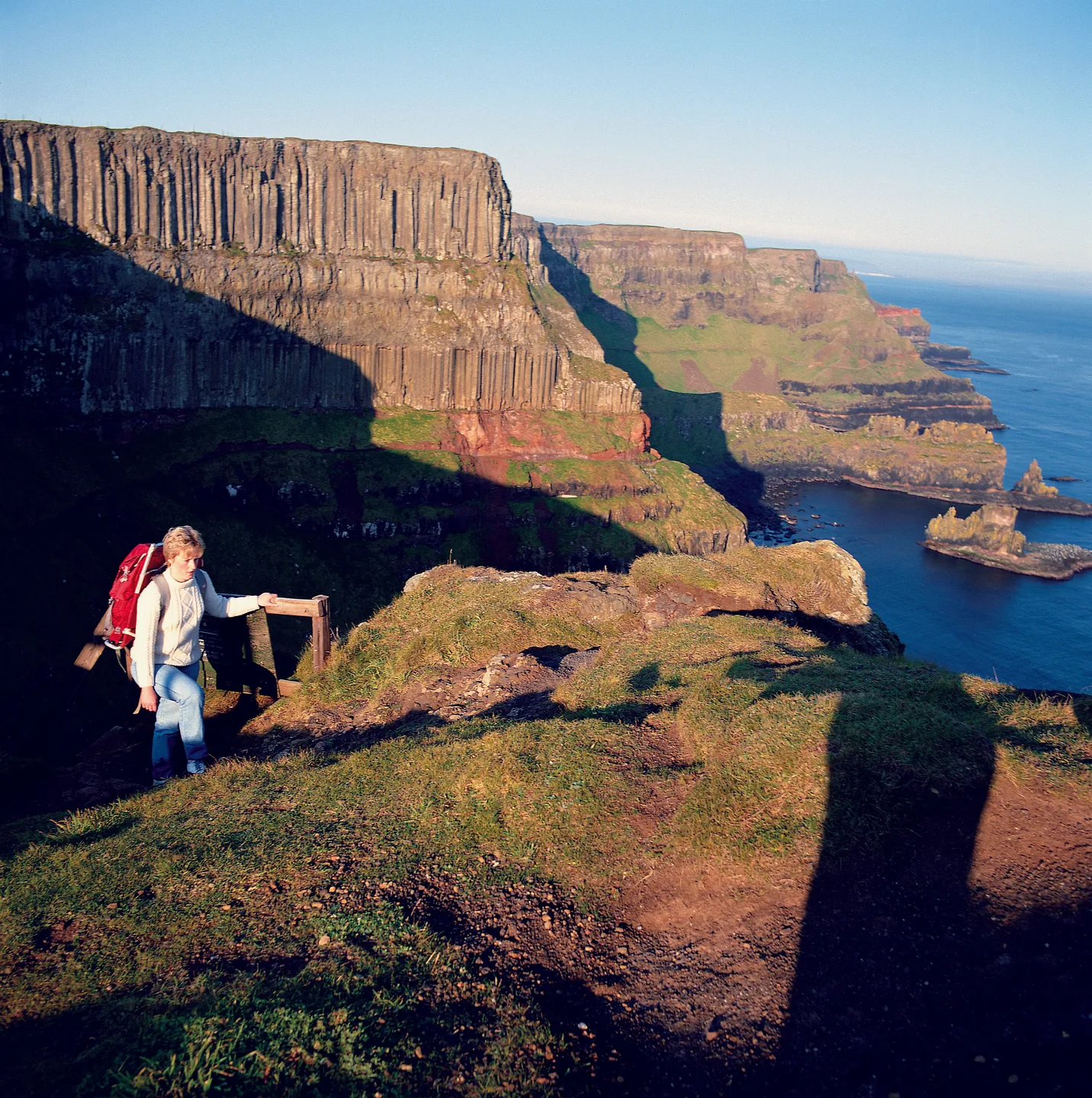
Your bags move between accommodation each day while you walk. You carry only a small daypack — water, waterproofs, good hiking snacks, and whatever you want for the day. No 10 kg rucksack pressing on your knees and lower back for five hours. No checking in at each new B&B having hauled everything across a mountain.
Carrying a heavy pack at 55 is fundamentally different from carrying one at 30. Your knees notice. Your shoulders notice. Your enjoyment of the walk notices. Luggage transfer removes that variable entirely, and what you're left with is pure walking — which is what you came for.
We include luggage transfers as standard across our self-guided walking holidays in Ireland. It's not an optional extra — it's part of what makes the experience work.
Choosing the Right Daily Distance
This is where most walking holidays get it wrong for over-50s walkers. Here's a straightforward framework:
Range | Daily Distance | Elevation | Who It Suits |
|---|---|---|---|
Comfortable | 10–14 km | 300–600 m | Most fit over-50s, no special training needed |
Easy | 8–10 km | 0–300 m | Gentle holidays, recovery days, returning after illness |
Ambitious | 14–16 km | 600–900 m | Regular walkers, occasional days within a longer trip |
Avoid | 18+ km | 1,000+ m | Exhausting, reduces enjoyment, leaves nothing for evenings |
The comfortable range — 10 to 14 km with moderate elevation — is real hiking. It takes three to four and a half hours at a relaxed pace, with a lunch break built in. You finish early afternoon, rest, explore the village, and have energy left for a proper evening.
That's the sweet spot. And Ireland's best routes for this age group sit firmly within it.
The Best Routes for Over-50s Walking Holidays in Ireland
The Barrow Way: The Gold Standard

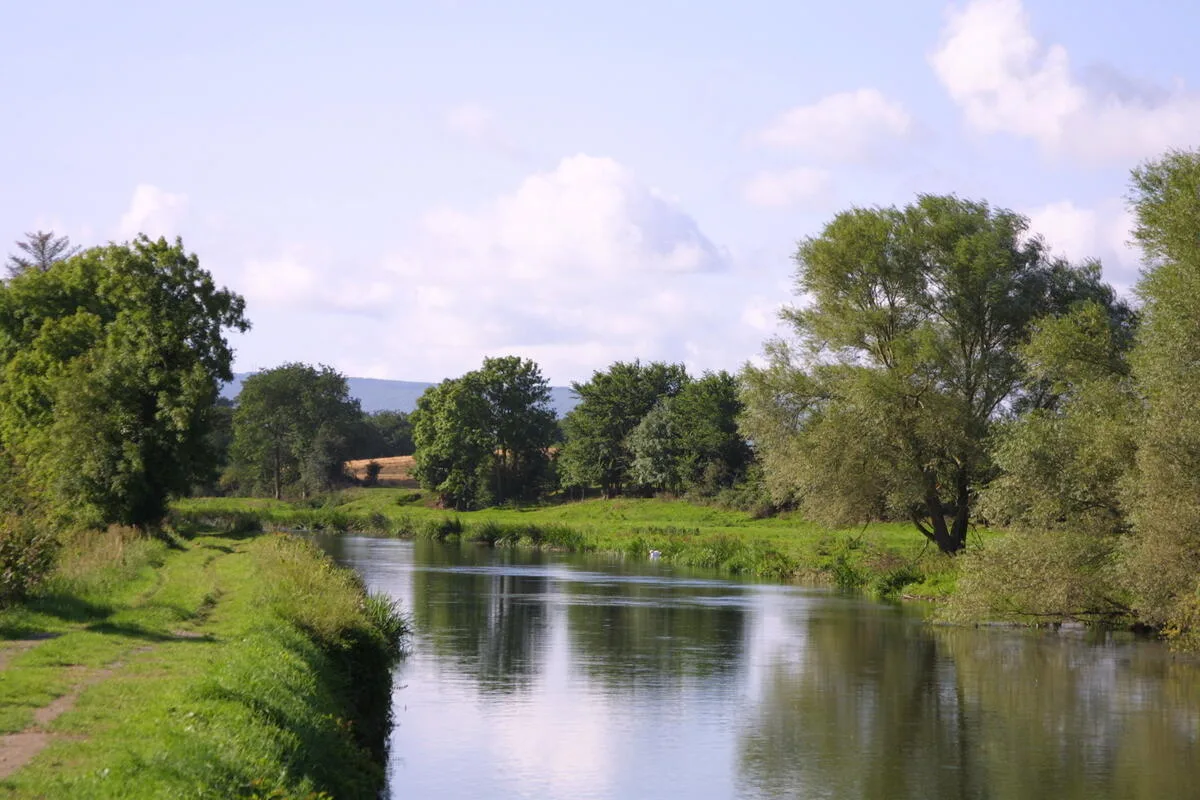
If I had to recommend one route specifically for walkers over 50, it would be the Barrow Way. 114 km of flat to gently rolling riverside walking through County Carlow, Kilkenny, and Wexford — Ireland's Ancient East at its quietest and most beautiful.
Daily distances run at 14 to 16 km along a river towpath, mostly flat, with reliable waymarking and villages at regular intervals. You're never far from a pub lunch or a cup of tea. The navigation is simple. The scenery is genuinely lovely — weeping willows, old stone bridges, herons standing motionless in the shallows.
Most walkers over 50 describe the Barrow Way as their favourite Irish walking experience. The pace is unhurried, the landscape varied, and there's time each evening to explore the towns along the route. Our 5-day Barrow Way tour and full 8-day Barrow Way walking holiday both work well for this age group.
The Dingle Way: Coastal Beauty at Your Own Pace
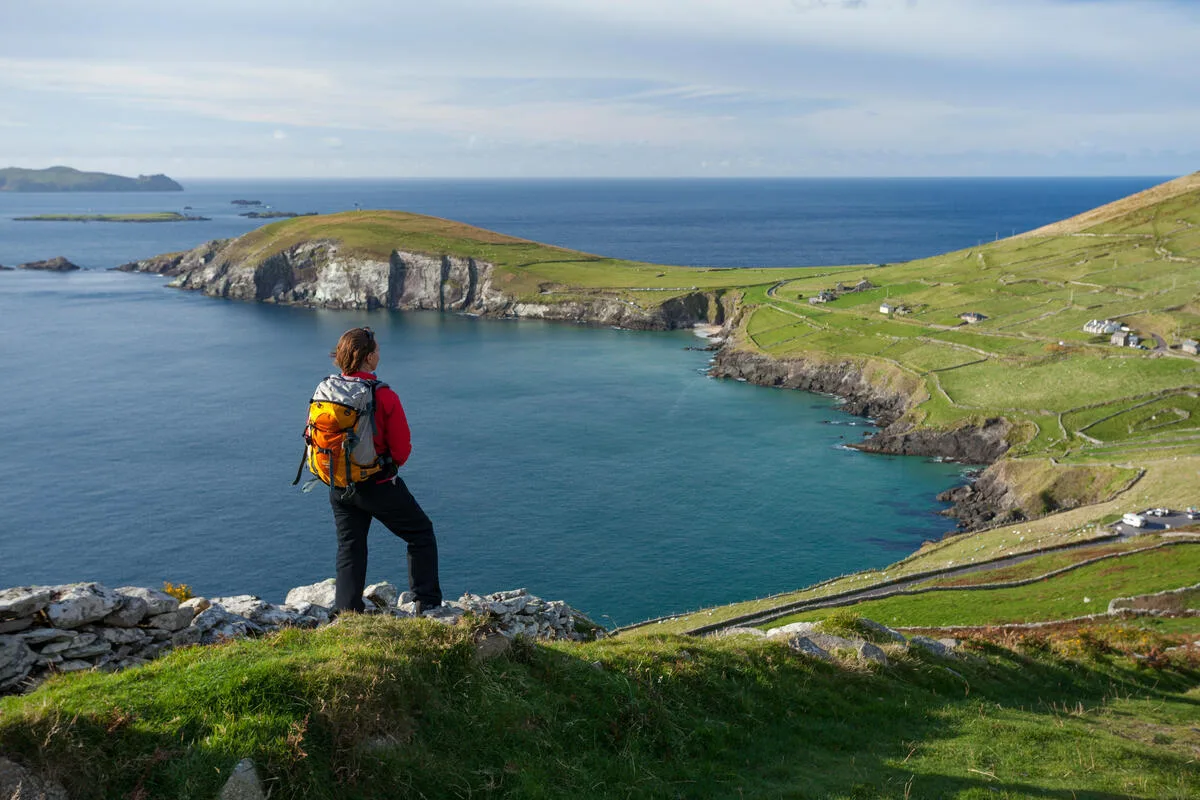
The Dingle Way covers 40 to 45 km of coastal and mountain walking on one of Ireland's most dramatic peninsulas. Daily stages run at 12 to 15 km with some steeper sections, though nothing technical or exposed.
What makes this route particularly good for over-50s is Dingle town itself. It's one of the finest small towns in Ireland — excellent restaurants, traditional pubs, a real community feel — and the walking radiates out from it rather than taking you away from it each night. Evenings are part of the experience, not just recovery time.
Browse our Dingle Way 8-day tour for full itinerary details.
The Wicklow Way: Famous Trail, Manageable Sections
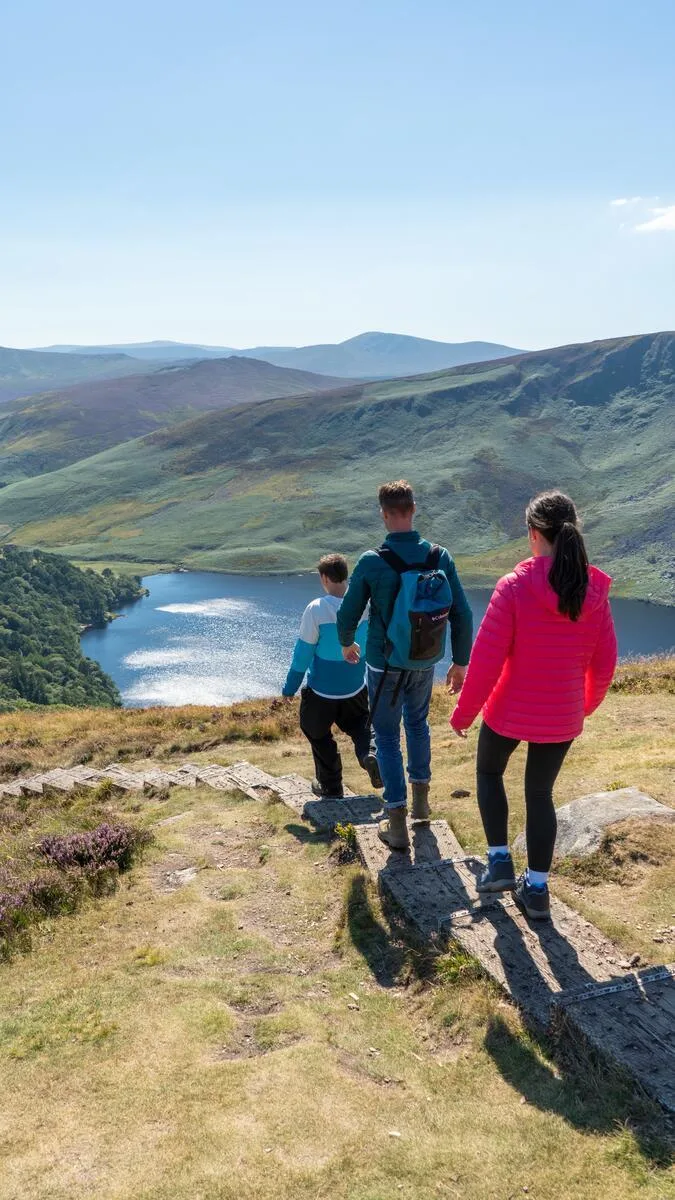
You can enjoy Ireland's most famous long-distance trail without walking it in its entirety. The gentler opening sections — from Dublin south through the Wicklow Mountains — offer moorland, forest, and rolling countryside at daily distances of 10 to 14 km.
Staying closer to Dublin has logistical advantages too. Transport links are excellent, and there's no complex journey to the start point. Check our Wicklow Way 5-day tour as a starting point.
Accommodation: Why It Matters More at This Stage

You've walked 12 km. You want a hot shower that actually works, a comfortable bed, and a good dinner within walking distance. You don't want to discover the radiator doesn't heat the room, or that breakfast is a sad continental spread from a hotel chain.
Family-run B&Bs are the right choice for over-50s walkers, and they're what we book on all our tours. They offer:
A genuine welcome from people who know the area
Hearty breakfasts with real food
Comfortable rooms, not hostel bunks
Flexibility — you're a guest, not a room number
Local knowledge about the walk ahead
We handpick every property on our routes. The owners understand that someone arriving after a full day's walking needs comfort and quiet, not a busy hotel lobby.
Solo Walking Over 50: More Common Than You'd Think
A significant number of our walkers over 50 travel alone — either genuinely solo or joining a route where they meet other walkers along the way. It's more common than many people expect, and the feedback is consistently positive.
Solo walking at this stage has real advantages. Your pace, your rest stops, your choices. Nobody to negotiate with about whether to push on or stop at that café with the good view. Plenty of time for the kind of quiet reflection that walking is uniquely suited to.
Practical considerations worth knowing:
Always tell someone your day's route and expected arrival time
Our walkers carry route notes, maps, and a 24-hour support contact number
Navigation on our routes is clearly waymarked — you don't need technical map-reading skills
Our solo hiking guide for Ireland covers the practicalities in detail
Women walking solo over 50 are also well represented in our guest list. Our women's guide to solo hiking in Ireland addresses the specific questions that come up most often.
Preparing for Your Trip
You don't need a training programme for a well-designed over-50s walking holiday. But some preparation helps — and it's simpler than you might think.
Fitness: Regular walking three or more times a week, including occasional hilly routes, is sufficient for most of our tours in the comfortable range. You're not training for anything; you're maintaining a baseline.
Footwear: Boots matter more as you get older, particularly for ankle support on uneven ground. Read our guide to choosing the right hiking boots before you buy anything new.
Foot care: Blisters are more disruptive than they sound when you're walking every day. Our footcare guide for hikers covers everything from sock choice to blister treatment.
Layering: Irish weather is famously variable. The key isn't packing more — it's packing smarter. A good base layer, a mid layer, and a waterproof shell cover almost every condition you'll encounter. Read more in our layering guide for hiking.
Walking grading: Not sure which difficulty level suits you? Our tour grading guide explains exactly what our grades mean in terms of distance, terrain, and daily effort.

A Note on Pace — and Permission
One of the things walkers over 50 tell me most often, looking back on a trip, is that they wished they'd slowed down even more in the early days. Not because they were tired, but because they realised how much they were missing by moving at the pace of a schedule rather than the pace of the landscape.
Give yourself permission to stop when something catches your eye. To take twenty minutes at a holy well or a ruined castle or a view you weren't expecting. To take the longer lunch. To arrive at your B&B in the afternoon rather than the morning.
That's not laziness. That's what hiking in Ireland is actually for.
Ready to Plan Your Walking Holiday?
Walking holidays for over 50s in Ireland are genuinely special — good fitness, good perspective, and genuine love of the outdoors, matched with routes and logistics that make the whole thing work. No suffering required.
If you'd like to talk through which route suits you, I'm happy to chat. Drop me a message through the contact page or WhatsApp me directly on +353 87 957 3856. We'll find the right walk for where you are right now.
Browse all our self-guided hiking tours in Ireland to see what a typical holiday looks like from start to finish.
— Cliff, Walking Holiday Ireland
You Might Also Enjoy
How to Prepare for a Hike
Frequently asked questions
The questions our 50-plus guests most often ask before they book.
Are walking holidays in Ireland suitable for people over 50?
Absolutely — our 50-plus guests are our biggest group. We match route grade to your fitness, keep daily distances manageable, and book comfortable B&Bs with good beds and proper breakfasts. Most of our repeat walkers are in their 60s and 70s.
Can you do a walking holiday in Ireland in your 70s?
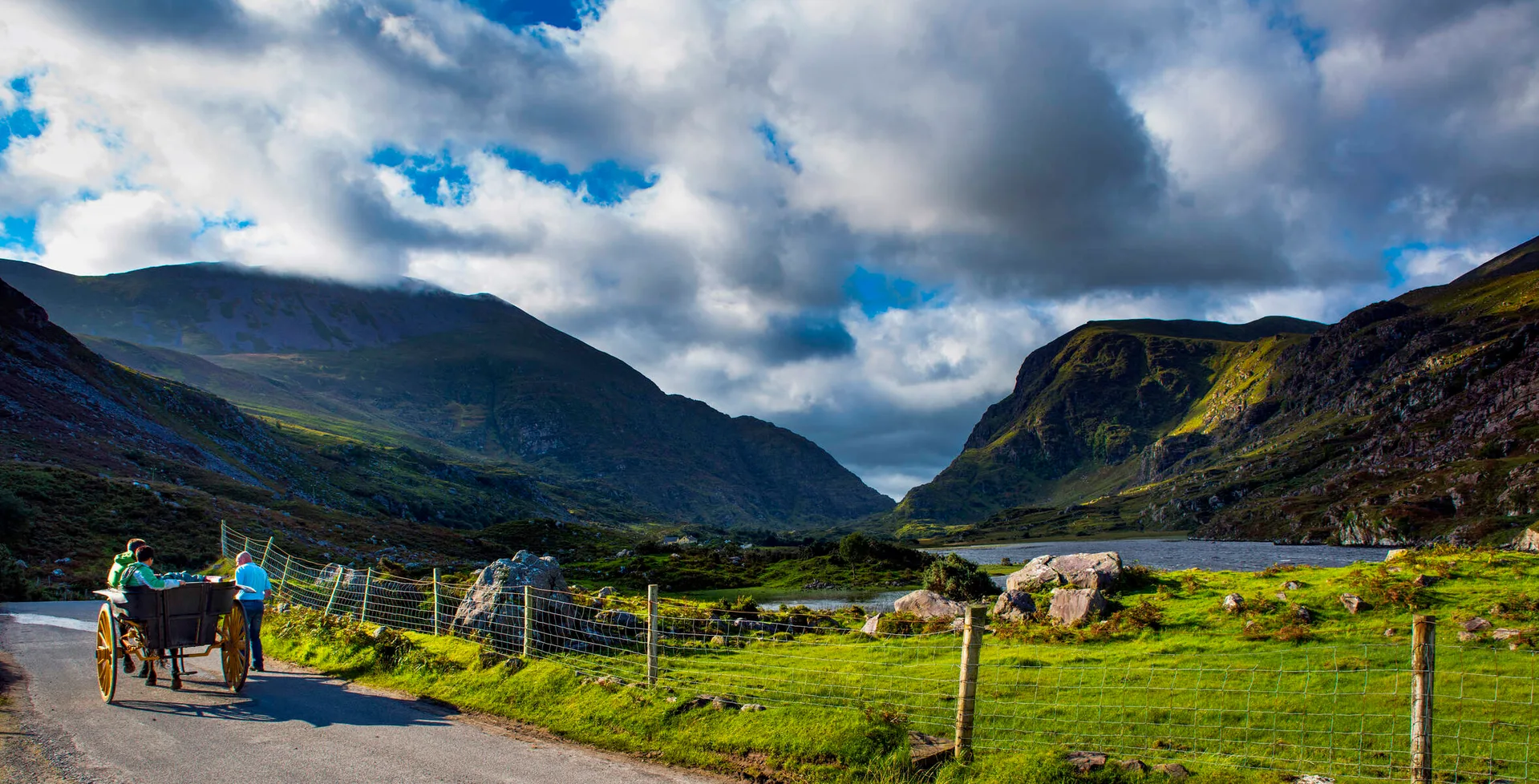
Yes, and many do. We regularly have guests in their early 80s on the gentler routes like the Burren Way or shorter sections of the Kerry Way. The key is choosing the right grade and building in a rest day if the trip is longer.
What level of fitness do I need for a walking holiday in Ireland?
If you're used to a couple of 6–8 km walks a week on varied terrain, you're ready for our easier and moderate grades. For the harder routes we'd want you doing longer walks — 12–15 km — comfortably before you come.
Are there shorter walking holiday options for older walkers?
Yes. Plenty of our guests choose 4–5 night trips rather than the full 7, or 10–14 km days instead of 20+. We can also build a hub-and-spoke itinerary — same B&B every night, different walks each day — which is popular with 60-plus couples.
What's included for over-50s on a walking holiday with Walking Holiday Ireland?
The same full package as any guest — B&B accommodation, breakfast, luggage transfer, detailed route notes, GPS tracks, a paper map, pickup if needed, and 24/7 phone support. Plus a chat with Cliff to make sure the route and pace suit you.