13 Essential Ankle Exercises to Prevent Injuries on Your Irish Walking Holiday
Don't Let a Twisted Ankle Ruin Your Dream Irish Walking Holiday
Picture this: You're halfway through the breathtaking Dingle Way, surrounded by stunning coastal views, when suddenly a loose stone, an awkward step, and sharp pain shoot through your ankle. Your once-in-a-lifetime Irish walking adventure comes to a painful halt.
This scenario is entirely preventable.
At Walking Holiday Ireland, we've guided thousands of walkers across Ireland's most spectacular trails. And we've learned one crucial truth: the difference between a magical walking holiday and a painful disappointment often comes down to ankle preparation.
The good news? With just 10-15 minutes of ankle strengthening exercises hiking, three times per week, you can dramatically reduce your risk of ankle injuries and enjoy every step of your Irish adventure with confidence.
Why Ankle Strengthening Exercises Hiking Matters More Than You Think
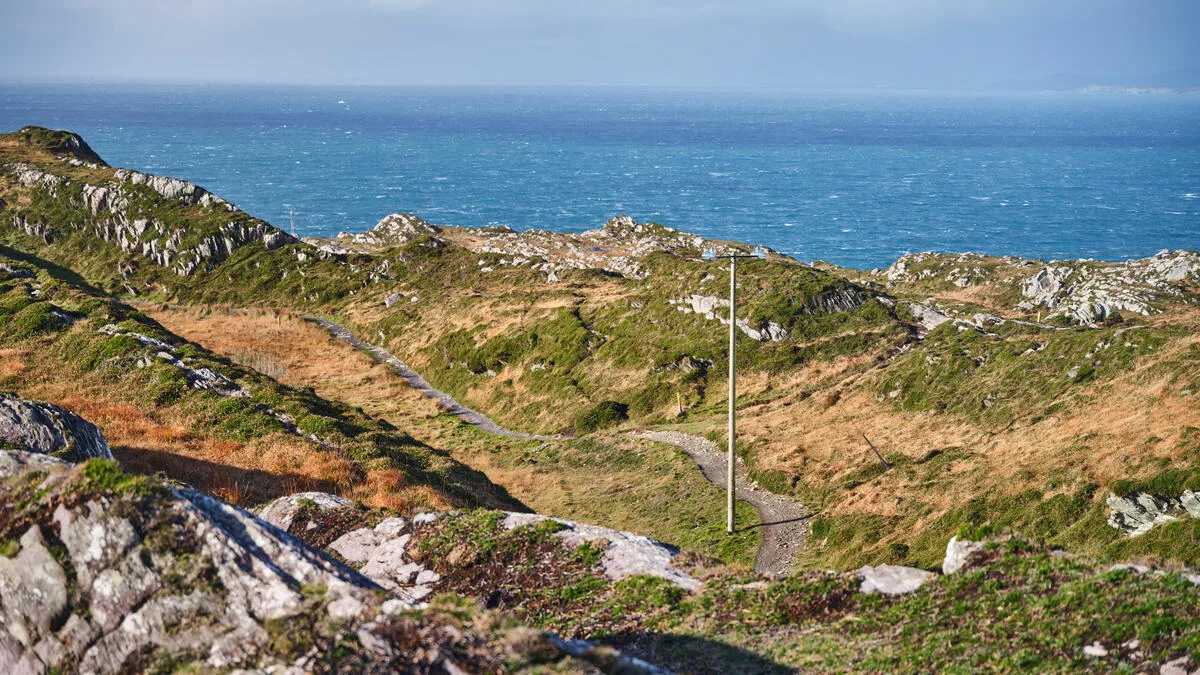
Ireland's walking trails are stunning—but they're also demanding. From the rocky paths of the Burren to the uneven terrain of the Wicklow Way, Irish trails test your ankles in ways city pavements never will.
Here's what you're up against:
Loose stones and shifting gravel
Muddy, slippery sections after rain (and it does rain in Ireland!)
Uneven ground with hidden dips and rises
Steep ascents and descents on coastal paths
Tree roots crossing forest trails
These ankle strengthening exercises hiking routines build your foundation. When they're strong and stable, you can:
✅ Navigate uneven terrain with confidence
✅ Recover quickly from missteps without injury
✅ Walk longer distances without fatigue
✅ Enjoy the scenery instead of watching every footfall
✅ Complete your entire walking holiday injury-free
The 4-Week Pre-Holiday Ankle Training Plan
Start these exercises at least 4 weeks before your walking holiday for best results. Beginners should start with lower repetitions and gradually increase.
Week 1-2: Foundation Building
Frequency: 3 times per week Duration: 10 minutes per session
Week 3-4: Strength & Stability
Frequency: 4 times per week
Duration: 15 minutes per session
Part 1: Build Trail-Worthy Ankle Strength (4 Essential Exercises)
Exercise 1: Resistance Band Ankle Flexion & Extension
What it does: Strengthens the muscles that lift your foot (preventing toe-catching on rocks) and point your foot downward (essential for downhill control).
How to do it:
Sit on the floor with your leg extended
Loop a resistance band around the ball of your foot
Hold the band ends with both hands
Pull your toes toward you against the resistance (10 reps)
Push your toes away from you against the resistance (10 reps)
Repeat on the other foot
Sets: 3 sets per foot
Pro tip: This is perfect to do while watching TV the night before your walk!
Exercise 2: Resistance Band Inversion & Eversion
What it does: Strengthens the sides of your ankles—your first line of defense against rolling injuries on uneven ground.
How to do it:
Sit with legs extended
Anchor the band to a sturdy object at foot level
Loop the band around your forefoot
Move your foot inward against resistance (10 reps)
Switch the band to the other side
Move your foot outward against resistance (10 reps)
Repeat on the other foot
Sets: 3 sets per foot
Walking Holiday Ireland tip: These lateral movements mimic exactly what your ankles do when navigating Ireland's rocky coastal paths.
Exercise 3: Single-Leg Balance with Eyes Closed
What it does: Trains your proprioception (your body's ability to sense position and movement), crucial for navigating trails safely.
How to do it:
Stand near a wall or sturdy surface for safety
Lift one foot off the ground
Balance for 30 seconds with eyes open
Close your eyes and balance for 15-30 seconds
Switch feet
Sets: 3 sets per foot
Progress it: Once this becomes easy, try balancing on a pillow or foam pad.
Exercise 4: Heel-to-Toe Walks
What it does: Improves balance and ankle stability while mimicking the careful footwork needed on narrow trail sections.
How to do it:
Find a straight line (use a floor plank line or tape)
Place your right heel directly in front of your left toes
Continue walking heel-to-toe for 20 steps
Turn around and repeat
Sets: 3 rounds
Make it Irish: Imagine you're walking along the narrow cliff paths of the Cliffs of Moher!
Part 2: Get Knees and Ankles of Steel (3 Calf Exercises)
Your calf muscles are your ankle's best friends. They absorb shock, control downhill movement, and prevent your knees and ankles from wobbling on uneven ground.
Exercise 5: Standing Calf Raises
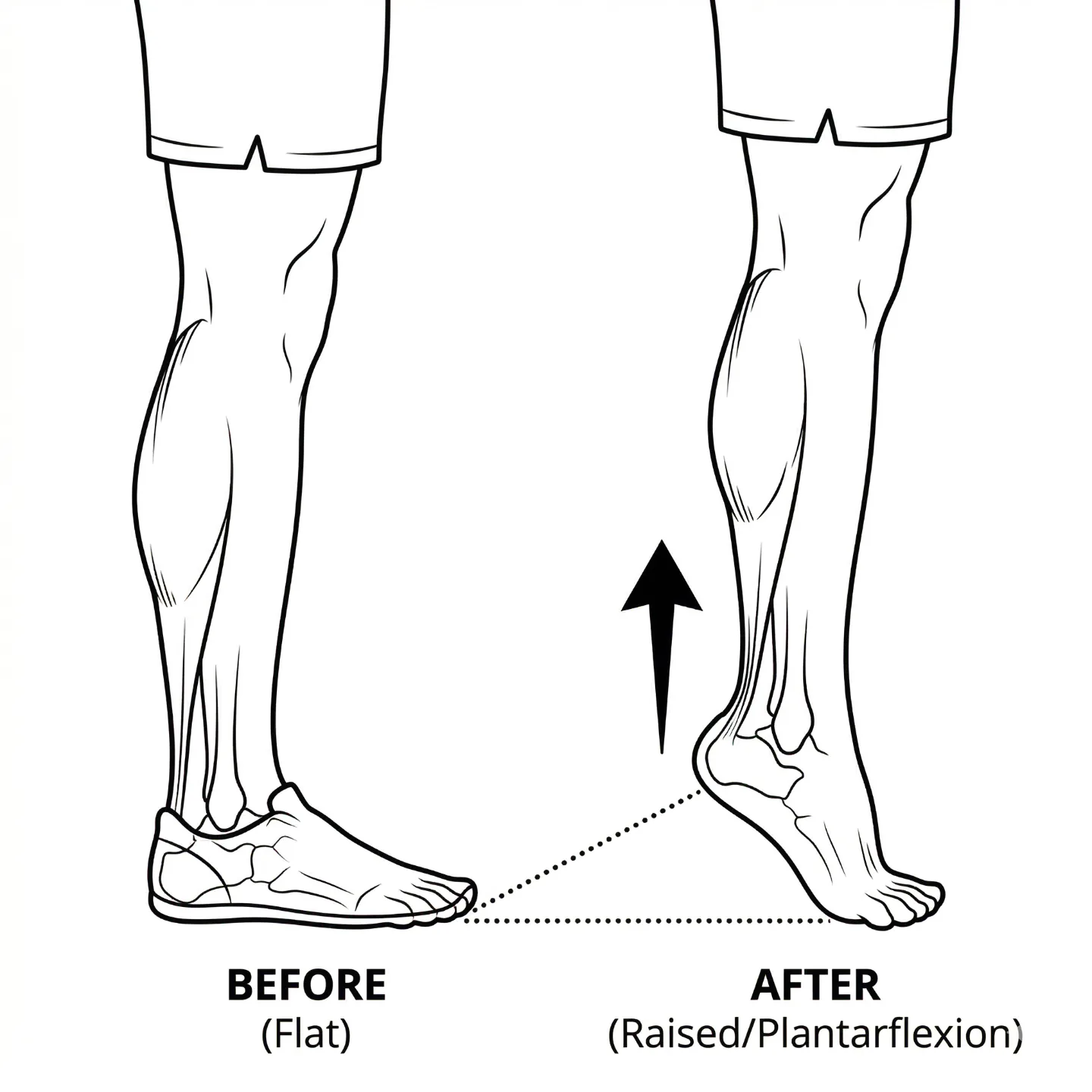
How to do it:
Stand with feet hip-width apart near a wall
Rise up onto your toes as high as possible
Hold for 2 seconds
Lower slowly (3-4 seconds down)
Repeat 15 times
Sets: 3 sets
Walking benefit: Powers you up Ireland's steep coastal inclines without burning out.
Exercise 6: Single-Leg Calf Raises
How to do it:
Stand on one foot near a wall for balance
Rise up onto your toes
Hold for 2 seconds
Lower slowly
Repeat 10-12 times per leg
Sets: 3 sets per leg;
Pro tip: This is exactly the movement your body uses when scrambling over rocks on the Kerry Way.
Exercise 7: Seated Calf Raises
How to do it:
Sit in a chair with feet flat on the ground
Place a heavy book or weight on your thighs (optional)
Raise your heels off the ground
Hold for 2 seconds
Lower slowly
Repeat 20 times
Sets: 3 sets Bonus: Do these at your desk during work breaks in the month before your holiday!
Part 3: Unlock Your Ankle Mobility (3 Flexibility Exercises)
Tight ankles force your body into awkward positions on trails, leading to pain in your knees, hips, and lower back.
Exercise 8: Ankle Alphabet
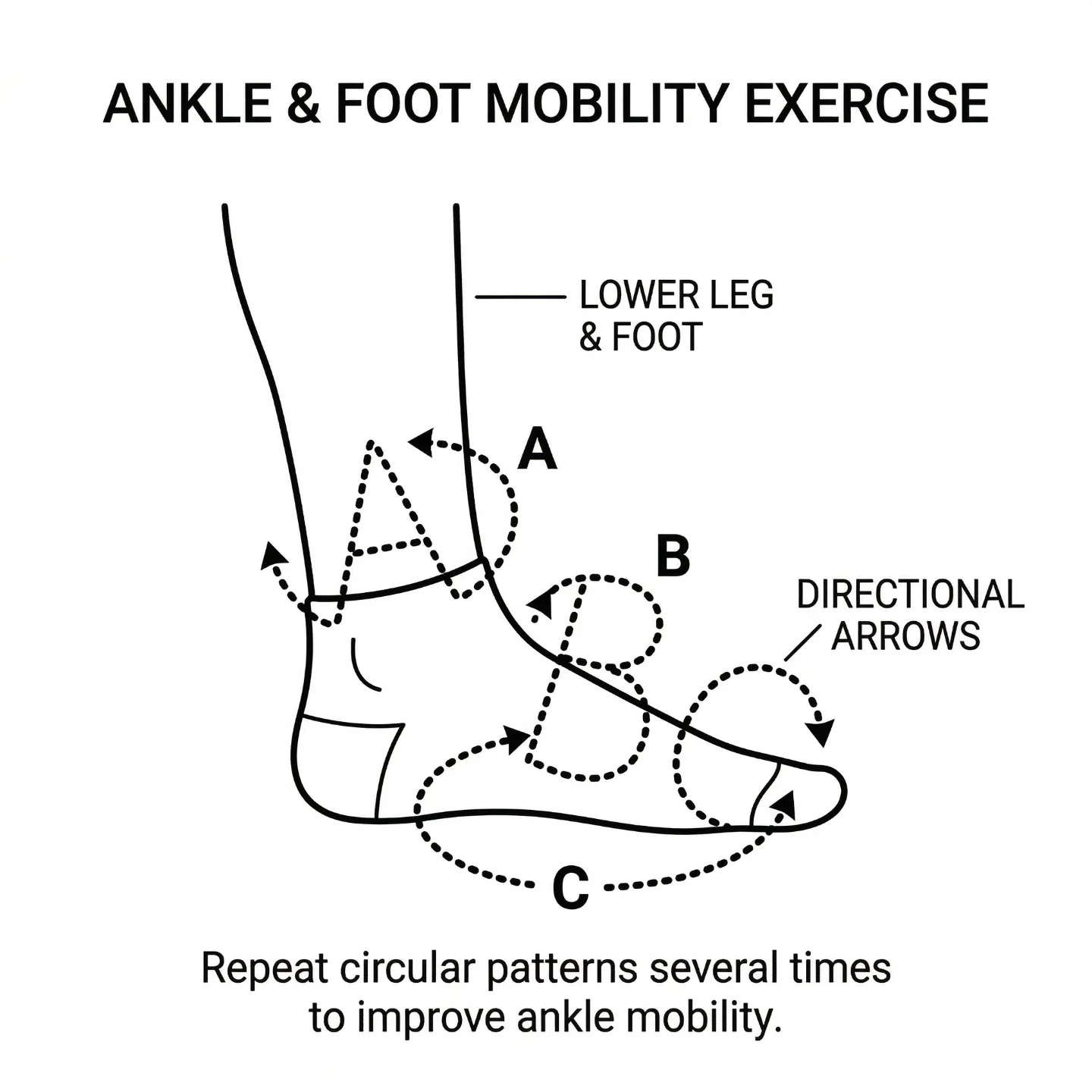
How to do it:
Sit comfortably with one leg extended
Trace the entire alphabet in the air with your big toe
Make the letters as large as possible
Switch feet
Sets: 2 alphabets per foot (yes, A to Z twice!) Why it works: Uses your ankle's full range of motion in all directions.
Exercise 9: Wall Ankle Mobility Stretch
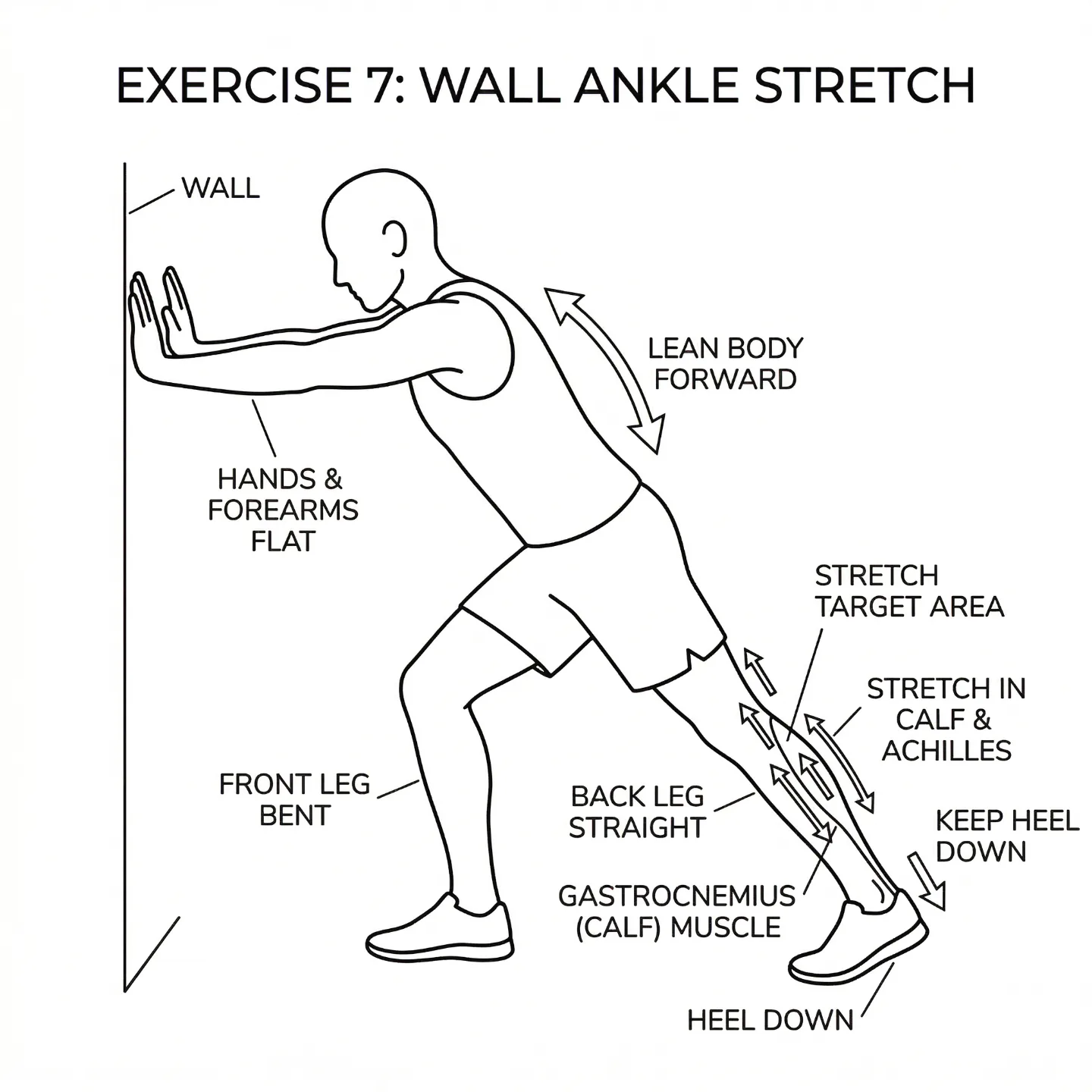
How to do it:
Face a wall, standing an arm's length away
Place hands on the wall at shoulder height
Step your right foot back about 2 feet
Keep your back heel on the ground
Bend your front knee, leaning toward the wall
Feel the stretch in your back ankle and calf
Hold 30 seconds
Switch legs
Sets: 3 stretches per leg Walking Holiday tip: Do this every morning during your walking holiday to prevent tightness.
Exercise 10: Seated Ankle Rocks
How to do it:
Sit in a chair with feet flat
Keeping your toes on the ground, lift your heels as high as possible
Then, keep heels down and lift your toes as high as possible
Rock back and forth smoothly
Repeat 20 times
Sets: 3 sets Perfect for: Your flight to Ireland! Combat sitting stiffness and arrive ready to walk.
Part 4: Master Your Balance (3 Stability Exercises)
Balance isn't just about not falling—it's about your body's ability to make micro-adjustments on every step, keeping you stable without conscious thought.
Exercise 11: Single-Leg Stance with Arm Movements
How to do it:
Stand on one leg
Reach your arms overhead
Swing them out to the sides
Bring them down to your hips
Continue moving arms while balancing for 30 seconds
Switch legs
Sets: 3 sets per leg Trail translation: Simulates balancing while adjusting your backpack or taking photos on the trail.
Exercise 12: Tandem Balance Walk (Advanced)
How to do it:
Walk in a straight line placing one foot directly in front of the other
Swing your arms as if walking normally
Turn your head from side to side while walking
Walk 20 steps forward, then 20 steps backward
Sets: 3 rounds Challenge: Once confident, try this on a slightly uneven surface like grass.
Exercise 13: Balance Board Training (Optional Equipment)
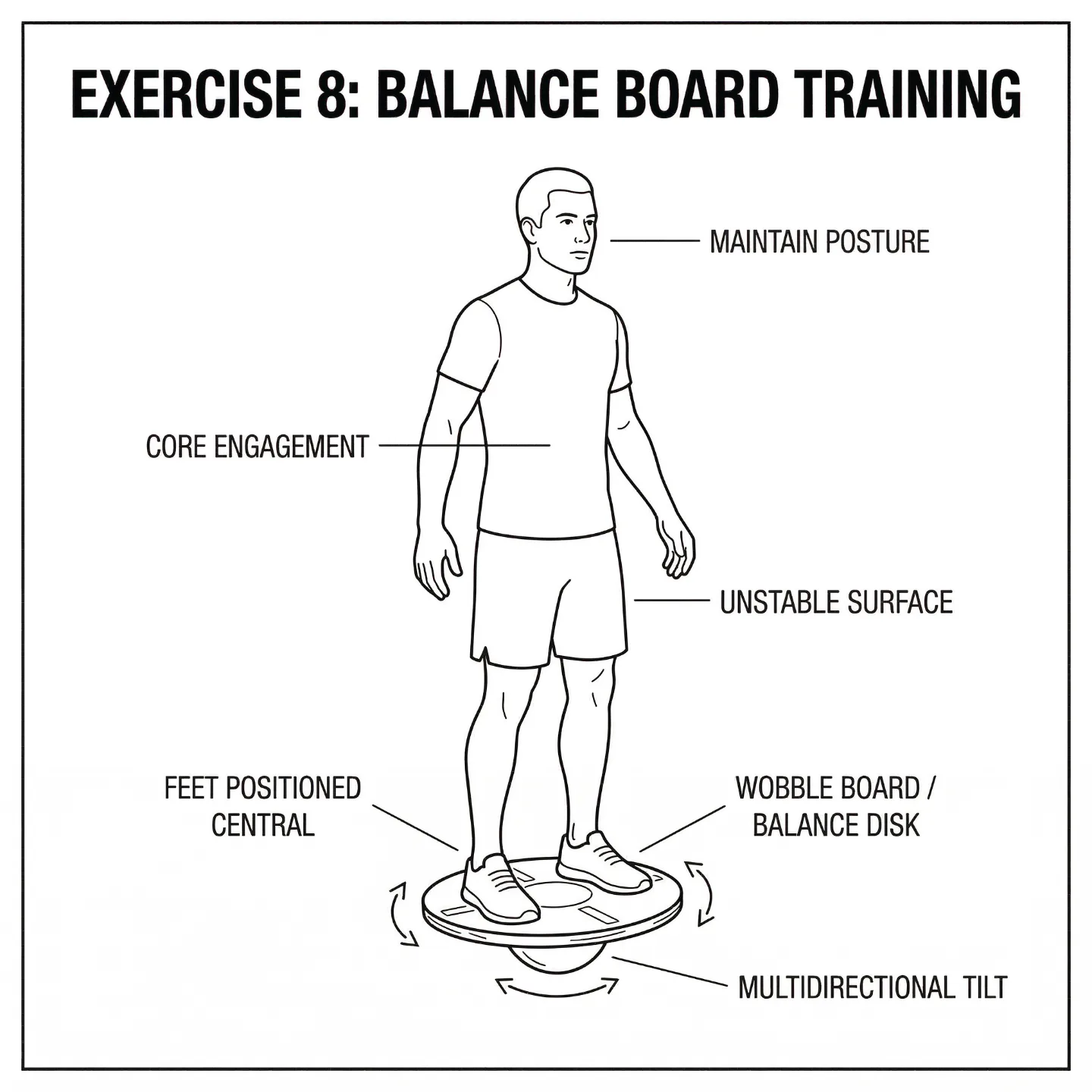
What you need: A balance board, wobble cushion, or even a rolled towel
How to do it:
Stand on the unstable surface
Balance for 30 seconds to 1 minute
Progress by:
Closing your eyes
Tossing a ball from hand to hand
Standing on one foot
Sets: 5 minutes of varied balance work Investment tip: A balance board costs £20-40 and is one of the best pre-holiday training tools.
Your 4-Week Training Calendar
Monday & Thursday
Resistance band exercises (1-2)
Single-leg balance (3)
Calf raises (5-7)
Tuesday & Friday
Heel-to-toe walks (4)
Ankle mobility stretches (8-10)
Balance training (11-13)
Wednesday
Light practice: Ankle alphabet (8)
Seated calf raises (7)
Wall stretch (9)
Weekend
Practice on terrain: Find a local park with uneven paths and practice walking with focus on ankle stability
Beyond Exercises: Complete Ankle Protection for Your Irish Walking Holiday
Choose the Right Footwear
Boots vs. Shoes: For Irish trails, we recommend mid-height hiking boots with:
Ankle support (not too rigid, but structured)
Waterproof membrane (Gore-Tex or similar)
Deep, grippy tread for muddy sections
Well-broken-in (break them in with 3-4 shorter walks before your holiday)
Socks matter too:
Merino wool hiking socks
No cotton (stays wet and causes blisters)
Mid-height to protect ankles from boot rubbing
Pack Smart Ankle Support
Bring these items on your Irish walking holiday:
Elastic ankle support (optional, but reassuring if you have a history of ankle issues)
Trekking poles (reduce ankle stress by 25% on descents)
Zinc oxide tape (for on-trail ankle taping if needed)
Anti-inflammatory gel (for evening recovery)
Ice pack (many Irish B&Bs will help you ice if needed)
Trail Technique: Walk Smarter, Not Just Stronger
Even with strong ankles, poor technique causes injuries. Follow these Walking Holiday Ireland trail tips:
Going Uphill:
Shorten your stride
Keep weight over your forefoot
Use trekking poles for rhythm and support
Going downhill (where most ankle injuries occur):
Take smaller steps
Don't lean back—keep your center of gravity forward
Zigzag on steep sections rather than going straight down
Use poles to test footing before committing weight
On Uneven Ground:
Look 2-3 meters ahead, not at your feet
Step deliberately—each foot placement is a choice
Trust your prepared ankles to handle small irregularities
Save your focus for genuinely tricky sections
What If You Do Roll Your Ankle on the Trail?
Despite best preparation, accidents happen. Here's what to do:
Immediate Response (RICE Protocol):
Rest: Stop walking immediately. Don't "push through it."
Ice: Use a cold stream, or if near accommodation, apply ice (10 minutes on, 10 minutes off).
Compression: Wrap with elastic bandage or tape if available.
Elevation: Prop your foot up above heart level when resting.
When to Seek Medical Help:
Unable to bear weight at all
Severe swelling within 1 hour
Visible deformity
Numbness or tingling
No improvement after 24 hours of RICE
Walking Holiday Ireland Support: Our team is always available during your holiday. We can arrange transport, locate medical services, or adjust your itinerary if needed.
Success Stories: Walkers Who Prepared Their Ankles
Margaret from Dublin (Age 62)
"I was nervous about the Dingle Way because I'd twisted my ankle badly the year before. I did the ankle exercises religiously for 6 weeks before the trip. I felt so stable and confident on the trails! Not one wobble, and I completed all 8 days without issues."
James and Sarah from London (Both 45)
"The resistance band exercises made such a difference. By week three, we noticed we were walking more confidently even in our daily life. On the Wicklow Way, we navigated rocks and roots that would have definitely tripped us up before."
Peter from Manchester (Age 58)
"I've done walking holidays before and always ended up with sore, tired ankles by day 3. This time I trained properly. I was shocked—my ankles felt BETTER as the week went on, not worse. The calf exercises were game-changers."
Start Your Training Today for Your Best Irish Walking Holiday Ever
The most magical part of an Irish walking holiday isn't just the stunning landscapes, friendly locals, or cozy pubs at day's end (though those are pretty wonderful).
It's the profound sense of accomplishment and freedom that comes from moving confidently through Ireland's wild places, knowing your body is strong, capable, and ready for adventure.
Strong ankles give you:
Confidence on challenging terrain
Energy to enjoy the full day's walk
Freedom to take photos without worrying about your footing
The ability to help others in your group if needed
Memories of joy, not pain
Ready to Book Your Irish Walking Adventure?
At Walking Holiday Ireland, we've designed walking holidays that showcase the very best of Ireland's landscapes—from coastal cliffs to mountain passes, ancient ruins to hidden valleys.
What makes us different:
Small group sizes (8-12 people maximum)
Expert local guides who know every rock and root
Pre-trip preparation guides (including these ankle exercises!)
Luggage transfers between accommodations
Carefully selected routes matching your fitness level
Support vehicle for emergencies or tired legs
Our Most Popular Walking Routes:
The Dingle Way (8 days) – Coastal perfection in Kerry
Wicklow Way (6 days) - Mountains and monasteries
Burren Way (5 days) - Lunar landscapes and ancient history
Connemara Discovery (7 days) - Wild Atlantic beauty
Causeway Coast (6 days) - Giants and dramatic cliffs
Your Next Steps
Download our Free Training Plan: Get this ankle exercise routine in a printable PDF format with tracking checkboxes
Book a Free Consultation: Speak with our walking specialists about which Irish route suits your fitness level
Join Our Pre-Trip Training Community: Connect with other walkers preparing for their Irish adventure
Special Offer for Prepared Walkers
Book any 2026 or 2027 walking holiday and mention this article to receive:
Free pair of trekking poles (£45 value)
Complimentary ankle support sleeves
Pre-trip video call with our fitness advisor
Frequently Asked Questions
How long does it take to strengthen ankles enough for a walking holiday? Most people see significant improvements in 4-6 weeks of consistent training (3-4 times per week). For best results, start 8 weeks before your trip.
I have weak ankles from previous injuries. Can I still do an Irish walking holiday? Absolutely! Many of our walkers have ankle histories. Start training earlier (8-10 weeks), consider taping for extra support, and we can adjust routes to avoid the most technical sections.
Are these exercises also good for preventing knee pain? Yes! Strong, stable ankles reduce the stress transferred up to your knees. Many walkers report their knee pain improves when they strengthen their ankles and calves.
What if I don't have a resistance band? You can use a towel or old t-shirt for many exercises. However, resistance bands cost only £5-10 and are worth the investment for proper progressive resistance.
Can I do these exercises if I'm already very fit? Even if you run marathons or cycle regularly, these targeted ankle exercises address specific stabilizer muscles that general fitness activities often miss. Many fit people are surprised by how challenging balance work can be!
The Bottom Line
An unforgettable Irish walking holiday is waiting for you—with prehistoric sites, sweeping coastal views, charming villages, and warm Irish hospitality around every bend.
Don't let unprepared ankles be the reason you can't fully enjoy it.
Invest 10-15 minutes, three times per week, for the next 4-8 weeks.
Your ankles will be strong. Your balance will be steady. Your confidence will soar.
And when you're standing at the edge of the Cliffs of Moher, watching the Atlantic waves crash below, feeling powerful and capable—you'll know it was worth every single calf raise.
Article written by the Walking Holiday Ireland team | Expert guidance from certified hiking fitness specialists | Updated April 2026