When Was Walking Invented? A 6 Million-Year Story on Irish Trails
So you've typed "when was walking invented" into Google. Maybe at 2am, maybe in a pub debate, maybe because your legs hurt after a long hike and you need someone to blame. Either way, you've stumbled onto one of the most fascinating questions in human history.
Walking was not invented — it evolved. The earliest evidence of bipedal walking dates to around 6 million years ago with hominins like Orrorin tugenensis in East Africa. Modern human walking was fully developed by the time Homo sapiens appeared roughly 200,000 years ago. No single person or moment created walking — it was 6 million years of gradual evolutionary change.
Here's the short answer: walking wasn't invented. Nobody filed a patent. No ancient genius stood up one morning and thought, "Right, I'll try this on two legs." Walking evolved — over roughly 6 million years of trial, error, and some spectacular evolutionary engineering.
I'm Cliff, and I run Walking Holiday Ireland. I spend my days helping people walk some of the most beautiful trails on earth. But I've always been fascinated by the bigger question: how did we get here? How did a bunch of tree-dwelling apes end up hiking the Wicklow Way?
Let me take you through the whole story.
The Very First Steps: Tetrapods Leave the Water
Long before anyone was debating the difference between hiking and walking, life was figuring out how to move on land at all.
Around 360 million years ago, ancient creatures called tetrapods — think fish with ambition — hauled themselves out of the water. Early species like Ichthyostega dragged their bodies forward using stubby limbs. It wasn't pretty. More of an awkward belly shuffle than a proper walk.
But it worked. Those first clumsy steps onto dry land kicked off an evolutionary arms race that would eventually produce dinosaurs, mammals, and one day, you — lacing up your hiking boots for a morning on the Kerry Way.
Who Invented Walking? The 6 Million-Year Timeline
The question "who invented walking" gets asked a lot. The honest answer is nobody — and everybody. Here's how bipedalism (walking upright on two legs) developed through our ancestors:
6 Million Years Ago: Orrorin tugenensis
The earliest hominins showing signs of upright walking. Fossils found in Kenya's Tugen Hills suggest they could walk on two legs, though they still spent plenty of time climbing trees. Think of them as part-time walkers, part-time tree-dwellers.
4 Million Years Ago: Lucy Takes Centre Stage
Australopithecus afarensis — better known as Lucy — is perhaps the most famous walker in human history. Discovered in Ethiopia's Afar region in 1974, her fossilised bones showed she walked upright with a gait recognisably similar to ours. Her brain was about the size of a chimpanzee's. She didn't need to be smart to walk — she just needed the right pelvic bones and leg structure.
The Laetoli footprints in Tanzania, dating to 3.6 million years ago, sealed the deal. Fossilised footprints of early humans walking upright through volcanic ash. Proof that bipedalism was well established millions of years before our genus Homo even appeared.
2 Million Years Ago: Homo erectus Changes Everything
This is where walking gets serious. Homo erectus — "upright man" — had long legs, a modern-looking pelvis, and a stride that would look familiar to anyone hiking Ireland's national parks today. They were the first true long-distance walkers.
Homo erectus walked out of Africa and into Asia and Europe. Their efficient bipedalism, combined with a larger brain, made them humanity's first great explorers. Walking wasn't just movement anymore — it was migration, expansion, survival.
200,000 Years Ago: Homo sapiens Arrives
Modern humans perfected what millions of years of evolution started. We're among the most efficient long-distance walkers in the animal kingdom. A fit human can outwalk almost any other animal over sustained distances — a skill our ancestors used for persistence hunting across the African savanna.
The Walking Timeline at a Glance
| When | Who | What Happened |
|---|---|---|
| 360 million years ago | Tetrapods (Ichthyostega) | First creatures crawled from water onto land |
| 6 million years ago | Orrorin tugenensis | Earliest evidence of upright walking on two legs |
| 3.6 million years ago | Australopithecus (Lucy) | Walked upright with a gait similar to modern humans; Laetoli footprints preserved |
| 2 million years ago | Homo erectus | First true long-distance walker; walked out of Africa into Asia and Europe |
| 200,000 years ago | Homo sapiens | Modern human walking fully developed; most efficient long-distance walkers on Earth |
| 3,500 years ago | Celtic peoples | Established walking networks across Ireland connecting settlements and sacred sites |
| 1980 | Modern waymarked trails | Ireland's first long-distance route, the Wicklow Way, officially opens |
Was Walking Invented in 1938? The Meme Explained
If you've seen the claim that "walking was invented in 1938 by a man who tried to stand up twice," that's a meme — not history. It circulates on social media regularly and has turned "when was walking invented" into one of Google's most entertaining search queries. The joke plays on the absurdity of the question: of course nobody invented walking in 1938.
The real answer is far more interesting. Walking evolved over 6 million years through incremental changes in skeletal structure, muscle development, and brain function. No patent was filed, no lightbulb moment occurred. Just millions of generations of small adaptations that added up to the efficient bipedal gait you use every day — whether you're crossing your living room or hiking the Wicklow Way.
But Wait — When Was Running Invented?
Since you're curious about walking, you've probably also wondered: when was running invented? The answer ties directly to Homo erectus around 2 million years ago. The same skeletal adaptations that made long-distance walking efficient — spring-like tendons in the legs, a nuchal ligament stabilising the head, enlarged gluteal muscles — also enabled running.
Running and walking evolved together. You can't have one without the other. And if you've ever tried to prepare for a long-distance hike in Ireland, you'll know both skills come in handy.
Why Did Humans Start Walking Upright?
Evolution doesn't do anything without a reason. Bipedalism was expensive — it required a complete redesign of the spine, pelvis, legs, and feet. So why bother? Scientists have proposed several compelling theories:
Freeing the hands. Walking upright let our ancestors carry tools, food, and infants while moving. This was a game-changer for survival.
Seeing further. Standing tall on the African savanna meant spotting predators and food sources from greater distances. A walking ape could see what a crouching one couldn't.
Cooling down. An upright body exposes less skin to the midday sun and catches more breeze. Better thermoregulation meant our ancestors could forage during the hottest hours when competitors were resting. It's the same reason you'll appreciate a good breeze on an Irish hillwalking route in summer.
Energy efficiency. Here's the surprising one: walking on two legs uses less energy than walking on four over long distances. Our ancestors could cover vast territories on fewer calories — essential when food was scarce.
Social bonding. Walking side-by-side enabled conversation, cooperation, and community. Sound familiar? It's exactly why group walking holidays in Ireland are so popular today.
What Makes Human Walking So Special?
Your body is a 6 million-year-old walking machine. Here's what makes it remarkable:
Your S-shaped spine balances your torso perfectly upright — no other primate has this curve. Your pelvis is short and bowl-shaped, completely redesigned from the long, flat pelvis of our ape ancestors. Your arched feet act as shock absorbers and energy springs with every step.
The walking gait cycle is a masterpiece of efficiency. Your leg swings forward like a pendulum, storing and releasing energy through tendons. Your torso rotates opposite to your legs, keeping you balanced. Your arms swing in counterpoint. The whole system repeats roughly 2,000 times per mile — and most of the time, you don't even think about it.
Humans are also uniquely adapted for sustained walking. We can walk for hours — even days — at a steady pace. This endurance is partly why hiking in Ireland feels so natural. Multi-day trails like the Wicklow Way were made for bodies built to walk.
Walking Through Irish History
Here in Ireland, walking has shaped the landscape for thousands of years. The trails you hike today follow paths worn by centuries of footsteps:
Celtic peoples (500 BCE onwards) established networks of walking routes connecting settlements, sacred sites, and trading posts. Their paths crisscrossed what we now call the Wild Atlantic Way and wound through the Glens of Antrim.
Early Christian monks walked pilgrimage routes between monasteries. St Kevin of Glendalough chose one of the most beautiful valleys in Ireland for his hermitage — a place you can still walk to today. The Irish pilgrim paths remain some of the most atmospheric walks in Europe.
The Famine era left its own walking legacy. The Famine Roads of Ireland — built during the 1840s as relief works — are haunting reminders of a darker chapter. Walking these paths connects you to real history in a way no museum can match.
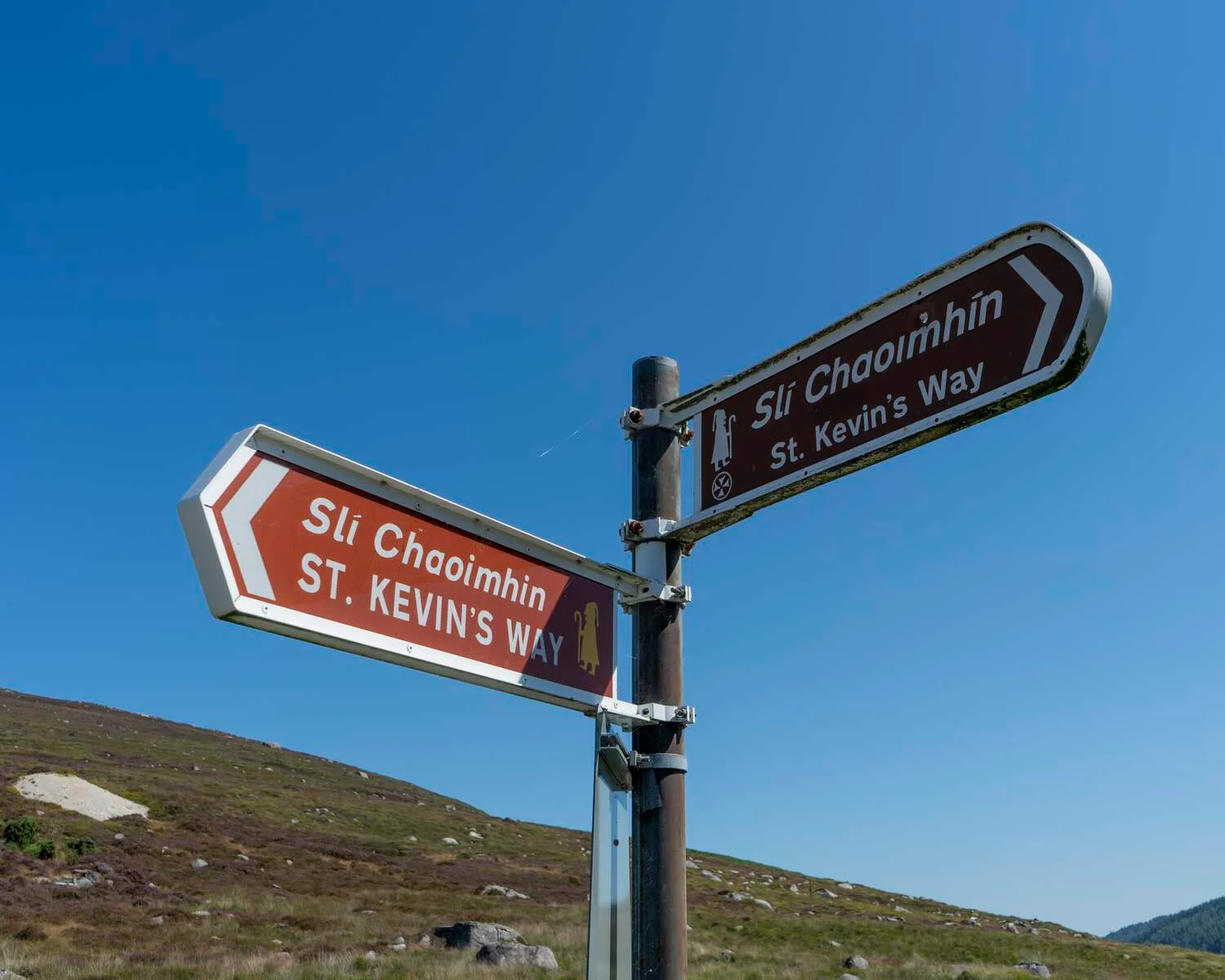
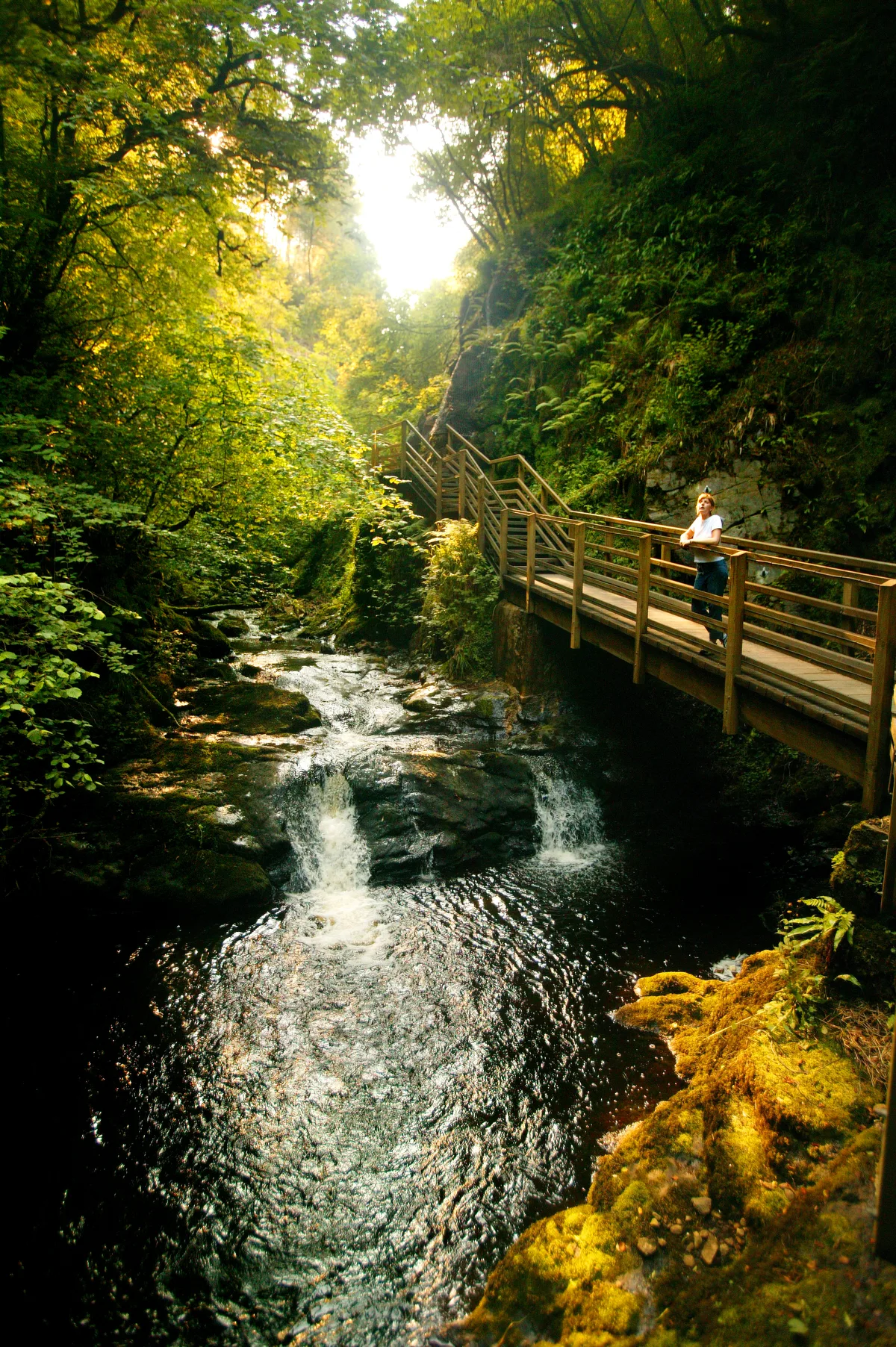
Modern waymarked trails began with the Wicklow Way in 1980 — Ireland's first long-distance walking route. Today, we have hundreds of kilometres of marked trails through national parks, coastal paths, and mountain routes.
Types of Walking: More Ways to Move Than You'd Think
Walking has evolved far beyond basic bipedalism. Today you'll find all sorts of variations:
Hiking covers everything from gentle trails to serious mountain ascents. If you're wondering about the differences, I've written about hiking vs trekking and rambling vs hiking.
Nordic walking uses poles to engage your upper body. It's brilliant for fitness and easier on the joints. We've put together a complete beginner's guide to Nordic walking.
Pilgrimage walking combines physical movement with spiritual reflection — a tradition stretching back thousands of years on Irish soil.
Trail running takes hiking's evolutionary cousin and adds speed. Same ancient biomechanics, modern twist.

Average Walking Speed: From Ancient Humans to Modern Hikers
The average human walking speed is about 5 km/h (3.1 mph) on flat ground. But that figure hides a lot of variation depending on terrain, fitness, and purpose. On a typical Irish hiking trail with moderate hills, most walkers cover about 3.5 to 4.5 km/h. On steep mountain terrain like the Kerry Way mountain stages, that drops to 2.5 to 3 km/h.
Our ancient ancestors likely walked at similar speeds. Homo erectus, the first true long-distance walker, could sustain a pace of 4 to 5 km/h for hours — covering 20 to 30 km in a day. That's roughly the same daily distance we plan for most of our self-guided walking holidays today. Some things haven't changed much in 2 million years.
Speed also depends on age and fitness. Children typically walk at 3 to 4 km/h, while fit adults can maintain 5.5 to 6 km/h on good paths. Nordic walkers, using poles for added propulsion, often average 6 to 7 km/h. If you're wondering what pace to plan for your Irish walking holiday, our tour grading system takes walking speed and terrain into account so you know exactly what to expect each day.
Every Step on Irish Trails Is 6 Million Years in the Making
When you hike in Ireland, you're doing something your body was literally built for over millions of years of evolution. Those arched feet, that S-curved spine, those efficient leg tendons — they weren't designed for sitting at a desk. They were engineered for exactly this: walking across beautiful, varied terrain with the wind in your face and the Atlantic on the horizon.
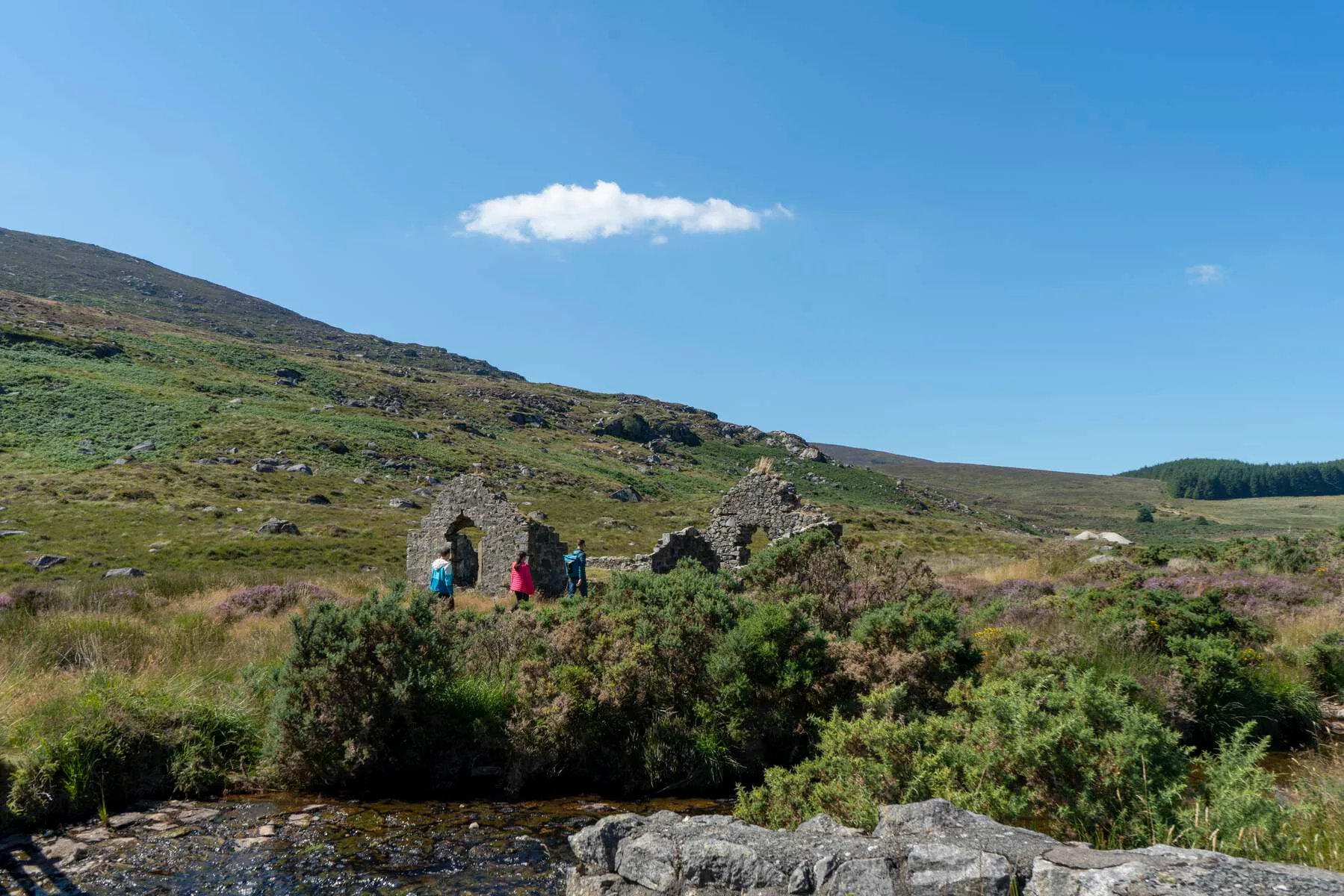
The best time to visit Ireland for hiking is between April and October, but truth be told? The Irish weather keeps things interesting year-round. Pack your backpacking essentials, choose the right boots, and let 6 million years of evolution carry you along trails that have been walked for millennia.
Ready to put those evolved legs to work? Browse our self-guided walking holidays, explore the Wicklow Way walking holiday, or check out how our hiking tours are graded to find your perfect trail.
Walk Ireland. Your body's been preparing for it since before you were even human.
Frequently Asked Questions
When was walking invented?
Walking wasn't invented — it evolved over approximately 6 million years. The earliest evidence of bipedal walking comes from hominins like Orrorin tugenensis around 6 million years ago. Modern human walking, as we know it, was fully developed by the time Homo sapiens appeared roughly 200,000 years ago.
Who invented walking?
No single person or species invented walking. Bipedalism developed gradually through millions of years of evolution. Key milestones include Australopithecus afarensis (Lucy) walking upright about 3.2 million years ago, and Homo erectus perfecting long-distance walking about 2 million years ago.
When was running invented?
Running evolved alongside walking, roughly 2 million years ago with Homo erectus. The same skeletal adaptations that enabled efficient walking — spring-like leg tendons, enlarged gluteal muscles, and a stabilising nuchal ligament — also made running possible.
Why did humans start walking upright?
Scientists believe bipedalism evolved for several reasons: it freed the hands for carrying tools and food, allowed our ancestors to see further across the African savanna, improved body cooling in hot climates, and was more energy-efficient for long-distance travel than walking on four legs.
Can you walk ancient paths in Ireland?
Yes! Many of Ireland's modern hiking trails follow paths that have been walked for thousands of years. Celtic warriors, early Christian monks, and medieval traders all used routes you can still walk today, including the Irish pilgrim paths and trails through Wicklow National Park.
How long have humans walked long distances for pleasure?
Walking for leisure is comparatively modern. It took hold during the Romantic era of the 18th and 19th centuries, when Europeans began to value landscape for its own sake. Before that, walking was practical — trade, pilgrimage, survival.
What's the oldest known walking path in Ireland?
Pilgrim routes such as the path to Croagh Patrick go back more than 1,500 years, and some trackways are older still. The green roads — ancient drovers' routes — predate written records, and a good many modern waymarked trails follow those same corridors.
Continue exploring
Walking connects us to our deepest human heritage. Discover more about choosing the perfect self-guided walk or finding Ireland's most rewarding trails.
- Self-guided walking holidays in Ireland — plan your own adventure at your own pace
- Top-rated scenic walks in Ireland — explore beloved trails across the island
Frequently Asked Questions
Are the trails well-marked?
What is the most popular route?
What kind of boots should I wear?
What are the most essential items to pack for a walking holiday in Ireland?
Photo Gallery