From Decision to Departure: Preparing for an Irish Trail Adventure
When planning a walking holiday in Ireland, you'll face more than forty waymarked long-distance trails to choose between — genuinely difficult if you haven't done it before. After fifteen years running Walking Holiday Ireland, I've helped hundreds of walkers through this exact moment – and the answer almost always starts with the same question: What do you want to feel at the end of the week?
This guide covers the whole planning process for your Ireland walking holiday honestly — choosing your trail, deciding between guided and self-guided, timing your trip, packing well, and knowing when to book. Everything you need, from someone who has walked every route we sell.
Choose Your Trail: Irish Trail Planning Advice
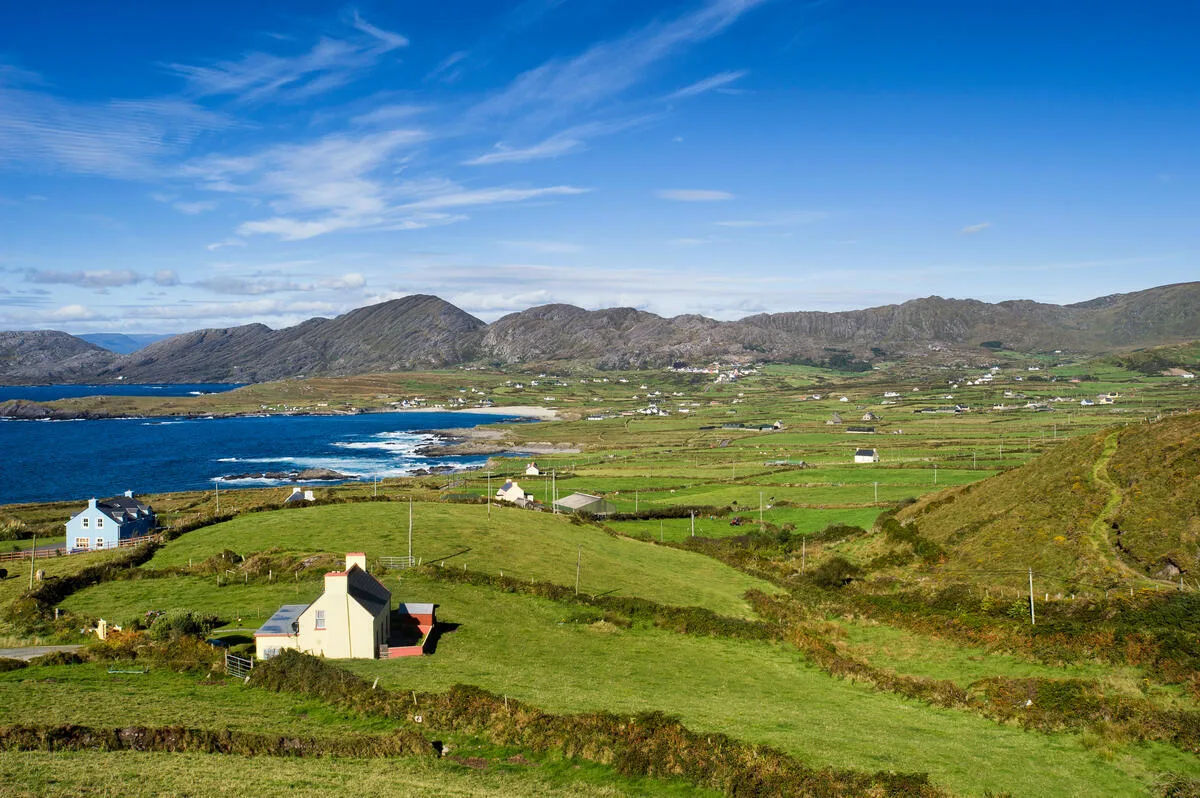
When choosing Irish walking trails, dozens of waymarked routes exist, but a handful stand out for walking holidays. The Kerry Way is the most popular long-distance route in the country — it circles the Iveragh Peninsula through mountain passes, coastal headlands, and traditional villages over five to eight days. If you want to understand why people talk about Kerry the way they do, walk it.
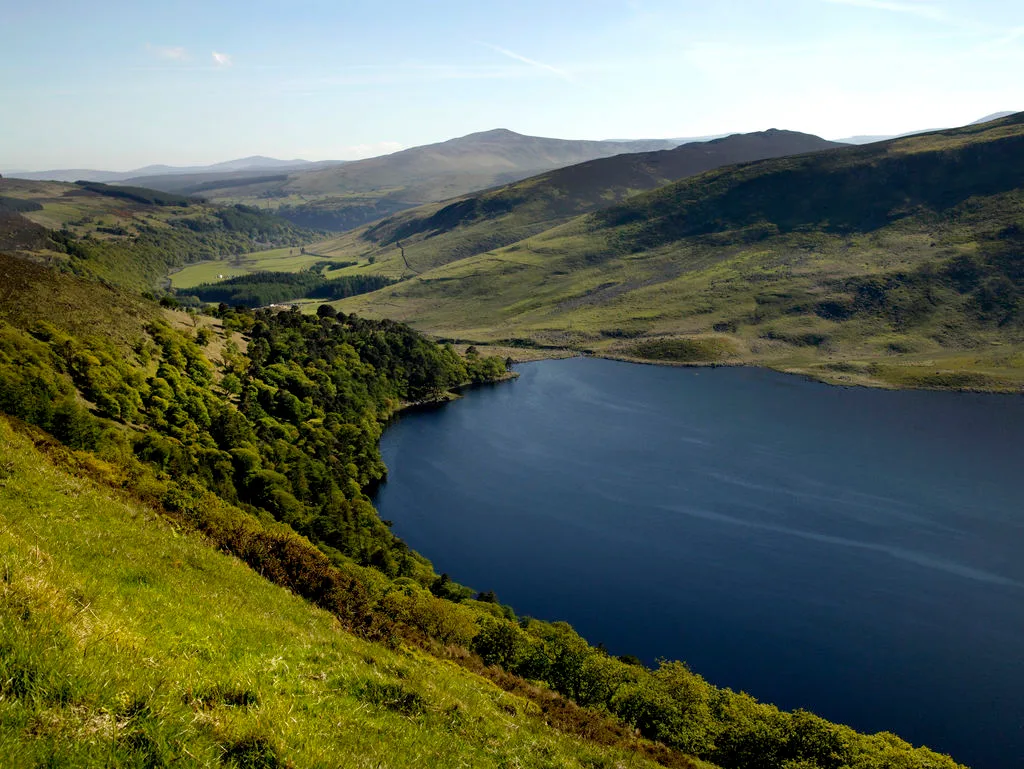
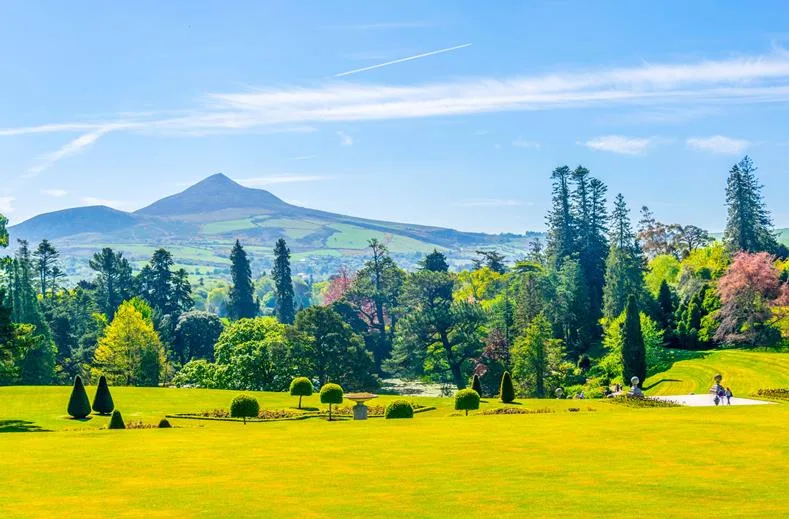
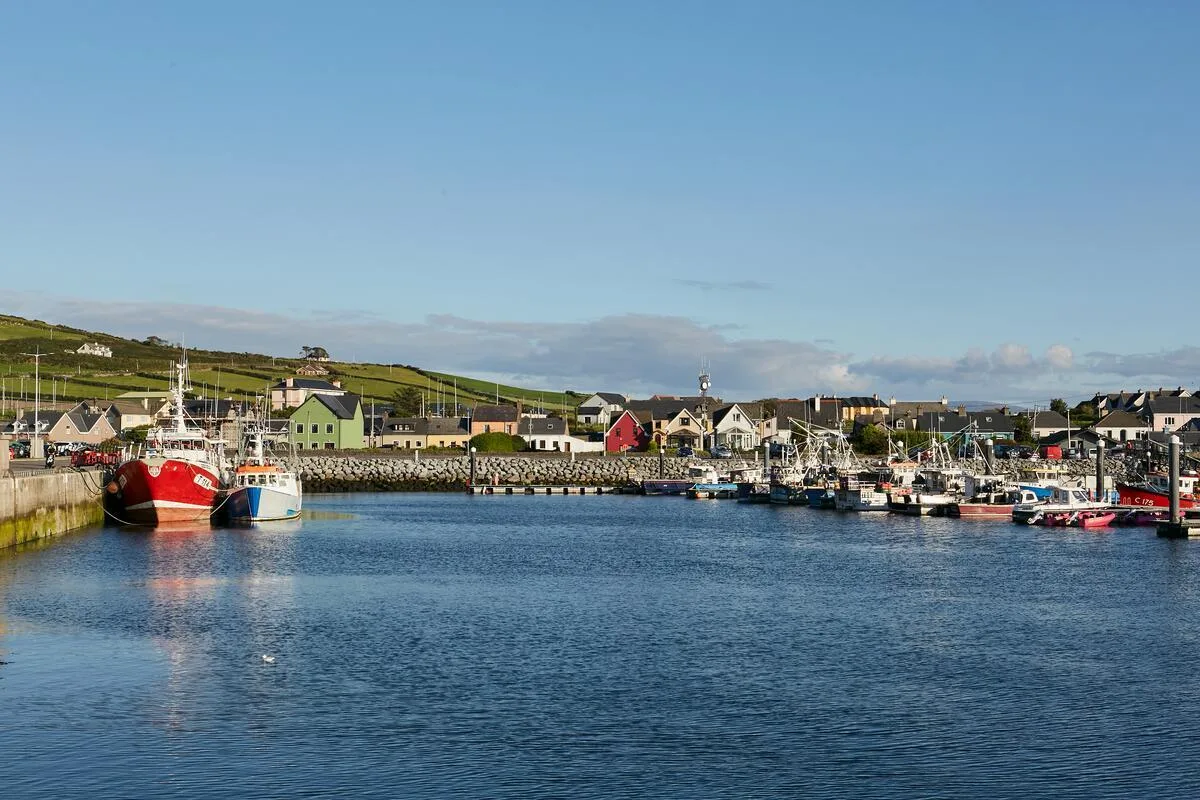
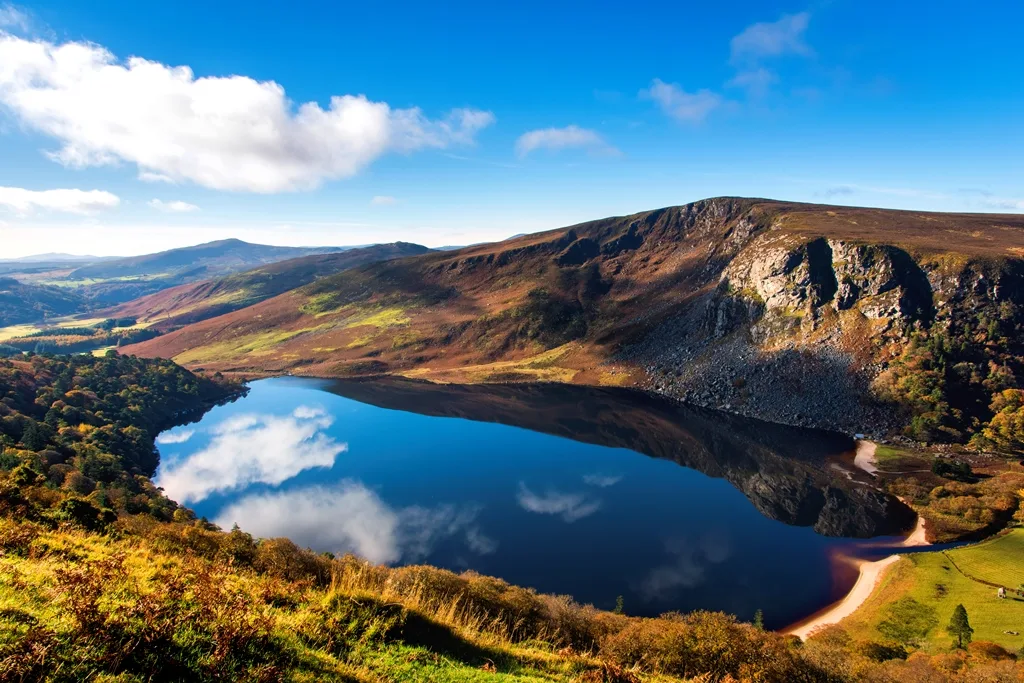
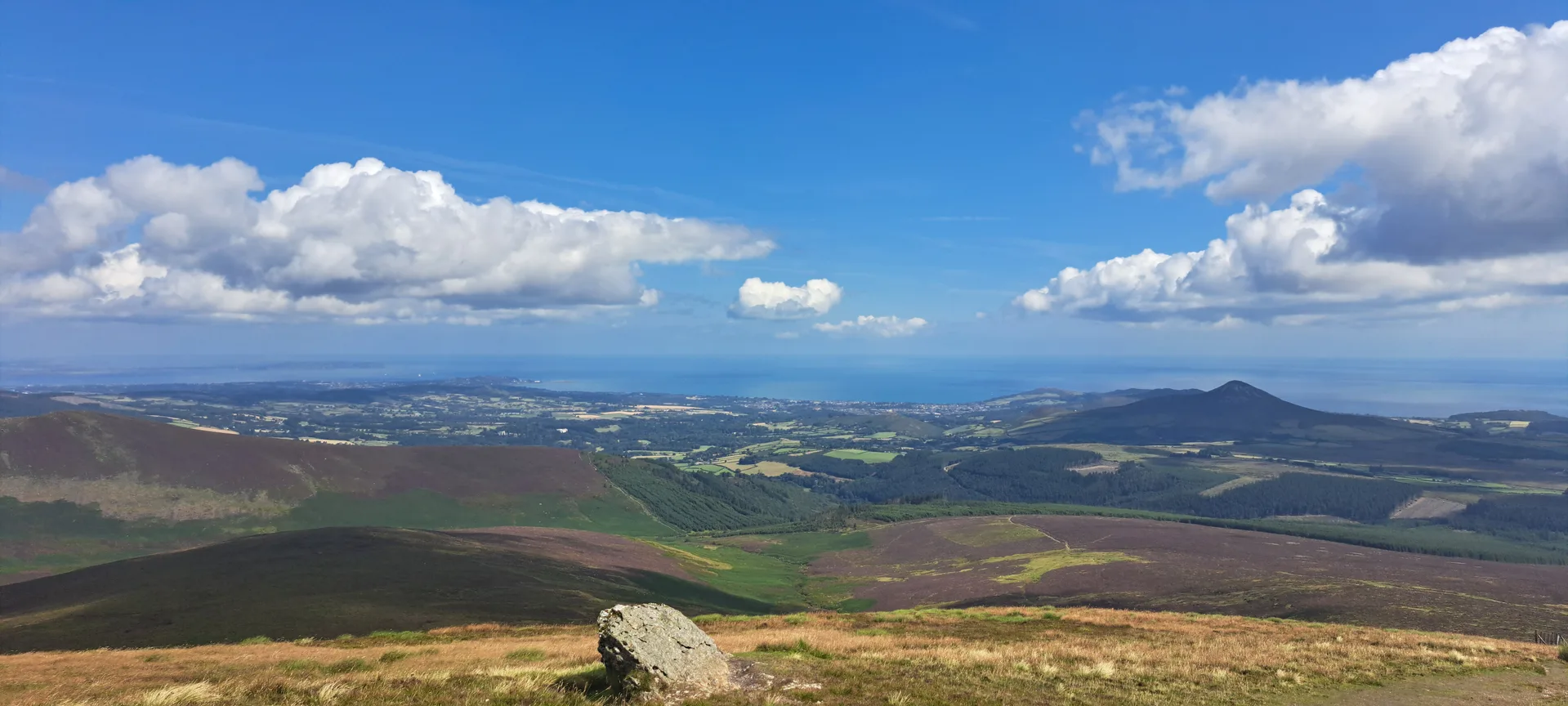
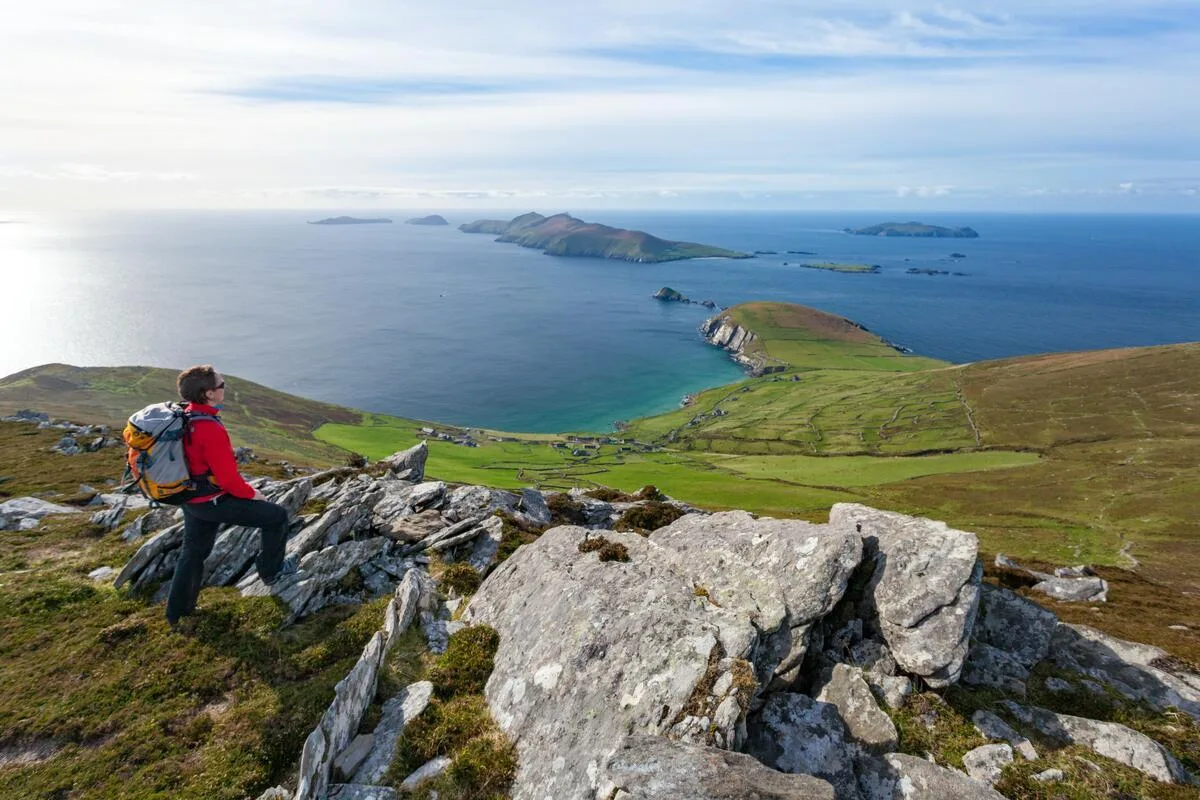
The Wicklow Way runs through the mountains directly south of Dublin — an excellent choice if you want to combine walking with time in the capital. The Dingle Way offers some of the most dramatic coastal scenery in Europe, with the added bonus of having one of Ireland's most characterful towns at its centre.
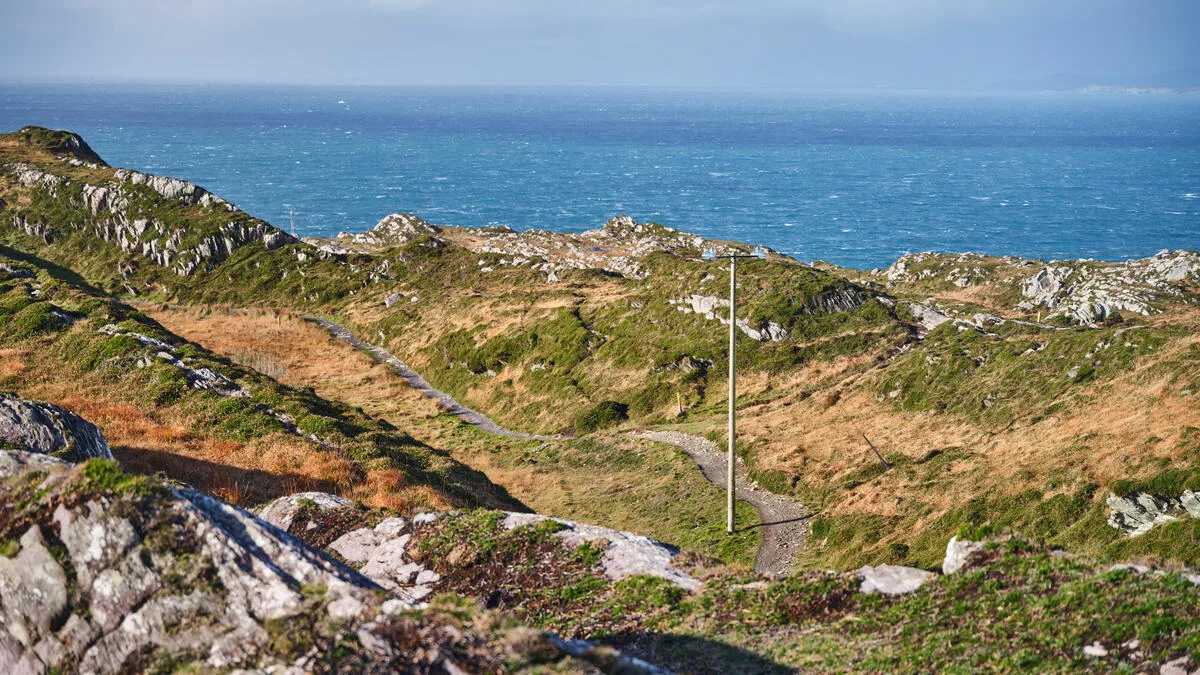
The Burren Way crosses the extraordinary limestone landscape of County Clare — a UNESCO Global Geopark unlike anything else in Ireland. And the Beara Way follows the wild Cork-Kerry border through scenery that rivals the more famous routes, with a fraction of the foot traffic. Each trail has its own personality. Our tour grading helps you match the right route to your fitness and experience.
Decide on Self-Guided vs Guided Walking
This choice is usually the first real decision when planning your Irish hiking trip. A guided walking holiday means you walk with a local guide who knows every path, every shortcut, and every story behind the landscape. You don't navigate — you listen, ask questions, and absorb. Guided trips are sociable; you walk with a small group and share meals and evenings together. For people who want the full immersion of local knowledge, this experience is hard to beat.
A self-guided walking holiday gives you complete freedom. We book your accommodation, transfer your luggage between each stop, and hand you detailed route notes and maps before you set off. You walk at your own pace. You stop when you want. Your evenings are your own. Self-guided is our most popular option — it combines the independence of walking alone with the comfort of having everything arranged. Most people who try it say they'd never go back to carrying their bags.
Pick the Right Time of Year
The best time to visit Ireland for walking is April through October. Each month has something to offer. April and May bring longer days, wildflowers on the hillsides, and trails that haven't yet filled up. June and July are the warmest months — daylight stretches past ten in the evening, which is extraordinary for late-afternoon ridge walks. August is busy, especially on the Kerry Way and Wicklow Way, but the weather earns it.
September is my personal favourite month for hiking in Ireland. The heather is in full bloom, the evening light turns golden, the paths are quieter, and the weather is often more settled than the height of summer. Early October is beautiful too — you'll have popular trails almost to yourself. The Irish weather is mild and changeable year-round. Summer temperatures sit between 15 and 20°C. Rain can arrive at any time, but it rarely lasts all day — and it keeps Ireland green.
Pack Smart
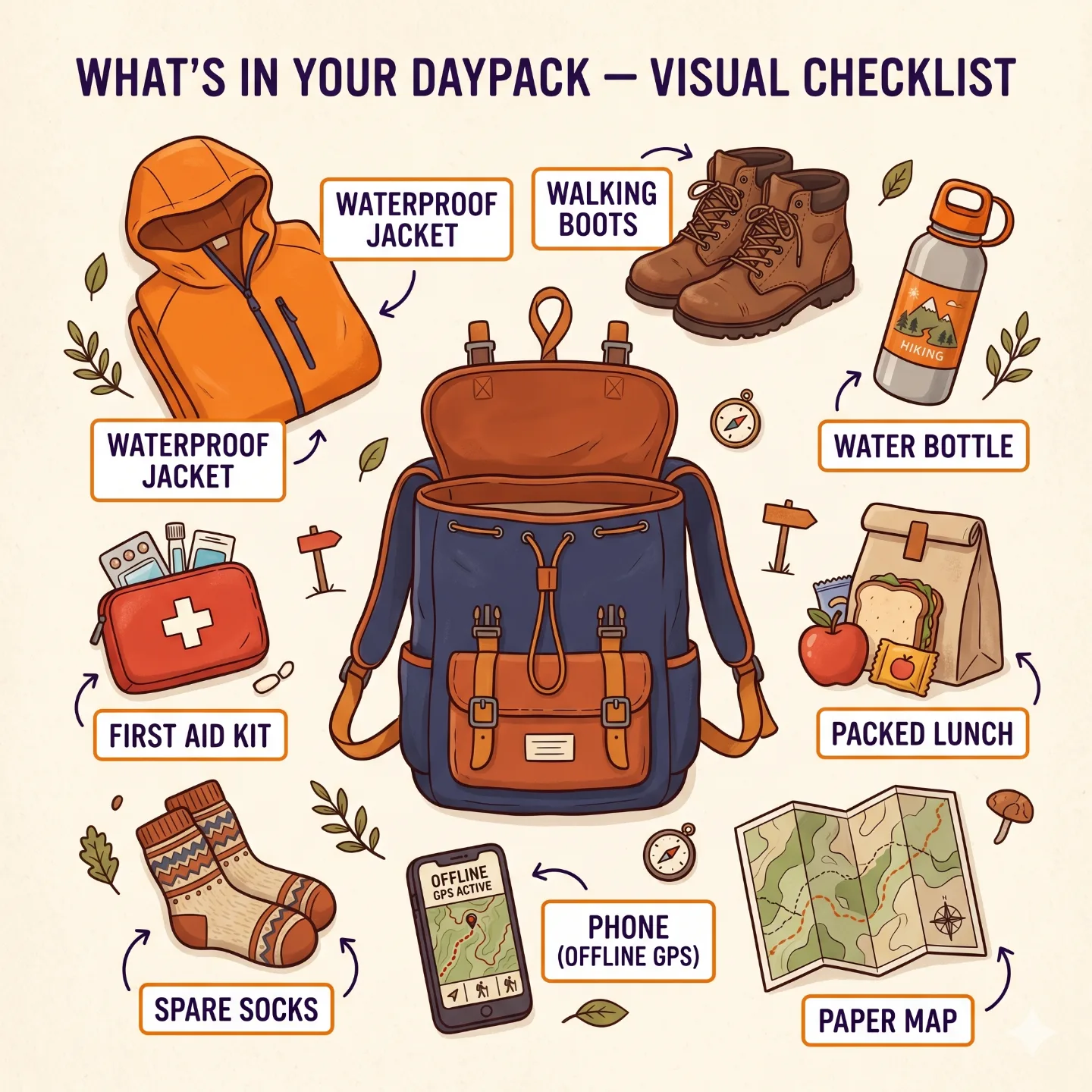
Good gear makes a walking holiday enjoyable. Poor gear makes it a misery. The single most important item is a pair of well-fitted, broken-in walking boots with ankle support and a waterproof membrane. Break them in on several walks before you travel — new boots on day 1 are a reliable route to blisters and regret.
A breathable waterproof jacket is non-negotiable in Ireland. You will need it at some point regardless of the forecast. Pack layers rather than heavy clothing: a moisture-wicking base layer, a lightweight fleece, and your waterproof shell will handle the full range of Irish conditions. Our full packing list covers everything from socks to sunscreen.
On a self-guided holiday, your main bag is transferred between accommodations every day. You walk with a daypack containing water, lunch, rain gear, and a spare layer. That's it. The difference this makes to a long walking day is not small — if you've ever walked with a 15 kg rucksack, you'll understand immediately.
Get Your Fitness Ready: Walking Holiday Ireland Preparation
You don't need to be an athlete, but honest preparation for your Ireland walking holiday makes everything more enjoyable. Most of our walking holidays involve 15 to 25 km per day over mixed terrain – paths, country roads, mountain tracks, and, occasionally, rough boggy ground. A reasonable base fitness means you can spend the day enjoying the view rather than just surviving the distance.
The best preparation is simple: walk more. In the four to six weeks before your trip, build your distance gradually — start at 8 to 10 km and work up to 15 to 20 km over three or four weeks. If possible, walk on hills in the boots and daypack you'll use on your trip. This conditions your feet, identifies any gear problems before they matter, and builds the specific muscle memory that trail walking needs.
If you're unsure which grade suits you, our tour grading system rates every trail from easy to challenging, with honest descriptions of daily distances, elevation, and terrain. I'm also happy to advise directly — just drop us a message.
Book Accommodation
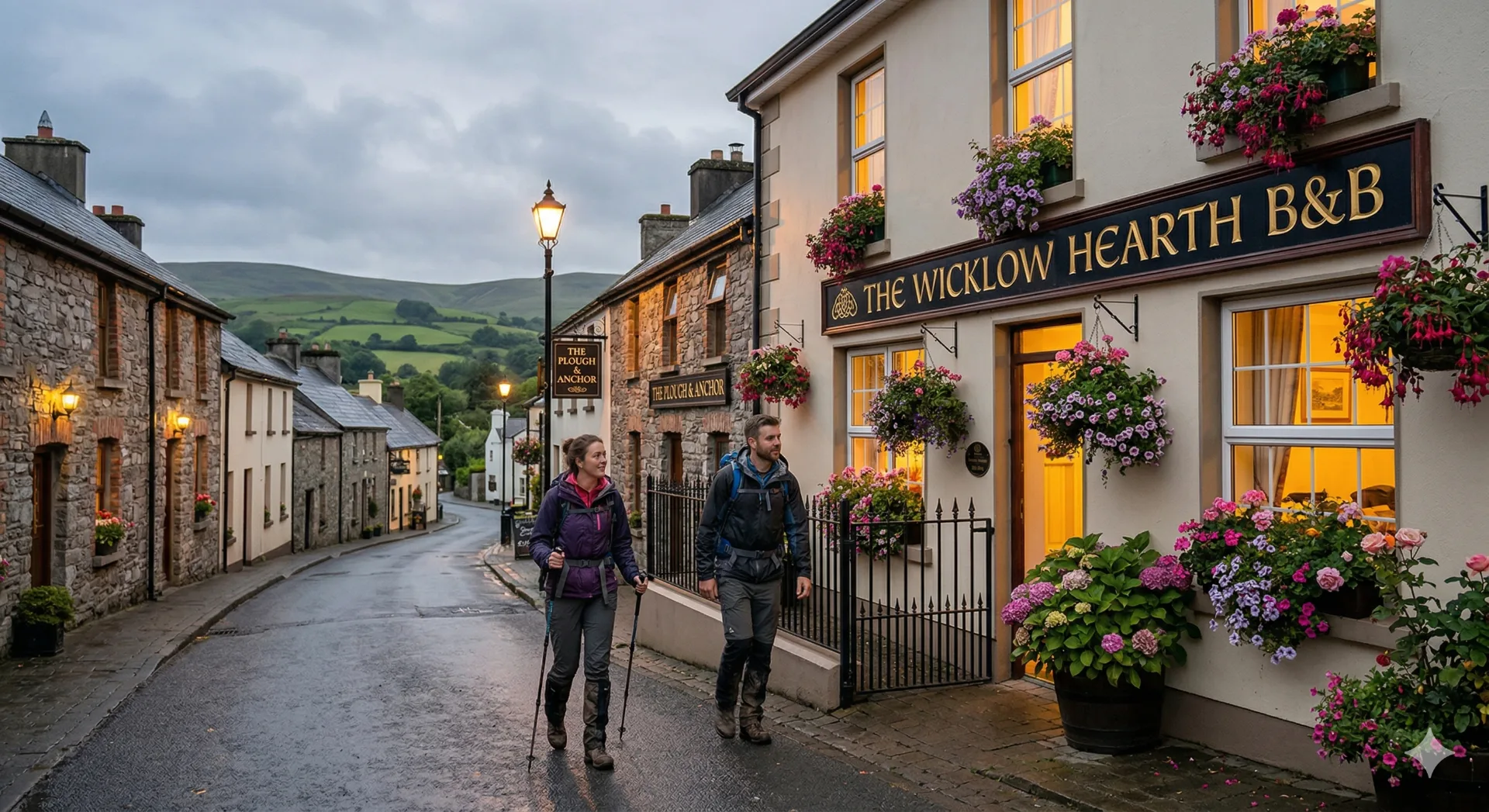
We take care of your accommodation on our walking holidays. We book you into quality B&Bs, guesthouses, and small hotels along each route — places chosen because their owners understand walkers. Irish B&Bs are one of the genuine highlights of any walking holiday here. The hospitality is warm and personal, the breakfasts are legendary, and your host will almost always know the best shortcut, the quietest pub, and the stretch of trail you shouldn't miss.
If you're planning independently, book well ahead for the summer months — particularly in popular areas like Killarney, Dingle, and Doolin. Accommodation along walking routes fills up early. For June to August travel, I'd recommend booking at least three to four months in advance.
Understand the Costs
A walking holiday in Ireland is excellent value compared to many European destinations. Our self-guided packages typically include accommodation with breakfast, luggage transfers between every stop, detailed route notes and maps, and a support line you can call from the trail — all the Ireland walking holiday tips you need. Dinner, lunch, and transport to and from the start point are usually additional.
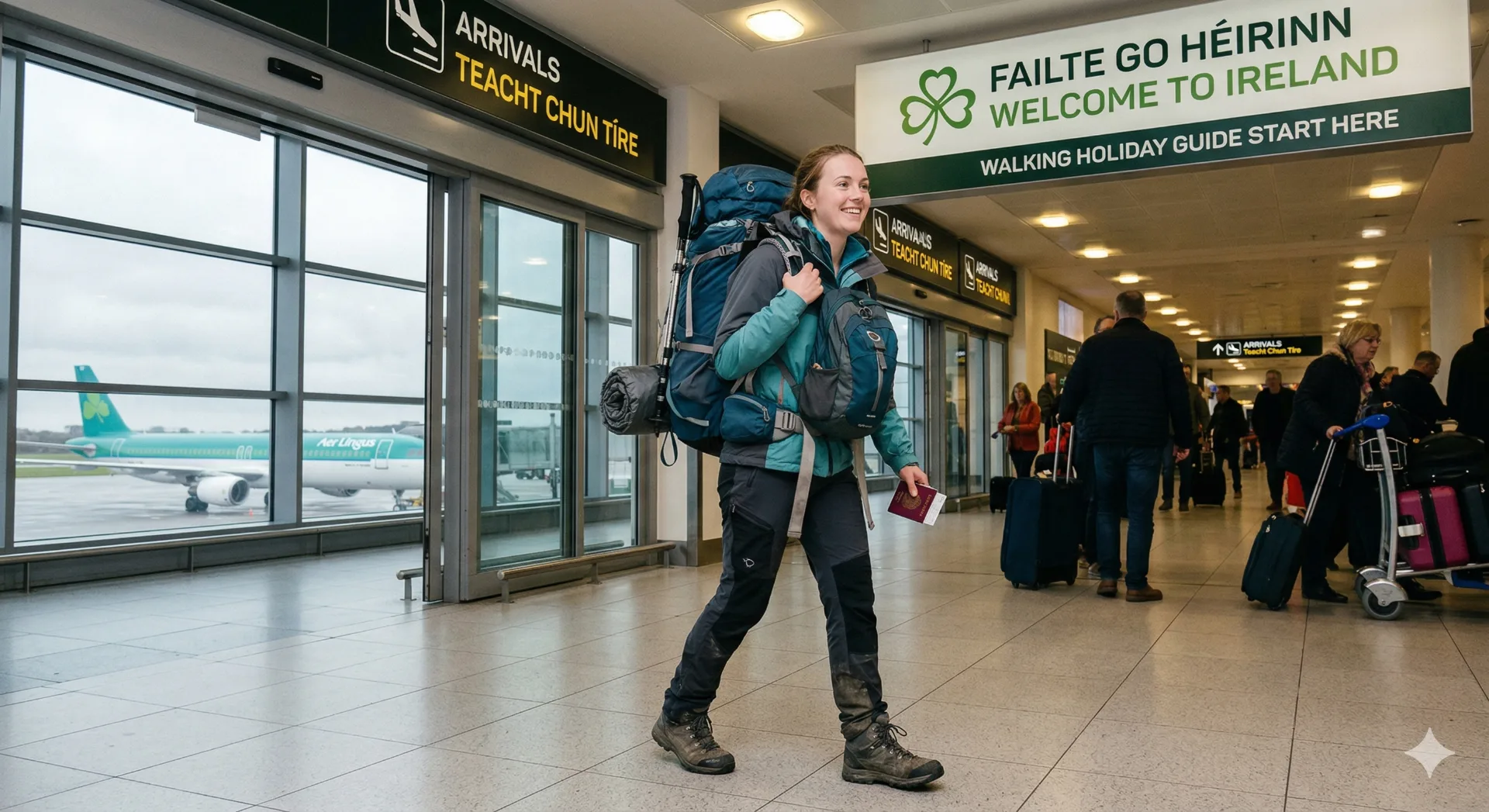
Budget roughly €30 to €50 per day for meals on top of your package price—more if you're planning restaurant dinners, less if you're happy with pub food and packed lunches. Getting to Ireland is straightforward: Dublin, Cork, Shannon, and Kerry airports all receive international flights. Irish Rail and Bus Éireann connect the main towns, and we can arrange transfers from airports to your starting point. A rental car is an option, though on a walking holiday, your car sits at your accommodation while you walk—it's worth thinking about whether you actually need one.
Plan Your Daily Walking
On a typical walking day, you'll be on the trail for four to seven hours depending on the stage and your pace. Most walkers set off between eight and nine in the morning after a full Irish breakfast — eggs, back bacon, sausage, soda bread, and strong tea — and finish between three and five in the afternoon at the next accommodation.
You'll carry lunch in your daypack: sandwiches from your B&B or supplies picked up at a village shop the evening before. Evenings are yours to enjoy, and Ireland's walking routes pass through villages and towns with genuinely good pubs, restaurants, and traditional music sessions. A pint and a bowl of seafood chowder at the end of a walking day is one of the simple pleasures that makes Ireland different from anywhere else.
What to Expect on the Trail
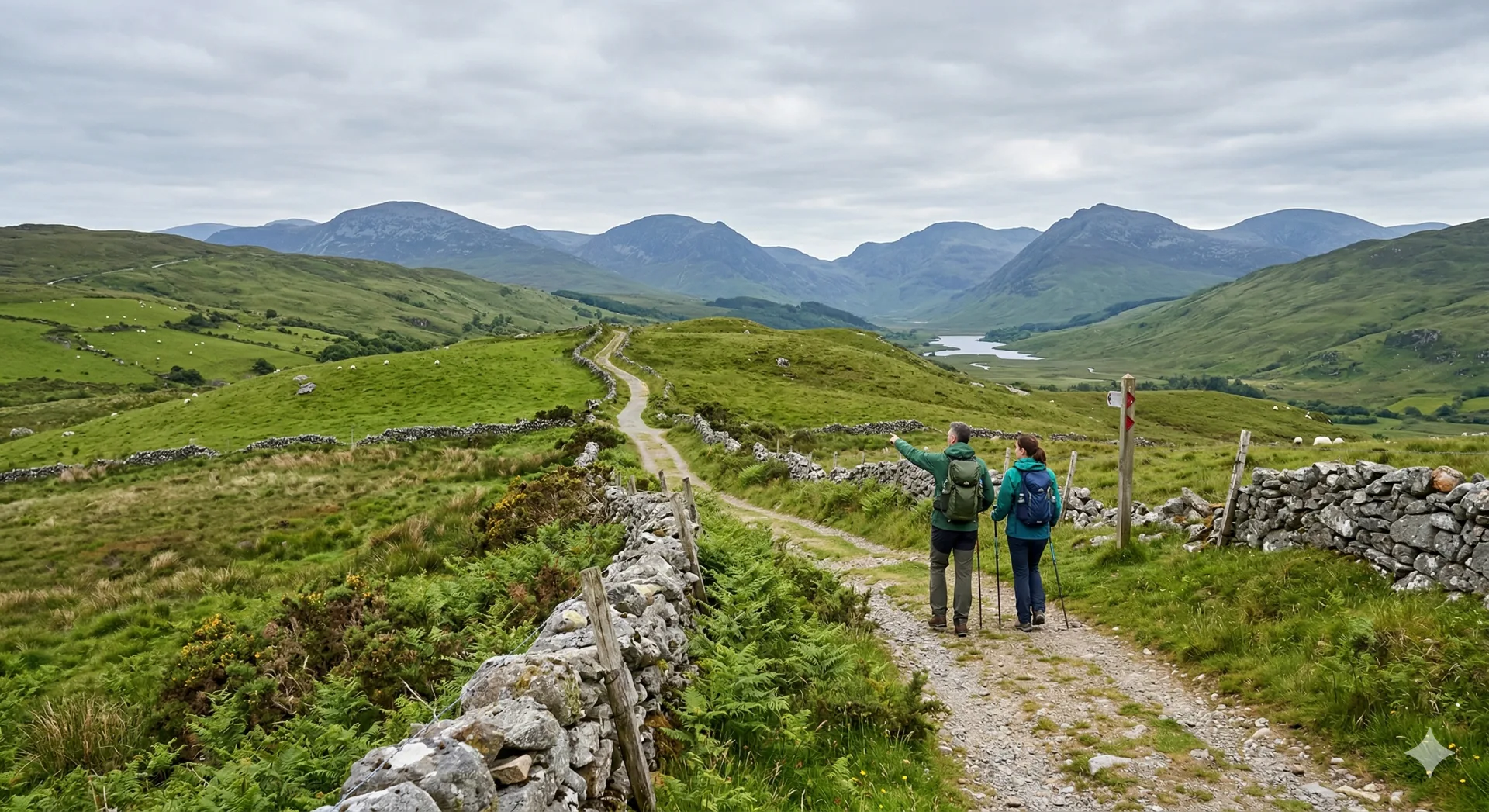
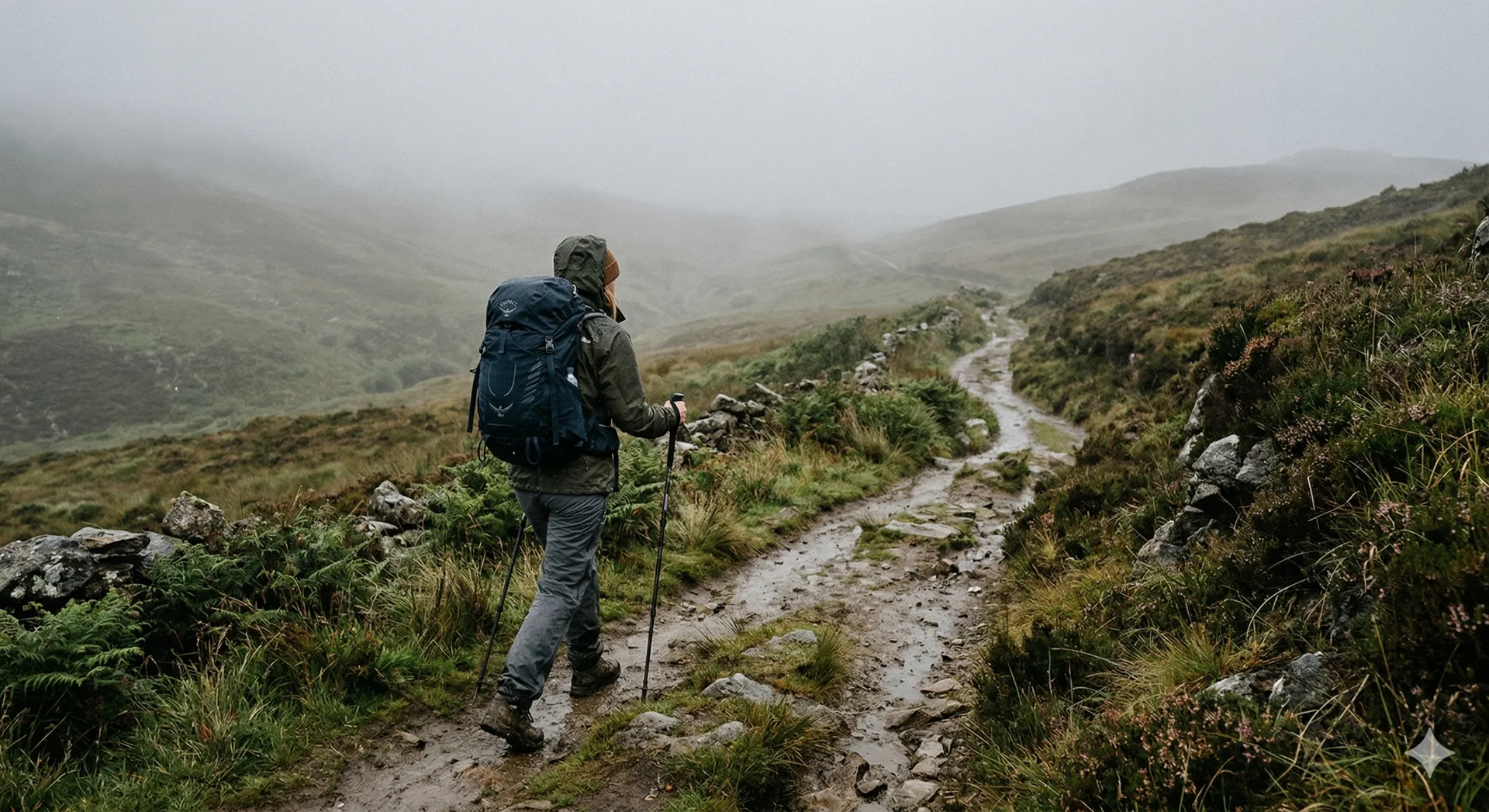
Ireland's long-distance trails are well waymarked with yellow arrows and timber posts. The terrain varies widely: smooth paths and quiet country roads on easier sections; rough mountain tracks, boggy ground, and open moorland on the more remote stages. Stiles, gates, and stepping stones are all common. The walking is rarely technical, but it does demand attention to your footing — especially on wet days, when Irish rock can be slippery.
You'll share the trails with other walkers, local farmers, and a great many sheep. The Irish countryside is largely working farmland, so you'll pass through fields and along field boundaries. Leave gates as you find them — open if open and closed if closed — and keep dogs on leads near livestock. The system works because walkers respect it.
Mobile signal is excellent in most areas but can be patchy in mountain valleys and remote coastal sections. Our route notes include emergency contact numbers and the locations of shops, pubs, and services along each stage. On a WHI self-guided holiday, you also have a direct support number for the duration of your trip.
When to Book Your Walking Holiday
When planning a walking holiday in Ireland, the best tours book out months in advance, particularly from June to August. If you have specific dates in mind, booking three to six months ahead gives you the best choice of accommodation and route options. Shoulder season — April, May, September, and October — offers excellent walking with more availability, often lower prices, and the quiet satisfaction of having Ireland's trails largely to yourself.
Browse our self-guided walking holidays and guided walking holidays to find the route that suits you. And if you're not sure where to start with planning your walking holiday in Ireland, get in touch. After twenty years of doing this, I can usually match someone to the right trail in about five minutes of conversation. I'd be delighted to help.
Frequently Asked Questions
How far in advance should I book?
What fitness level do I need for a walking holiday in Ireland?
How do I get to the start of my walking tour?
How does the luggage transfer service work?
What is the difference between a self-guided and a guided walking tour?
Can I do a tailor-made or custom itinerary?
Which type of tour is best for first-time visitors to Ireland?
What are the most essential items to pack for a walking holiday in Ireland?
Can I modify my booking after it is confirmed?
Photo Gallery