Budget Hiking Trails Ireland: 12 Stunning Trails Under €10
Budget Hiking Trails Ireland: 12 Stunning Walks Under €10
Think you need deep pockets to experience Ireland's most breathtaking landscapes? I've spent years walking every corner of this island, and I can tell you that some of our finest budget hiking trails Ireland offers are completely free. The truth is, while guided tours have their place, the majority of Ireland's spectacular trails cost nothing more than petrol money and a packed lunch.
Whether you're a cash-strapped student, a young family watching the pennies, or simply someone who'd rather spend money on a post-hike pint than car park fees, this guide will show you how to access Ireland's natural wonders without the premium price tag. I've walked these trails myself, and I know exactly which ones deliver maximum scenery for minimum spend.
From the sugarloaf peaks of Wicklow to the dramatic sea cliffs of Donegal, you'll discover that the best budget hiking trails Ireland has to offer are often the ones that cost absolutely nothing at all.
Why Ireland Is Perfect for Budget Hiking
Ireland's hiking culture operates differently to many European countries. We don't charge entrance fees to most mountain ranges. Our national parks are free to enter, and the majority of trailheads have either free parking or modest charges of €2–5 for the day.
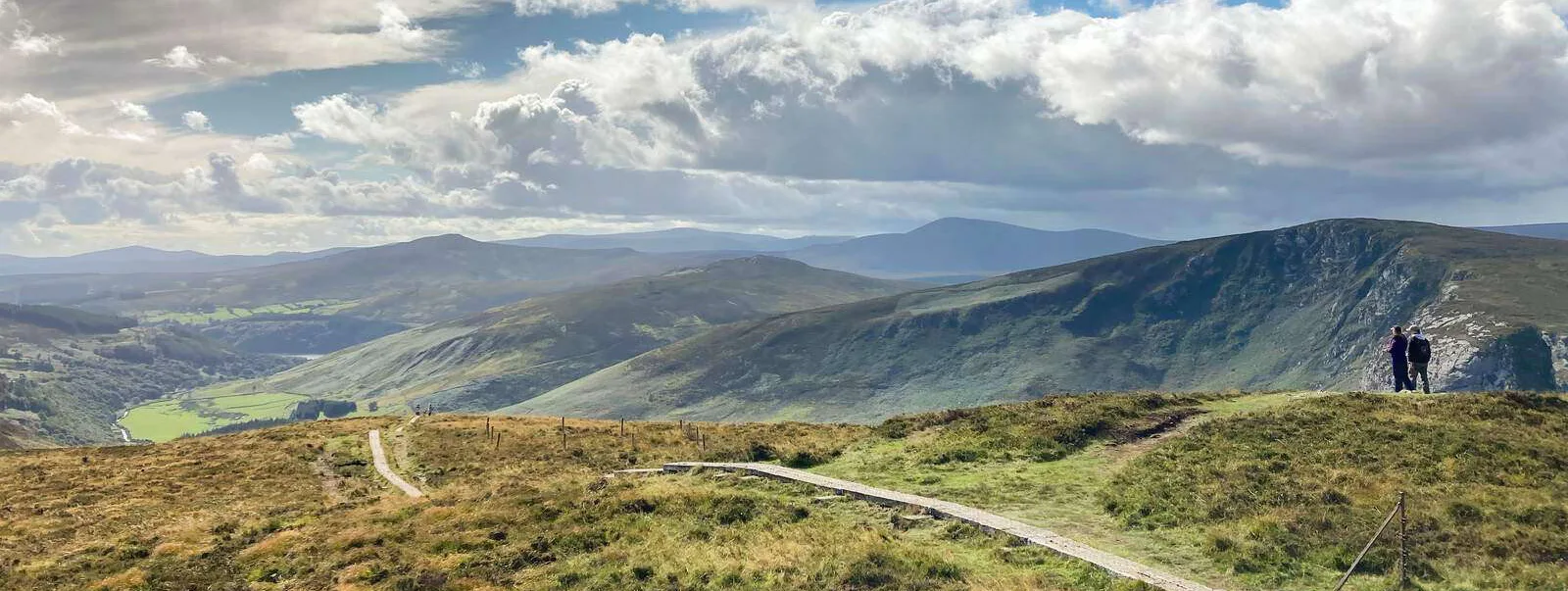
The Right to Roam principle, while not as formalised as in Scotland, means that walkers have long-established access to upland areas. Waymarked trails maintained by the National Trails Office and local authorities give you professionally planned routes at zero cost.
Here's what makes Ireland genuinely affordable for hikers:
No trail permits required – unlike many US national parks
Free access to most mountains and coastal paths
Excellent public transport links to popular hiking areas near Dublin, Cork, and Galway
Abundant wild camping spots (where it's respectfully done)
Tap water safe to drink – no need to buy bottled water
A mild climate means less specialist gear needed
Top Budget-Friendly Hikes Ireland: By Region
I've organised these trails by county, highlighting the ones that offer the best value. All feature free or low-cost access, and most have decent facilities nearby.
County Wicklow: The Garden of Ireland on a Shoestring
The Great Sugar Loaf Great Sugar Loaf stands as Wicklow's most iconic budget hike. This distinctive conical peak (501 metres) looks far more Alpine than Irish, and the 2.5-kilometre ascent takes most people about 90 minutes round trip.
Parking at the official car park costs €2 for the day – one of Ireland's genuine bargains. The trail is steep and rocky near the summit, but the 360-degree views across Dublin Bay, Bray Head, and the Wicklow Mountains justify every step. I've climbed it in February snow and July sunshine, and it never disappoints.
The Bray to Greystones Cliff Walk offers 7 kilometres of spectacular coastal scenery with train stations at both ends (€3.50–6.00 depending on your starting point). This linear route means you can walk one way and catch the DART back, making it perfect for visitors without cars.
The clifftop path hugs the Irish Sea, passing Bray Head with its distinctive white cross. On clear days, you'll see across to Wales. The route can get busy on summer weekends, but early morning walks offer solitude and often better light for photography.
Ballinastoe to Djouce provides a more challenging option for confident hillwalkers. This 12-kilometre loop climbs to 725 metres and takes 4–5 hours. The Ballinastoe Woods car park (free) serves as your starting point.
The route crosses open moorland with expansive views across Lough Tay (the Guinness Lake) and the surrounding peaks. Navigation skills are essential in poor visibility, as the terrain is exposed and featureless in places.
County Mayo: Sacred Mountains and Coastal Drama
Croagh Patrick dominates the Mayo landscape and the national consciousness. This 764-metre pilgrimage mountain Croagh Patrick pilgrimage attracts 25,000 pilgrims on Reek Sunday (the last Sunday in July), but visit on a weekday outside peak season and you'll share the mountain with just a handful of walkers.
The car park costs €2, and the ascent takes 2–3 hours up a relentlessly steep scree path. Your reward? Views across Clew Bay's 365 islands (one for every day of the year, supposedly) and out to Achill Island and the Atlantic beyond.
I've climbed it six times, and my advice is simple: take your time on the descent. The loose stones cause more twisted ankles than the climb up. Proper boots are non-negotiable here – I've seen too many people in trainers struggling badly.
Downpatrick Head offers coastal drama without the climb. This short loop walk (1.6 kilometres, 20–30 minutes) traces clifftops 38 metres above the crashing Atlantic. The dramatic sea stack, Dún Briste, stands isolated 50 metres offshore – it was separated from the mainland by storm erosion in 1393.
There's no charge for parking, and the facilities (car park, toilets, and picnic area) are excellent. It's wheelchair accessible for much of the route, making it one of Ireland's most inclusive scenic walks.
County Laois: Hidden Waterfalls and Forest Trails
The Glenbarrow Waterfall Loop remains one of Ireland's best-kept secrets. This 5-kilometre circuit through ancient woodland follows the River Barrow upstream to a series of cascades.
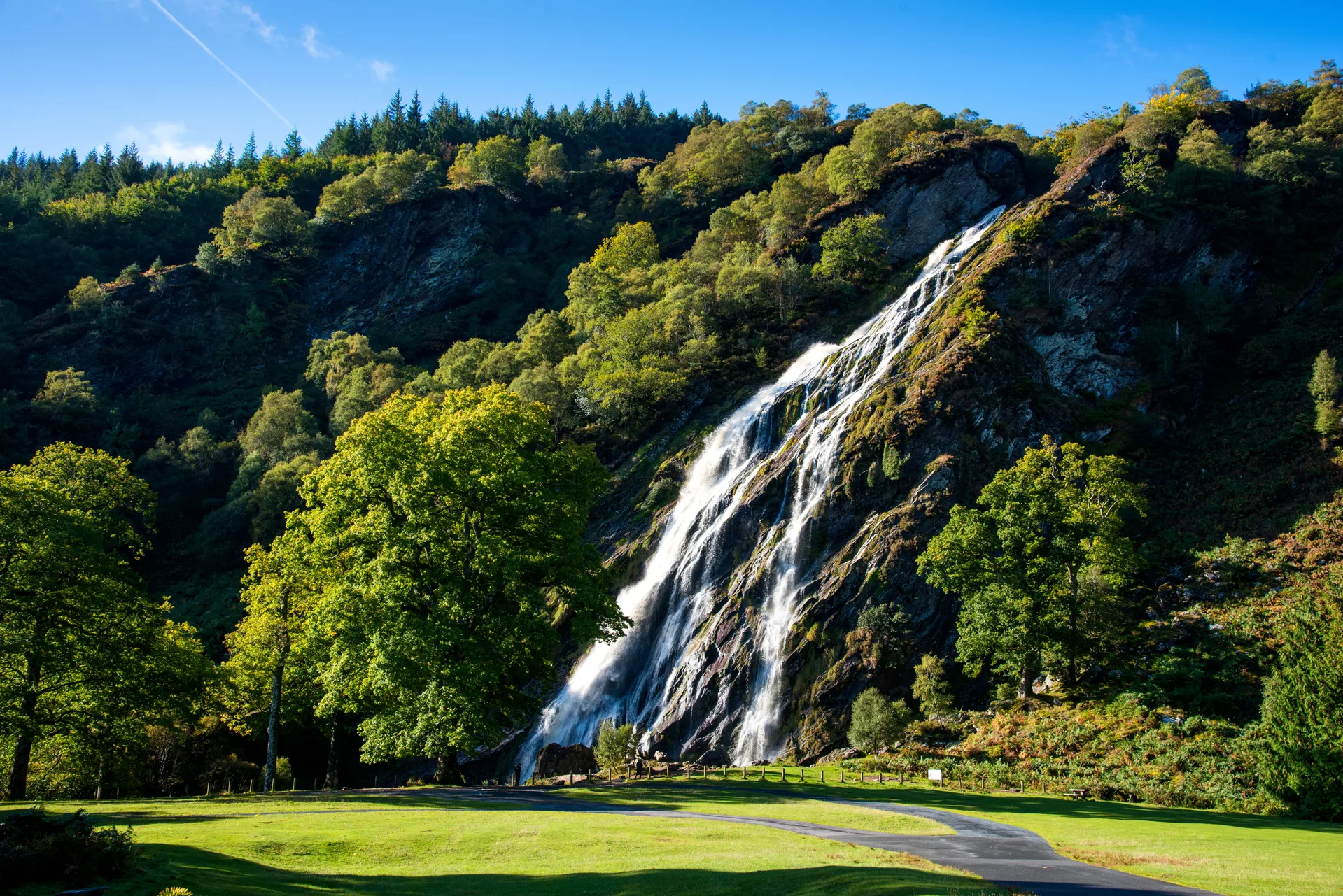
Parking is free at the trailhead near Rosenallis. The path climbs steadily through pine and oak forest, with the river always audible to your left. After heavy rain, the waterfall at the trail's high point becomes genuinely impressive – a white curtain tumbling over dark rock.
The trail gets muddy in winter and after rain, so waterproof boots are essential. Allow 2–3 hours for the full loop, though you can turn back at the waterfall for a shorter walk.
County Sligo: Mythological Landscapes for Free
Benbulben Forest Walk takes you into the shadow of Ireland's most distinctive mountain. Known as the "Table Mountain of Ireland", Benbulben's flat-topped profile has featured in poems, paintings, and postcards for centuries.
The forest trail (3–5 kilometres depending on your chosen loop) winds through Coillte forestry with glimpses of the limestone cliffs above. It's well signposted, family-friendly, and has an expanded car park (free) with proper facilities.
The Keshcorran Caves walk combines archaeology, mythology, and hill walking. These limestone caves, visible from kilometres away on the side of Keshcorran Hill, feature in the ancient Táin Bó Cúailnge (Cattle Raid of Cooley).
The ascent is short (1–2 kilometres) but steep. Once at the caves – really more like rock shelters – you get sweeping views across County Sligo's drumlin-studded landscape. There's no charge and limited parking at the base, and you'll need a torch if you want to explore the cave entrances.
County Donegal: Europe's Highest Sea Cliffs
The Slieve League Viewing Platform Slieve League cliffs provides access to some of Europe's most dramatic coastal scenery. At 601 metres, these cliffs are nearly three times the height of the more famous Cliffs of Moher – and they're far less crowded.
The access road from Teelin brings you to a visitor centre and car park (€4 charge in peak season, free off-season). From here, a 2.8-kilometre path leads to various viewpoints. The full Pilgrim's Path from Teelin village offers a longer, more challenging route if you're feeling ambitious.
I've stood on these cliffs in howling westerly gales and on still autumn mornings when the Atlantic stretched like glass to America. Both experiences are equally memorable, though the calm days are considerably safer for photography.
County Galway: Connemara Without the Price Tag
Diamond Hill in Connemara National Park Diamond Hill trail offers the region's best-value hiking. The park entrance is free, parking is free, and the visitor centre provides excellent interpretation of the local ecology and geology.
Two routes ascend Diamond Hill: the Lower Diamond Trail (3 kilometres, easy) and the Upper Diamond Trail (7 kilometres, moderate to challenging). Both are beautifully maintained with boardwalks across the boggy sections.
From the 445-metre summit, you'll see the Twelve Bens mountain range, Kylemore Abbey, and countless lakes and inlets. The quartzite summit rocks sparkle in sunlight – hence the name Diamond Hill.
How to Hike Ireland on €10 a Day
Making budget hiking trails Ireland even more affordable comes down to smart planning and a few insider tricks I've learned over the years.
Transport Solutions That Save Money
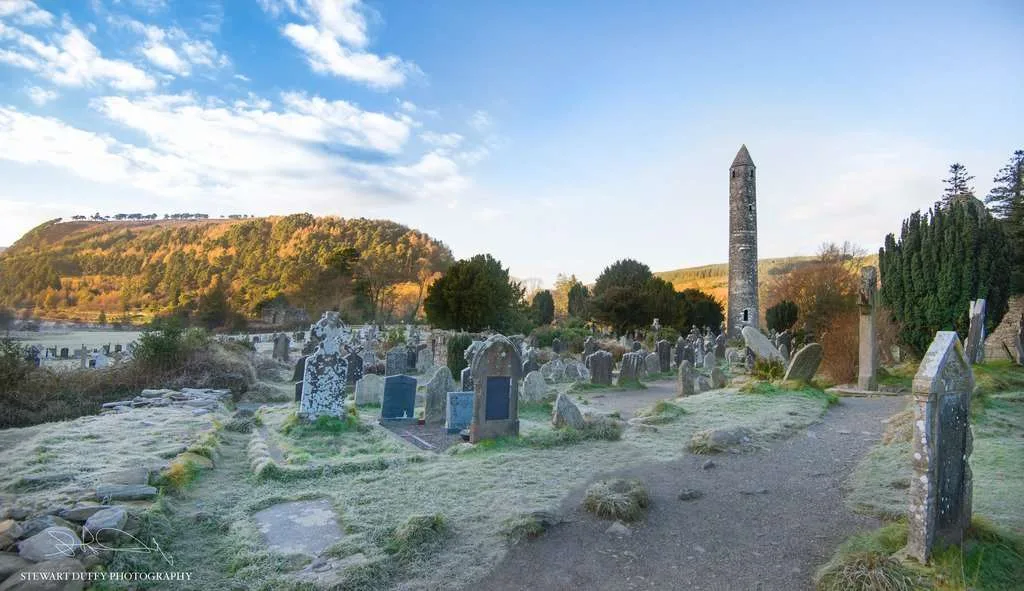
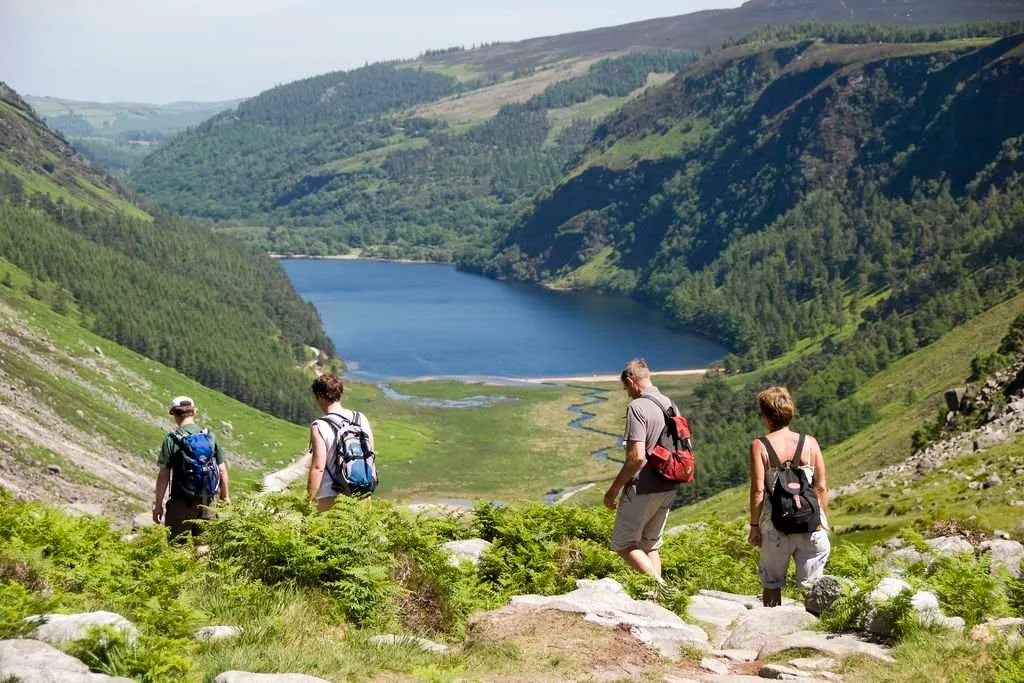
Bus Éireann and Local Link services reach many trailheads directly. The Dublin to Glendalough route (service 133) costs €13 return and drops you at the heart of Wicklow's hiking country. Similarly, buses serve Westport (for Croagh Patrick), Sligo town (for Benbulben), and most major hiking regions.
The TFI Leap Card offers discounts on public transport throughout the Dublin region and beyond. If you're planning multiple trips, it pays for itself quickly.
For longer walking holidays, consider the Heritage Island Visitor Attraction Card (€35–45 depending on season). While primarily for historic sites, it includes some nature reserves and provides discounts on accommodations near hiking trails.
Food and Water Strategies
Irish tap water is excellent and safe everywhere. Fill your bottles before you leave and save €2–3 per person on bottled water. A 2-litre capacity is sufficient for most day hikes, though I carry 3 litres on longer summer walks.
Pack your lunch rather than relying on cafés near trailheads (where a sandwich easily costs €7–9). A homemade packed lunch costs €3–4 and tastes better. My standard hiking lunch:
Wholemeal rolls with cheese, ham, or egg (€2)
Fresh fruit – apples or bananas (€1)
Homemade flapjacks or energy bars (€0.50)
Thermos of tea or coffee (€0.20)
Emergency chocolate (€1)
Total cost: under €5 per person versus €12–15 for café food.
Accommodation: Camping and Budget Options
Wild camping is tolerated in upland areas if you follow Leave No Trace principles: camp high, away from roads and houses, arrive late, leave early, and leave absolutely nothing behind. This approach costs nothing but requires proper camping gear and respect for the land.
Official campsites near popular trails typically charge €10–15 per pitch. That's considerably cheaper than hostels (€20–30 per person) or B&Bs (€40–60 per person).
An Óige (Irish Youth Hostel Association) operates excellent hostels near many hiking areas. Membership costs €20 annually and provides discounts on accommodation. The hostels at Glendalough, Black Valley (Kerry Way), and Errigal (Donegal) are particularly well-positioned for hikers.
Gear: Where to Save and Where to Spend
You don't need €300 boots and a €400 jacket to walk safely in Ireland. However, certain items deserve investment:
Essential Item | Budget Option | Cost |
|---|---|---|
Waterproof jacket | Decathlon's own brand | €30–50 |
Walking boots | Mid-range brands (Brasher, Hi-Tec) | €60–90 |
Rucksack | 25–30 litre bag | €25–40 |
Base layers | Merino blend (Aldi/Lidl hiking specials) | €10–15 |
Navigation | OSi maps + free smartphone app | €8 per map |
Total cost for basic kit: €130–200. This gear will last several seasons if properly cared for.
Check Great Outdoors and Trespass for end-of-season sales (typically January and July) when quality gear drops to 40–60% off retail prices.
Best Seasons for Budget-Friendly Hikes Ireland
Ireland's hiking season runs year-round, but timing affects both costs and experience quality.
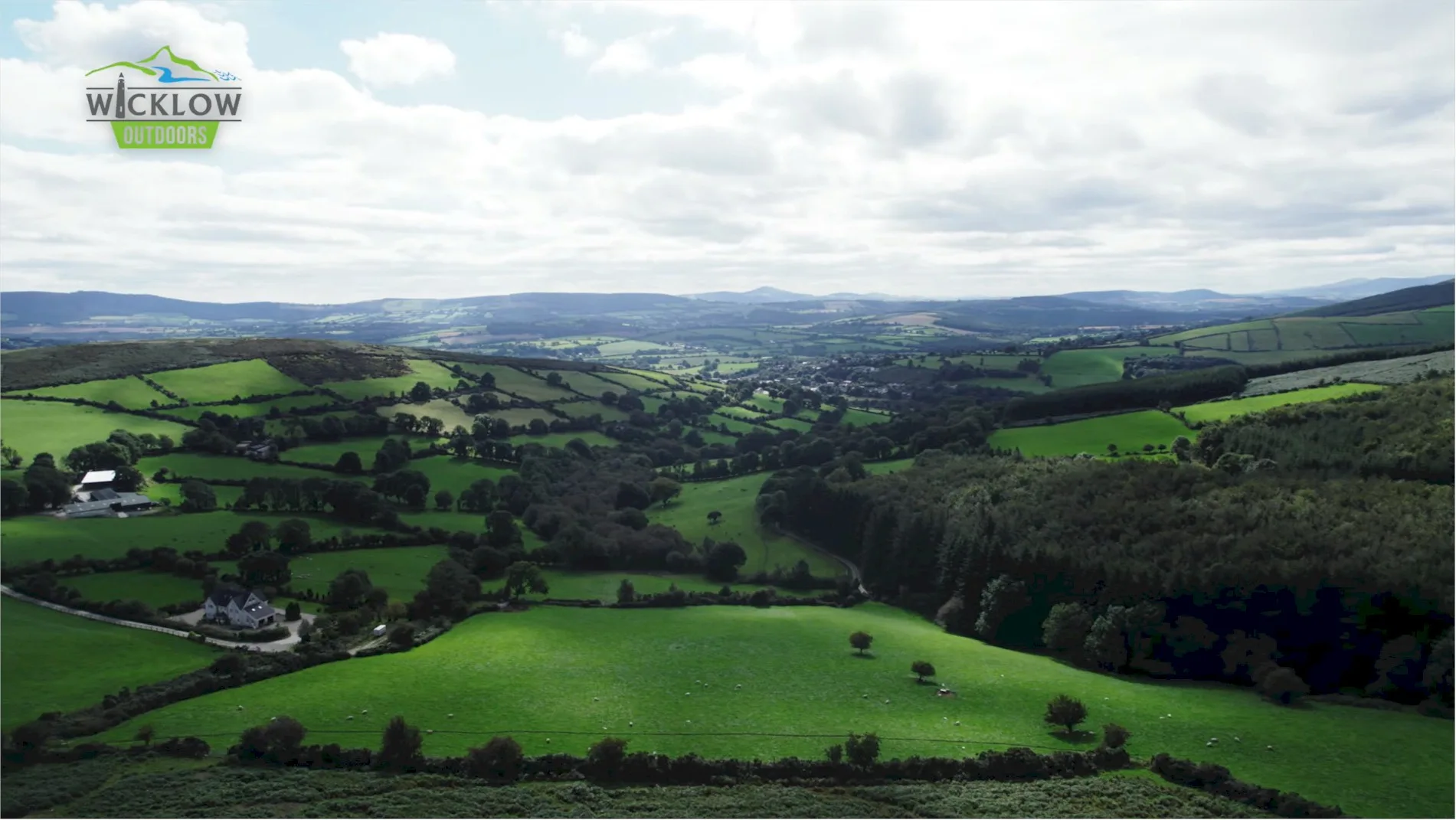
Spring (March–May) offers longer days, lower accommodation prices, and fewer midges. The landscape greens up beautifully, though expect rain on 50% of days. Car park charges at tourist hotspots often haven't kicked in yet.
Summer (June–August) brings the best weather but also peak prices and crowds. Popular trails like Croagh Patrick and the Cliffs of Moher become genuinely busy. However, the long daylight hours (sunset after 10pm in June) let you start late and avoid crowds.
Autumn (September–November) is my favourite season for hiking. The weather remains reasonable through September and early October, accommodation prices drop after mid-September, and the changing colours make photography spectacular. The midges disappear after the first frosts.
Winter (December–February) offers the cheapest prices but the most challenging conditions. Daylight is limited (sunset by 4:30pm in December), mountain weather can be severe, and some higher trails become dangerous without winter skills. However, clear winter days provide the best visibility – I've seen Scotland from Slieve League on a crisp January morning.
Staying Safe Without Spending Extra
Budget hiking doesn't mean compromising on safety. Ireland's mountains are modest by Alpine standards, but they're serious environments where weather changes rapidly and navigation can be challenging.
Free safety resources:
Mountain Rescue Ireland website provides excellent advice and route information
Met Éireann (Irish weather service) offers detailed mountain forecasts at no cost
Mountaineering Ireland publishes safety guidelines and trail conditions
OSI maps can be viewed free online for route planning (though I recommend buying paper copies for the trail)
Always tell someone your route and expected return time. This costs nothing and could save your life. I text my partner before every solo hike with my planned route and estimated finish time.
Carry the emergency number (112 or 999) and know your grid reference. The What3Words app provides precise location data and works even with limited signal.
Making Your Budget Stretch Further
Several discount schemes help reduce hiking holiday costs:
The Experience Ireland pass bundles attractions and activities at discounted rates. While not specifically hiking-focused, it covers many sites near popular trails and can save 20–30% on combined admissions.
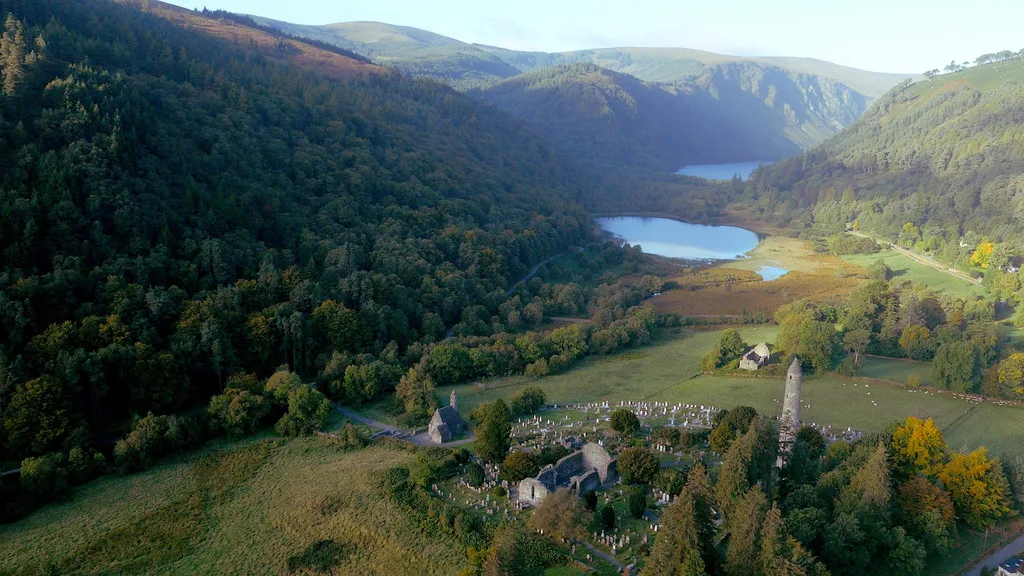
National parks remain completely free to enter. Connemara, Killarney, Glenveagh, Ballycroy, the Burren, and Wicklow Mountains National Parks Ireland's national parks all provide world-class hiking at zero cost beyond getting there.
Coillte (the state forestry company) maintains hundreds of kilometres of trails through working forests, all free to access. Their website shows trail locations, difficulty ratings, and facilities.
Many long-distance trails Kerry Way, Wicklow Way can be sampled in day-hike sections without committing to the full route. This lets you experience Ireland's premier walking routes on a day-trip budget.
TL;DR: Budget-Friendly Hikes Ireland Summary
Ireland offers exceptional hiking value compared to most European destinations. The combination of free trail access, modest or zero parking charges, and excellent public transport links to many trailheads makes it genuinely affordable.
Key money-saving points:
Most trails charge nothing; car parks rarely exceed €5
National parks are completely free
Public transport reaches major hiking areas
Pack your own food and water (tap water is safe everywhere)
Camp or use hostels instead of hotels
Buy basic quality gear during sales – you don't need premium brands
Shoulder seasons (May, September–October) offer best value
With sensible planning, you can hike some of Europe's most spectacular scenery for €10–20 per day, including transport, food, and accommodation.
Ready to Explore Ireland's Trails?
While this guide focuses on budget-friendly independent hiking, sometimes you want the logistics handled so you can focus purely on walking and scenery.
At Walking Holiday Ireland, I've designed walking tours that remove the hassle – we arrange your accommodation, transfer your luggage between stops, provide detailed route notes, and offer support throughout. You get the freedom of independent walking with the security of professional backup.
Our Wicklow Way, Kerry Way, and Dingle Way our walking tours packages represent excellent value when you factor in the time and stress saved on planning, booking, and logistics.
Whether you choose to hike independently using this guide or let us handle the arrangements, I hope you'll discover the same joy in Ireland's mountains, coasts, and forests that has kept me walking here for thirty years.
The trails are waiting, and they won't cost you a fortune to explore.
Start Your Irish Walking Adventure Today
Let me take care of the details – accommodation, luggage transfers, and expert route notes – while you enjoy every step through Ireland's stunning landscapes.
Photo Gallery