Connemara National Park: Walking Guide to Ireland's Wild West
Connemara National Park: Walking Guide to Ireland's Wild West
My name is Cliff, and I run Walking Holiday Ireland. Connemara National Park is one of those places I keep coming back to. It covers nearly 3,000 hectares of mountains, bogs, heathland, and grassland in the heart of Connemara, County Galway. It's free to visit, the trails suit all levels, and the scenery is among the finest in Ireland.
If you're planning a trip to Ireland's west coast, Connemara National Park should be on your list. Here's everything you need to know — the best walks, how to get there, what to see, and how to make the most of your visit.
What Makes Connemara National Park Special
Connemara National Park sits at the foot of the Twelve Bens mountain range, near the village of Letterfrack. It was established in 1980 and protects a landscape shaped by ice, wind, and thousands of years of human use.
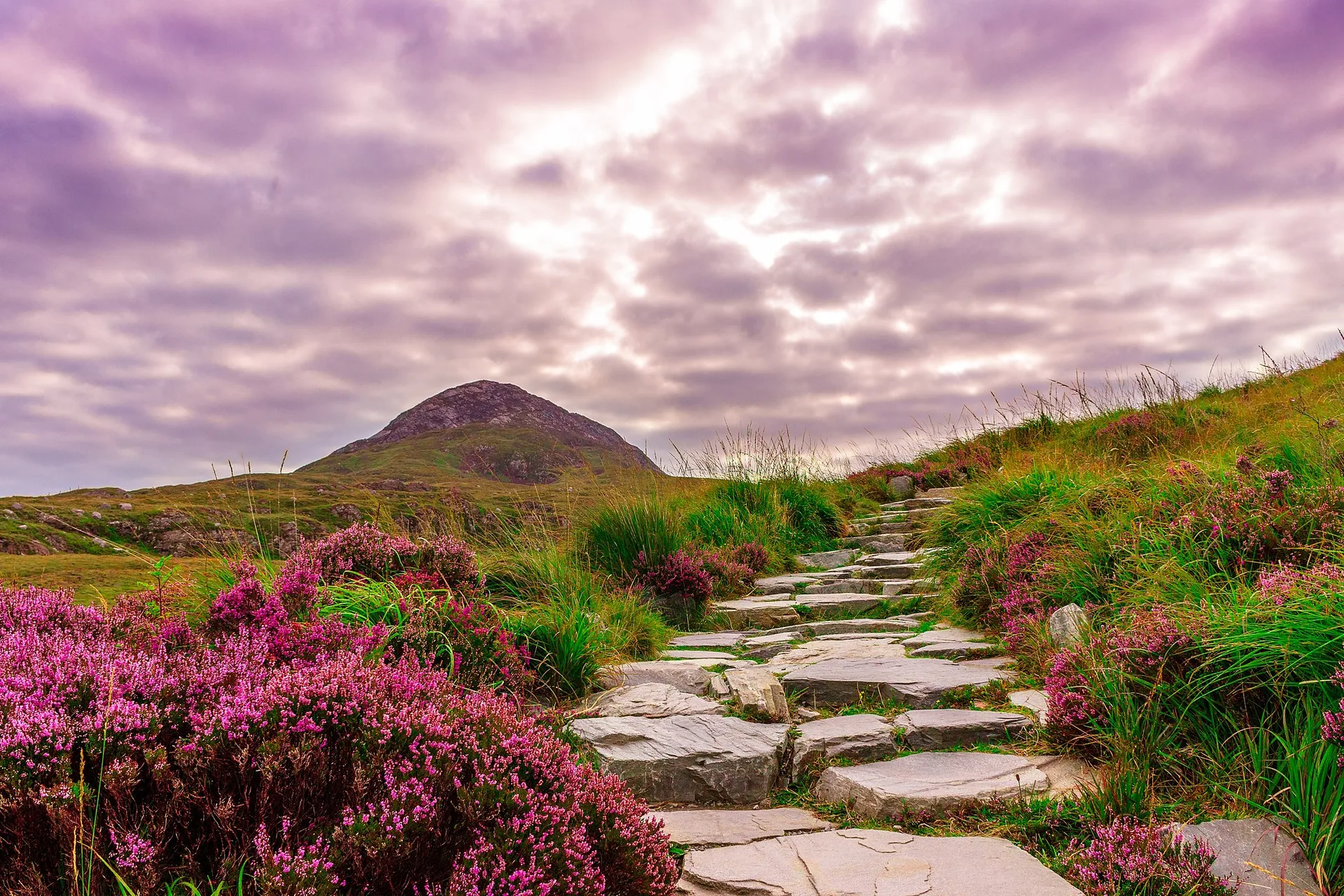
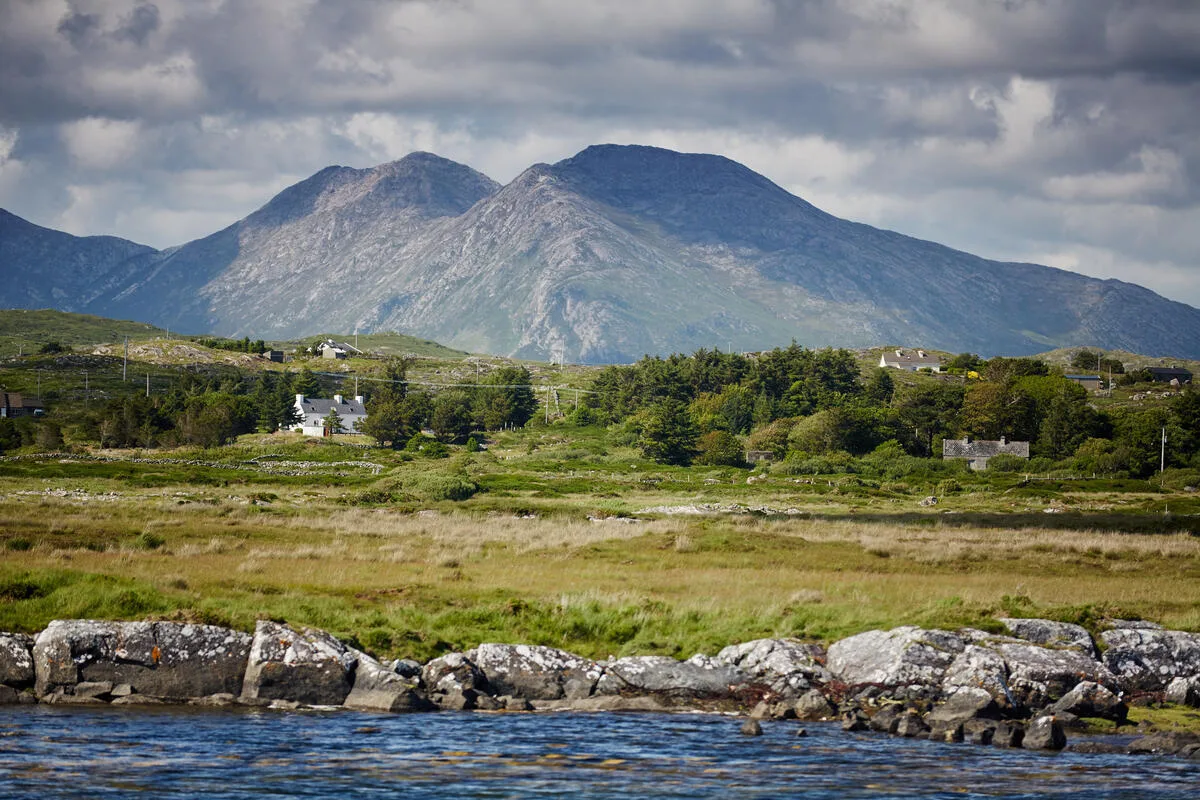
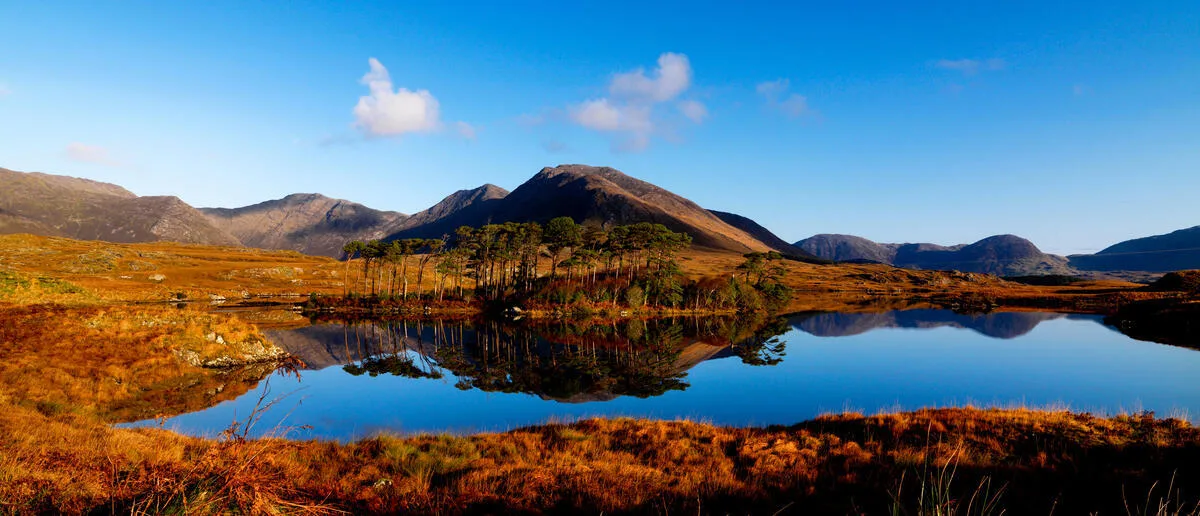
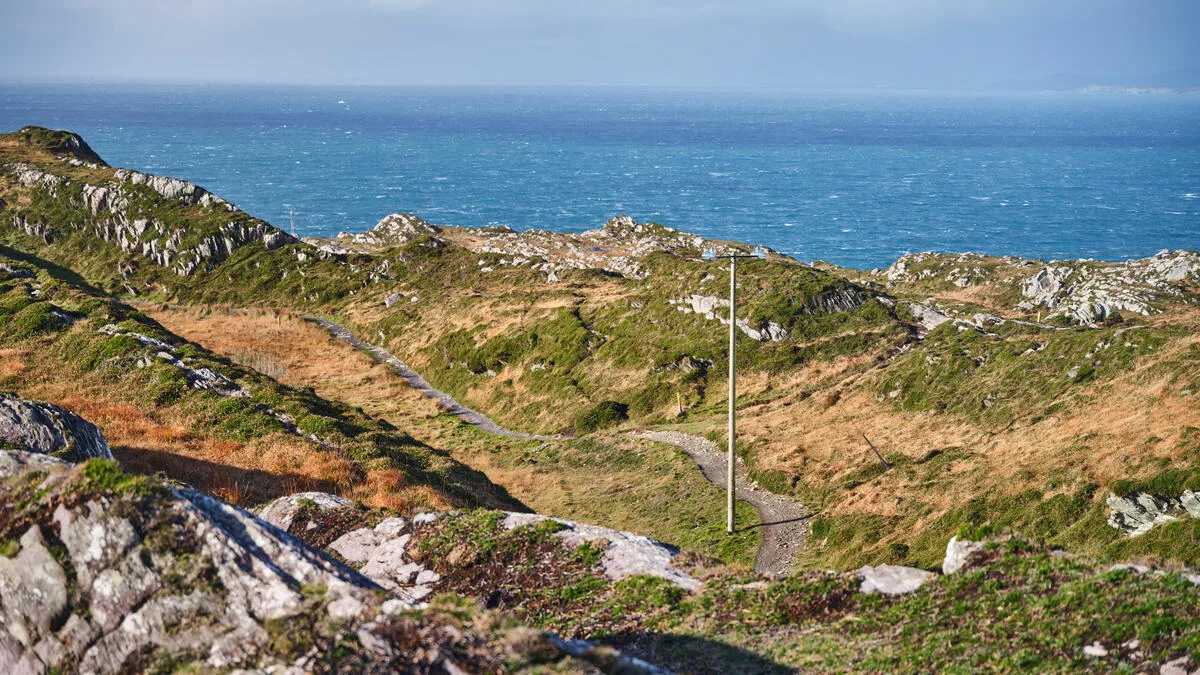
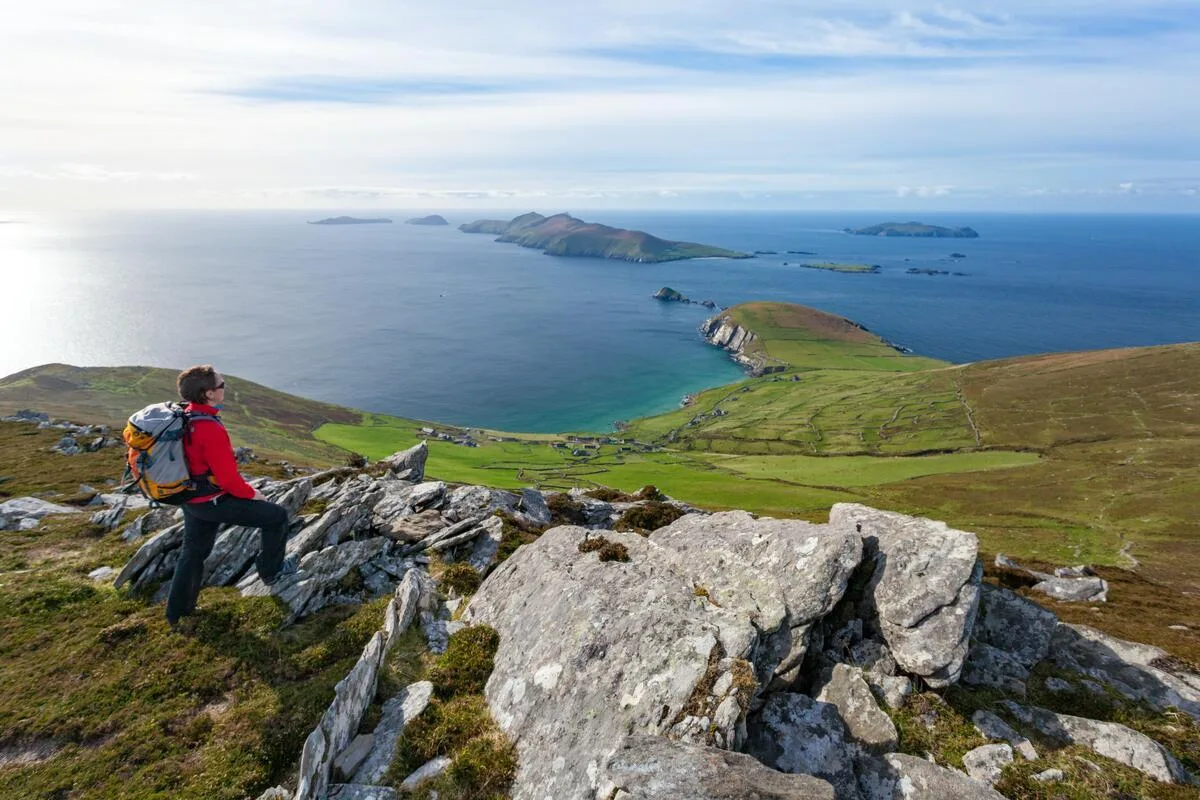
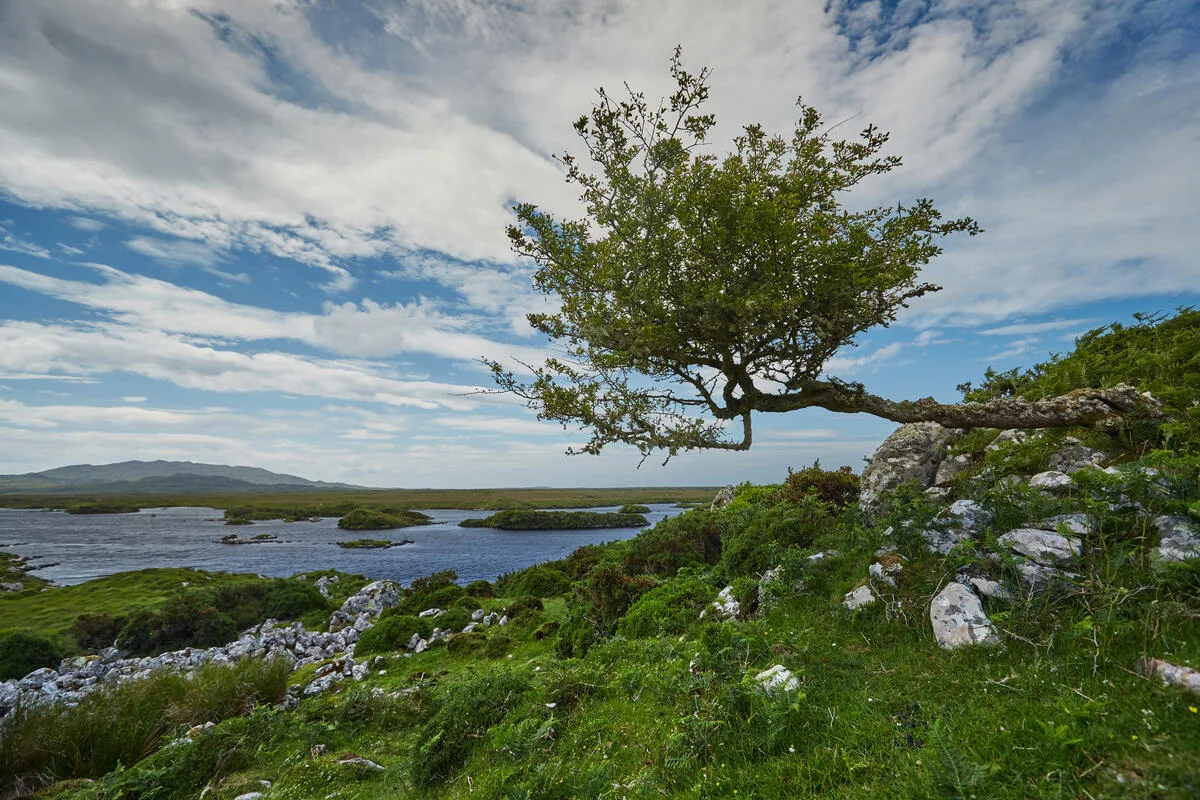
What strikes you first is the space. The park feels open and wild in a way that's hard to find in western Europe. Blanket bog stretches across the lowlands, purple with heather in late summer. The Twelve Bens rise above, their quartzite peaks catching the light. Connemara ponies — one of Ireland's oldest native breeds — graze the hillsides. And in the distance, the Atlantic flashes silver.
This is a park where the weather is part of the experience. Clouds move fast across the sky, changing the colours of the mountains by the minute. After rain, the air smells of peat and heather. When the sun breaks through, the views from the higher trails are extraordinary.
The Connemara National Park visitor centre at Letterfrack is the starting point for all walks. It has exhibits on the park's natural and human history, a cafe, and staff who can help you choose the right trail for the day.
Best Walks in Connemara National Park
The park has four marked Connemara National Park trails, ranging from gentle strolls to a proper mountain hike.
Ellis Wood Nature Trail — This is the shortest walk in the park, about 1.5 km through native woodland. It's flat, well-surfaced, and takes about 30 minutes. You'll walk through oak, birch, and holly woodland that gives a sense of what Connemara looked like before the bogs took over. It's a good option if you've got young children or just want a short leg-stretch after the drive.
Sruffaunboy Nature Trail — A 2 km loop that crosses open bogland with views toward the Twelve Bens. Boardwalks keep your feet dry over the wettest sections. This is a great walk for seeing bog plants — sundew, butterwort, and sphagnum moss all do well here. The views of the mountain skyline are excellent. Allow about 45 minutes.
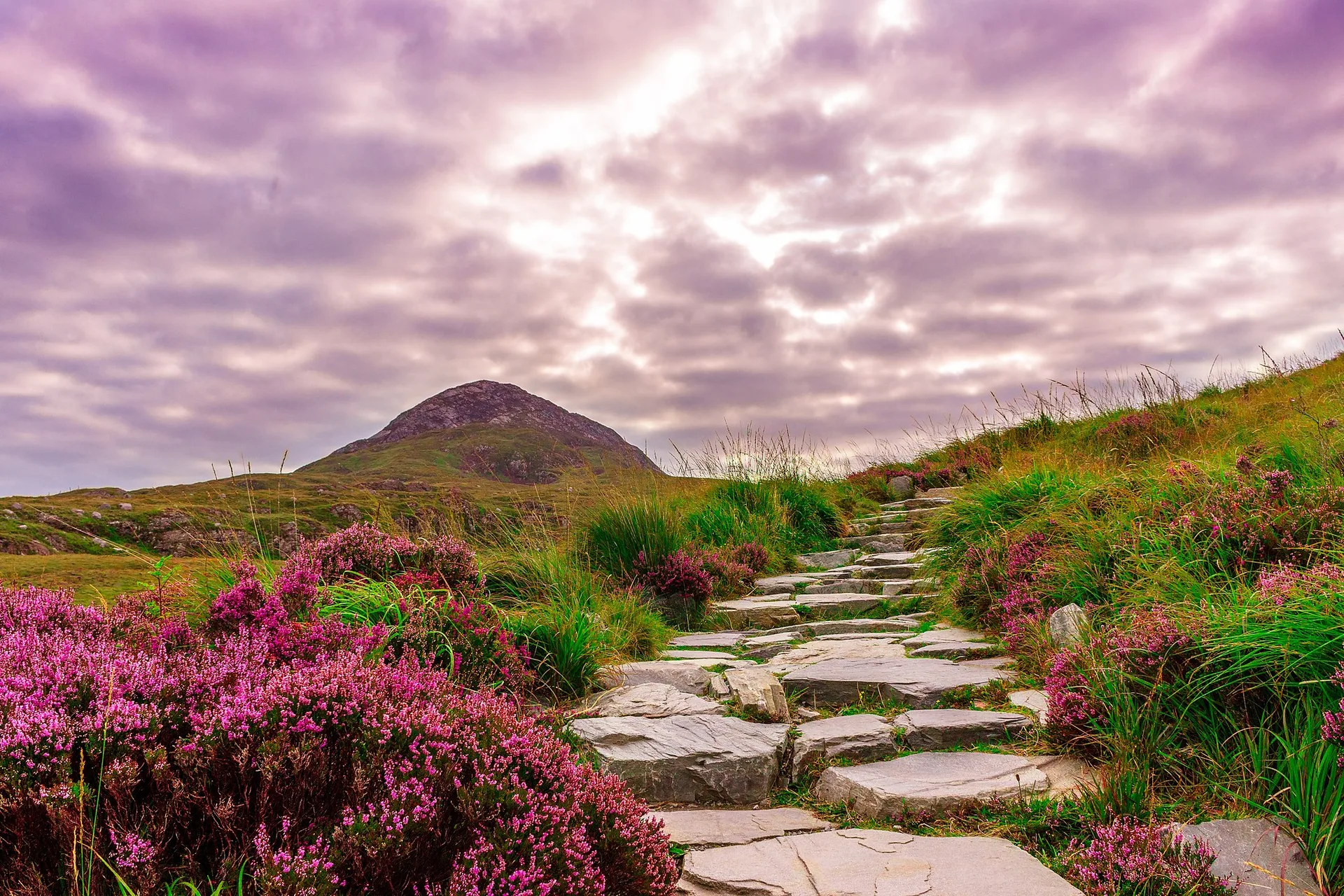
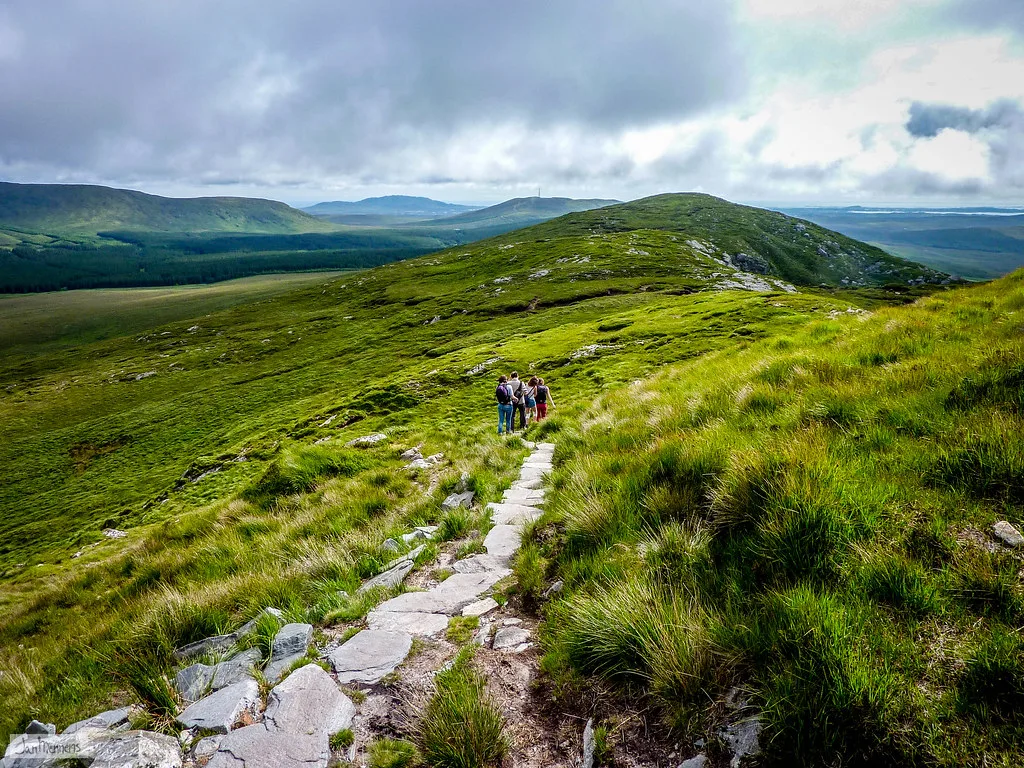
Lower Diamond Hill Loop — The lower loop climbs about 3 km to a viewpoint on the shoulder of Diamond Hill (442m). It's a moderate walk with some steep sections, taking about 1.5 hours. The views over the park, the coast, and the Twelve Bens are superb. This is where most walkers head, and it's the most popular of the Connemara National Park walks.
Upper Diamond Hill Loop — The full circuit is about 7 km and takes you to the summit of Diamond Hill. From the top, you can see the whole of Connemara spread out below you — the Twelve Bens to the east, Ballynakill Harbour and the Atlantic to the west, and the mountains of Mayo to the north. It's a harder walk with exposed, rocky sections near the top. Allow 2.5–3 hours and wear good hiking boots.
Diamond Hill Connemara National Park is the signature walk. If the weather is clear and you're reasonably fit, the full upper loop is one of the best half-day walks in Ireland. The sense of space at the top is something you won't forget.
The Connemara National Park Visitor Centre
The Connemara National Park visitor centre sits at the park entrance in Letterfrack. It's well worth spending 30–45 minutes here before hitting the trails.
The exhibition covers the geology, ecology, and history of the park. You'll learn about the blanket bog — how it formed over thousands of years, why it matters, and what lives in it. There are displays on the park's wildlife, from red foxes and stoats to the Connemara pony herd.
The centre also tells the human story. The land was once part of the Kylemore Abbey estate, and before that it was farmed by small communities who shaped the landscape through centuries of grazing, cutting turf, and building stone walls. Understanding that history makes the walks richer.
The cafe serves good coffee and homemade food. The staff are knowledgeable and happy to recommend walks based on the weather and your fitness. The centre is open daily from March to October, with reduced hours in winter. Entry to the park is free year-round.
Wildlife in Connemara National Park
The park is a good place for wildlife, especially if you walk early in the morning or late in the afternoon.
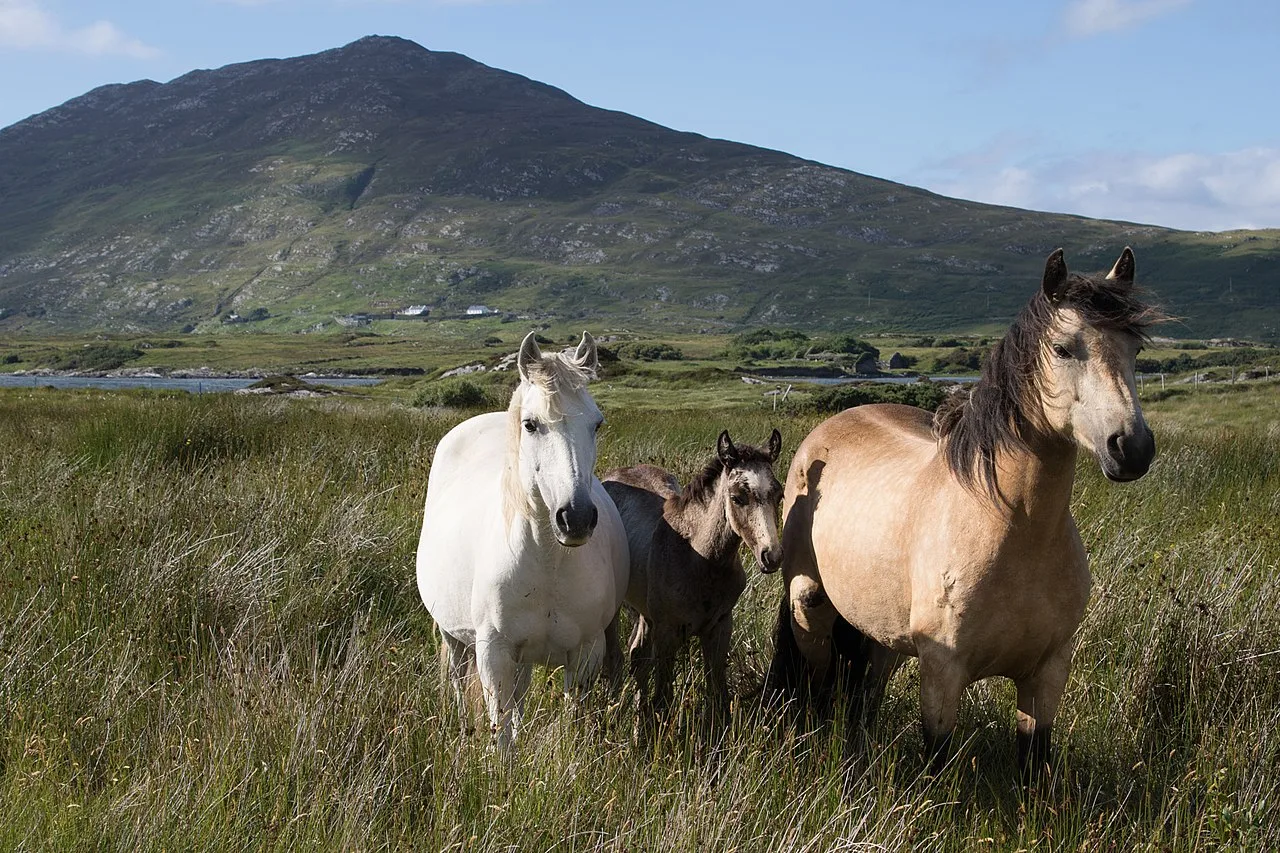
Connemara ponies are the headline act. The park maintains a small herd, and you'll often spot them grazing the bogland between the visitor centre and Diamond Hill. They're hardy animals, bred over centuries for the wet, wild conditions of the west coast. Please admire them from a distance — they're semi-wild and should not be approached or fed.
Birds do well here too. Skylarks sing above the bog in summer, stonechats perch on gorse bushes, and meadow pipits are everywhere. If you're lucky, you might see a merlin — Ireland's smallest falcon — hunting low over the heather. In the woodland, look for treecreepers, goldcrests, and long-tailed tits.
The bog itself is full of life. Sundew and butterwort are insect-eating plants that thrive in the poor, acidic soil. In summer, the heath orchid and bog cotton add colour. The bog pools are home to dragonflies and damselflies.
When to Visit Connemara National Park
You can visit Connemara National Park any time of year, but the best time to visit Ireland for walking is April to October.
Spring (April–May) brings fresh greens to the woodland and the first wildflowers on the bog. Days are getting longer, and the trails are quiet. This is a good time for the nature trails.
Summer (June–August) has the warmest weather and the longest days. Heather turns the hillsides purple in August. The park is busiest during school holidays, so arrive early for Diamond Hill. Midges can be a nuisance in sheltered spots on calm evenings.
Autumn (September–October) is my favourite season in Connemara. The mountains take on golden and brown tones, the crowds thin out, and the light is beautiful. September weather is often settled and mild.
Winter (November–March) offers real solitude. The visitor centre may have reduced hours, but the park is always open. Trails can be muddy and the mountain walk is for experienced walkers only. But on a crisp winter day, Connemara National Park has a stark beauty that's hard to beat.
Getting to Connemara National Park
Connemara National Park is in Letterfrack, County Galway, on the N59 road between Clifden and Leenaun.
From Galway city, it's about 80 km — roughly 1 hour 15 minutes by car. From Dublin, allow about 3.5 hours. There's free parking at the visitor centre, and the trailheads are a short walk from the car park.
Public transport is limited. Bus Éireann runs a summer service from Galway, but having a car gives you much more flexibility. If you're on a self-guided walking holiday with us, we can arrange transport to the park from your accommodation.
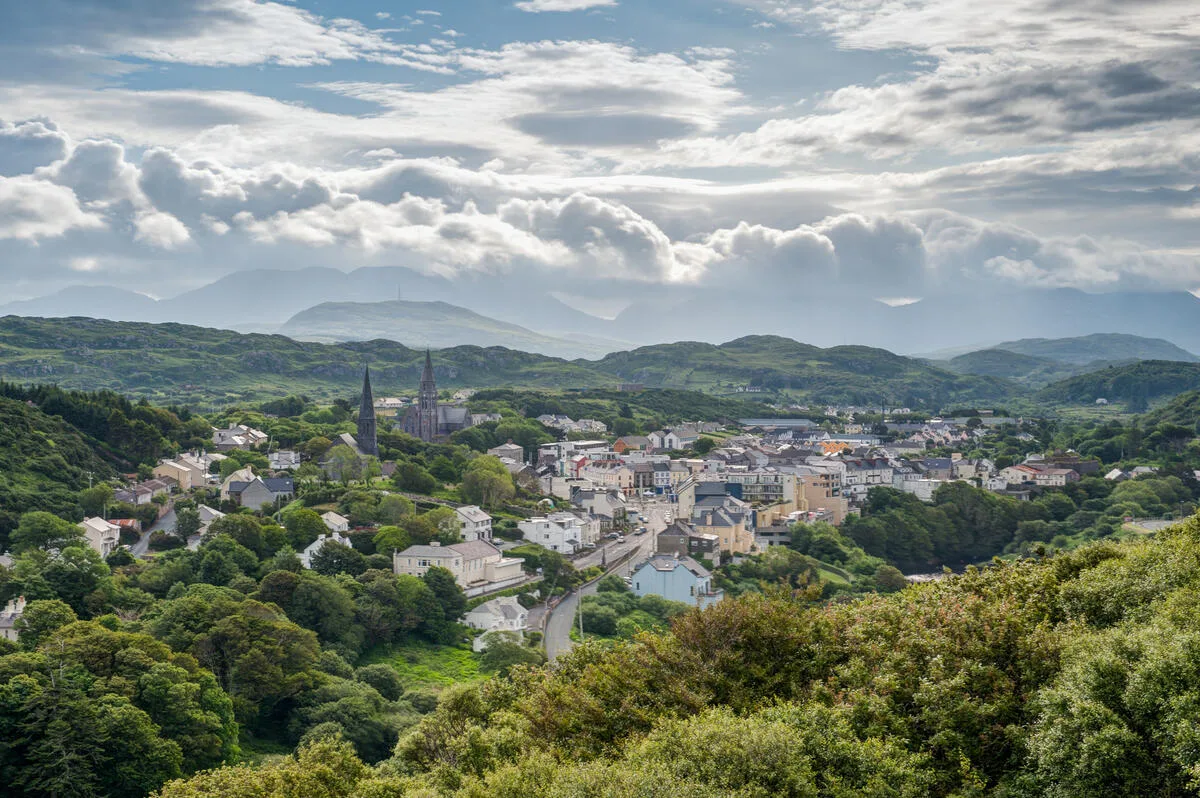
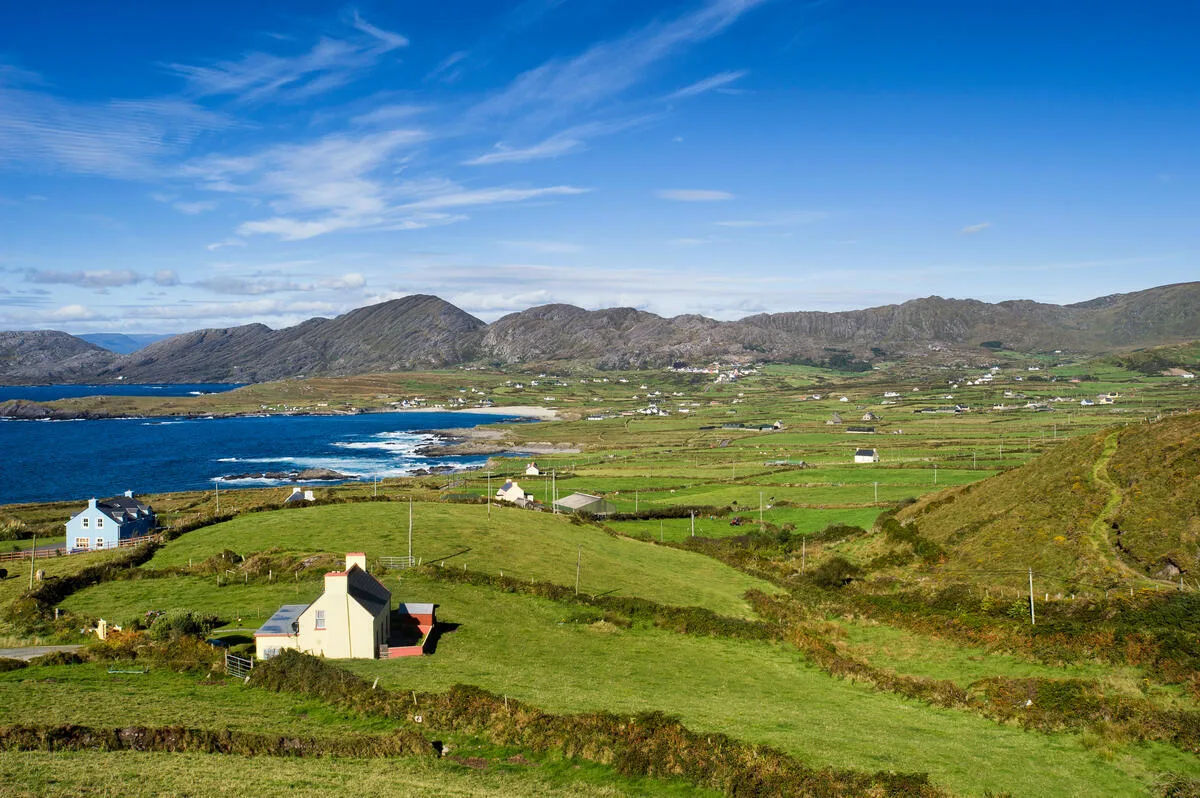
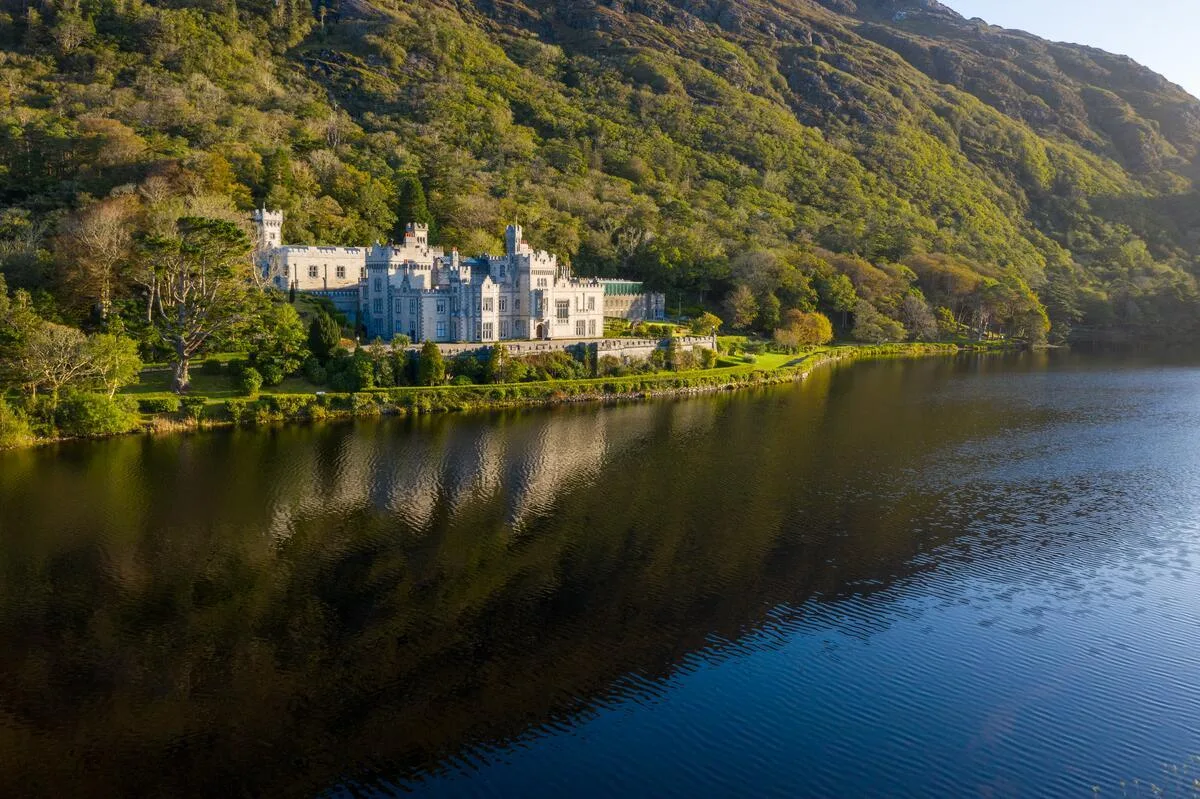
Letterfrack itself is a small village with a few pubs, a shop, and B&Bs. Clifden, about 15 km south, is the main town in Connemara and has more accommodation, restaurants, and shops. Kylemore Abbey — one of Ireland's most visited attractions — is just 5 km east of the park and makes a great half-day addition to your visit.
Combining the Park with a Walking Holiday
Connemara National Park works well as part of a wider walking trip. The park is close to some of the best connemara hikes in the region, so you can spend several days walking different trails from a single base.
The Wild Atlantic Way passes through Connemara, connecting the park with the rest of Ireland's west coast. You can drive from the Cliffs of Moher in Clare to Connemara in about 2.5 hours, making a road trip easy to combine with walking days.
We offer guided walking holidays and self-guided options that include Connemara. Our guides know the park inside out and can show you corners that most visitors never see. Check our tour grading to find the right level for you, and look at our packing list before you set out.
A Park Worth the Journey
Connemara National Park gives you the best of western Ireland in one place — mountains, bog, coast, wildlife, and culture. It's free, it's open year-round, and the trails suit everyone from families to experienced mountain walkers.
Diamond Hill alone is worth the drive from Galway. But spend a full day here, walk the nature trails, visit the Connemara National Park visitor centre, and watch the light change over the Twelve Bens. You'll see why this corner of Ireland stays with people long after they leave.
Get in touch with Walking Holiday Ireland and we'll help you build a trip that includes Connemara National Park and the best walking the west has to offer.
Frequently Asked Questions
Is Connemara National Park free to visit?
Yes. Entry to Connemara National Park is free year-round. There is no admission charge for the trails or the grounds. The visitor centre at Letterfrack is also free to enter.
How long does the Diamond Hill walk take?
The full Upper Diamond Hill loop takes 2.5 to 3 hours and covers about 7 km. The Lower Diamond Hill loop takes about 1.5 hours and covers 3 km. Both start from the visitor centre at Letterfrack.
What walks are in Connemara National Park?
There are four marked trails: Ellis Wood Nature Trail (1.5 km, easy), Sruffaunboy Nature Trail (2 km, easy), Lower Diamond Hill Loop (3 km, moderate), and Upper Diamond Hill Loop (7 km, challenging). All start from the visitor centre.
When is the best time to visit Connemara National Park?
April to October is the best time for walking. Summer has the warmest weather and longest days. September offers autumn colour and fewer visitors. The park is open year-round but the visitor centre has reduced winter hours.
Where is Connemara National Park?
The park is in Letterfrack, County Galway, on the N59 road in the west of Ireland. It is about 80 km from Galway city, roughly 1 hour 15 minutes by car. From Dublin, allow about 3.5 hours.
Frequently Asked Questions
Are the trails well-marked?
What kind of boots should I wear?
Are Ireland's national parks free to visit?
How many national parks are there in Ireland?
Photo Gallery