Celtic Music History: Traditional Irish Music and the Walking Culture
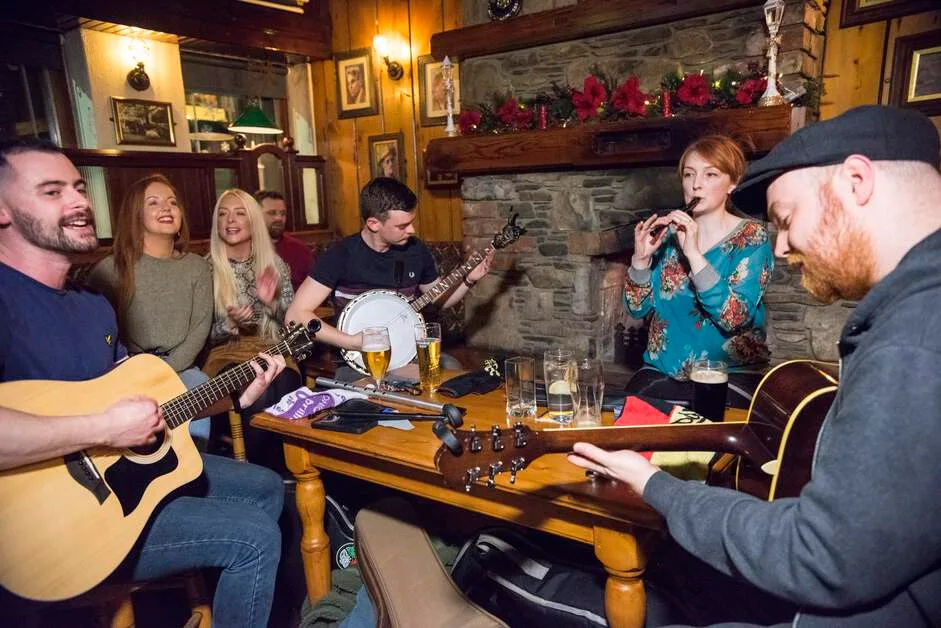
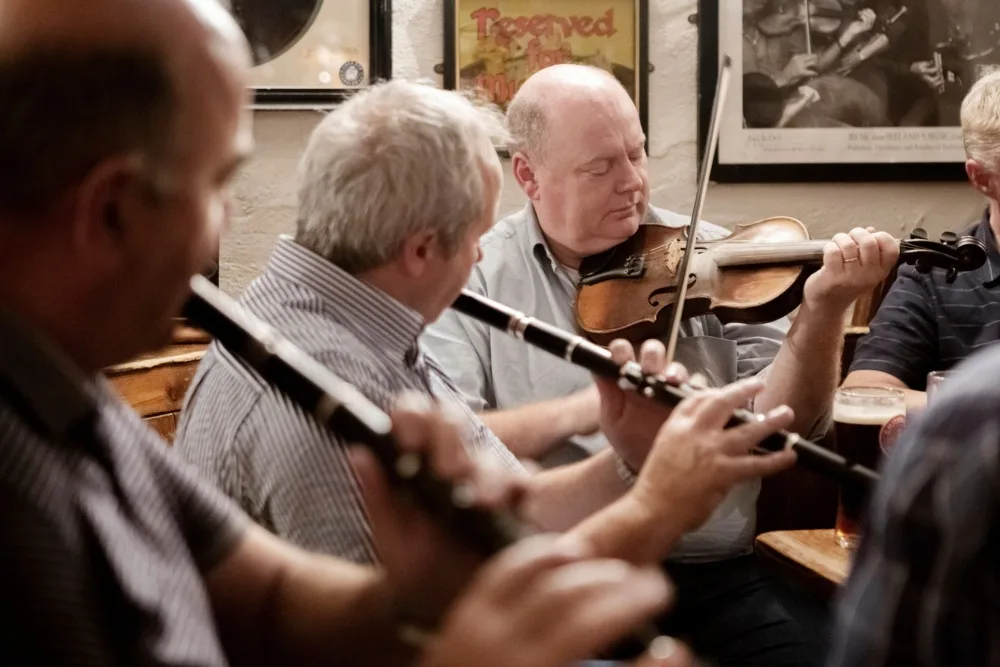
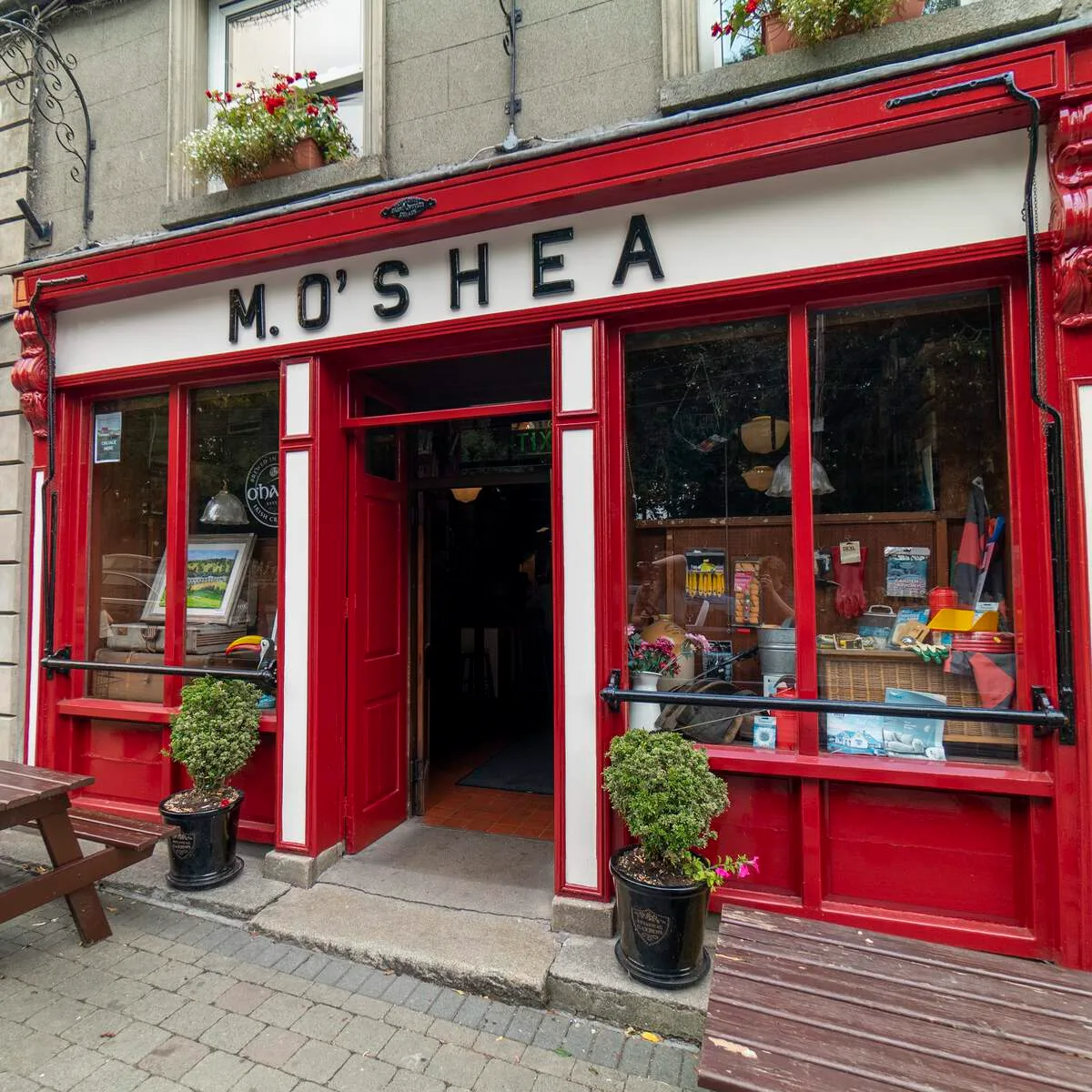
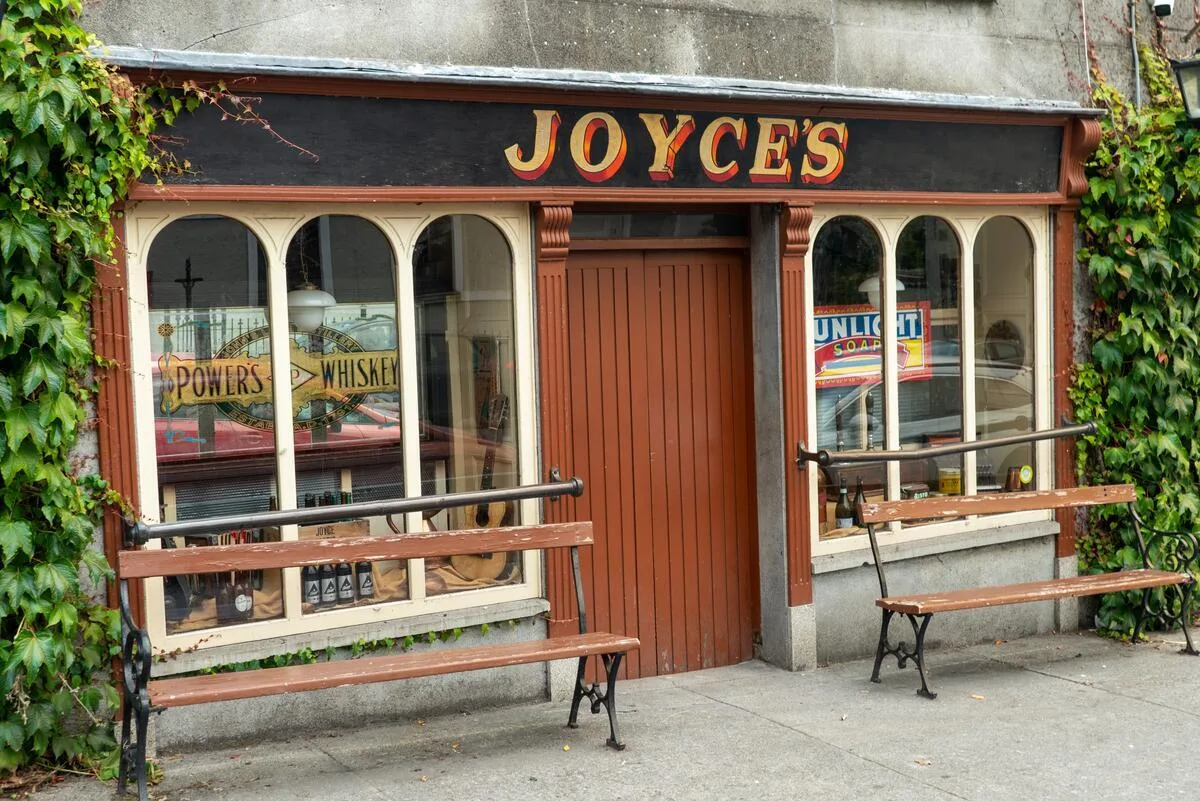
One of the things that surprises walkers most about Ireland isn't the scenery – it's the music. You finish a day's hiking through mountains or along the coast, walk into a village pub, and find a group of musicians playing traditional tunes in the corner. No stage, no tickets, no amplification. Just fiddles, tin whistles, guitars, and a bodhrán keeping time while the pints settle on the bar. This is Irish traditional music as it's meant to be heard, and it's one of the great rewards of a walking holiday in Ireland.
Celtic music history stretches back centuries, but the tradition is very much alive. Understanding where this music came from and how it lives today adds a whole new dimension to any trip to Ireland. This guide covers the history, the instruments, the places, and the connection between walking and music that makes Ireland unlike anywhere else.
A Brief History of Irish Traditional Music
The roots of Irish folk music go deep. The earliest records of organised music in Ireland date to the mediaeval period, when harpists held a high status in Gaelic society. The harp was the instrument of the chieftains — professional harpists composed music for their patrons, and the tradition was passed down orally from master to student over generations.
The 17th and 18th centuries were difficult for Irish culture. The Penal Laws suppressed Catholic education and Gaelic customs, but the music survived. Travelling musicians carried tunes from parish to parish, and house dances kept the tradition alive in rural communities. The uilleann pipes – Ireland's unique form of bagpipe – developed during this period, as did the sean-nós singing tradition, an unaccompanied vocal style that remains one of the most powerful forms of musical expression in the country.
The Great Famine of the 1840s devastated rural Ireland and scattered millions of people across the world. They took their music with them. Irish emigrant communities in America, Britain, and Australia preserved and developed the tradition, and the influence of Irish folk music can be heard in American country music, Appalachian fiddle tunes, and the folk revival of the 20th century.
Back in Ireland, a revival began in the 1890s with the Gaelic League and continued through the 20th century. Comhaltas Ceoltóirí Éireann, founded in 1951, became the main organisation for promoting traditional music. The annual Fleadh Cheoil na hÉireann — the All-Ireland music festival — draws hundreds of thousands of people and remains the largest celebration of traditional music in the world.
Celtic Music Instruments
The Celtic music instruments you'll hear in an Irish pub session have evolved over centuries, each with its own character and role in the music.
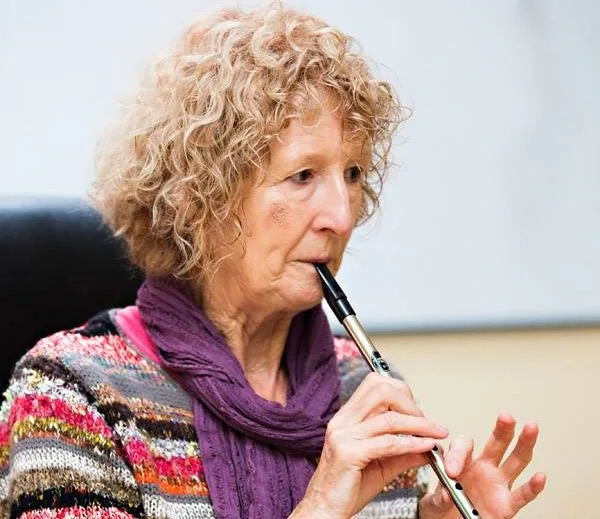
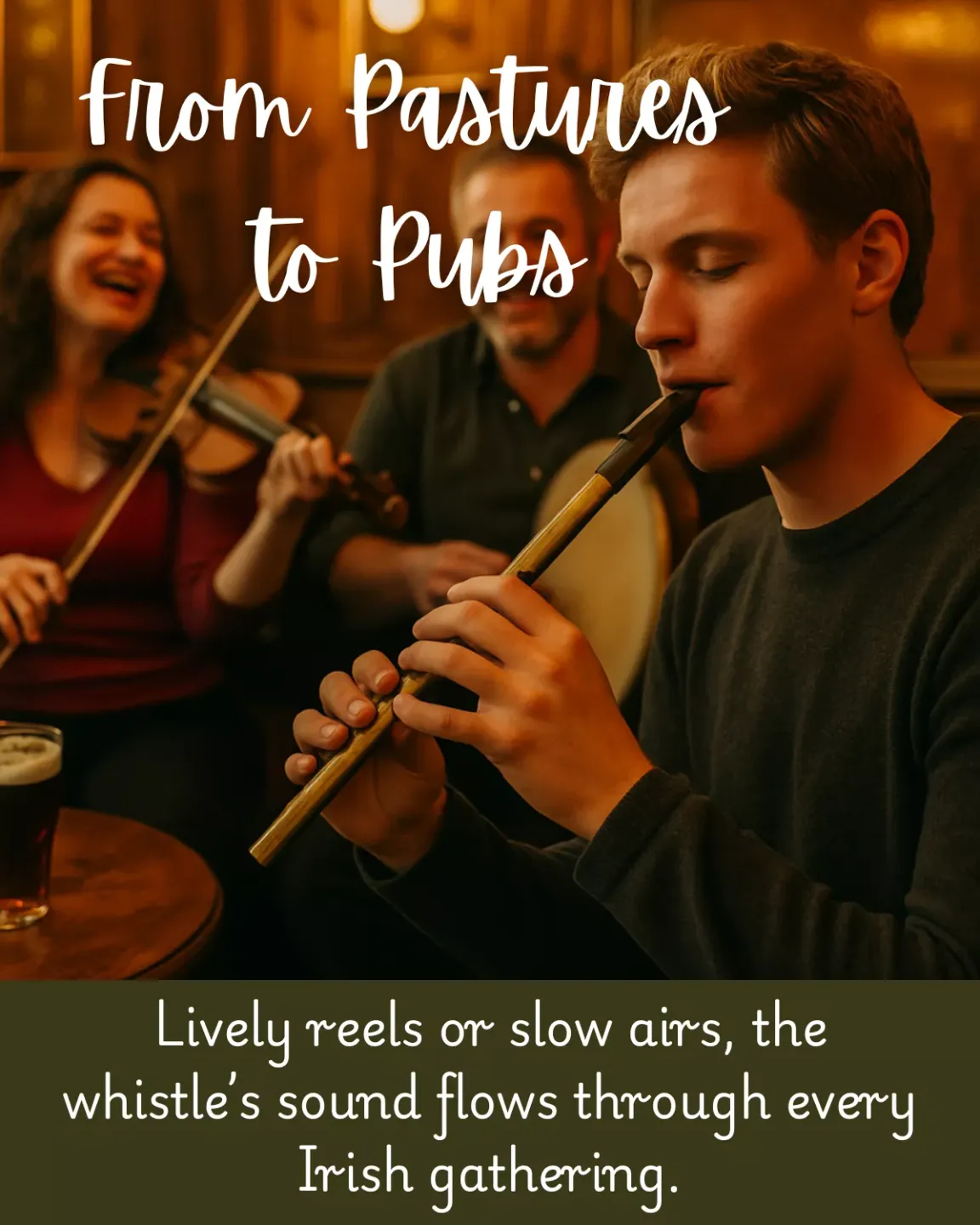
The tin whistle is the instrument most people associate with Irish music. It's a simple six-hole metal flute that produces a bright, clear tone. Despite its simplicity, a skilled player can produce extraordinary speed and ornamentation. The tin whistle Ireland connection is strong — it's often the first instrument children learn, and many of the country's finest musicians started on a whistle before moving to other instruments.
The fiddle is the backbone of most sessions. Irish fiddle playing has a distinctive style — fast bowing, heavy ornamentation, and regional variations that a trained ear can identify. A Clare fiddle player sounds different from a Donegal player, and those regional styles are one of the richest aspects of the tradition.
The bodhrán is the frame drum that provides rhythm. Played with a small wooden stick called a tipper, it drives the music forward with a deep, pulsing beat. A good bodhrán player is felt more than heard — the drum supports the melody instruments without overpowering them.
Galway city has a thriving music scene with sessions in pubs across the city centre most nights. It's a great starting point for walking in Connemara, where the sean-nós singing tradition and the Irish language are still part of daily life.
Killarney, Kenmare, and the villages along the Kerry Way all have regular sessions, particularly in summer. Even smaller villages on our walking routes often have a pub where music happens at least once a week.
Music and Walking: The Connection
There's a natural connection between walking and traditional music in Ireland. Both are social activities that bring people together. Both follow rhythms — the rhythm of your feet on the trail, the rhythm of a reel or a jig in a pub. And both are ways of experiencing the Irish landscape and culture that go beyond the surface.
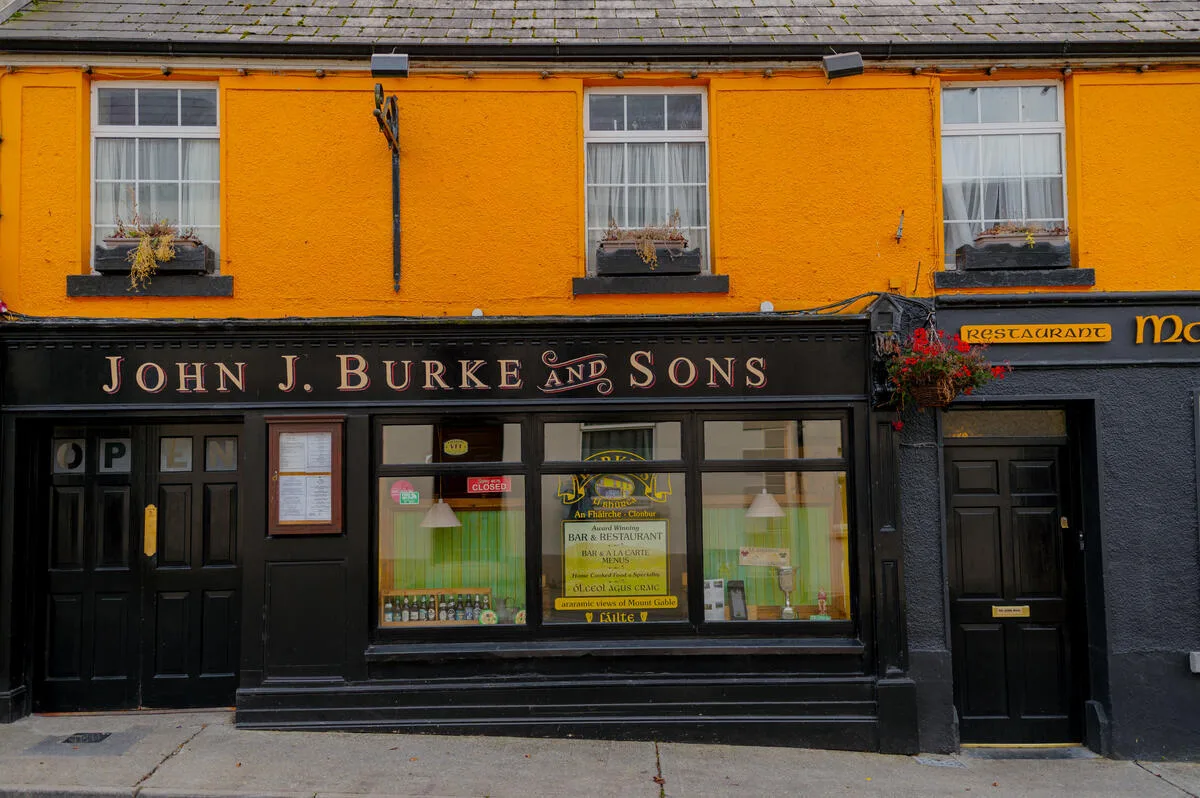
Many of the tunes in the tradition are named after places — hills, rivers, towns, and roads. Walking through those places and then hearing the tune named after them in a session that evening creates a connection between the music and the landscape that stays with you long after you go home.
Our self-guided walking holidays take you through the heartlands of Irish music. The accommodation we book is in villages where the tradition is alive, and our route notes include recommendations for the best pubs and session nights along each trail. For walkers who want to experience the full depth of Irish culture, music is as important as scenery.
Planning Your Musical Walking Holiday
The best time to visit Ireland for combining walking and music is May to September. Summer brings the most frequent sessions, and festivals like the Fleadh and Willie Clancy Week in Miltown Malbay fill entire towns with music. The Irish weather is mild in summer, perfect for long days on the trail followed by long evenings in the pub.
Check our guided walking holidays if you'd like a local guide who can point you to the best sessions. Our tour grading helps you choose the right walking level, and our packing list covers everything you need to bring — though a good ear for music and a willingness to sit quietly in the corner of a pub are the only essentials for the evening programme.
Celtic music history is not something you read about in a museum in Ireland. It's something you hear in a pub after a day's walking, played by people who learnt it from their parents, who learnt it from theirs. That living chain of tradition is one of the things that makes walking in Ireland different from walking anywhere else in the world.
What is Irish traditional music?
Irish traditional music, or trad music, is a form of folk music that has been passed down through generations in Ireland. It's characterised by distinctive playing styles, regional variations, and a focus on melody and ornamentation. It's typically played in social settings like pub sessions without amplification or formal performance structure.
What instruments are used in Celtic music?
The main instruments in Celtic music include the tin whistle, fiddle, bodhrán (frame drum), uilleann pipes, concertina, accordion, flute, banjo, and guitar. Each instrument has a specific role in a session, with fiddles and tin whistles typically playing the melody and bodhrán providing rhythm.
Where can I experience traditional Irish music?
Traditional Irish music thrives in villages and towns across Ireland, particularly in rural areas. Popular destinations include Dingle and Doolin in County Clare, Galway, and villages along walking routes like the Dingle Way, Burren Way, and Kerry Way. Most villages have at least one pub that hosts sessions regularly.
What is a pub session?
A pub session is an informal gathering of musicians who play traditional tunes together in a pub without payment or formal performance. It's a social event where musicians follow unwritten etiquette, play sets of tunes, and interact with the audience and other musicians. Sessions typically grow in energy and intensity throughout the evening.
How does Celtic music connect to walking holidays in Ireland?
Walking and traditional music are natural complements in Ireland. After spending the day hiking through the landscape, visitors can end their evening in a pub listening to live music played by locals. Many tunes are named after the places walkers travel through, creating a deep connection between the music and the landscape experienced on the trail.
Frequently Asked Questions
Are the trails well-marked?
What is the most popular route?
What kind of boots should I wear?
What are the most essential items to pack for a walking holiday in Ireland?
Photo Gallery