Irish Weather by Month: April-Sept Averages & Rain Days
Irish Weather: What Walkers Need to Know Before They Visit
My name is Cliff, and I run Walking Holiday Ireland. I've been leading walkers through Ireland for years, and the question I hear more than any other is: what's the weather going to be like?
The honest answer? Nobody knows for certain — and that's part of the fun. Irish weather is changeable. You can get four seasons in a single day: sunshine in the morning, rain by lunch, a rainbow at three, and a clear sunset to finish. That's not a warning; it's what makes walking in Ireland so alive. The light, the sky, the way the landscape looks different every hour — that's the Irish weather experience.
This guide breaks down the Irish weather month by month, shows you how to read the sky on the trail, tells you exactly what to pack, and gives you the data to plan around the rain rather than fear it.
Why Irish Weather Is So Changeable
Ireland sits in the North Atlantic, right in the path of weather systems rolling in off the ocean. The Gulf Stream keeps things mild — Ireland rarely gets very hot or very cold. But that same Atlantic position means weather fronts arrive in quick succession, and conditions can shift fast.
The Irish climate is maritime: cool summers, mild winters, and rain spread across the year rather than in distinct wet and dry seasons. Average temperatures range from about 5°C in winter to 15–18°C in summer. You won't get Mediterranean heat, but you also won't get the deep cold that much of northern Europe experiences.
What catches visitors off guard isn't the rain itself — it's how quickly the weather in Ireland changes. You might start a mountain walk in full sunshine and need your waterproof jacket within an hour. That's normal. The Irish don't cancel plans because of rain. They layer up and get on with it. As a walker, that's the attitude that serves you best.
Wind is the other factor. Ireland's west coast gets the full force of Atlantic winds, especially in autumn and winter. In the mountains, wind chill can make temperatures feel much lower than they are. The east coast and inland areas are more sheltered, but even there, a breezy day is the norm.
Irish Weather Month by Month
Here's what to expect through the year, based on what I've seen walking every month of the year in Ireland.
January and February are the coldest months. Temperatures sit between 3°C and 8°C. Days are short — about 8 hours of daylight in January. Rain is frequent but tends to fall as showers rather than all-day downpours. Snow is rare at low levels, though the mountains may get a dusting. Walking is possible, but you need warm layers, good waterproofs, and a head torch for the shorter days.
March and April bring the first signs of spring. Temperatures climb to 8–12°C and daylight stretches past 13 hours by April. This is when Ireland turns green — really green. Rain is still common but the showers become lighter and shorter. March can be windy; April often brings calmer days. It's a fine time to walk if you don't mind cool mornings.
May and June are my favourite months for walking. The Irish weather in late spring is often at its best — long days of 16–17 hours of daylight, temperatures of 12–17°C, and the driest conditions of the year. The wildflowers are out, the hedgerows are full of colour, and the trails are quieter than in summer. May in particular can be drier than July. If you can choose your dates, aim for late May or early June.
July and August are the warmest months, with temperatures reaching 15–20°C and occasionally higher. These are also the busiest months for tourism. Irish rain still happens — July is actually wetter than May in many areas. But the days are long and warm, and an afternoon shower usually passes quickly. Midges can be a problem in sheltered valleys, especially in the evenings.
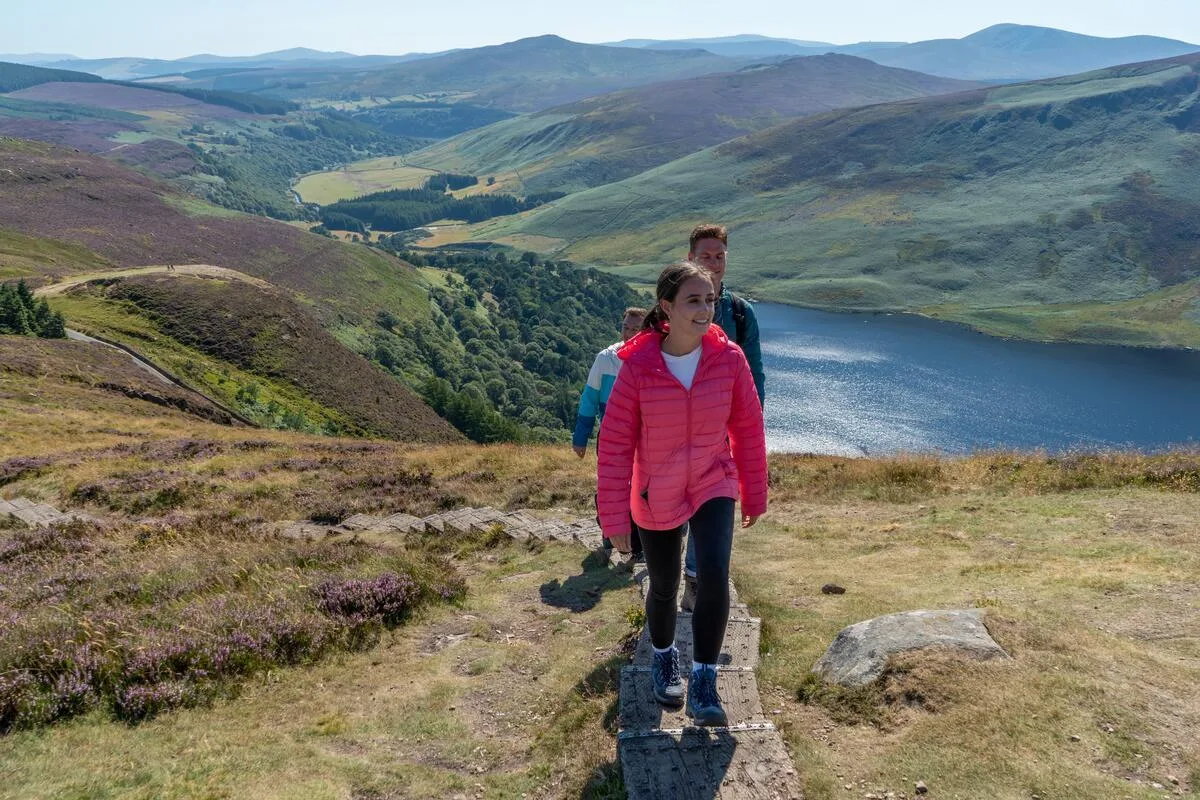
September and October bring autumn colour and quieter trails. Temperatures drop to 10–15°C, and the days shorten. September is often warm and settled — a hidden gem for walking holidays. October brings more rain and wind, but the mountains look spectacular with autumn colours. I walk more in September than any other month.
November and December are the wettest and darkest months. Daylight drops below 8 hours by December. Temperatures sit at 4–8°C with frequent rain and strong winds. Walking is still good on lowland trails, but mountain walks need experienced walkers who are comfortable with short days and poor visibility. The upside? Ireland at Christmas has a magic to it — pubs with open fires, warm food, and no crowds on the trails.
Explore Ireland's Weather Data
Averages tell one story. Real years tell another. The interactive explorer below uses Met Éireann station data to show how rainfall, temperature, and sunshine actually played out across three Irish walking regions — Kerry, the East Coast, and the Antrim Coast — compared to the long-term average. Pick a region and a metric, and see why "you can't trust the average" is a real thing in Ireland.
How to Read the Weather on the Trail
Forecasts get you to the trailhead. After that, it's down to you and the sky. Reading the weather as you walk is one of the most useful skills you can pick up — and it doesn't take years of experience. Here's what I look for.
Check the forecast for the right place
Before you set out, check the forecast for the actual location of your walk, not the nearest town. If you're climbing 600 metres into the Kerry mountains, the weather at the summit may be very different from the forecast for Killarney. Met Éireann's mountain forecast is the gold standard in Ireland — it gives wind speed, gust direction, freezing level and visibility for the high ground specifically.
An hourly rain radar is gold dust for short walks. You can often see exactly when a shower will pass through and time your coffee break around it.
Read the clouds
Cloud shape is the easiest visual signal you can learn. A few patterns are worth knowing.
Lenticular clouds — those smooth, lens-shaped or "UFO" clouds that hover over a summit — mean strong winds aloft and moisture building. They often signal that bad weather is six to eighteen hours away. Plenty of time to add a layer and finish your walk.
Cirrus clouds are the high, wispy clouds that look like horsetails. Alone they're harmless. But cirrus combined with thickening lower cloud usually means rain is on its way within twelve hours.
Cumulus clouds — those white, puffy "fair weather" clouds — are friendly when they stay flat-bottomed and small. When they start to grow tall and stack up into towers, they're turning into cumulonimbus, the classic anvil-headed thunderhead. If you see one of those building over the ridge ahead, get off the high ground.
Use the lapse rate to your advantage
Temperature drops roughly 1°C for every 100 metres you climb. A drizzly 10°C in the valley becomes a 4°C wind-driven downpour on a 600 m ridge. Always dress for the summit, not the car park.
Watch the pressure
Most smartphones and GPS watches now have a barometric sensor. A sudden, rapid drop in pressure is one of the most reliable warnings of an incoming front. Steady or rising pressure usually means the weather will hold.
Counting lightning
Lightning is rare in Ireland, but it does happen. Count the seconds between the flash and the thunder — every five seconds equals roughly 1.5 km of distance. If you can count to ten, the storm is about three kilometres away and it's time to get off any ridge or summit and head for lower, sheltered ground.
What to Pack for Irish Weather
Packing right is the difference between a great walk and a miserable one. Here's what I tell every walker who books with us.
Waterproof jacket — your most important item. Not a light shell, but a proper breathable waterproof. Gore-Tex or similar. You'll wear it more than you think, and you need one that can handle rain and wind for hours without soaking through.
Waterproof trousers — many walkers forget these. When the rain comes sideways in the mountains, wet legs drain your warmth fast. Pack them even if you don't expect rain.
Layers — the Irish weather changes fast, so you need to add and remove clothing during a walk. A base layer, a fleece or insulating mid-layer, and your waterproof on top gives you options for any condition. Avoid cotton — it holds moisture and makes you cold. Merino wool or synthetic fabrics dry much faster.
Good hiking boots — waterproof, ankle-supporting, with a grippy sole. Irish trails are often wet and muddy. Trail shoes work for lowland walks, but for mountains and bogs, proper boots are essential. Our guide to choosing hiking boots has more detail.
Hat and gloves — even in summer, mountain summits can be cold and windy. A warm hat and lightweight gloves weigh nothing and can make a big difference.
Sun protection — yes, in Ireland. When the sun does come out, the UV can be strong, especially at altitude. Sunscreen and sunglasses are worth packing from April to September.
Check our full packing list before your trip. It covers everything from clothing to first aid for a walking holiday in Ireland.
Regional Weather Differences
Irish weather varies across the country, and that matters when you're choosing where to walk.
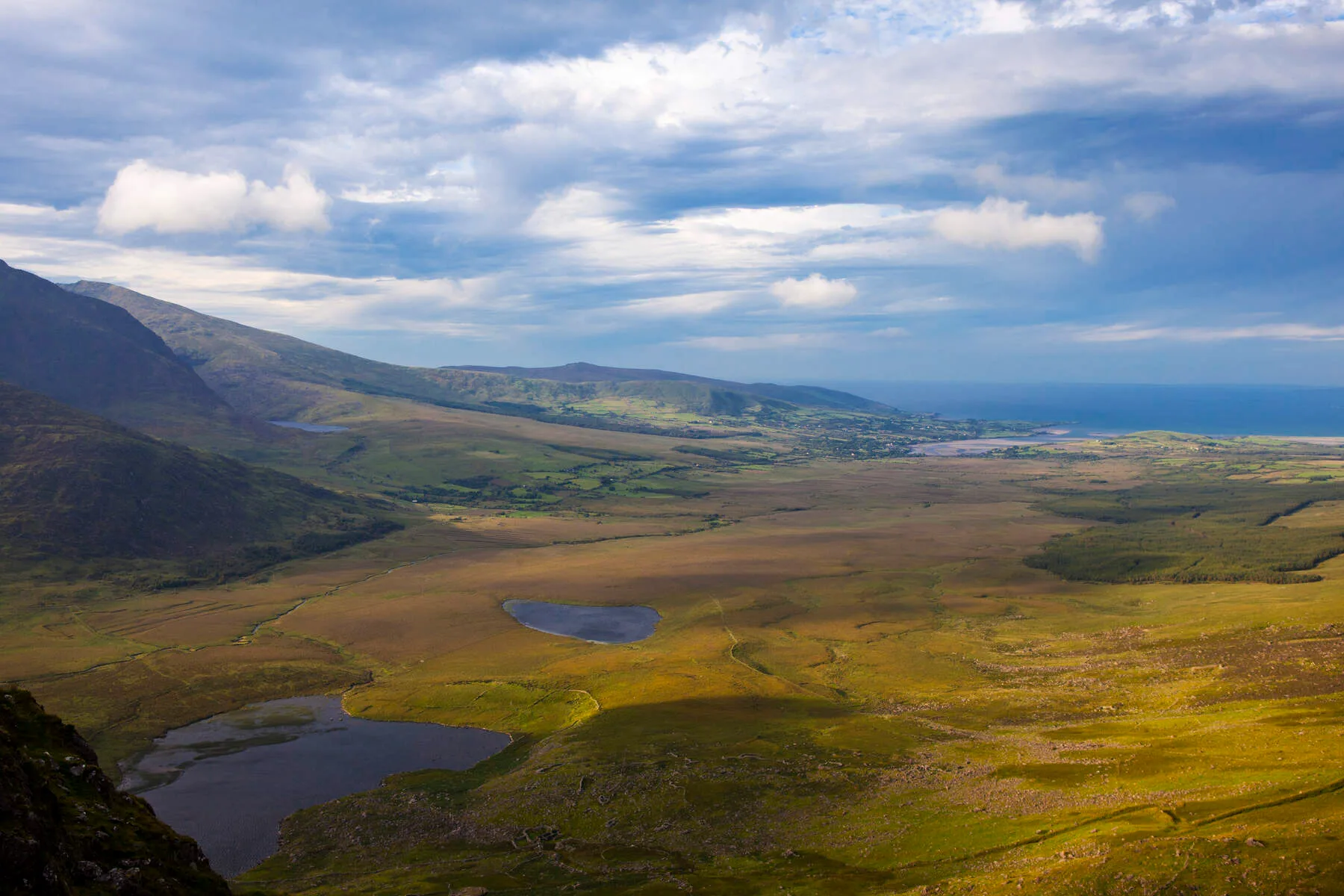
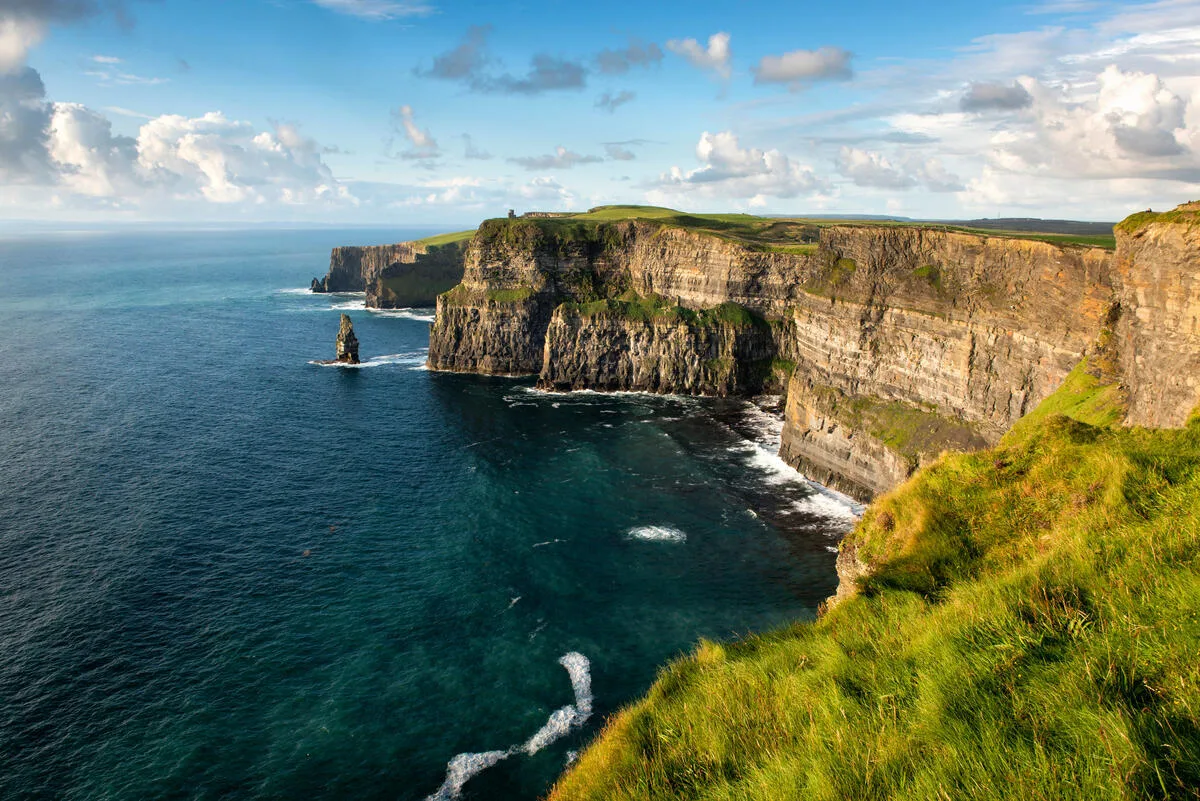
The west coast — Galway, Kerry, Donegal — gets the most rain and wind. The Atlantic systems hit here first. But the scenery is the most dramatic, and the weather creates much of that drama. The Wild Atlantic Way is one of the great drives in Ireland, and the weather is part of the experience.
The east coast — Dublin, Wicklow — is drier and more sheltered. The Wicklow Mountains get noticeably less rain than the west, making them a good choice if you want the best chance of dry walking close to Dublin.
The south — Kerry, Cork — is the mildest part of Ireland, thanks to the Gulf Stream. Subtropical plants grow in Killarney, and snow is rare even in winter. The Kerry Way passes through some of the most sheltered valleys in the country.
The north — Donegal and the Antrim Coast — has wild, dramatic weather. It's cooler than the south and gets strong Atlantic winds. But the landscape rewards the effort: Donegal is one of the most beautiful and least visited parts of Ireland.
Planning Around the Weather
I never tell walkers to avoid Ireland because of the weather. I tell them to prepare for it. Here are my tips.
The best time to visit Ireland for walking is April to October. Within that window, May, June, and September tend to be the driest and most pleasant months. But good weather can happen any time — I've had stunning January walks and rained-out July days.
Check the forecast the day before each walk, but don't let a "chance of rain" cancel your plans. Irish forecasts often show rain that turns out to be a brief shower. Met Éireann is the national weather service and gives reliable short-term forecasts.
Build flexibility into your trip. If you're on a self-guided walking holiday, you can sometimes swap the order of walks — doing the mountain day when the forecast is best, and saving the sheltered valley walk for a wetter day.
Our guided walking holidays give you the advantage of a local guide who reads the weather and adjusts the route in real time. That's one of the biggest benefits of walking with someone who knows the area.
Check our tour grading to find walks that match your comfort level in different conditions. Lower-graded walks on well-marked trails are fine in most weather. Higher mountain routes need better conditions and more experience.
Embrace the Irish Weather
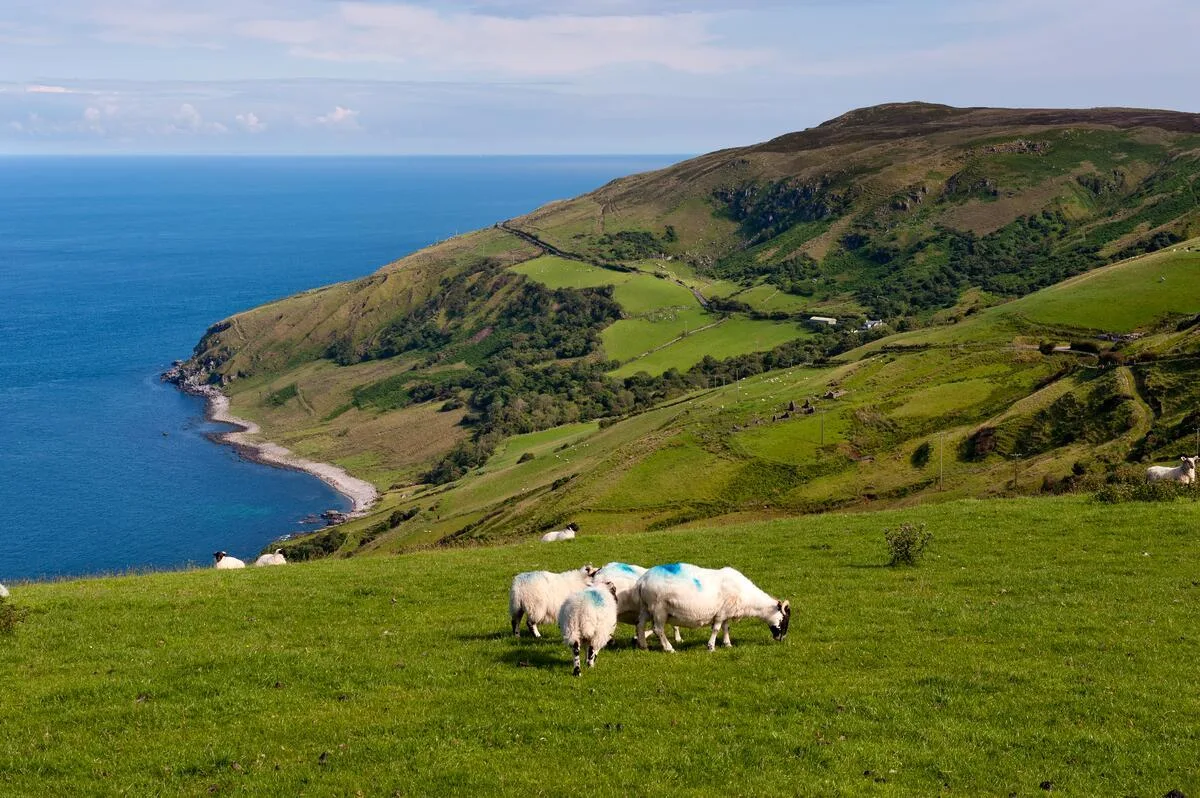
The Irish weather is part of what makes this country beautiful. The rain feeds the green. The wind shapes the coastline. The changing light creates the colours that photographers and painters have been trying to capture for centuries.
As a walker, the weather keeps you humble and present. You can't sleepwalk through a hike in Ireland — the sky demands your attention. And when the clouds break and the sun hits the mountains, you'll understand why walkers come back here again and again.
Pack your waterproofs, dress in layers, and don't be afraid of a little Irish rain. The best walks of your life might happen on days that started with grey skies. Get in touch with Walking Holiday Ireland and we'll help you plan a trip that works with the weather, not against it.
Frequently Asked Questions
Does it rain a lot in Ireland?
Ireland gets rain throughout the year, but it rarely rains all day. Most rain falls as showers that pass quickly. The west coast is wetter than the east. With a good waterproof jacket, rain should not stop you from walking and enjoying the scenery.
What is the best month to visit Ireland for walking?
May, June, and September are the best months for walking in Ireland. They offer the driest conditions, long daylight hours, and pleasant temperatures between 12 and 18 degrees Celsius. May and June also have the best wildflowers.
How cold does it get in Ireland?
Ireland has a mild climate. Winter temperatures rarely drop below freezing at sea level, averaging 4 to 8 degrees Celsius. Summer temperatures range from 15 to 20 degrees. The Gulf Stream keeps Ireland warmer than other countries at the same latitude.
Do I need waterproof clothing for hiking in Ireland?
Yes. A waterproof jacket is essential for any walk in Ireland, even in summer. Waterproof trousers are also recommended for mountain and coastal walks. Irish weather changes quickly, so being prepared for rain is part of every walking day.
How can I tell if bad weather is coming while I'm hiking?
Watch for lens-shaped lenticular clouds over summits, thickening high cirrus clouds, and tall stacking cumulus clouds — all are warnings that weather is changing. A rapid drop in barometric pressure on your watch is another reliable signal. If you can see lightning, count seconds between flash and thunder: every five seconds is roughly 1.5 kilometres of distance.
Is the weather different on the east and west coasts of Ireland?
Yes. The west coast receives more rain and wind from Atlantic weather systems. The east coast around Dublin and Wicklow is drier and more sheltered. The south around Kerry and Cork is the mildest. Choose your walking region based on what conditions you prefer.
Frequently Asked Questions
How far in advance should I book?
How do I get to the start of my walking tour?
How does the luggage transfer service work?
Can I do a tailor-made or custom itinerary?
Can I modify my booking after it is confirmed?
Photo Gallery