Best Time to Visit Ireland: A Walker's Month-by-Month Guide
Best Time to Visit Ireland: A Walker's Month-by-Month Guide
I've been leading walkers through this country for years, and the question I hear most often is
'When should I come to Ireland for a walking holiday?'
The best time to visit Ireland depends on what you want from your trip, but I'll give you a straight answer first and then break it down month by month.
For walking, the best time to go to Ireland is May through September. Within that window, May, June, and September are my top picks — long days, mild weather, fewer crowds, and the landscape at its greenest. July and August are the warmest but busiest. April and October are excellent shoulder months with quieter trails and lower prices.
That said, Ireland rewards visitors in every season. I've had stunning walks in January frost and grey November rain. This guide gives you the detail you need to pick the best month to visit Ireland for your trip.
Spring: April and May
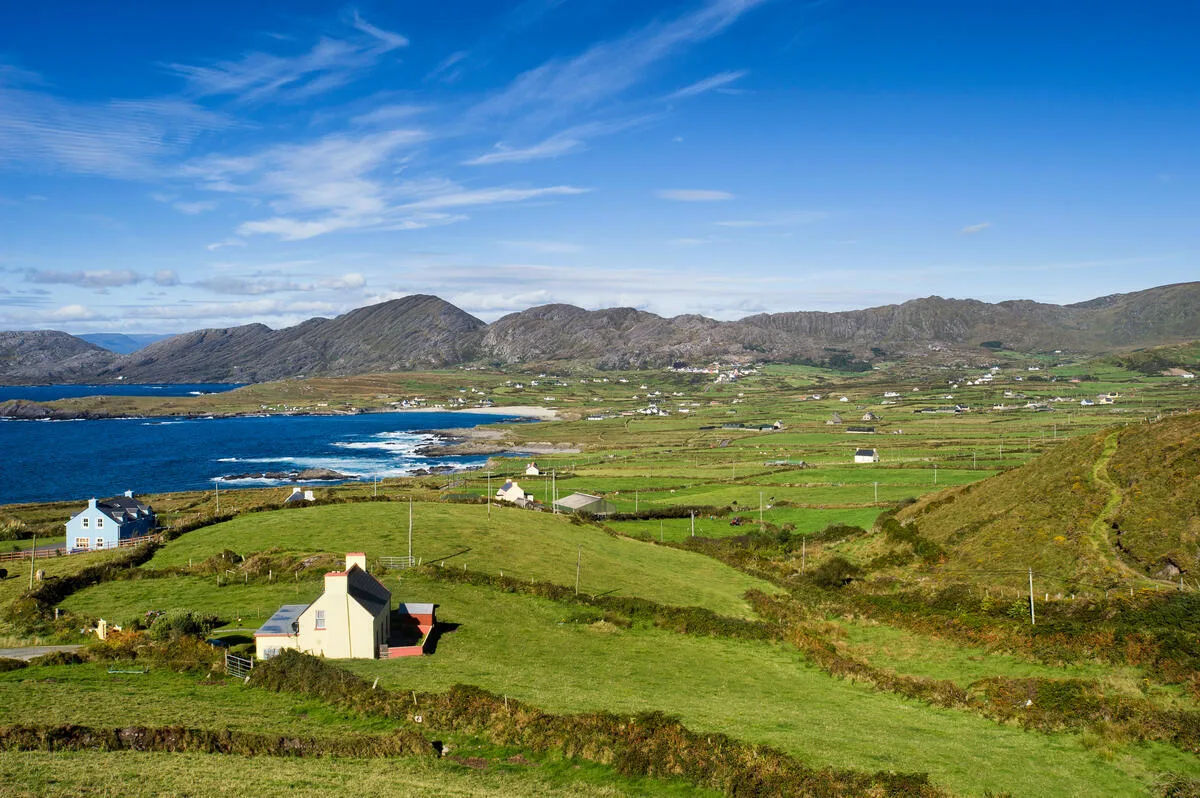
Spring is when Ireland comes alive. The hedgerows fill with wildflowers, the fields turn a green you won't believe, and the days stretch noticeably longer each week.
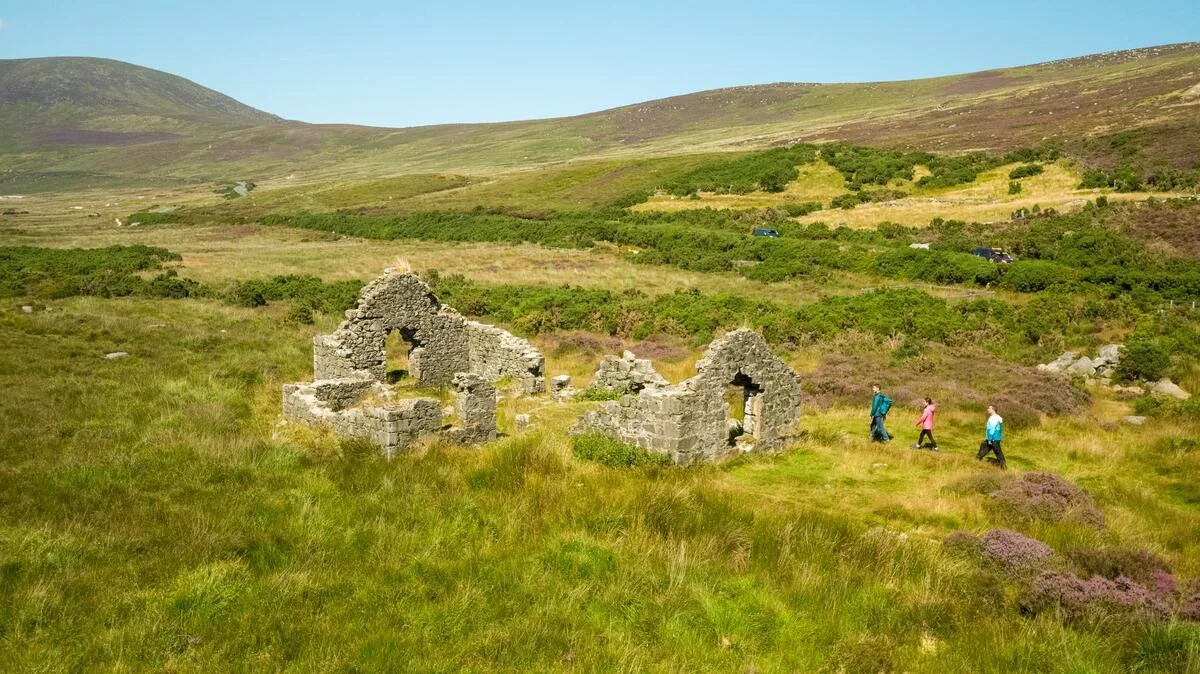
April brings temperatures of 8 to 12°C, about 13 hours of daylight, and mixed weather — expect sunshine and showers, sometimes in the same hour. The trails are quiet, accommodation is simple to book, and prices are lower than summer. April is a fine time to walk the Wicklow Mountains or the Burren, where the spring wildflowers are at their best.
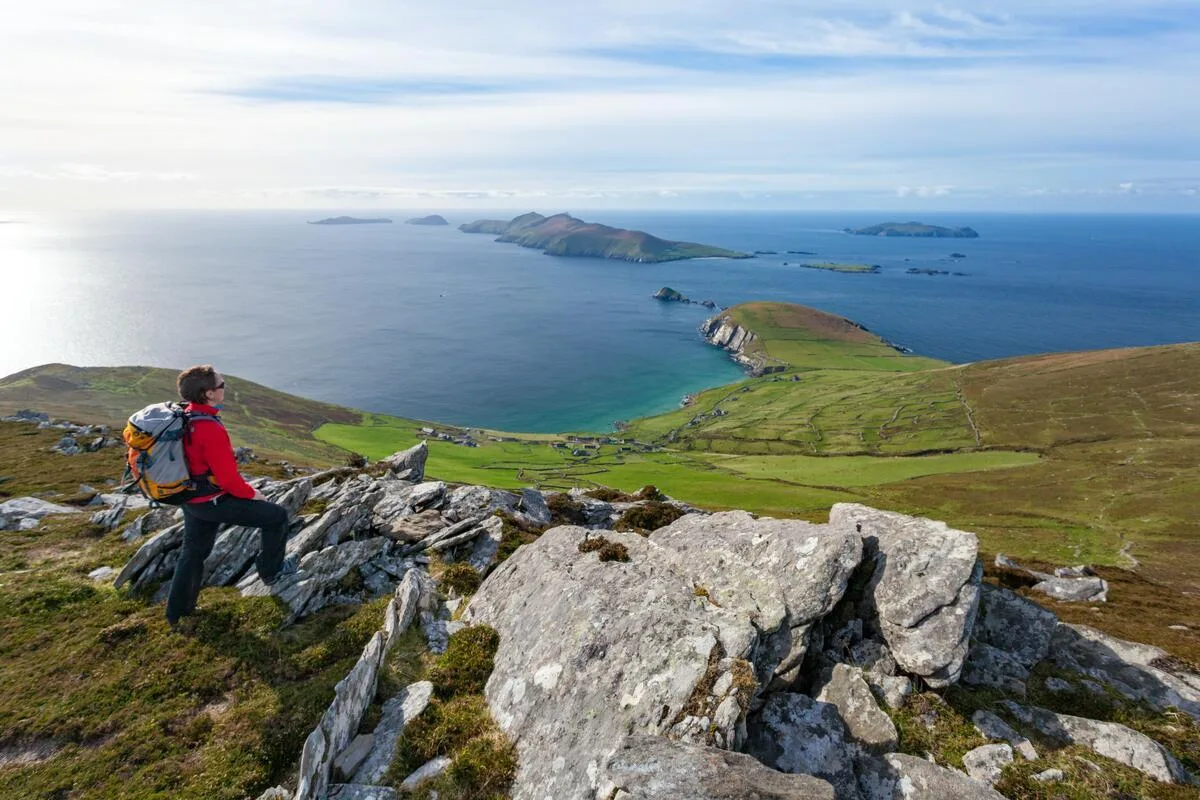
May is my favourite month for walks in Ireland. The days run to 16 hours of light, temperatures reach 12 to 17°C, and it's often the driest month of the year – drier than July in many parts of the country. The Dingle Peninsula, Kerry, and Connemara all look spectacular in late May. If you're planning a walking holiday in Ireland, late May is an excellent choice.
Spring is also when bird life peaks. Skylarks sing above the bogs, puffins arrive on the offshore islands, and cuckoos call from the hedgerows. The countryside feels fresh and full of energy.
Summer: June, July, and August
Summer brings the warmest weather and the longest days. June and July give you up to 17 hours of daylight — enough to start walking early and still have a long evening ahead of you.
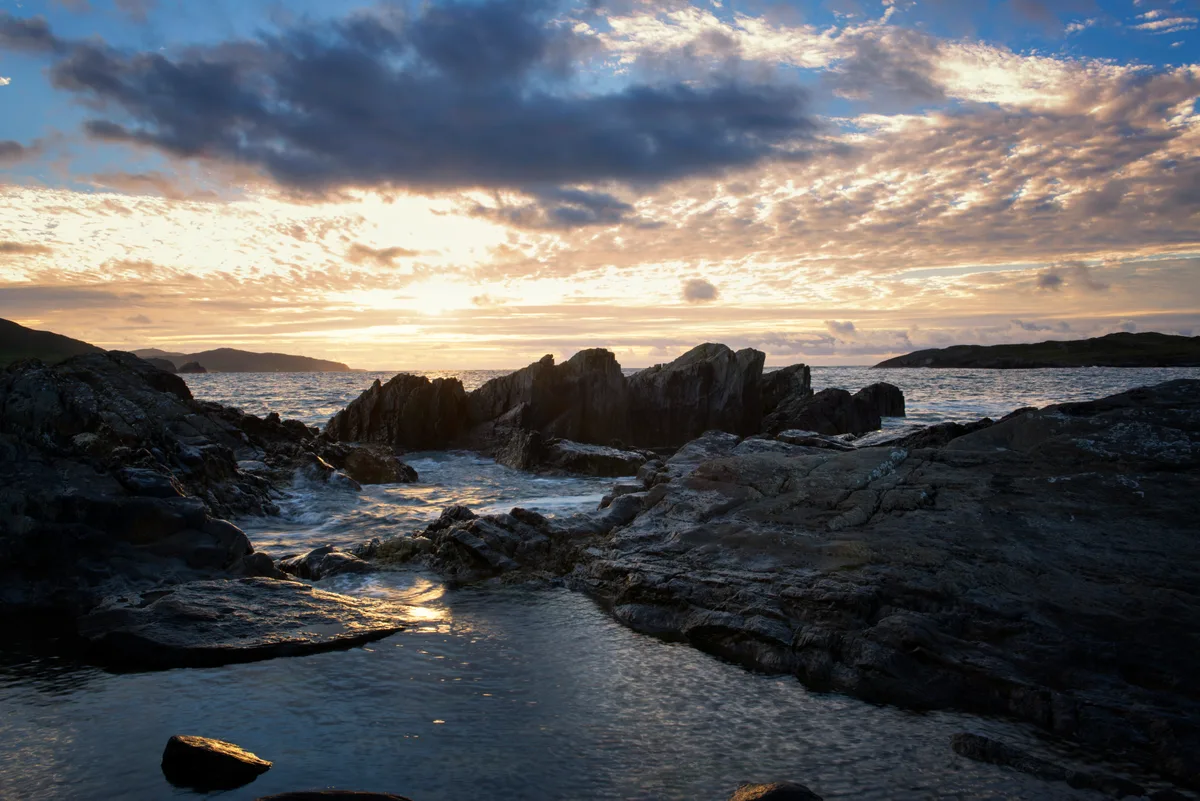
June continues the fine spring conditions, with temperatures of 14 to 18°C and generally settled weather. The Wild Atlantic Way is at its best now — the coast is dramatic under big skies, and the evenings are warm enough to sit outside a pub and watch the sunset. June is one of the best months for mountain walks, with clear visibility on the peaks.
July is the warmest month, with temperatures sometimes reaching 20°C or higher. It's also the start of the busy season. Crowds flock to popular trails like Diamond Hill and the Cliffs of Moher, so arrive early. July is actually wetter than May in many areas, so keep your waterproofs handy. Midges can be a nuisance in sheltered valleys on calm evenings.
August stays warm and long, but it's the busiest month for tourism in Ireland. Accommodation books up fast, especially along the west coast. The heather turns the hillsides purple, which makes for beautiful mountain walking in Connemara and Kerry. Book early if you're planning an August trip.
Summer is when Ireland's festivals happen — Galway Arts Festival, Killarney walking festivals, and music sessions in pubs across the country. If you want walking and culture together, summer delivers.
Autumn: September and October
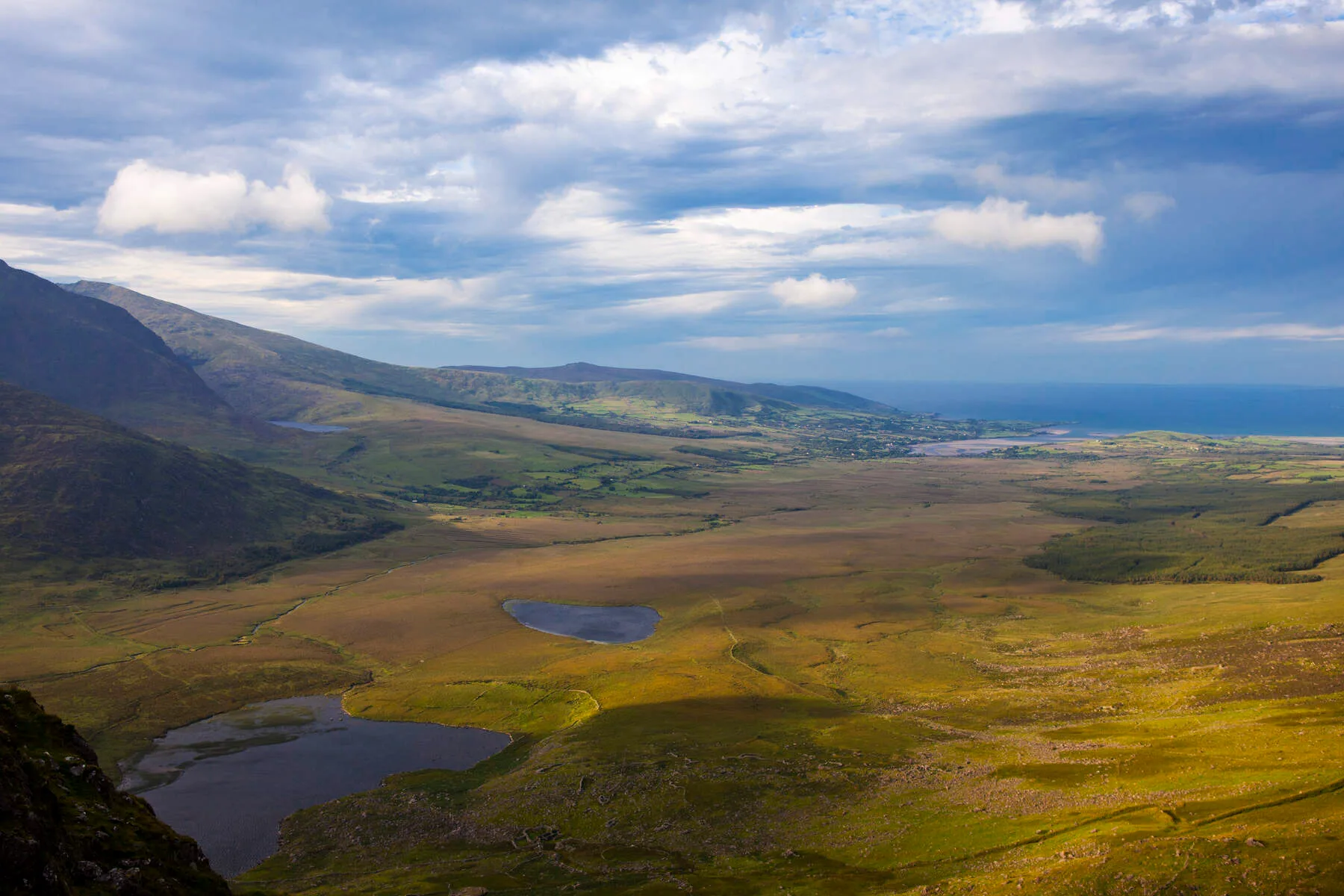
Autumn is the season that experienced Irish visitors come back for. The crowds thin, the light turns golden, and the landscape takes on warm tones of brown, amber, and russet.
September is my personal favourite. The weather is often warm and settled—a leftover from the summer—but the rush is over. Temperatures sit around 12 to 16°C, and the light at this time of year is beautiful for photography. The trails are quiet, B&Bs have space, and the walking is comfortable. September is an underrated choice for the best time to visit Ireland.
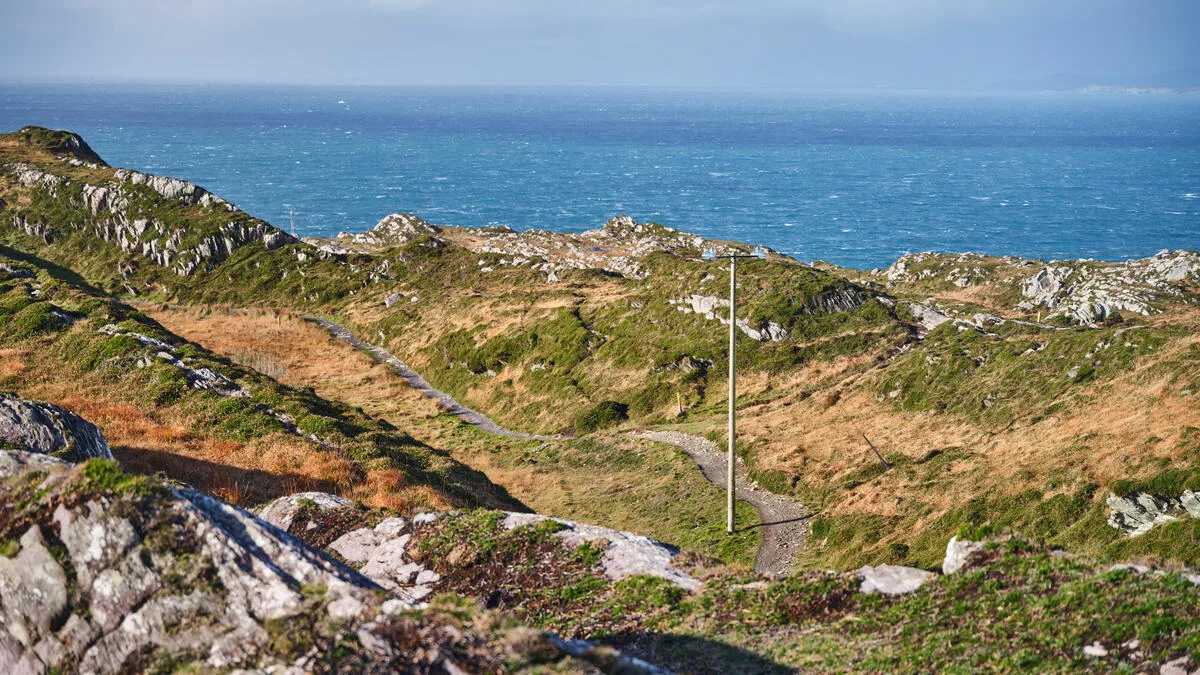
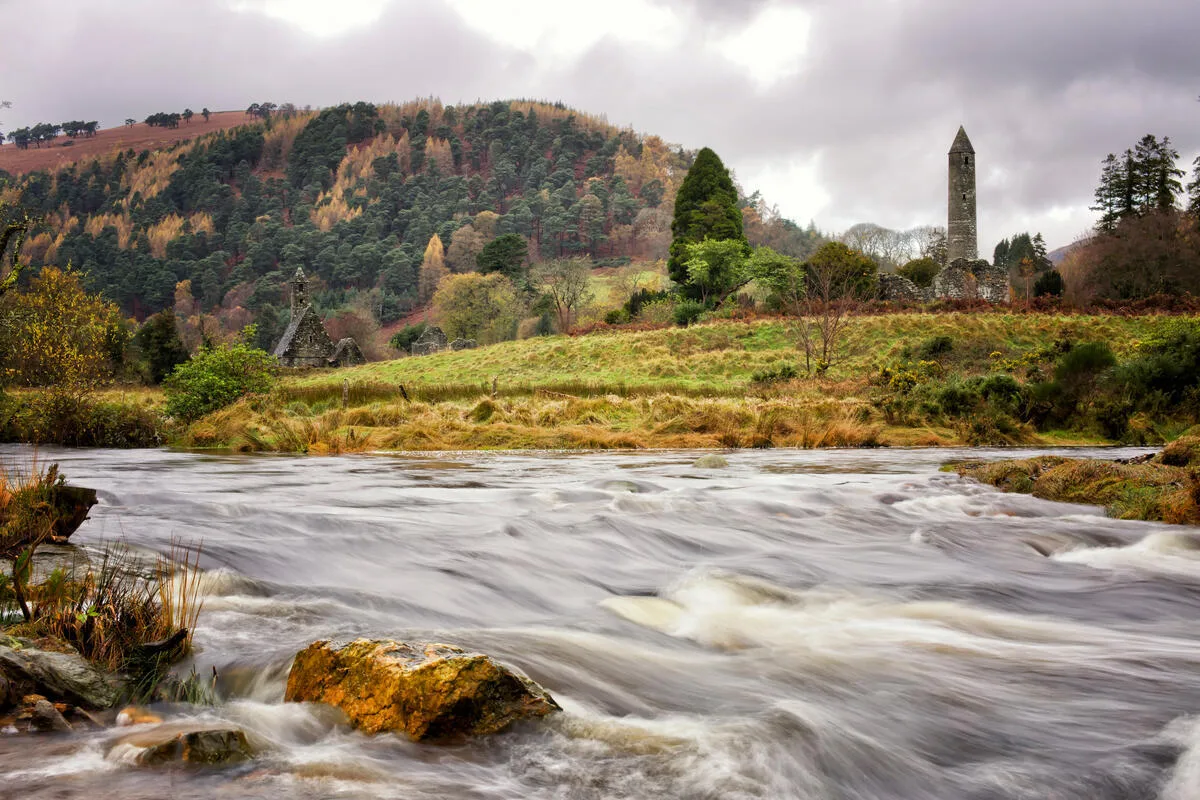
October brings shorter days and more rain, but it also brings spectacular autumn colour. The Wicklow Mountains glow with golden bracken, and the forests in Killarney turn every shade of orange and red. Coastal walks are dramatic in October weather — big seas, strong light, and an energy that the calm summer months lack. You'll need warmer layers, but the reward is a landscape that feels alive with change.
Autumn evenings in Ireland mean open fires in pubs, hearty food, and fewer tourists. If you're comfortable with cooler weather and don't need guaranteed sunshine, autumn is brilliant.
Winter: November to March
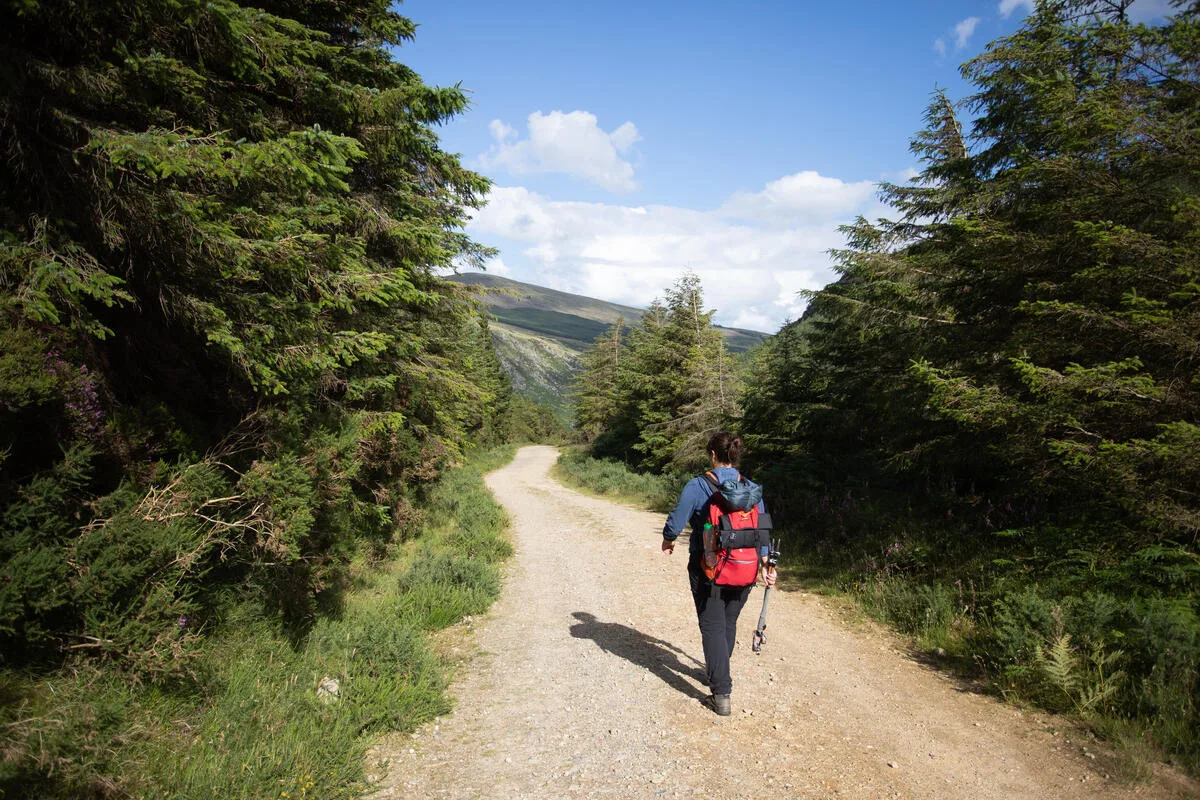
Winter in Ireland isn't for everyone, but it has its own magic. The landscape is stripped bare, the light is low and dramatic, and you'll have the trails to yourself.
November and December are the darkest months, with fewer than 8 hours of daylight by late December. Temperatures hover around 4 to 8°C, and rain is frequent. Mountain walks require experience and proper gear. But lowland trails – forest parks, lakeshore paths, and coastal walks – are perfectly fine. And there's something special about walking an Irish beach in winter with nobody around.
January and February are the coldest months, with temperatures dropping to 2 to 6°C. Snow is rare at low levels but possible on the mountains. Walking is limited to shorter, lower routes, but the reward is real solitude. Winter light in Ireland—the low sun breaking through storm clouds— is the kind of light that photographers wait for.
March marks the turn toward spring. Days lengthen noticeably, daffodils appear, and the air starts to warm. March can be windy, but there are calm days too. It's a wonderful month for the Burren, where early spring flowers start to push through the limestone.
Winter accommodation is widely available and often cheaper. If you're visiting Ireland on a budget, the off-season makes everything more affordable.
What the Weather Means for Walkers
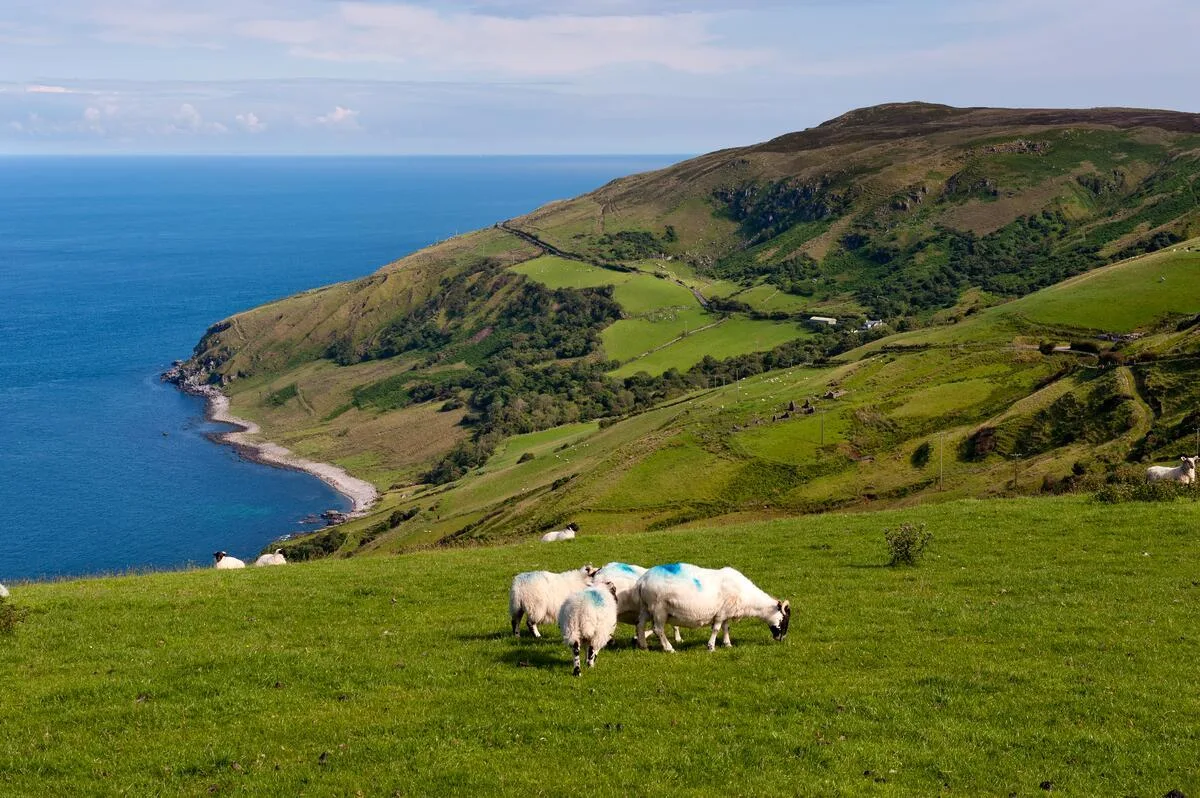
Understanding Irish weather is key to enjoying your trip. Ireland sits in the path of Atlantic weather systems, which means conditions can change fast. You might start a walk in sunshine and need your waterproof jacket within the hour. That's not unusual — it's just how things work here, and after a day or two you'll stop checking the forecast and start reading the sky instead.
Rain is a common occurrence, but it rarely manifests as the continuous downpour that people often envision. Most rain comes as passing showers, with blue sky before and after. The air after rain smells of peat and grass, the colours are sharper, and the light takes on a quality you don't get in dry climates. Photographers captured some of the best images of Ireland immediately after rain.
The west coast — Kerry, Galway, and Donegal — gets more rain than the east. The Wicklow Mountains and the east coast are drier and more sheltered. If you want the best chance of dry walking, consider the east in spring or the west in May and September.
Whatever month you choose, pack layers and durable waterproofs. Our packing list has everything you need. And wear proper hiking boots—Irish trails are often wet underfoot, even in the summer.
Picking the Right Walking Holiday
The best time to go to Ireland depends on what kind of walking you want. Here's how the seasons match our tours.
For mountain walks and longer trails, May – September gives you the daylight and weather you need. Our self-guided walking holidays run through this window, with accommodation booked, luggage transferred, and route notes provided.
For gentle walks and cultural experiences, spring and autumn are ideal. The trails are quieter, the pace is more relaxed, and you'll have more time to explore villages and pubs along the way.
Our guided walking holidays give you the advantage of a local guide who knows the weather and can adjust the route during the day. That flexibility is one of the biggest benefits of walking with someone who reads the Irish sky for a living.
Check our tour grading to find walks that suit your fitness level, and browse the Antrim coast, Connemara, and Wicklow guides for route ideas.
Come When You Can
The honest truth about when to visit Ireland is this: there is no bad time. Each season brings its own unique offerings. May and September are my top recommendations for walkers, but I've had unforgettable days on the trail in every month of the year.
Sunny days don't reserve Ireland's beauty. The rain, the wind, the mist rolling over the mountains — it's all part of what makes walking here different from anywhere else. Come when you can, dress for the weather, and you'll have a brilliant time. Get in touch with Walking Holiday Ireland and we'll help you plan a trip that works with the season you choose.
Planning around a festival? Many of the trails featured here host walking festivals during the season — see our complete 2026 walking festivals calendar to time your trip with one.
Frequently Asked Questions
How far in advance should I book?
How do I get to the start of my walking tour?
Does it rain every day in Ireland?
How warm does Ireland get in summer?
How does the luggage transfer service work?
Is Ireland too cold for walking in winter?
Can I do a tailor-made or custom itinerary?
When is the cheapest time to visit Ireland?
Can I modify my booking after it is confirmed?
Photo Gallery