Guinness A Walker's Guide to Ireland's Most Famous Brew
Guinness & Dublin: A Walker's Guide to Ireland's Most Famous Brew
My name is Cliff, and I run Walking Holiday Ireland. I've spent years guiding walkers through Ireland's most beautiful trails. But I'll let you in on something — some of the best memories from a walking holiday happen not in the mountains, but exploring Dublin's brewery district. Whether you're starting a trip or ending one, Dublin deserves time in your plans. And this Guinness Storehouse visit guide will show you how to experience Ireland's most famous brew the right way.
Here's my complete guide to visiting the Guinness Storehouse and how to fit it into your walking holiday.
The Guinness History Behind Dublin's Famous Stout
When Arthur Guinness signed that lease in 1759, he made a gamble that changed Irish history. The St James's Gate Brewery became the heart of Guinness history Dublin celebrates today, and what started as one brewer's vision became the world's most famous stout. That lease? It was for 9,000 years. Even as a walking guide, I've hiked trails older than most countries — but Arthur Guinness was thinking on another level.
The Guinness history is woven into Dublin itself. Walking through the brewery district, you see Georgian buildings, cobbled streets, and the river Liffey winding through it all. Arthur started brewing at a time when Irish craft was being shipped around the world. He chose to stay rooted in Dublin. That decision created jobs, built communities, and turned a small brewery into a global icon.
For walkers visiting Ireland, knowing the Guinness history makes your Dublin visit richer. You're not just tasting a beer — you're tasting centuries of brewing tradition. And when you walk the streets around St James's Gate, you can feel it.
Your Guinness Storehouse Visit Guide
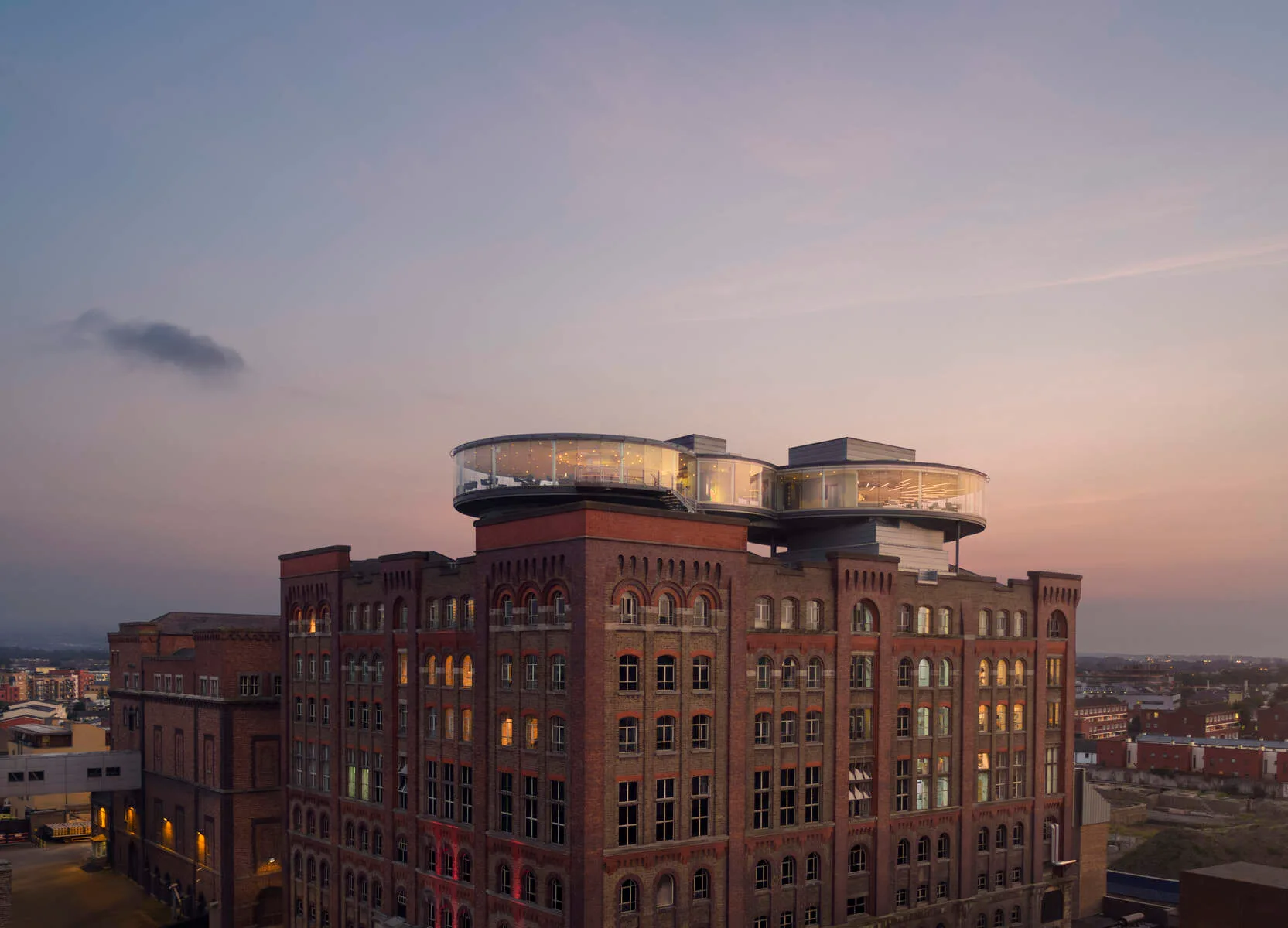
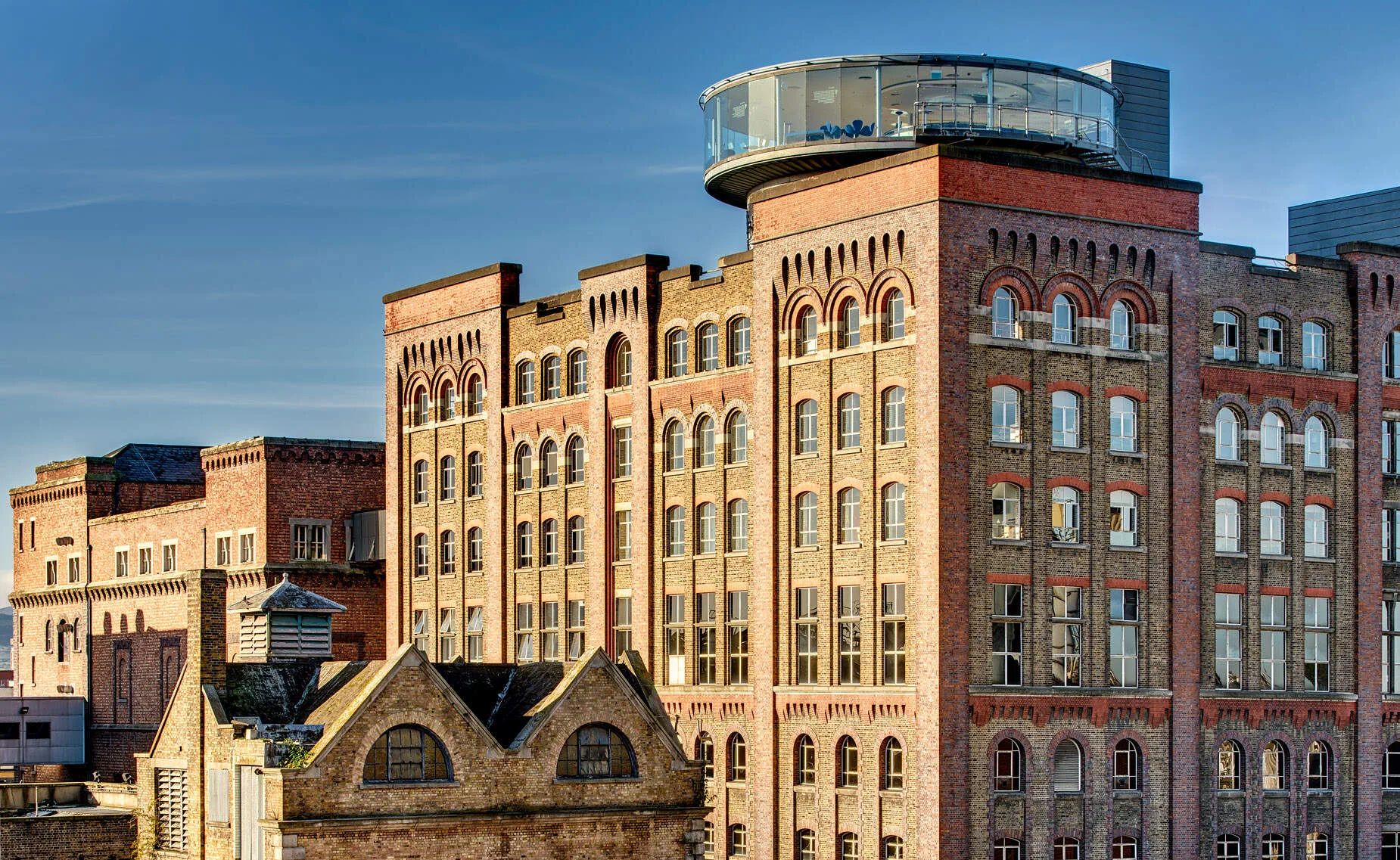
The Guinness Storehouse Dublin is the most popular tourist attraction in the city, and it earns that spot. Located at Arthur Guinness's original St James Gate brewery, it's housed in a seven-storey building shaped like a giant pint glass. I'd set aside 2–3 hours here, depending on your pace and how much you want to learn.
The Guinness brewery tour walks you through the complete story from the very start. You'll see vintage ads — and they're brilliant. Guinness has always known how to tell a story. You'll learn about the brewing process, the science behind the pour, and why those iconic ads became cultural moments.
The highlight for most visitors is the Guinness Gravity Bar experience on the seventh floor. You get a free pint with your ticket, and you can enjoy it while looking out across all of Dublin. On a clear day, you'll see the Dublin Mountains to the south. If you're planning to walk Wicklow National Park after your Dublin stop, you might spot the peaks calling you south.
Practical tip: Book your Guinness Storehouse tickets online in advance. It's cheaper and you skip the queue. Entry runs around €18–22, and it's worth every cent. This visit guide tip alone will save you time — the Storehouse is the most visited attraction in Ireland for a reason. It tells a great story, the building is impressive, and you leave with a pint in hand and a smile on your face.
The Perfect Pint
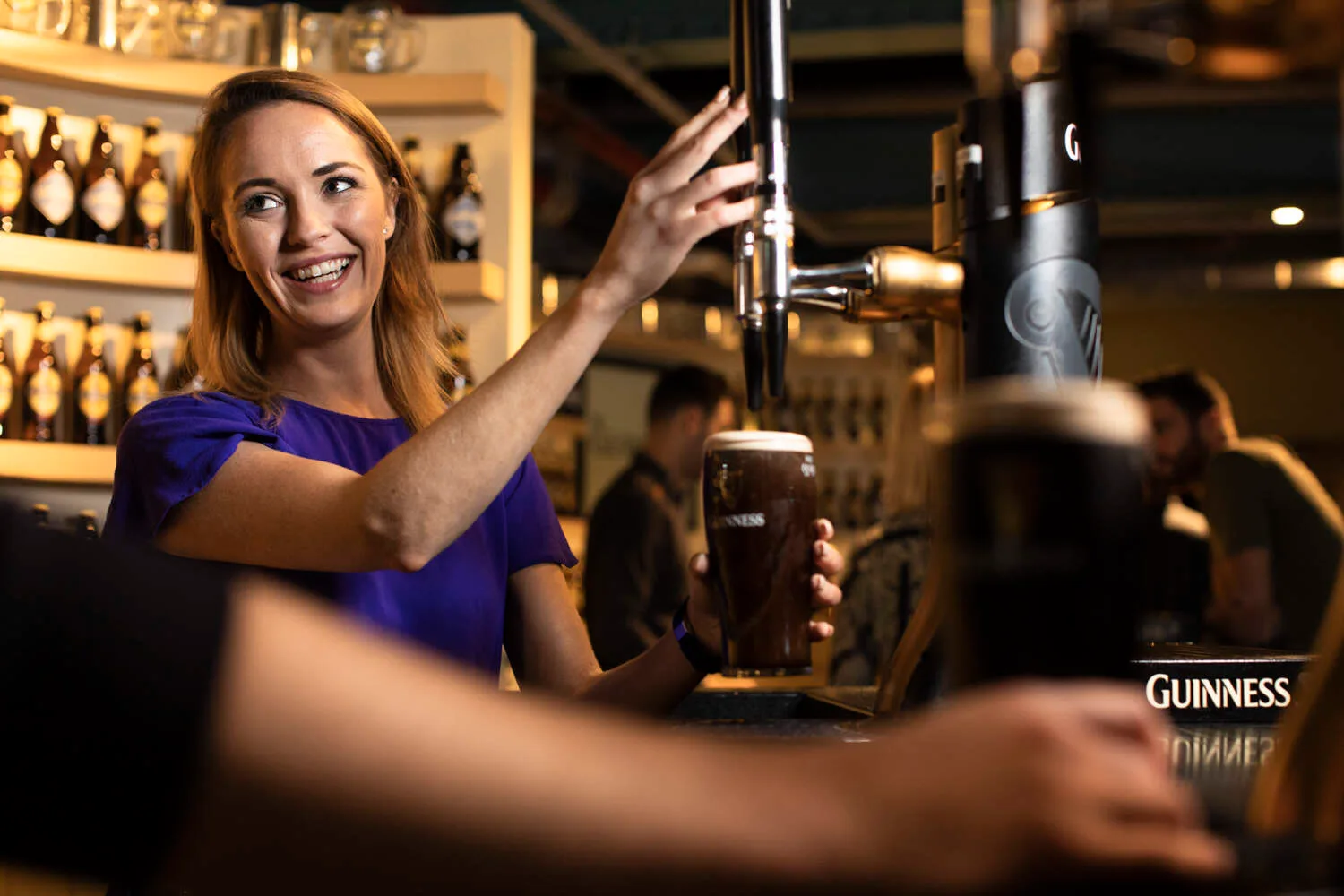
Here's something I picked up from the Guinness team: there's a right way to pour a pint. The perfect pour takes 119.5 seconds. The nitrogen bubbles create that dense, creamy head that makes Guinness what it is.
When you're in a Dublin pub, watch the bartender. A good pour has two stages — fill to three-quarters, pause to let it settle, then top up at an angle. The cascade of bubbles moving downward is part of the show.
The taste? Smooth, with notes of coffee and chocolate, slightly bitter but balanced by sweetness. If you're new to stout, don't expect it to taste like other beers. Guinness is its own thing. Start with small sips and let it warm a little — the flavour opens up.
One tip from years of walking holidays: drink water alongside your Dublin pubs evening. If you've been hiking at altitude, you'll thank yourself the next morning when you need your legs for the next trail. Combining your Storehouse visit with some of the best pubs Dublin walkers frequent makes for a perfect rest day during any walking holiday.
Dublin's Best Pubs for Walkers
Dublin has over 700 pubs. Picking the right ones takes local knowledge. Here's where I send walkers:
Temple Bar is the most well-known area — lively, loud, and full of live music. It's touristy, and the pints aren't cheap, but it's worth experiencing once. Many Temple Bar Guinness tour experiences start or end here after exploring the medieval streets on a Dublin walking tour.
The Brazen Head claims to be Dublin's oldest pub, and it feels like it. Low ceilings, dark wood, and a sense of history in every corner. It sits by the Liffey and is less crowded than Temple Bar.
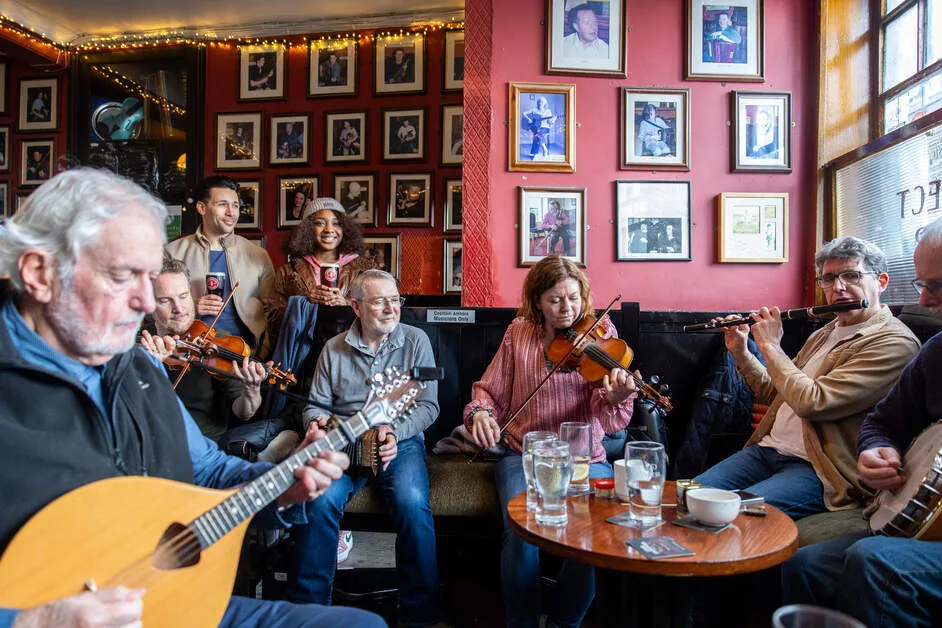
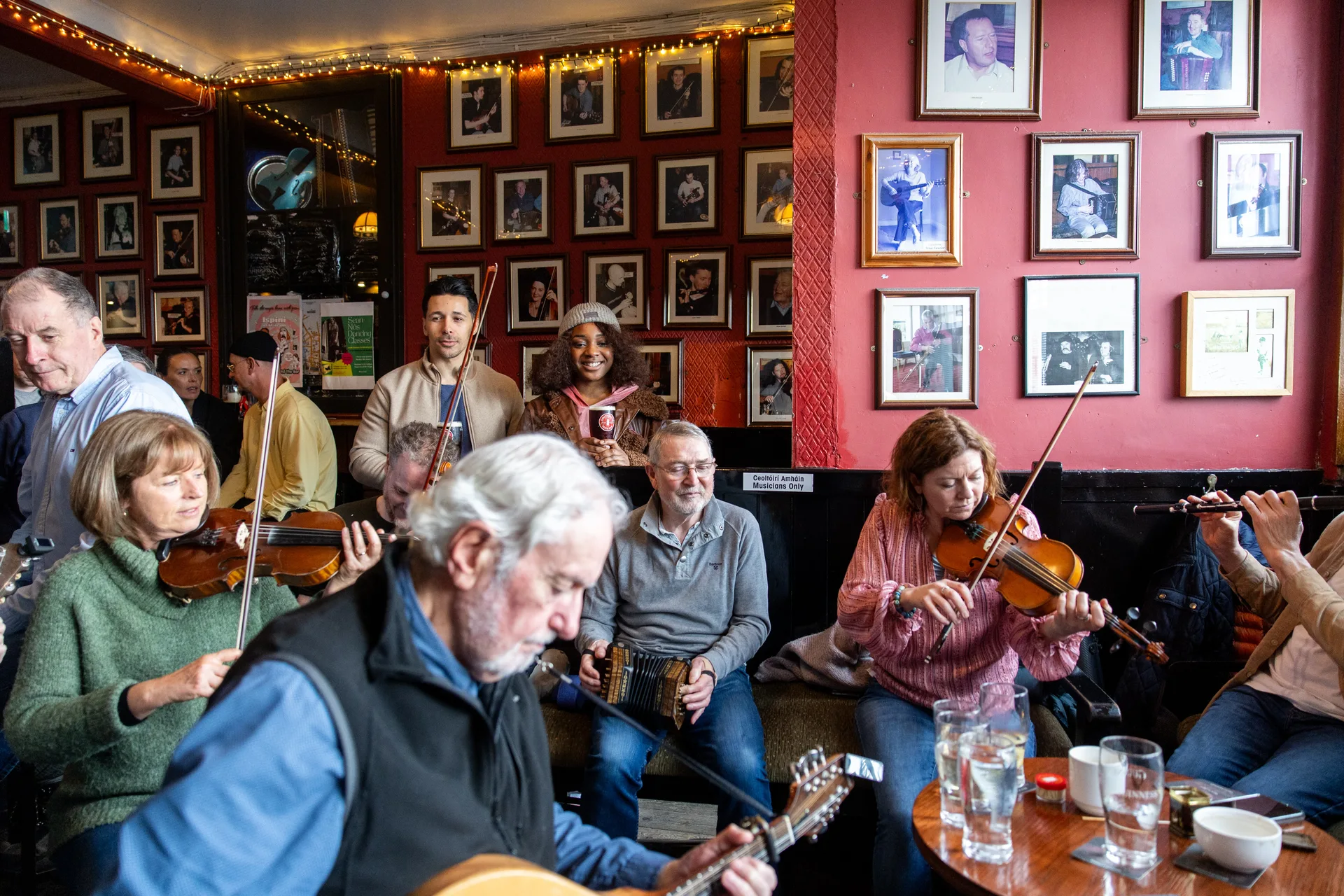
Kehoe's on South Anne Street is a favourite with locals and walking groups. It's narrow, cosy, and on the right evening you'll find musicians playing in the corner.
The Stag's Head is my personal pick. Built in 1770, it has red-tiled walls, vintage mirrors, and proper character. It's a 10-minute walk from St James's Gate, so if you're doing a Dublin walking tour exploring the Guinness Storehouse area, this is a natural stop.
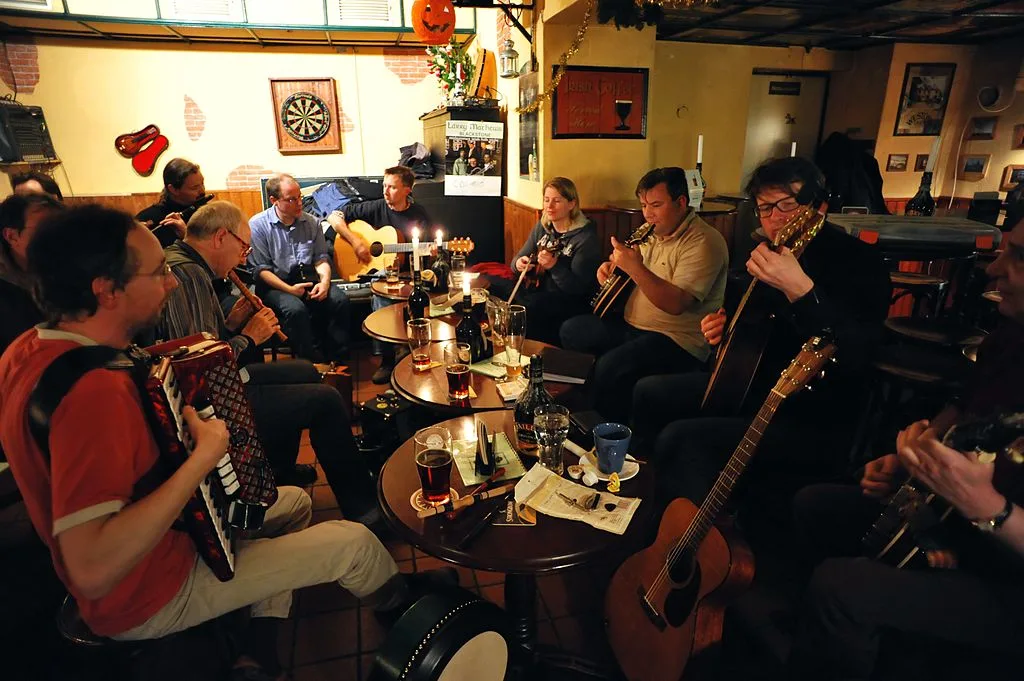
When you're planning a guided or self-guided walking holiday, factor in Dublin pubs time. A walking holiday isn't just about distance — it's about the people and places you meet along the way. Dublin pubs are where you connect with the city's soul.
A Dublin Walking Tour Around Guinness and the Brewery District
If you have a full day in Dublin, here's how I'd plan a walk that includes the Guinness Storehouse and the city's highlights:
Start at Trinity College in the city centre. Walk west along the Liffey, crossing the Millennium Bridge. Continue toward Smithfield, where you'll find independent shops, food markets, and a younger, more creative side of Dublin. This Dublin brewery district walk takes you through centuries of brewing history.
From Smithfield, it's a short walk to St James's Gate for the Guinness Storehouse Dublin experience. Spend your 2–3 hours exploring things to do in Dublin's most iconic attraction. When you come out, the brewery district spreads around you — old breweries are being turned into apartments and creative spaces.
Head back toward the Liffey and explore the Quays. The Ha'penny Bridge is worth the photos — it's a proper Dublin landmark. Continue to Temple Bar for a well-earned pint.
This route covers about 8 km at an easy pace with stops. It's not hard going — perfect for someone who's been hiking tougher trails or who's just arrived and wants to stretch the legs. If you're building up to a walking holiday, Dublin is a gentle warm-up.
Why Dublin Makes the Perfect Start or End to a Walking Holiday
Most walkers arrive in Dublin and want to get straight to the trails. I get it — Ireland's mountains and coast are why you came. But my advice is to spend at least one day in the city first.
Why? Because Dublin gives you context. It's where you meet Irish warmth, humour, and culture all in one walkable city, whether you're on a Dublin walking tour or simply exploring independently. When you later hike the Wicklow Mountains or tackle the Wild Atlantic Way, you'll understand the Irish character because you've already lived it in Dublin.
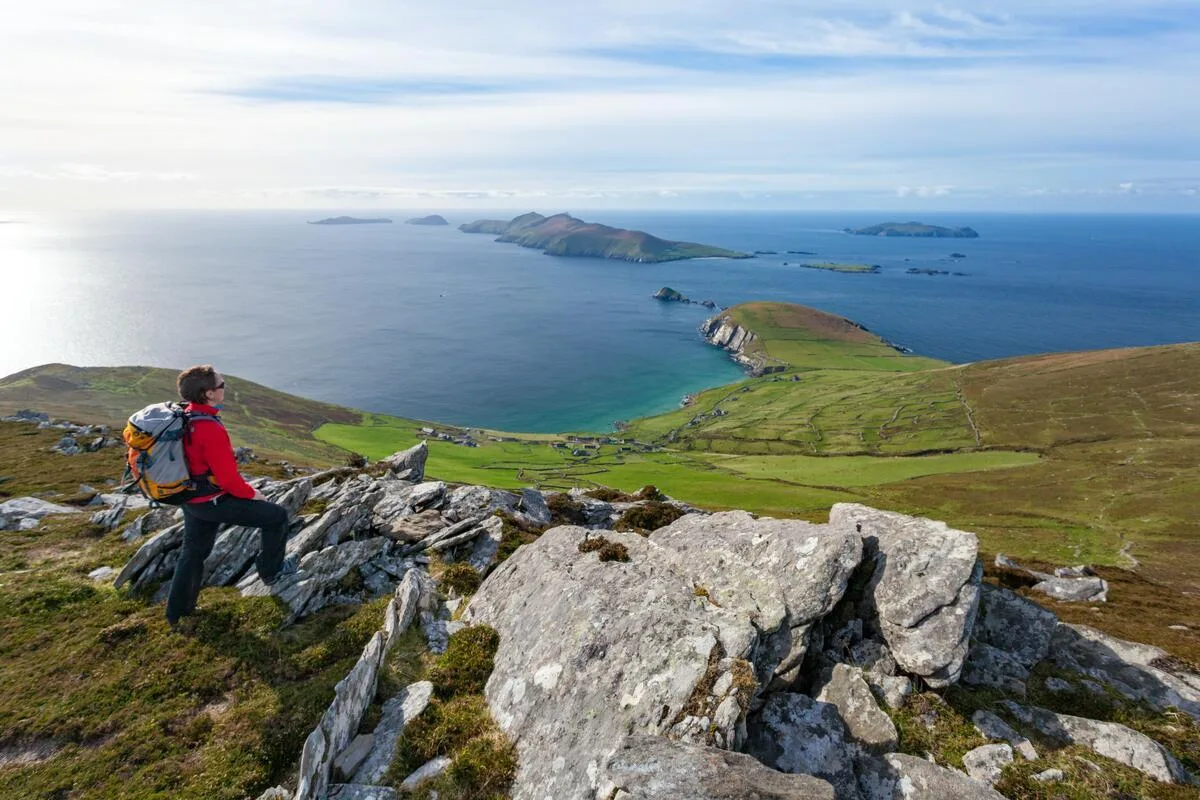
A Guinness Dublin day before heading south to Wicklow or west to the Dingle Peninsula sets the tone. It gives you energy, connects you with other travellers, and grounds you in Irish culture. Plus, your legs appreciate an easy day after flying.
If you're booking a self-guided walking holiday, Dublin is the natural start and end point. Spend a night, visit the Guinness Storehouse, taste the stout, then hit the trail. When you return to Dublin at the end of your trip, that Guinness tastes even better because you've earned it.
Check our tour grading to find the right level, and have a look at our packing list before you go. The best time to visit Ireland for both walking and Dublin exploring is April to October.
One Last Pint
A walking holiday in Ireland isn't just about summits and coastlines. The best trips include moments like standing in the Gravity Bar with a perfect pint, watching sunset over the Liffey. They include conversations with strangers in Temple Bar that turn into friendships. They include understanding why Arthur Guinness bet everything on Dublin. That's what makes this Guinness Storehouse visit guide essential for any walker exploring Ireland.
On your final night in Dublin, order a Guinness. Watch the bubbles settle. Think about the trails you've covered, the views you've seen, and the Irish landscape you've walked through. That pint will taste like more than beer. It'll taste like Ireland.
Whether it's your first Guinness Dublin experience or your tenth, the combination of this city and this stout is something special. Get in touch with Walking Holiday Ireland and we'll build you a trip that includes the trails, the culture, and yes — the perfect pint.
Frequently Asked Questions
How much are Guinness Storehouse tickets?
Entry costs around €18-22. A free pint is included. Book online for cheaper prices and skip-the-line access.
How long does the Guinness Storehouse tour take?
Plan 2-3 hours for the full experience including the Gravity Bar at the top.
Is the Guinness Storehouse worth visiting?
Yes. It is Dublin's most visited attraction. The history, interactive exhibits, and the view from the Gravity Bar are worth the time even if you are not a big beer drinker.
Can you walk from Dublin city centre to the Guinness Storehouse?
Yes. It is about 2 km west from Temple Bar, roughly a 25-minute flat walk along the Liffey Quays.
What else is near the Guinness Storehouse?
The area around St James's Gate has independent galleries, food markets, craft breweries, and the Smithfield district. The neighbourhood is growing as a cultural hub.
Frequently Asked Questions
Are the trails well-marked?
What is the most popular route?
What kind of boots should I wear?
What are the most essential items to pack for a walking holiday in Ireland?
Photo Gallery