Aillwee Cave Burren History: A Secret Kept 30 Years
The Cave a Farmer Kept Secret for Three Decades
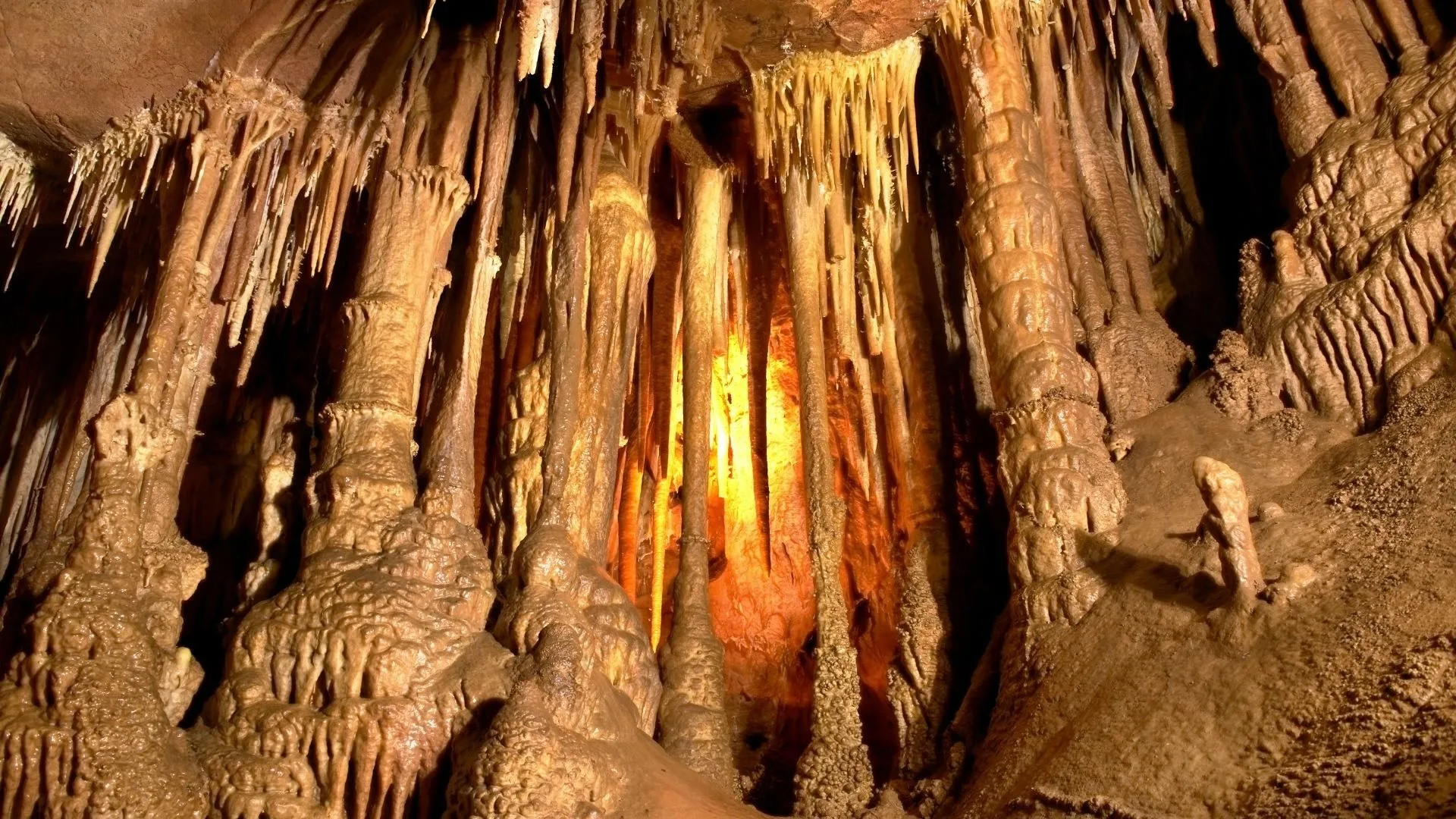
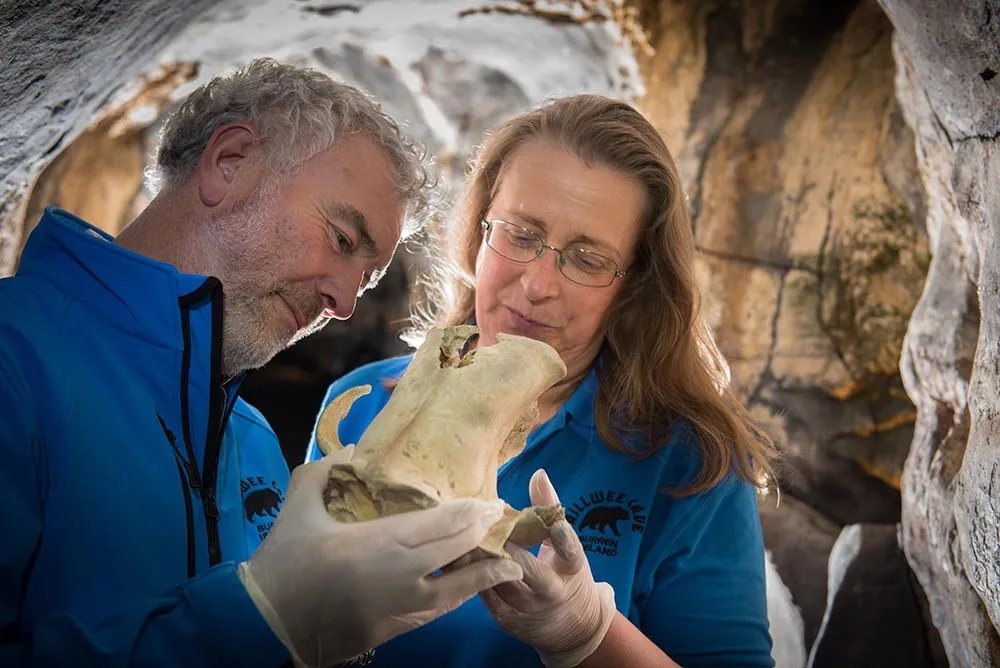
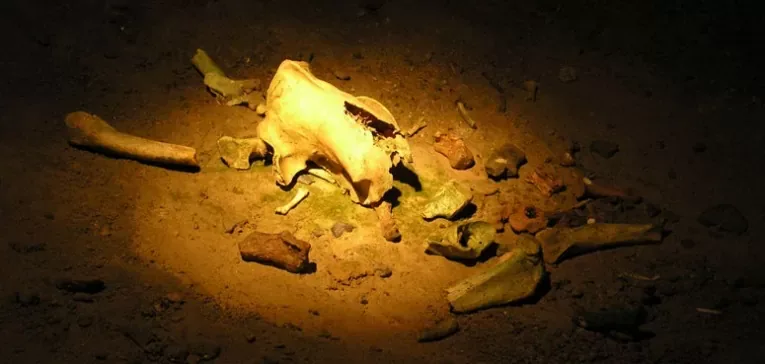
In 1944, a farmer named Jack McGann was walking the limestone uplands of the Burren when his dog vanished into the ground. He called. Nothing. He peered into the darkness, ducked under a rocky overhang, and followed the dog into a cave sealed from the outside world for thousands of years. This moment would become central to Aillwee Cave Burren history. Passages wound deep into the hillside. Stalactites dripped overhead. Ancient bear bones lay scattered on the floor.
The Jack McGann cave discovery would become a pivotal moment in Aillwee Cave Burren history, though Jack explored it alone, told almost nobody, and carried the secret with him for the best part of thirty years.
This is Burren history at its most Irish: quiet, unhurried, revealed only when the time is right. When the Aillwee Cave's 1976 opening finally happened — bringing the public underground for the first time — it didn't just give visitors a reason to venture below the surface. It helped change the way the world saw the Burren entirely.
And for those of us who love walking these extraordinary limestone hills, that shift matters more than you might think.
start="0">Cromwell Survey Burren: A Landscape Misunderstood in Aillwee Cave History
To grasp the significance of the Burren cave opening 1976 and its role in Aillwee Cave's story, you must know how the area was historically viewed.
When Cromwellian forces swept through County Clare in the 1650s, the Cromwell survey Burren described the landscape in terms that were – diplomatically speaking – not a ringing endorsement:
"Not enough wood to hang a man, not enough water to drown him, not enough earth to bury him."
It's a brutal line, and it stuck. For centuries, Burren was seen as a barren, hostile place—a stretch of bare grey limestone pavement, cracked and fissured, running west toward the Atlantic.
Useful for very little. Difficult to farm. Strange to look at. The kind of place you passed through, not the kind of place you visited.
The Great Irony of Burren History
The great irony, of course, is that everything those surveyors counted as a flaw turns out to be the point.
The bare rock isn't a wasteland — it's a living archive. Those limestone cracks (called grikes) shelter one of the most unlikely collections of wildflowers in Europe: Alpine, Mediterranean, and Arctic plants growing side by side, thriving in the thin soil and the mild Atlantic climate.
The "lack of earth" is precisely what makes the Burren botanically unique. The rocks themselves are 350 million years old, pushed above the surface by forces almost impossible to comprehend.
Every surface tells a story, if you know how to read it.
How the Jack McGann Cave Discovery Changed Burren History
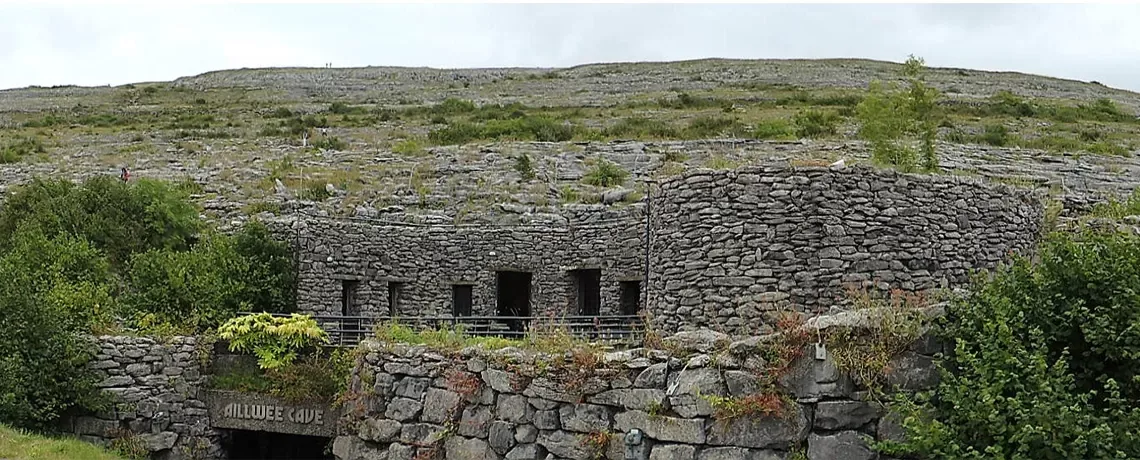
When Jack McGann finally shared his cave discovery with the Browne family in the early 1970s, something shifted in the Burren's historical narrative. The cave opened its gates to the public in 1976, and suddenly here was a way in – not just metaphorically, but literally.
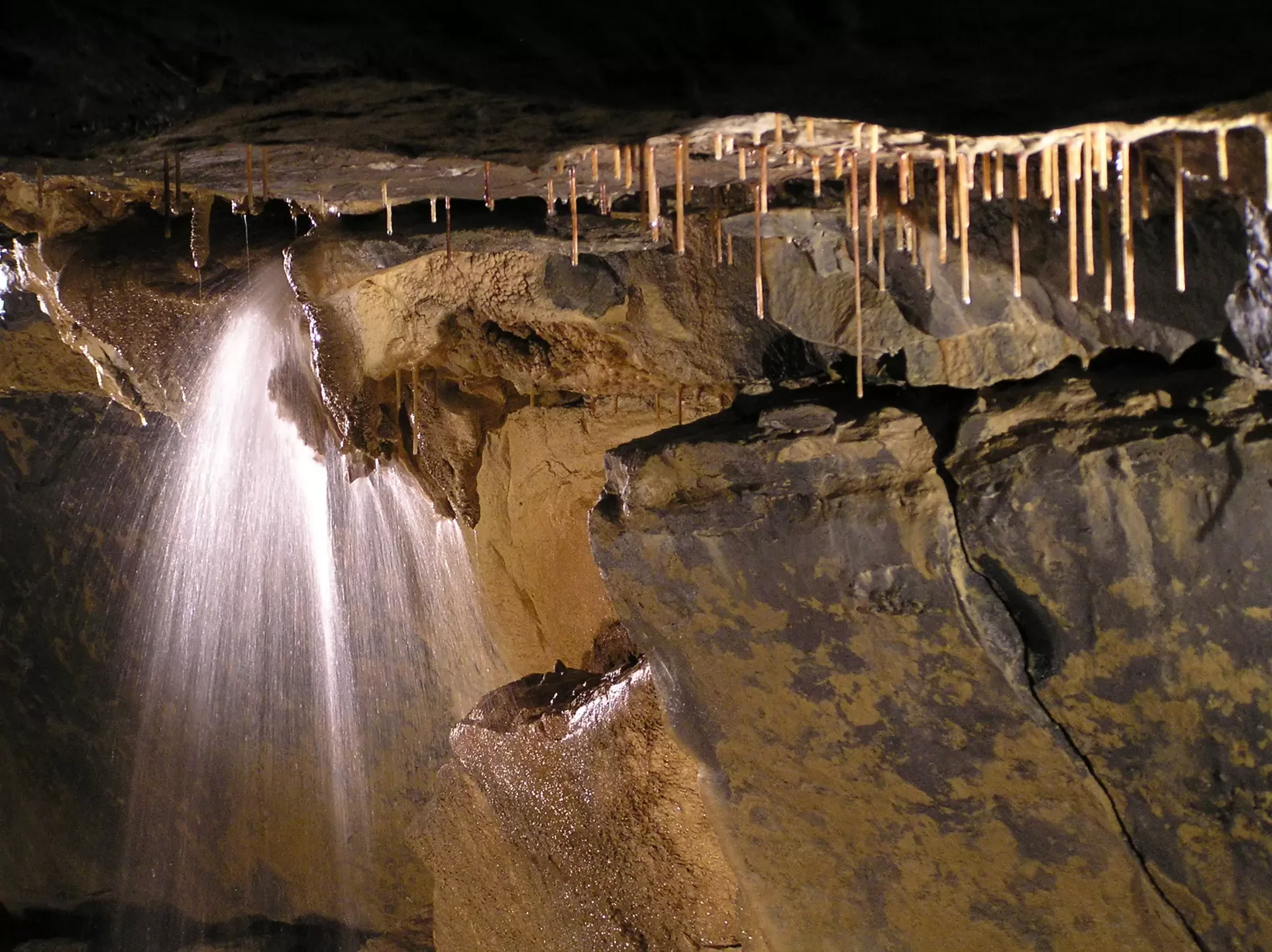
A descent into the rock itself, with a guide to explain the formations, the ancient bear den at the back of the cave, and the underground waterfall.
Visitors who might never have looked twice at a limestone pavement started to see the landscape differently: as something layered, ancient, and worth taking time with.
One of Ireland's Secret Caves in Ireland Revealed
The Jack McGann cave discovery became one of those secret caves in Ireland that would transform Burren tourism history. Aillwee wasn't the only cave system in the region—there are dozens of Burren caves that Ireland harbours beneath its surface— but it was the first to become accessible to the public on a guided basis.
That accessibility mattered. It gave people a visceral experience of what lay beneath the seemingly bare rock: entire river systems, caverns carved over millennia, and evidence of life – including the famous ancient bear bones Ireland discovered at Aillwee – stretching back thousands of years.
How Burren Tourist Attractions History Evolved After 1976
Burren tourism history accelerated through the 1980s and 1990s. The Burren National Park was established in 1991. A network of walking trails was developed, waymarked and maintained.
In 2011, the Burren and Cliffs of Moher UNESCO Global Geopark was designated – a formal recognition that this corner of County Clare has geological and ecological significance on a global scale.
The same landscape Cromwell's surveyors dismissed as worthless became protected. The story of how Burren became protected is intertwined with the history of Aillwee Cave and how people learned to see the region properly.
The Role of Aillwee Cave in That Transformation
None of this happened because of one cave, of course. But Aillwee gave people a doorway, a story, a reason to slow down and look more carefully.
And once you start looking carefully at the Burren, you can't stop.
Walking the Burren Today: Things to Do Beyond the Cave
Aillwee Cave remains one of the most popular Burren limestone caves history has given us access to – and rightly so.
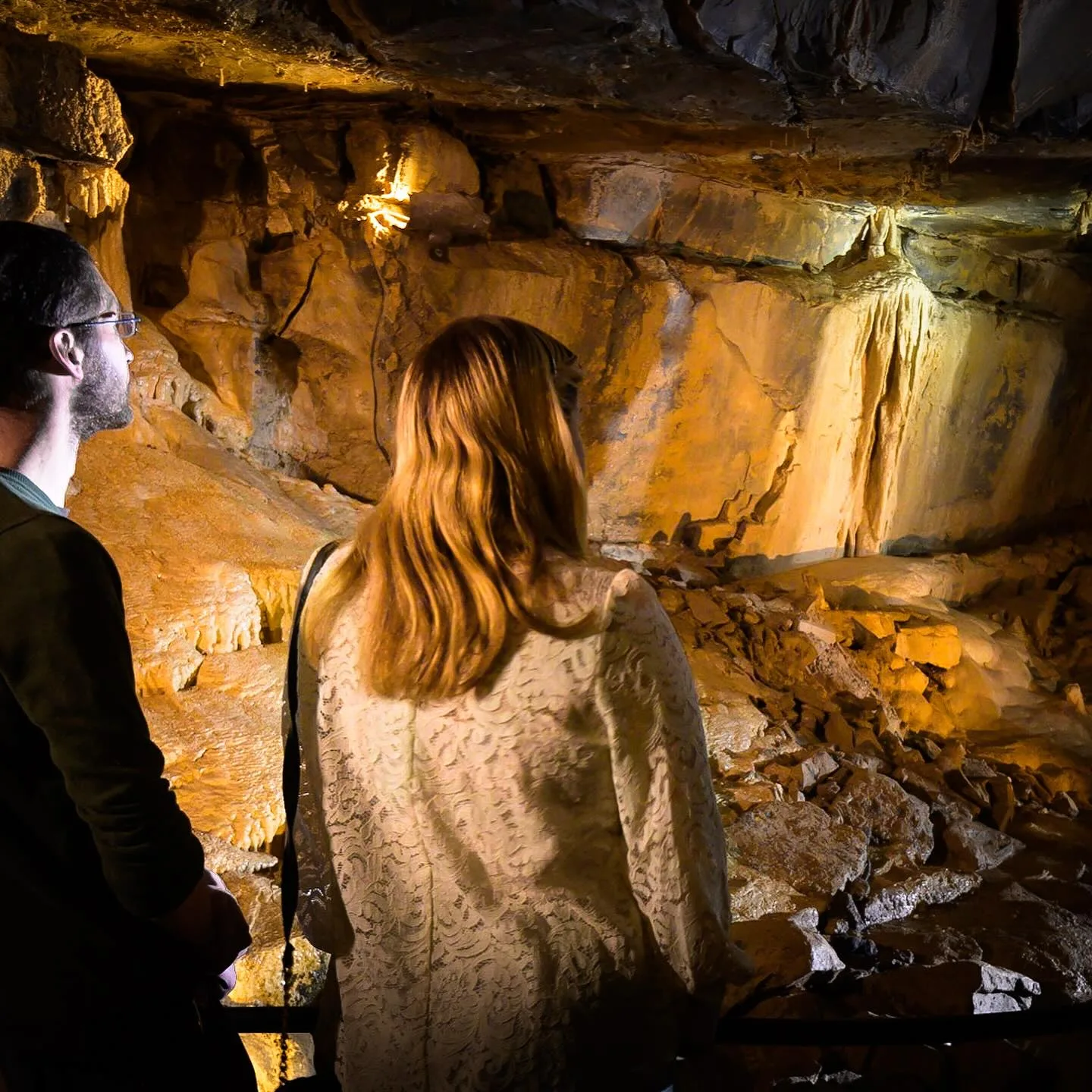
A guided tour takes you through 600 meters (656 yards) of passageways formed by an ancient underground river, past stalactites that have been growing for hundreds of thousands of years, and into the chamber where brown bears once hibernated before they disappeared from Ireland around 10,000 years ago.
These ancient bear bones Ireland once sheltered tell a story that predates human history in the country. The adjacent Birds of Prey Centre adds another dimension, with daily flying demonstrations that feel a long way from the average visitor attraction.
But the Burren Rewards Walkers Most of All
The Burren rewards those who lace up their walking boots and step off the tarmac. This is, in my view, one of the finest walking landscapes in Ireland — and I spend a fair bit of time thinking about that particular subject.
Here's what I recommend:
The Burren Way
The waymarked Burren Way stretches 123 kilometres (76 miles) from Lahinch to Corofin, cutting through the heart of the limestone uplands.
Sections of it take you along ancient green roads — the same tracks that drovers used to move cattle to summer pastures centuries ago. Walk quietly and you might flush a peregrine from the rocks or spot a gentian pushing up through a crack in the pavement.
The route passes close to the portal tomb at Poulnabrone, one of the most photographed neolithic monuments in Ireland and a powerful reminder of just how long people have been drawn to this landscape.
Mullaghmore and the Uplands
For those who want wilder terrain, the walk to the summit of Mullaghmore offers some of the most dramatic views in the Burren — a vast tilted plateau of bare limestone stretching in every direction, with the Atlantic a shimmer in the distance on a clear day.
It's a relatively short walk, but the landscape feels enormous. This is one of those places where the sense of time slows right down—you're walking on a rock that was once a tropical seabed, past flowers that normally live on different continents, and under a sky that hasn't changed much since Jack McGann's dog disappeared into the hillside in 1944.
The Cliffs of Moher Coastal Walk
The Burren meets the Atlantic in spectacular fashion at the Cliffs of Moher, and the coastal walking trail that runs along the clifftops is among the most dramatic stretches of walking in the country.
The cliffs rise above 200 meters (656 feet) at their highest point. On a calm day, the views south to the Aran Islands and west into the open ocean are extraordinary; on a stormy day, with the spray reaching the clifftop path, it's an experience you'll be talking about for years.
The Burren's Secret Language
Part of what makes the Aillwee Cave story and Burren history so compelling is that the landscape itself does most of the storytelling.
The limestone pavement is covered in fossils—crinoids, corals, and brachiopods—from a warm, shallow sea that covered this part of Ireland roughly 350 million years ago.
The wedge tombs and portal dolmens scattered across the hills were built by farmers who arrived here around 6,000 years ago and found the thin soils workable enough to sustain a community.
The ring forts visible on many hillsides are the remains of Early Christian farmsteads, each one a small chapter in the long story of people making a life in this unusual place.
What You See When You Walk the Burren
Walking through the Burren, you're never just walking. You're reading.
The gricks in the pavement hold not just flowers but insects, mice, and small birds.
Every glacially smoothed surface carries the scratches left by ice that retreated from here around 12,000 years ago.
The dry stone walls that cross the hillsides have been repaired and rebuilt over generations — pick the right angle, and you can often see the older, rougher stonework underneath the newer courses.
This is the Burren historical sites story that Aillwee Cave revealed: layered, complex, and full of things to discover if you look carefully enough.
Walking in the Burren with Walking Holiday Ireland
I've been bringing walkers to the Burren for years, and it never gets old.
The light changes everything here—a grey cloud turns the limestone into deep charcoal; the afternoon sun catches the grikes and makes the whole plateau seem to glow.
Our Burren walking holiday takes you through the best of it at a pace that leaves room to stop, look, and take it all in.
What We Handle So You Can Focus on Walking
We handle the logistics:
Luggage transfers between handpicked guesthouses
Detailed route notes with maps and waypoints
Support if you need it — phone, email, emergency backup
Accommodation bookings in places we know and trust
So that you can focus on what you came for: the walking, the geology, the wildflowers, and the particular pleasure of arriving at a fantastic pub at the end of a long day on the limestone.
Build in a Visit to Aillwee Cave
It's worth building in a visit to Aillwee Cave while you're here. Not just for the cave itself—though it's genuinely impressive—but for the full picture of Burren's history it gives you before you head out onto the uplands.
Step underground first. After exploring the cave, take a moment to appreciate the hills from a new perspective before embarking on your journey.
TL;DR: Aillwee Cave Burren History Summary
Year | Event |
|---|---|
1944 | Jack McGann discovers Aillwee Cave while chasing his dog |
1944–1973 | McGann keeps the discovery secret, exploring alone |
1976 | Aillwee Cave opens to the public for the first time |
1991 | Burren National Park established |
2011 | Burren and Cliffs of Moher UNESCO Global Geopark designated |
Key Takeaways:
The Jack McGann cave discovery in 1944 remained one of Ireland's secret caves for three decades.
The 1976 opening of Aillwee Cave transformed Burren tourism history and shifted perceptions of the region from barren wasteland to protected landscape.
Cromwell's survey of Burren in the 1650s famously dismissed the region as useless – the opposite turned out to be true.
The Burren bear bones cave at Aillwee dates back around 10,000 years, when brown bears still roamed Ireland.
Today, the Burren is one of Europe's most unique walking landscapes, with protected status and international recognition.
Planning a Burren walking holiday? Drop me a message — I'd love to help you put it together.