Skip to content Skip to main content 
Home chevron_right Blog chevron_right Six Best Hiking Trails in Ireland for 2026
Walking Routes | February 16, 2026 | 5 min read

Six Best Hiking Trails in Ireland for 2026

Photo: Walking Holiday Ireland

The Six Best Hiking Trails in Ireland for 2026

Ask ten people who've walked in Ireland to name their favourite trail and you'll get ten different answers. That's not a failing of the question — it's the nature of the country. Ireland is compact enough to drive across in a day, but its walking routes are diverse enough to keep you occupied for a lifetime.

This hiking trails Ireland guide cuts through the noise with six trails. Based on years of walking, guiding, and organising self-guided tours across the country, I'd recommend them to almost anyone planning a first or second walking holiday in Ireland in 2026. Each one is different in character. Together they cover the full range of what hiking in Ireland offers — mountain ridgelines, river valleys, wild Atlantic coastline, and the ancient interior.

If you're deciding where to walk, this area is where I'd start.


What Makes a Great Hiking Trails Ireland Guide?

Before the list of hiking trails Ireland guide options, it's worth being clear about the criteria—because "best" means different things to different walkers.

The six trails here score well on all of the following: scenery that earns the effort, clear waymarking so you're not navigating by instinct on mountain moorland, genuine villages at the overnight stops rather than isolated hostels, and manageable daily distances that leave you with something in reserve for the evening.

They're all walkable as self-guided hiking tours with luggage transfers — which means you carry a daypack, your bags travel between accommodations, and you arrive each evening to a comfortable B&B rather than a heavy rucksack and aching shoulders.

None of them require specialist mountaineering skills. All of them will take your breath away at least once.


1. The Wicklow Way

Distance: 127 km | Duration: 7–10 days | Difficulty: Moderate

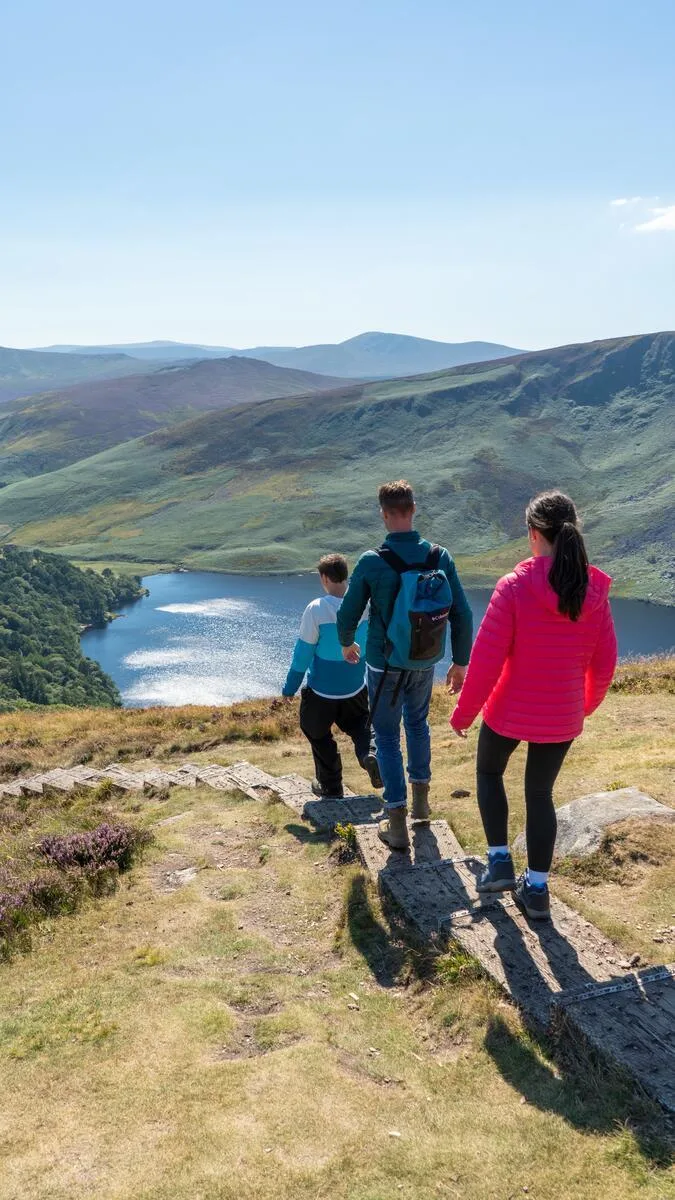
Ireland's first and most walked long-distance trail, the Wicklow Way, fully deserves its reputation. Starting at Marlay Park on Dublin's southern fringe and finishing in the quiet village of Clonegal in County Carlow, the route crosses the open granite moorland of the Wicklow Mountains before dropping south into gentle farmland and river valleys.

lough and glen near <a href=

What makes the Wicklow Way outstanding isn't any single section — it's the sustained quality of the whole thing. The ridge walk above Glenmalure. The descent into Glendalough, one of Ireland's most significant early Christian monastic sites, with its round tower and two glacial lakes. The final open moorland stages are above Roundwood, where the views stretch east to the Irish Sea.

Best for: First-time long-distance walkers, those based in or flying into Dublin, and walkers seeking a mix of mountain and pastoral scenery.

WHI tours: 5-day, 7-day, 10-day Wicklow Way

Distance

Duration

Daily km

Difficulty

127 km

7–10 days

12–16 km

Moderate


2. The Kerry Way

Distance: 214 km | Duration: 9–12 days | Difficulty: Moderate to Challenging

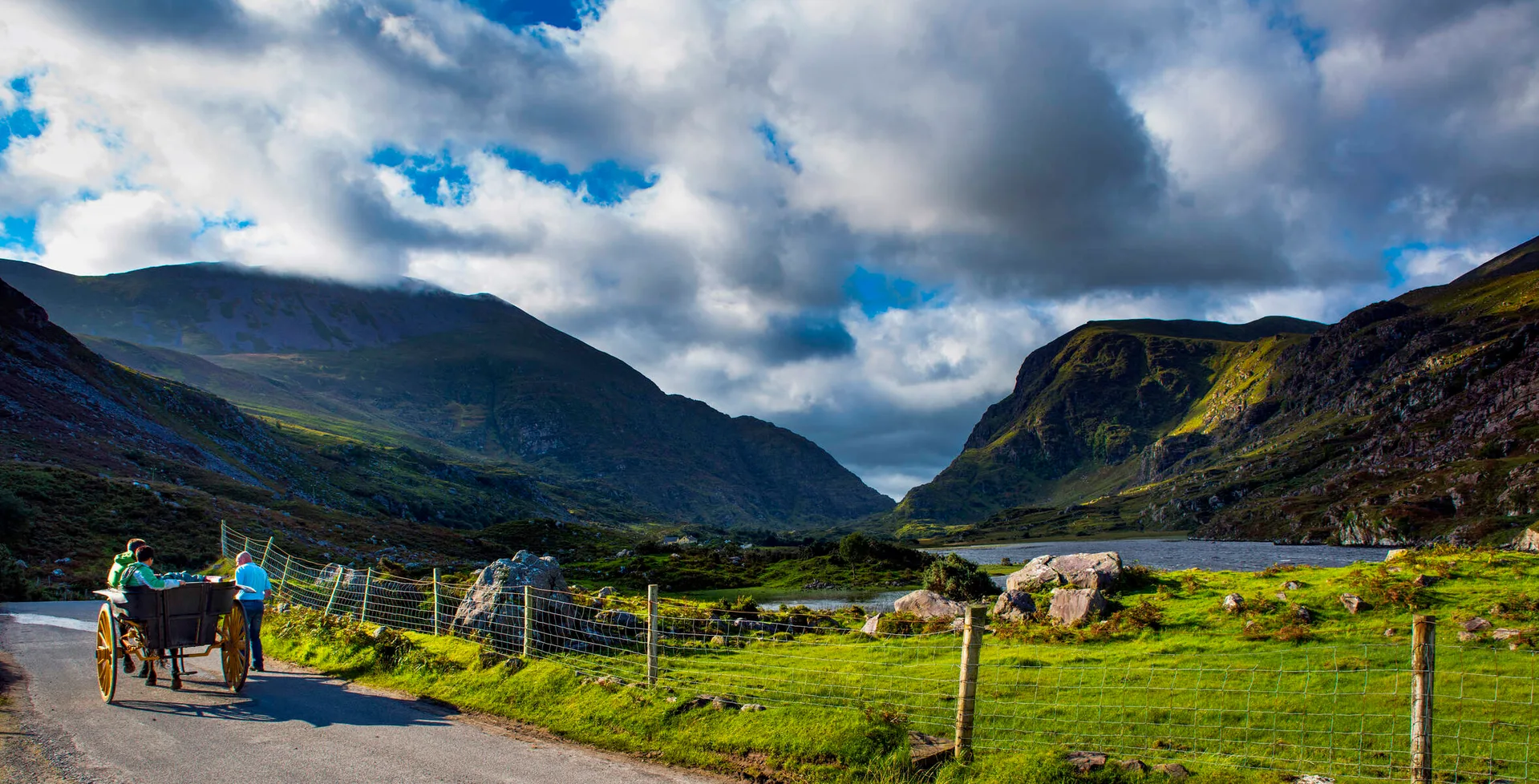
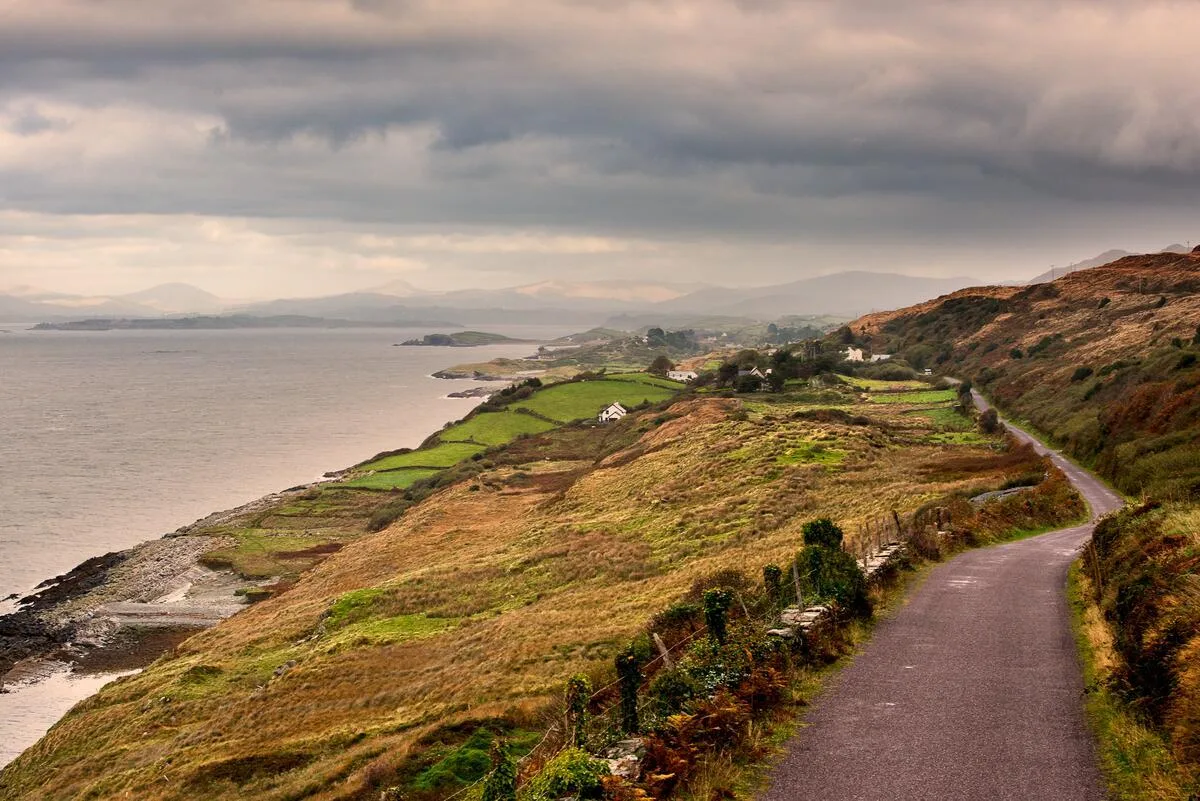
Ireland's longest waymarked trail makes a full circuit of the Iveragh Peninsula — the largest of Kerry's magnificent Atlantic peninsulas and home to some of the most dramatic scenery in Western Europe. The Kerry Way passes through Killarney National Park, climbs mountain passes with views to the Skellig Islands, traces remote river valleys, and winds along a coastline that faces nothing but open ocean all the way to America.

Kerry Camino Walk Tralee To Dingle Co Kerry TI7TU4 scenery on self-guided walking holiday in Ireland

This is the trail that changes walkers. The combination of scale, remoteness, and genuine wildness—Kerry is genuinely wild in places, and the weather reminds you of that—creates an intense experience that shorter or easier trails don't. I've walked this route more times than I can count, and it still delivers something new each time.

The village stops along the Kerry Way are excellent: Kenmare, Caherdaniel, Waterville, and Sneem—traditional Kerry communities where the hospitality is as authentic as the scenery.

Best for: experienced walkers looking for a serious multi-day challenge, anyone who wants genuine Atlantic mountain scenery, and walkers with 10 to 14 days available.

WHI tours: Kerry Way walking holiday

Distance

Duration

Daily km

Difficulty

214 km

9–12 days

16–22 km

Moderate–Challenging


3. The Dingle Way

Distance: 162 km | Duration: 7–9 days | Difficulty: Moderate

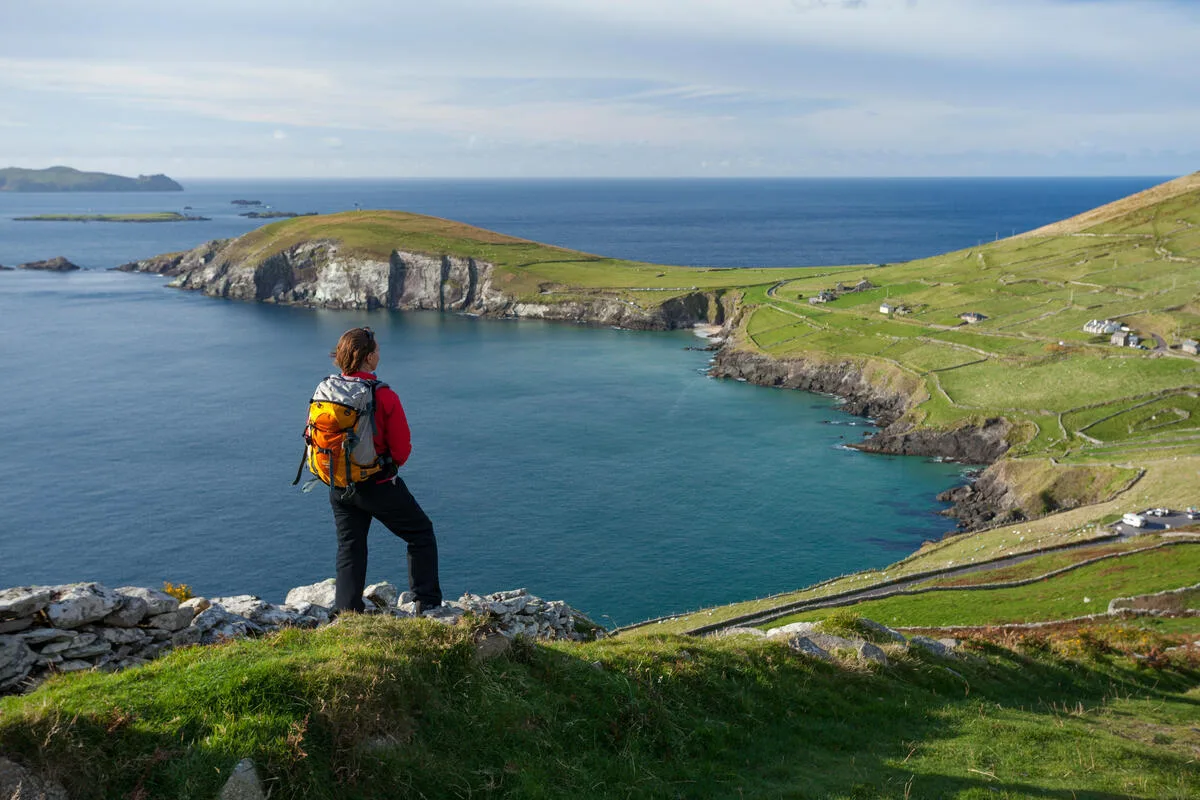
The Dingle Peninsula is one of the most photographed places in Ireland, and the Dingle Way gives you a week of walking through that landscape rather than driving past it. The trail makes a full loop of the peninsula, starting and finishing in Dingle Town — arguably the finest small town in Ireland and an excellent base for rest days.

What makes the Dingle Way special is the combination of high ground and coastline. The trail crosses the spine of the peninsula – the Brandon Range and the Slieve Mish mountains – with sustained ridge views in both directions, then drops back to sea level along stretches of coast where the Atlantic rollers break against dark cliffs and the next landfall west is North America.

Dingle Peninsula TI72HNC scenery on self-guided walking holiday in Ireland

Dingle Town itself is a draw. Dingle Town boasts excellent restaurants, traditional pubs featuring live music most evenings, and a vibrant community that welcomes walkers without overwhelming them. It's the kind of place you arrive planning to spend one night and leave wishing you'd stayed three.

Best for: walkers who want a mix of serious ridge walking and coastal paths; anyone who values a lively base town; those comparing the Dingle Way with the Kerry Way.

WHI tours: Dingle Way 8-day tour

Distance

Duration

Daily km

Difficulty

162 km

7–9 days

15–20 km

Moderate


4. The Barrow Way

Distance: 114 km | Duration: 5–8 days | Difficulty: Easy to Moderate

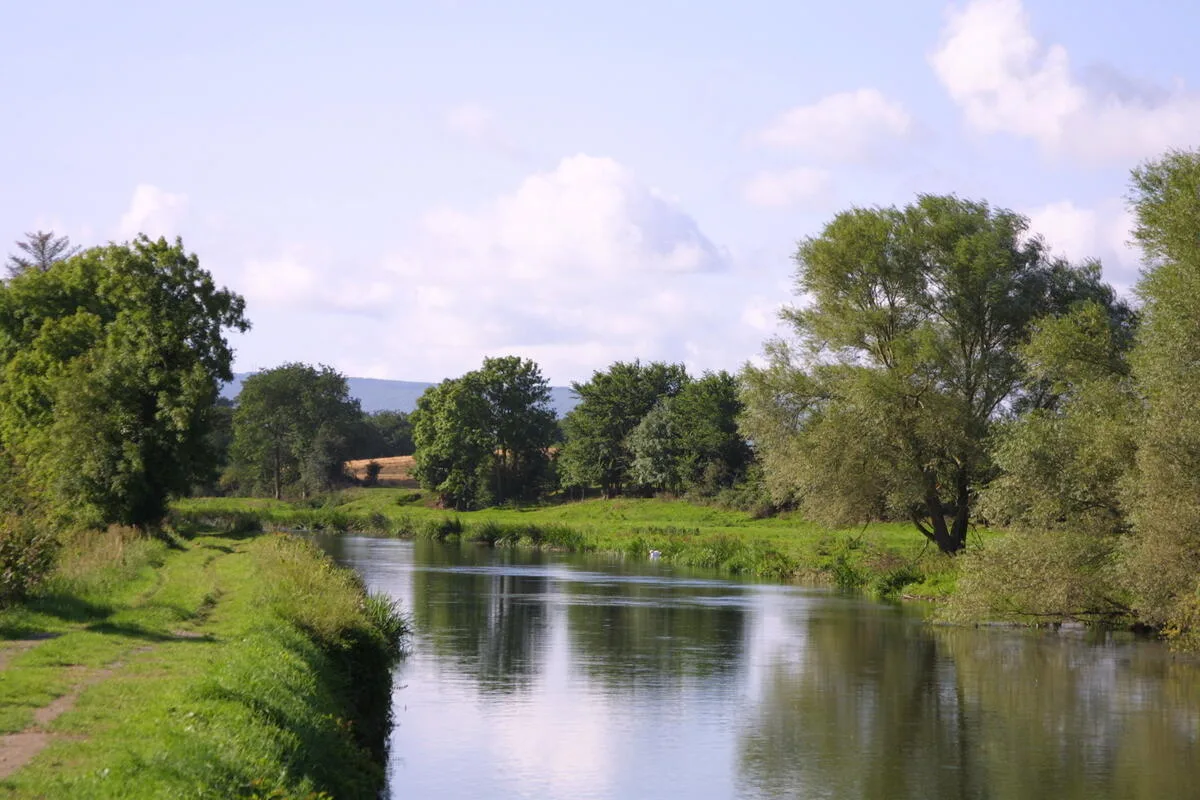
The Barrow Way is Ireland's hidden gem among long-distance trails — not literally hidden, but consistently underrated relative to what it delivers. Following the River Barrow south from Lowtown in County Kildare to St Mullins in County Carlow, the route is flat, pastoral, deeply Irish walking at its most accessible.

river and River Barrow near Kilree on self-guided walking holiday in Ireland

The trail follows the river towpath for much of its length — old barge paths along one of Ireland's great inland waterways, wide and flat and easy underfoot. The villages along the Barrow are small and genuine: Leighlinbridge, Graiguenamanagh, and St. Mullins—communities where walkers are warmly welcomed and where an evening pint in a canalside pub is one of the more civilised experiences available on an Irish walking trail.

Don't confuse simple terrain with an uninteresting walk. The Barrow landscape is subtly beautiful — mediaeval bridge ruins, herons standing motionless in the shallows, and the river changing character through the seasons. Walkers who've done both the Kerry Way and the Barrow Way often say the Barrow is the one they think about more often.

Best for: Less experienced walkers, over-50s, anyone whose knees prefer flat ground, and those who want to experience rural Ireland away from the tourist trail.

WHI tours: Barrow Way 5-day, Full Barrow Way 8-day

Distance

Duration

Daily km

Difficulty

114 km

5–8 days

12–16 km

Easy–Moderate


5. The Causeway Coast Way

Distance: 53 km | Duration: 3–5 days | Difficulty: Moderate

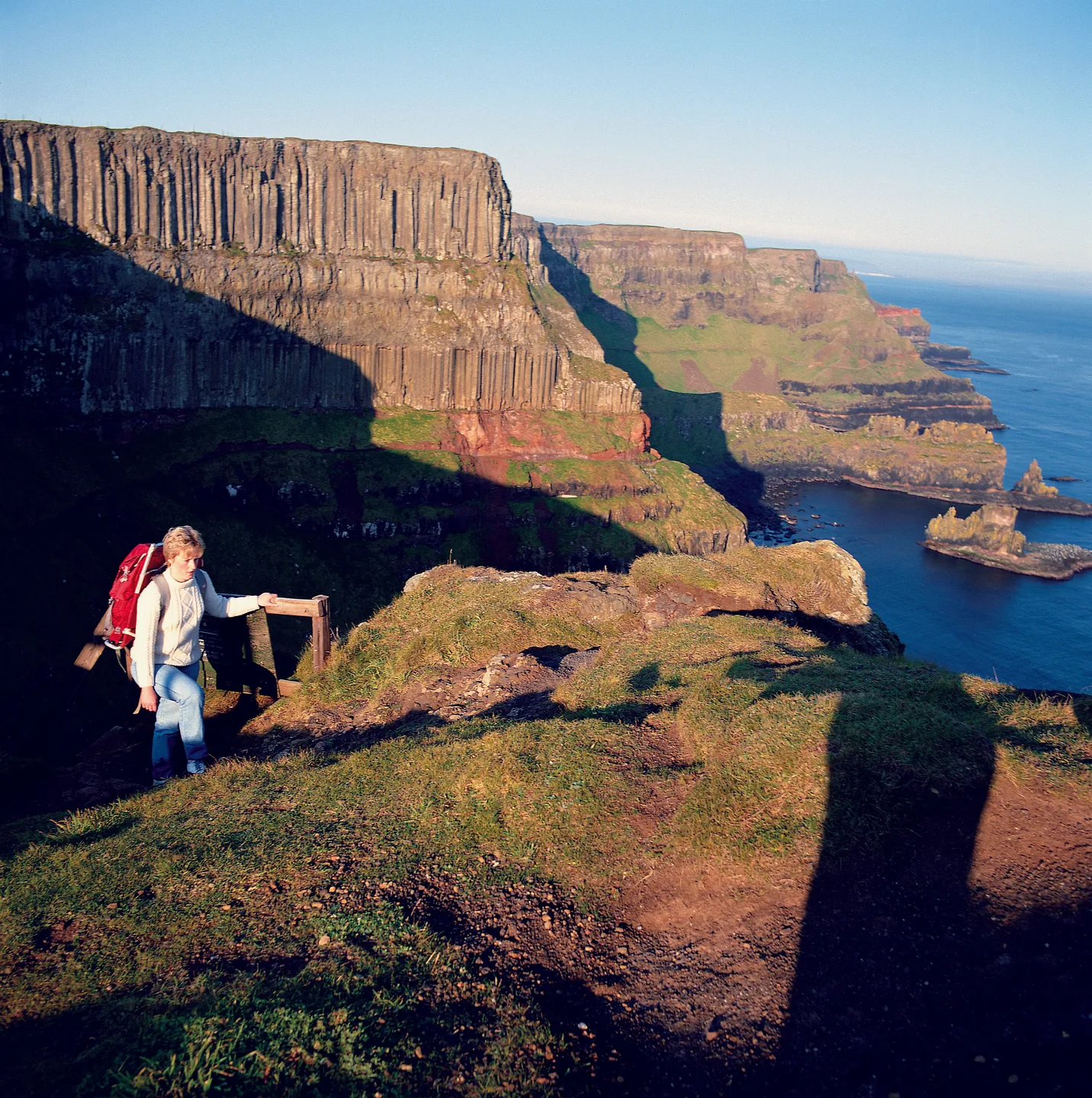
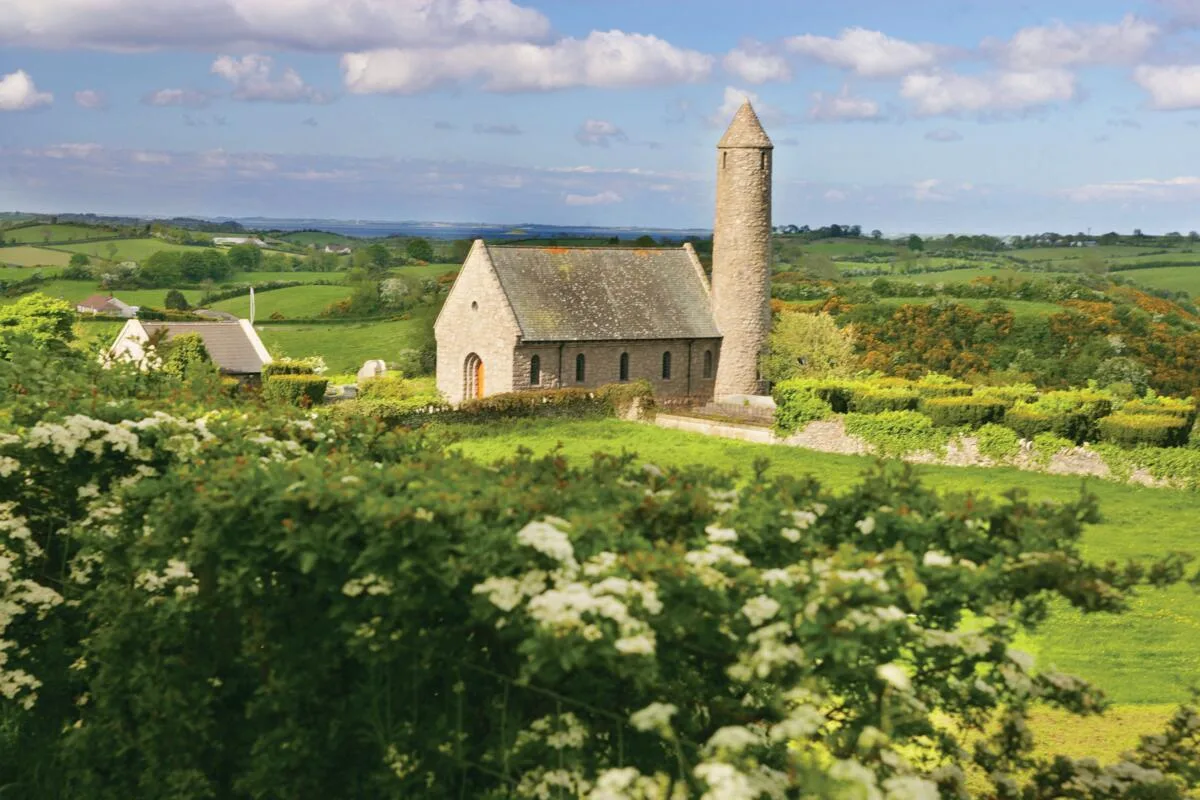
Northern Ireland's Causeway Coast is one of Europe's most dramatic stretches of coastline, and the Causeway Coast Way puts you on foot along the best of it. The trail runs from Ballycastle in the east to Portstewart in the west, passing the Giant's Causeway, the ruins of Dunluce Castle, and the rope bridge at Carrick-a-Rede along the way.

dramatic cliffs near Causeway Cliffs Co Antrim PaulL 210621LPD008.Jpg TI72MVG on self-guided walking holiday in Ireland

The daily distances are shorter than the other trails on this list, which suits the terrain — this is clifftop and coastal walking, where you want to move slowly and look properly rather than cover ground. The Giant's Causeway alone can absorb a full morning, and the drama of the basalt columns viewed from the coastal path rather than the visitor center parking lot is something entirely different.

Northern Ireland's north coast has developed a strong walking culture recently. The accommodation, the food, and the welcome for walkers in the villages along the route are excellent. Ballycastle, Ballintoy, and Bushmills are all worth the evening.

Best for: walkers with less time (3–5 days), those who want guaranteed dramatic scenery in a shorter route, and anyone interested in the Giant's Causeway as a walking rather than a touring experience.

WHI tours: Causeway Coast: a 5-day Causeway Coast walking tour

Distance

Duration

Daily km

Difficulty

53 km

3–5 days

12–18 km

Moderate


6. The Cooley Peninsula and Mournes

Distance: varies | Duration: 3–5 days | Difficulty: Moderate

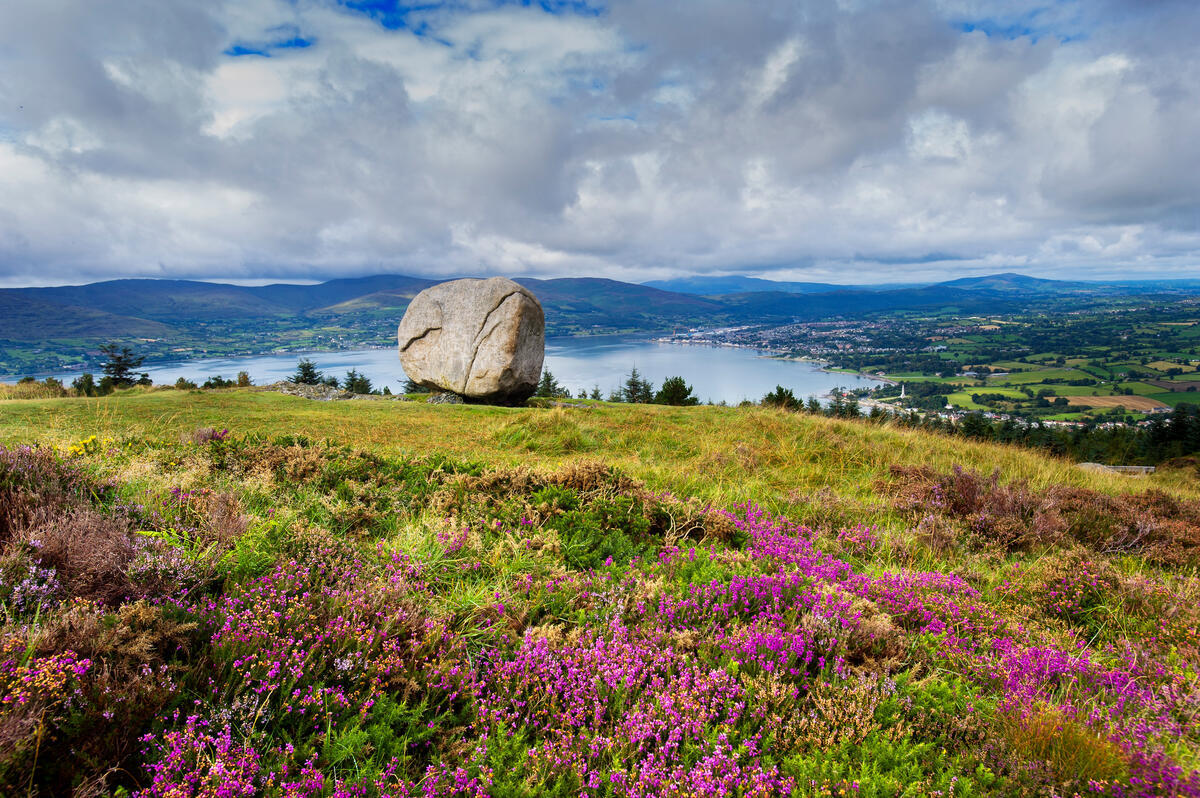
The Cooley Peninsula and Mourne Mountains walking area covers two ranges either side of Carlingford Lough – the Cooley Hills in County Louth on the Republic side and the granite peaks of the Mournes in County Down on the Northern Ireland side. Together they offer some of the finest mountain walking in Ireland's northeast, largely unknown to international walkers.

Carlingford is the centre of this walking world — a mediaeval walled town on the lough shore, with the Cooley Hills rising immediately behind it and views across the water to the Mournes. The town has excellent restaurants, comfortable accommodation, and a genuine community character that makes it one of the most enjoyable base towns on any Irish walking trail.

mountain landscape near Mourne Mountain Adventures Mourne Mountains Co. Down TI7KEU on self-guided walking holiday in Ireland

The Mournes themselves—walked as daytime stages from Carlingford or Newcastle— include some genuinely wild upland country. Slieve Donard (850 m), the highest peak in Northern Ireland, is a full-day walk. The rolling granite moorland between the summits offers miles of ridge walking with views stretching to Scotland on clear days.

Best for: walkers who want to combine two countries in one trip, anyone interested in less-trodden routes, and those based in Dublin who want mountain walking within two hours of the city.

WHI tours: Cooley and Mournes tour, Cooley Peninsula 5-day

Distance

Duration

Daily km

Difficulty

varies

3–5 days

14–20 km

Moderate


How to Choose the Right Trail

Still deciding which hiking trails Ireland guide fits you? Here's a simple guide:

If you want...

Choose...

Ireland's most iconic long-distance trail

Wicklow Way

The most dramatic mountain and coastal scenery

Kerry Way

A lively base town + ridge and coastal walking

Dingle Way

Easy terrain, genuine rural Ireland

Barrow Way

Dramatic scenery in 3–5 days

Causeway Coast Way

Mountain walking close to Dublin

Cooley and Mournes

All six trails are available as self-guided walking holidays with luggage transfers, handpicked accommodation, and route notes. I grade each tour honestly — the Kerry Way is a different proposition from the Barrow Way, and you should know that before you book.


Planning Your Walk in 2026

A few practical notes worth knowing before you start planning.

Best season: May, June, September, and early October offer the most reliable walking weather. July and August are fine but busier. The trails are walkable year-round — Irish walkers don't stop for rain — but shoulder season gives you better light, better prices, and considerably fewer other walkers on the path.

Fitness preparation: You don't need to be an athlete. You need to be comfortable walking 12 to 16 km on consecutive days. If you're walking regularly now, you're ready. Our how-to-prepare-for-a-hike guide covers everything from training walks to what to pack.

Weather: Ireland's weather is famously variable. Good waterproofs are essential regardless of the season. Our guide to managing weather-related risks on Irish trails is worth reading before your trip.


Ready to Walk?

I'm happy to talk through any of these routes in detail – which one suits your fitness level, your available time, and what you're looking for from a week in Ireland.

Drop me a message through the contact page or WhatsApp me on +353 87 957 3856. We'll find the right trail for you.

— Cliff, Walking Holiday Ireland


You Might Also Enjoy

Frequently Asked Questions

What is the best time of year to hike in Ireland?

The best months for hiking in Ireland are May through September, with June and July offering up to 17 hours of daylight. May and September are quieter on the trails and often surprisingly dry. Shoulder months like April and October can be beautiful but bring shorter days and more unpredictable weather. Winter hiking is only recommended for experienced walkers comfortable with wet, cold conditions and limited daylight.

How fit do I need to be for a multi-day hike in Ireland?

You do not need to be a mountain athlete. Most Irish long-distance trails are moderate, with daily distances of 15–25 km on varied terrain including country lanes, bog roads, and mountain paths. A few months of regular walking — including some hills — is the best preparation. Trails like the Barrow Way and Burren Way suit beginners, while the Kerry Way and Cooley & Mournes suit walkers with more experience.

Which Irish hiking trail has the most dramatic scenery?

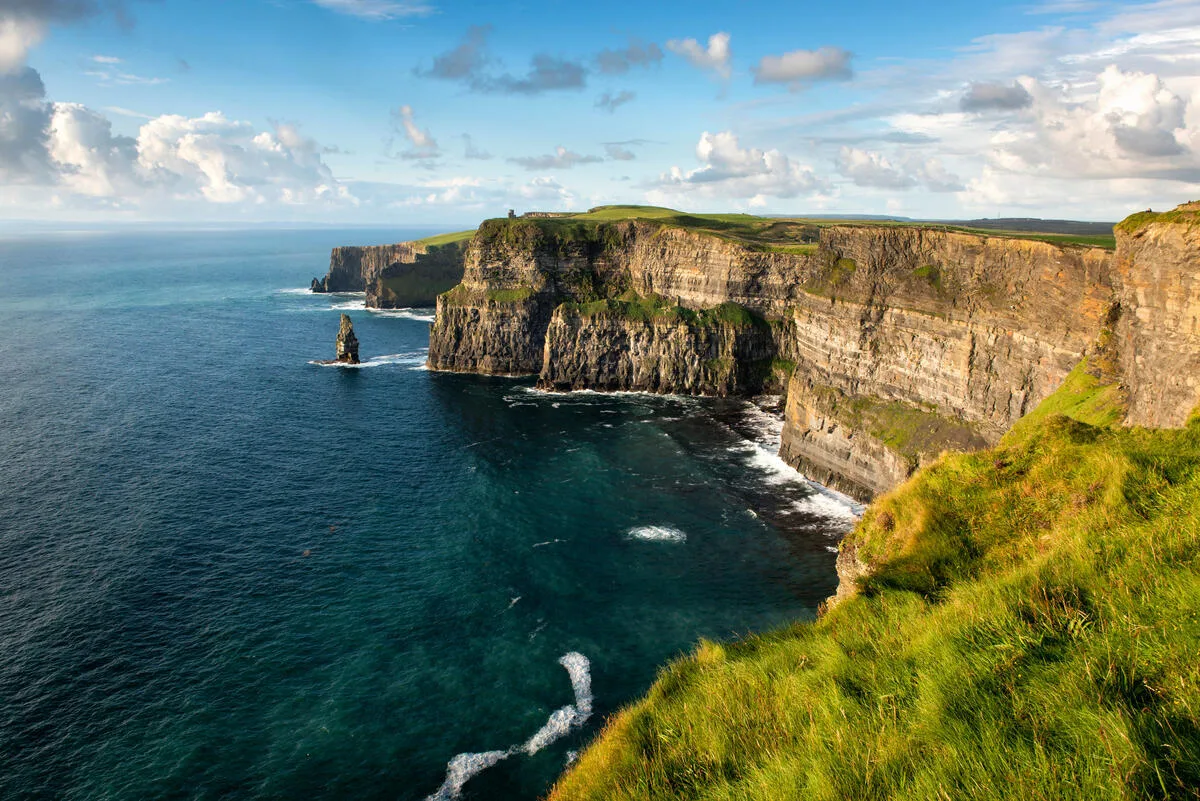
It depends on what you find dramatic. The Kerry Way offers the most variety — mountains, coast, and green valleys over 214 km. The Dingle Way has the wildest Atlantic coastline. The Causeway Coast Way packs volcanic sea cliffs and the Giant's Causeway into a shorter route. And the Burren Way passes the Cliffs of Moher and a limestone karst landscape unlike anywhere else in Europe. Each trail has a character of its own.

Do I need to carry my luggage on these hiking trails?

No — on a self-guided walking holiday with Walking Holiday Ireland, your luggage is transferred between accommodations each day. You only carry a daypack with water, snacks, a rain jacket, and anything you need on the trail. Your bags will be waiting for you when you arrive at your next B&B. This applies to all six trails featured in this guide.

Can I combine two hiking trails into one trip in Ireland?

Yes, and it is a great way to see more of Ireland. Popular combinations include the Kerry Way + Dingle Way (both in County Kerry), the Wicklow Way + a few days in Dublin, or the Causeway Coast + Cooley & Mournes for a cross-border adventure. We can arrange transfers between trails and tailor the itinerary to your available time. Just get in touch and we will help you plan it.

What is the easiest walking route for beginners?
The Barrow Way and the Burren Way are among the most gentle options, with flatter terrain and manageable daily distances. The Wicklow Way (5-day version) is also a good introduction for walkers with moderate fitness. Our team can help you choose the right route based on your experience level.
How long is the Kerry Way?
The Kerry Way is Ireland's longest signposted walking trail at 214 kilometres (133 miles). It follows an anti-clockwise loop around the Iveragh Peninsula, starting and ending in Killarney. Our tour covers the most scenic highlights over 8 days.
What is included in a self-guided walking holiday?
Our self-guided tours include: carefully selected family-run B&B accommodation, comfortable en-suite bedrooms (where available), a full Irish breakfast each morning, complimentary luggage transfers between accommodations, detailed maps and route notes, local advice on places to visit and eat, full pre-departure information, a waterproof map case, and 24/7 local emergency contact support. Extra nights and local transport information can be arranged on request.
#hiking trails #trail guide #Wicklow #Donegal #Causeway Coast #trail comparison #2026 walking #self-guided walking #Ireland trails #walking routes #mountain trails #coastal trails
Trusted & accredited by
Fáilte Ireland Tourism Ireland ATTA Member — Adventure Travel Trade Association IAAT Member 2026 — Ireland's Association for Adventure Tourism Sustainable Business Network Member Discover Northern Ireland Leave No Trace Ireland