Best Time to Walk the Kerry Way: Month-by-Month Guide
I get asked "when should I walk the Kerry Way?" more than almost any other question. After guiding walkers on this 214km loop through the Iveragh Peninsula for years, my answer is always the same: it depends on what kind of experience you want. The best time to walk the Kerry Way isn't a single perfect month—it's the month that matches your priorities, whether that's long sunny evenings, autumn solitude, wildflower-covered mountain paths, or lower prices.
Ireland's longest waymarked trail passes through some of the country's most dramatic mountain and coastal scenery, and every season paints that landscape differently. I've walked the best time to walk the Kerry Way in April frost, July warmth, September stillness, and November rain—each trip gave me something the others couldn't. This guide breaks down what to expect month by month so you can choose the best time to walk the Kerry Way for your trip.
The Best Time to Walk the Kerry Way: Month by Month
The best time to walk the Kerry Way is walkable from March through November, but conditions vary enormously. Here's what each month offers and what to watch out for.
March-April: Spring arrives slowly in Kerry. Days are lengthening and the landscape comes alive with new growth, but temperatures remain cool (6-12°C) and rain is frequent. The trails are quiet—you'll have mountain passes to yourself. Accommodation is easy to book and often cheaper. The downside: shorter daylight limits long stages, and some high sections can be boggy from winter rain. The ideal month for budget-conscious walkers who don't mind layers.
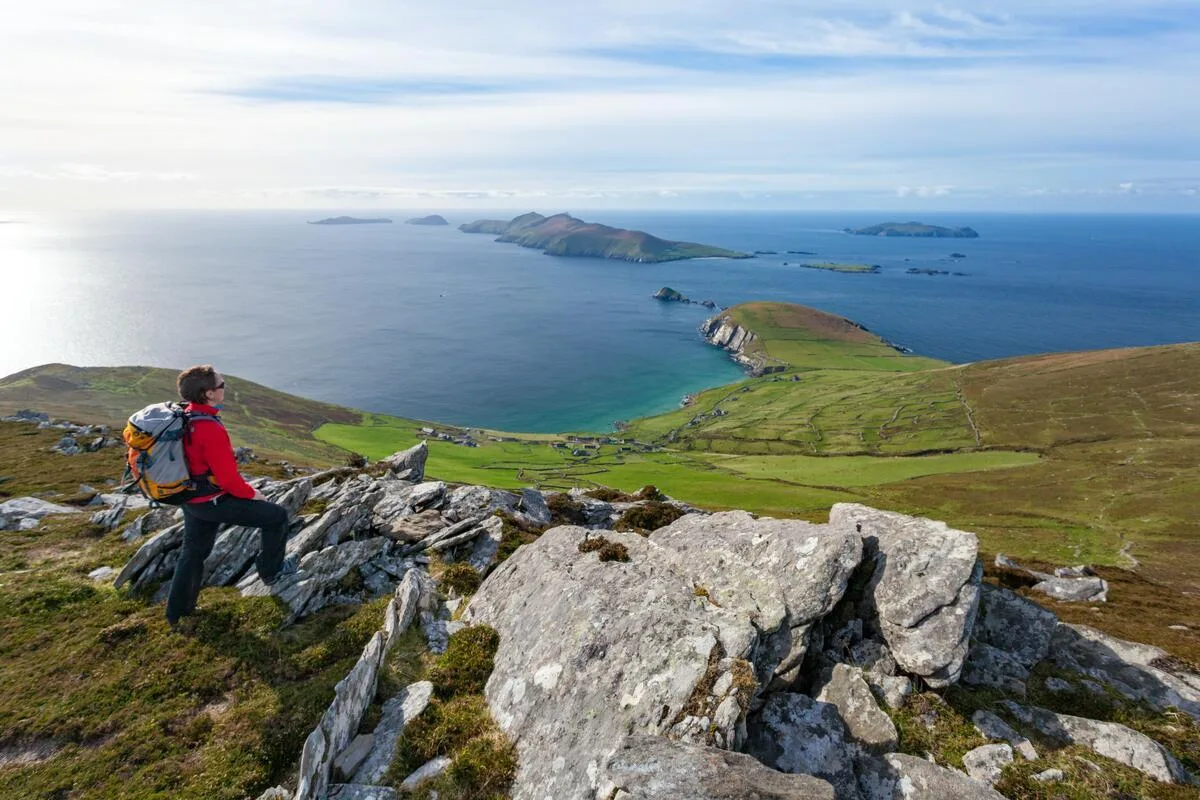
May: This is my personal favourite month on the best time to walk the Kerry Way. Wildflowers carpet the mountain paths, daylight stretches past 9pm, and the weather starts to settle into longer dry spells. Water levels drop, making river crossings and boggy sections easier. Accommodation fills faster than spring but isn't yet at peak-season pressure. If I had to pick one month, May would be it.
June: The longest days of the year—you'll have light until nearly 10pm, which gives enormous flexibility for longer stages. Temperatures reach a comfortable 15-18°C most days. June is the start of peak season, so accommodation prices rise and popular B&Bs fill up. The trade-off is excellent walking conditions and enough daylight to linger at viewpoints without rushing.
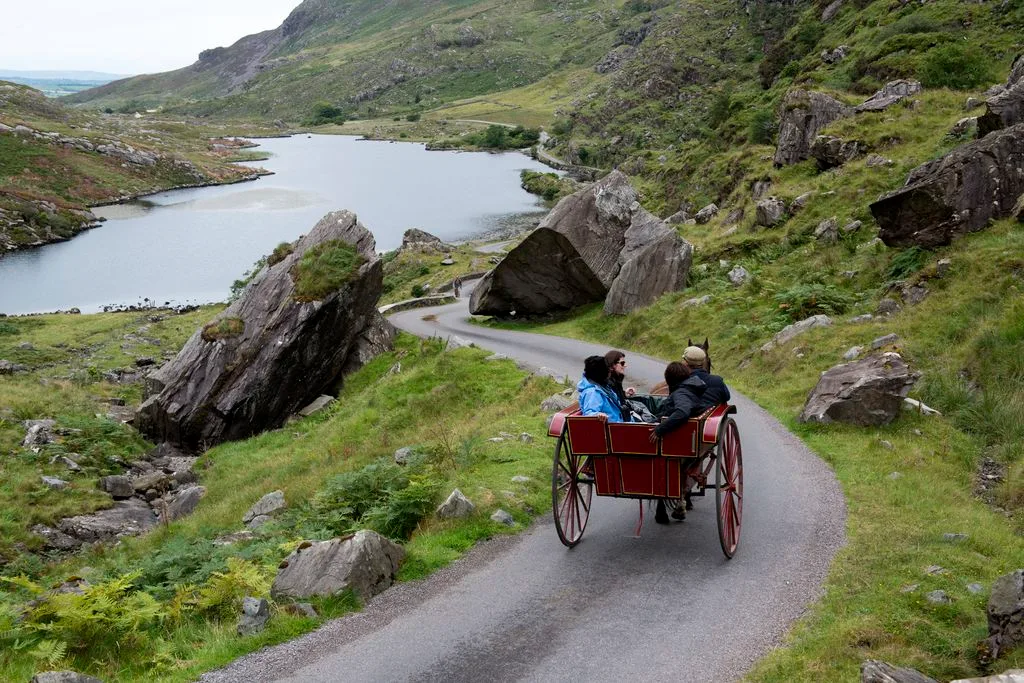
Summer and Autumn on the Kerry Way
July-August: Peak tourist season in Kerry. The Ring of Kerry road is busy with coaches, but the Kerry Way itself stays relatively quiet since it follows mountain paths away from the main road. Temperatures are at their warmest (16-20°C), and while rain is always possible in Kerry, summer showers tend to be shorter. The biggest challenge is accommodation—book your Kerry Way accommodation months ahead for July and August, especially in Killarney and Kenmare.
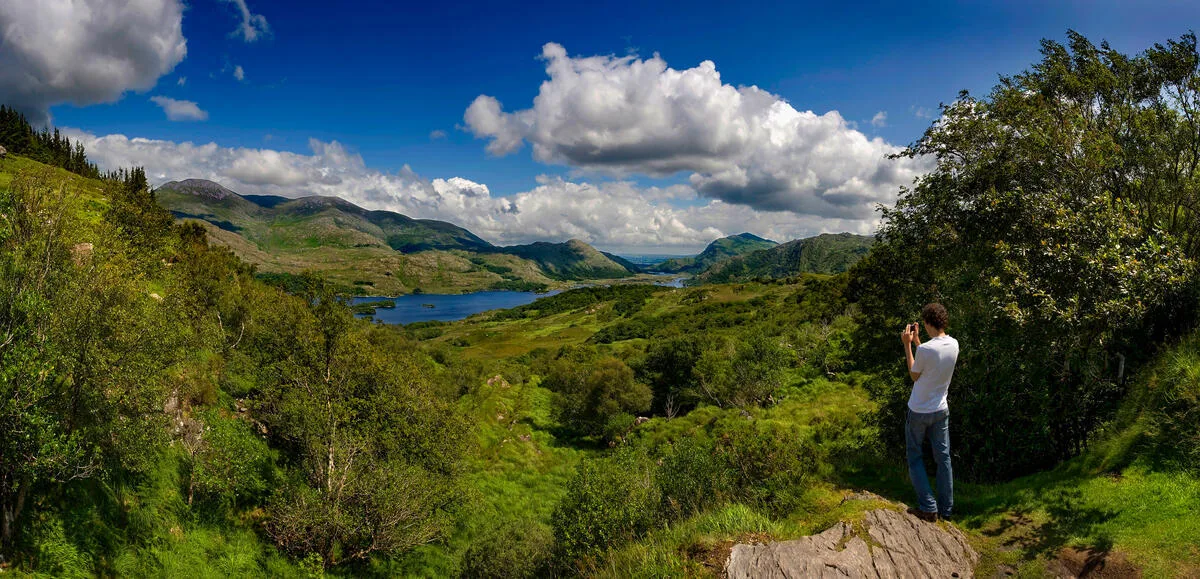
September: The second-best month for the best time to walk the Kerry Way, in my experience. Summer crowds thin dramatically after the first week. The landscape shifts to gold and russet tones, the light takes on that particular Irish autumn quality, and the air feels cleaner. Temperatures are still mild (13-17°C), daylight is adequate for full stages, and accommodation prices drop. This is the ideal window if you want beauty and solitude combined.
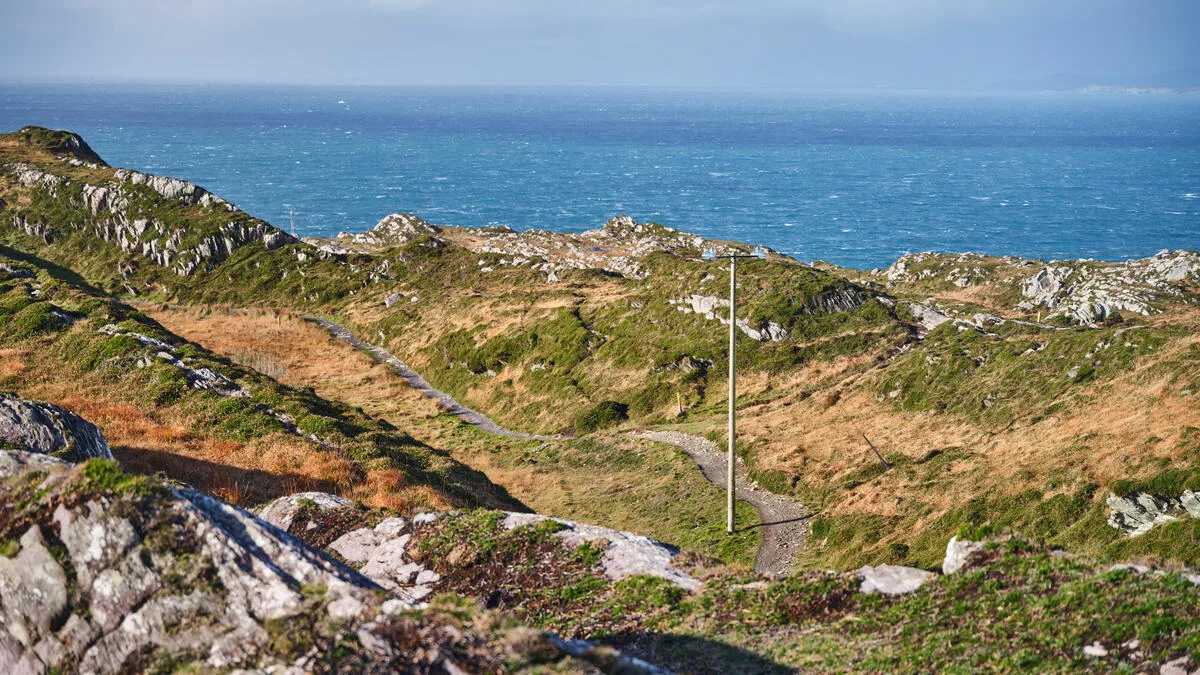
October: Autumn deepens, and the Kerry mountains become genuinely moody. Mist, low cloud, and dramatic light create a landscape photographers love. Daylight shortens noticeably, so plan your daily distances carefully. Some B&Bs close for the season after October, limiting accommodation options. You need waterproofs and warm layers, but the reward is a trail that feels wild and personal.
November: Only for experienced walkers comfortable with limited daylight, cold temperatures, and wet conditions. The Kerry Way is walkable but demanding—trails can be muddy, rivers higher, and mountain sections exposed to Atlantic storms. If you're prepared, November offers an intensity that fair-weather walking can't match. But this isn't the best time to walk the Kerry Way for most people.
Weather on the Kerry Way
Kerry is one of Ireland's wettest counties. That's not a reason to avoid it—it's a reason to prepare properly. The Iveragh Peninsula catches Atlantic weather systems head-on, which means rain is possible any day of any month. Average rainfall in Killarney is around 1,400mm per year, roughly twice London's rainfall. But Kerry weather is changeable: a morning of heavy rain often clears to brilliant sunshine by afternoon.
The key insight about Kerry Way weather is that wind matters as much as rain. The mountain passes—especially Windy Gap and the Ballaghbeama section—are exposed to strong Atlantic winds. Walking into a headwind for hours is more exhausting than altitude. Layering is essential: a windproof shell, fleece mid-layer, and breathable base layer give you flexibility whatever the day throws at you.
Mountain fog is the other consideration. The higher sections of the Kerry Way regularly sit in cloud, reducing visibility to 20-30 metres. This isn't dangerous if you follow the waymarkers, but it does mean the mountain views that make the Kerry Way special can vanish. May, June, and September statistically offer the most clear-sky days.
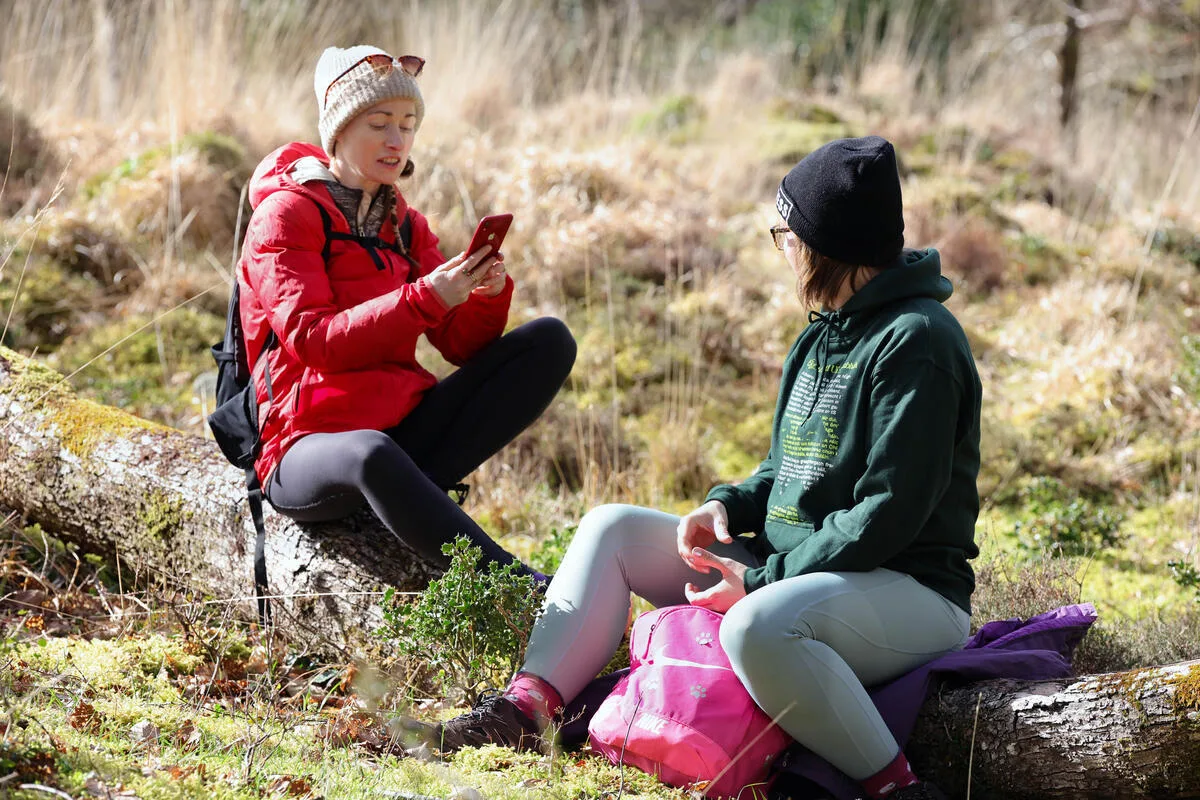
What the Best Time to Walk the Kerry Way Means for You
Choosing your dates depends on your priorities. Here's a quick decision framework:
| Priority | Best Months | Why |
|---|---|---|
| Best weather | May, June, September | Driest months, most sunshine hours, comfortable temperatures |
| Fewest crowds | March, April, October | Before and after peak season, trail feels personal |
| Longest daylight | June, July | Light until 10pm, maximum flexibility for long stages |
| Lowest prices | March, April, October, November | Off-peak accommodation rates, easier booking |
| Wildflowers and wildlife | May, June | Mountain paths in bloom, nesting birds, active wildlife |
| Autumn colour | September, October | Gold and russet landscape, dramatic light conditions |
Planning Your Kerry Way Walk
Whichever month you choose, a few things remain constant. Always carry waterproofs—Kerry rain doesn't respect forecasts. Book accommodation ahead, especially between Killarney and Kenmare where options are limited on the mountain stages. Bring proper walking boots with ankle support; the boggy sections punish lightweight shoes regardless of season.
Walking Holiday Ireland offers guided Kerry Way tours with accommodation, luggage transfers, and route notes included. We run tours from April through October, and we can advise on the ideal dates based on your specific preferences and available dates.
For more detailed route information, our Kerry Way walking guide covers the full 214km route day by day. If you're comparing trails, our Dingle Way guide helps you understand the differences between these two great peninsula walks. And for broader context, our seasonal guide to Ireland covers the whole country month by month.
Frequently Asked Questions
What is the single best month to walk the best time to walk the Kerry Way?
May offers the best overall combination of good weather, wildflowers, long daylight, and manageable crowds. September is a close second, with better solitude and autumn colours. Both months are considered ideal by experienced Irish trail walkers.
Can I walk the Kerry Way in winter?
The trail is technically walkable year-round, but winter (December-February) brings very short daylight (7-8 hours), cold temperatures, heavy rain, and potentially dangerous mountain conditions. Some accommodation closes for winter. I only recommend winter walking for experienced hikers who are comfortable with challenging conditions and proper navigation equipment.
How many days do I need for the Kerry Way?
Most walkers take 7-9 days for the full 214km circuit. Walking Holiday Ireland offers guided Kerry Way tours with accommodation, luggage transfers, and route notes. The pace you choose affects which months work best—shorter daylight in spring and autumn suits moderate daily distances (20-25km), while summer's long days allow you to push further.
Does the time of year affect trail difficulty?
Yes. The mountain sections (especially Windy Gap and the Ballaghbeama Pass) are more difficult in wet conditions—boggy ground, slippery rock, and reduced visibility. Summer offers the driest underfoot conditions. Spring and autumn are wetter, which adds time and energy to the mountain stages. The ideal window for easier underfoot conditions is late May through early September.
Should I book accommodation far in advance?
For July and August, book 2-3 months ahead. For May, June, and September, 4-6 weeks is usually sufficient. For shoulder season (March-April, October), 2-3 weeks ahead is normally fine, though weekends fill faster. Walking Holiday Ireland's guided tours handle all accommodation logistics, which removes this concern entirely.
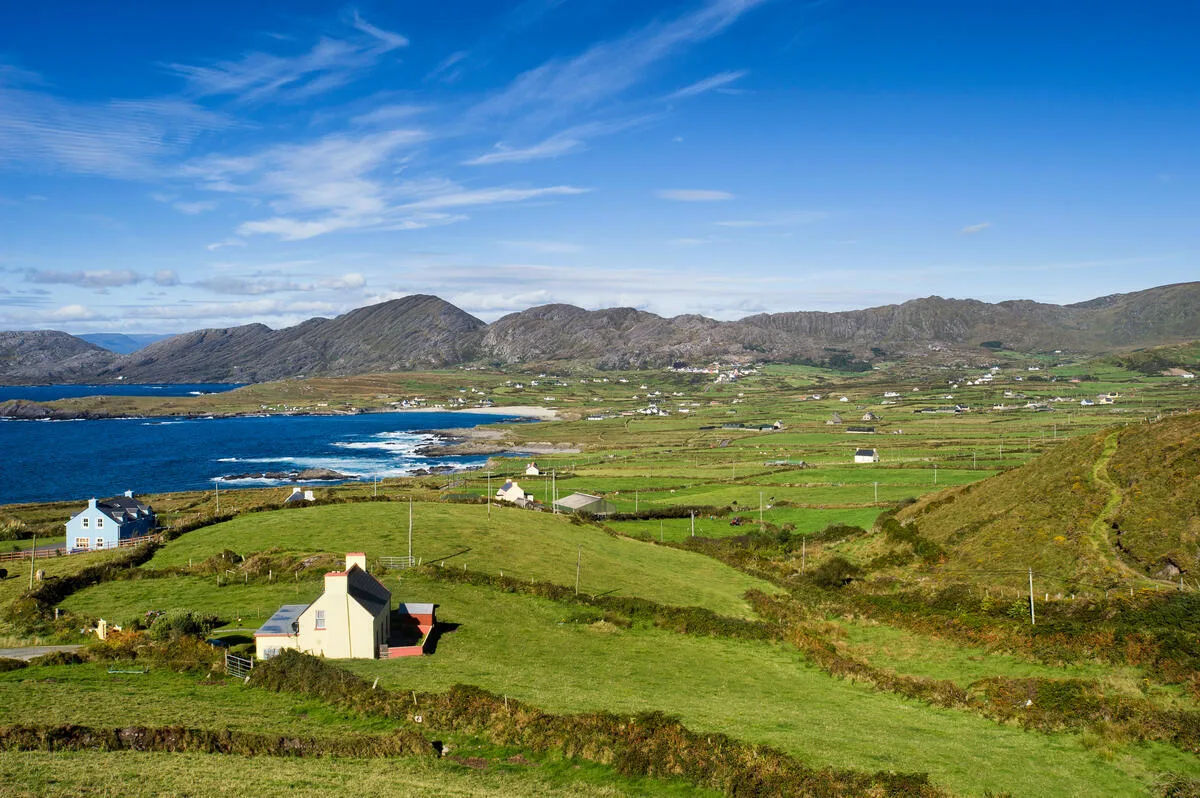
The Kerry Way rewards you regardless of when you walk it. The mountains, lakes, and coastline of the Iveragh Peninsula offer remarkable scenery in every season—you're choosing your ideal experience, not whether it will be worth the trip. Pick the month that fits your priorities, prepare for Kerry weather, and enjoy one of Europe's great long-distance walks.
Want help choosing the right month for your best time to walk the Kerry Way? Get in touch—I'll help you plan based on your dates, fitness level, and preferences.
Planning around a festival? Many of the trails featured here host walking festivals during the season — see our complete 2026 walking festivals calendar to time your trip with one.
Related reading: Late spring to autumn is also tick season — here is how to avoid tick bites in Ireland.