Glenveagh National Park: Walking Guide to Donegal's Wildest Park
Glenveagh National Park: Walking Guide to Donegal's Wildest Park
Glenveagh National Park is one of those places that stays with you long after you leave. Set deep in the Derryveagh Mountains of northwest Donegal, it covers over 40,000 acres of mountains, bogs, lakes, and native oak woodland. It's Ireland's second-largest national park — and one of its least visited.
My name is Cliff, and I run Walking Holiday Ireland. I've been walking in Glenveagh for years, and every visit still surprises me. The light changes, the colours shift, and there's always a corner of the park I haven't explored. If you're looking for a walking experience that feels genuinely remote and wild, Glenveagh National Park delivers like nowhere else in Ireland.
Here's everything you need to know before you visit.
What Makes Glenveagh Special
Most people who visit Ireland head for Killarney or Wicklow. Both are great parks, and I love them. But Glenveagh is different. There are no crowds here. On a weekday in spring or autumn, you might walk for hours and not meet another soul. That kind of peace is rare in a national park.
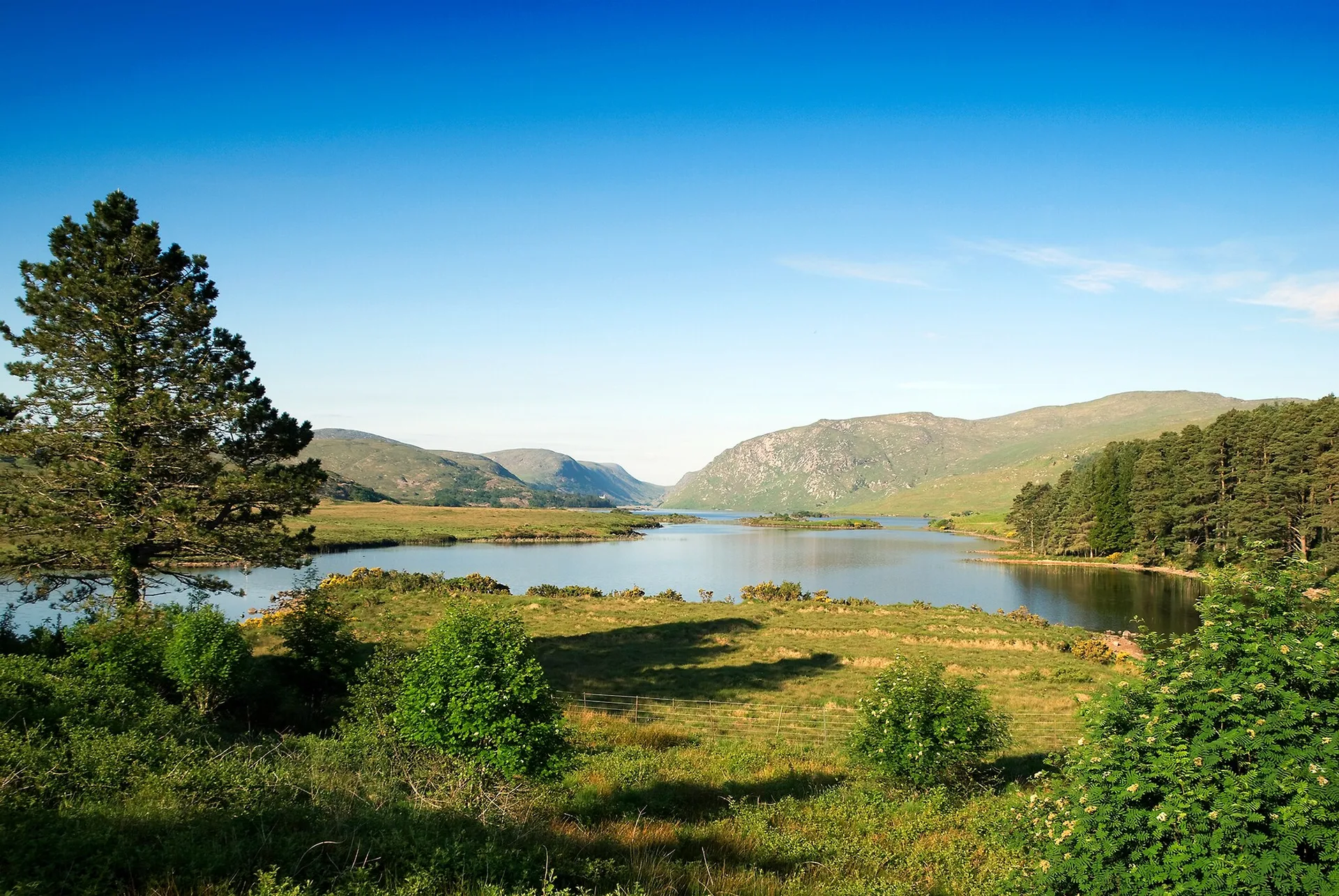
The park sits in one of the most remote valleys in Ireland. Mountains rise steeply on both sides of Lough Veagh, a long, narrow lake that stretches for about 5 km through the heart of the park. Native oak and birch woodland clings to the lower slopes, giving way to heather, bog, and bare rock above.
It's a place shaped by ice, wind, and time. The Derryveagh Mountains are some of the oldest in Ireland. Walking through them feels like stepping back thousands of years. Red deer roam the hillsides — they were brought back here in the 1990s, and the herd is growing. Golden eagles have also been brought back and can sometimes be spotted circling above the ridgeline. There are very few places in Ireland where you can see both on the same walk.
Glenveagh Castle and Gardens
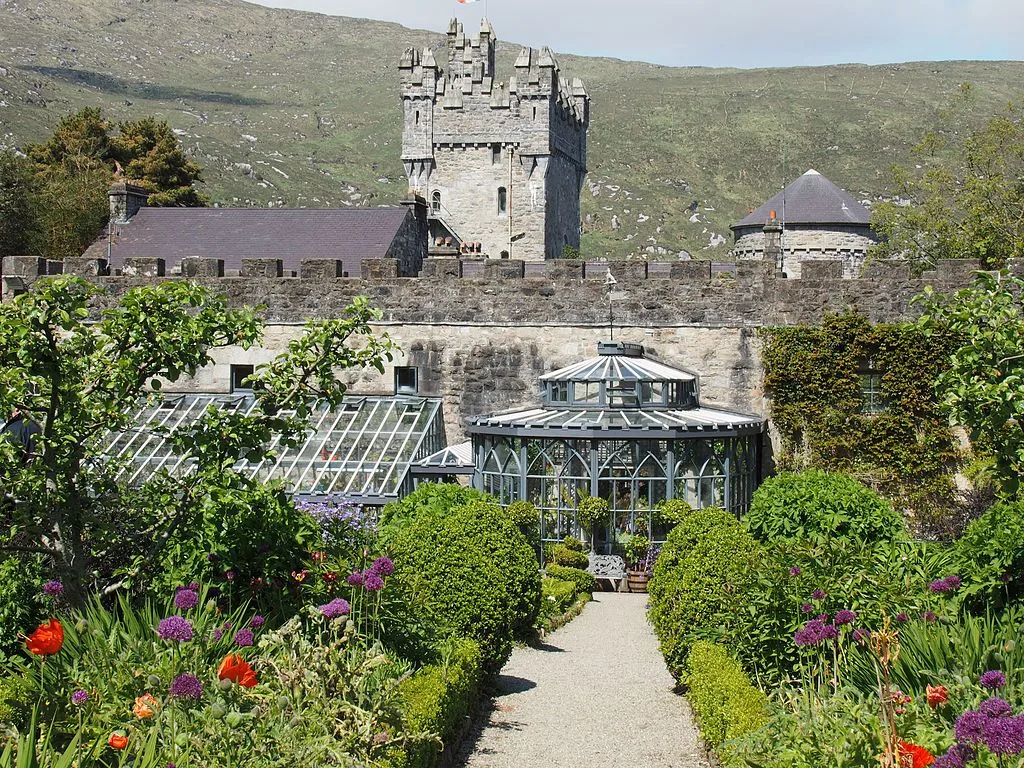
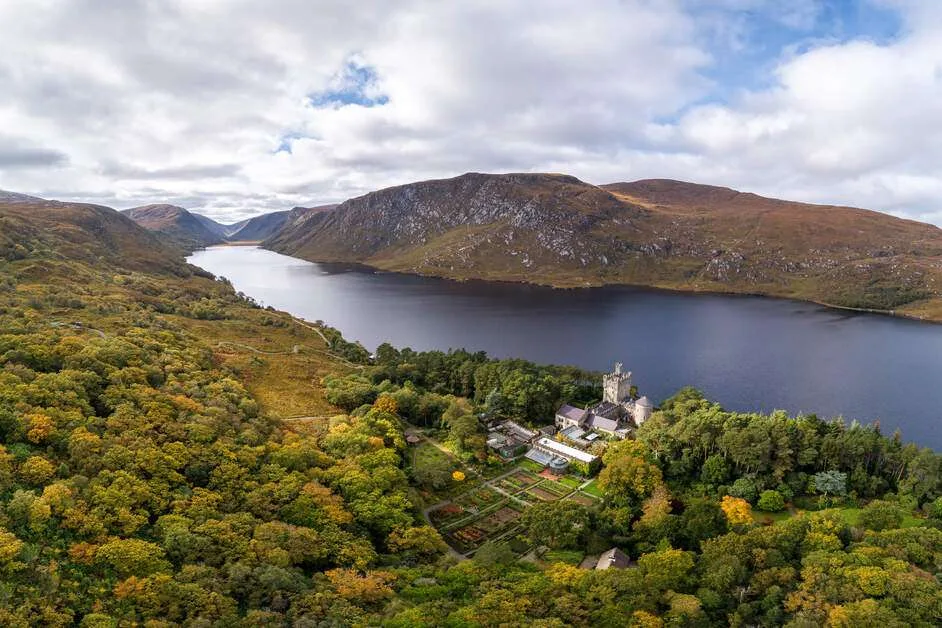
At the heart of the park sits Glenveagh Castle — a 19th-century castle built on the shores of Lough Veagh. It was constructed in the 1870s by John George Adair, and later owned by American art dealer Henry McIlhenny, who created the spectacular gardens that surround it.
The gardens are a real treat. This far north, you might not expect much to grow, but the Gulf Stream keeps things mild. Plants from all over the world do well here. You'll find Italian-style terraces, walks lined with rhododendrons, and walled gardens full of colour even into late autumn.
The walk from the visitor centre to the castle is about 3 km each way along the lakeshore. It's flat, well-surfaced, and suitable for all fitness levels. A shuttle bus runs as well, but I'd recommend walking — the views across Lough Veagh are half the reason to visit.
Best Walks in Glenveagh National Park
Glenveagh has walks for every level, from gentle lakeside strolls to serious mountain hikes.
Lough Veagh Lakeside Walk — This is the main path through the park, running from the visitor centre to the castle and beyond. It's about 6 km return, flat and easy, with stunning views over the lake. Perfect for families or anyone who wants a relaxed day out.
The View Point Trail — A short but rewarding climb above the castle that gives panoramic views over Lough Veagh and the surrounding mountains. About 2 km, with some steep sections. Allow an hour.
Derrylahan Nature Trail — A loop trail through native oak woodland on the eastern side of the park. It's about 4 km and takes you through some of the finest remaining native woodland in Donegal. Watch for red deer in the early morning.
The Derryveagh Mountains — For experienced walkers, the mountains surrounding the park offer serious hiking. Routes up Slieve Snaght (683m) give views across the whole of Donegal on a clear day. These are unmarked routes over open mountain — proper navigation skills, good gear, and mountain experience are essential. Our guide to hiking in Donegal covers the best routes in the region.
The Long Walk to the Head of the Glen — Beyond the castle, a track continues to the head of Glenveagh valley. It's about 10 km return from the castle, taking you deep into the wilderness. This is where you'll find the real heart of the park — silence, space, and mountains on every side.
Getting to Glenveagh
Glenveagh National Park is in the northwest of County Donegal, about 24 km from Letterkenny. If you're coming from Dublin, it's roughly a four-hour drive. From Galway, about three and a half hours.
The visitor centre at the park entrance has parking, toilets, a cafe, and an exhibition about the park's natural and cultural history. Entry to the park is free. There's a small charge for the castle tour and for the shuttle bus.
The nearest town is Churchill, which has a few pubs but not much else. Letterkenny is the best base — it has plenty of hotels, B&Bs, shops, and places to eat. It's about a 20-minute drive to the park from there. The Wild Atlantic Way passes through Donegal, so many people add a day at Glenveagh to a road trip along the coast.
Wildlife in Glenveagh
Glenveagh is one of the best places in Ireland for seeing wildlife. It's big and it's remote, which means animals that have gone from much of Ireland still do well here.
Red deer are the headline act — a herd of several hundred roams the mountains and valleys. Early morning and late evening are the best times to spot them, especially around the edges of the woodland.
Golden eagles were brought back to Glenveagh in 2001. The numbers are still small but growing, and seeing one glide above the Derryveagh ridgeline is one of the great wildlife moments in Ireland. Keep your eyes on the sky when you're on the higher trails.
The park is also home to peregrine falcons, Irish hares, otters, and lots of woodland birds. In the bogs, you'll find sundew and butterwort — these are plants that eat insects and they do well in the wet, peaty soil of the park.
When to Visit Glenveagh National Park
You can visit Glenveagh year-round, but the best time to visit Ireland for walking is April to October.
Spring (April–May) brings fresh green to the woodlands, and the gardens come alive with rhododendrons and bluebells. The days are getting longer and the trails are quieter than in summer.
Summer (June–August) offers the longest days and the warmest weather. This is peak season, but even then Glenveagh stays relatively quiet compared to southern parks. July and August can bring midges in sheltered areas — insect repellent is a good idea.
Autumn (September–October) is my favourite time. The mountains turn gold and amber, the red deer rut begins in October, and the park takes on a moody, atmospheric feel. The castle gardens are still full of colour.
Winter visits offer real solitude but shorter days and rougher weather. The castle and visitor centre may have reduced hours. But if you don't mind the cold, the park in winter has a stark beauty that's hard to beat.
What to Bring
Donegal weather is changeable. Even on a summer day, rain can roll in from the Atlantic with little warning. Bring waterproof layers, good hiking boots, and warm clothing — even in July.
For the lakeside walks, regular walking shoes are fine. For mountain routes, you'll need proper hiking gear, a map, and compass. Our packing list covers everything you'll need for a day walk in Ireland.
Combining Glenveagh with a Walking Holiday
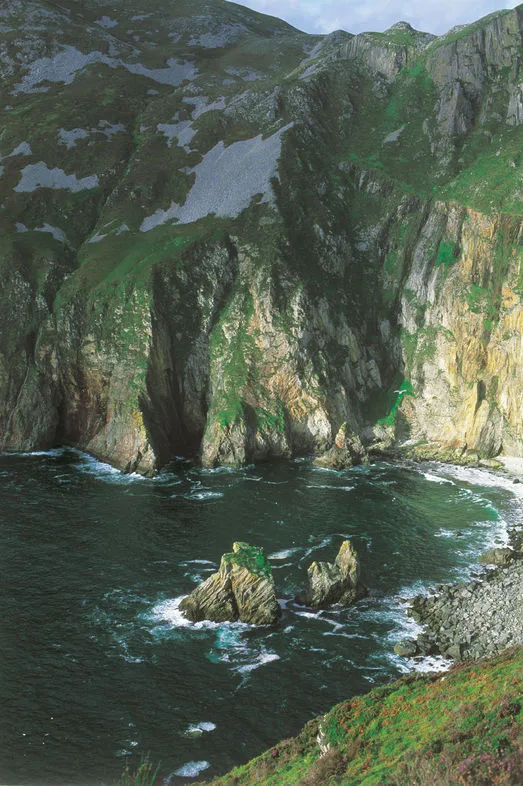
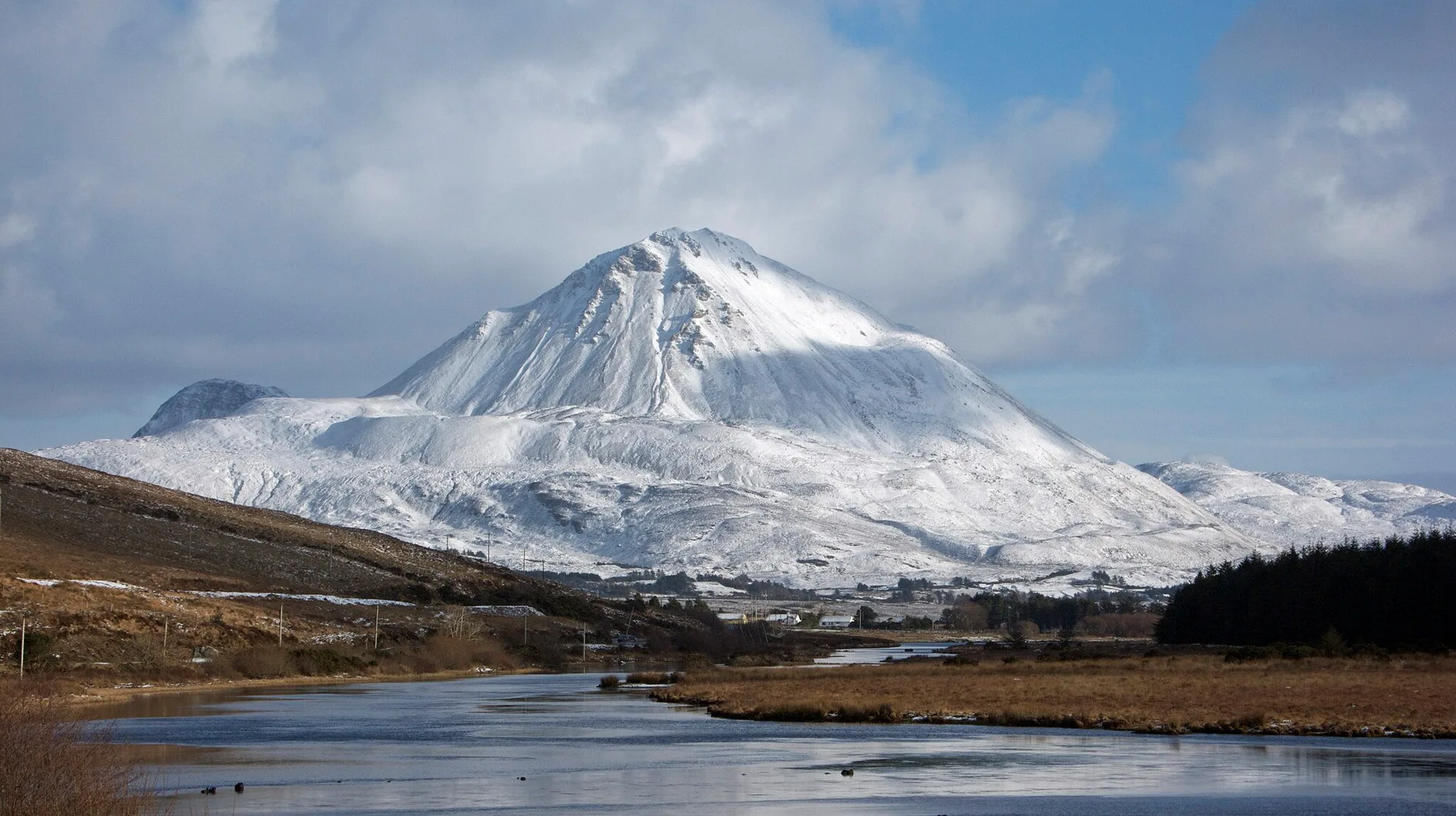
Glenveagh works brilliantly as part of a wider Donegal walking holiday. Mount Errigal — Donegal's highest peak at 751m — is just 15 minutes' drive from the park. Slieve League's sea cliffs, among the highest in Europe, are about an hour south.
We offer self-guided walking holidays that can include Donegal, or you can join a guided tour if you'd prefer local knowledge and company on the trails. Check our tour grading page to find the right level for you.
Donegal is less well-known than Kerry or Wicklow for walking, and that's exactly why I love it. The scenery is world-class, the people are warm, and the trails are yours. Glenveagh National Park is the crown jewel of a region that deserves far more attention than it gets.
Plan Your Visit to Glenveagh National Park
Glenveagh National Park is a place that rewards the effort of getting there. Whether you walk the lakeside path to the castle, explore the native woodland, or tackle the Derryveagh Mountains, you'll experience a side of Ireland that most visitors never see.
It's wild, it's quiet, and it's one of the finest national parks in Ireland. Get in touch with us at Walking Holiday Ireland and we'll help you plan a trip that does Donegal — and Glenveagh National Park — justice. You won't regret making the journey north.
How do you get to Glenveagh National Park?
Glenveagh National Park is about 24 km from Letterkenny in County Donegal. From Dublin, it's roughly a four-hour drive. The park has a visitor centre with free parking. Entry to the park is free, with a small charge for the castle tour and shuttle bus.
How long do you need at Glenveagh National Park?
Allow at least half a day. The lakeside walk to the castle and back takes about two hours. If you want to explore the castle, gardens, and a nature trail, plan for a full day. Serious hikers can spend multiple days exploring the Derryveagh Mountains.
Is Glenveagh National Park worth visiting?
Yes. Glenveagh is one of Ireland's most spectacular and least crowded national parks. The combination of mountains, lakes, native woodland, Glenveagh Castle, and wildlife including red deer and golden eagles makes it a unique experience that most visitors to Ireland miss.
Are there red deer in Glenveagh National Park?
Yes. Glenveagh has a herd of several hundred red deer that roam the mountains and valleys. Early morning and late evening are the best times to spot them, particularly around the edges of the woodland and in the open mountain areas.
Can you walk to Glenveagh Castle?
Yes. There is a flat, well-surfaced 3 km path from the visitor centre to the castle along the shore of Lough Veagh. It takes about 40 minutes each way. A shuttle bus is also available if you prefer not to walk.
Frequently Asked Questions
Are the trails well-marked?
What kind of boots should I wear?
Are Ireland's national parks free to visit?
How many national parks are there in Ireland?
Photo Gallery