The Irish National Anthem: Amhrán na bhFiann — Lyrics, English Translation & Meaning
Irish National Anthem: History, Lyrics, and What It Means
My name is Cliff, and I run Walking Holiday Ireland. If you visit Ireland, you'll hear the national anthem at sporting events, cultural gatherings, and formal occasions. It's a powerful piece of music with a history that's woven into the story of Irish independence. Understanding the irish national anthem adds something real to your experience of the country.
The ireland national anthem is called "Amhrán na bhFiann" in Irish, which translates to "The Soldier's Song" in English. It was written during a time of revolution and carries the spirit of that era in every line. Here's the full story — the history, the lyrics, and what this anthem means to the people of Ireland today.
The History of the Irish National Anthem
The Irish national anthem was written in 1907 by Peadar Kearney and Patrick Heeney. Kearney wrote the lyrics and Heeney composed the melody. At the time, Ireland was under British rule, and the independence movement was growing. The song captured the mood of a generation that believed change was coming.
Kearney was a Dublin man, an upholsterer by trade and a committed republican. He was also the uncle of the playwright Brendan Behan. The song was originally written in English under the title "The Soldier's Song" and was popular among nationalists and members of the Irish Volunteers.
The anthem gained national importance during the Easter Rising of 1916, when Irish republicans seized key buildings in Dublin — most famously the General Post Office on O'Connell Street — and declared an Irish Republic. The Soldier's Song was sung by the rebels during the Rising and in the prisons that followed. That connection to 1916 gave the song a significance that went far beyond its musical qualities.
After Irish independence, "The Soldier's Song" was adopted as the national anthem of the Irish Free State in 1926. An Irish-language translation by Liam Ó Rinn, titled "Amhrán na bhFiann," became the official version. Today, only the chorus is performed on formal occasions, though the full song has three verses.
Irish National Anthem Lyrics
The official irish national anthem lyrics are in the Irish language. Here is the chorus — the part you'll hear at every rugby match, Gaelic football final, and national event:
Sinne Fianna Fáil,
atá faoi gheall ag Éirinn,
Buíon dár slua
thar toinn do ráinig chugainn,
Faoi mhóid bheith saor,
Seantír ár sinsear feasta,
Ní fhágfar faoin tíorán ná faoin tráill.
Anocht a théam sa bhearna baoil,
Le gean ar Ghaeil, chun báis nó saoil,
Le gunna scréach faoi lámhach na bpiléar,
Seo libh canaídh amhrán na bhfiann.
The English translation of the chorus reads:
Soldiers are we,
whose lives are pledged to Ireland,
Some have come
from a land beyond the wave,
Sworn to be free,
no more our ancient sireland
Shall shelter the despot or the slave.
Tonight we man the bearna baoil,
In Erin's cause, come woe or weal,
'Mid cannon's roar and rifles' peal,
We'll chant a soldier's song.
The lyrics are martial and direct. They speak of fighting for freedom and refusing to live under oppression. The phrase "bearna baoil" — the gap of danger — is a powerful image from Irish military tradition, meaning the most exposed position in a battle.
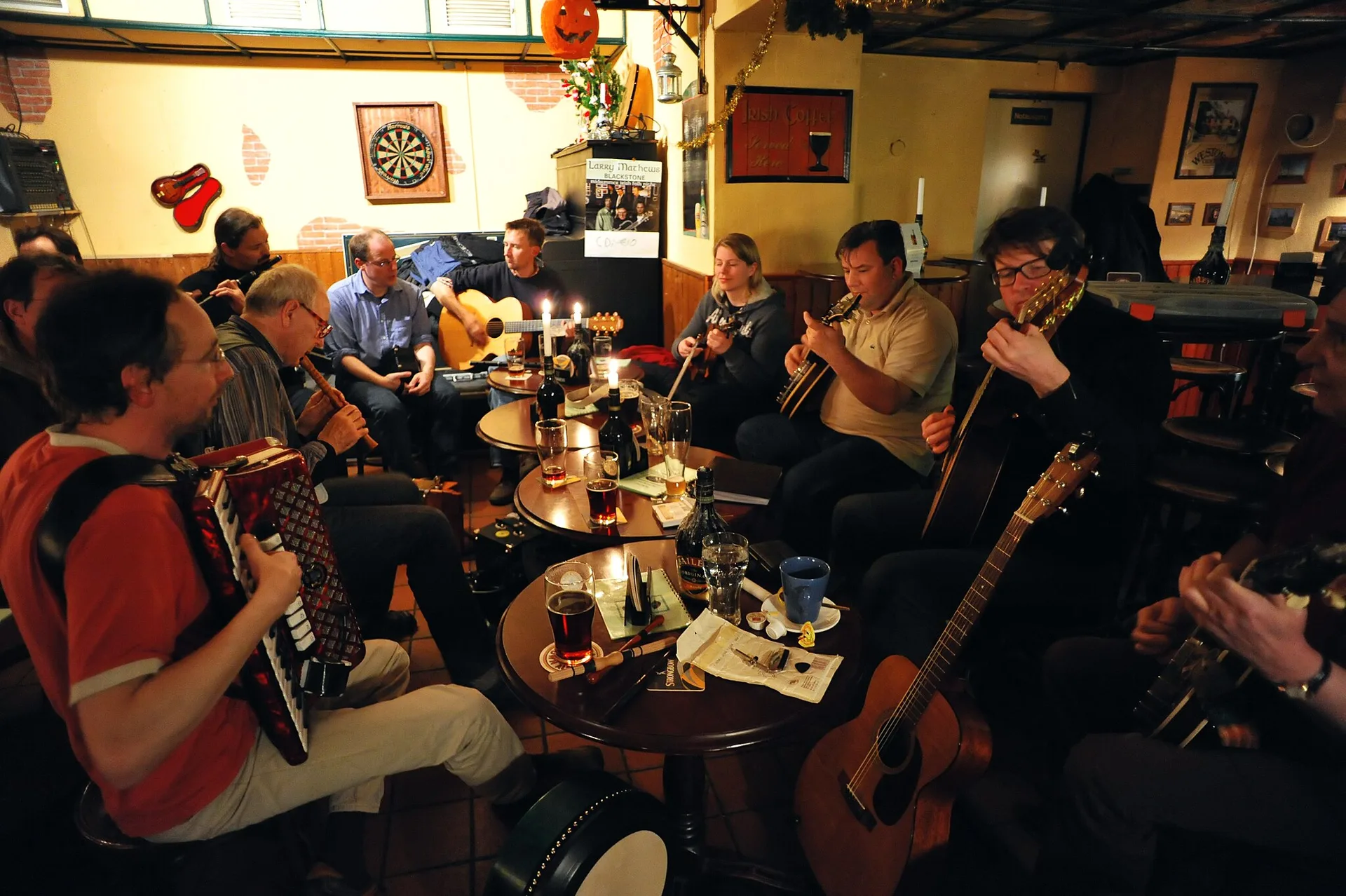
How to pronounce it
If you'd like to follow along rather than just listen, here's a rough phonetic guide to the chorus for non-Irish speakers:
"Shinna Fee-anna Fall, a-taw fwee yowl egg Ay-rin / Bween dar sloo har tin do ronig hug-in / Fwee woid veh seer, shan-teer er shin-sher fasta / Nee awkfar fween tee-rawn naw fween trawl / A-nockt a hay-um sa var-na bweel / Le gan er Gail, hun bawsh no seel / Le gunna-shrawk fwee low-uck na bi-lar / Sho liv kanig ahv-rawn na veen"
It won't win you any prizes in the Gaeltacht, but it will get you through the chorus at Croke Park.
What the Anthem Means to Irish People
For many Irish people, Amhrán na bhFiann is more than a song at the start of a match. It's a connection to the struggles that created the modern state. The anthem is tied to the Easter Rising, the War of Independence, and the generations of Irish people who fought for the right to govern themselves.
You'll feel this most at Croke Park, the home of the GAA (Gaelic Athletic Association), where the anthem is sung before every All-Ireland football and hurling final. The stadium holds over 80,000 people, and when the anthem plays, the noise is immense. It's one of the great sporting experiences in Ireland.
At rugby internationals in the Aviva Stadium, both "Amhrán na bhFiann" and "Ireland's Call" are sung before matches. "Ireland's Call" was written in 1995 as an anthem for the all-island rugby team, since rugby is one of the few sports where Northern Ireland and the Republic play together. You'll hear both songs — and you'll notice the different energy each one brings.
The anthem also comes up in quieter moments. In Irish schools, children learn the words in Irish as part of the national curriculum. At formal state occasions and commemorations — particularly around Easter week — the anthem is performed with full military honours. And in pubs and living rooms across the country, people know at least the chorus by heart.
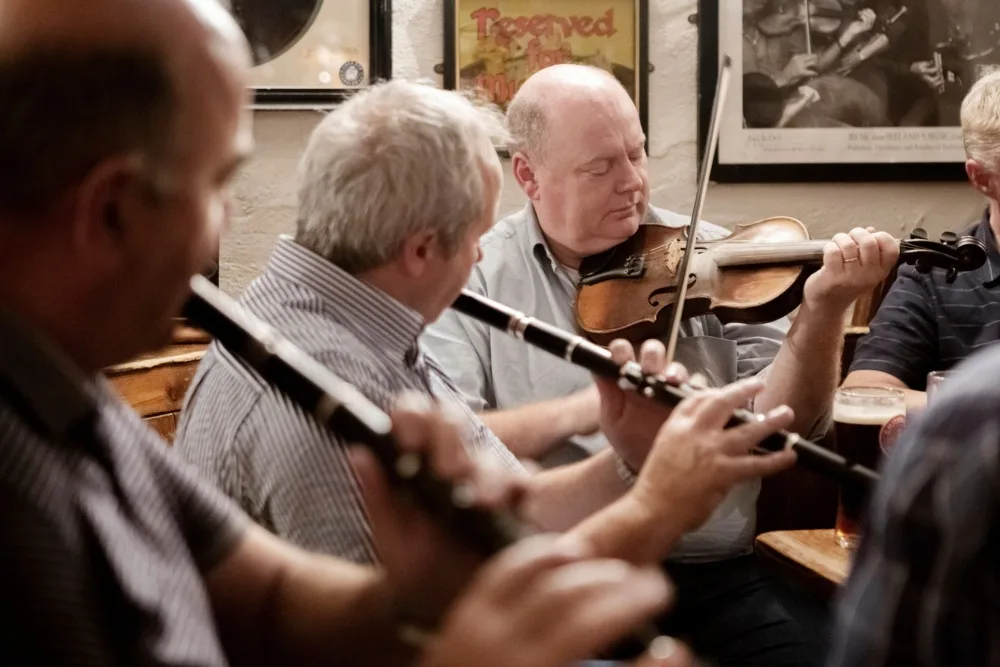
The Irish Language Connection
The irish national anthem is one of the most widely known pieces of Irish-language text in the country. Even people who don't speak Irish fluently can sing the chorus of Amhrán na bhFiann. In that way, the anthem keeps the Irish language alive in public life.
Irish — or Gaeilge — is the first official language of the Republic of Ireland, though English is the language of daily life for most people. The Gaeltacht regions along the west coast — parts of Galway, Kerry, Donegal, and elsewhere — are areas where Irish is still spoken as a community language. Walking through the Gaeltacht, you'll see Irish on road signs, hear it in shops, and notice that the culture feels different from the rest of the country.
If you're interested in experiencing Irish culture while walking, our tours through Connemara and the Dingle Peninsula pass through Gaeltacht areas where the language is part of everyday life.
Hearing the Anthem on Your Visit
If you want to hear the irish national anthem during your trip to Ireland, the easiest way is to attend a sporting event. GAA matches run from spring through autumn, with the All-Ireland finals in August and September at Croke Park. The Six Nations rugby tournament in February and March brings international matches to Dublin's Aviva Stadium. Even a local GAA club match on a Sunday afternoon will often begin with the anthem.
Beyond sport, you'll hear the anthem at state commemorations — particularly around Easter week, when the 1916 Rising is remembered with ceremonies in Dublin and across the country. RTÉ, the national broadcaster, plays the anthem at the end of its nightly television schedule.
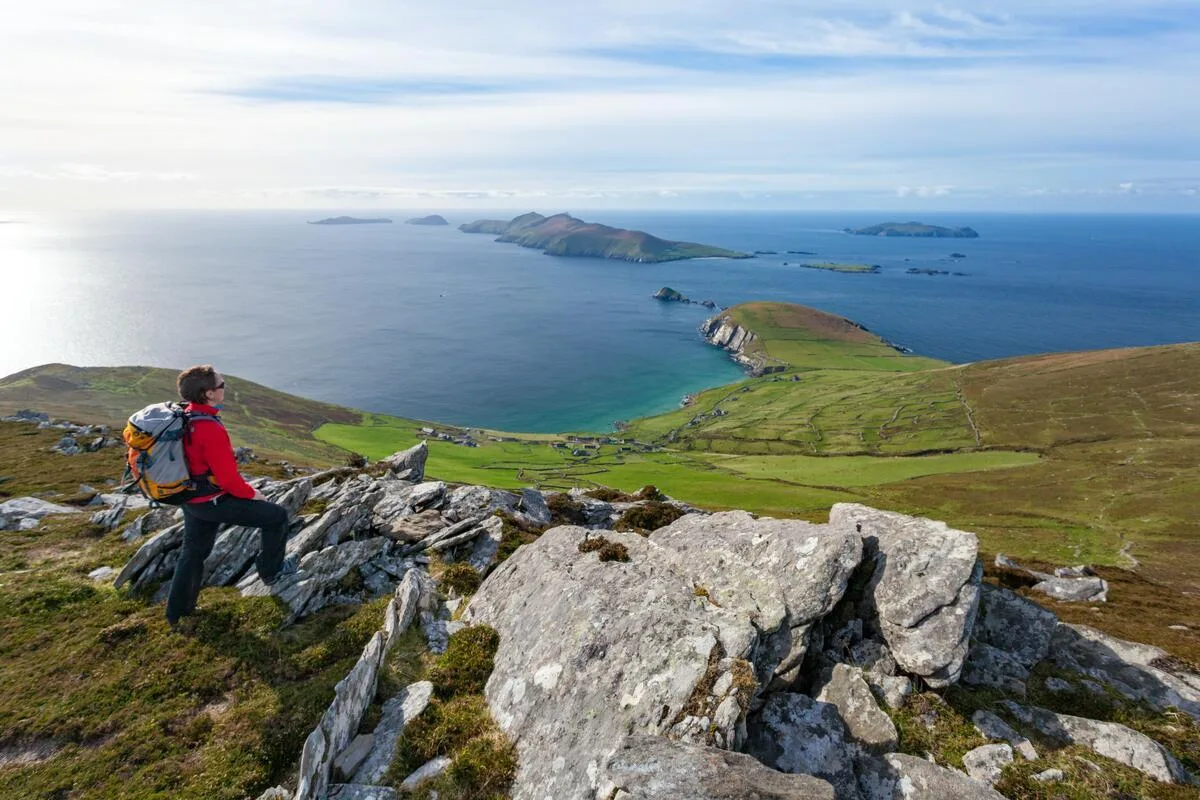
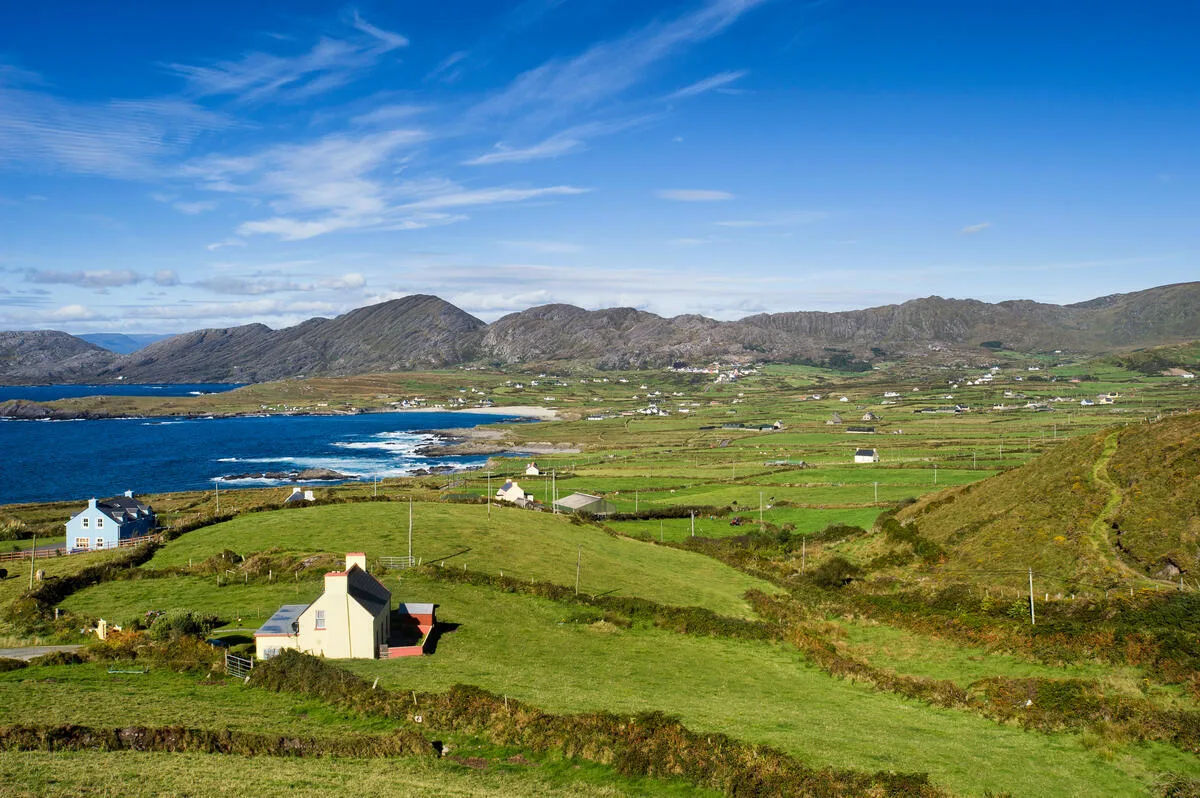
For walkers visiting Ireland, the anthem is part of the cultural background that makes this country special. The same spirit of independence and love of place that runs through the anthem is something you feel on the trails — in the wild landscape, the local hospitality, and the pride that people take in their corner of Ireland.
Walking Through Irish History
One of the things that makes walking in Ireland special is the way history lives in the landscape. The same streets where the 1916 rebels marched are streets you can walk today. The GPO on O'Connell Street still bears bullet marks from the Rising. Kilmainham Gaol, where the leaders were executed, is one of Dublin's most visited sites. And along the west coast, the ruins of cottages emptied during the Famine tell a story that no museum can match.
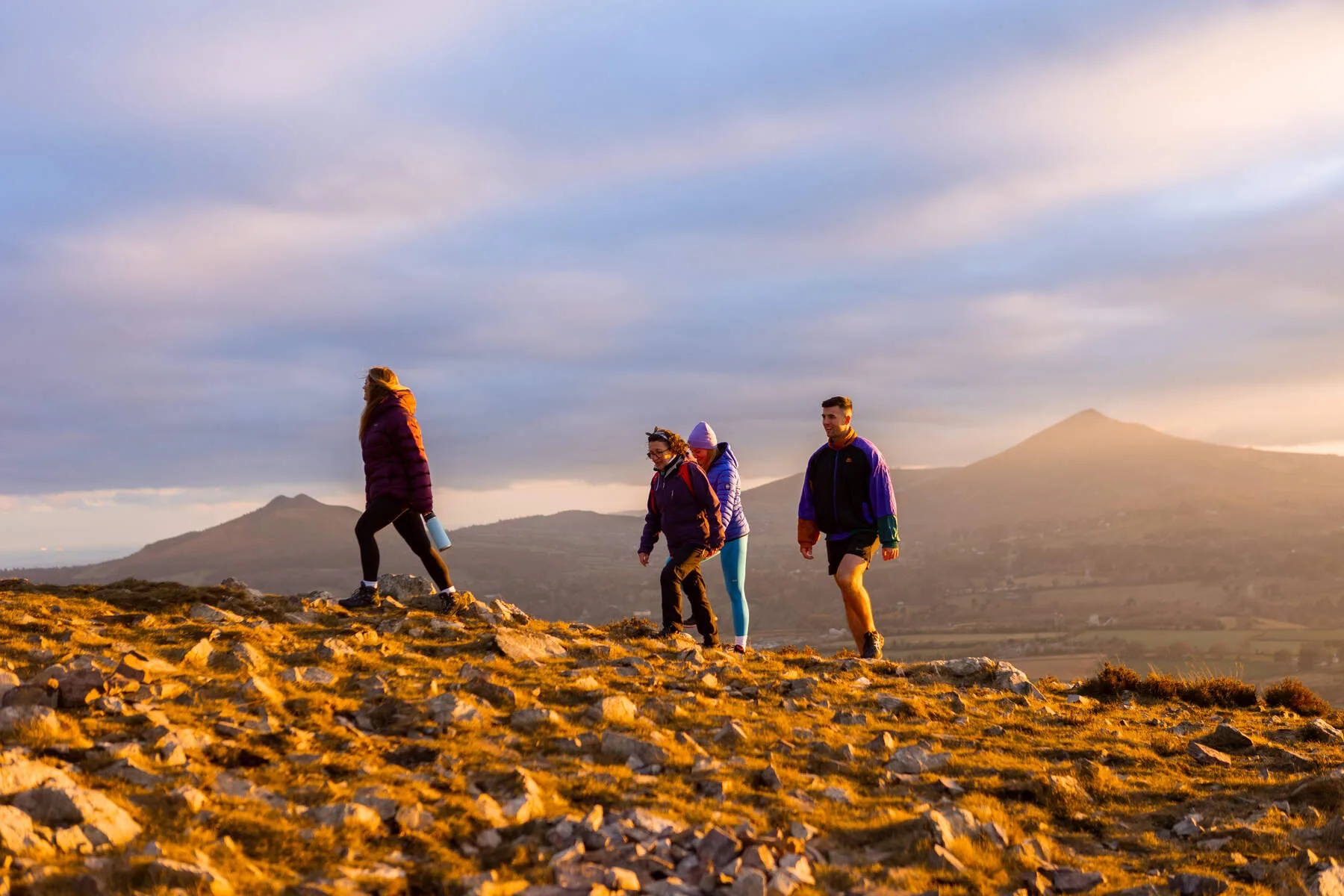
Walking connects you to all of this in a way that driving past it never can. When you walk the Wicklow Mountains south of Dublin, you're following paths that Michael Collins used during the War of Independence. When you walk the Kerry Way, you pass through communities that have been shaped by centuries of struggle, resilience, and fierce local pride.
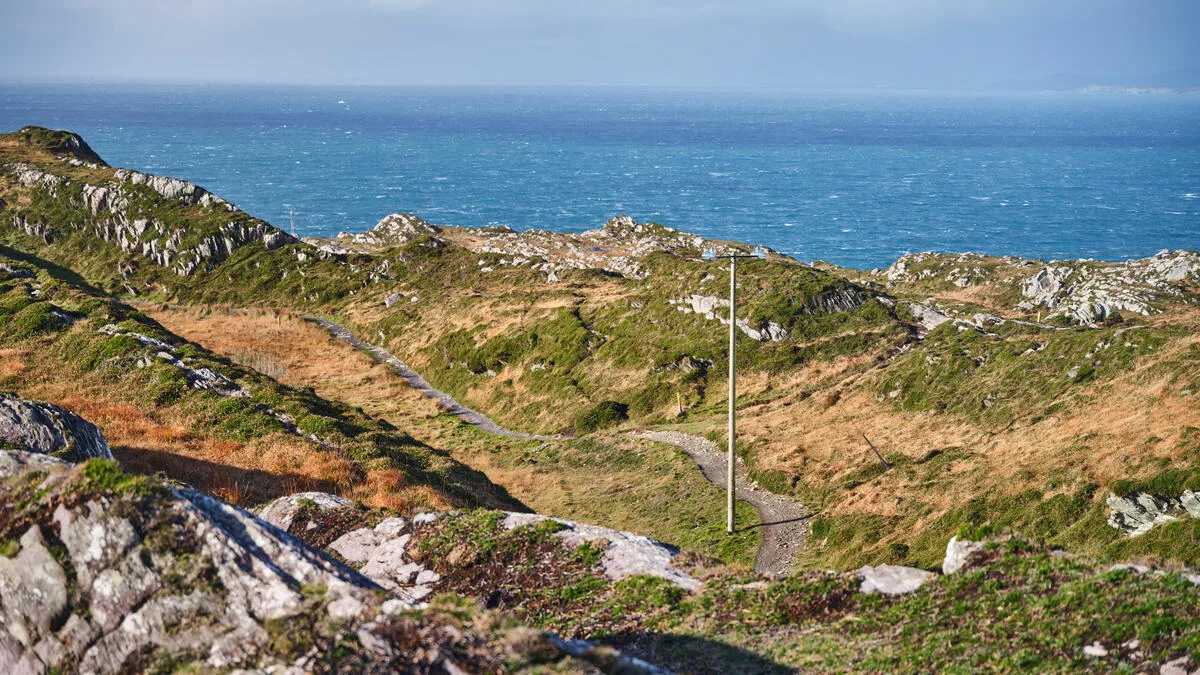
The Amhrán na bhFiann captures that spirit. It's a song about standing up, about refusing to accept things as they are, and about love of place. Those themes run through every corner of Ireland, from the streets of Dublin to the wild coastline of the Antrim coast. Understanding the anthem gives you a deeper sense of what this country is about — and that understanding enriches every walk you do here.
Check the best time to visit Ireland if you're planning your trip, and look at our tour grading to find the right level of walking for you.
Ireland's Musical Soul
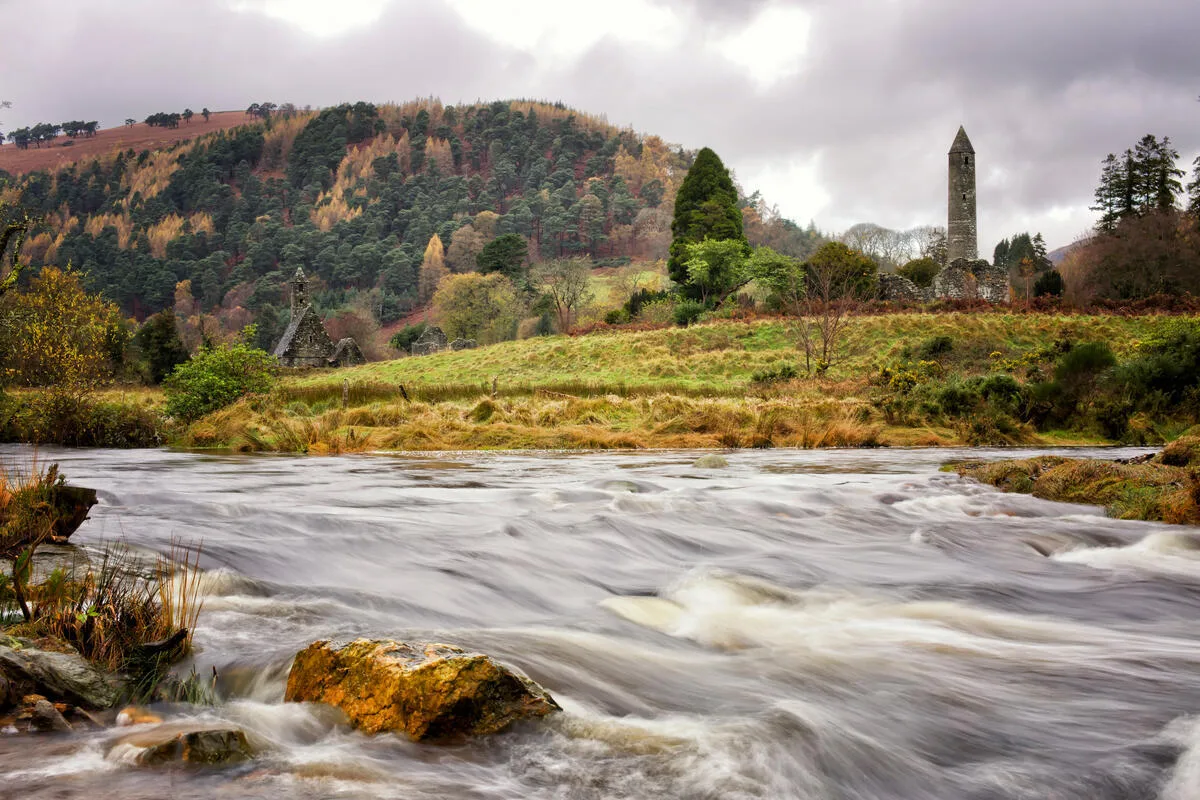
The irish national anthem sits within a much wider tradition of Irish music. Ireland has one of the richest musical cultures in Europe, from traditional sean-nós singing to the pub sessions you'll find in villages along the Wild Atlantic Way.
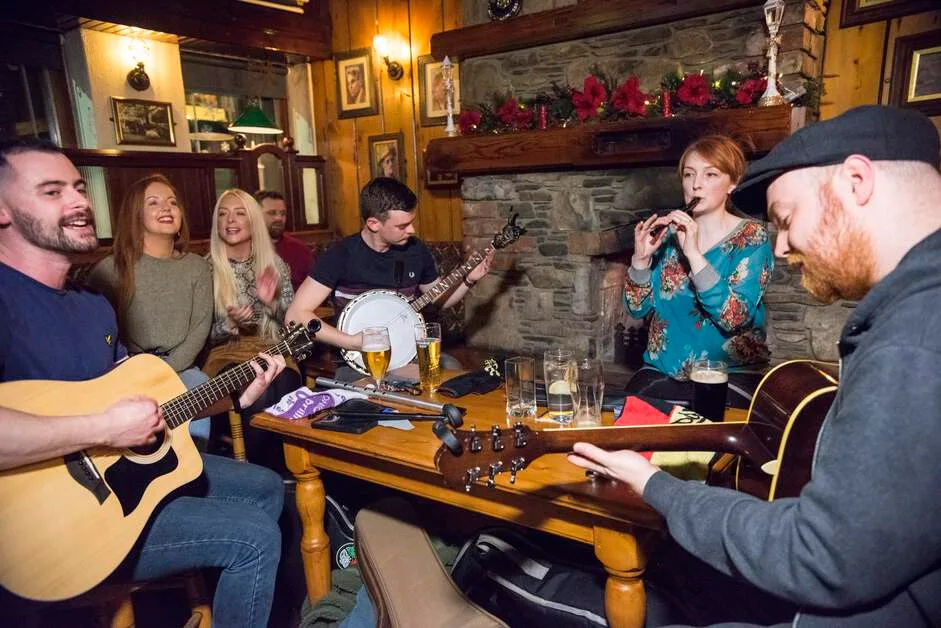
Traditional music sessions — where musicians gather in pubs to play fiddle, tin whistle, bodhrán, and concertina — are a highlight of any visit. They happen spontaneously in pubs across the country, from Doolin in Clare to Dingle in Kerry to Clifden in Connemara. After a day on the trails, finding a pub with a live session is one of the great experiences of a walking holiday in Ireland.
Music connects to landscape here in ways that other countries don't quite match. Many of the great Irish songs are about places — rivers, mountains, counties, and coastlines. Walking through those places and then hearing them sung about in a pub that evening is something that stays with you.
Get in touch with Walking Holiday Ireland and we'll help you plan a trip that combines the best walking with the cultural experiences that make Ireland unforgettable.
Frequently Asked Questions About the Irish National Anthem
What is the Irish national anthem called?
The Irish national anthem is called "Amhrán na bhFiann" in Irish, which translates to "The Soldier's Song" in English. It was written by Peadar Kearney (lyrics) and Patrick Heeney (music) in 1907 and adopted as the national anthem in 1926.
What are the words to the Irish national anthem?
The official version is sung in Irish. The chorus begins "Sinne Fianna Fáil, atá faoi gheall ag Éirinn." In English, this translates to "Soldiers are we, whose lives are pledged to Ireland." Only the chorus is sung on most occasions.
When do you hear the Irish national anthem?
You'll hear it before GAA matches at Croke Park, rugby internationals at the Aviva Stadium, state occasions, and national commemorations — especially during Easter week when the 1916 Rising is remembered.
Is the Irish national anthem in English or Irish?
The official version is in Irish (Gaeilge). The song was originally written in English in 1907, but the Irish translation by Liam Ó Rinn became the official version. Both versions exist, but the Irish version is always used at formal occasions.
Why does Ireland have two anthems at rugby matches?
At rugby internationals, both "Amhrán na bhFiann" and "Ireland's Call" are sung. This is because Irish rugby represents the whole island — both the Republic and Northern Ireland. "Ireland's Call" was written in 1995 as an anthem all players could share.
Why was The Soldier's Song chosen as Ireland's anthem?
The song became deeply connected to the 1916 Easter Rising, when Irish rebels sang it during the rebellion and in the prisons afterwards. That association with the independence movement gave it a symbolic weight far beyond its music, and when Ireland gained independence it was the natural choice to represent the new state.
Continue exploring
The anthem is one thread in the wider story you'll walk through in Ireland. A few more worth your time:
Frequently Asked Questions
Are the trails well-marked?
What is the most popular route?
What kind of boots should I wear?
What are the most essential items to pack for a walking holiday in Ireland?
Photo Gallery