Rainy Day Activities Near Popular Irish Hiking Trails
Rainy Day Activities Ireland Hiking: How to Walk Through It, and What to Do When You Don't
Let's be honest about Irish weather. It rains. Not every day, not all day, and not always badly — but rain is part of Ireland in a way that it simply isn't in most places people walk on holiday. If you're planning rainy day activities Ireland hiking trips, understanding what rain actually means here is the first step.
Planning rainy day activities around Ireland hiking presents both challenges and opportunities. Here's what I've found after many years running walking holidays in Ireland: rain is rarely the problem walkers think it will be before they come. The right waterproofs, the right attitude, and some honest expectation-setting before you leave make a wet day on the trail something closer to an adventure than a disaster.
But there are days — genuine, persistent, wind-and-horizontal days — when even experienced walkers should stay off exposed ridgelines. And knowing what to do on those days, near each trail, is the difference between a holiday that feels like a setback and one that stays in the memory for the right reasons.
This guide covers both: how to walk confidently in Irish rain, and the best genuine rest-day options near each of WHI's main trails.
Part One: Walking in Irish Rain — Ireland Wet Weather Walking Essentials
What Irish rain actually is
Irish rain comes in several varieties, and it helps to know which you're dealing with.
Soft rain — the Irish term "soft day" exists for a reason. This is a light, warm, almost horizontal mist that barely feels like rain. You don't need to stop walking. You barely need your hood up. Many of WHI's guests who've been nervous about rain before their holiday describe soft days as among their favourite walking conditions — the light is extraordinary, the colours are saturated, and the trails are empty of fair-weather walkers.
Shower rain — the most common type. Comes in waves, often clearing between showers. Standard waterproofs handle this comfortably. The Irish sky changes fast; many days that look threatening in the morning deliver clear afternoons.
Heavy persistent rain — the type that means business. This is the day to reconsider exposed ridge routes. It is not the day to abandon your holiday.
Storm conditions — high winds plus heavy rain. On these days, trails above 400 metres in exposed positions should be left alone. This happens, particularly on the Atlantic coast. Have a plan.
Hiking Rain Gear Ireland: What You Actually Need
The single biggest factor in whether rain ruins a walk — whether you're walking in Irish rain or anywhere else — is waterproofs. Not the brand — the quality. A properly breathable, seam-sealed waterproof jacket and over-trousers change the entire experience. You stay dry, you stay warm, you keep walking.
A cheap rain jacket is worse than useless in persistent Irish rain — it wets through, it doesn't breathe, and you end up clammy inside even if you're not wet outside. Invest properly in waterproofs before coming to Ireland. It is the most important gear decision you'll make.
Our layering guide for hiking covers the full system — base layer, mid layer, shell — and explains what to look for when choosing each piece. Read it before you pack.
Waterproof hiking boots or gaiters matter equally on muddy, wet trails. Our guide to choosing hiking boots covers what to look for. And our footcare guide covers how to look after your feet when they've been wet all day — which is something every Irish walker eventually needs to know.
How to read the Irish sky
Ireland's weather is Atlantic — it moves fast, it changes constantly, and a morning that looks grey is often followed by a clear afternoon. Learning to read what's coming is genuinely useful.
The basic principle: watch the western sky. Weather systems arrive from the Atlantic, from the west and southwest. A heavy bank of cloud building in the west means rain is coming. Bright patches behind the cloud bank mean the system is moving through. Our weather reading guide goes into practical detail. The weather risk guide for Irish trails covers what to do when conditions deteriorate on the trail.
Check Met Éireann the evening before and again the morning of each walking day. The regional forecasts are accurate and specific. Do not rely on generic app forecasts.
Part Two: Ireland Rest Day Activities Hiking — Genuine Options by Trail
When the weather genuinely demands a day off the mountain, here's what to do in Ireland when it rains near each WHI trail. Not generic tourist suggestions — places worth going.
Rainy Day Activities Ireland: Wicklow Way Rest Days
Glendalough Monastic Site and Visitor Centre
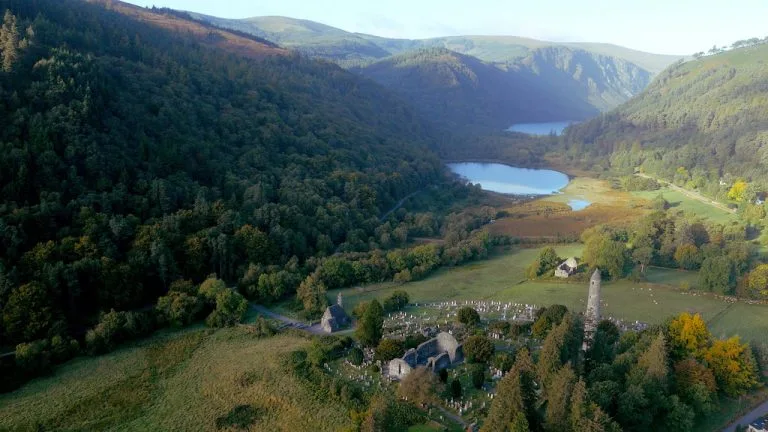
Glendalough is magnificent even in rain. The 6th-century monastic settlement built by St Kevin sits in a glacial valley; the round tower, the ruins of seven churches, and the upper and lower lakes are all accessible on a sheltered valley floor walk that stays viable in most weather. The visitor centre (which we've written about here) explains the extraordinary history of the site in depth.
This is genuinely one of Ireland's finest heritage experiences. If you haven't visited before, this rainy day activity near Ireland hiking trails is not a consolation prize — it's a full day well spent.
Wicklow town and the National Historic Gaol
Wicklow's restored 18th-century county gaol tells the history of the 1798 rebellion and the Famine transportation period with real depth and humanity. It's an excellent 90-minute visit on a wet morning, and Wicklow town itself has a good café scene for the afternoon.
Avoca Handweavers, County Wicklow
The Avoca mill — Ireland's oldest surviving woollen mill — sits on the River Avoca and produces the textiles that WHI guests often spend the first half of the trail admiring in local shops. A visit gives real context to the craft. The café attached to the mill is exceptional.
Kerry Way: What to Do in Ireland When It Rains
Killarney town
Killarney is genuinely one of Ireland's best rainy day towns for hikers looking for rest day activities. The Killarney National Park covers 26,000 acres and includes Muckross House — a Victorian manor with period-furnished rooms and working farm buildings that make a full half-day visit. Even the Muckross lakeside path stays pleasant in light rain under the tree canopy.
In town, the Museum of Kerry Cycling at Killarney Racecourse is a surprise: an absorbing collection that makes an excellent rainy day activity when you're not hiking Ireland's trails.
Kenmare
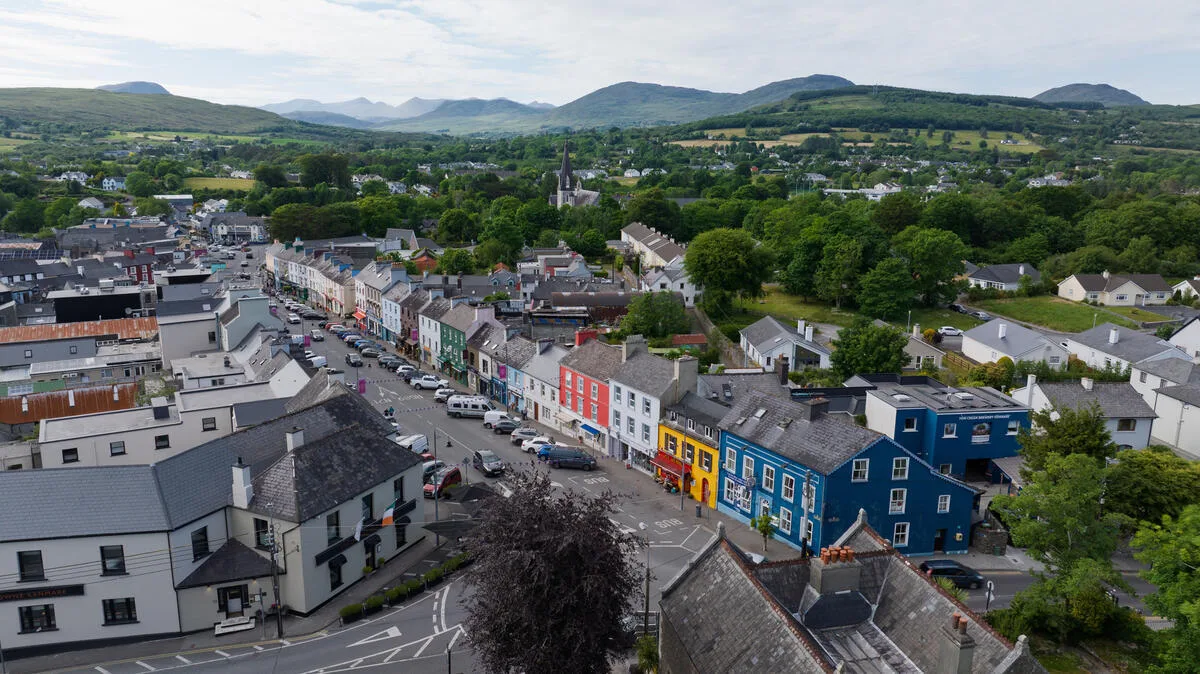
Kenmare's main street contains some of the best independent food in Kerry. On a wet rest day, this is the destination. The town has a Neolithic stone circle a short walk from the centre. The Ring of Kerry article covers the wider context of what surrounds Kenmare; on a rainy afternoon, the town itself is enough.
Dingle Way Rest Days
Dingle town
Dingle is one of Ireland's finest towns for a rainy day. The Dingle Distillery runs excellent tours — the first distillery to open in County Kerry for over 40 years — and the Dingle Oceanworld Aquarium provides two hours of engaging viewing for those not inclined toward whiskey. The town has a remarkable concentration of excellent restaurants for its size; a slow lunch at one of them is a legitimate use of a wet afternoon.
The Blasket Island Centre, Dunquin
The Blasket Islands were abandoned by their last inhabitants in 1953. The interpretive centre at Dunquin tells the story of the island community through the remarkable literary tradition it produced — several of the islanders wrote memoirs in Irish that are now considered classics. The centre sits on the clifftop above the crossing point and offers views to the islands when visibility allows.
Causeway Coast and Antrim Rest Days
The Giant's Causeway Visitor Centre
The Causeway itself stays accessible in all but the most severe weather — the hexagonal basalt columns are extraordinary in rain and mist as much as sunshine. The National Trust visitor centre explains the geology and mythology comprehensively. A wet Causeway visit is genuinely different from a dry one, and often quieter. Allow two hours.
Bushmills Distillery
The Old Bushmills Distillery — the oldest licensed whiskey distillery in the world — runs guided tours throughout the year and is five minutes' drive from the Causeway. The tour covers the full production process from grain to bottle. On a genuinely terrible weather day on the north Antrim coast, this is the ideal indoor morning.
Carrick-a-Rede Rope Bridge
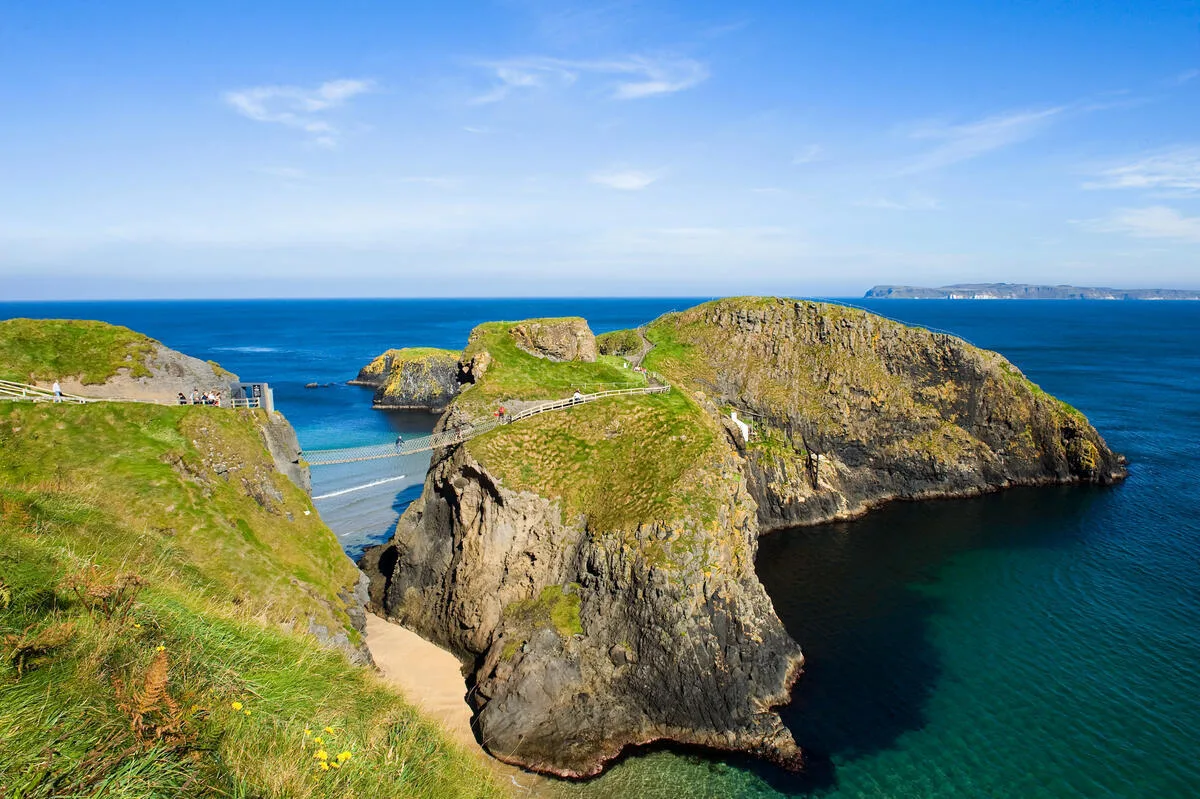
The rope bridge connecting the mainland to a small island near Ballintoy operates in most weather conditions, and the walk there follows cliff paths with dramatic views even in cloud and light rain. The Antrim coast walk article covers the full coastal context.
Barrow Way Rest Days
Kilkenny city
The Barrow Way passes within reach of Kilkenny — and a rest day in Kilkenny is one of the pleasures of the route. Kilkenny Castle, the National Design & Craft Gallery at the Castle stables, the Black Abbey, and the mediaeval streetscape of Kyteler's Inn all make for a full day's exploration in any weather. The city has excellent restaurants clustered around the main thoroughfares.
Carlow town and the Carlow Museum
The Carlow Museum in the town hall covers the history of the Barrow valley in detail — the waterway's role as Ireland's industrial artery, the milling towns along its banks, and the social history of the communities the trail passes through. A morning here gives the landscape you've been walking through considerably more depth.
A Final Word on Rain and Walking Holidays
Walkers who've been to Ireland with WHI often tell me the wet days stay with them as vividly as the fine ones. There's a particular quality to Ireland in the rain — the green gets impossible, the stone walls darken, the light through cloud on the mountains is something that genuinely doesn't exist anywhere else. The trails empty out. You hear the land rather than just seeing it.
The right hiking rain gear for Ireland, realistic expectations, and a good rest-day plan are all you need. Everything else, Ireland provides.
If you'd like to talk through a specific trail or how we plan around Irish weather on our holidays, drop me a message via the contact page or WhatsApp on +353 87 957 3856.
Browse our self-guided walking holidays for the full range of routes.
— Cliff, Walking Holiday Ireland
You Might Also Enjoy
Layering for Hiking: The WHI Guide
How to Prepare for a Hike in Ireland
Weather Safety on Irish Trails
How to Read the Weather in Ireland
Frequently Asked Questions
What type of waterproofs do I need?
What happens in cases of force majeure (severe weather, natural disasters, etc.)?
Are the trails well-marked?
What is the most popular route?
Photo Gallery