The Beara Peninsula
Ireland's wildest peninsula — 196km of remote mountains, copper mine ruins and untouched Atlantic coastline where solitude and raw beauty reward the walker who ventures beyond the crowds.
Walking Tours in The Beara Peninsula
Sorted shortest to longest — all include B&Bs and luggage transfers
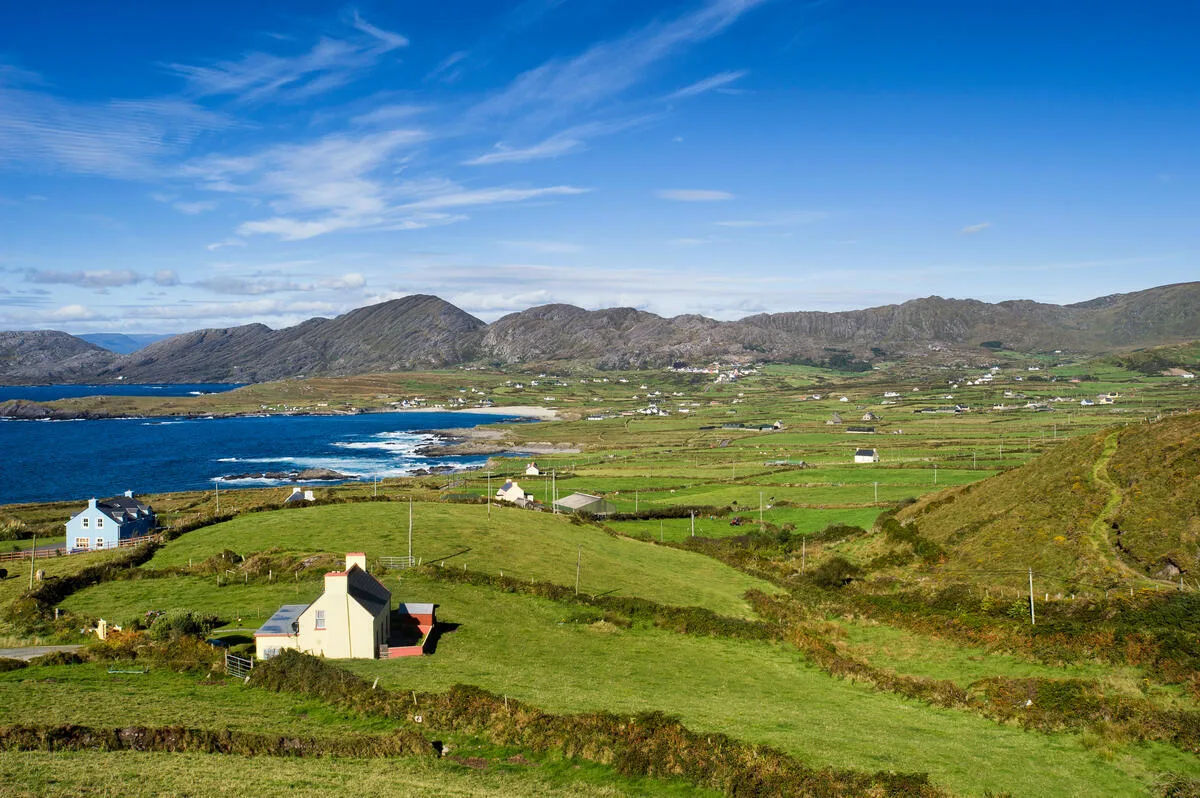
The Beara Way Walking Holiday — 5 Days (Moderate)
Bantry Bay, Hungry Hill and the Copper Coast — Glengarriff to Allihies
Wild Atlantic Way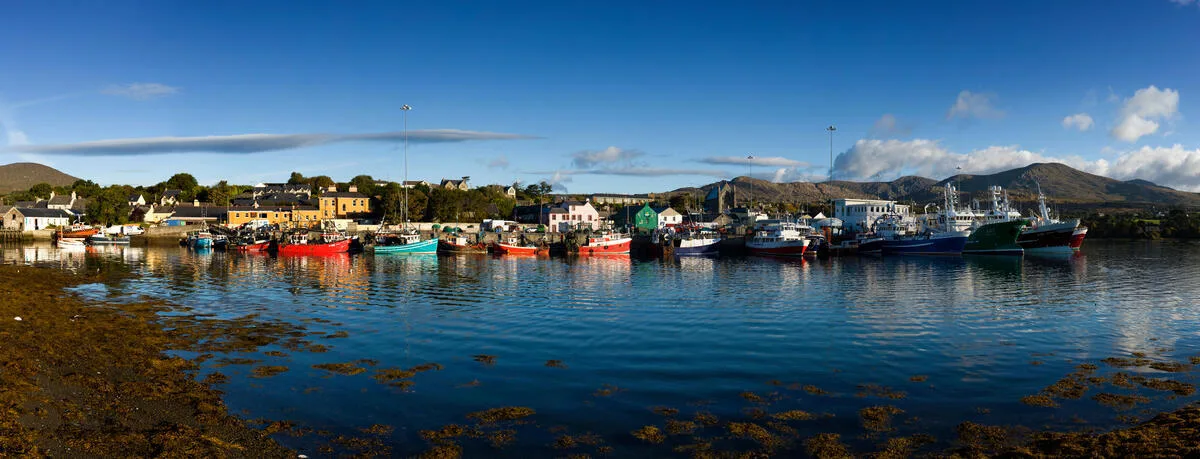
The Beara Way Walking Holiday — 6 Days (Moderate)
Glengarriff to Eyeries — Bere Island, Allihies and the Copper Coast
Wild Atlantic Way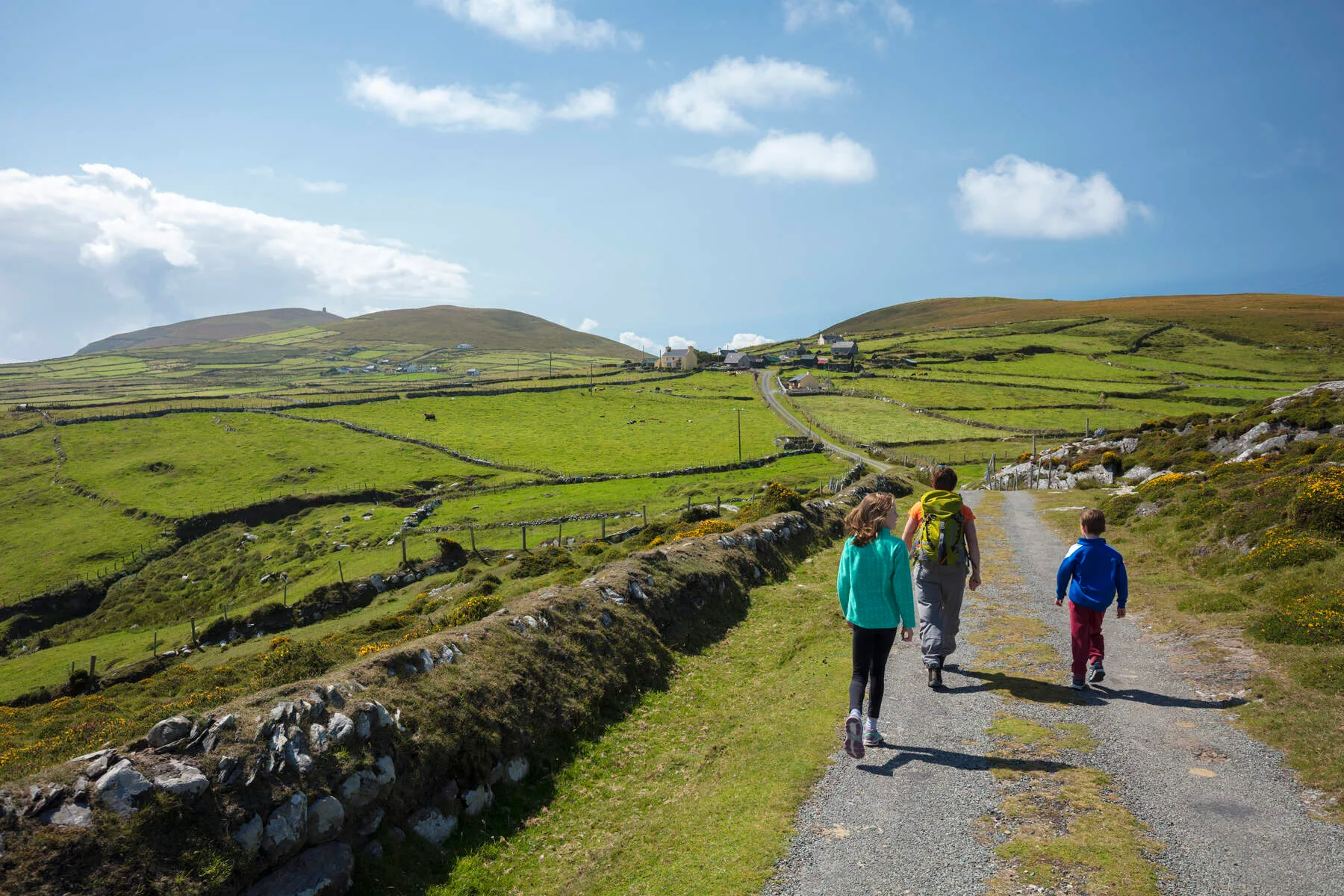
The Beara Way Walking Holiday — 7 Days (Moderate)
Glengarriff to Ardgroom — Bere Island, Allihies and Stone Circle Country
Wild Atlantic Way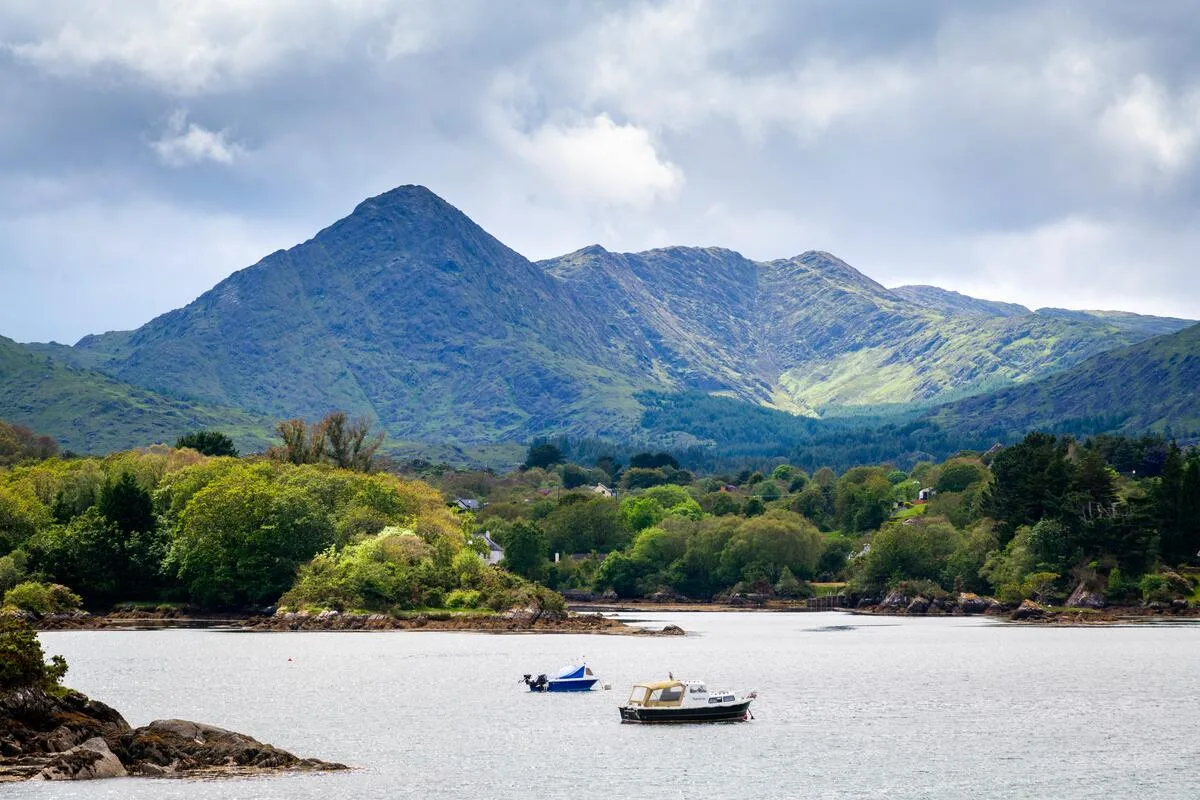
The Beara Way Walking Holiday — 8 Days (Moderate)
Glengarriff to Lauragh — Bere Island, Dursey Cable Car and Stone Circle Country
Wild Atlantic WayAbout The Beara Peninsula
Your guide to walking in this stunning region
The Beara Peninsula straddles the Cork-Kerry border as one of southwest Ireland's most remote places: isolated mountains, villages rooted in their pasts, and an Atlantic coast that arrives without warning. The 196 km loop circles the peninsula in nine to ten days, winding through ancient stone circles, 19th-century copper mine ruins, and cliff-edge paths where gannets wheel overhead.
We run the route anti-clockwise from Glengarriff, starting on the sheltered north coast and building through more demanding mountain terrain. The Beara demands experience and respect for its weather but rewards you with something increasingly rare: genuine remoteness and solitude.
A Peninsula Shaped by Mining, Famine and Perseverance
The opening stages trace the northern coast along the sheltered Kenmare River through working farms and small settlements. Garnish Island sits offshore; its Italian gardens, designed by Harold Peto, are now home to a 250-seal colony accessible by ferry. This eastern section opens gently, letting walkers settle into rhythm before the peninsula's character becomes wilder. As the trail moves west, landscape and history shift completely.
The Allihies Copper Mines rise above the trail, their shafts, spoil heaps and ruined engine houses telling the story of industrial boom and collapse. Mining began in 1812; by mid-century it employed over 1,600 workers, mixing local labour with Cornish expertise brought across the Irish Sea.
The Dursey Island cable car, opened in 1969, is Ireland's only cable car crossing open sea. At 250 metres across, it dazzles: a moment of genuine exposure over the Atlantic, descending 300 metres to the water below. Dursey Island itself is quiet and sparse, marking the official start of the E8 long-distance path running to Istanbul.
info Walking Area Quick Facts
Difficulty
Duration
5–8 days
Season
From May to October
Accommodation
B&B & Guesthouses
Walking Tours
4 tours available
Included in Every Tour
- ✓Accommodation: Welcoming en-suite B&B rooms
- ✓Breakfast: Full Irish breakfast every morning
- ✓Luggage Transfer: Daily transfer of your main bag between accommodations
- ✓Personalised itinerary and route app for your smartphone
- ✓Support: 24/7 emergency support throughout your holiday
- ✓Pre-Departure Pack: Information pack sent before you travel
Not Included
- ✗Flights: Travel to Ireland is not included
- ✗Insurance: You'll need travel and walking holiday insurance
- ✗Meals: Lunches and dinners are not included
The Landscape
The Beara is geologically one of southwest Ireland's most dramatic landscapes. Mountains reach only 685 metres but feel vast because they rise directly from the Atlantic with no gentle transition. The granite and quartzite Caha Mountains form a ragged spine with dramatic corries and waterfalls on the north side and steeper, exposed faces on the south. The eastern section through Eyeries is pastoral and sheltered; the southern coast is raw and elemental.
Rocky hillsides, ancient stone walls in disrepair, windswept bogland and constant Atlantic swells shape the terrain. Light changes with extraordinary speed: clear sunshine with Bantry Bay views can shift to enveloping mist within minutes. Wildlife is abundant: gannets dive off southern cliffs; red grouse flush from heather; sea cliffs support razorbills, guillemots and choughs.
Summer brings wildflowers; in autumn, rowan trees turn brilliant orange-red against grey granite. The sense of wildness emerges from genuine remoteness, absence of development, constant Atlantic presence, and deep time.
Culture & Heritage
The Beara carries deep history: copper mining, famine catastrophe, and persistent fishing communities. Allihies' mines (1812-1884) employed over 1,600 workers; the Copper Mine Museum tells this story with genuine depth. Famine reshaped the population from 39,000 to fewer than 6,000.
Empty cottages and landscape silence mark this catastrophe. Castletownbere harbour remains the economic heart, a working port where commercial fishing still dominates. Milleens Cheese, made by Veronica Steele since 1976, represents post-famine recovery and sparked an Irish farmhouse cheesemaking revolution.
Daphne du Maurier's 1943 novel Hungry Hill drew inspiration from copper mining and the Puxley family. Castletownbere fish — Ireland's largest whitefish port; brown crab and lobster are landed daily and served simply.
Milleens Cheese — unpasteurised, washed-rind farmhouse cheese with international recognition. Durrus Cheese & Woodcock Smokery — artisan West Cork products using local ingredients. Hearty pub food — village pubs serve generous stew, fresh fish and local meat
Points of Interest
Key highlights you'll discover in The Beara Peninsula
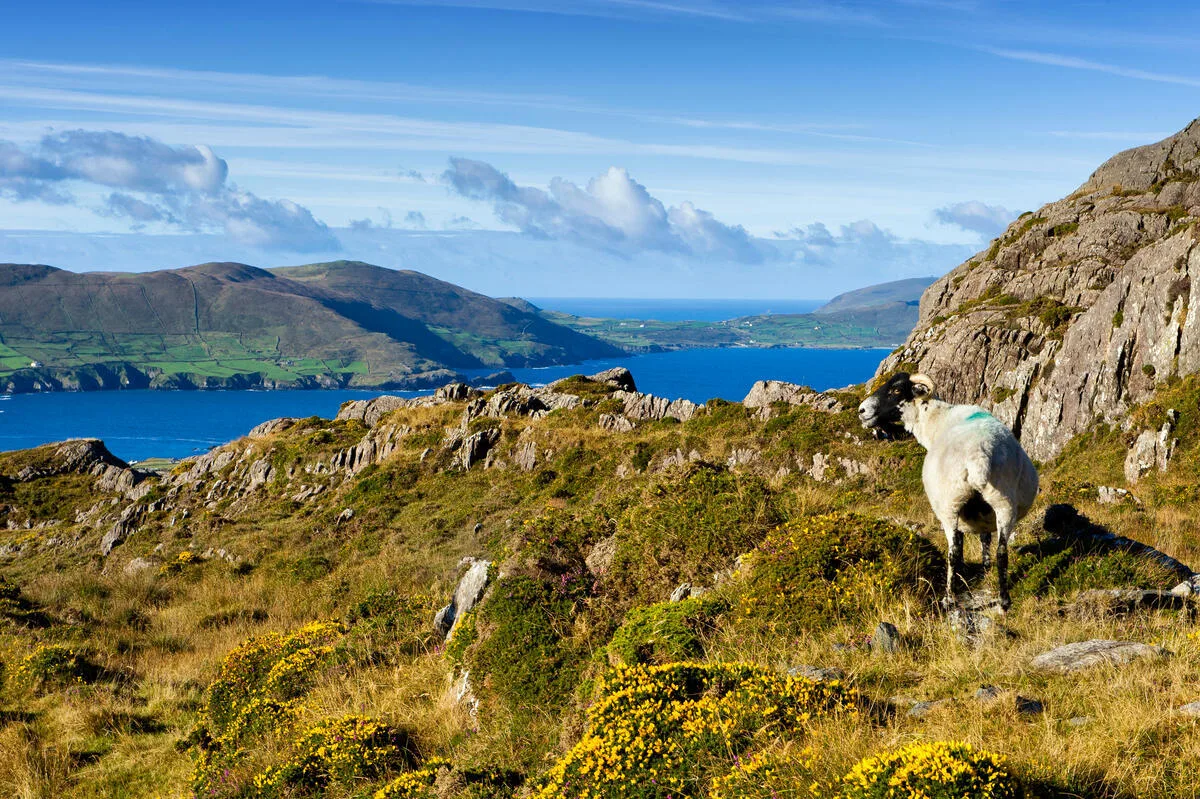
Allihies Copper Mines
19th-century industrial heritage with shafts, spoil heaps and ruined engine houses. Mining began in 1812 and at its peak employed over 1,600 workers. The on-site museum tells this story with genuine depth.
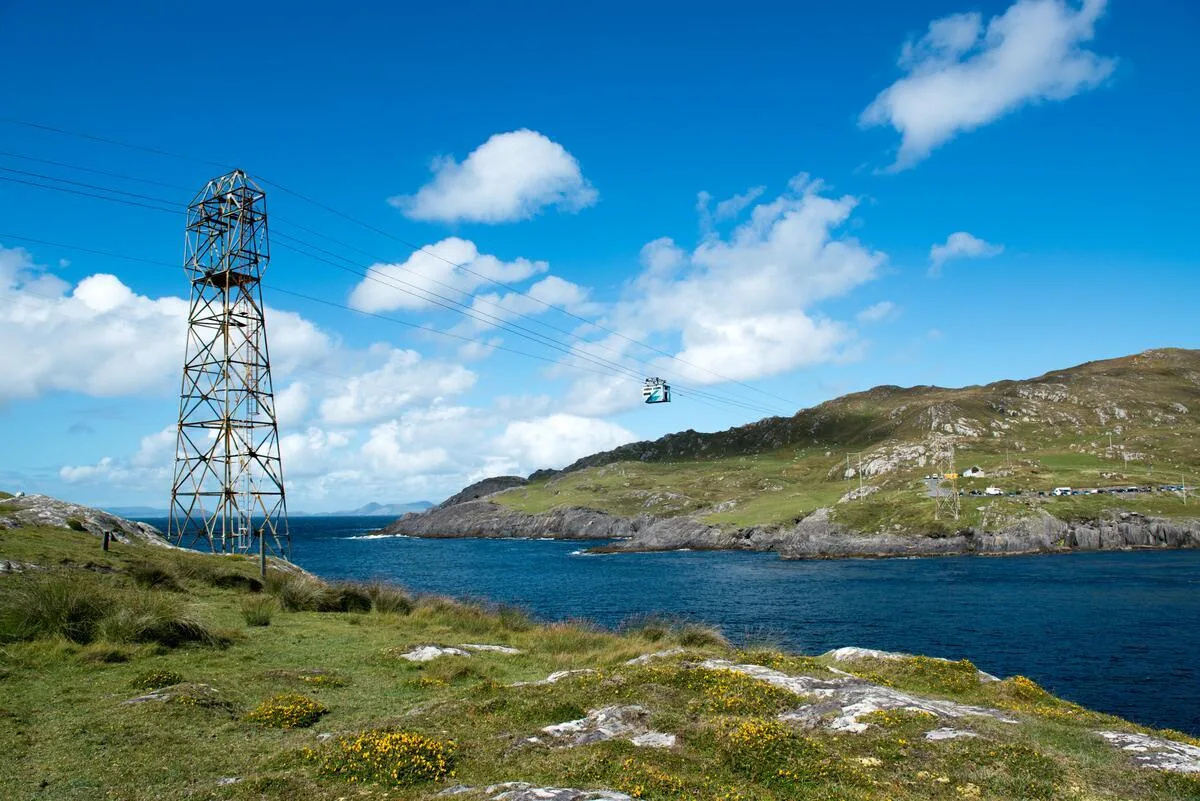
Dursey Island Cable Car
Ireland's only cable car crossing open sea — 250 metres across with a 300-metre drop to the Atlantic below. Dursey Island itself marks the official start of the E8 long-distance path to Istanbul.
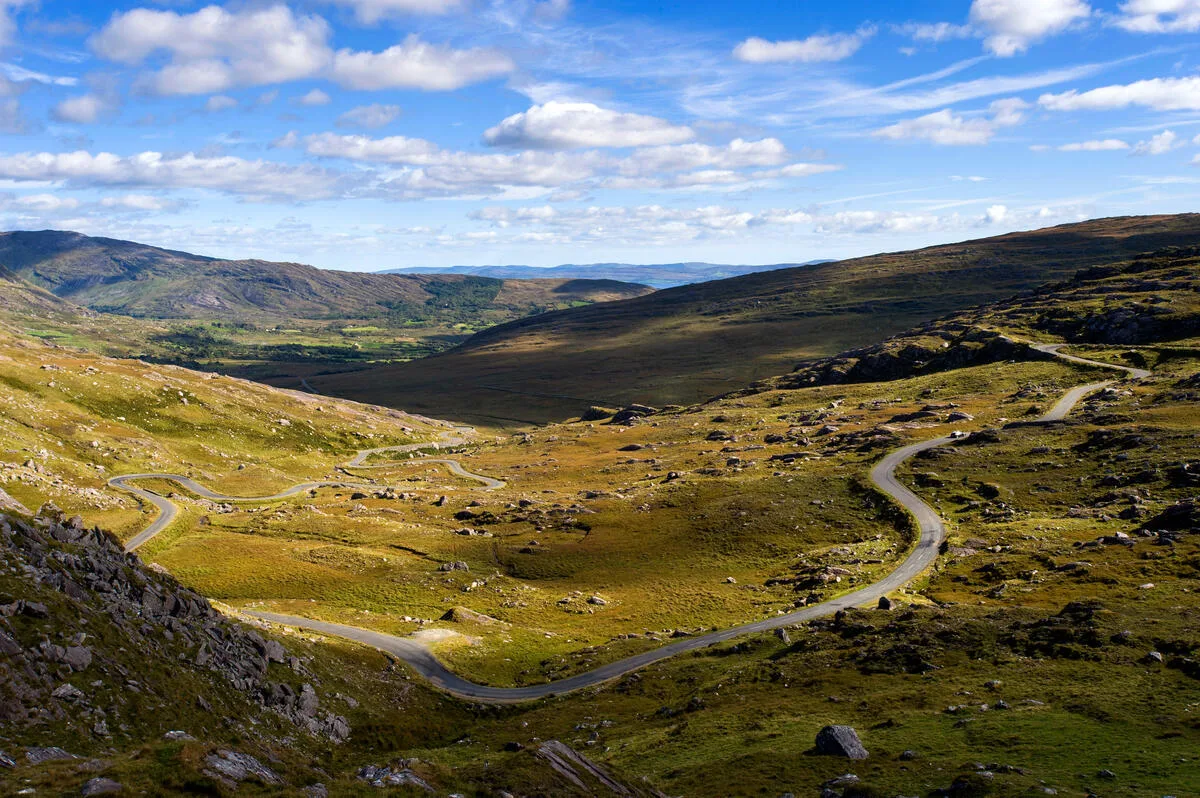
Healy Pass
Built in 1847 as a famine relief project, this mountain road switchbacks through moorland at steep gradients with extraordinary views over Glanmore Lake and the Caha Mountains.
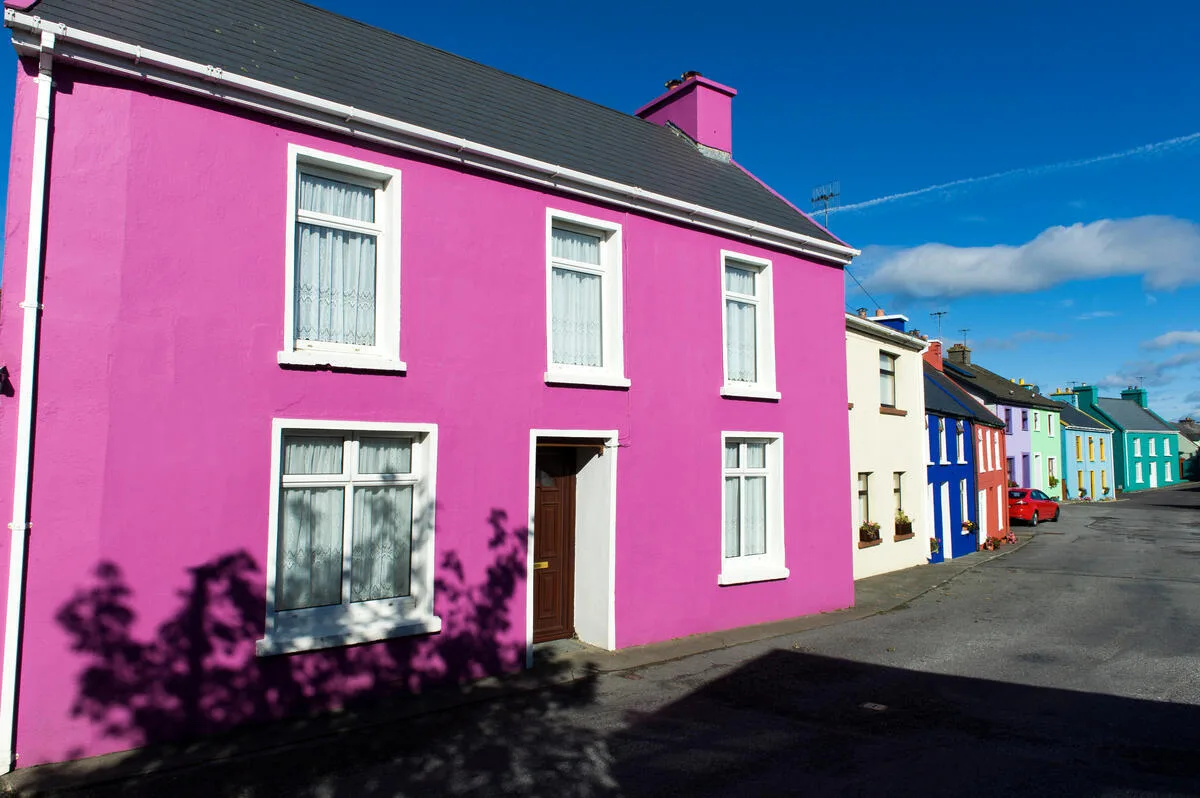
Eyeries
A brightly painted village on the northern coast, home to Milleens Cheese dairy and a cluster of artisan food producers. One of the most photogenic stops on the entire peninsula.
Things to Do in The Beara Peninsula
Top activities and experiences in the area
Full Beara Way circuit
196 km over 9–10 days from Glengarriff through copper mines, mountains and Atlantic coast. One of Ireland's most rewarding long-distance walks for experienced hikers seeking genuine remoteness.
Hungry Hill and Mare's Tail
Ascent to the 685 m peak with a dramatic 200-metre waterfall cascading down the mountainside. The most demanding day on the Beara but the views from the summit are extraordinary.
Dursey Island cable car and exploration
Ireland's only sea cable car followed by quiet island walking at the very tip of the peninsula. A genuinely unique experience where the E8 European long-distance path begins.
Allihies Copper Mine Museum
Heritage site documenting the industrial boom and collapse from 1812 to 1884. A fascinating story of Cornish expertise, local labour and the forces that shaped this remote coastline.
Best Time to Visit
May, June and September are optimal. May brings long daylight, moorland wildflowers and relatively stable westerly winds. June offers longest days, making remote southern sections more manageable. September combines golden light, noticeably fewer visitors and cooler temperatures comfortable for mountain walking. July and August can be busy; accommodation books up and exposed sections can feel uncomfortably hot.
Who Is It For?
The Beara Way is for experienced walkers wanting genuine wildness and comfortable with navigation and remote, exposed conditions. If the Kerry Way feels too busy and you want solitude, challenging terrain and discovery, the Beara is your trail.
It suits confident hillwalkers understanding weather management, comfortable navigating with map and compass, and prepared for landscapes offering limited shelter. It's particularly rewarding for those interested in industrial heritage and famine history.
Not ideal for first-time long-distance walkers or those uncomfortable with poor-visibility navigation.
Where You'll Stay
Accommodation is simpler and more dispersed than popular Kerry trails; booking ahead is essential. Family-run bed and breakfasts and small guesthouses are standard, comfortable and genuinely local. Villages like Castletownbere, Eyeries, Allihies and Glengarriff have most options.
We pre-book quality accommodation with breakfast included and arrange luggage transfers. This is important on the Beara, where distances are substantial and rough terrain makes carrying full packs unpleasant.
Getting Here
Cork Airport (ORK) and Kerry Airport (KIR) are approximately 90 minutes from Glengarriff. Cork is larger with better international connections. Bus Éireann and GoBus operate express services from Cork City and Killarney, taking approximately 1.5 hours.
We provide full transfer guidance with every booking. Glengarriff's limited taxis require advance arrangement. Irish Rail services Cork and Killarney but not Glengarriff directly; the nearest railheads are Mallow (90 minutes' drive) or Killarney (1.5 hours).
During the walk, Castletownbere is the largest resupply point with a supermarket, butcher and post office.
Travel Tips
lightbulb Pack for all four seasons in one day expand_more
The Beara's Atlantic exposure means weather can shift from clear sunshine to driving rain within minutes. Carry waterproofs and warm layers every day, regardless of the morning forecast. Wind chill on exposed mountain sections is significant.
backpack Book accommodation well in advance expand_more
Villages on the Beara are small and options are limited compared to the Kerry Way. In peak season, quality B&Bs fill months ahead. We pre-book everything, but independent walkers should plan early — especially for Allihies and Eyeries.
checkroom Carry extra water and snacks on remote sections expand_more
The southern coast and mountain crossings have no shops, pubs or water sources for long stretches. Carry at least two litres and enough food for the full day. Castletownbere is the only reliable resupply point between Glengarriff and Kenmare.
Local Food & Drink
Taste the flavours of The Beara Peninsula
Castletownbere seafood
Ireland's largest whitefish port lands brown crab, lobster and fresh fish daily. Harbour-side restaurants serve it simply — the quality speaks for itself when it's this fresh.
Milleens Cheese
Ireland's original farmhouse cheese, made by Veronica Steele since 1976. This unpasteurised, washed-rind cheese sparked the entire Irish artisan cheese movement and has international recognition.
Durrus Cheese and Woodcock Smokery
Artisan West Cork products using local ingredients — Durrus is a semi-soft washed-rind cheese, while the Smokery produces exceptional smoked fish and meat from their base near Bantry.
Hearty pub food
Village pubs across the peninsula serve generous stew, fresh fish, local meat and proper soda bread. After a day on exposed mountain terrain, a Beara pub meal is deeply satisfying.
What Our Walkers Say
Based on 3 verified reviews
Read all 3 reviews arrow_forwardReady to Explore The Beara Peninsula?
Browse our self-guided walking tours with accommodation, luggage transfers and 24/7 support included.
hiking View Walking ToursFrequently Asked Questions
What is included in a self-guided walking holiday? expand_more
What is NOT included in the tour price? expand_more
Is a GPS app or digital navigation included? expand_more
Is 24/7 emergency support really available? expand_more
Are evening meals included? expand_more
Are lunches included? expand_more
What is the difference between a self-guided and a guided walking tour? expand_more
Which type of tour is best for first-time visitors to Ireland? expand_more
Showing 8 of 52 FAQs · View all FAQs