How Hard Is Hiking in Ireland? A Honest Guide to Trail Difficulty
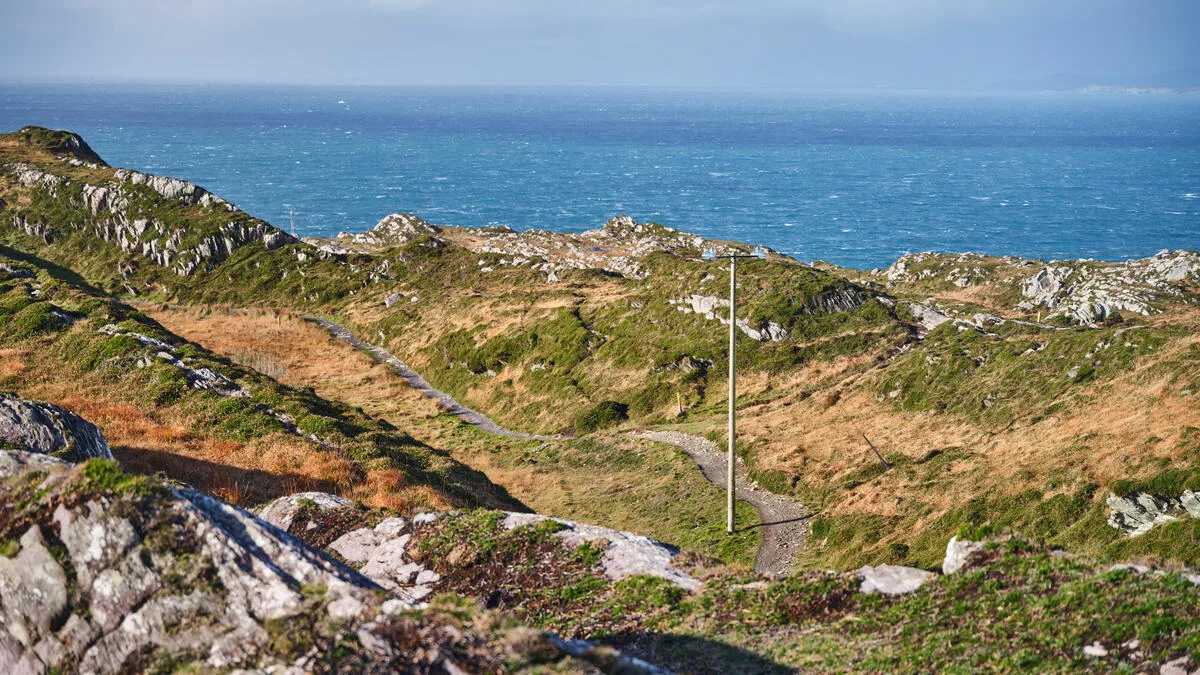
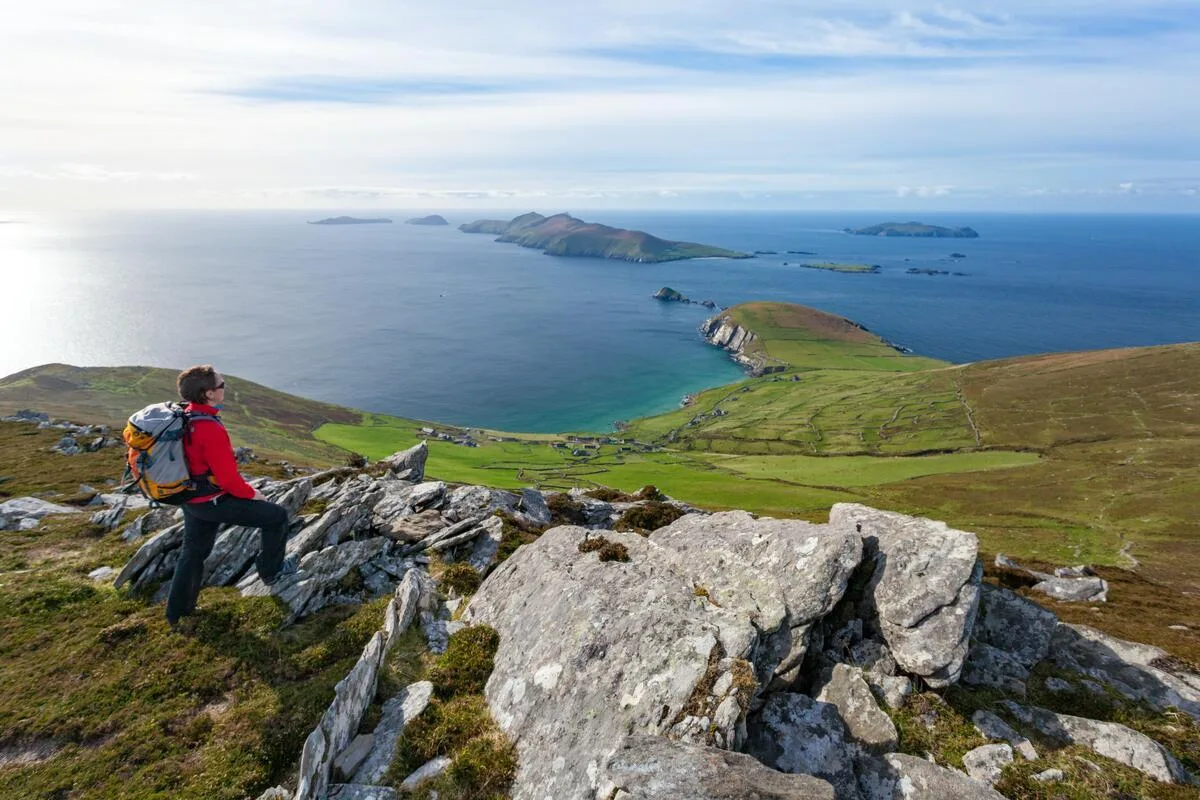
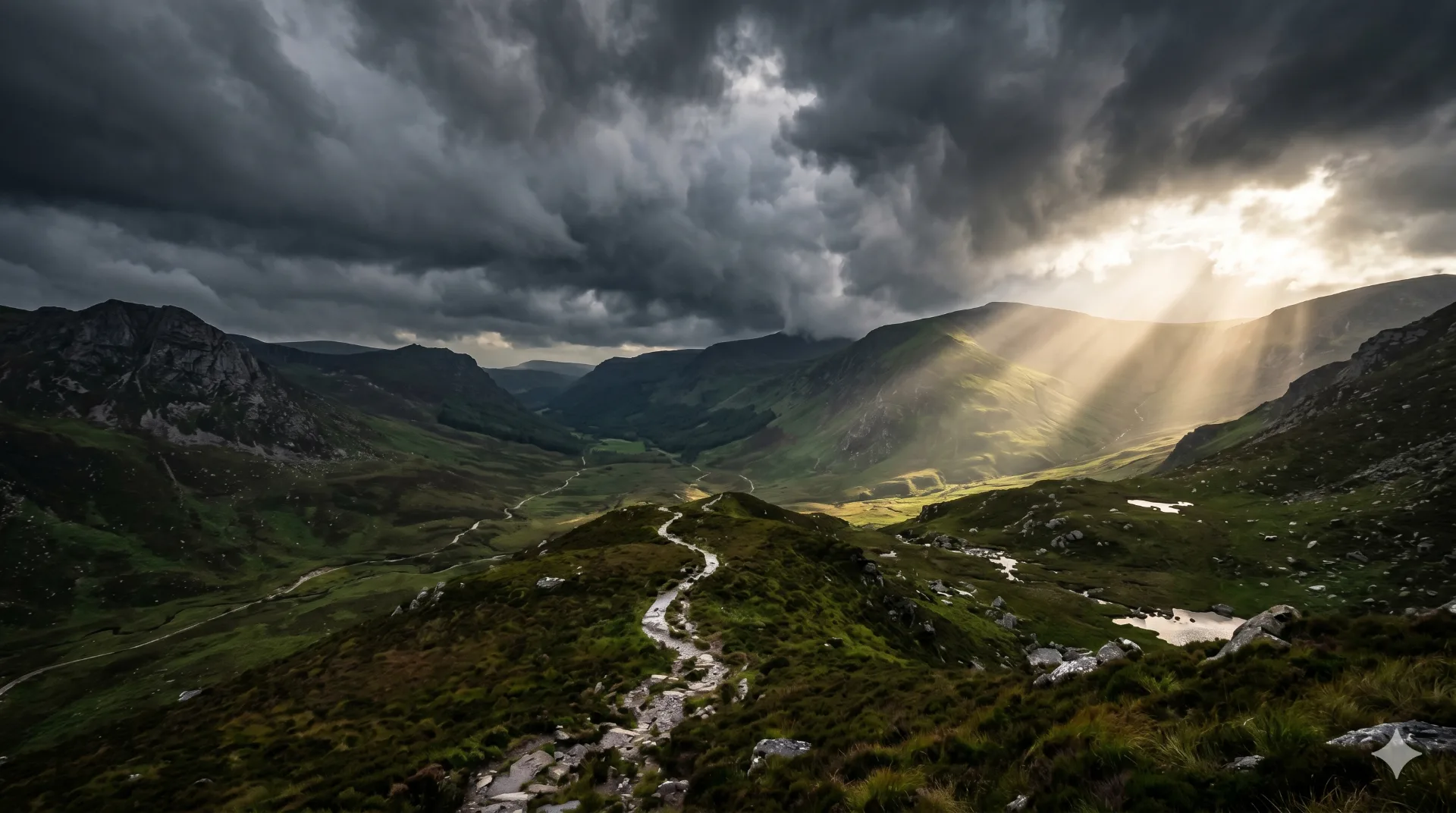
There''s a moment on almost every Irish walk when the trail disappears. Not dramatically — no cliffs or crevasses. It just quietly fades into a carpet of heather and bog, the waymarker ahead barely visible through the mist, and you find yourself thinking: this is harder than the brochure suggested.
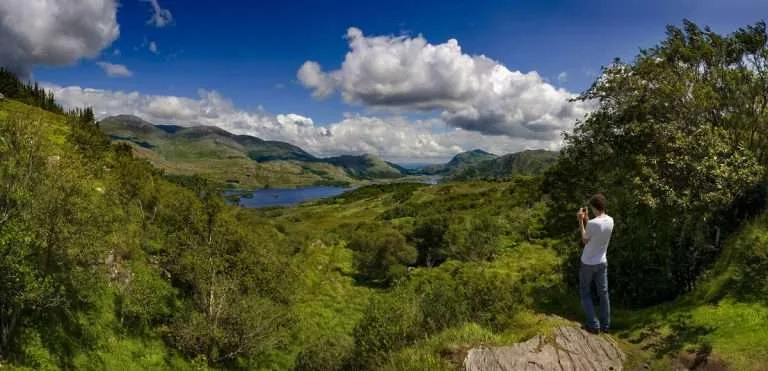
Ireland doesn''t do difficulty the way the Alps or the Appalachians do. The mountains are relatively modest by international standards — our highest peak, Carrauntoohil, tops out at just 1,039 metres. But underestimate Irish terrain at your peril. The combination of soft ground, unpredictable weather, and trails that sometimes exist more in theory than in practice means that a "short" day on an Irish hill can leave you more tired than a much longer walk on well-maintained paths elsewhere.
So how do you actually measure how hard a walk in Ireland will be? That''s what this guide is about.
Why Distance Alone Tells You Almost Nothing
If someone tells you a walk is "only 12 kilometres," your first question should be: 12 kilometres of what?
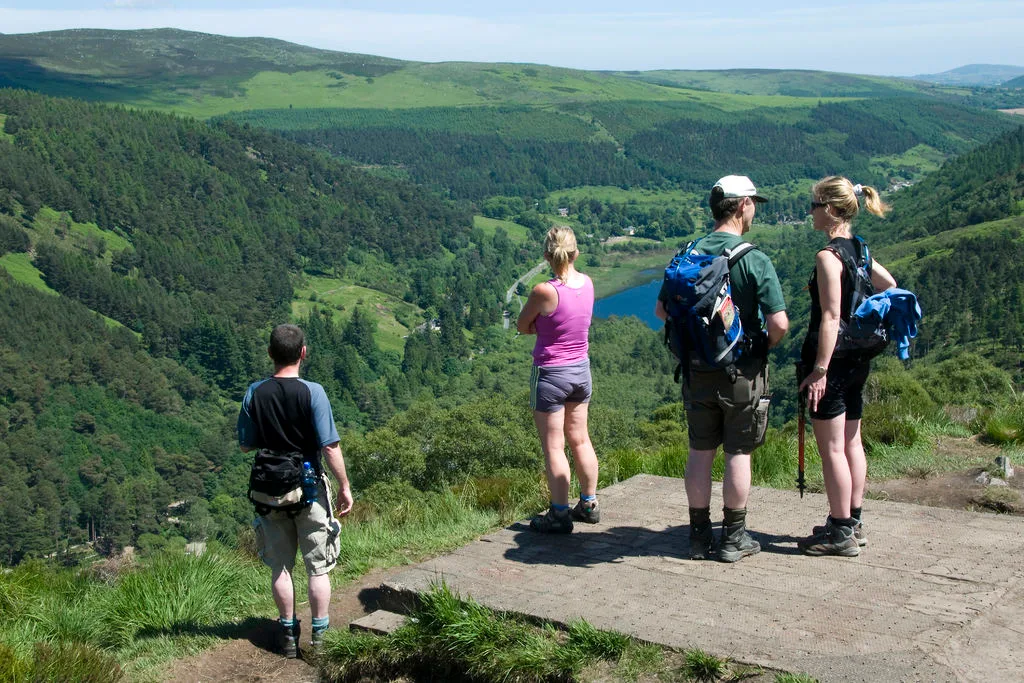
Twelve kilometres on the Barrow Way towpath — flat, smooth, sheltered from the wind — is a pleasant half-day stroll. Twelve kilometres on the Wicklow Way from Glenmalure to Glendalough, with 600 metres of climbing through open bog, is a completely different proposition. Same distance, vastly different experiences.
This is the fundamental problem with grading walks by distance. It treats all kilometres as equal, when anyone who has walked in Ireland knows they absolutely are not.
Effort Kilometres: The Number That Actually Matters
The European hiking community has long used a metric called Effort Kilometres (sometimes called "Effort KM" or simply "EK") to solve this problem. The formula is elegantly simple:
Effort Kilometres = Distance (km) + (Elevation Gain in metres ÷ 100)
What this does is convert climbing into equivalent flat distance. Every 100 metres of ascent adds one "kilometre" of effort to the total. So that 12 km Wicklow Way stage with 600m of climbing becomes 12 + 6 = 18 Effort Kilometres — nearly 50% harder than the raw distance suggests.
This isn''t just theoretical. The concept behind it dates back to Naismith''s Rule from 1892, which estimated that walkers cover 5 km per hour on flat ground and need an extra hour for every 600 metres of ascent. The Effort Kilometres formula is essentially the same principle expressed as a single, comparable number.
Here''s what the Effort Kilometres scale looks like in practice:
| Effort KM | Grade | What It Feels Like |
|---|---|---|
| 0–10 | Easy | A comfortable day. You''ll have energy to spare. |
| 10–18 | Moderate | A satisfying walk. You''ll know you''ve been out. |
| 18–25 | Difficult | A proper day on the hill. You''ll sleep well. |
| 25+ | Challenging | A big day out. You''ll need fitness and experience. |
These thresholds align closely with the grading benchmarks used by Mountaineering Ireland and are the basis of the system we use at Walking Holiday Ireland to grade every route and tour.
The Ireland Factor: When the Numbers Lie
Here''s where it gets interesting — and where Ireland genuinely differs from many other walking destinations.
Effort Kilometres work brilliantly on well-maintained trails. But Ireland''s landscape throws curveballs that no formula fully captures. We call these "terrain modifiers," and they''re the reason we sometimes bump a route''s grade above what the raw numbers suggest.
Bog: Ireland''s Great Equaliser
Bog is the defining feature of Irish mountain terrain, and it changes everything about how a walk feels. There are two types you''ll encounter:
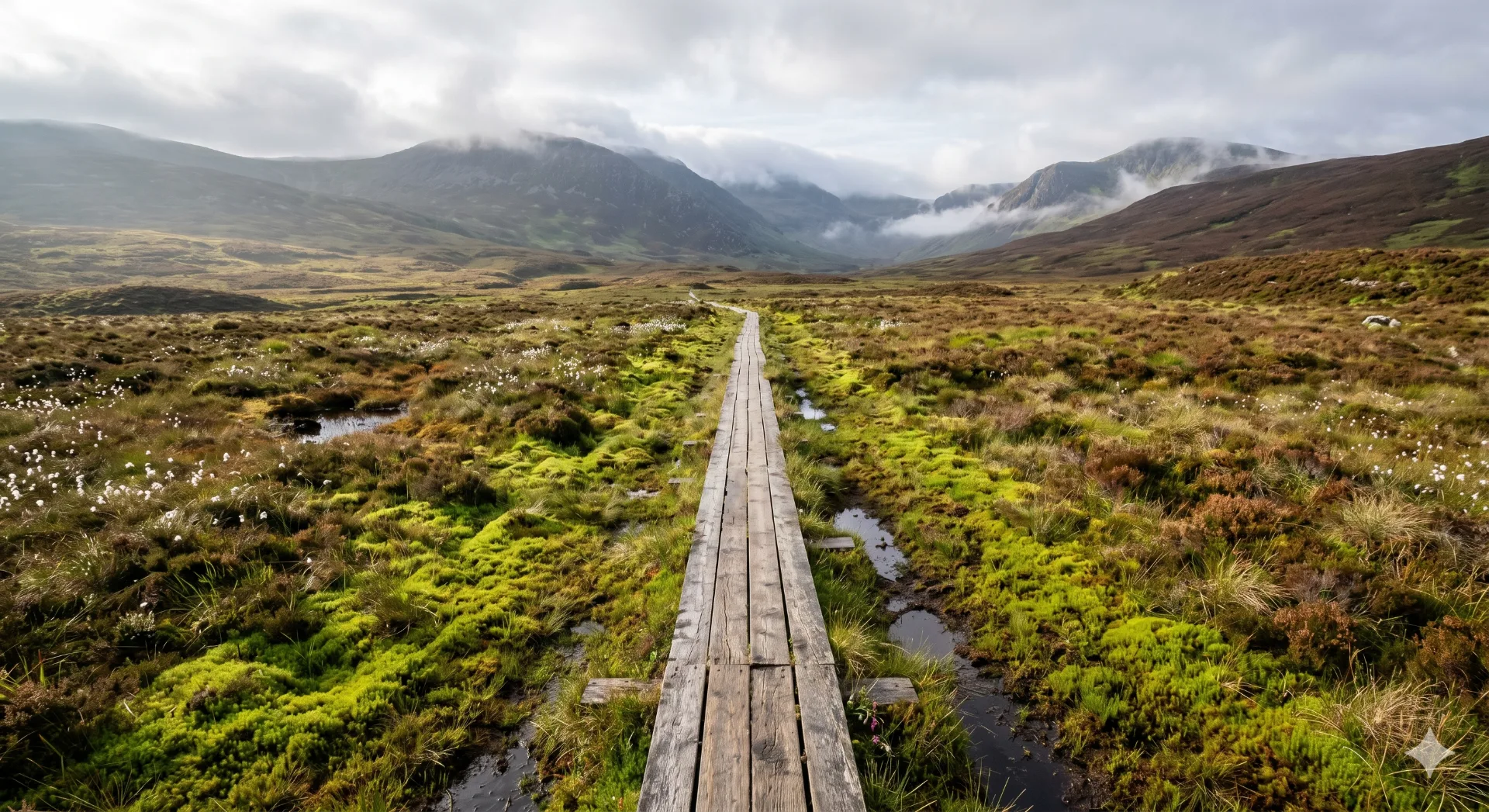
Blanket bog covers the upland areas — a vast, spongy carpet of peat and sphagnum moss that your boots sink into with every step. Walking through it is like walking on a wet mattress. Your legs work harder, your pace drops, and the effort required is dramatically higher than the same distance on solid ground.
Then there''s the heather. Dense, knee-high heather often grows alongside or on top of boggy ground, adding resistance to every stride. Experienced Irish hillwalkers know that one kilometre through heavy bog and heather can feel like three kilometres on a good path.
Descent: The Forgotten Difficulty
Most difficulty systems focus heavily on climbing, and rightly so — going uphill is hard work. But in Ireland, the descents deserve equal respect.
Steep descents on wet, grassy slopes are notorious for being slippery. Rocky descents on mountain paths like those in the Mournes or the MacGillycuddy''s Reeks demand constant attention to foot placement. And long descents after a big climb are where tired knees start to protest. Elevation loss (sometimes written as D-) is often overlooked in difficulty calculations, but it''s a significant factor in how your body feels at the end of the day — and the next morning.
Weather: The Wild Card
There''s no way to grade for weather, but it''s worth understanding how dramatically it can change the experience. Ireland''s mountains sit directly in the path of Atlantic weather systems, which means conditions can shift rapidly. A moderate route on a calm, clear day can feel genuinely difficult when visibility drops, wind picks up, and paths turn into streams.
The practical implication? Always prepare for one grade above what you''re expecting. If your planned route is graded Moderate, carry the gear and the mindset for Difficult — just in case.
Exposure and Navigation
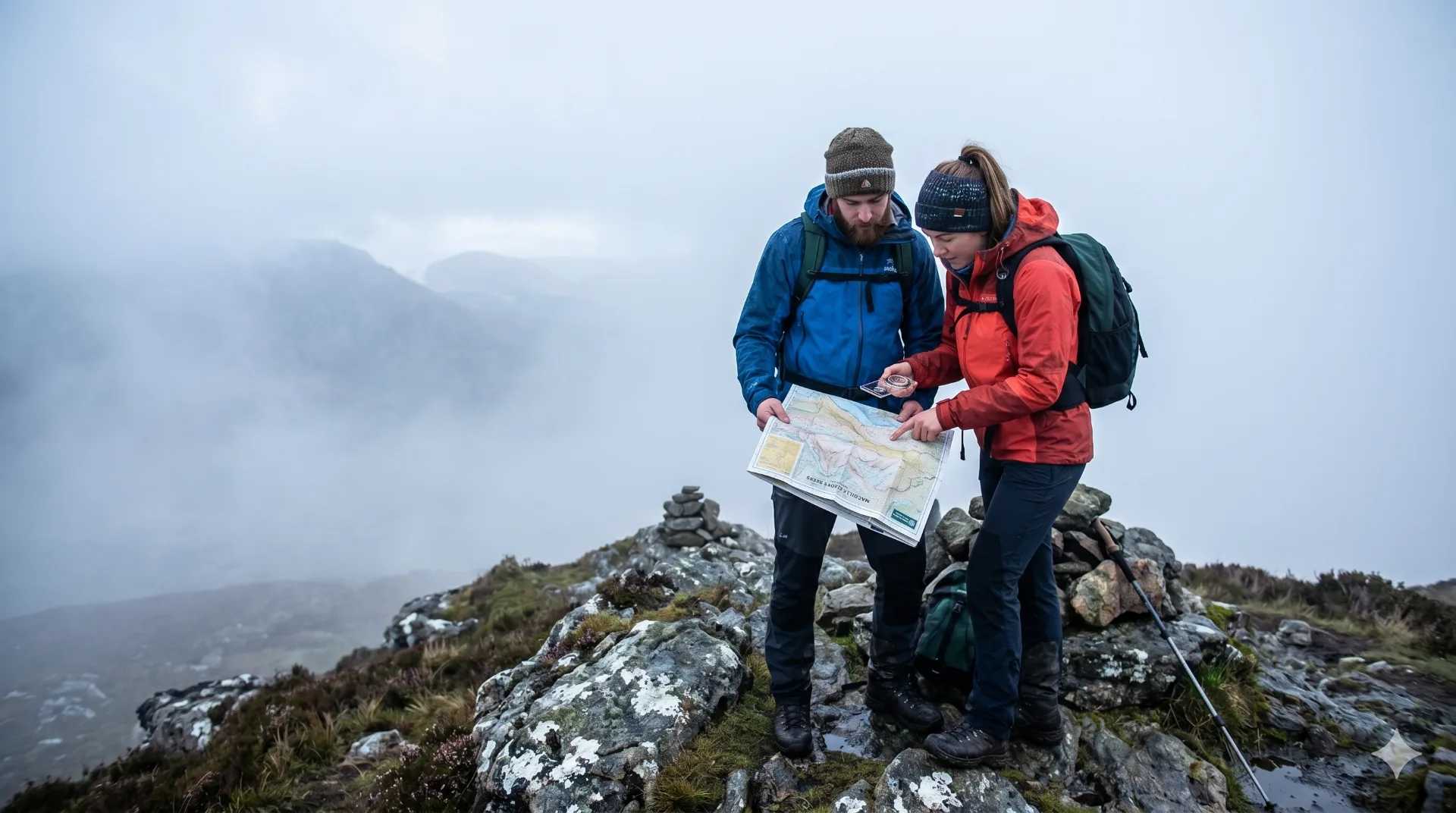
On some Irish routes, particularly ridge walks and open mountain traverses, the trail is more of a general direction than a defined path. In clear weather this is fine — you can see where you''re going. In low cloud, which is common above 500 metres, it can become genuinely challenging to navigate, even with a GPS device.
Exposure to wind is another factor. Ireland is windy. Spectacularly, persistently windy. A ridge that''s a pleasant stroll in calm conditions becomes a battle when a 60 km/h gust catches you on an exposed section.
Putting It All Together: Real Irish Examples
To bring this to life, here are some well-known Irish walking stages and how they score:
| Route | Distance | Elevation | Effort KM | Terrain | Effective Grade |
|---|---|---|---|---|---|
| Barrow Way: Graiguenamanagh to St Mullins | 10 km | 50m | 10.5 | Towpath | Easy |
| Wicklow Way: Knockree to Roundwood | 14 km | 350m | 17.5 | Forest tracks, some bog | Moderate |
| Wicklow Way: Glenmalure to Glendalough | 12 km | 600m | 18.0 | Open bog, steep ascent | Difficult* |
| Kerry Way: Kenmare to Killarney | 22 km | 650m | 28.5 | Mountain pass, exposed | Challenging |
| Dingle Way: Camp to Annascaul | 18 km | 550m | 23.5 | Mountain terrain, rough ground | Difficult |
The Glenmalure to Glendalough stage scores 18 EK on paper, which sits right at the Moderate/Difficult boundary. But the heavy bog and exposed mountain crossing push it firmly into Difficult in practice. This is a terrain modifier at work.
What This Means for Planning Your Walk
Understanding how difficulty actually works gives you a much better framework for choosing the right walking holiday. Here are the practical takeaways:
Look at Effort Kilometres, not just distance. A 12 km day with significant climbing is harder than a 20 km flat walk. The EK score tells you this at a glance.
Respect the terrain. If a route mentions bog, heather, or "rough ground," mentally add 15–30% to the Effort Kilometres. Your legs will thank you for the realistic expectation.
Train for consecutive days. The difficulty of a walking holiday isn''t just about any single day — it''s about doing it again tomorrow, and the day after. Your preparation should include back-to-back walking days, not just occasional long hikes.
Check the hardest day, not just the average. A tour graded "Moderate" might average 14 EK per day but include one stage that hits 22 EK. That one day sets your preparation bar.
Factor in descent. If your knees are your weak point, pay attention to routes with significant downhill stretches. Trekking poles make a remarkable difference on Irish descents.
The Honest Answer
So, how hard is hiking in Ireland? The honest answer: it depends enormously on which route you choose and what the weather does on the day. Ireland has walks for absolute beginners and walks that will challenge seasoned mountaineers. The landscape is endlessly varied, from gentle canal towpaths to rugged mountain ridges.
What Ireland doesn''t have is fake difficulty. There are no manicured switchbacks to make a climb feel easier. The terrain is what it is — sometimes rough, often wet, always beautiful. And when you reach the summit or the end of the day''s walk, the sense of achievement is real because the effort was real.
That, we think, is exactly the point.
Planning your first walking holiday in Ireland? Explore our beginner-friendly trails to see which route matches your level, or get in touch — we''re always happy to talk you through the options and help you find the right trail.
Photo Gallery