Mountains of Mourne: The Song, the Story, and the Walk
My name is Cliff, and I run Walking Holiday Ireland. There are songs about Ireland that make you want to visit, and then there's the Mountains of Mourne — a song that makes you want to lace up your boots and walk. Percy French wrote his famous ballad in 1896, Don McLean brought it to a new generation on his American Pie album in 1971, and the mountains themselves have been drawing walkers to County Down for as long as people have had legs. The song is beautiful. The mountains are better.
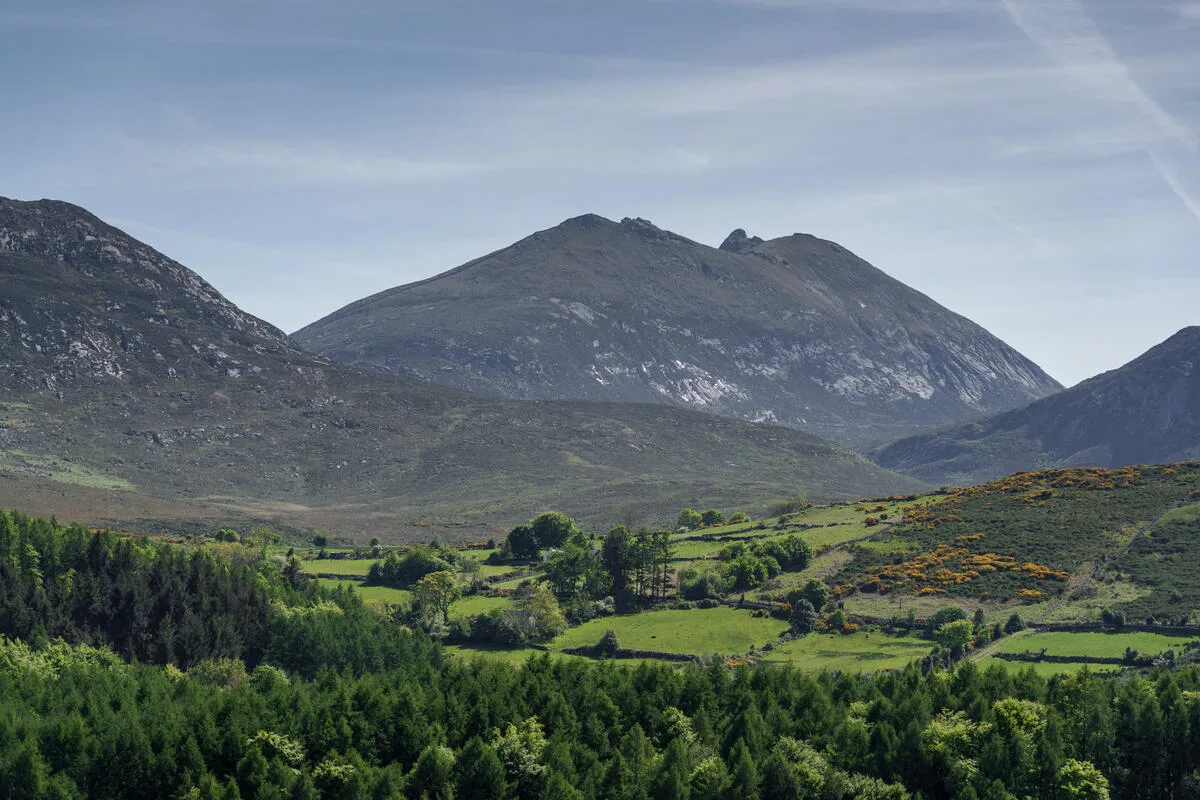
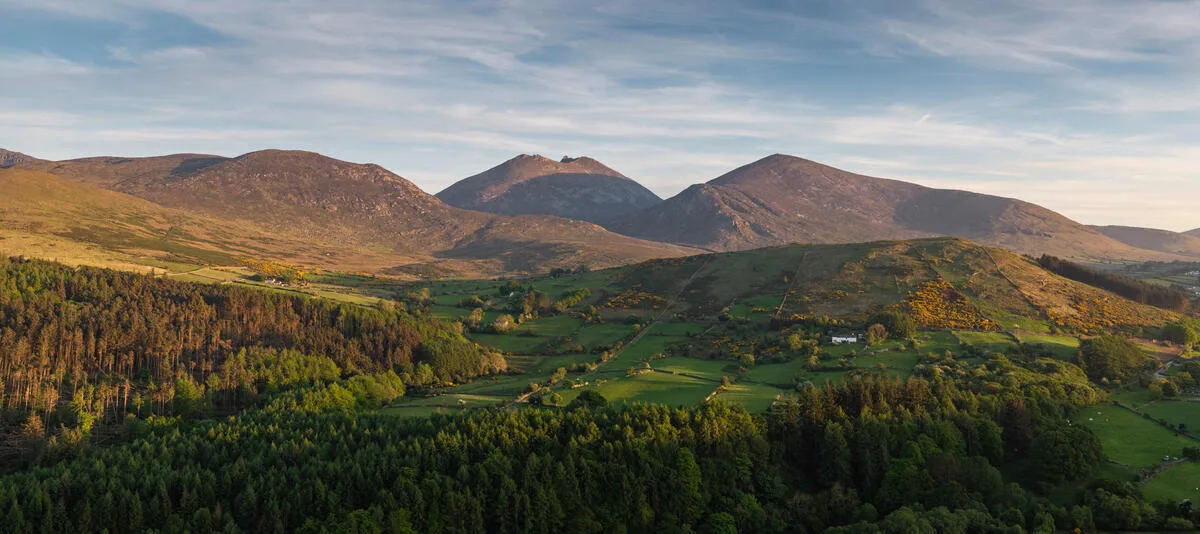
The Mourne Mountains rise from the coast of County Down in Northern Ireland, a compact granite range with twelve peaks over 600 metres. Slieve Donard, the highest at 850 metres, stands right above the seaside town of Newcastle. On a clear day from the summit, you can see the coastline curving south toward Carlingford Lough, the Irish Sea stretching to the Isle of Man, and the hills of Wicklow far to the south. The mountains of mourne sweep down to the sea, just as Percy French wrote — and walking here, you see exactly what he meant.
The Song and Its Story
Percy French was one of Ireland's most loved songwriters and entertainers in the late 19th and early 20th centuries. He wrote "The Mountains o' Mourne" in 1896 as a comic letter from an Irishman working in London back to his sweetheart Mary in County Down. The narrator describes the strange sights of London — the ladies painting their faces, the digging of tunnels, the king in his golden crown — but keeps returning to the same thought: none of it compares to where the mountains of mourne sweep down to the sea.
The mountains of mourne lyrics capture something real about the Irish experience of emigration — the pull of home, the feeling that no matter how grand the wider world might be, the place you come from holds something that can't be matched. French wrote from experience. He knew the Mournes, he knew the people who left them, and the song landed because it was true.
Don McLean recorded his version for the American Pie album in 1971, slowing the tempo and giving it a warmth that introduced the song to audiences worldwide. McLean's version is the one most people know today, and it turned a Victorian Irish ballad into a folk standard. Other artists — from Ruby Murray to The Clancy Brothers to Nana Mouskouri — have recorded it over the decades, but the song always comes back to the same image: those mountains, that sea, and the ache of missing home.
The Mourne Mountains — A Walker's Landscape
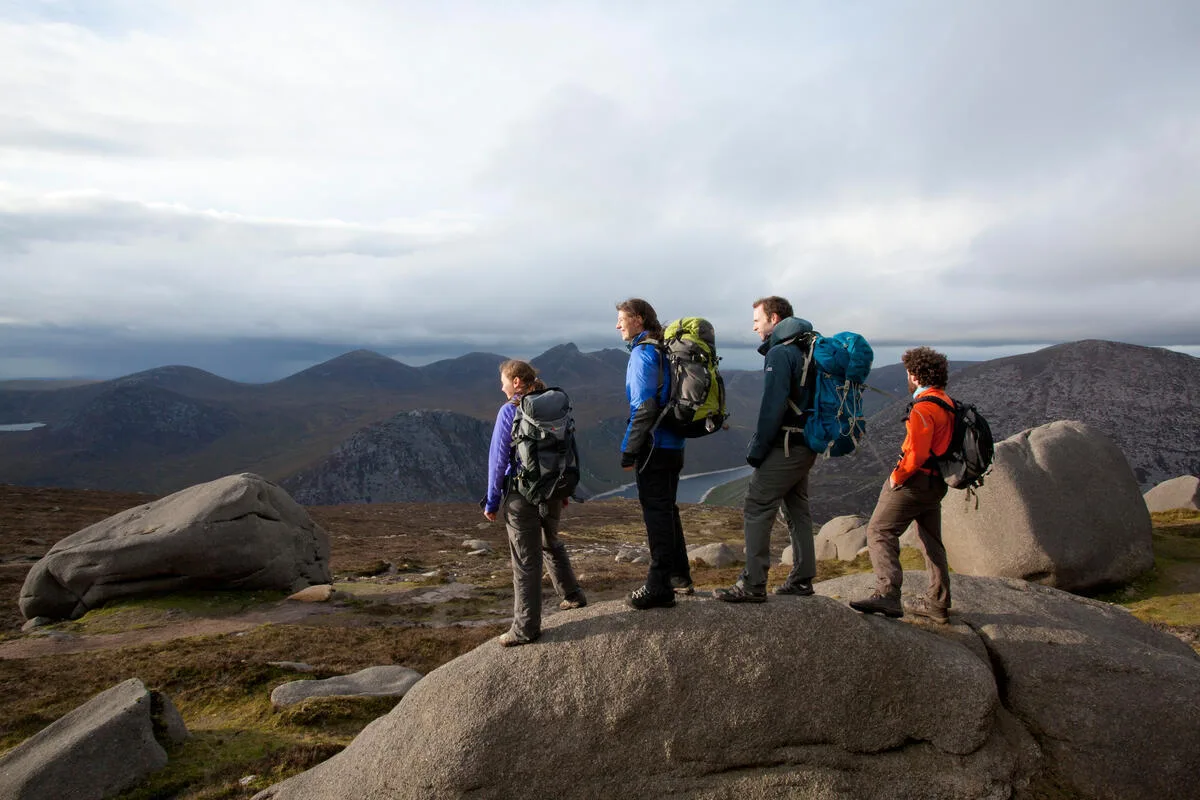
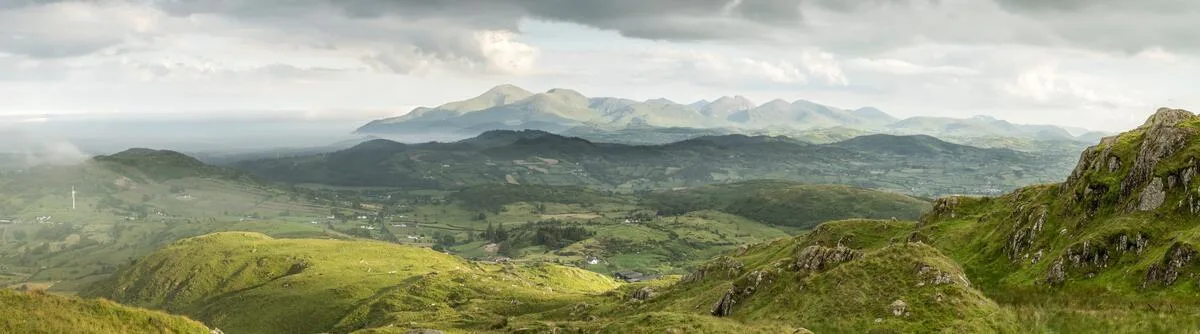
The mourne mountains are one of the finest walking areas in Ireland and Northern Ireland. The range covers about 15 km by 8 km, but within that compact area you get granite peaks, heather-covered hillsides, dry stone walls, reservoirs, forest parks, and views that take in the sea on three sides.
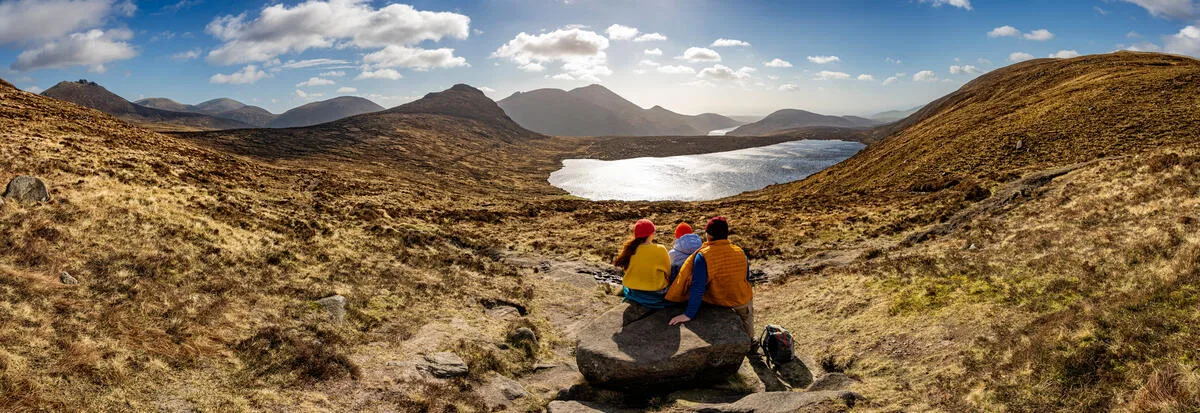
Slieve Donard is the highest peak and the one most walkers head for first. At 850 metres, it's the highest point in Northern Ireland and the highest in the province of Ulster. The most popular route starts from Donard car park on the edge of Newcastle, follows the Glen River through Donard Forest, and climbs steadily to the col between Donard and Slieve Commedagh before the final ascent to the summit. Allow 4 to 5 hours for the round trip. The views from the top on a clear day are worth every step.
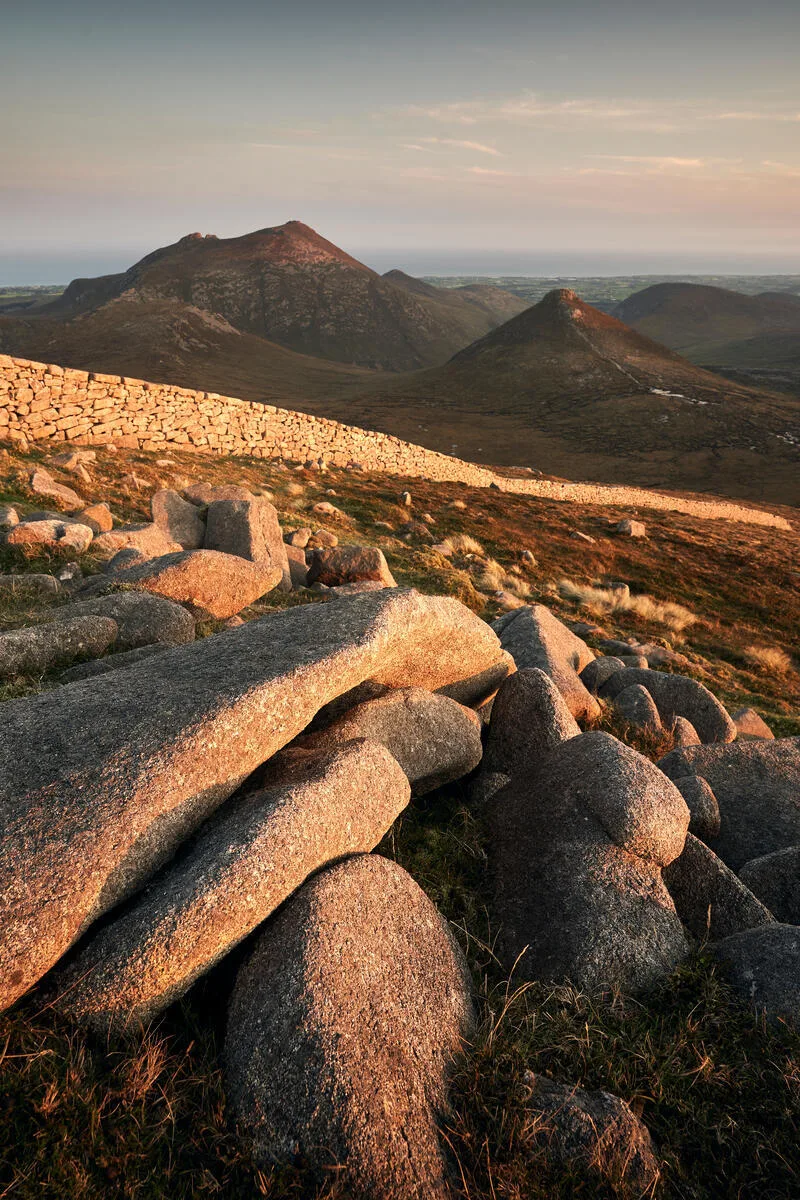
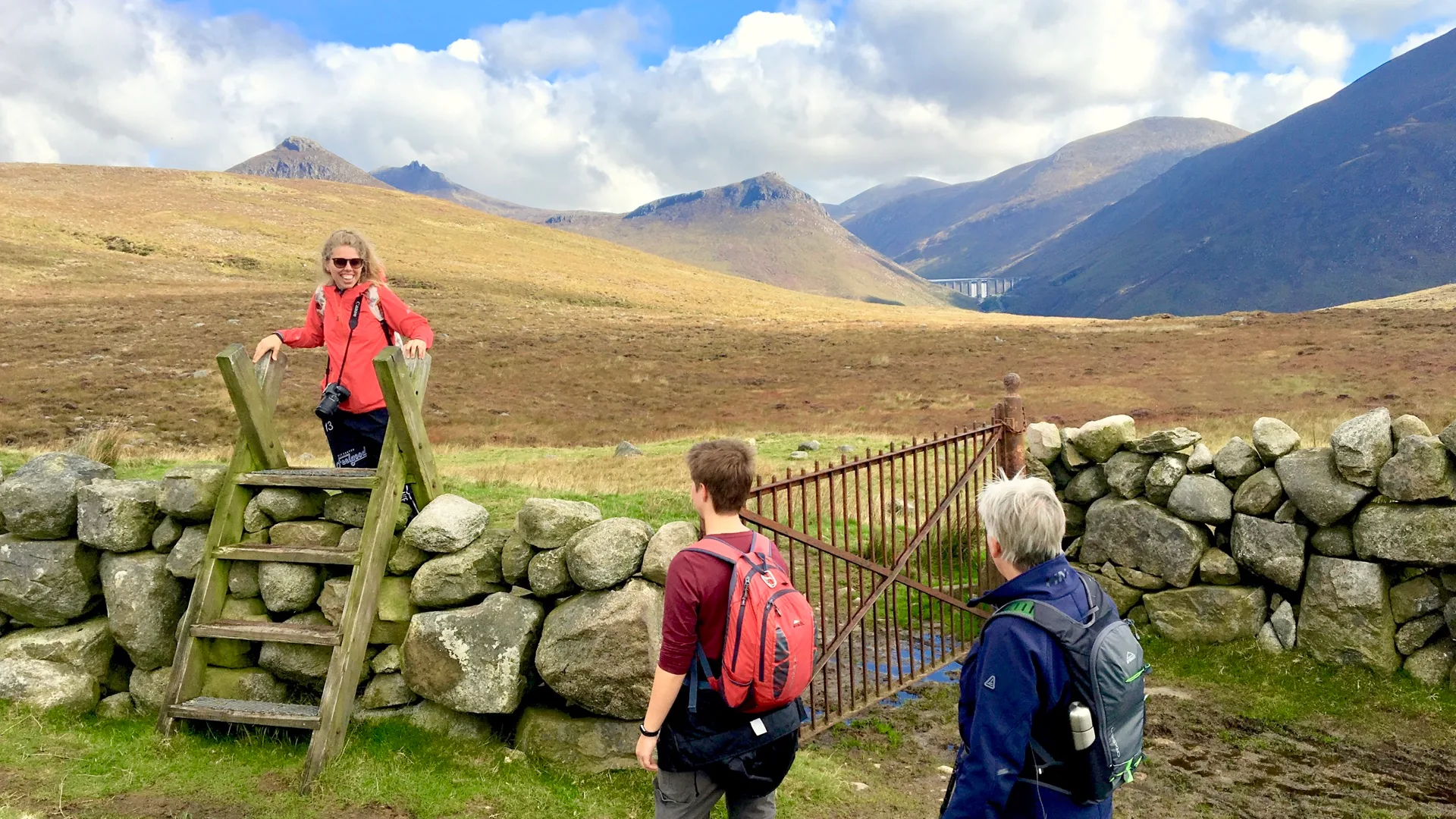
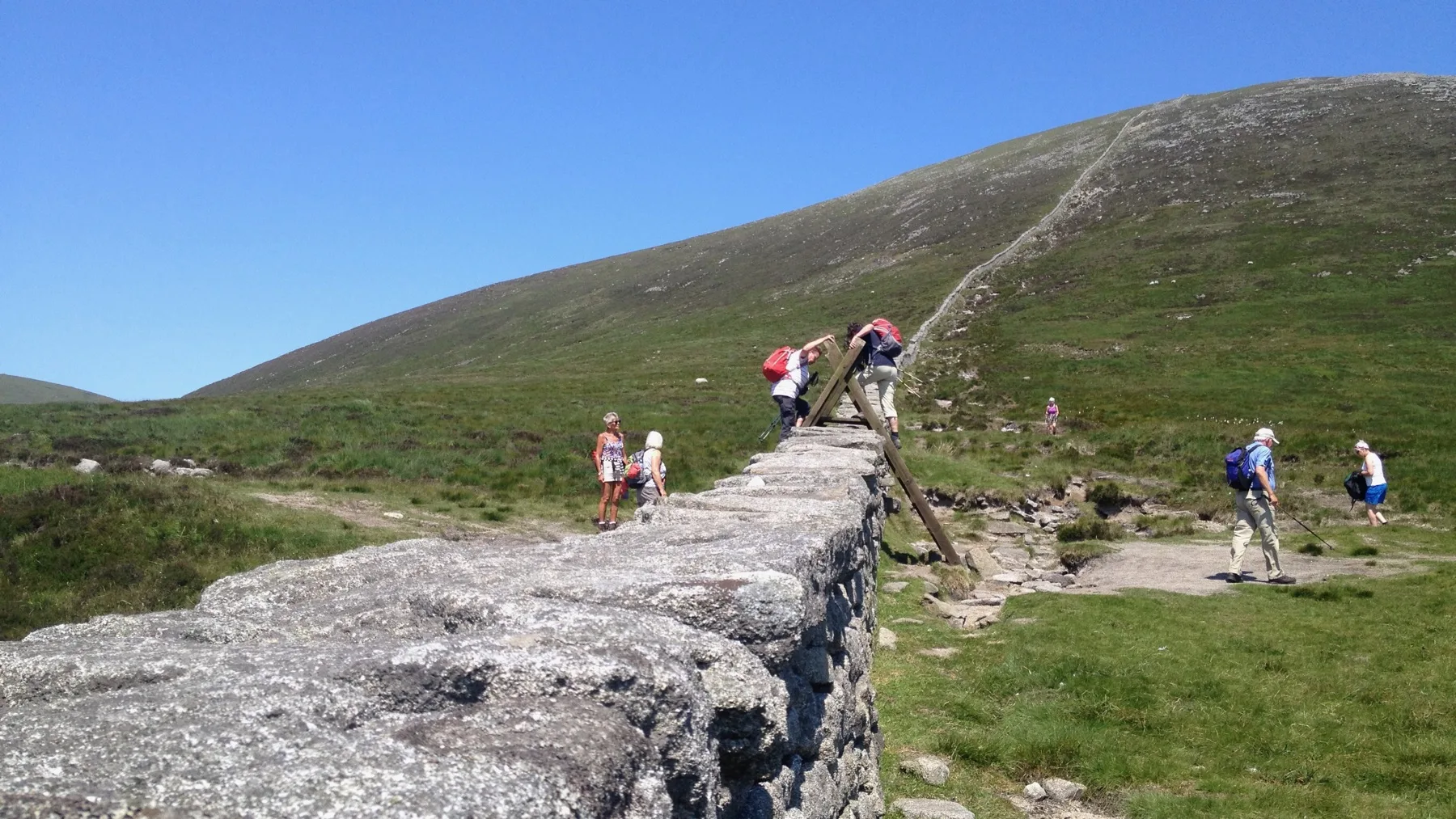
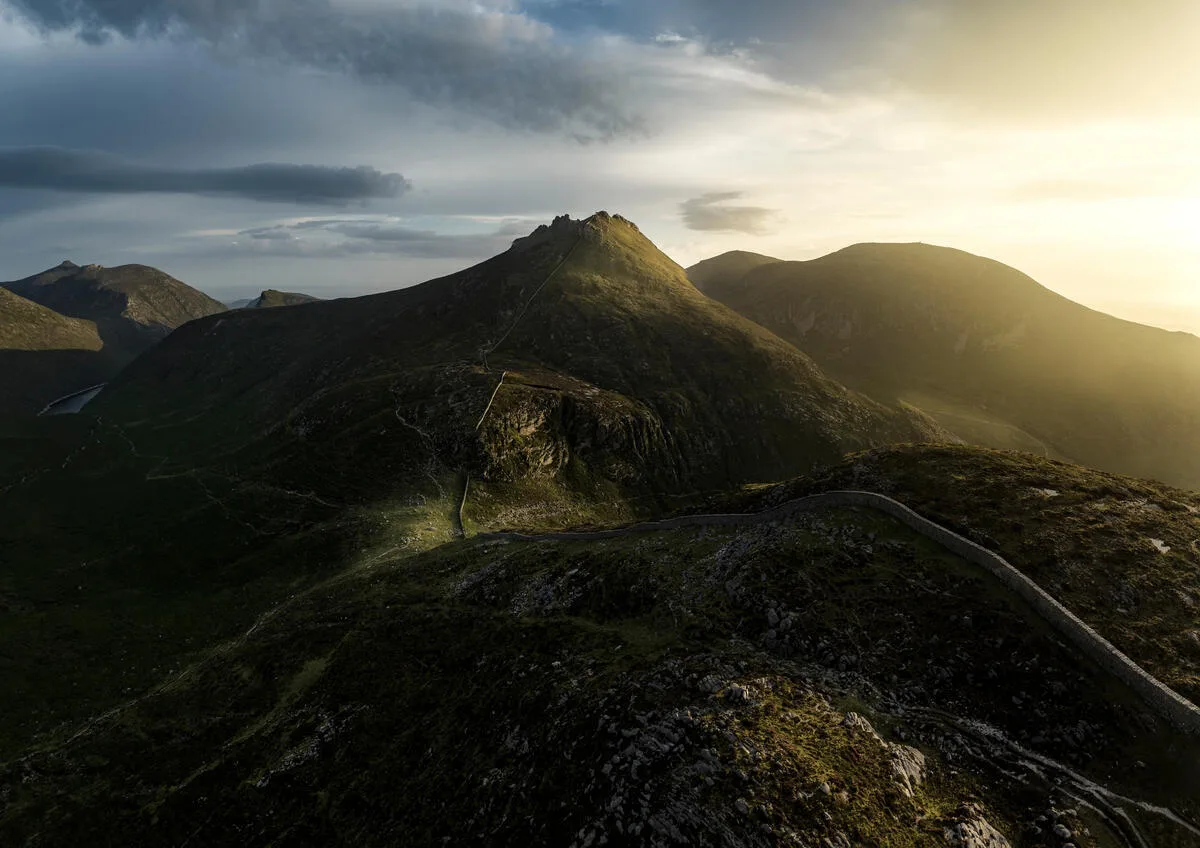
The Mourne Wall is one of the great sights in the range. Built between 1904 and 1922 to enclose the Silent Valley reservoir catchment area, this dry granite wall stretches 35 km across 15 mountain summits. Walking alongside it on the high ridges gives you a constant companion and a navigational guide through terrain that can be featureless in mist. The full Mourne Wall Walk is about 35 km and takes experienced walkers a full day — it's one of the classic challenge walks in Ireland.
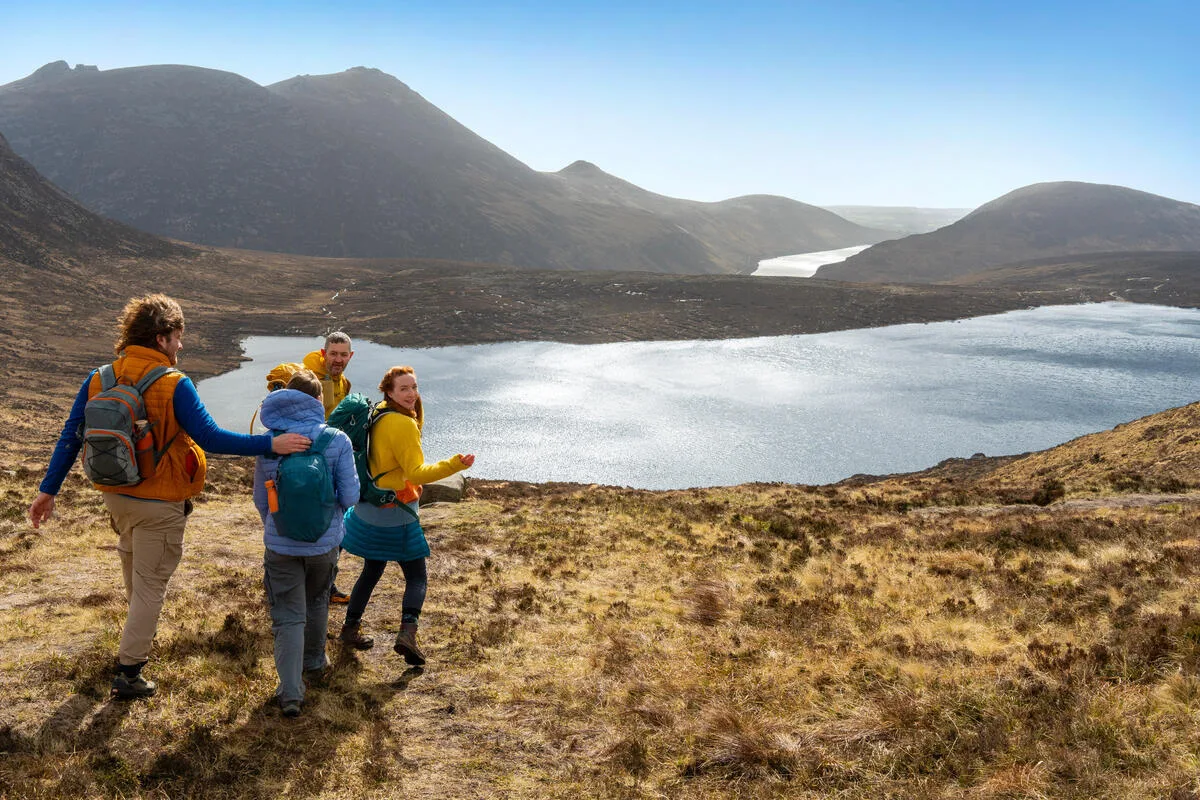
For something gentler, the trails around Silent Valley reservoir offer easy lakeside walking with mountain views on all sides. The park has marked paths, picnic areas, and a shuttle bus that runs further into the valley in summer. It's a good option for families or walkers who want the Mourne scenery without the summit climbs.
Best Walks in the Mournes
Beyond Slieve Donard and the Wall Walk, the mourne mountains have walks for every level.
Slieve Binnian is often called the most beautiful mountain in the Mournes. Its granite tors — weathered rock formations on the summit ridge — give it a distinctive profile, and the views down to the Blue Lough and out to sea are spectacular. The walk from Carrick Little car park takes about 4 hours for the round trip.
The Brandy Pad is an old smugglers' route that crosses the mountains from the Hare's Gap between Slieve Bearnagh and Slieve Commedagh. The path is well-worn and atmospheric — you're following in the footsteps of men who carried brandy, tobacco, and silk over these mountains to avoid the customs men on the coast.
Tollymore Forest Park sits on the northern slopes of the Mournes above Newcastle. The forest has waymarked trails through mature woodland alongside the Shimna River, with stepping stones, bridges, and views up to the mountain summits. Tollymore was used as a filming location for Game of Thrones — the Haunted Forest scenes were shot here — and the ancient trees and mossy paths make it easy to see why. The trails range from 2 to 8 km and suit all fitness levels.
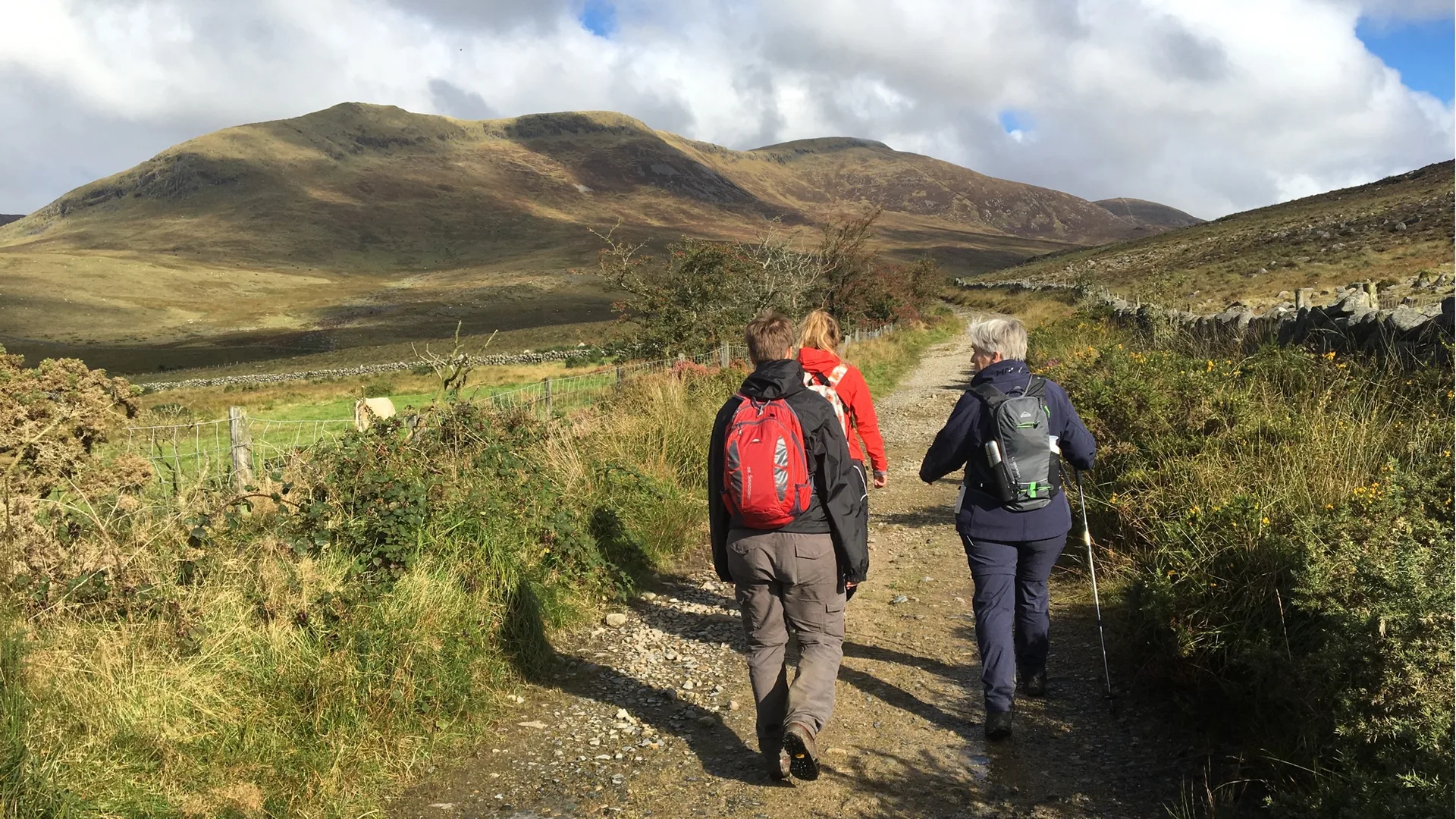
Wear good hiking boots for anything above the forest parks. The higher Mourne paths are rocky and can be boggy in wet weather. Our packing list covers everything you need for a day in the mountains.
Newcastle and the Mourne Coast
Newcastle is the gateway town for the Mourne Mountains and one of the best-placed seaside towns in Ireland. The mountains rise directly behind the town, and a long sandy beach stretches in front. You can walk on the beach in the morning and be on the summit of Slieve Donard by afternoon.
The town has plenty of accommodation, restaurants, and outdoor shops. The Mourne Heritage Trail runs through the area, and the Granite Trail links several walking routes across the range. Newcastle is also close to Castlewellan Forest Park, which has a lake trail, a peace maze, and more woodland walking.
South of the Mournes, Carlingford Lough separates Northern Ireland from the Republic. The lough is a beautiful sea inlet with the mountains on one side and the Cooley Peninsula on the other. The Mourne Coastal Path follows the shoreline and connects to longer routes through the hills.
Planning Your Visit
The Mourne Mountains are about 45 minutes south of Belfast and about 90 minutes north of Dublin, making them accessible from both cities.
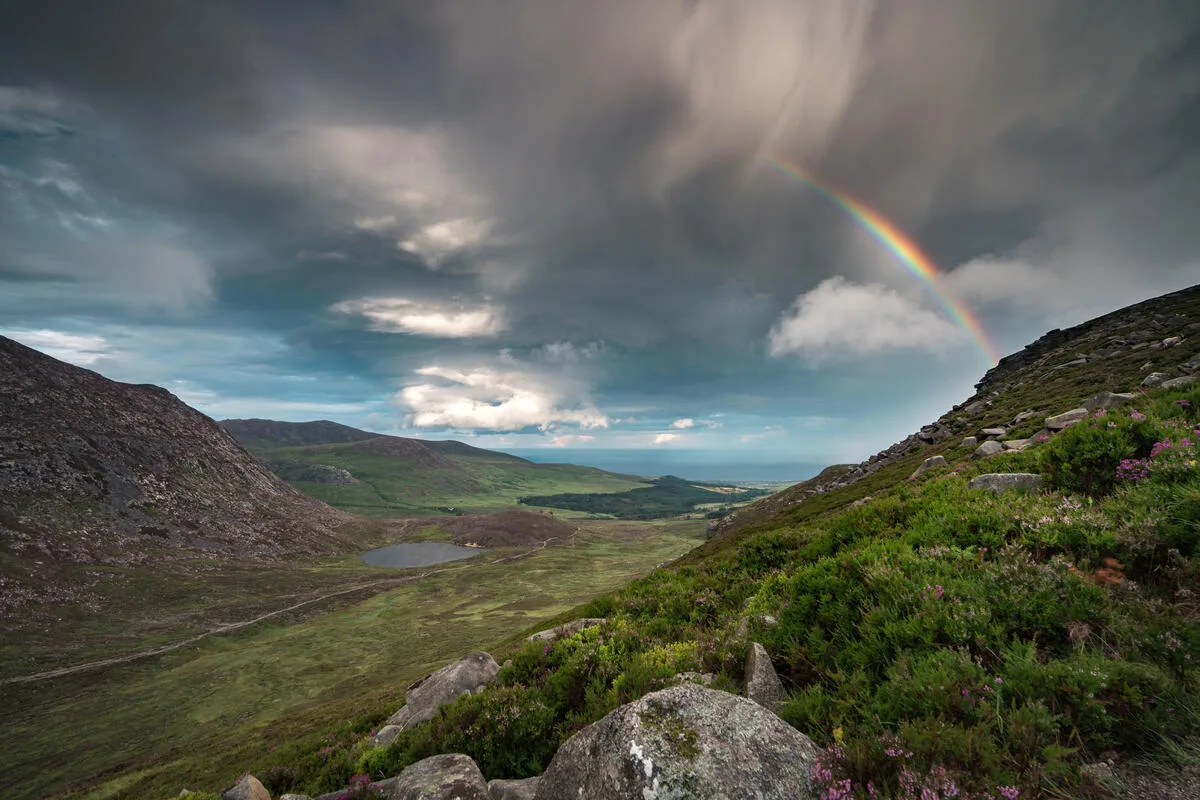
The best time to visit Ireland for walking in the Mournes is April to October. Late spring and early autumn are the finest months — the heather blooms purple in August and September, and the autumn light over the granite peaks is beautiful. Summer weekends can be busy on Slieve Donard, so consider the quieter peaks like Binnian or Bearnagh for more solitude.
The Irish weather in the Mournes can change quickly. Cloud can cover the summits even on days that start clear, and the wind on the ridges can be fierce. Pack layers and waterproofs for any mountain walk. Check our tour grading to find walks that match your fitness.
The Mournes combine well with the Antrim coast and the Glens of Antrim for a walking tour of Northern Ireland. You could spend two or three days in the Mournes, then drive north for the Giant's Causeway, Carrick-a-Rede, and the glens.
We offer self-guided walking holidays that include the Mourne Mountains as part of wider itineraries. We book your accommodation, transfer your luggage, and provide route notes so you can focus on the walking. For walkers who want local knowledge and company, our guided walking holidays pair you with guides who know every peak and path in the range.
Where the Mountains Sweep Down to the Sea
Percy French wrote a song about missing home. Don McLean turned it into something the whole world could feel. But the mountains of mourne themselves are what makes the song true — granite peaks rising above the Irish Sea, stone walls crossing the summits, forest paths leading into quiet valleys, and views that stretch from County Down to the distant hills of Wicklow and beyond.
Walk Slieve Donard for the summit views, follow the Mourne Wall across the ridges, wander through Tollymore's ancient woodland, and stand on the beach at Newcastle looking up at the mountains that inspired one of Ireland's most loved songs. Get in touch with Walking Holiday Ireland and we'll help you plan a trip to the Mourne Mountains that does justice to the landscape Percy French celebrated.
Frequently Asked Questions
Who wrote the Mountains of Mourne song?
Percy French wrote "The Mountains o' Mourne" in 1896. It was later popularised by Don McLean, who recorded it for his American Pie album in 1971. The song tells the story of an Irish emigrant in London writing home to County Down.
How long does it take to climb Slieve Donard?
The round trip from Donard car park in Newcastle takes 4 to 5 hours. The route follows the Glen River through forest before climbing to 850 metres — the highest point in Northern Ireland. Good hiking boots, waterproofs, and reasonable fitness are needed.
Where are the Mourne Mountains?
The Mourne Mountains are in County Down, Northern Ireland, about 45 minutes south of Belfast. The seaside town of Newcastle is the main gateway. The mountains are also about 90 minutes north of Dublin, making them accessible from both cities.
What is the Mourne Wall Walk?
The Mourne Wall Walk follows a dry granite wall built between 1904 and 1922 across 15 mountain summits. The full route is about 35 km and takes experienced walkers a full day. It is one of the classic challenge walks in Ireland and crosses some of the finest ridge terrain in the Mournes.
Can I walk the route described in the song?
Not literally — the song is about a Mourne man working in London, not a particular trail. But you can walk the range itself: the Mourne Wall route, the Brandy Pad and the Mourne Way all give a feel for the country behind the words. Carlingford to the south makes a good base.
What's the best month to hike in the Mournes?
May through September gives the most settled weather, with May and early June the most reliable for visibility. Autumn brings strong colour but more rain. Winter is beautiful, though the tops can hold snow and conditions turn quickly.
Continue exploring
Three companion guides if you're heading north.
Frequently Asked Questions
Are the trails well-marked?
What kind of boots should I wear?
Do your tours cover Northern Ireland as well as the Republic?
What is the most popular route?
Photo Gallery