Safe Water Consumption Tips For Hiking In Ireland
Planning a hike in the beautiful landscapes of Ireland? One crucial thing to remember is staying hydrated while enjoying these wonderful surroundings. However, finding safe water sources can pose quite a challenge for many hikers.
This article sets out to guide you through efficient ways of locating clean water and staying properly hydrated during your exciting Irish journey! Ready to sip your way safely across Ireland's hiking trails? Let's dive in!
Key Takeaways
- Stay hydrated while hiking in Ireland by drinking half to one liter of water per hour and maintaining regular hydration throughout the day.
- Find clean water sources by listening for flowing water, looking for natural water sources like rivers and lakes, collecting rainwater, and filtering and purifying water from these sources.
- Carry an adequate amount of water on your hike, about 1.5 liters per person per day, and monitor your urine color to gauge hydration levels.
- Ensure safe drinking water by boiling it for at least one minute, using purification tablets or drops, filtering with a portable water filter with the NSF Standards 53 or 58 certification, or using a UV water purifier.
Essential Safety Tips for First Time Hikers in Ireland
Start by preparing well for your hike. This will help you to stay safe. The following are some important tips for safe water hiking ireland:
- Always keep dry. This is key for staying warm while hiking in Ireland.
- Prioritize trail safety, especially if this is your first time.
- Follow the Leave no trace idea. This means taking home any litter, food, or waste you have.
- Take extra water with you on your hike. You could also take a water purification system.
- Try to drink half to one liter of water per hour when you are active outdoors.
- Be sure to keep drinking enough water throughout the day to avoid dehydration issues.
Discover more in our complete guide to hiking safety tips and challenges in Ireland.
How to Find Clean Water on a Hike in Ireland
When hiking in Ireland, walk around and listen for flowing water, look for natural water sources such as rivers, streams, and lakes, collect rainwater, and filter and purify water from these sources. This knowledge is essential for maintaining safe water hiking ireland practices.
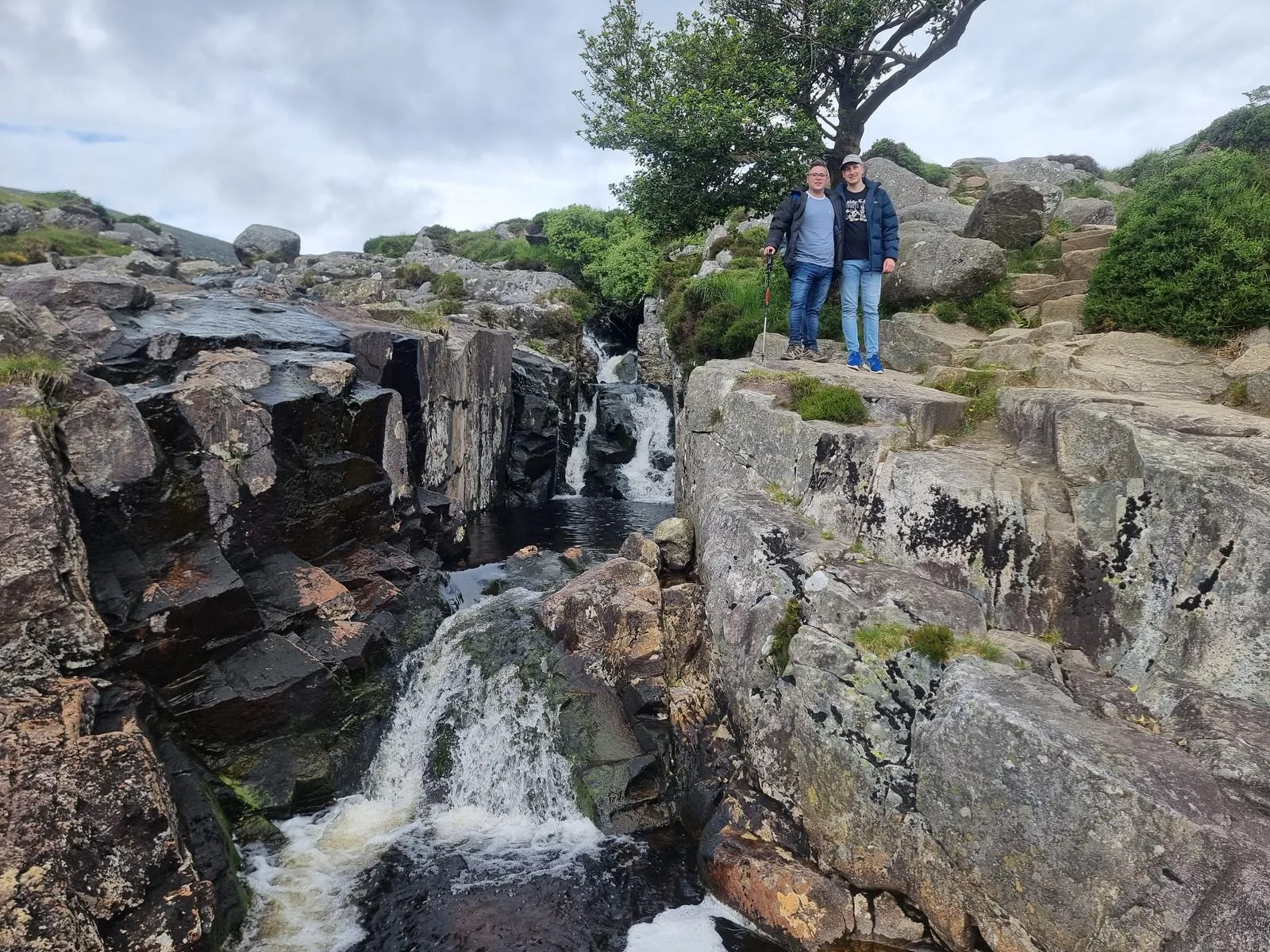
Walk around and listen for flowing water
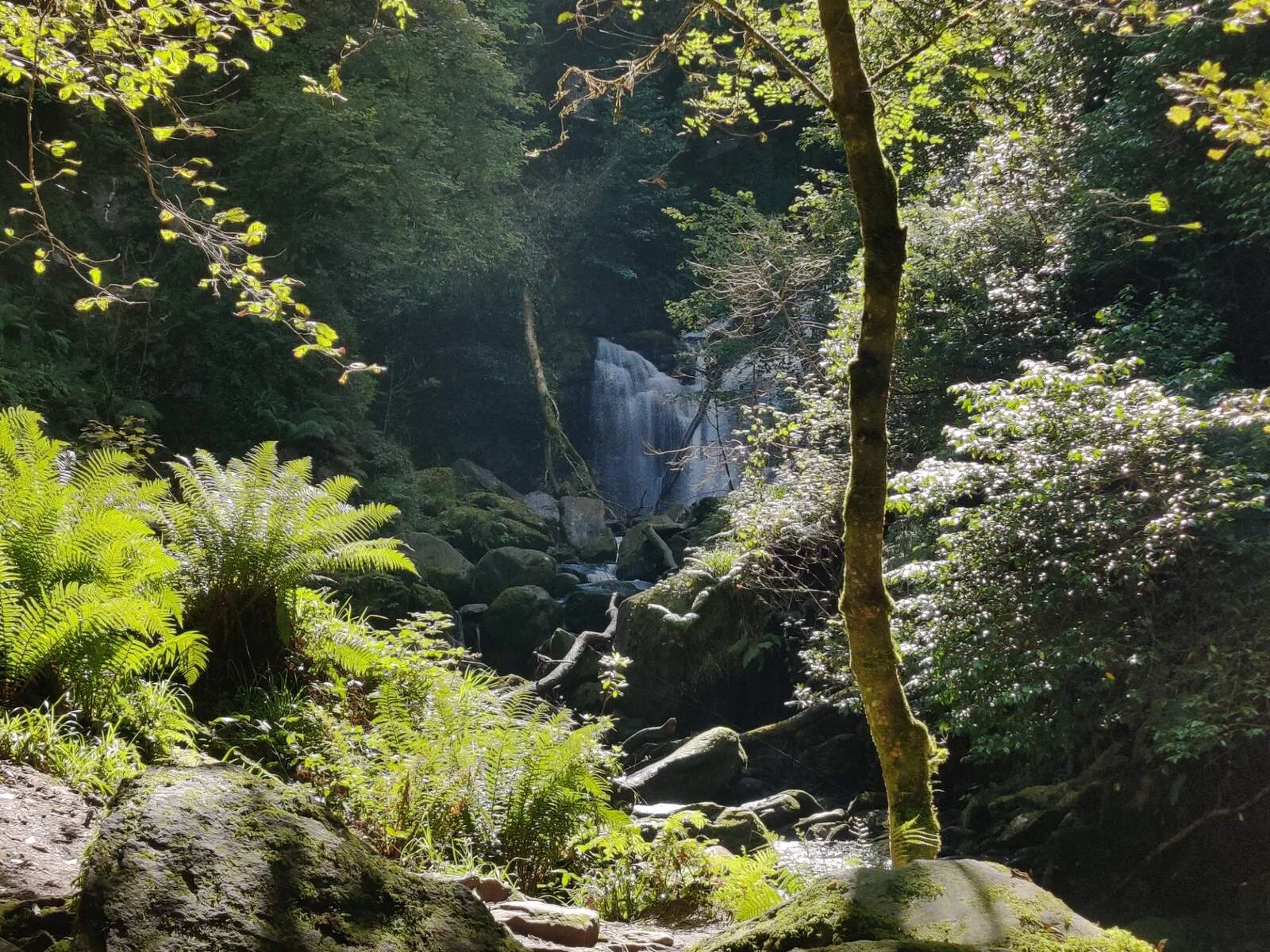
Use your ears to find clean water. The sound of flowing water can tell you where it is hiding. You may hear a stream or river before you see it. Listen for the gentle gush of water moving over rocks.
Move towards the sound. When you find the source, check if the water is clear and fast-flowing. Do not drink from slow or still waters as they may have nasty bugs in them! Fast flowing water above land used by farmers is often safe to drink but always filter it first, just to be sure.
Look for natural water sources such as rivers, streams, and lakes
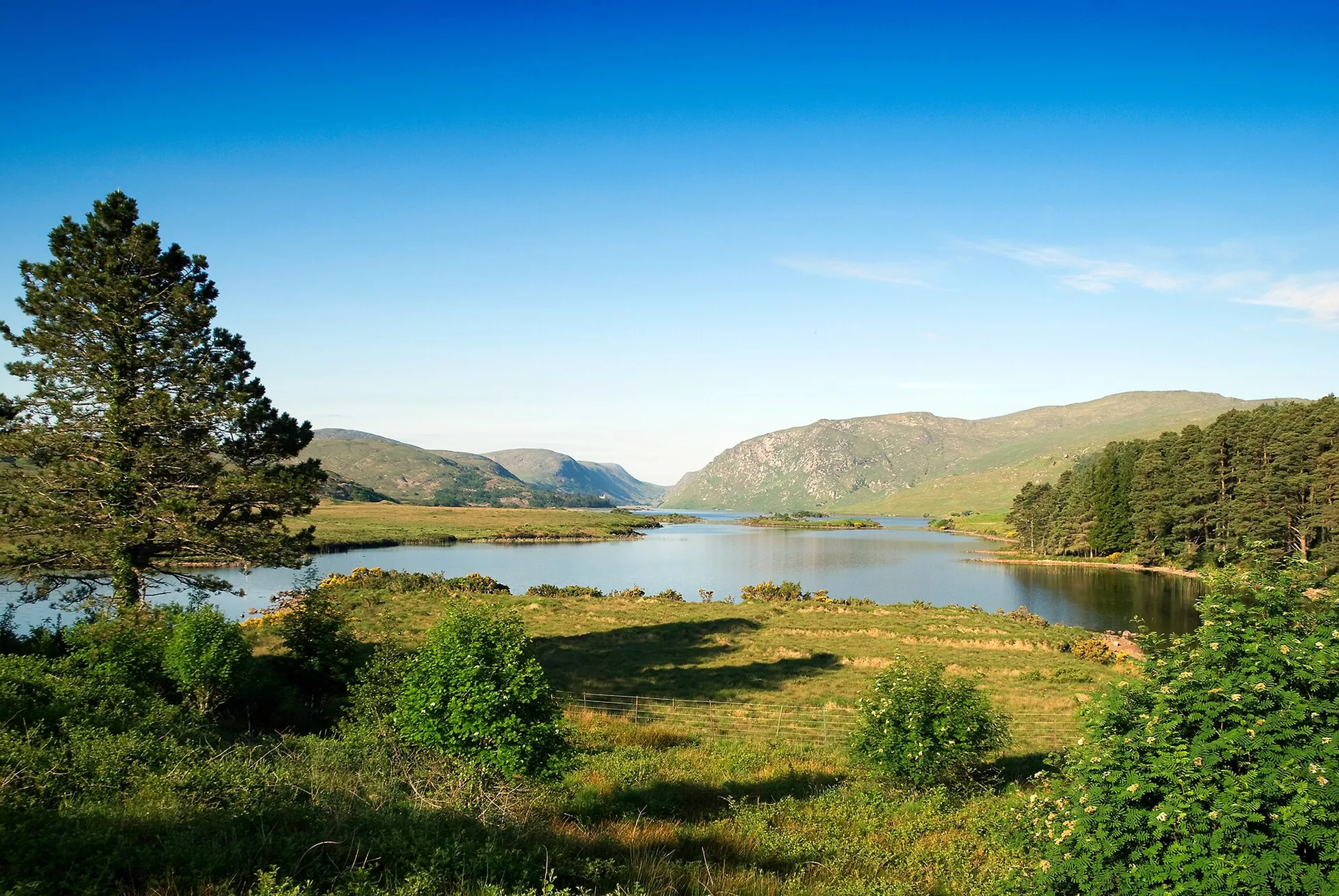
Ireland is rich in water bodies. You can find 84,800 km of river lanes and 12,000 lakes here. When hiking, keep your eyes open for these natural water sources. They offer you clean drinking water when properly treated.
Use topo maps to spot rivers, creeks and springs along your route. Often, valleys and ravines hide running water or groundwater. These untamed sources also give drinkable water after filtering it properly. Understanding these sources helps ensure safe water hiking ireland throughout your journey.
Collect rainwater
Rainwater is good to use on your hike. You can collect it when it rains. Use a clean vessel like a bowl or bottle for this task. Make sure the water won't come into contact with any dirt or bugs that might be around you.
Rain isn't always clean and safe to drink right away, though. It can hold things that make us sick such as bacteria, parasites, viruses, and chemicals if not treated properly after collection.
Boiling the rainwater is one way to kill these harmful microorganisms and make it safe for drinking. This is called purification or treatment of water and ensures we get safe drinking water from rainwater collected during our hikes in Ireland.
Filter and purify water from natural sources
You can make dirty water clean and safe to drink. First, gather the water from natural sources like rivers or lakes. Put a cloth over your bottle to keep out big bits of dirt when you fill it up.
Next, use tools to kill tiny bugs that may be in the water. A LifeStraw is good for this job. It takes out the bad things and 4,000 litres of water can pass through it before you need a new one! Another tool is an MSR Trailshot filter which also works well for hiking trips in Ireland's remote areas.
Boiling water for at least one minute also kills most bugs that can make you sick if your drinking tools are not with you.
Hydration Tips for Hiking in Ireland
Drink regularly throughout the hike to avoid dehydration and maintain optimal hydration levels. Proper hydration is a cornerstone of safe water hiking ireland practices.
Drink regularly throughout the hike
Drinking water is key on any hike. You should sip often, even if you don't feel thirsty yet. Dehydration can creep in when you wait to drink until you're thirsty. Try drinking a small amount every 15 minutes.
Start the hike right by downing one or two cups of water before setting off. Always have enough water for your trip! Carry at least 1.5 liters each day to keep hydrated and full of energy for your adventure in Ireland!
Carry an adequate amount of water
Always carry enough water on your hike. Plan for about 1.5 liters of water each day per person. This should keep you well hydrated until you reach the next water source. Don't take too much though! Water is heavy and can weigh you down if you're not careful.
Think about your route before leaving, try to make sure there are plenty of places where you can fill up along the way. You want just enough to last - not a lot left over at the end of the hike! By following these hydration tips, hiking in Ireland can be both safe and fun!
Monitor your urine color to gauge hydration levels
To stay hydrated during your hike in Ireland, it's important to monitor the color of your urine. The color of urine can indicate whether you are properly hydrated or at risk of dehydration.
Ideally, your urine should be a light straw yellow color. If it is darker, it may mean that you need to drink more water. By checking your urine color regularly, you can ensure that you maintain proper hydration levels for optimal cognitive function and physical endurance throughout your hike.
Avoid excessive caffeine and alcohol consumption
Drinking too much coffee and alcohol can make you dehydrated while hiking in Ireland. Caffeine makes you pee more, which can lead to dehydration. It's best to limit or avoid alcohol when hiking to stay hydrated.
Remember, staying hydrated is important for a safe and enjoyable hike!
Water Filtration and Purification Methods for Safe Drinking
In order to ensure safe drinking water while hiking in Ireland, it is essential to know the various filtration and purification methods available. From boiling water to using purification tablets or drops, there are several effective ways to make sure your water is clean and free of harmful bacteria. Mastering these techniques ensures safe water hiking ireland on every trip.
To learn more about these methods and how they can keep you hydrated on your hike, continue reading.
Boiling water
Boiling water is a simple and effective method to make sure the water you drink while hiking in Ireland is safe. By bringing the water to a rolling boil for at least 1 minute, you can kill bacteria and other harmful microorganisms that may be present.
Boiling water is especially useful when purifying river water, as it can eliminate all bacteria when maintained at a rolling boil for the specified time. Remember to let the boiled water cool down before drinking it.
So, whenever you're unsure about the safety of your water source, boiling it will give you peace of mind knowing that it's free from harmful contaminants.
Using purification tablets or drops
Purification tablets or drops are a convenient and portable option for treating water while hiking in Ireland. They are commonly used by hikers to ensure that their drinking water is safe from contaminants.
These tablets can be easily added to a water bottle, allowing for quick and easy purification. However, it's important to note that while these tablets can kill many harmful microorganisms, they may not protect against certain parasites like cryptosporidium.
So, be sure to follow the instructions provided with the tablets or drops and consider using additional methods of filtration if needed.
Filtering water with a portable water filter
When hiking in Ireland, it's important to have a reliable way to filter and purify water for safe drinking. One effective method is using a portable water filter. These filters are designed to remove impurities and contaminants from natural water sources, making them suitable for outdoor use.
One popular option is the MSR Trailshot, which can be easily carried in your backpack. It uses a hollow fiber filter technology to remove bacteria and protozoa from the water, ensuring that it's clean and safe to drink.
Another important point is that most portable water filters do not remove viruses, so it's essential to check the specifications of the filter before purchasing one. Filters certified by NSF Standards 53 or 58 can effectively remove parasites if used correctly.
The MSR Guardian is considered one of the best filters for purifying contaminated water as it can eliminate viruses as well.
Remember to follow the manufacturer's instructions when using a portable water filter and always ensure that you maintain good hygiene practices while handling filtered water. By filtering your drinking water with a reliable portable filter like the MSR Trailshot or MSR Guardian, you can enjoy clean and safe drinking water during your hike in Ireland without worrying about harmful contaminants or pathogens.
Using a UV water purifier
A UV water purifier can be a reliable method for ensuring safe drinking water while hiking in Ireland. These portable devices use ultraviolet light to kill germs and microorganisms, making the water germ-free and suitable for consumption.
A battery-operated UV purifier is easy to carry and simple to use, requiring no chemicals or additional equipment. With its ability to effectively eliminate a wide range of pathogens, a UV water purifier provides a convenient solution for outdoor enthusiasts seeking clean and purified drinking water on their hikes in Ireland.
Safety Precautions and Other Considerations
Be aware of potential waterborne illnesses and pathogens, pack a backup water supply, stay informed about water sources along your hiking route, and leave no trace to protect the environment.
Be aware of potential waterborne illnesses and pathogens
When hiking in Ireland, it's important to be aware of potential waterborne illnesses and pathogens. Drinking contaminated water can lead to health risks and infections. Water sources may appear clean but could still contain bacteria, viruses, or parasites.
Giardia, also known as "beaver fever," can be found in drinking water due to contamination from wild animal feces. To ensure safe water consumption, take precautions such as filtering or purifying the water before drinking.
Pay attention to any changes in the appearance or smell of the water and address them immediately.
Pack a backup water supply
It's crucial to have a backup water supply when hiking in Ireland. This ensures that you won't run out of clean drinking water during your journey. You never know when unexpected situations may arise, such as getting lost or having delays on the trail.
By packing extra water bottles or water pouches, you can have peace of mind knowing that you'll always have enough hydration to keep going. It's better to be prepared and carry more water than risk running low and potentially putting yourself at risk of dehydration or drinking from unsafe sources.
So don't forget to pack a backup water supply before heading out on your hike.
Stay informed about water sources along your hiking route
To ensure a safe hiking experience in Ireland, it's crucial to be aware of the water sources along your route. Water availability can vary depending on the terrain and season, so it's important to stay informed about where you can find clean water for drinking.
Remember that collecting water from natural sources like rivers, streams, and lakes does not guarantee its cleanliness. Use your own judgment and consider treating the water before consuming it.
If there are limited water sources on your route, make sure to carry enough water with you or plan ahead to collect rainwater if possible. By staying informed about water sources and taking necessary precautions, you can enjoy a hydrated and safe hiking adventure in Ireland.
Leave no trace and protect the environment
Protecting the environment is an important aspect of hiking in Ireland. By practicing Leave No Trace principles, we can minimize our impact on nature and keep it pristine for future generations.
This means packing out all our trash, including food scraps and toilet paper. We should also avoid damaging vegetation by staying on designated trails and not picking or trampling plants.
Additionally, we should respect wildlife by observing them from a distance and not feeding or disturbing them. By being responsible outdoor enthusiasts, we can ensure that Ireland's beautiful landscapes remain untouched by our presence.
Conclusion
In conclusion, when hiking in Ireland, it's important to find clean water sources and stay hydrated. Listen for flowing water and look for rivers, streams, or lakes. Collect rainwater if possible.
Remember to drink regularly throughout your hike and carry enough water. Use methods like boiling, purification tablets or drops, filtration systems, or UV purifiers to ensure the water is safe to drink.
Stay informed about water sources along your route and pack a backup supply. Apply these safe water hiking ireland tips to enjoy your hike safely and responsibly!
FAQs
1. How much water should I drink while hiking in Ireland?
It is recommended to drink at least 2 liters of water per day while hiking in Ireland to stay hydrated.
2. Can I drink water from natural sources like rivers and streams during my hike?
Drinking water from natural sources like rivers and streams can be risky due to potential contamination. It's safer to bring your own purified or bottled water.
3. What are some signs of dehydration that I should watch out for while hiking?
Signs of dehydration include increased thirst, dry mouth, fatigue, dizziness, dark-colored urine, and reduced sweating. If you experience any of these symptoms, it's important to hydrate immediately.
4. Are there any specific times during the hike when I should drink more water?
It is essential to stay hydrated throughout the entire hike but especially during hot weather conditions or intense physical activity moments when you may sweat more. Drink small amounts frequently rather than waiting until you feel very thirsty.
5. Can I use hydration packs or bottles with filters for safe drinking water?
Yes, using hydration packs or bottles with filters can provide a convenient way to purify water on the go while hiking in Ireland. This helps ensure safe consumption by removing impurities and bacteria from natural sources if needed
Ready to Start Your Irish Walking Adventure?
Let us take care of the details — accommodation, luggage transfers, and route notes — so you can focus on enjoying every step of your journey through Ireland's magnificent landscapes.
Photo Gallery