Saint Patrick's Trail: A Pilgrim Walk Through Northern Ireland
I'll never forget standing at the gates of Armagh Cathedral on a soft spring morning, the air still damp from overnight rain, when it suddenly hit me: I was about to walk in the footsteps of Ireland's patron saint himself. The Saint Patrick's Trail isn't just another hiking route through Northern Ireland—it's a 132-kilometre pilgrimage that connects you to fifteen centuries of Irish faith, history, and landscape.
Over the next week, you'll trace the journey from where Patrick established his cathedral in Armagh to Downpatrick, where local tradition says he's buried. What makes this pilgrimage walk unique is that it's not about rushing to destinations; it's about the meditative rhythm of moving through countryside, past ancient forts, and through quiet villages where time seems to move differently.
I've guided dozens of walkers this route, and I can tell you that something shifts when you're following the same pathways that pilgrims have walked for centuries.
What is the Saint Patrick's Trail?
The Saint Patrick's Trail is a waymarked long-distance walking route across County Armagh and County Down that follows sites connected to Ireland's most famous saint. Unlike the Camino de Santiago in Spain, which draws vast crowds, this pilgrimage route remains wonderfully intimate and quiet. The trail is well-marked with distinctive signs, and you'll rarely feel lost—though the occasional moments of navigating muddy lanes add to the authenticity.
Patrick's story shaped Ireland fundamentally. According to tradition, he was a Romano-British slave brought to Ireland as a young man, escaped, returned to Ireland as a missionary, and spent his later life establishing the Christian church across the island. This walk lets you walk between his most significant Irish sites, making it less of a challenge and more of a conversation with history.
What I particularly appreciate about this route is that it's accessible for most fitness levels. Yes, there are hills and boggy sections, but it's not a technical mountain walk. Most walkers I've met complete sections over five to seven days, staying in small towns along the way.
The Route: Armagh to Downpatrick (132km)
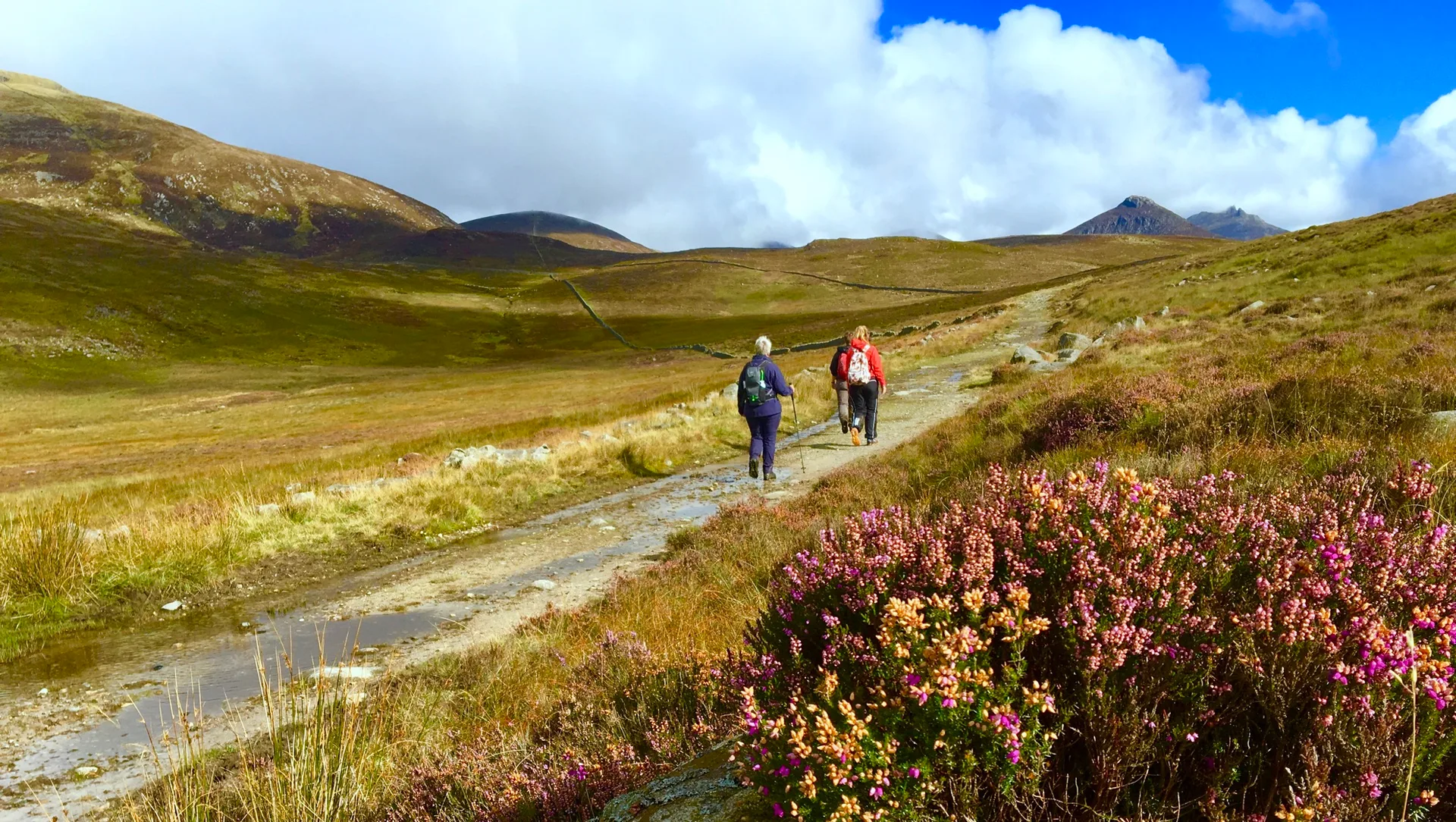
The saint's trail covers approximately 132 kilometres of countryside, quiet roads, and towpaths running southeast from Armagh City to Downpatrick. The terrain is genuinely varied—you'll walk through open moorland, past working farmland, alongside canals, and through several charming villages where you'll likely stop for afternoon tea.
The route follows what's called the "Tochar Phadraig" or "Patrick's Causeway" in Irish tradition, though the modern waymarked trail is more geographically inclusive than the historical path. You're walking through genuine rural Northern Ireland, not manicured tourist infrastructure. Some sections follow quiet country lanes; others take you through fields where you might encounter sheep or cattle (usually very friendly).
Towpaths along the Newry Canal provide flat, easy walking, while the sections approaching Downpatrick bring you into more undulating terrain where the landscape opens up dramatically.
Armagh: Where It All Began
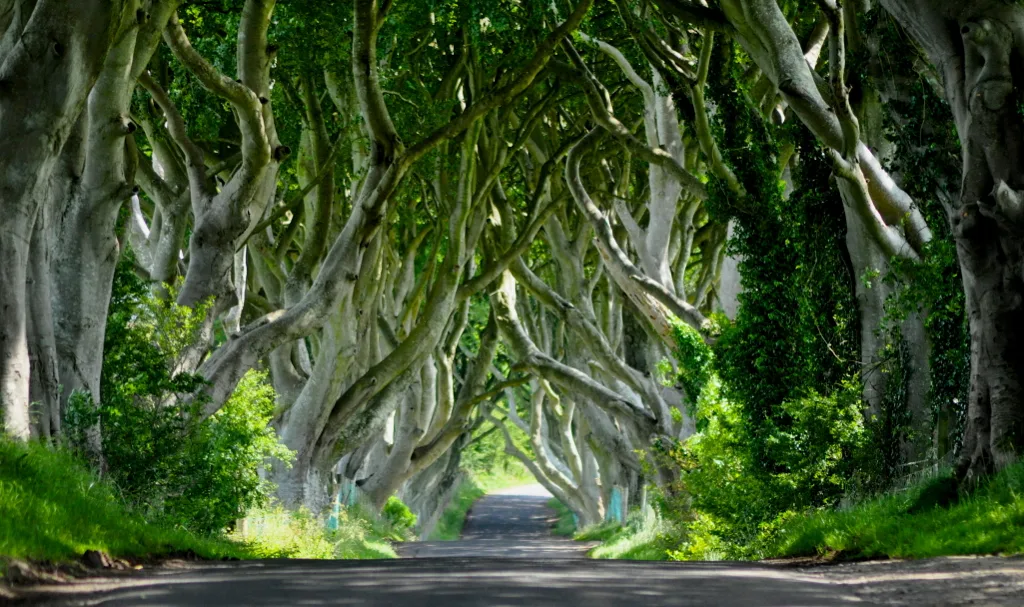
Your pilgrimage starts in Armagh City, cradled in gently rolling hills. Patrick is said to have established his principal church here around 445 AD, making Armagh the spiritual heart of Irish Christianity. The city feels like stepping back several centuries, with narrow streets, fine Georgian architecture, and two cathedrals sitting on opposite hills like ecclesiastical rivals.
I recommend spending an evening in Armagh before you start walking. Visit both the Church of Ireland cathedral and the Roman Catholic cathedral—the contrast tells the story of Irish religious division and, increasingly, reconciliation. The views from either hilltop across the apple-green countryside give you perspective before the walking begins.
Key Stops Along the Route
The pilgrimage walk through Northern Ireland introduces you to several historically significant locations that ground the trail in Patrick's life:
Navan Fort (Day 1-2): This Iron Age fortress about 20 kilometres from Armagh was the seat of the ancient kings of Ulster. Standing inside the massive earthen ring fort, you feel the weight of pre-Christian Irish history.
Banbridge (Day 2-3): A Victorian market town that makes an excellent halfway point. The town was built on wealth from the linen industry, and you can still sense that prosperity in the wide streets and substantial buildings.
Saul (Days 4-5): This small townland about 30 kilometres from Downpatrick is where tradition says Patrick founded his first church in Ireland. The modern shrine here is modest and peaceful, with wonderful views across County Down.
Downpatrick (Day 6-7): Your destination, a market town dominated by Down Cathedral. The cathedral is built on the site where Patrick is believed to be buried.
Daily Walking Sections
Section | Distance | Terrain | Highlights |
|---|---|---|---|
Armagh to Richhill | 16km | Quiet roads and country lanes | Cathedral views, Armagh countryside |
Richhill to Navan | 14km | Field paths, some bog | Navan Fort, ancient history |
Navan to Banbridge | 18km | Mixed countryside and lanes | Rural scenery, market town arrival |
Banbridge to Rathfriland | 16km | Hill sections, field paths | Mountain views beginning |
Rathfriland to Saul | 22km | Moorland, towpath sections | Newry Canal, Saul shrine |
Saul to Downpatrick | 20km | Undulating terrain, quiet roads | Country lanes, cathedral town arrival |
Practical Information for Walkers
When to Walk: Late spring (May-June) and early autumn (September-October) are ideal.
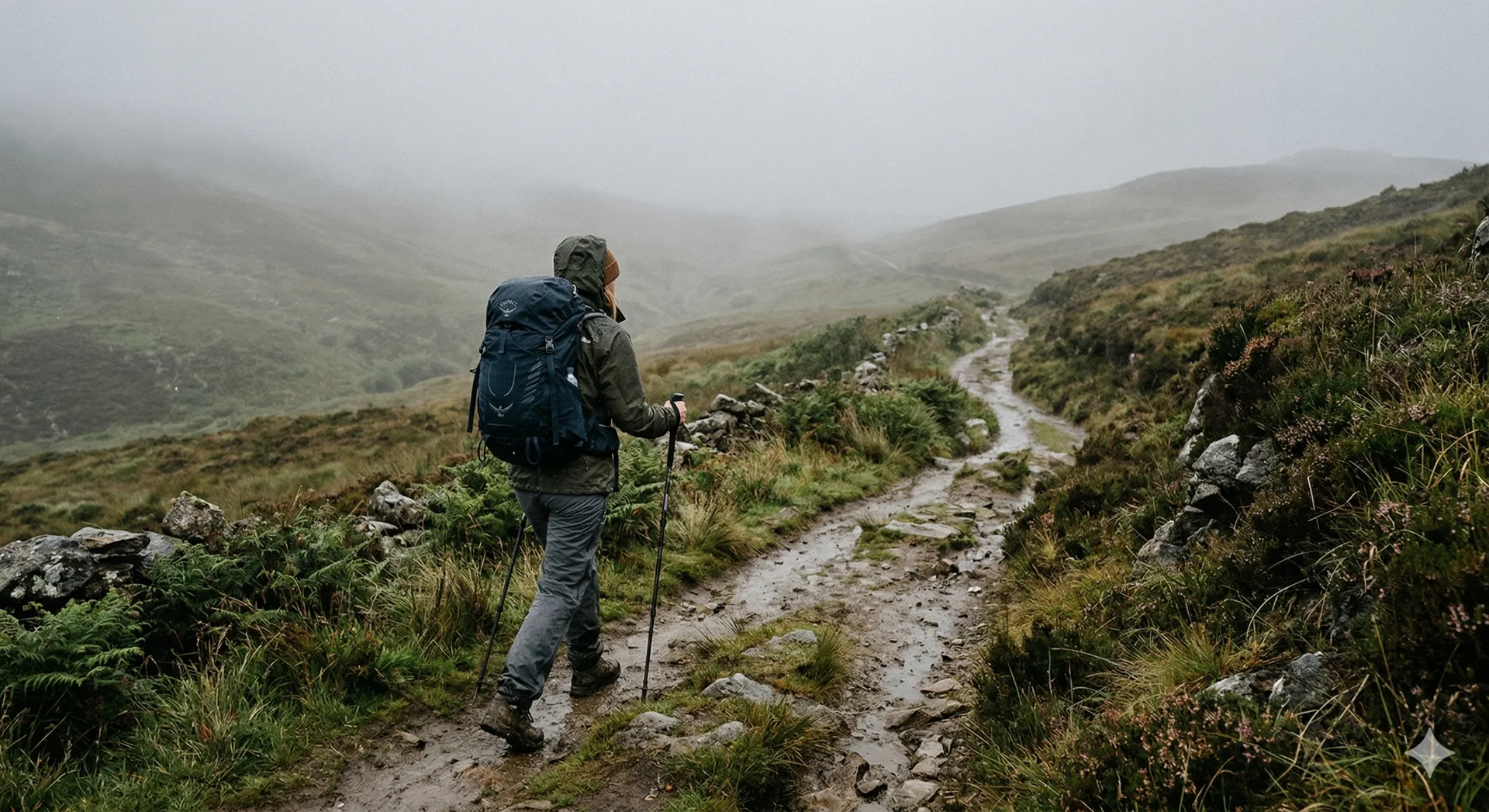
What to Pack: Standard walking gear is essential. Waterproof jacket and trousers, supportive walking boots, and layers.
Accommodation: Guesthouses, small hotels, and Airbnbs in or near every section endpoint. Book ahead. Roughly £60-90 per night.
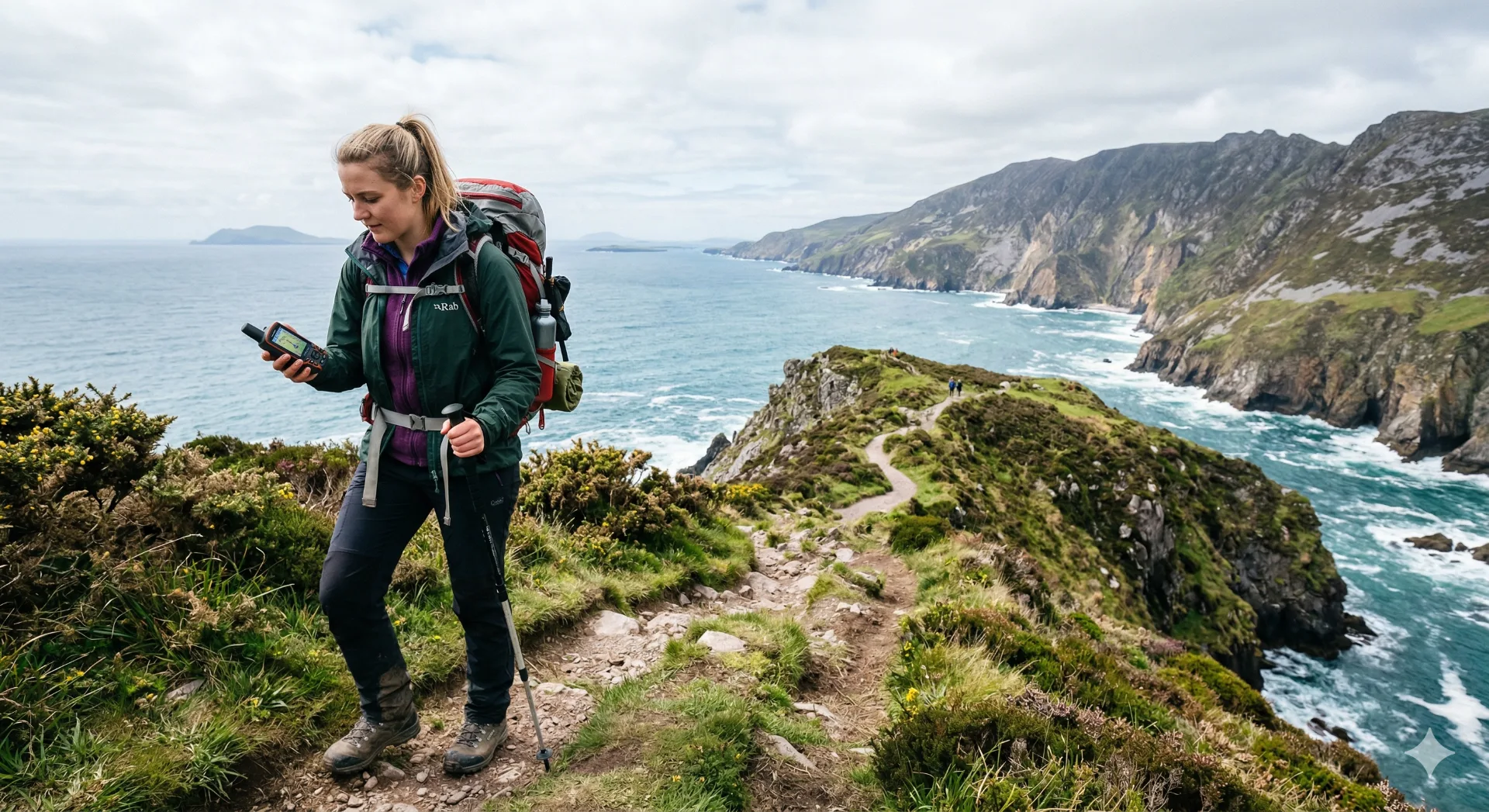
Navigation: Well-signed trail. Self-guided walking in Ireland requires minimal technical skill.
Nearby Walks to Extend Your Journey
The Causeway Coast Way is a spectacular addition. You might also explore the Tochar Phadraig pilgrim walk or consult our guide to Irish pilgrim paths across Ireland.
Frequently Asked Questions
Is the trail suitable for complete beginners?
Absolutely. Daily distances are manageable (16-22km), and the terrain is predominantly gentle. The key is regular training walks beforehand.
Can I walk in winter?
I don't recommend it. Winter brings short daylight hours, frequent heavy rain, and muddy conditions. Late April onwards is better.
Do I need a guide?
No. The trail is well-waymarked. However, a guide enriches the experience. Contact us to discuss guided options.
What's the best time of year?
May through October. June and September are optimal—warm and not too busy. See the best time to visit Ireland.
How much does it cost?
Budget £700-1000 per person for the week, including accommodation, meals, and baggage transfer. Excluding flights.
Final Thoughts on Walking Saint Patrick's Trail
Walking the Saint Patrick's Trail connects you to fifteen centuries of faith, landscape, and the quiet rhythm of pilgrimage. Get in touch and let's plan your pilgrimage.