Discover the 10 Best European Hiking Tours and Trails 2026
Best Hiking in Europe: 10 Walks You Should Do in Your Lifetime
My name is Cliff, and I run Walking Holiday Ireland. I've spent my career in walking holidays, and while Ireland is where my heart is, I've walked trails across Europe and know what makes a great long-distance hike. Europe has the finest walking continent on earth — centuries of trail building, excellent infrastructure, and landscapes that shift from Atlantic coastline to Alpine peaks to Mediterranean vineyards within a few days' travel. This guide covers the best hiking in europe, from gentle coastal trails to demanding mountain routes, with honest advice on what to expect from each one.
Whether you're planning your first hiking tours europe adventure or looking for your next challenge, these ten trails represent the best the continent has to offer. Several of them are in Ireland, because that's what I know best — and because Ireland's walking deserves its place alongside the most famous trails in the Alps and beyond.
1. The Kerry Way, Ireland
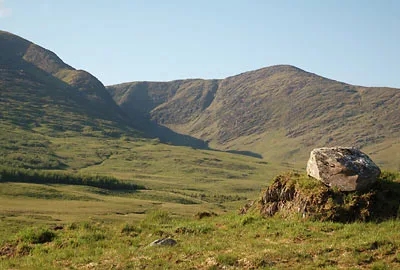
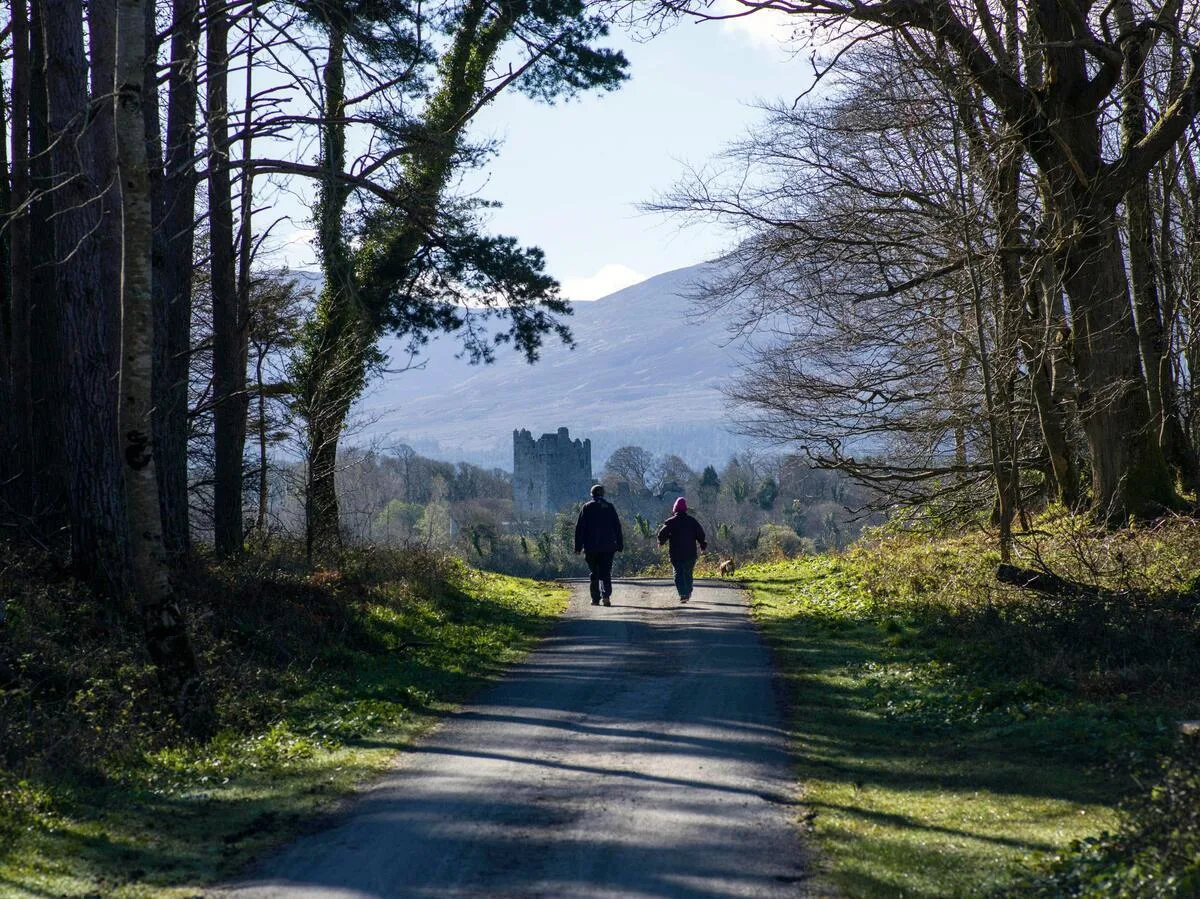
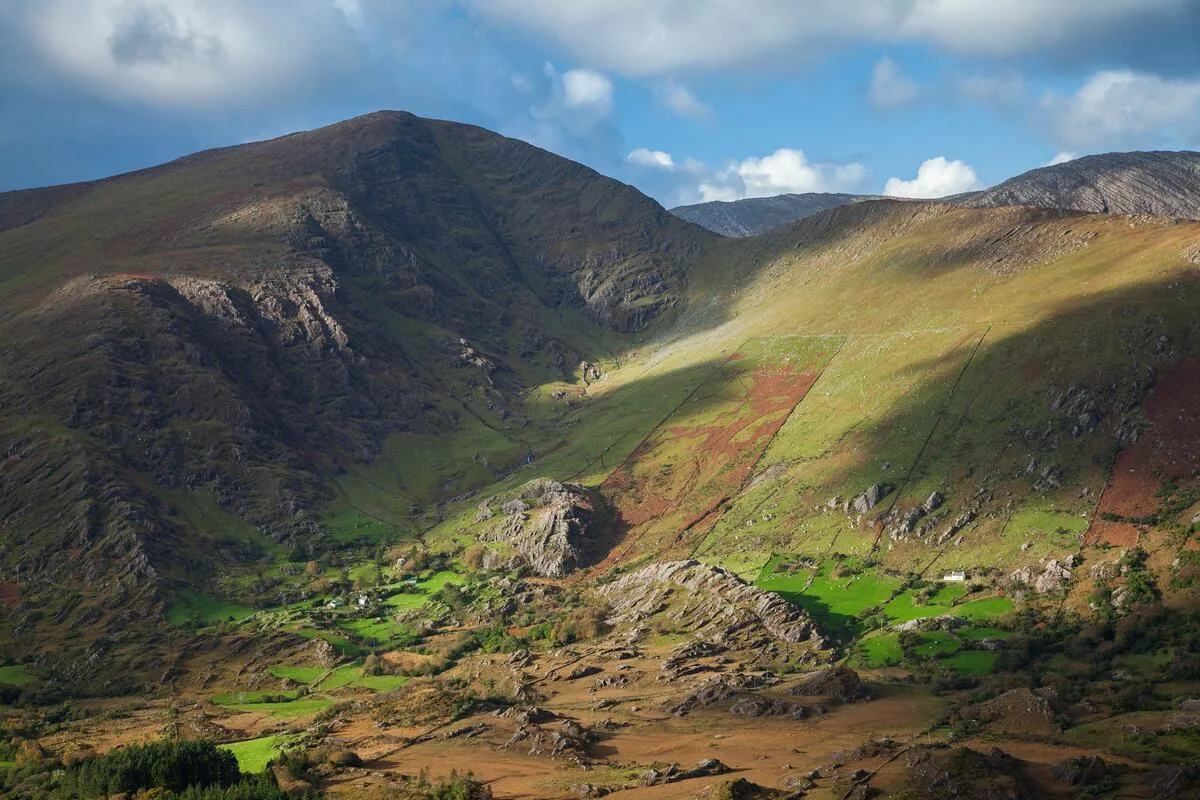
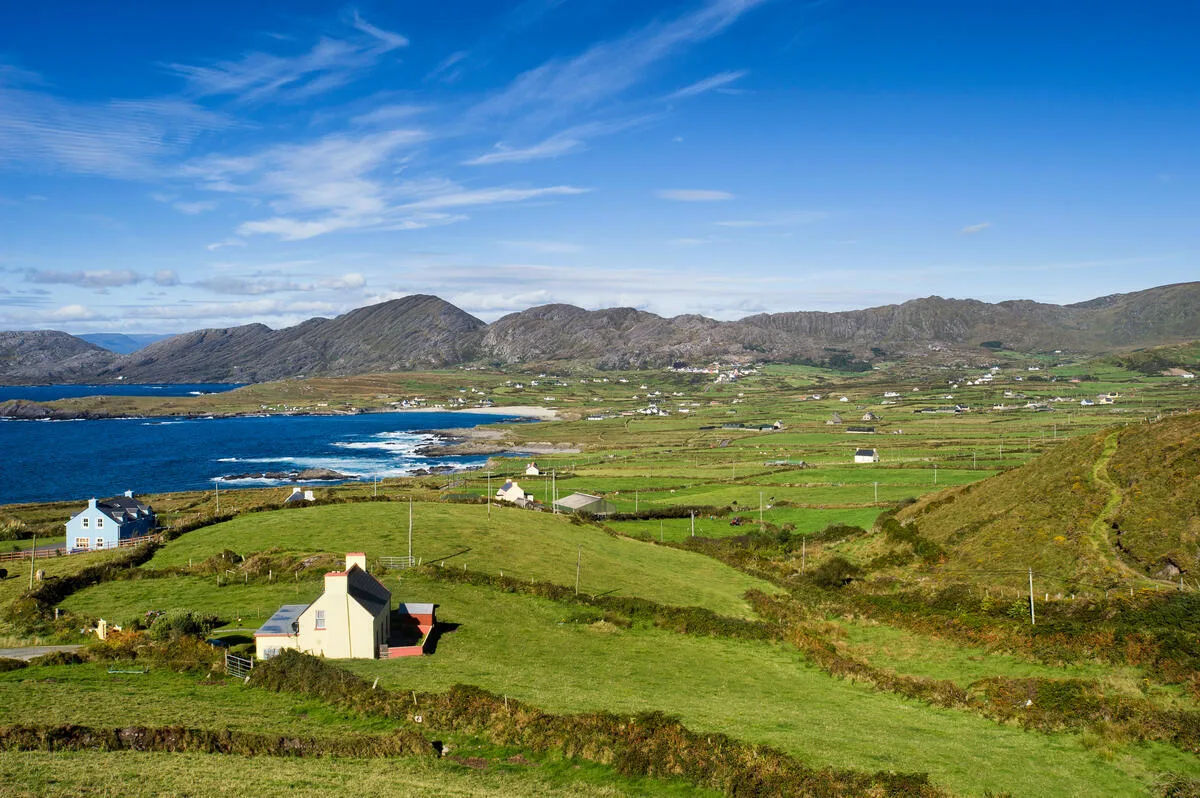
The Kerry Way is the finest long-distance trail in Ireland and one of the best hiking in europe for anyone who values variety, culture, and comfort. The 215 km route circles the Iveragh Peninsula in County Kerry through Killarney National Park, remote mountain passes, Atlantic coastline, and traditional villages. The scenery changes every hour — ancient oakwoods, lake shores, high passes with views to the sea, and green roads winding through farmland.
What sets the Kerry Way apart from other European trails is the evening experience. Village pubs with live music, family-run B&Bs with legendary breakfasts, and conversations with locals who are interested in where you've walked that day. The trail infrastructure is excellent — well waymarked, with accommodation at comfortable intervals and self-guided walking holidays that handle luggage transfers, booking, and route notes.
Difficulty: Moderate. Duration: 5-10 days. Best months: May-September.
2. Tour du Mont Blanc, France/Italy/Switzerland
The Tour du Mont Blanc is the most famous hiking tour in Europe. The 170 km circuit around the Mont Blanc massif crosses three countries and passes through some of the most spectacular mountain scenery on the continent. Glaciers, high alpine meadows, dramatic passes, and the ever-present bulk of western Europe's highest peak make this trail unforgettable.
The TMB is well organised, with mountain refuges and guesthouses spaced along the route. It's physically demanding — the daily ascents and descents are significant — but the reward is mountain grandeur on a scale that few trails can match. The walking season is short, from late June to mid-September, and the trail can be crowded in peak summer.
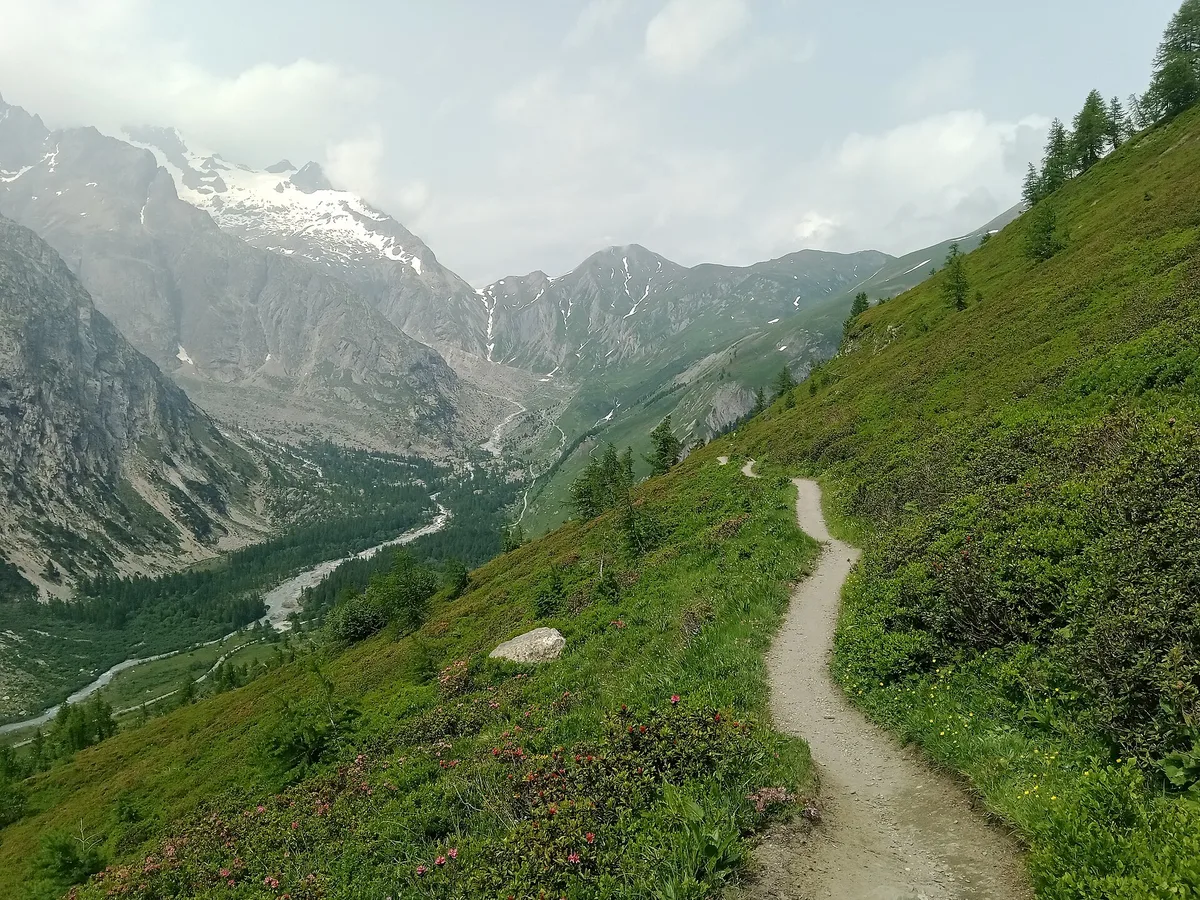
Difficulty: Challenging. Duration: 7-11 days. Best months: July-September.
3. The Wicklow Way, Ireland
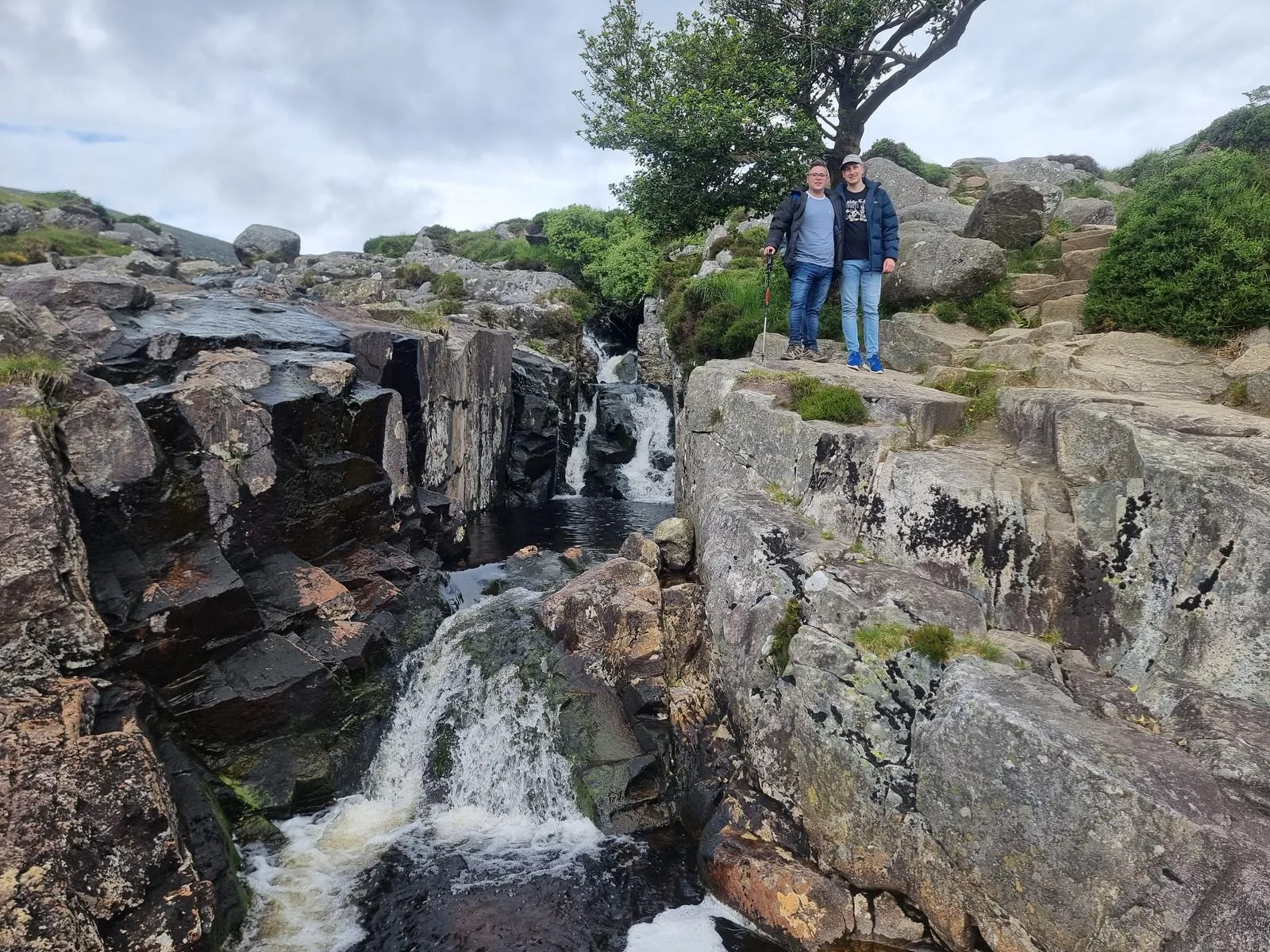
The Wicklow Way is Ireland's oldest waymarked trail and one of the best treks in europe for walkers who want mountain scenery combined with history and accessibility. The 127 km route starts on the southern edge of Dublin and runs through the Wicklow Mountains, past Glendalough's 6th-century monastic ruins, through glacial valleys and heather-covered ridges.
The Wicklow Way proves that great hiking doesn't require extreme altitude or remote wilderness. The mountain landscape is beautiful and varied, the trail is well maintained, and the proximity to Dublin means you can be walking in genuine mountain country within an hour of landing at the airport. It's a superb choice for a first multi-day walk.
Difficulty: Moderate. Duration: 5-8 days. Best months: April-October.
4. Camino de Santiago, Spain
The Camino de Santiago — particularly the Camino Frances from Saint-Jean-Pied-de-Port to Santiago de Compostela — is the world's most famous pilgrimage route and one of the defining european walking holidays. The 800 km route crosses northern Spain through the Pyrenees, the Meseta plateau, and the green hills of Galicia.
The Camino's appeal goes beyond the walking. The social experience — meeting pilgrims from around the world, sharing meals and stories in albergues, and arriving in Santiago's cathedral square — creates memories that last. The route is well marked and well served, though the distances are long and the Meseta can be monotonous. Many walkers tackle shorter sections rather than the full route.
Difficulty: Moderate to Challenging (due to distance). Duration: 4-6 weeks full route, 1-2 weeks for sections. Best months: April-June, September-October.
5. The Dingle Way, Ireland
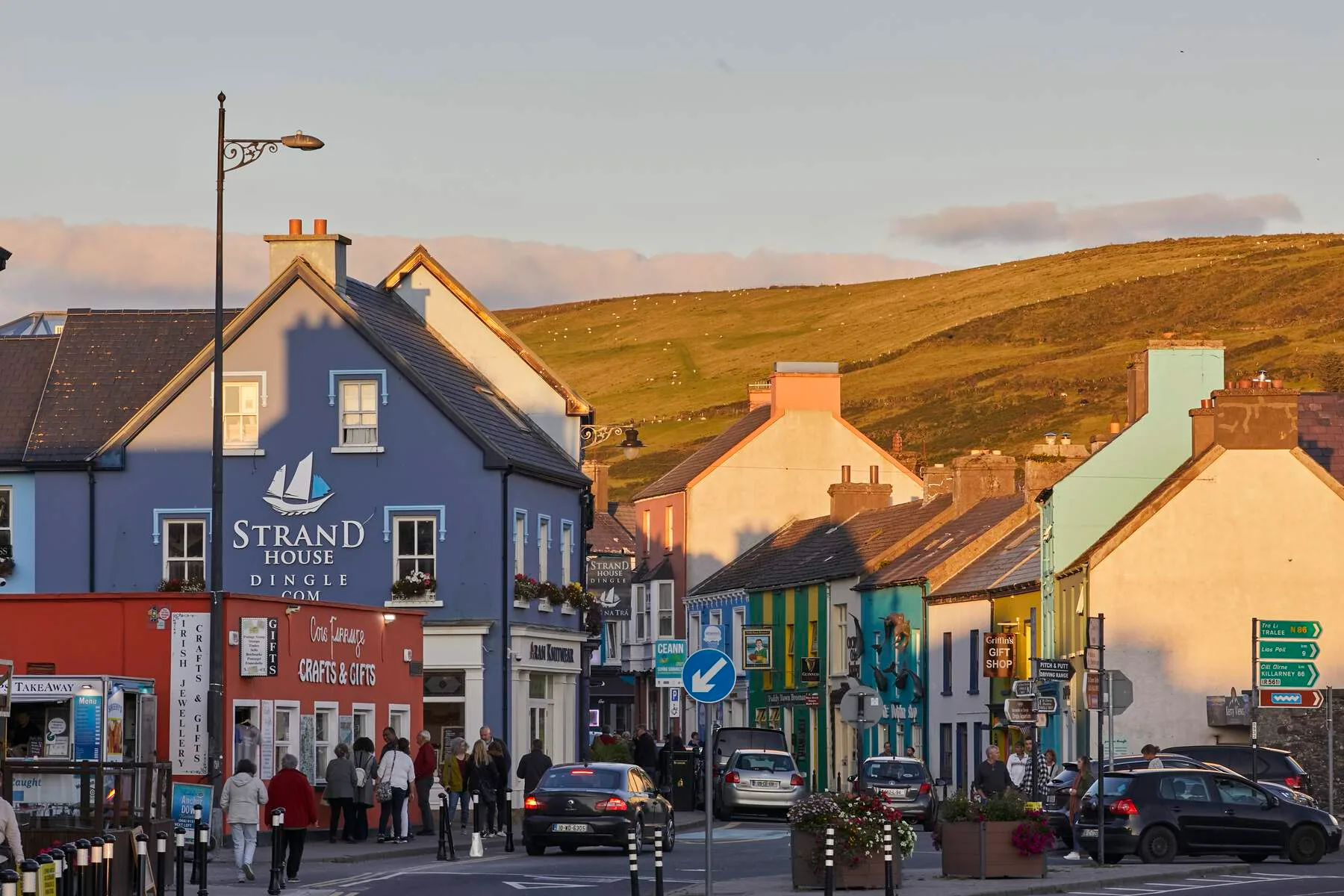
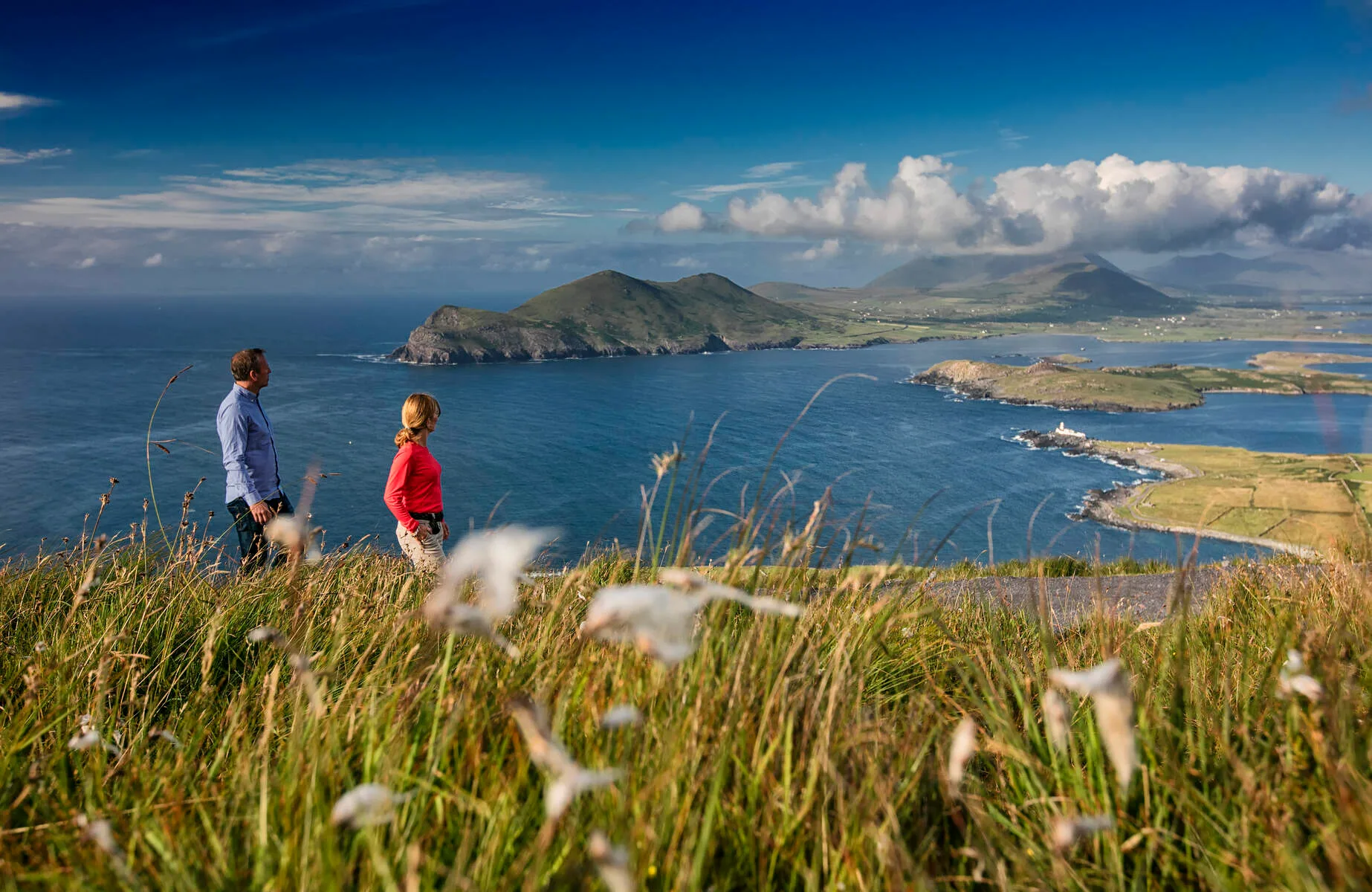
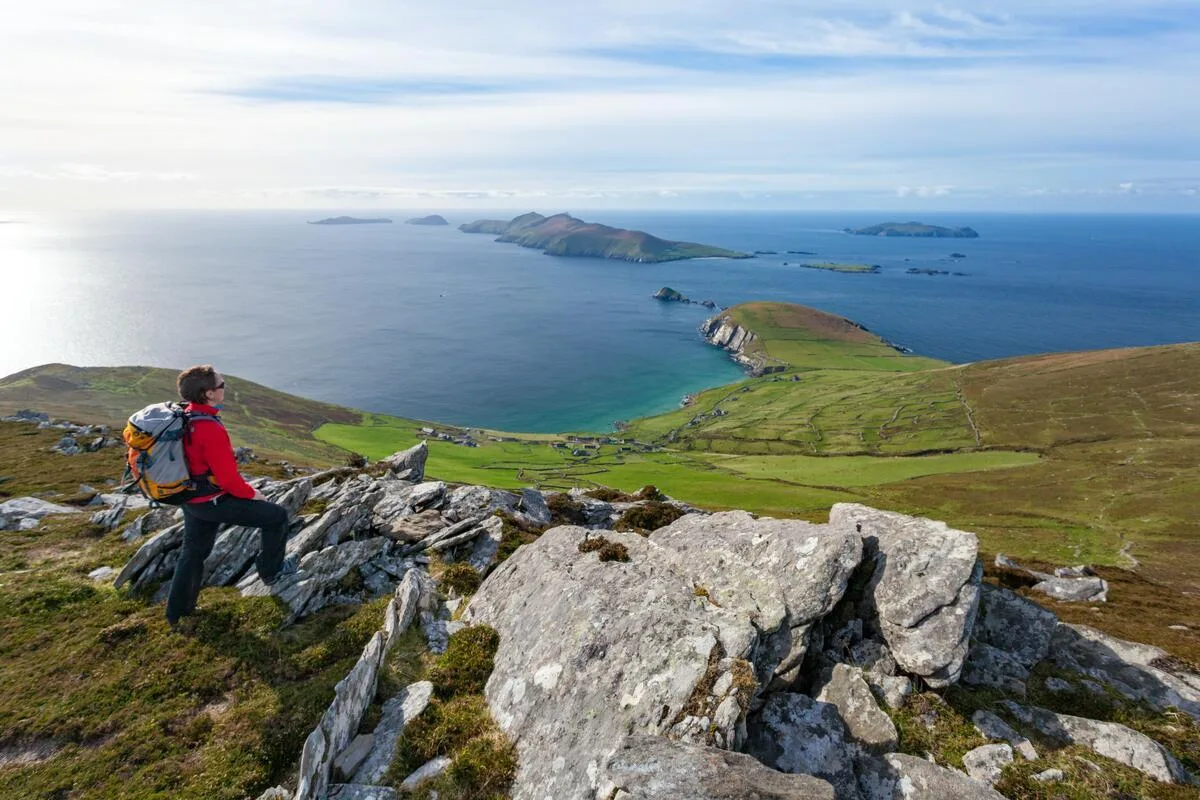
The Dingle Way circles the Dingle Peninsula in County Kerry — 179 km of dramatic coastal walking, mountain passes, and Irish-speaking villages. The Connor Pass crossing, the Slea Head cliffs with views to the Blasket Islands, and the lively town of Dingle itself make this one of the most memorable hiking tours europe has to offer.
The Dingle Peninsula has a cultural intensity that few walking destinations can match. This is one of the last Irish-speaking areas, with a creative energy in its music, art, and food that enriches the walking experience. The trail is well waymarked and the accommodation is excellent.
Difficulty: Moderate. Duration: 5-8 days. Best months: May-September.
6. GR20, Corsica
The GR20 across Corsica is widely considered the toughest long-distance trail in Europe. The 180 km route traverses the mountainous spine of the island over exposed granite peaks, through pine forests, and past glacial lakes. The scenery is stunning — a wild, rocky landscape unlike anything on the European mainland.
This is a trail for experienced, fit hikers. The daily stages involve significant scrambling, the refuges are basic, and the terrain is relentless. But for walkers who want a genuine physical challenge in spectacular surroundings, the GR20 is the benchmark.
Difficulty: Very Challenging. Duration: 12-16 days. Best months: June-September.
7. The Beara Way, Ireland
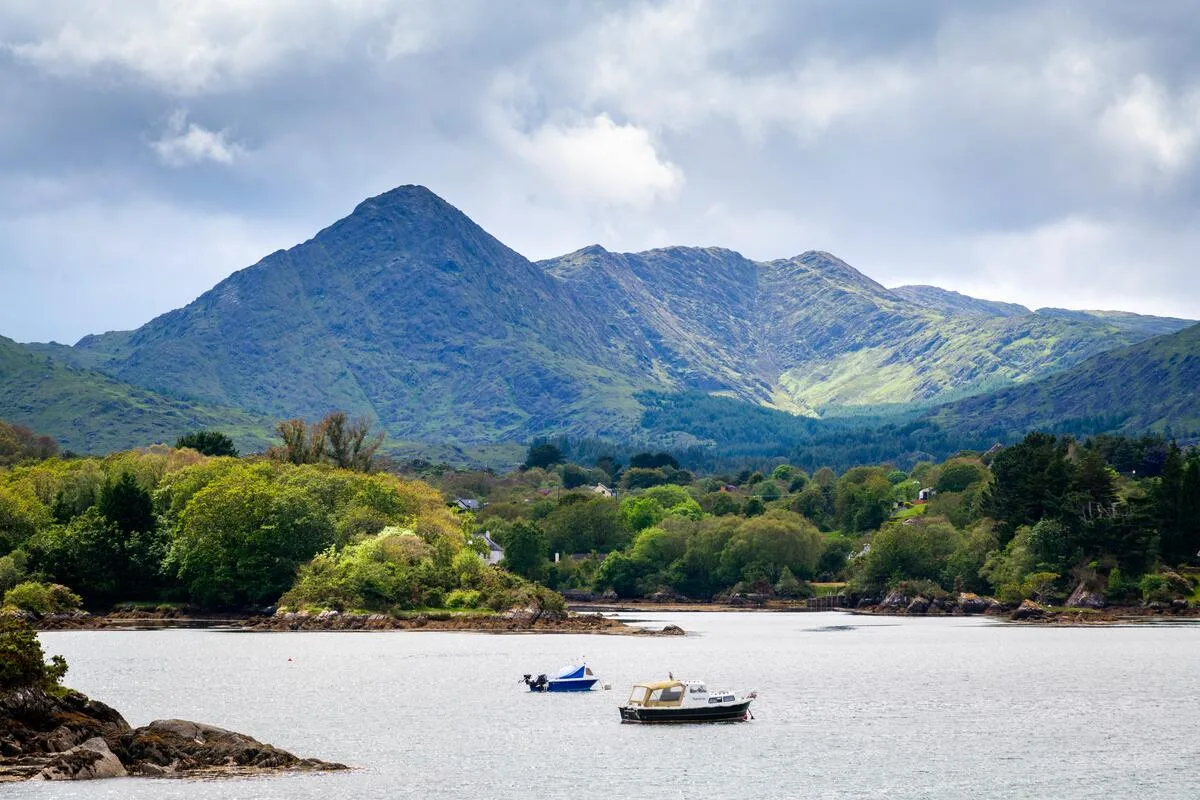
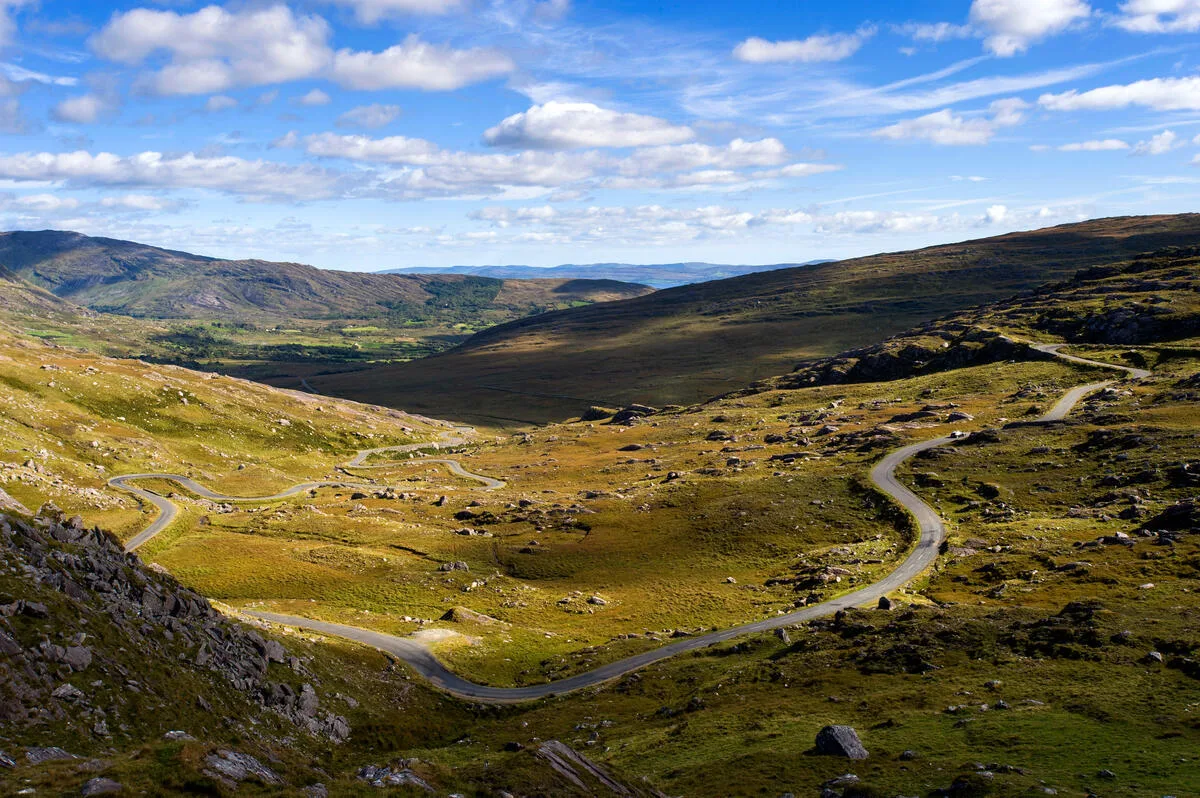
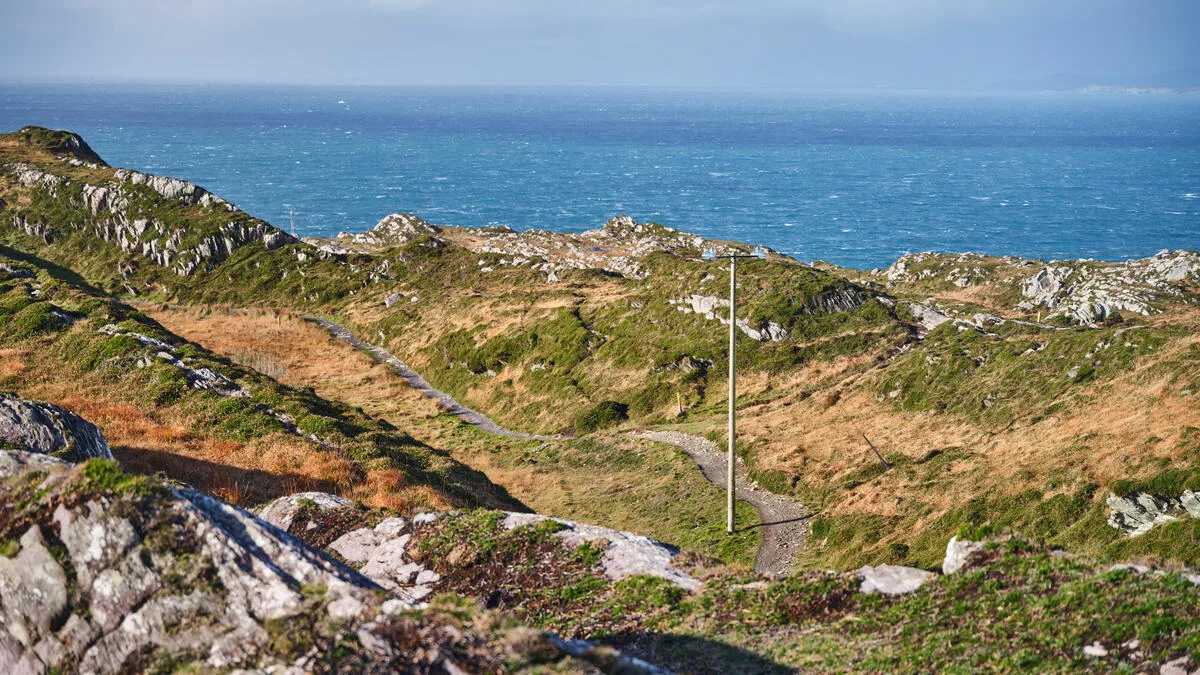
The Beara Way is the insider's choice among Ireland's long-distance trails. The 196 km route follows the Cork-Kerry border around the Beara Peninsula through rugged coastal landscape, mountain passes, and quiet villages. Far fewer walkers than the Kerry Way or Dingle Way, with scenery that's every bit as impressive.
For experienced walkers looking for solitude and wild Atlantic coast scenery without crowds, the Beara Way is hard to beat. The Healy Pass crossing and the stretch around Dursey Island are among the finest walking in Ireland.
Difficulty: Moderate to Challenging. Duration: 6-9 days. Best months: May-September.
8. Kungsleden, Sweden
The King's Trail in Swedish Lapland runs 440 km through Arctic wilderness — birch forests, glacial valleys, and vast open tundra under the midnight sun. The northern section between Abisko and Nikkaluokta crosses the most dramatic landscape, including the flanks of Kebnekaise, Sweden's highest peak.
Kungsleden offers a scale of wilderness that's hard to find in western Europe. The mountain huts are well spaced but basic, and the trail is remote. This is best hiking in europe for walkers who want true northern wilderness and are comfortable with self-reliance.
Difficulty: Moderate to Challenging. Duration: 5-20 days depending on section. Best months: Late June-September.
9. The Laugavegur Trail, Iceland
Iceland's most famous trek runs 55 km from Landmannalaugar to Thorsmork through a landscape that looks like another planet — steaming hot springs, obsidian lava fields, rainbow-coloured rhyolite mountains, and glacier-fed river crossings. It's short enough to walk in three to four days but packs more visual drama per kilometre than almost any trail in the world.
The terrain is challenging in places, and the river crossings require care, but the walking itself is not technically difficult. Mountain huts along the route fill quickly, so booking early is essential.
Difficulty: Moderate. Duration: 3-4 days. Best months: Late June-August.
10. Alta Via 1, Dolomites, Italy
The Alta Via 1 crosses the Dolomites from Lago di Braies to Belluno over 120 km of the most spectacular mountain scenery in the Alps. Vertical limestone towers, wildflower meadows, and mountain refuges serving Italian food and wine create one of the finest hiking holidays europe can offer.
The trail is demanding — long days with significant ascent — but the infrastructure is excellent. The refuges are comfortable, the food is outstanding, and the scenery is beyond superlatives. This trail suits fit walkers who appreciate mountain grandeur and Italian hospitality.
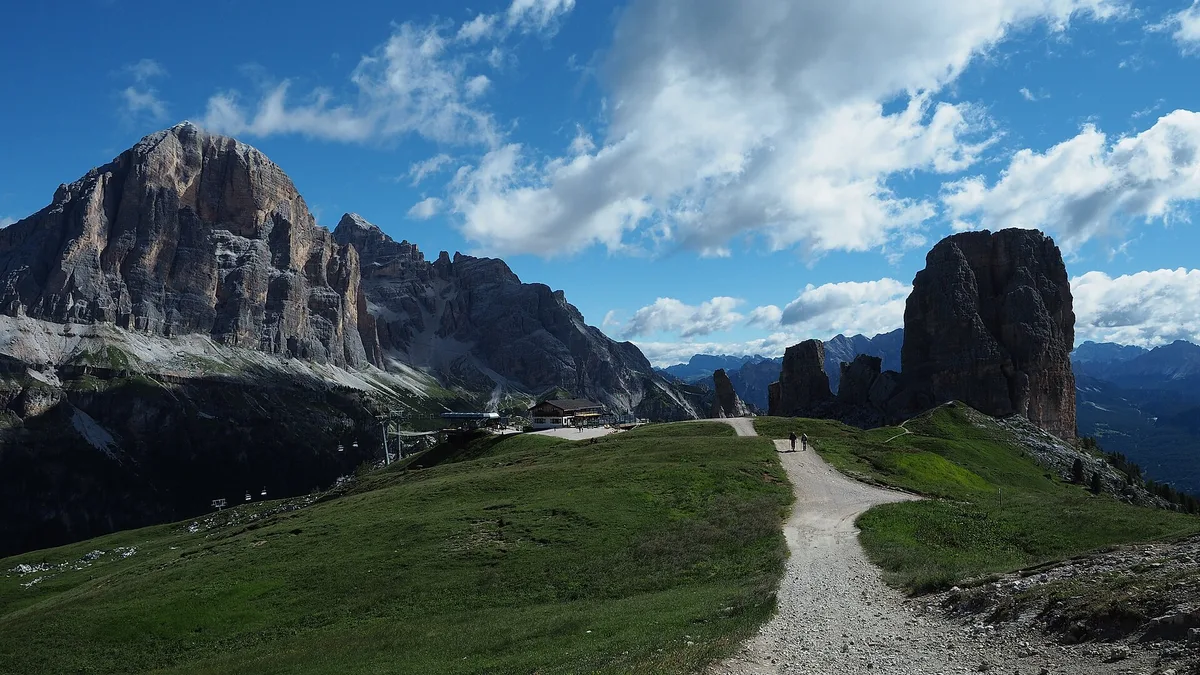
Difficulty: Challenging. Duration: 8-12 days. Best months: July-September.
Why Ireland Belongs on This List
Ireland's trails stand alongside the Alps and the Pyrenees for good reason. The scenery is world-class, the trails are well maintained, the accommodation is personal and comfortable, and the culture adds a warmth that few other walking destinations can match. You won't find extreme altitude in Ireland, but you'll find Atlantic coastline, wild mountain passes, ancient history, and the friendliest welcome in Europe.
We organise self-guided walking holidays on the Kerry Way, Wicklow Way, Dingle Way, Beara Way, and routes across Ireland. Accommodation booked, luggage transferred, route notes provided, and local support throughout. Check our tour grading to find the right trail for your fitness, and browse the best time to visit Ireland for walking. If you prefer company, our guided walking holidays are an excellent option.
The best hiking in europe is calling. Whether you start in Ireland or end here, I'll make sure the walking is worth the journey.
Frequently Asked Questions
Are the trails well-marked?
What kind of boots should I wear?
What are the most essential items to pack for a walking holiday in Ireland?
What is the most popular route?
Photo Gallery