Stargazing in Ireland: Dark Sky Walks and Where to See the Northern Lights
Stargazing Walks Ireland Dark Sky: Guide to Night Walks and Northern Lights
There's a moment that happens when you're walking at night under an unpolluted sky. You stop, you look up, and the scale of what you're seeing takes a few seconds to register. Not a photograph, not a screen. The actual Milky Way, arcing across the sky in a band of cold white light.
Most people in Europe have never experienced stargazing walks ireland dark sky conditions like these. Ireland — specifically its western edges, its mountains, and its designated dark sky parks — is one of the few places on the continent where you still can.
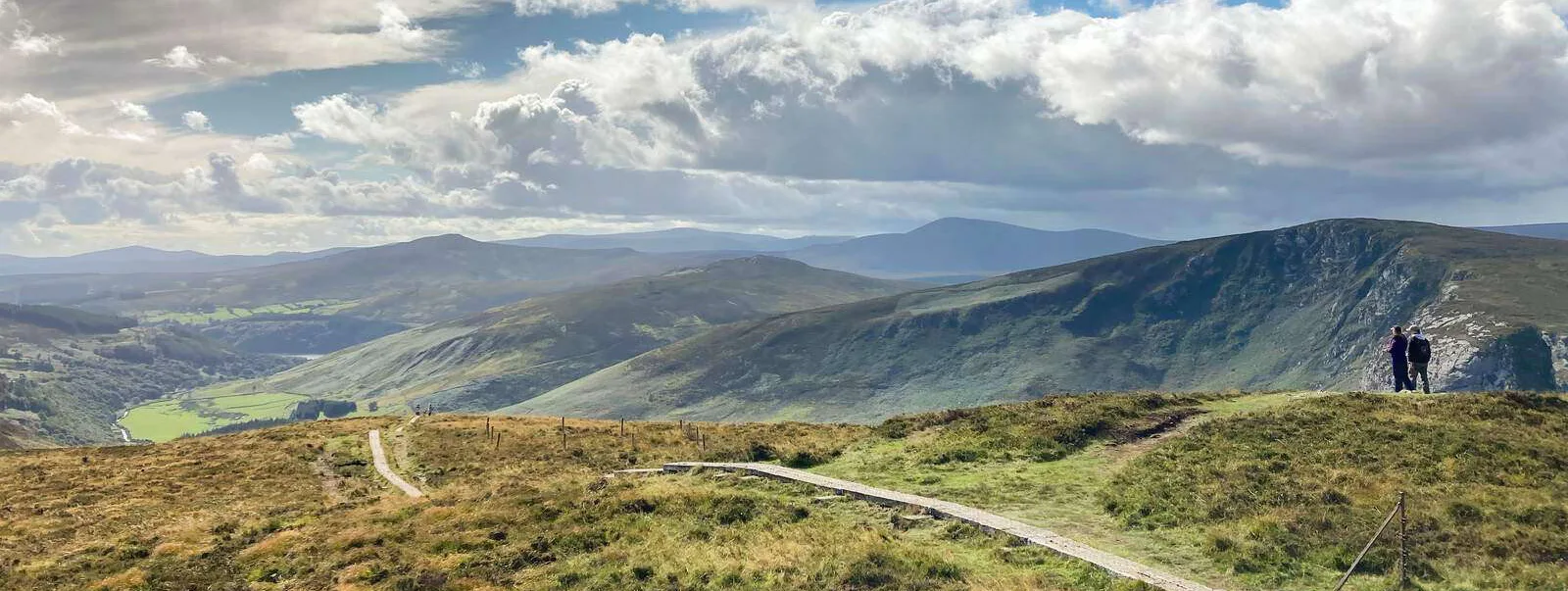
Stargazing in Ireland pairs naturally with walking. The conditions that make Ireland's wild places so extraordinary for hiking — remoteness, sparse human settlement, clean Atlantic air — are exactly the conditions that make them extraordinary for watching the night sky. The same Donegal ridgeline that delivers views across Sligo Bay during the day becomes a prime aurora-watching position after dark. The same Connemara bog that feels remote at noon feels genuinely primordial under a clear winter night.
This guide covers Ireland's best dark sky locations, where and when to look for the Northern Lights, and how to combine night sky experiences with walking holidays.
Why Ireland's Skies Are Special
Light pollution is one of the defining environmental stories of our era, and most people in Europe are profoundly affected by it — around a third of the global population can no longer see the Milky Way from where they live.
Ireland's west coast is different. Low population density, minimal industrial development, and the prevailing Atlantic weather pattern mean that large areas of counties Donegal, Mayo, Kerry, and Clare retain remarkably dark skies. The International Dark-Sky Association has formally certified several Irish locations as Dark Sky Parks and Reserves.
This doesn't mean Ireland has reliably clear skies — it doesn't, and honesty matters here. The Atlantic climate brings cloud, rain, and unpredictability in abundance. But when the sky clears, particularly on cold autumn and winter nights, the quality of what you can see from Ireland's dark areas competes with almost anywhere in Western Europe.
Ireland's Dark Sky Parks and Reserves
OM Dark Sky Park, County Tyrone
The OM Dark Sky Park in the Sperrin Mountains of County Tyrone is Northern Ireland's and one of Ireland's most significant dark sky designations. The Sperrins form a broad upland plateau — open ground with minimal light interference — giving exceptional viewing conditions on clear nights.
The area's walking trails take on a different character at night. The moorland paths above the valleys, walked in daylight as part of the Causeway Coast and Glens hillwalking area, transform after dark into corridors under genuine starfield. On the clearest nights, the Milky Way is plainly visible.
The Sperrins also sit in a prime Northern Lights corridor. The aurora borealis is regularly visible from here during active solar periods — more on that below.
Kerry International Dark-Sky Reserve
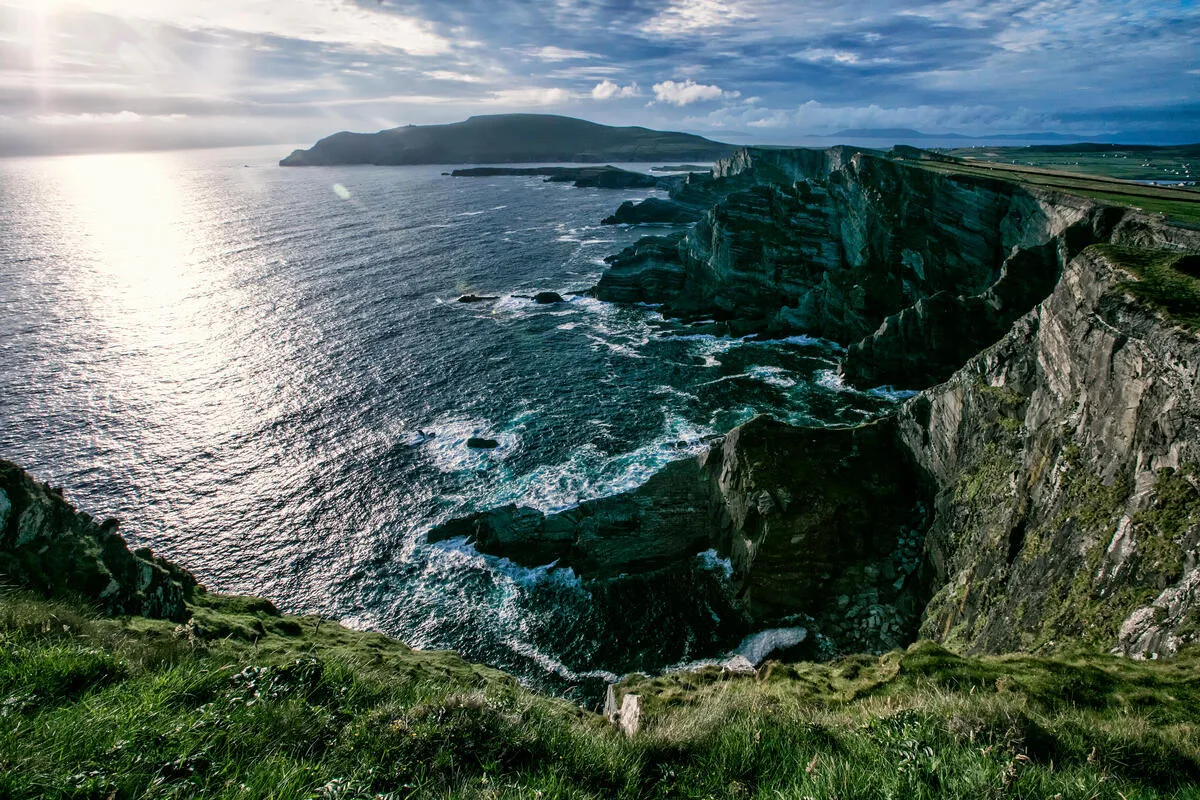
The Kerry International Dark-Sky Reserve covers the Iveragh Peninsula and the surrounding area — the same landscape that the Kerry Way passes through. This is one of only three Gold Tier Dark-Sky Reserves in the world.
The designation reflects extraordinary sky quality. From the Iveragh uplands on a clear November or December night, conditions for astronomical observation are exceptional by European standards. The lack of any significant town or industrial development for many kilometres in any direction combines with Kerry's south-westerly position to produce minimum light pollution at the horizon.
For walkers who've completed a day on the Kerry Way, the evenings offer something beyond good food and a comfortable B&B: genuine darkness, and the sky that comes with it.
Northern Lights in Ireland
The aurora borealis — the Northern Lights — is the phenomenon that generates the most searches from people interested in Ireland's night skies. And the honest answer is: yes, it's possible to see the Northern Lights in Ireland, but requires the right conditions.
Where in Ireland to see the aurora
The further north you are, the better your chances. The best locations in order:
County Donegal — Ireland's most northerly county and the prime location for aurora sightings. The coastal cliffs, the Malin Head area (Ireland's most northerly point), and the open hillsides above Glenveagh National Park all offer unobstructed northern horizons. Our Donegal hiking article covers the walking routes; many of the best aurora viewing spots are on the same ground.
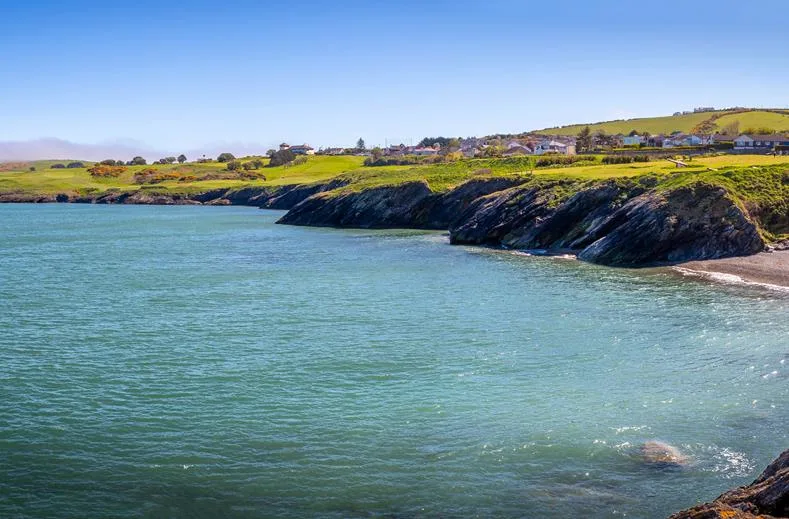
Northern Ireland — the Causeway Coast and the Sperrins are both well-positioned for aurora activity. The Antrim coast and the dark uplands of the OM Dark Sky Park area are the best bets.
County Mayo — the wild north Mayo coast around Belmullet and the Mullet Peninsula sits far enough north and far enough from urban light pollution to offer good conditions. The Ballycroy National Park area is particularly good.
When to see the Northern Lights in Ireland
The aurora is caused by solar activity — geomagnetic storms — not by seasons. But you need dark skies to see it, which means:
October to March gives the longest dark windows. The summer solstice (late June) gives barely 4 hours of true astronomical darkness in Ireland's north.
New moon periods maximise darkness.
Clear nights are essential — Ireland's cloud cover is the biggest obstacle, not latitude.
Kp index 4 or above is typically needed for visibility from Ireland's latitude. Kp 5+ gives more reliable and dramatic displays.
Track the aurora forecast at spaceweather.com or via the Space Weather Live app. When a strong geomagnetic storm is forecast and the sky is clear over Donegal or the Sperrins, get out.
The Best Stargazing Walks
Glenveagh National Park, Donegal
Glenveagh sits in the heart of Donegal's mountains, surrounded by one of Ireland's largest wilderness areas. No significant settlement exists for many kilometres. The castle sits by the lake; the mountains rise above. At night, it's one of the darkest accessible locations in Ireland.
The walking routes around Glenveagh — covered in our Glenveagh National Park guide — connect naturally to good night sky positions above the valley.
The adjacent Slieve League cliffs offer unobstructed western and northern horizons — exceptional for both Milky Way photography and aurora watching, with the Atlantic below you and very little light in any direction.
Connemara's Bog Landscapes
The blanket bog of Connemara — dark, flat, and almost completely unlit at night — offers a primal stargazing experience. The bog absorbs light differently from urban or even rural landscapes; standing in it at night, the horizon is dark in every direction and the sky feels lower and closer than usual.
The mountain walks above Connemara — including the routes around Diamond Hill in Connemara National Park — provide elevation and open sightlines for both astronomical viewing and aurora scanning.
The Burren, County Clare
The Burren's limestone karst landscape is not just one of Ireland's geological wonders — it's also excellent stargazing territory. The bare rock reflects minimal ambient light, the flat terrain gives wide horizons, and the population density is low. Walking the Burren by moonlight (or no moon at all) is an extraordinary sensory experience, the rock pale beneath your feet, the sky enormous above.
See our Burren National Park guide for the walking routes.
Night Walking in Ireland: Practical Guidance
Safety first
Night walking is genuinely different from daytime walking, and Ireland's upland terrain demands respect at any time of day.
Stick to known trails — night is not the time to navigate unfamiliar ground in the Irish mountains
A good headtorch is essential — and carry a spare set of batteries
Tell someone your route before you go, even for a short walk
Dress warmer than you think — standing still to stargaze means losing heat quickly; add an extra layer to your normal walking kit
Go out prepared to be disappointed — cloud cover is the reality of Ireland's climate; check the forecast carefully but accept that patience is part of the experience
Red light for stargazing
White headtorch light destroys your night vision — it takes 20 to 30 minutes to fully dark-adapt, and any white light resets the clock. Use a red-light mode on your headtorch (most quality hiking torches have this) when stationary and observing. Switch to white only when moving on the trail.
What you can see
On a genuinely dark, clear Irish night:
The Milky Way visible as a band of light across the sky (best August to November)
4,000 to 5,000 individual stars visible to the naked eye
The Andromeda Galaxy — the most distant object visible without a telescope, 2.5 million light years away
Satellites crossing the sky every few minutes
Meteors — Ireland has good positions for watching the major annual showers (Perseids in August, Leonids in November, Geminids in December)
The aurora borealis during active solar periods, from northern locations
Combining Stargazing with a Walking Holiday
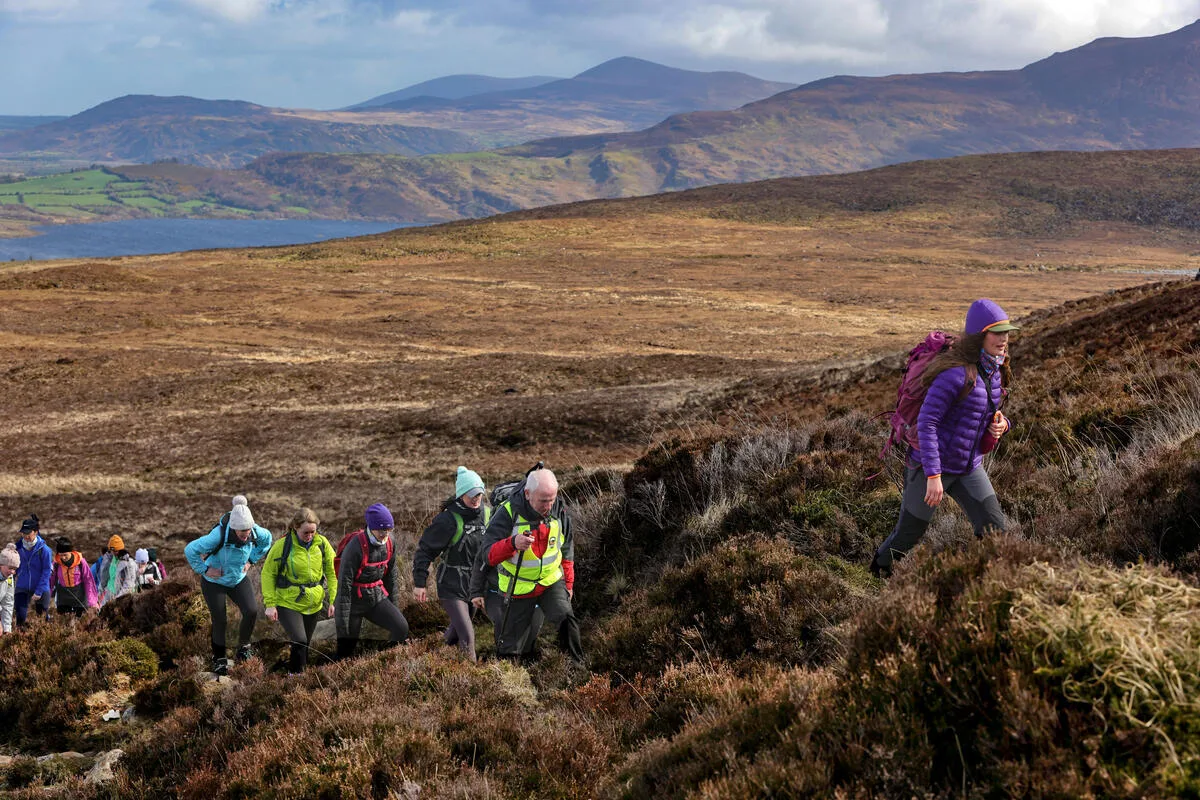
The nature of the night sky means it rewards multi-night stays in one location — you need flexibility to wait for the right weather window. A walking holiday structure works particularly well: you walk during the day, rest and eat in the evening, and if the sky clears after dark, you have the option to go out.
Our guests who include Donegal in their walking holidays — particularly those staying in the Glenveagh area or along the Donegal coast — have some of the best spontaneous aurora and stargazing experiences. The combination of remote location, locally-sourced dinner, and a clear winter night after a long day's walking is one of those things that's very difficult to replicate anywhere else.
Ireland's broader wildlife and nature experiences — the red deer in Killarney National Park, the breeding seabirds of the Antrim coast, the birdwatching on Irish hiking trails — make a nature-focused walking holiday in Ireland something genuinely distinctive.
Ready to Walk Under Irish Stars?
If a Donegal walking holiday with night sky potential appeals, or if you want to build a trip around dark sky parks in Kerry or the Sperrins, drop me a message and we can put something together.
Contact me via the contact page or WhatsApp me on +353 87 957 3856.
Browse our self-guided walking holidays in Ireland for the full range of routes.
— Cliff, Walking Holiday Ireland
You Might Also Enjoy
Frequently Asked Questions
Are the trails well-marked?
What kind of boots should I wear?
Will I have mobile phone coverage on the trails?
What are the most essential items to pack for a walking holiday in Ireland?
Photo Gallery