Glens of Antrim Walking Guide: Nine Valleys in Northern Ireland
The Glens of Antrim are one of my favourite places to walk in Northern Ireland. Nine deep valleys cut through the basalt plateau of County Antrim, each with its own character — waterfalls, forests, quiet villages, and views that open out to the sea. This is green, gentle walking through a landscape that feels a long way from anywhere.
The nine glens run from Glenarm in the south to Glentaisie in the north, meeting the coast between Larne and Ballycastle. Some are wooded and sheltered, some are wide and open, and one — Glenariff — has been called the Queen of the Glens for the sheer beauty of its waterfalls and forest. If you're looking for walks that combine scenery, history, and real peace, this guide covers the best of them.
What Makes the Glens Special
The Glens of Antrim were carved by glaciers during the last Ice Age, creating distinctive U-shaped valleys that radiate from the Antrim plateau toward the coast. The rivers that followed cut deeper, creating steep-sided glens with waterfalls tumbling down through woodland. The basalt rock of the plateau gives way to softer chalk and sandstone in the glen floors, creating a mix of landscapes within a small area.
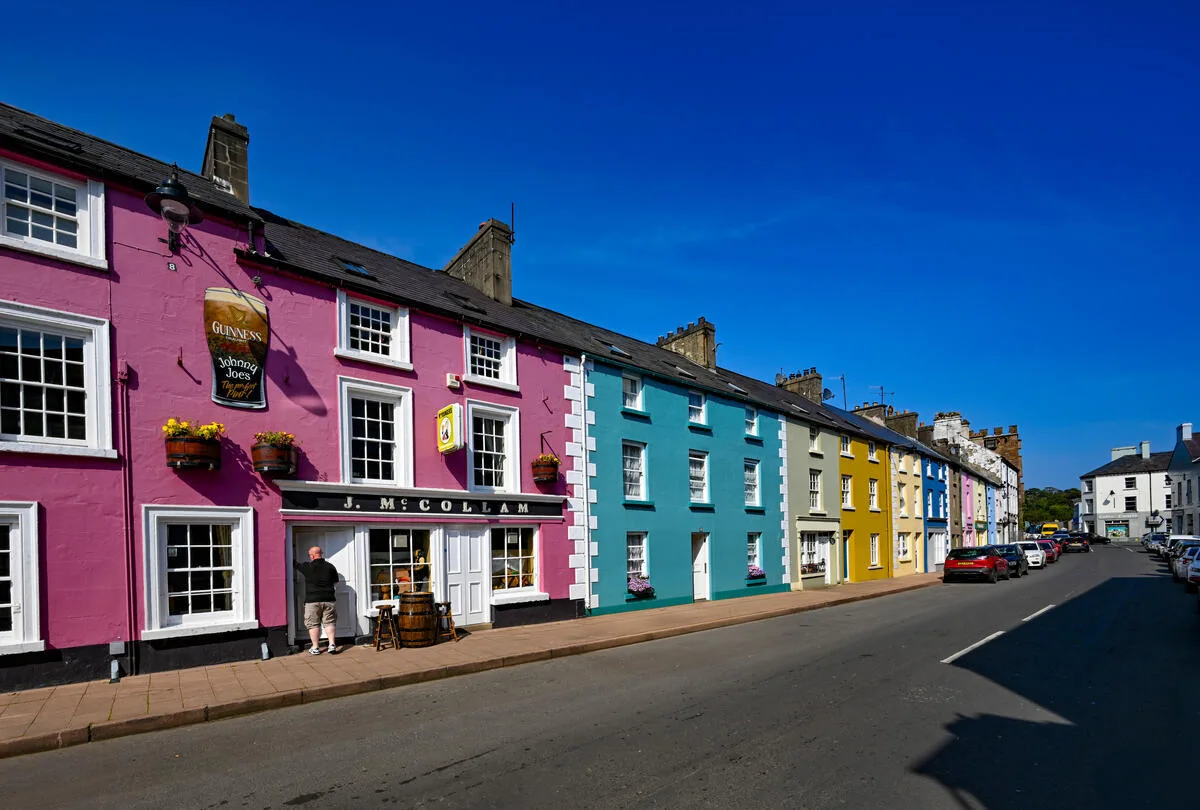
What strikes you first is the quiet. The glens are farming communities where sheep graze the hillsides and the pace of life hasn't changed much in generations. The villages – Cushendall, Cushendun, Glenarm, and Carnlough – are small, attractive, and full of character. Traditional music sessions happen in the pubs, and the local hospitality is warm and genuine.
The Antrim coast road connects the glens along the seaward edge, and it's one of the great scenic drives in Ireland. But the real rewards come when you leave the car and walk into the valleys themselves. That's where you find the waterfalls, the ancient woodland, and the silence.
Glenariff Forest Park — The Queen of the Glens
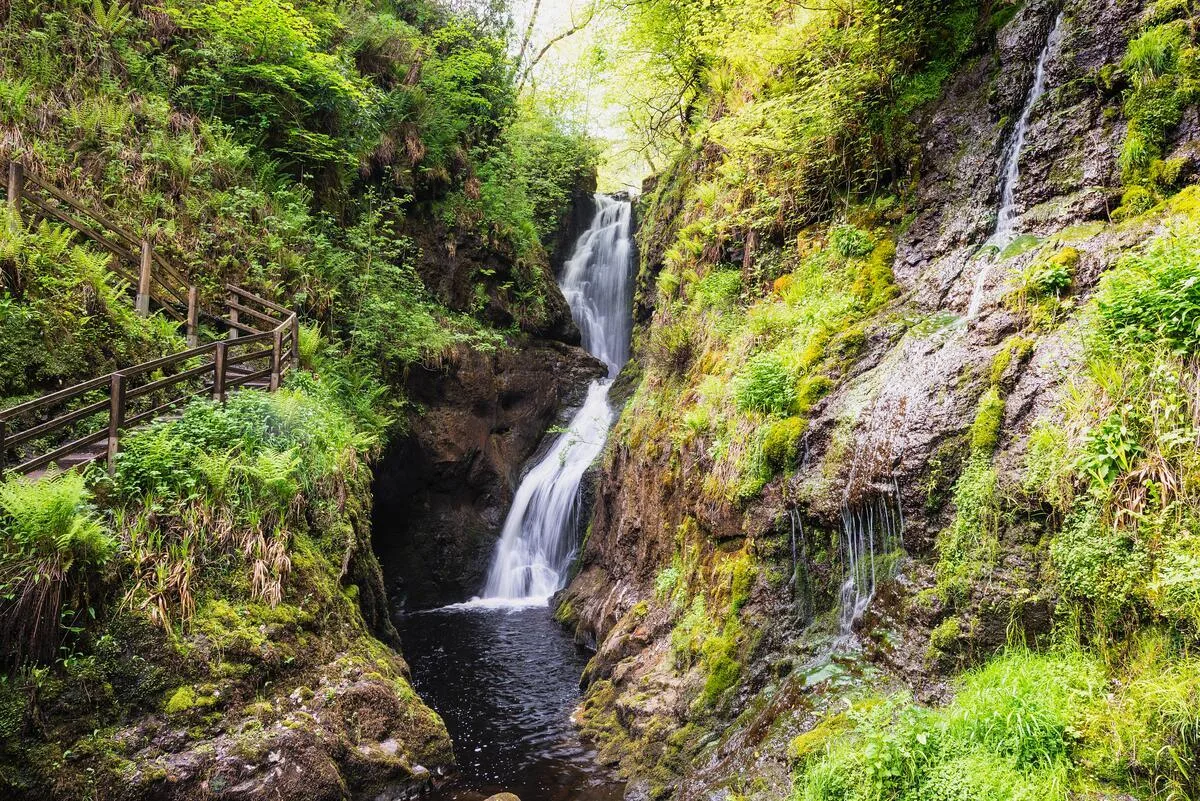
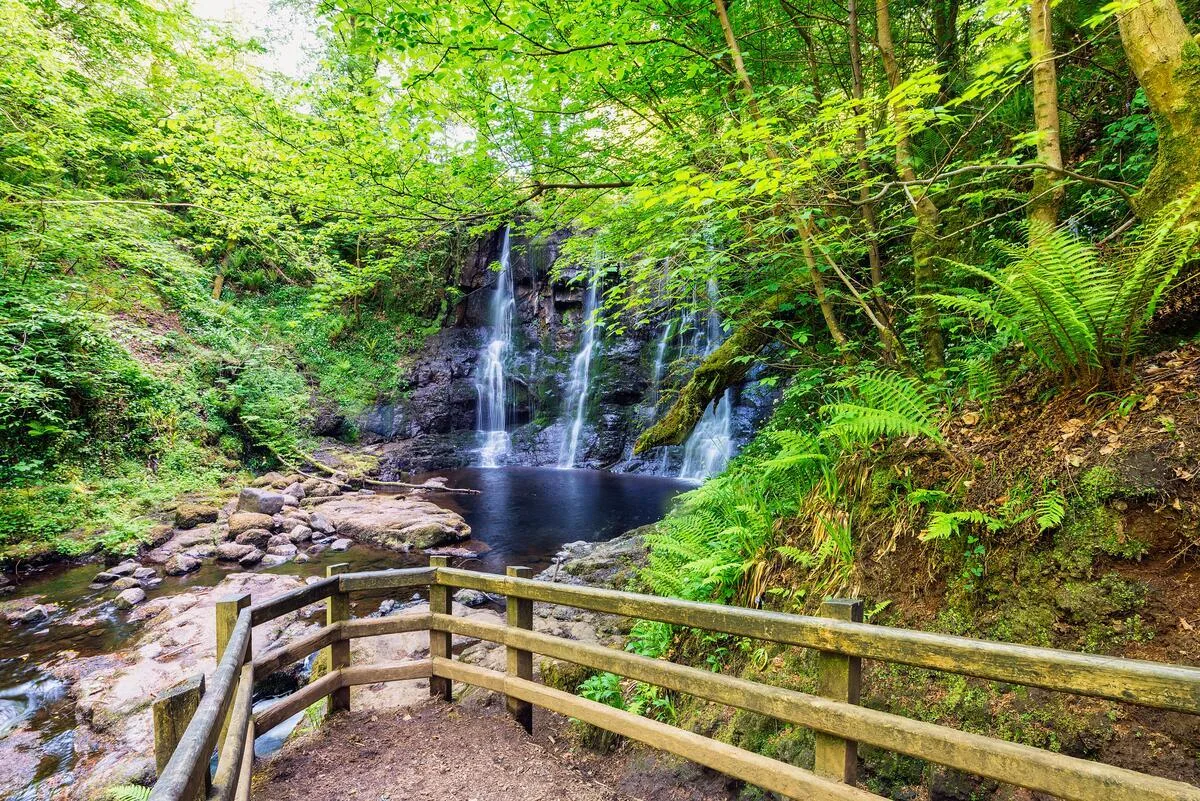
Glenariff is the largest and most visited of the nine glens, and for good reason. Glenariff Forest Park sits in the heart of the valley and offers some of the best walking in Northern Ireland. The Glenariff River has carved this magnificent valley over millennia, creating a series of impressive waterfalls and rapids. Walking here feels like descending into an ancient forest — the sound of water grows louder as you drop into the valley, and the sense of enclosure becomes profound.
The Waterfall Walk is the park's signature trail. This 3 km loop follows the Glenariff River through native woodland past three waterfalls — Ess-na-Crub and Ess-na-Larach are the most dramatic. Boardwalks and steps take you along the gorge, with the sound of falling water constant. It's an easy-to-moderate walk that takes about an hour, and it's suitable for families with older children.
For a longer day, the Scenic Trail climbs to the rim of the glen, giving you views across the valley and out to the coast. On clear days, you'll see across to Scotland. On misty days — which are frequent — the atmosphere becomes almost mystical.
Trail Options in Glenariff
Trail Name | Distance | Duration | Difficulty | Highlights |
|---|---|---|---|---|
Waterfall Walk | 3 km | 1 hour | Easy | Three waterfalls, gorge boardwalk, family-friendly |
Scenic Loop | 4.8 km | 2-3 hours | Easy | Waterfalls, river walks, forest |
Rainbow / Scenic Trail | 8-9 km | 3-4 hours | Moderate | Glen rim viewpoints, coast panoramas, Scotland views |
The park is rich with birdlife too. In the woodland, look for treecreepers, jays, and long-tailed tits. Dippers bob on rocks in the river, and in spring the forest floor fills with bluebells and wild garlic. Glenariff has picnic areas, a cafe, and a visitor centre. Entry is by car park fee. The park is about 45 minutes from Larne and about an hour from Belfast, making it an easy day trip. If you only have time for one walk in the Glens of Antrim, make it Glenariff.
Cushendall and Cushendun
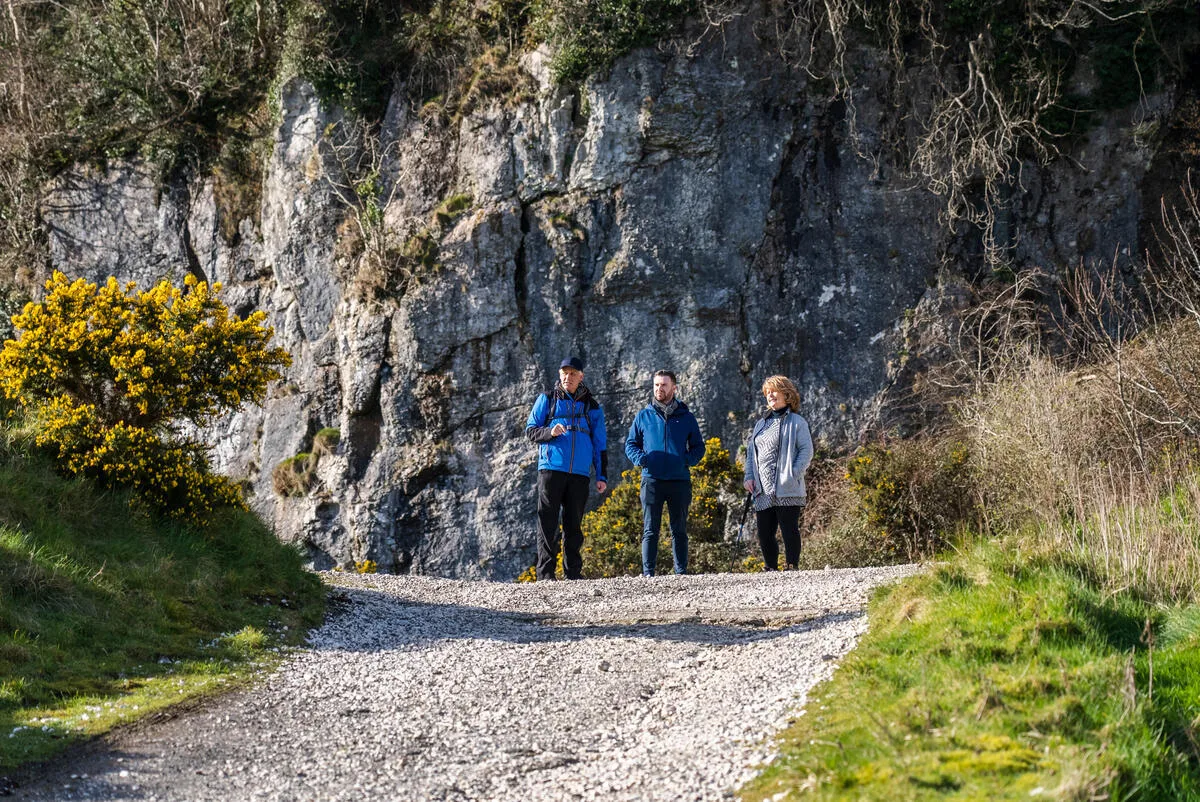
Cushendall sits where three of the nine glens meet the sea — Glenaan, Glenballyeamon, and Glencorp converge here, making it the natural hub of the Glens of Antrim. The village has good pubs, a few shops, and a distinctive red sandstone Curfew Tower in the centre.
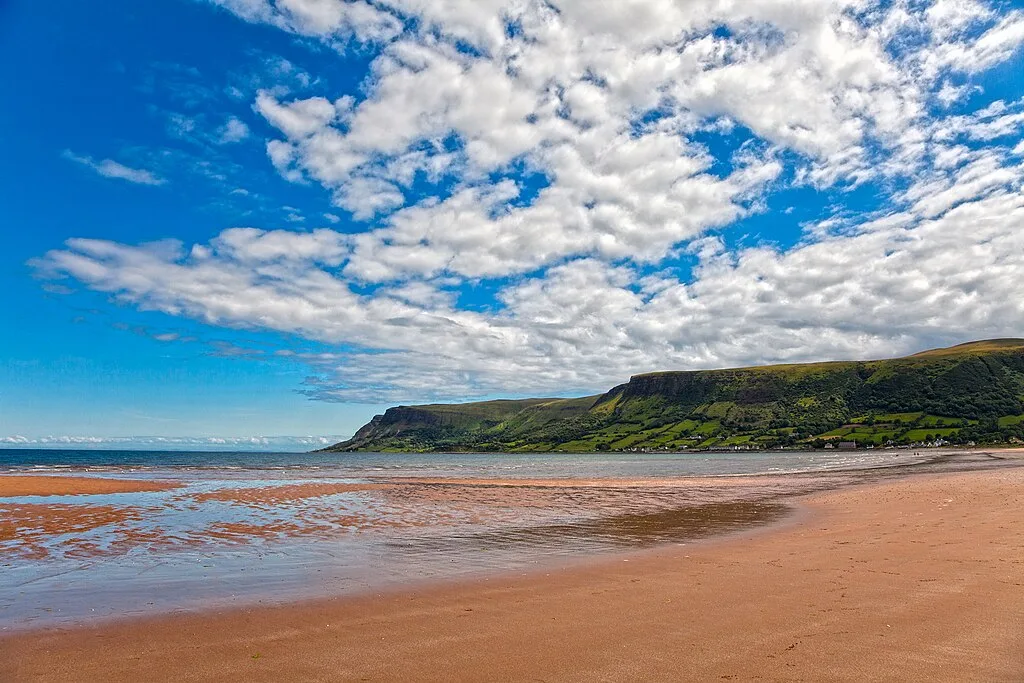
Walking from Cushendall, you can explore any of the three glens on foot. Glenballyeamon is the most accessible — a quiet valley road follows the river inland through farmland and woodland. For something more dramatic, walk south along the coast path toward Waterfoot and Glenariff, with views across Red Bay.
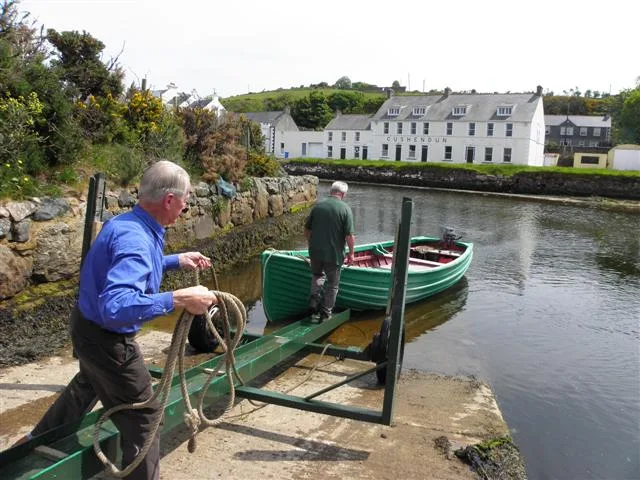
Cushendun, a few kilometres north, is a charming village of Cornish-style cottages and a pretty harbour. The Cushendun caves — sea caves carved from red sandstone — are a short walk along the shore and were used as a filming location for Game of Thrones. The walk from Cushendall to Cushendun along the coast is about 5 km and takes an hour or so.
Both villages make good bases for exploring the glens. The accommodation is comfortable, the food is good, and the pace of life is exactly what you need after a day's walking.
Glenarm and Carnlough — The Southern Glens
Glenarm is the most southerly of the nine glens and the one closest to Belfast. The village sits at the mouth of the glen, with Glenarm Castle and its walled garden as the centrepiece. The Glenarm River Walk follows the riverbank upstream through woodland — a gentle stroll of about 3 km that takes an hour.
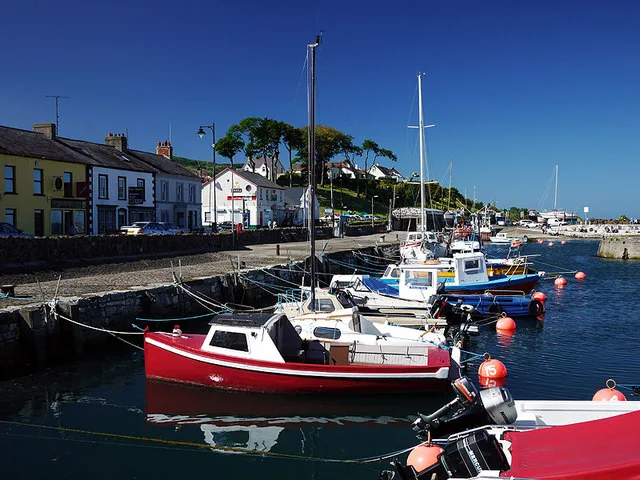
For a more substantial walk, the Carnlough Hill ramble climbs above the neighbouring village of Carnlough, giving views over the coast and the harbour. Carnlough is a handsome little town with a limestone harbour built by the Marquess of Londonderry in the 1850s. The walk takes 2 to 3 hours and is moderate in difficulty.
The southern glens are quieter than Glenariff and often overlooked by visitors heading north to the Causeway Coast. That's part of their appeal. You can walk here on a summer weekend and have the trail to yourself.
The Northern Glens
The glens north of Cushendun — Glendun, Glenshesk, and Glentaisie — are the wildest and least visited. They don't have the marked trails of Glenariff, but they offer a sense of remoteness that the more popular glens can't match.
Glendun is the deepest and most dramatic, with a narrow valley that runs inland from the coast near Cushendun. The Glendun River provides constant accompaniment — water sounds, occasional waterfalls, and pools where salmon rest during spawning season. The steep valley sides create a sense of landscape compression that's more intense than distant ridge-top views. A walk from the coast to upper moorland and back covers 8-10 km and takes 3-4 hours at moderate difficulty. Navigation requires attention — carry 1:50,000 OS maps (Sheets 5 and 9) and download offline GPS tracks before you arrive, as mobile signal is patchy.
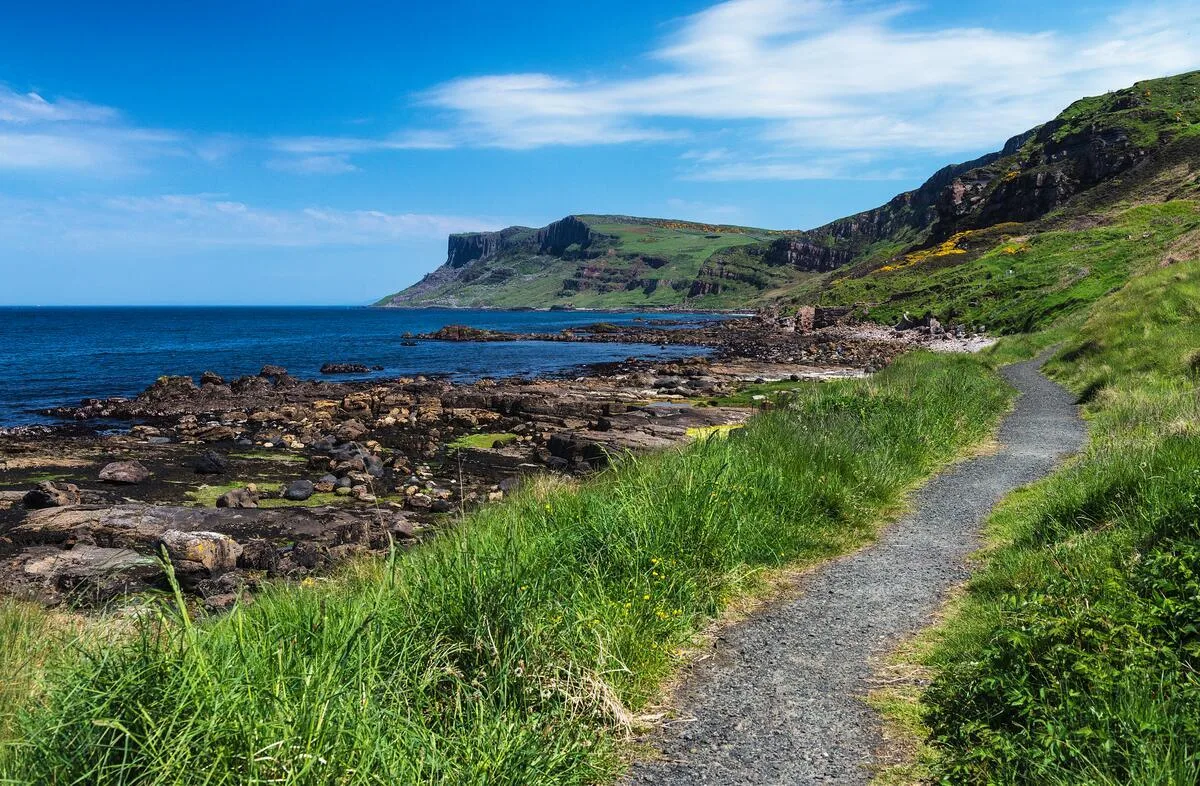
Glentaisie and Glenshesk converge near Ballycastle, where the Antrim coast meets the Causeway Coast. From Ballycastle, you can walk to Fair Head — one of the most dramatic cliff walks in Ireland — or take the ferry to Rathlin Island.
These northern glens are best explored with a map and a willingness to follow quiet farm roads and tracks. If you want to get away from everything, this is where to come.
Walking Glen to Glen: The Long Trail
Rather than walking individual glens, many experienced walkers take on the linear route connecting multiple valleys — one of the finest long-distance walking experiences in Northern Ireland.
The route from Ballycastle to Cushendall (or reverse) covers 22 km through moorland, forested glens, villages, and along the coast. Ambitious walkers complete it as a long day walk in 7-8 hours. More sensibly, you can split it across two days with an overnight in Cushendun.
If you have three days, here's how I'd structure a comprehensive Glens experience:
Day 1: Glenariff Forest Park Extended Loop (8-10 km, 4-5 hours) — Arrive mid-morning, walk the scenic trail to the glen rim, and finish with lunch in Waterfoot. Overnight in Cushendall.
Day 2: Cushendall to Cushendun and Glendun (10-12 km, 4-5 hours) — Coast walk north to Cushendun, explore the caves, then walk inland along the Glendun River. Evening in Cushendall — pub dinner, early bed.
Day 3: Northern Glens Section (10-12 km, 4-5 hours) — Walk from Cushendun toward Ballycastle; arrange return transport or loop back via the coast.
This itinerary provides a thorough glen experience without the commitment of week-long trails, and you'll understand why these valleys deserve wider recognition.
Waterfall Walks in the Glens
Water defines the glens. Every valley has its waterfalls — some spectacular, others intimate, all worth seeking out. Glenariff's waterfalls are the most accessible, being visible from marked trails. But the most rewarding cascades require effort.
In Glendun, a waterfall drops 15 metres into a pool surrounded by ferns and moss-covered rocks. I found it by following the sound of falling water — it's not marked on tourist maps. In Glencoy, another cascade tumbles through a narrow gorge, accessible only by scrambling over boulders and following sheep tracks.
After heavy rain, the glens come alive with temporary waterfalls streaming down the valley sides. Early spring offers the highest water volumes and the most dramatic cascades. A word of caution: rocks near waterfalls are slippery, drops are real, and mobile signal is absent. Tell someone your route, carry a map, and turn back if conditions deteriorate.
Planning Your Visit
The Glens of Antrim are about an hour from Belfast, making them accessible for day trips or as part of a longer tour of the Antrim coast. The A2 coast road connects all nine glens from Larne to Ballycastle.
Cushendall and Glenariff make the best bases for walking. Both have accommodation and are central to the most popular trails. Ballycastle to the north is another good option, especially if you want to combine glen walks with the Giant's Causeway and the Causeway Coast.
Best Time to Walk
Spring (April-May): Waterfalls at their fullest, bluebells in the woodland, moderate crowds. My favourite season — the glens feel reborn. Summer (June-August): Warmest weather and longest daylight, but midges can appear in sheltered valleys. Early mornings offer the best solitude. Autumn (September-October): Golden light, dramatic skies, and spectacular colour in Glenariff. Bracken turns copper, beech trees glow amber – outstanding for photography. Winter (November-March): Moody, beautiful, and demanding. Short daylight and potential for icy conditions — recommended only for experienced walkers. The best time to visit Ireland for walking the glens is April to October.
What to Bring
Pack good hiking boots and waterproofs — the glens are sheltered, but the Irish weather can change fast. Carry 1:50,000 OS Discovery maps (Sheets 5 and 9), a compass, and download offline GPS tracks before you arrive. Mobile signal is patchy in valley bottoms — don't rely on your phone for navigation. Our packing list covers everything you need.
Combining with Other Northern Walks
The Glens of Antrim pair naturally with the Causeway Coast. A week in the north might include three days in the glens and three days on the Causeway Coast, with a rest day exploring Belfast or the Giant's Causeway. For walkers seeking less-travelled routes, the Cooley & Mourne Mountains extend the experience southward toward the border.
We offer self-guided walking holidays that include the Glens of Antrim and the Causeway Coast. We book your accommodation, transfer your bags, and provide detailed route notes. For walkers who prefer local knowledge and company, our guided walking holidays pair you with guides who know every path in the glens. Check our tour grading to find the right level for you.
Frequently Asked Questions
How many glens are in the Glens of Antrim?
There are nine glens: Glenarm, Glencloy, Glenariff, Glenballyeamon, Glenaan, Glencorp, Glendun, Glenshesk, and Glentaisie. They run from south to north along the Antrim coast between Larne and Ballycastle.
Which is the best glen to visit?
Glenariff is the most popular and has the best-marked trails, including the famous Waterfall Walk. For village atmosphere, Cushendall is excellent. For solitude, the northern glens of Glendun and Glenshesk are hard to beat.
Can I walk from glen to glen?
Yes. The linear route from Ballycastle to Cushendall covers 22 km through moorland and forested glens – doable as a long day walk or split over two days. The Ulster Way and various local paths connect some glens, and the coast road between villages is walkable too. Our self-guided walking holidays provide route notes for the best connecting walks.
Is Glenariff Forest Park free?
There is a car parking fee to enter the forest park, but there is no separate admission charge for the trails. The Waterfall Walk and Scenic Trail are both included in the parking fee.
How do I get to the Glens of Antrim from Belfast?
Drive north on the M2, then the A26 to Ballymena, then take the A43 to Glenariff. The journey takes about an hour. The A2 coast road from Larne is slower but more scenic. Bus services operate from Belfast to Cushendall, Waterfoot, and other glen villages, though less frequently than southern routes.
Walk Into the Quiet
The Glens of Antrim give you something rare — real quiet in a beautiful landscape that's easy to reach. Glenariff's waterfalls, Cushendall's three valleys, Cushendun's sea caves, the southern charm of Glenarm and Carnlough, and the wild northern glens each offer something different. Together, they make this one of the finest walking areas in Ireland.
Spend a few days here and you'll understand why people who know Northern Ireland well rate the glens above almost anywhere else. The walking is varied, the villages are welcoming, and the sense of peace stays with you long after you leave. Get in touch with Walking Holiday Ireland and we'll help you plan a trip through the Glens of Antrim.
The Glens sit alongside the Causeway Coast, and the two walk beautifully together over several days. See how we put that itinerary together in our self-guided walking tours.
Frequently Asked Questions
Are the trails well-marked?
What kind of boots should I wear?
Do your tours cover Northern Ireland as well as the Republic?
What are the most essential items to pack for a walking holiday in Ireland?
Photo Gallery