Nordic Walking: A Complete Guide to Technique, Benefits, and Getting Started
Nordic walking is one of the best forms of exercise you can do — and one of the most underrated. In this Nordic walking technique guide, I'll show you how it turns an ordinary walk into a full-body workout by adding specially designed poles that engage your arms, shoulders, chest, and core alongside your legs. You burn more calories, improve your posture, and get fitter faster than regular walking, all without the impact stress of running or the gym.
Nordic walking started in Finland in the 1960s as a summer training method for cross-country skiers. They needed a way to maintain fitness when there was no snow, so they took their poles and walked. It worked so well that by the 1990s, Nordic walking had become a mainstream fitness activity across Scandinavia and Germany. Today millions of people worldwide use this technique, from casual walkers looking to get more from their daily exercise to athletes maintaining off-season fitness.
What Is Nordic Walking?
This activity is fitness walking with specially designed poles. Unlike hiking poles or trekking poles, which are used mainly for balance and support on rough terrain, the poles used in this discipline are active tools — you push them into the ground behind you with each stride, driving yourself forward and engaging your upper body muscles.
The key difference from regular walking is the arm movement. In normal walking, your arms swing naturally but don't do much work. With pole walking, your arms drive into the ground in rhythm with your steps, creating a pushing motion that engages your triceps, shoulders, chest, and back muscles. This transforms an ordinary stroll into a full-body workout.
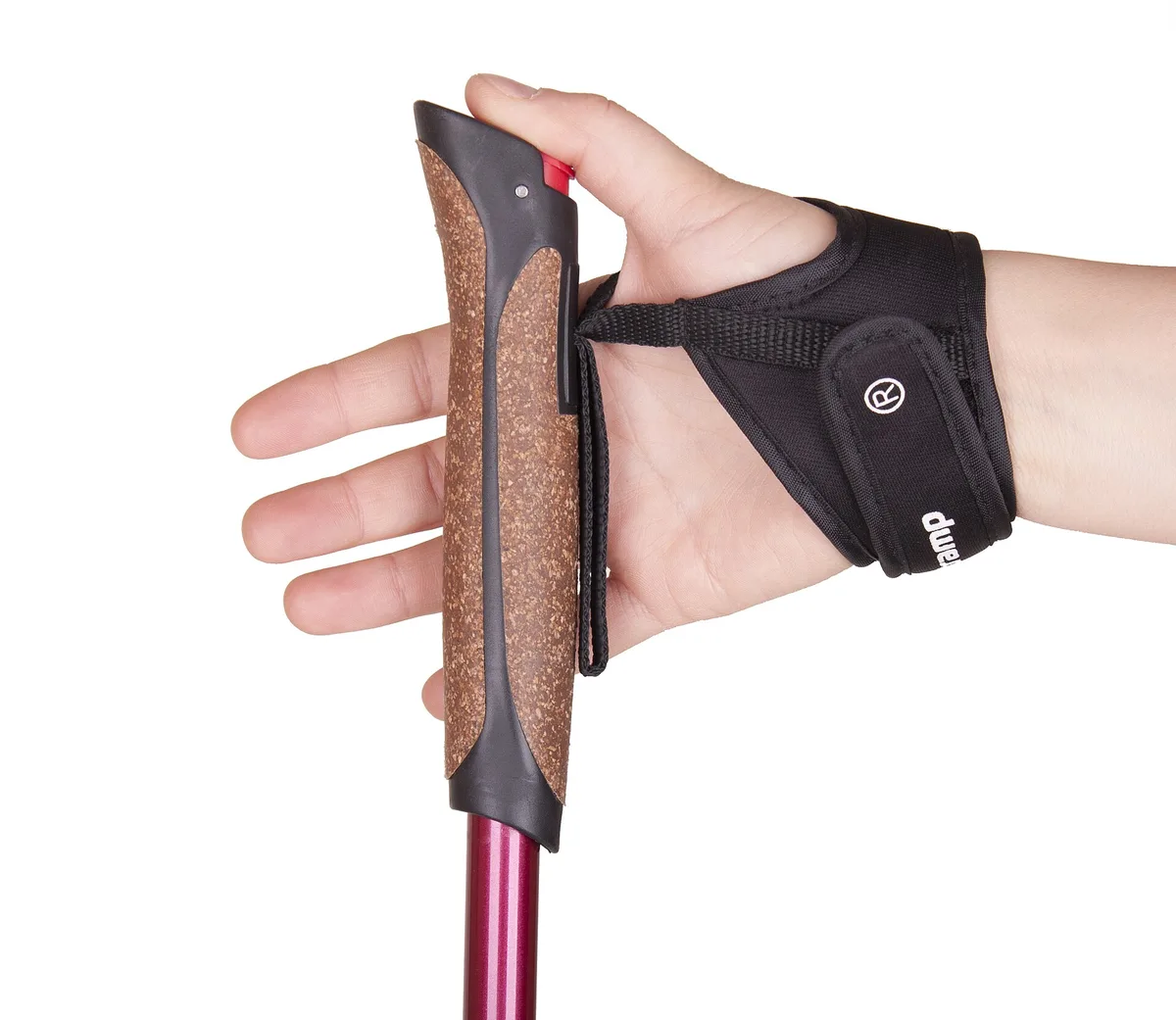
The poles have a specific design. They're lighter than hiking poles, have angled rubber tips for hard surfaces (and metal tips for trails), and feature a glove-like wrist strap that lets you release the pole at the back of each stroke and catch it again at the front. The strap is the key piece — it allows the push-and-release technique that makes this style of walking so effective.
Nordic Walking Technique Guide: How to Nordic Walk Properly
Learning the Nordic walking technique properly is what makes the difference between an effective workout and just walking with poles. Here's this Nordic walking exercise guide for beginners.
Start by walking normally and letting the poles drag behind you. Get comfortable with the rhythm of your natural stride before you add the pole technique. Your arms should swing naturally, opposite to your legs — your left arm forward with your right leg and your right arm with your left leg.
Now begin planting the poles. As your arm swings forward, plant the pole tip at a 45-degree angle behind your body, roughly level with your back foot. As your body moves past the pole, push down and back. This Nordic walking pole technique — the pushing motion — is what engages your upper body. At the end of the push, open your hand and let the strap hold the pole — don't grip it tightly. Then swing your arm forward, close your hand around the grip, and plant again.
The most common mistake beginners make is planting the pole too far forward. If the pole goes in front of your body, you're pulling yourself forward rather than pushing — and the whole purpose of the technique is the push. Keep the plant behind you, push through, and release. Another frequent error is gripping the handle too tightly through the entire stroke, which tires your forearms and prevents the proper open-hand release at the back.
Your posture should be upright with a slight forward lean from the ankles. Look ahead, not down at your feet. Keep your shoulders relaxed and your core engaged. The stride is longer than normal walking but should feel natural, not forced.
Practice on flat ground first. A park, a quiet road, or a flat trail are all good starting places. Once the technique feels natural, you can take it on hills, trails, and varied terrain — which is where the exercise becomes even more effective and enjoyable.
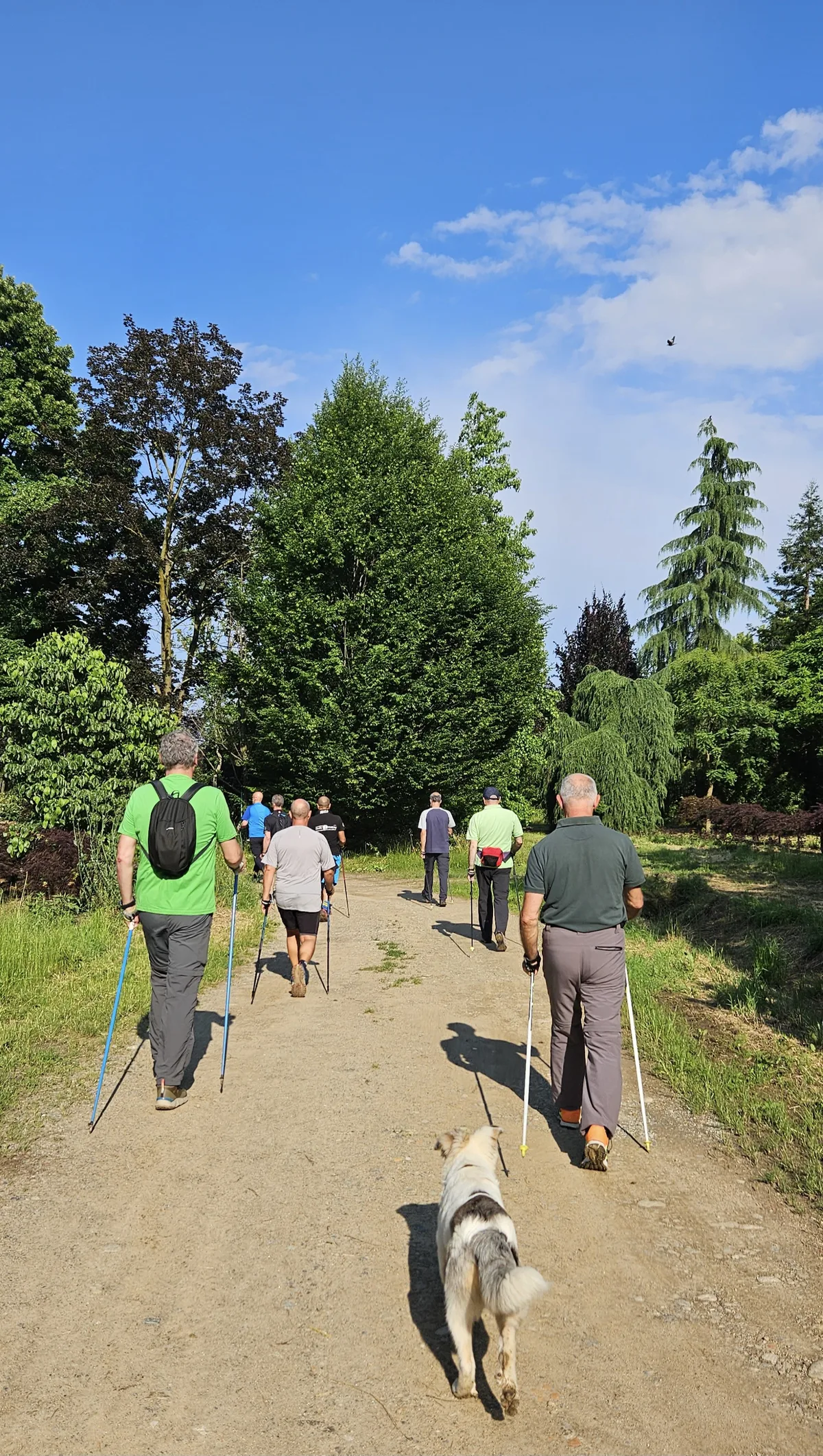
Nordic Walking Benefits: Full Body Fitness Training
The Nordic walking benefits full-body workouts deliver are well documented by research and backed by the experience of millions of regular practitioners.
A full-body workout is the headline benefit. This form of exercise uses approximately 90 per cent of your body's muscles, compared to about 70 per cent for regular walking. Your arms, shoulders, chest, back, and core all work alongside your legs. When comparing Nordic walking vs regular walking, you burn 20 to 46 per cent more calories at the same pace.
Cardiovascular fitness improves significantly with Nordic walking fitness training. Studies show that pole walking raises your heart rate by 10 to 15 beats per minute compared to regular walking at the same speed. Over time, this leads to better heart health, lower blood pressure, and improved endurance.
Joint-friendly exercise makes this activity accessible to people who find running too harsh on their knees, hips, or ankles. The poles take some of the load off your lower joints, distributing it to your arms and shoulders instead. Many physiotherapists recommend the technique for people recovering from joint injuries or managing arthritis.
Posture improvement is a natural side effect. The pole technique encourages an upright stance with engaged core muscles. People who sit at desks all day find that regular Nordic walking counteracts the slouching that comes from hours in a chair.
Mental health benefits come with any outdoor exercise, but the rhythmic nature of this activity — the steady pace, the pole push, the breathing pattern — has a meditative quality that walkers consistently report. Combined with the social side of walking with others, it's a powerful tool for managing stress, anxiety, and low mood.
Choosing Nordic Walking Poles
Not all walking poles are the same, and using the right equipment matters for technique and comfort.
The poles come in one-piece or adjustable designs. One-piece poles are lighter and more responsive but need to be the right length for your height. Adjustable poles are heavier but versatile — useful if multiple people will share them or if you're unsure of your ideal length.
The correct pole length is roughly 68 per cent of your height. When you hold the pole with the tip on the ground and your elbow at your side, your forearm should be roughly parallel to the ground or angled slightly downward. Most manufacturers provide size charts, but testing the length in person is always better.
The wrist strap is the most important feature. A good pole has a glove-style strap that wraps around the web between thumb and forefinger. This lets you push through the pole at the back of the stroke without gripping. Cheap poles with simple loop straps won't give you the same technique.
Tips come in two types: rubber paw tips for hard surfaces like tarmac and concrete, and metal spike tips for trails, grass, and soft ground. Most poles come with both. Start with rubber tips on paths and switch to metal when you take your Nordic walking off-road.
Nordic Walking in Ireland
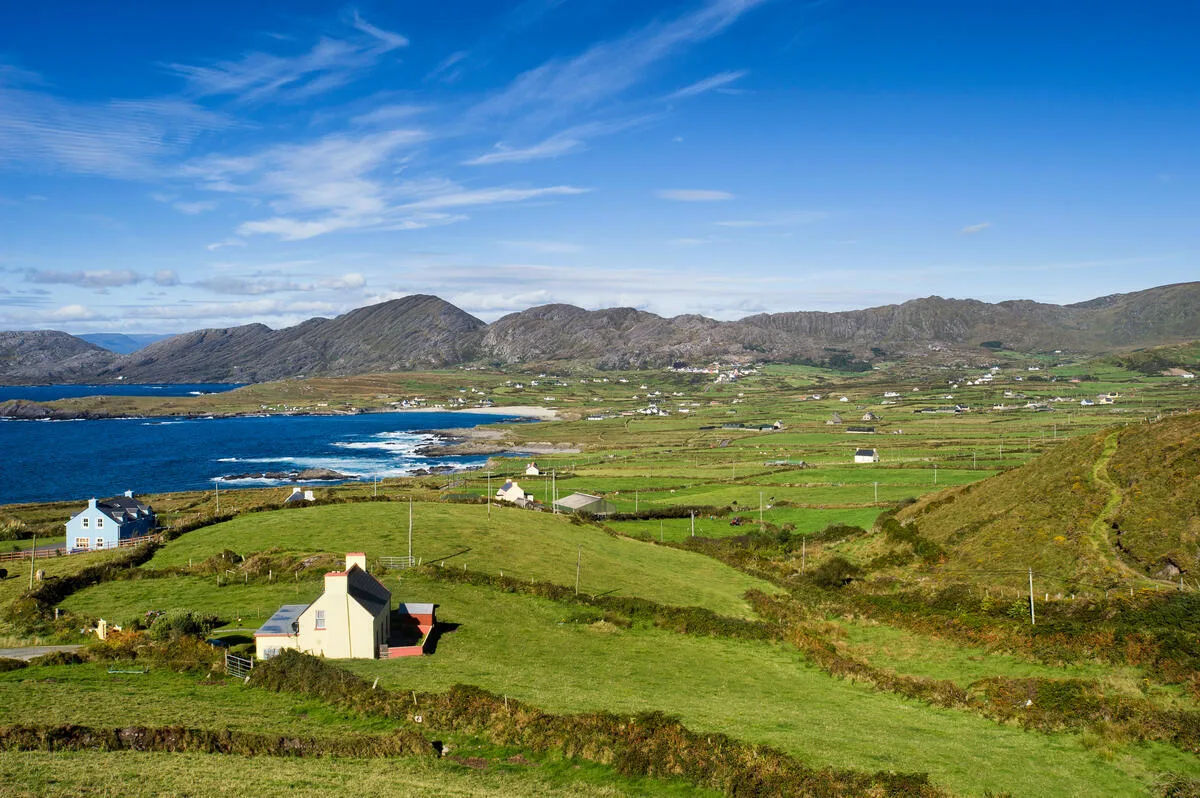
Ireland is a wonderful country for this style of fitness walking. The mild climate, the green landscapes, and the network of trails, parks, and coastal paths give you endless options.
Forest parks are ideal for pole walking — the flat or gently undulating trails through places like Tollymore, Killarney National Park, or the forests of the Wicklow Mountains give you good surfaces underfoot with beautiful scenery. Beaches work well too — firm sand near the waterline gives excellent resistance.
Many of our walking holiday routes suit walkers using poles. The Barrow Way with its flat towpath is perfect for practising technique. Gentler sections of the Wicklow Way and Kerry Way work well too.
The best time to visit Ireland for outdoor exercise is April to October, with May and September offering the best combination of mild temperatures and long daylight hours. The Irish weather is mild but changeable — pack a light waterproof, and you'll be comfortable in any season.
Check out our self-guided walking holidays for routes or our guided walking holidays if you'd like expert company. Our tour grading helps you find the right level of challenge, and our packing list covers what to bring.
Getting Started: Learn Nordic Walking for Beginners
Getting started with Nordic walking for beginners is straightforward. Buy or borrow a pair of proper poles designed for this technique — not hiking poles — and find a flat path. Walk for 20 to 30 minutes, focusing on the arm swing and pole plant. Don't worry about speed; focus on rhythm and proper technique. Once the movement feels natural, increase your distance and pace.
If possible, take a lesson or join a local group. A trained instructor can correct your technique in person, which saves weeks of building bad habits. Many fitness clubs and walking groups now offer sessions, and you'll often find free taster events in parks and community centres.
The beauty of this discipline is that it meets you where you are. If you're already a regular walker, adding poles gives you more fitness benefit from the same time investment. If you're new to exercise, it's gentle enough to start without risk and effective enough to deliver real results. Either way, you'll walk further, feel better, and use your whole body — and that's a hard combination to beat.
What is the main benefit of Nordic walking compared to regular walking?
Nordic walking engages approximately 90% of your body's muscles compared to 70% for regular walking. It burns 20 to 46% more calories at the same pace and provides a full-body workout that targets your arms, shoulders, chest, back, and core alongside your legs.
What is the correct pole length for Nordic walking?
The correct pole length is roughly 68 per cent of your height. When you hold the pole with the tip on the ground and your elbow at your side, your forearm should be roughly parallel to the ground or angled slightly downward. Most manufacturers provide size charts, but testing the length in person is always better.
What is the most common mistake beginners make with Nordic walking?
The most common mistake is planting the pole too far forward. If the pole goes in front of your body, you're pulling yourself forward rather than pushing, which defeats the purpose. Keep the plant behind you, push through, and release. Another frequent error is gripping the handle too tightly throughout the stroke.
Is Nordic walking suitable for people with joint problems?
Yes. Nordic walking is joint-friendly because the poles take some of the load off your lower joints, distributing it to your arms and shoulders instead. Many physiotherapists recommend the technique for people recovering from joint injuries or managing arthritis, and it's a good alternative for those who find running too harsh on their knees, hips, or ankles.
What is the wrist strap on Nordic walking poles, and why is it important?
The wrist strap is a glove-like feature that wraps around the web between your thumb and forefinger. It's the most important feature of proper Nordic walking poles because it allows you to push through the pole at the back of the stroke without gripping tightly. The strap lets you release and catch the pole again, enabling the push-and-release technique that makes this style of walking effective.
Frequently asked questions
Is Nordic walking good for your knees?
Yes. Nordic walking distributes impact across your upper body through the poles, reducing stress on your knees and joints. The rhythmic arm movement also strengthens stabiliser muscles that support knee function. Most walkers with mild knee concerns find Nordic walking more comfortable than traditional hiking.
Do you need special poles for Nordic walking?
Purpose-made Nordic walking poles are best. They're lighter, shorter, and angled differently than trekking poles. Regular trekking poles can work, but Nordic poles are designed for the hand strap and grip angle that makes the technique effective and comfortable.
How is Nordic walking different from trekking?
Nordic walking uses dedicated poles with a forward-propelling arm swing, engaging your core and upper body actively throughout. Trekking poles are mainly for balance and descent support. Nordic walking burns 20–40% more calories and builds strength; trekking focuses on endurance and load-carrying.
Can you do Nordic walking on Irish trails?
Absolutely. Irish trails range from gentle woodland walks to rocky mountain paths. Nordic walking works on most terrain—single track is easiest, but with practice you'll manage rocky ridges and boggy sections. Many of our walkers use poles on Irish routes and love the added rhythm and stability.
How long does it take to learn Nordic walking technique?
Basic technique takes 30 minutes to an hour. You'll feel more natural after a day or two of practice. Most walkers master proper form—pole angle, arm swing, grip—within 3–5 outings. Don't expect perfection immediately; technique deepens with use.
Continue exploring
Keen to learn more about self-guided walking in Ireland? Discover our range of supported routes and practical advice for every season and skill level.
Poles and technique travel well. If you would like to put the miles in somewhere beautiful, have a look at our self-guided walking tours - gentle, steady, multi-day routes with your bags carried for you.