Famine Roads Ireland: Where to Walk These Historic Trails
Famine Roads Ireland: Walking Historic Paths Built During the Great Hunger
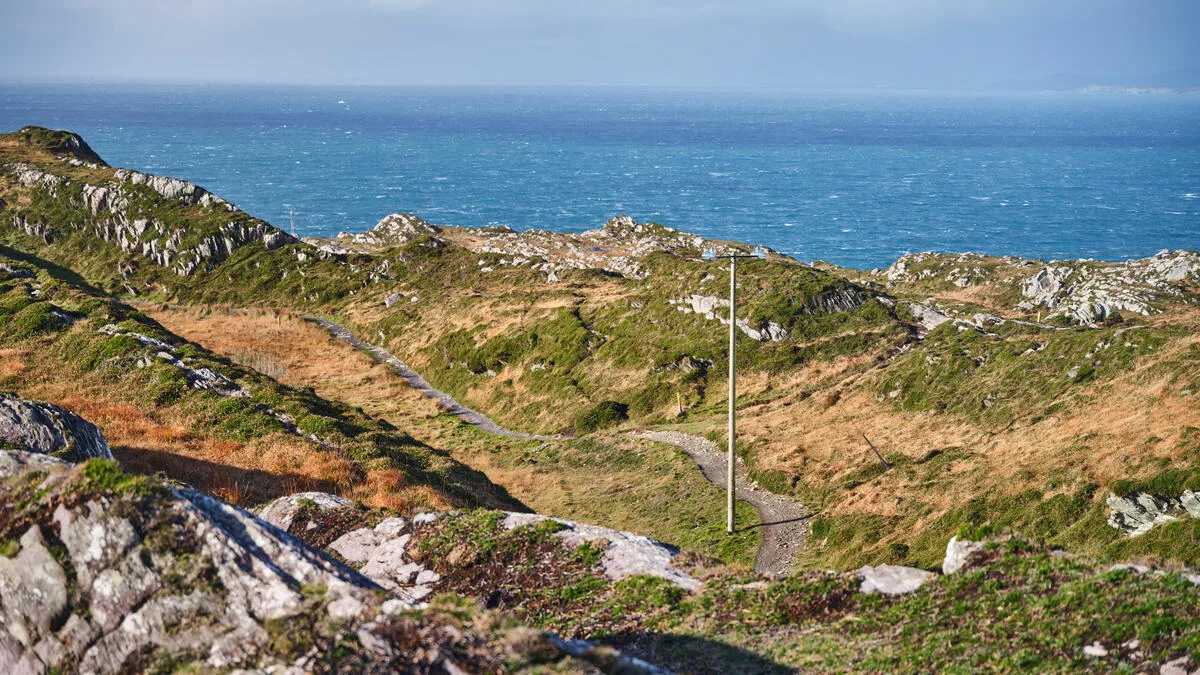
The famine roads ireland network includes roads in the west that lead nowhere They climb boggy hillsides, cross empty moorland, and stop — sometimes mid-field, sometimes at the edge of a cliff. No village at either end. No purpose anyone can see. Just rough stone pathways built by people who were starving to death.
These are the Famine Roads of Ireland. And walking them is one of the most powerful experiences you can have on Irish soil.
My name is Cliff, and I run Walking Holiday Ireland. I've spent years guiding people along trails across this country, but nothing stops me in my tracks quite like coming across a Famine Road. These paths carry the weight of Ireland's darkest chapter — the Great Famine of 1845 to 1852 — and walking them connects you to that history in a way no book or museum can match.
The Irish Potato Famine: What Happened and Why It Still Matters
To understand the Famine Roads, you need to understand the catastrophe that built them.
Before the blight hit, about 8.3 million people lived in Ireland. By 1852, a million had died from hunger and disease. Two million more had fled — many on coffin ships to America, Canada, and beyond. In just seven years, Ireland lost a quarter of its people. In the west, the losses were even worse.
The cause was a blight called Phytophthora infestans. It turned healthy potato crops to black mush in the fields. For Ireland's poor, the potato wasn't just one food among many — it was the food. One acre could feed a family for a year. When the blight hit again and again — 1845, 1846, the awful Black '47, and on — there was nothing to fall back on.
But the blight alone didn't cause the famine. The British government made it far worse. Food kept being shipped out of Ireland while people starved. Relief schemes were set up to punish, not help. And that brings us to the roads.
What Were the Famine Roads? The "Roads to Nowhere"
The Famine Roads were a British government work scheme. The idea was cruel but simple: if you wanted food, you had to earn it. Men, women, and even children were put to work building roads — by hand, with basic tools, in all weather.
The catch? The roads were built to go nowhere.
This was on purpose. The rules said relief work must not create anything useful or compete with private business. So the roads went up hillsides, across bogs, and into dead ends. The point wasn't to build roads. It was to make sure nobody got help for free.
The workers broke stones and moved earth while starving. The wages barely bought a handful of meal. Many died on the job. Others dragged themselves to work knowing that a missed day meant no pay — and no pay meant death.
These roads are monuments to human grit and state failure. Walk them today, and you can still feel what happened here.
Where to Find Famine Roads in Ireland
Famine Roads survive across Ireland's western and southwestern counties — the regions hardest hit by the Great Famine. Here's where to walk them:
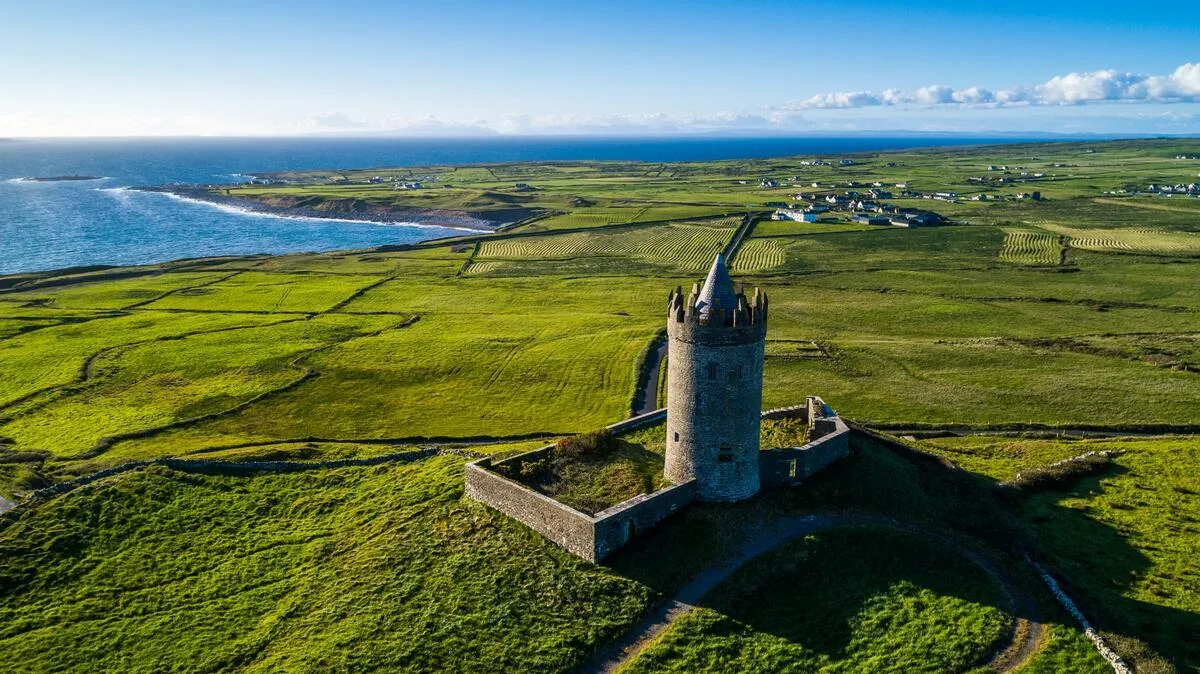
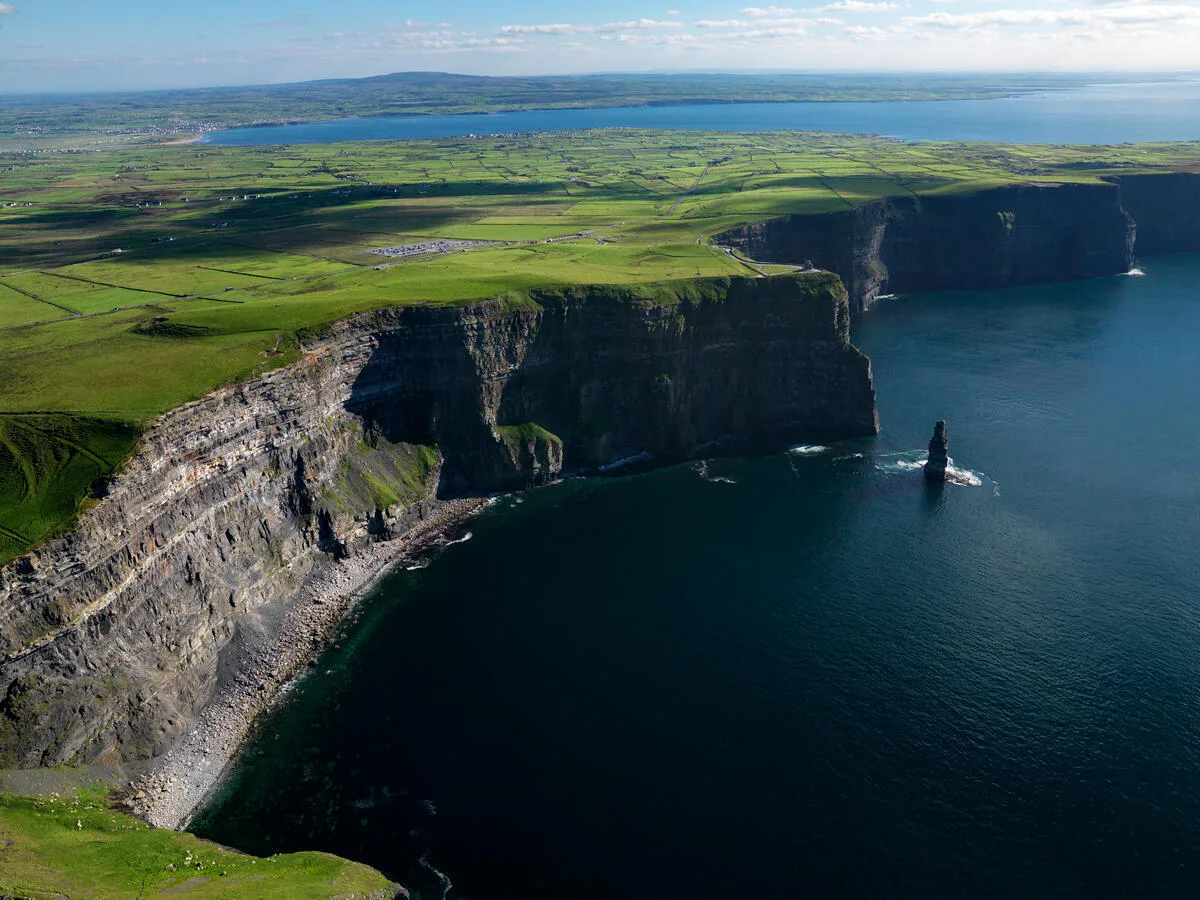
County Clare has some of the best-kept Famine Roads. The Burren's rocky limestone holds paths you can walk as part of longer hikes. The Cliffs of Moher coast runs through land shaped by famine history.
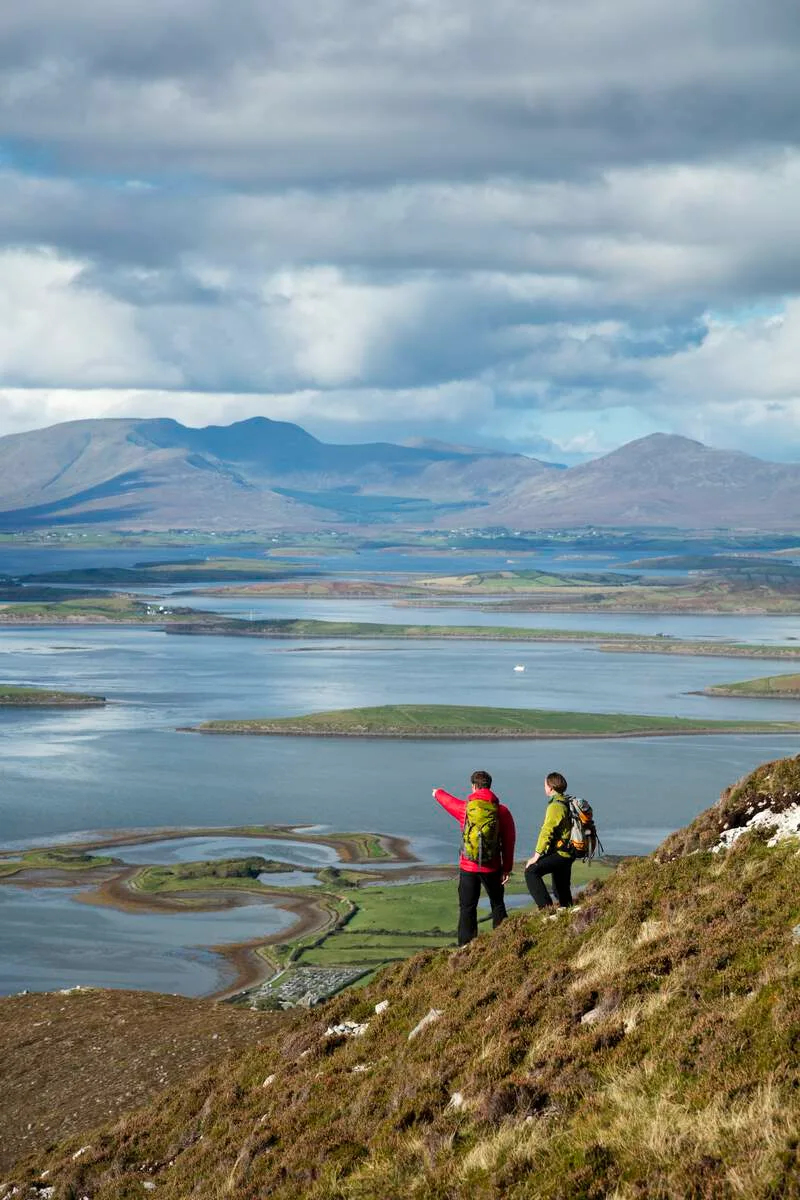
County Mayo has some of the deepest scars. Near Croagh Patrick — Ireland's holy mountain — Famine Roads cross bleak, lovely bogland. Mayo lost a huge share of its people in the famine years.
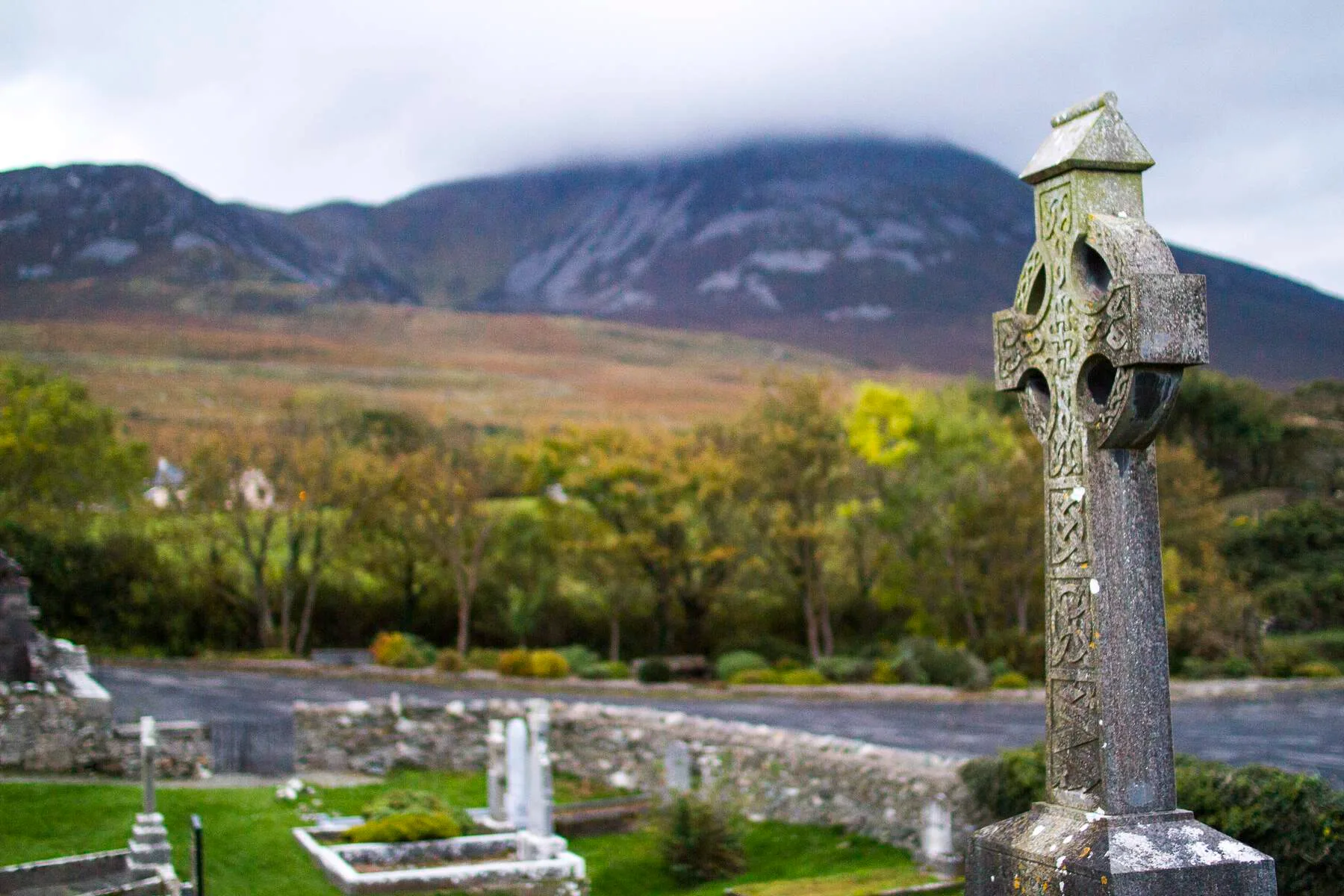
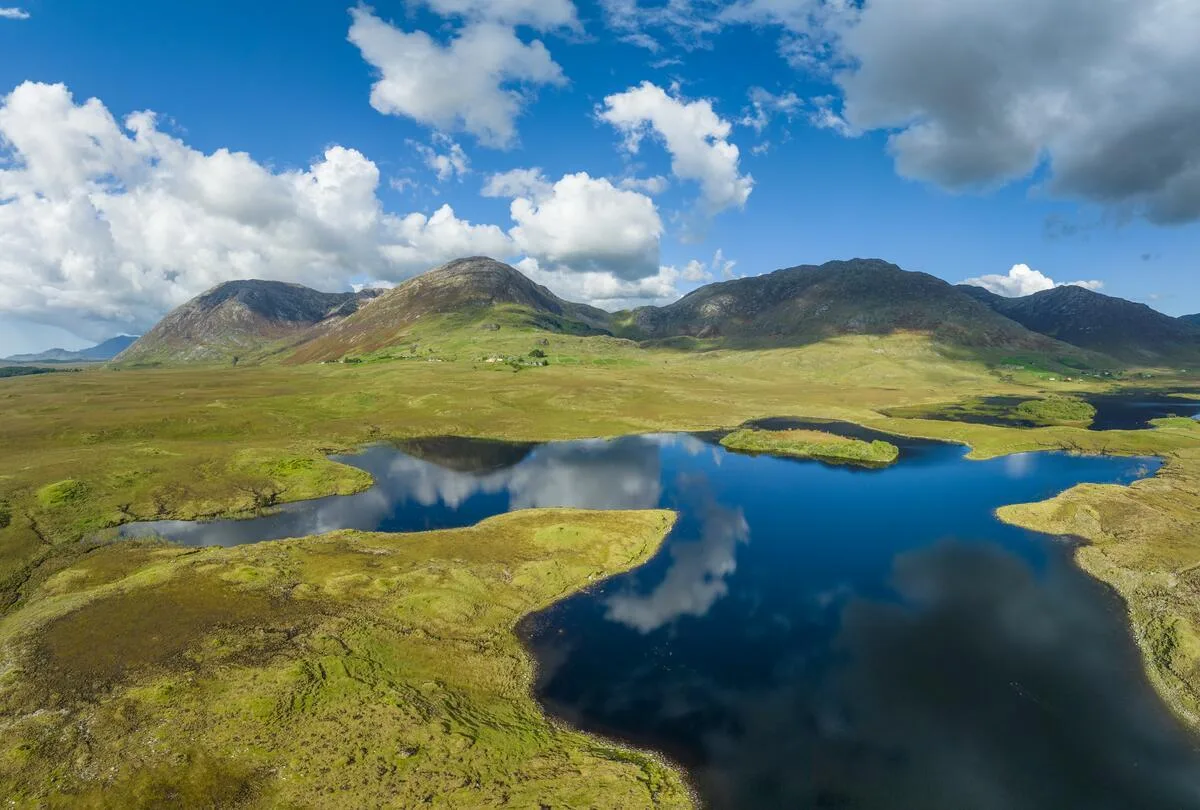
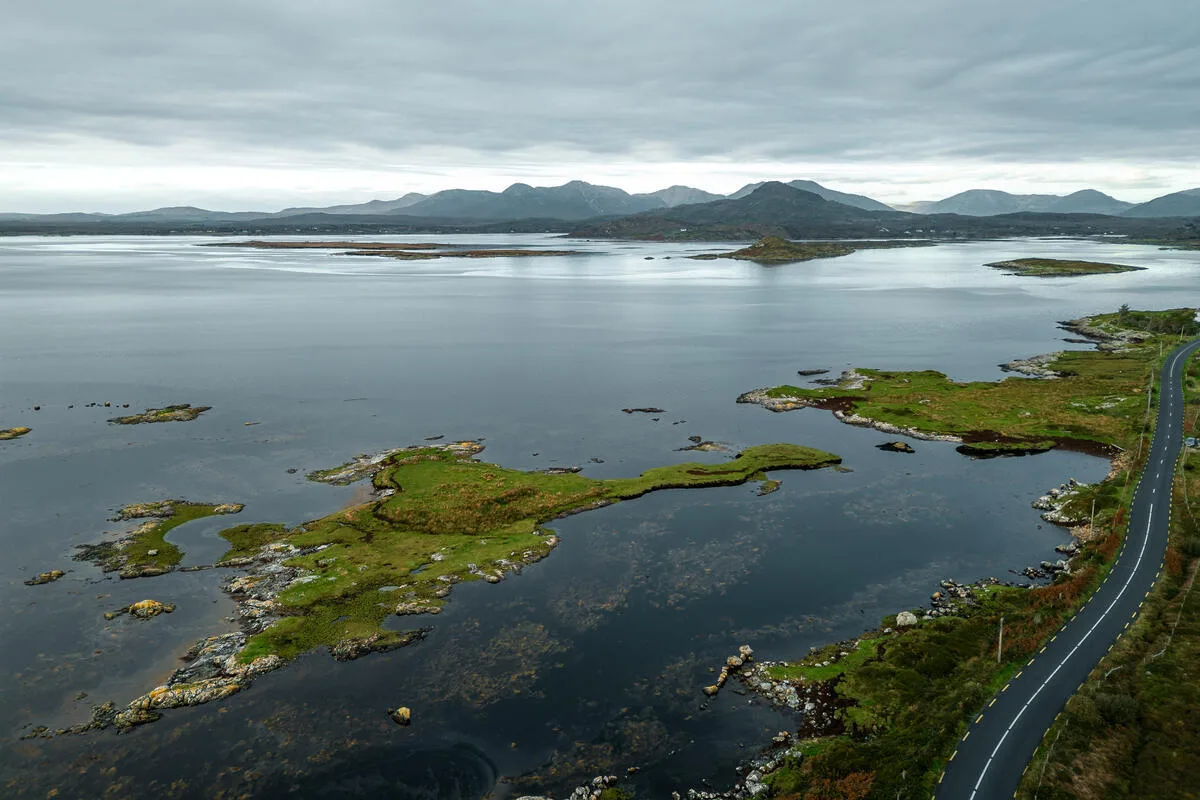
Connemara, County Galway is packed with Famine Roads. The best hikes in Connemara pass through wild, remote land — much of it hit hard by the famine. The Maumturk range and the bogs near Clifden still hold these old paths.
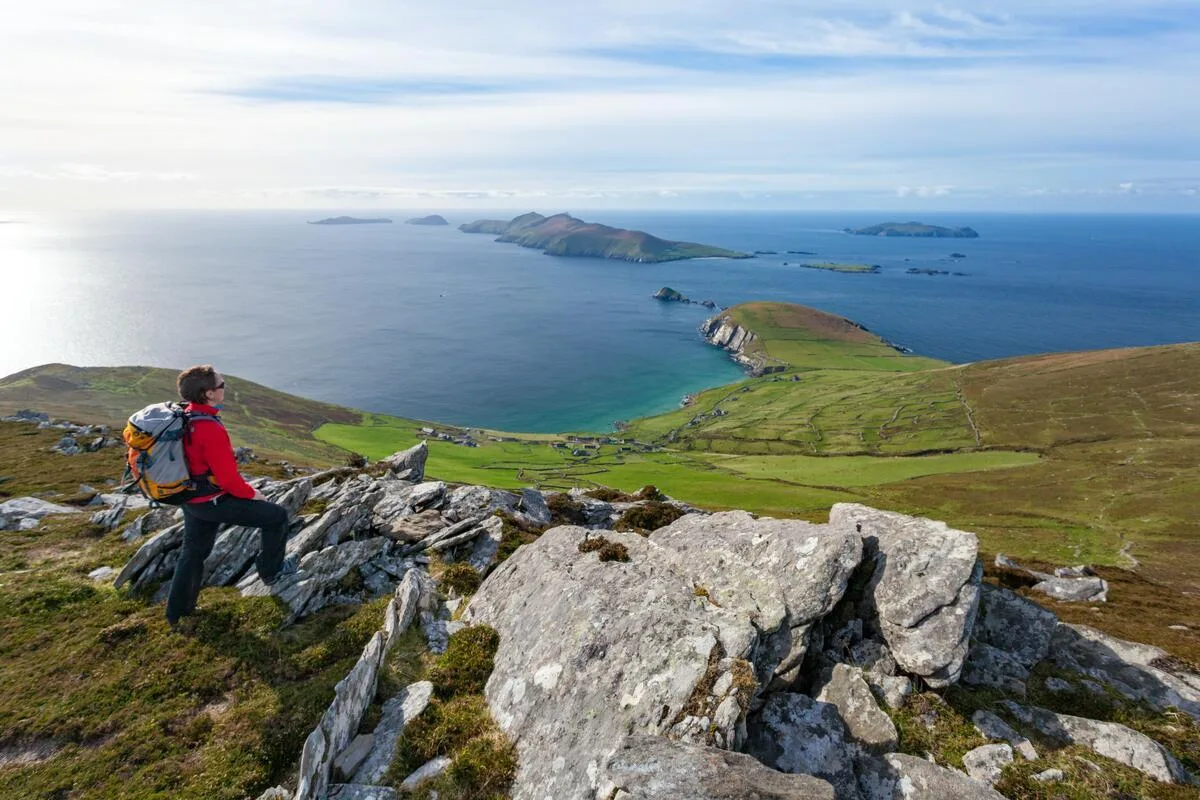
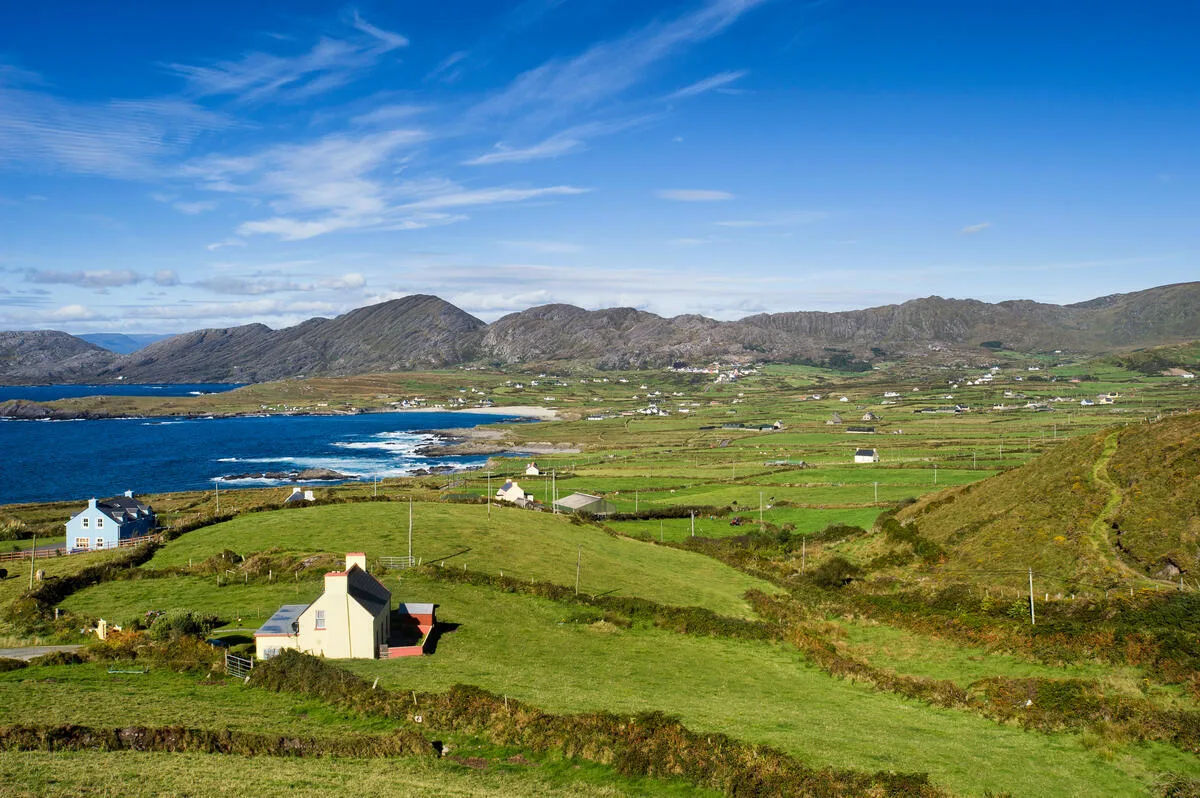
County Kerry and the Dingle Peninsula have Famine Roads in the wilder spots away from the main tourist trail. The Kerry Way covers some of this ground, and the Beara Way on the Cork-Kerry border winds through old relief-works land.
County Donegal up in the northwest has Famine Roads in its mountain areas. Hiking in Donegal takes you through some of Ireland's wildest land — much of it marked by the famine.
Walking the Famine Roads Today: What to Expect
Walking a Famine Road isn't like a marked trail. Many are overgrown or half-hidden in the land. Some are now part of modern hiking routes. Others take a bit of local know-how to find.
Here's what you can expect:
The roads are made of rough stone — rock broken by hand and laid over bog and earth. They're often well-built, which is striking when you think about who made them and why. You'll notice they look straight and purposeful, even when they lead to nothing. That gap between careful work and zero purpose is what makes them hit so hard.
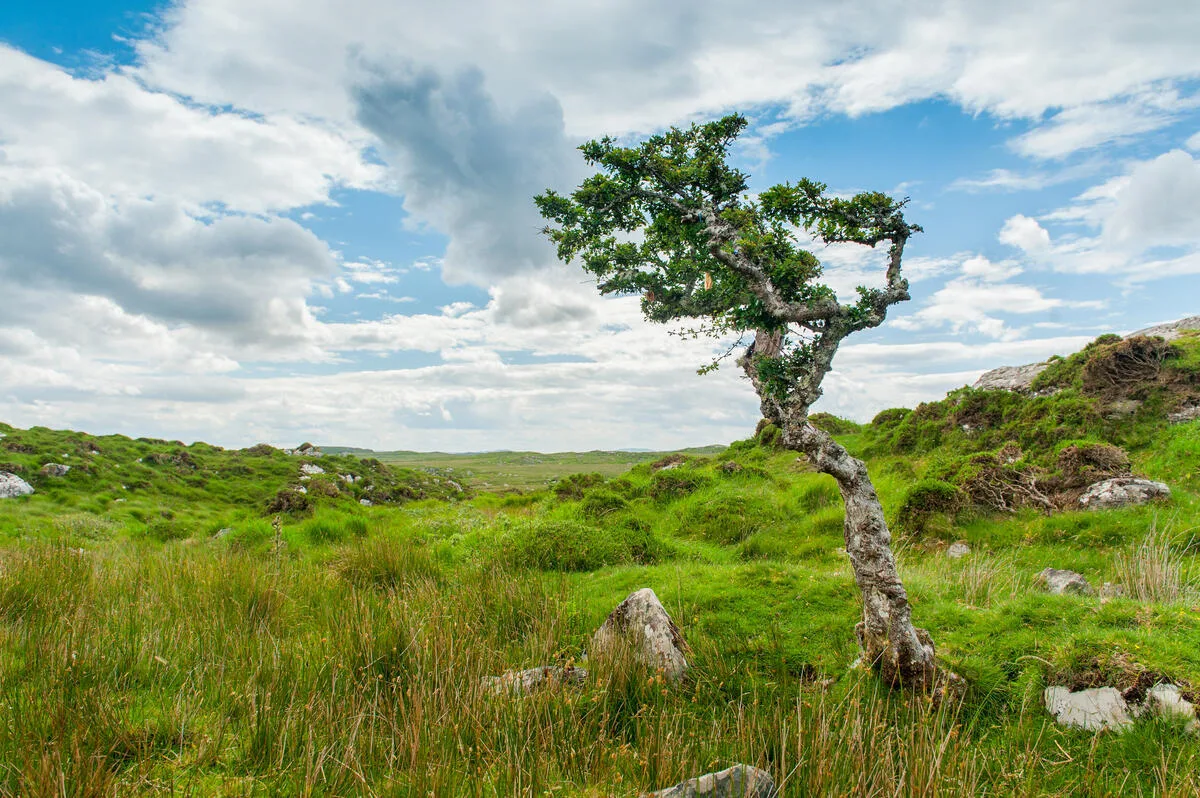
The terrain varies. In Clare, you might walk Famine Roads across the rocky Burren landscape. In Mayo, they cross open bogland with views of distant mountains. In Connemara, they wind through wild, treeless terrain that hasn't changed much in 180 years.
For your first Famine Road walk, I'd say try a guided tour. A good guide will spot roads you'd walk right past, tell you the stories, and bring it all to life. If you know what you're doing, self-guided trips work great — we give you full notes on what to look for.
The Emotional Weight of Walking These Paths
I won't pretend this is a casual day out. Walking a Famine Road is a moving thing. You're stepping on the same stones laid by people who were dying. The land around you — wild, lovely, empty — was once full of life. Whole towns lived here. Now they're gone.
But it's not as sad as you'd think. Most people call the walk powerful, grounding, and full of meaning. There's something about moving through a place on foot that helps you feel its story — one of the benefits of hiking that doesn't get talked about enough.
If you have Irish roots, this walk hits even harder. Many people come to Ireland to trace their family's famine story — a kind of roots tourism. If your family left in the Great Famine, they may well have walked roads like these before they got on the boat.
The Famine's Legacy in Ireland's Walking Landscape
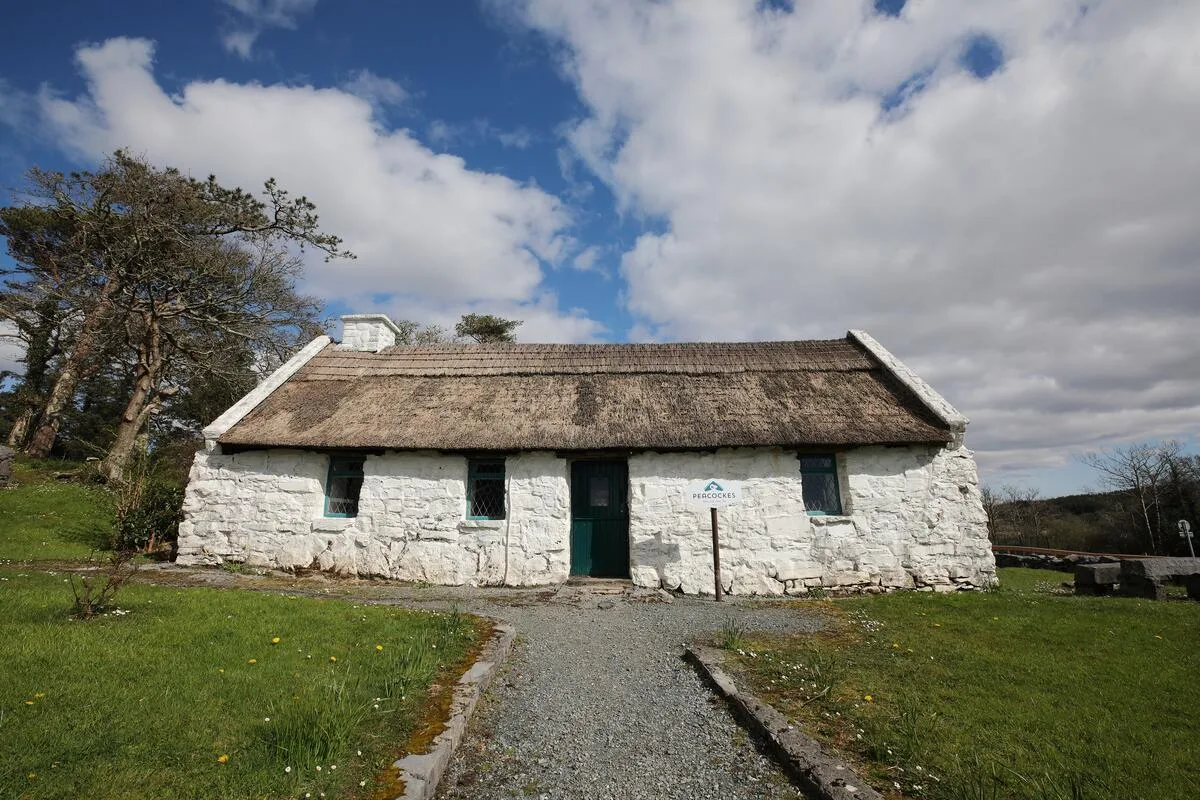
The Great Famine didn't just leave roads. It changed the whole Irish landscape. Those empty stone cottages on the hillsides? Famine ruins. Stone walls round fields no one farms? Left behind by people who are gone. The silence in valleys that once held villages? That's the echo of what happened.
Ireland's Celtic culture and history goes back thousands of years, but the famine is the big one. It's why Ireland has just 5.1 million people today — still fewer than in 1845. It's why there are 70 million people of Irish descent spread across the globe. And it still shapes how Irish people see themselves.
When you walk in the west of Ireland, you're walking through this history whether you realise it or not. The pilgrim paths that cross the same mountains, the Wild Atlantic Way that hugs the same coastline — they all pass through land that was transformed by the famine years.
Planning Your Famine Roads Walk
You can walk the Famine Roads all year, but the best time to visit Ireland for hiking is April to October. The west gets more rain than the east — the Irish weather is just part of the deal, so pack for it.
Good boots are a must — many Famine Roads cross soggy bog. Our guide to picking hiking boots will help, and the packing list has the rest. Coming from abroad? The booking guide takes you through it step by step.
We run walking trips that take in Famine Roads in several areas — from easy routes for over 50s to tough mountain ground. Each one comes with full notes on the history, so you'll know what you're walking through.
Walk Ireland's History. Honour Those Who Built These Roads.
The Famine Roads ask us to stop and think. To walk on stones laid by people who had nothing — no food, no hope, no way out — and take in what took place here. Walking these paths won't change the past. But it keeps the memory alive. And that matters.
If one walk in Ireland will stay with you long after you go home, it's this one. Not for the views — though the west is stunning. Not for the fresh air — though the land will test you. But for the human story in every stone under your feet.
Get in touch with us at Walking Holiday Ireland to plan a trip that takes in the Famine Roads. We'll match you with the right route, the right pace, and the story that brings these paths to life.
Frequently Asked Questions
What are the Famine Roads of Ireland?
The Famine Roads are stone pathways built during Ireland's Great Famine (1845–1852) as part of British government relief works. Starving people were forced to build roads — often leading nowhere — in exchange for meagre wages. These "roads to nowhere" survive across western Ireland, particularly in Counties Clare, Mayo, Galway, Kerry, and Donegal.
Can you walk the Famine Roads today?
Yes. Many Famine Roads are still visible and walkable across western Ireland. Some have been incorporated into modern hiking trails, while others require local knowledge to find. Walking Holiday Ireland offers both guided and self-guided tours that include Famine Roads with full historical context.
Where are the best-preserved Famine Roads in Ireland?
County Clare (particularly the Burren region), County Mayo (near Croagh Patrick), and Connemara in County Galway have some of the most accessible and well-preserved Famine Roads. County Kerry and County Donegal also have notable examples.
Why were the Famine Roads built to go nowhere?
The British government's relief policy required that public works must not compete with private enterprise or create anything commercially useful. This meant roads were deliberately routed to serve no practical purpose — up hillsides, across bogs, and into dead ends — purely to justify paying starving workers.
Is walking the Famine Roads a sad experience?
Most walkers describe it as powerful and meaningful rather than simply sad. Walking these paths creates a physical connection to Ireland's most significant historical event. Many visitors — particularly those with Irish ancestry — find the experience deeply moving and an important way to honour those who suffered during the Great Famine.
Are the famine roads safe to walk?
Most famine roads are safe to walk, though conditions vary. Some are well-maintained paths; others are overgrown or rocky. Wear proper footwear, bring a map or GPS, and check the forecast. Mountain sections need hill-walking experience.
What should walkers know before setting out?
These are living memorials to Ireland's darkest chapter, so approach them with that in mind. Bring sturdy boots, weather gear and water. Many routes are remote — tell someone your plans. Reading a little of the local history beforehand deepens the walk considerably.
Continue exploring
Walking these historic paths offers profound connection to Ireland's resilience. Learn more about planning your own self-guided adventure and discovering Ireland's most cherished trails.
- Top-rated scenic walks in Ireland — explore beloved routes across the island
- Self-guided walking holidays in Ireland — plan your own adventure at your own pace
Many of these old roads are walked today as part of Ireland's waymarked trails. If you would like to follow them properly, our guide to hiking in Ireland is the place to start.
Frequently Asked Questions
Are the trails well-marked?
What kind of boots should I wear?
What is the most popular route?
What are the most essential items to pack for a walking holiday in Ireland?
Photo Gallery