Plan Your Hiking Trip in Ireland: Step-by-Step Guide
Planning a hiking trip to Ireland should be as enjoyable as the walk itself. Whether you're dreaming of the rugged cliffs of the Dingle Peninsula, the rolling moorlands of Connemara, or the gentle valleys of Wicklow, a well-organized approach transforms your vision into reality. This guide walks you through each stage of planning your Irish hiking adventure, from those first exciting thoughts to setting foot on the trail.
Ireland Hiking Planning Timeline: When to Book Everything
The key to a stress-free hiking holiday in Ireland is understanding the optimal booking timeline for walking tours. We recommend working backwards from your desired travel dates to ensure you secure the best accommodation, weather windows, and trail access.
12-14 Months Before: Dream and Research Phase
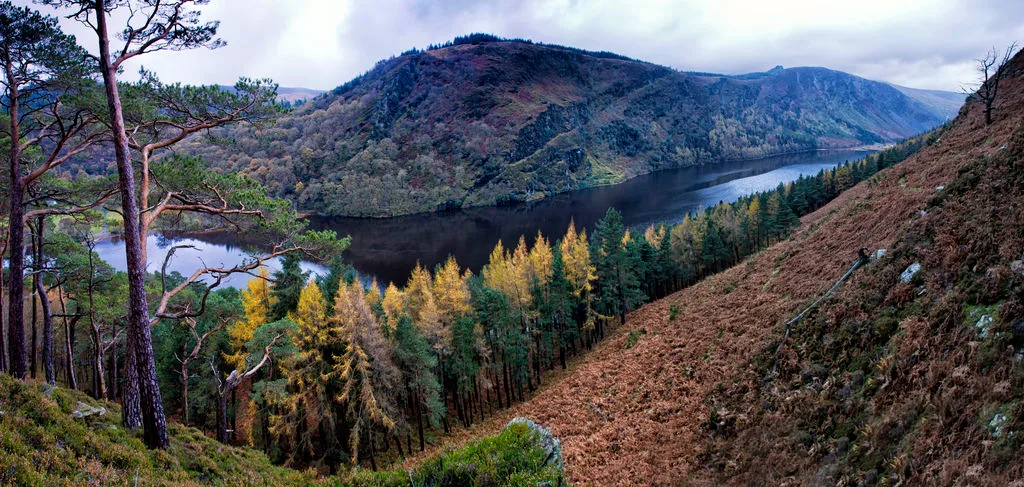
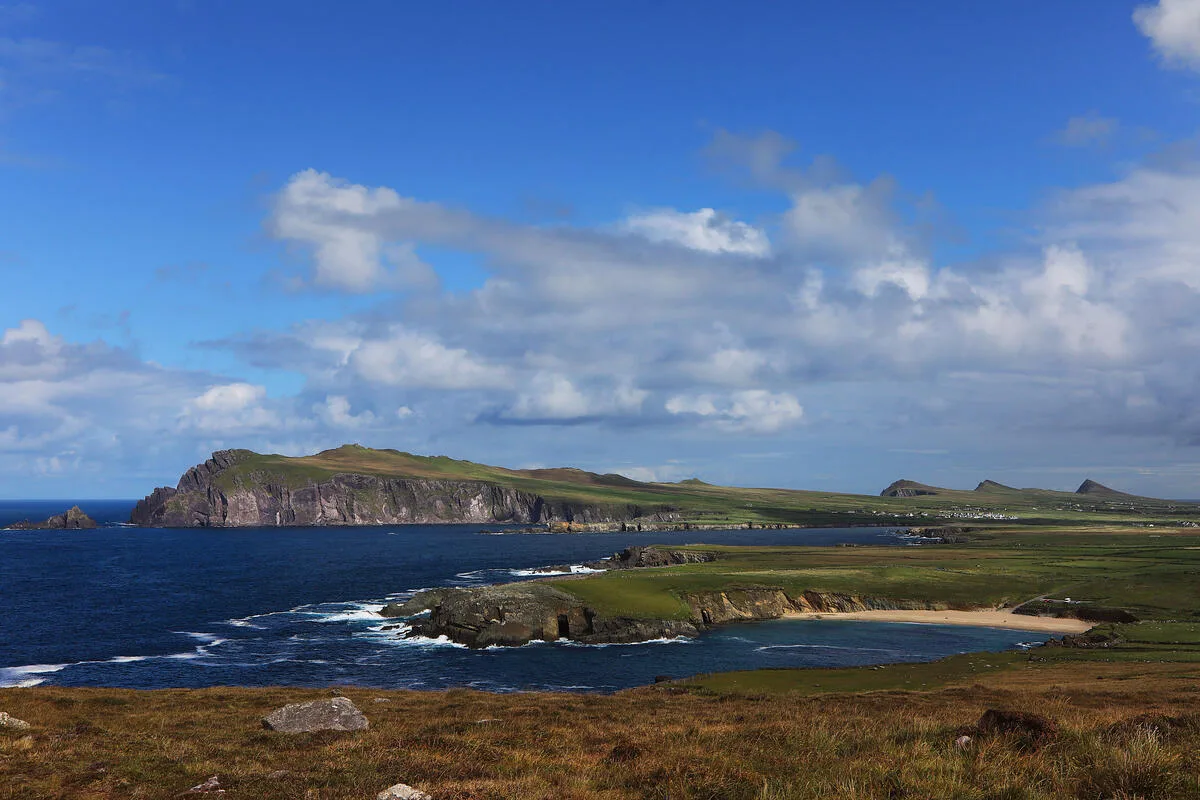
This is when you should start exploring. Browse destination websites, read hiking blogs, and watch trail videos. Join hiking communities online to learn from others' experiences. This is also when you'll identify which regions appeal most—the dramatic cliff walks of Kerry, the peaceful forest trails of Wicklow, or perhaps the pristine wilderness of Glenveagh.
During this phase, start following weather patterns for your desired season. If you're thinking of visiting in May, look back at May statistics from previous years. This data will inform your gear and clothing decisions later.
9-11 Months Before: When to Book Walking Holiday Ireland
Once you've narrowed your focus to specific regions and dates, book your accommodation. For self-guided walking holidays with luggage transfers, availability fills up quickly—especially for popular seasons like May to September. At this stage, you'll want to research and book your actual hiking tour or select specific trails you'll walk at your own pace.
This is also when many walkers book their main transportation (flights or ferry), as prices tend to be more competitive further in advance. Consider travel insurance that covers hiking and variable weather conditions.
6-8 Months Before: Hiking Fitness Preparation Ireland
Now the real preparation begins. If you haven't already, establish a training routine. Start with local walks that match the difficulty level of your planned Irish trails. If you're tackling the challenging terrain of the Kerry Way or Dingle Way, gradually build your fitness over these months.
This is the ideal time to purchase major gear items—hiking boots, backpack, waterproof jacket—allowing time to test them and break them in properly. Comfort on the trail depends enormously on well-fitted boots and a pack that doesn't cause pain after six hours of walking.
3-4 Months Before: Final Confirmations and Reading
Confirm all your bookings. Request maps and route information from your accommodation provider or tour operator. Now is when you should start reading—guidebooks, trail maps, and articles about the regions you'll visit. Understanding the history and ecology of where you're walking deepens every step.
1-2 Months Before: Final Gear Assembly and Fitness Peak
Complete all gear purchases and do several long walks wearing your full kit. Test your backpack, boots, waterproof gear, and navigation tools. This final training window should include walks of similar distance and terrain to what you'll encounter in Ireland.
2-3 Weeks Before: Final Checks
Print your maps and route information. Test your phone's GPS and download offline maps as backup. Confirm all accommodation details, arrival times, and luggage transfer arrangements. Pack a small daypack and do one final medium-distance walk to ensure everything feels comfortable.
Choosing Your Walking Season: Ireland Hiking Trip Planning Guide
Ireland's climate shifts dramatically through the year, and each season offers distinct advantages and challenges for organizing your hiking holiday in Ireland.
Spring (March-May): The Awakening
Spring brings increasing daylight (sunrise at 5:30 AM by May) and renewed vegetation. Temperatures climb from 8°C in March to 15°C by May. The trade-off? Unpredictable rainfall and occasional chilly mornings. Spring is magnificent for walkers who don't mind variable weather—fewer tourists, vibrant wildflowers, and that special sense of the landscape coming alive.
Summer (June-August): The Peak Season
This is when most walkers visit, and for good reason. Temperatures reach 18-20°C, daylight extends until 10 PM, and rain is less frequent (though hardly absent). The challenge? Popular trails become crowded, accommodation books quickly, and prices rise.
Autumn (September-October): The Sweet Spot
Many experienced walkers consider autumn the perfect season—temperatures of 14-16°C, manageable crowds, excellent light, and the landscape shifts to golden and copper tones. September weather is typically stable; October introduces more rain but offers dramatic atmospheric conditions.
Winter (November-February): The Adventurer's Season
Winter transforms Ireland into a moody, dramatic landscape. Daylight is limited (sunset by 4 PM in December), temperatures hover around 8°C, and rain is frequent. For experienced walkers comfortable with challenging conditions, winter offers solitude, dramatic skies, and that profound sense of connection with wild places.
Essential Decisions: How to Plan Your Hiking Trip Ireland
Self-Guided or Guided Tour?
Both approaches work beautifully. Self-guided hiking with luggage transfers lets you set your own pace, walk alone, and explore at whim. Guided tours provide structure, expert knowledge, and built-in companionship.
For first-time visitors, we often recommend starting with a guided tour to learn trails and meet others. Experienced hikers frequently prefer the freedom and flexibility of self-guided holidays at your own pace.
Which Trails Match Your Fitness Level?
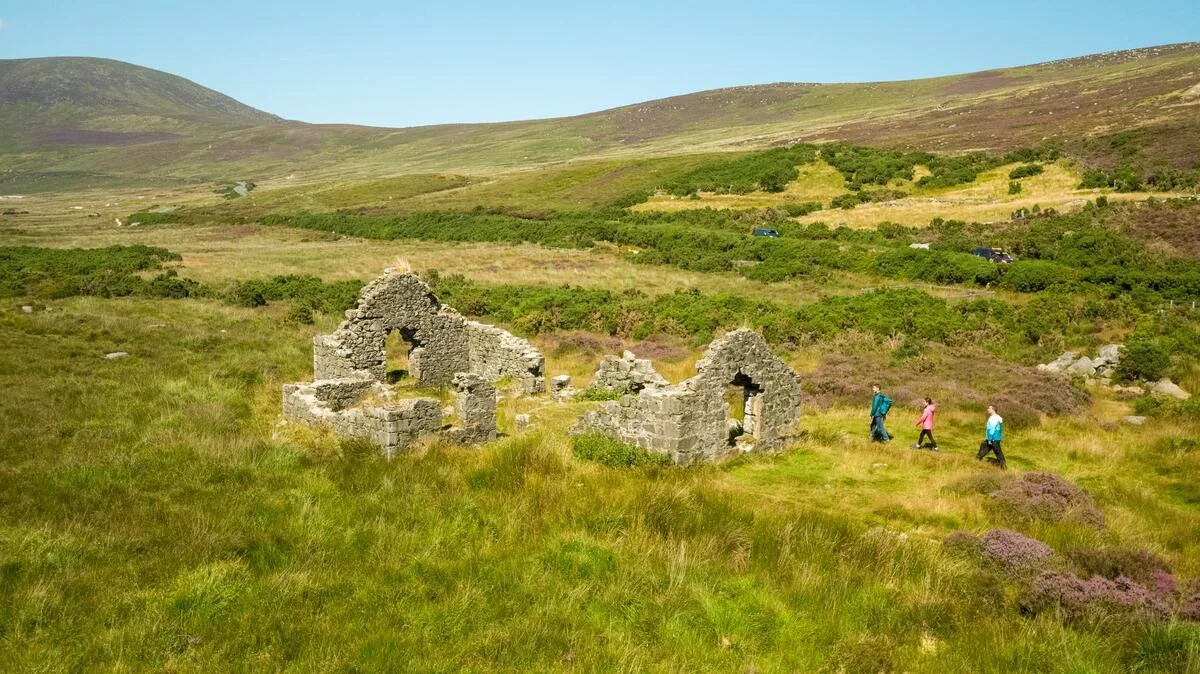
Honestly assess your current fitness. Ireland's most famous trails—like the Kerry Way hiking tour's challenging terrain or Dingle Way's exposed sections—demand good stamina and hill-walking experience. Gentler options include the Beara Way's scenic sections, the coast-to-coast Waterford Greenway, or the easy-paced Burren Way.
Where Should You Start?
New visitors often begin with Killarney, Wicklow, or the Dingle Peninsula—all offering spectacular scenery with varied difficulty levels and excellent facilities. The Wicklow Way walking holiday and Dingle Way are Ireland's most famous trails for good reason.
Ireland Hiking Preparation Checklist: What to Pack
Essential Gear Categories
Beyond this hiking trip planning Ireland guide, detailed gear lists are essential reading. Key items include: waterproof jacket and trousers (the single most important gear investment), well-fitted hiking boots broken in thoroughly, merino wool layers, a comfortable backpack (30-40 liters for self-guided tours with luggage transfer), navigation tools (map, compass, GPS), and sun protection.
Ireland's weather is notoriously changeable. Pack for all seasons regardless of when you're visiting. Use our complete hiking packing list as your foundation.
Footwear: Your Most Important Investment
Hiking boots deserve special attention in your planning timeline. Comfortable, well-fitted boots are non-negotiable for multiday hiking. Begin breaking in boots 8-10 weeks before your trip, gradually increasing walking distances.
Test boots during your training walks in conditions similar to Ireland's terrain. If blisters develop, address problems before departure through adjustments, different socks (merino wool is best), or inserts.
Layering Strategy
Irish weather demands layering approach—multiple thin layers that combine or remove based on conditions. Start with merino wool or synthetic base layer (avoid cotton, which absorbs sweat and doesn't dry). Add an insulating mid-layer (fleece or wool) for warmth. Top with windproof/waterproof outer shell.
This system allows rapid adjustment to temperature and weather changes without carrying excessive weight.
Navigation and Safety Tools
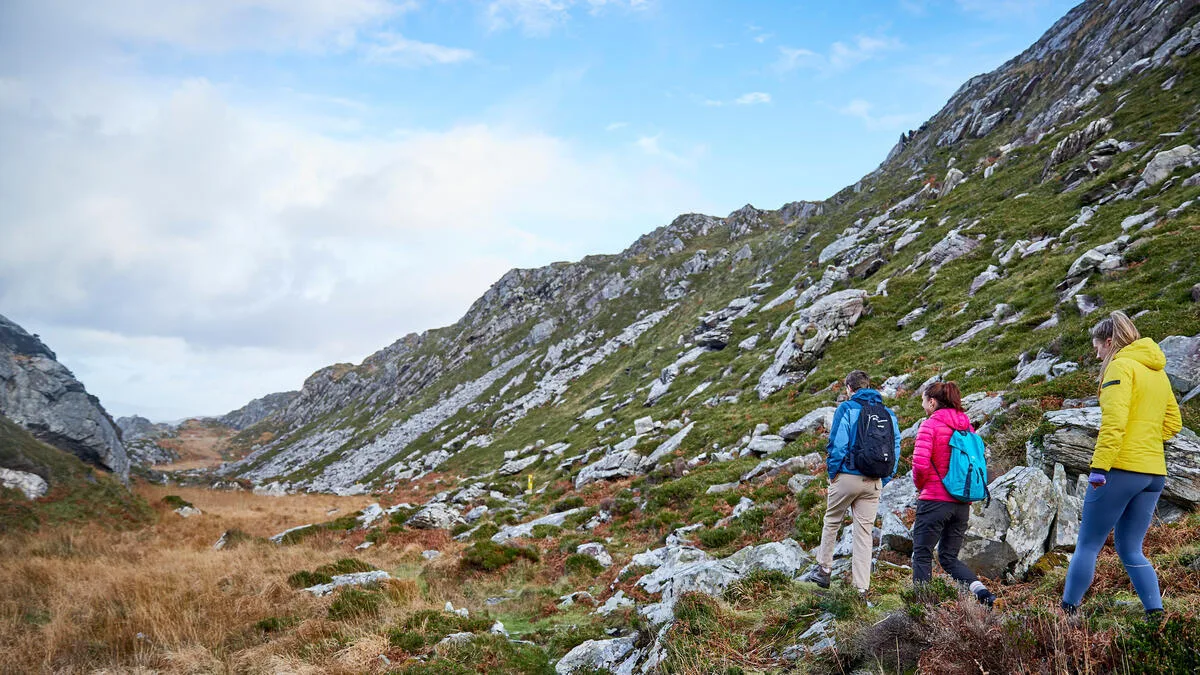
Modern walkers in Ireland should carry multiple navigation options: detailed paper maps (1:50,000 scale), a compass, and GPS device or smartphone with offline maps downloaded—essential Ireland trail booking tips include securing detailed route information in advance. No single method is foolproof.
Learn basic navigation before your trip. Understand contour lines, how to take bearings, and how to identify landmarks. Many Irish mountain areas have poor or absent trail markers—navigation skills are essential for anyone planning a plan hiking trip ireland step by step.
Final Thoughts: Your Irish Adventure Awaits
Following this Ireland hiking trip planning guide involves careful timing, honest self-assessment, thorough preparation, and genuine commitment. But the reward is immeasurable—days immersed in one of Europe's most spectacular landscapes, walking at your own pace through valleys and mountains, staying in welcoming accommodation, and discovering the rhythm of real hiking.
The planning process itself becomes part of your adventure. Reading about trails, researching accommodation, training progressively, and gathering gear builds anticipation and investment. By trip start, you're not just taking a vacation—you're beginning a genuine journey you've carefully prepared for.
Ready to transform your Irish hiking dreams into reality? Start exploring your options today, and join countless walkers who've discovered that Ireland's trails offer exactly what they've been searching for. Check out our walking holiday planning guide and hiking fitness training resources. The paths are waiting. Your adventure begins the moment you decide to make it happen.
Photo Gallery